

Fast Delivery
Quick, reliable shipping to any location.

Free & easy returns
Return this item by mail or in store within 90 days for a full refund.
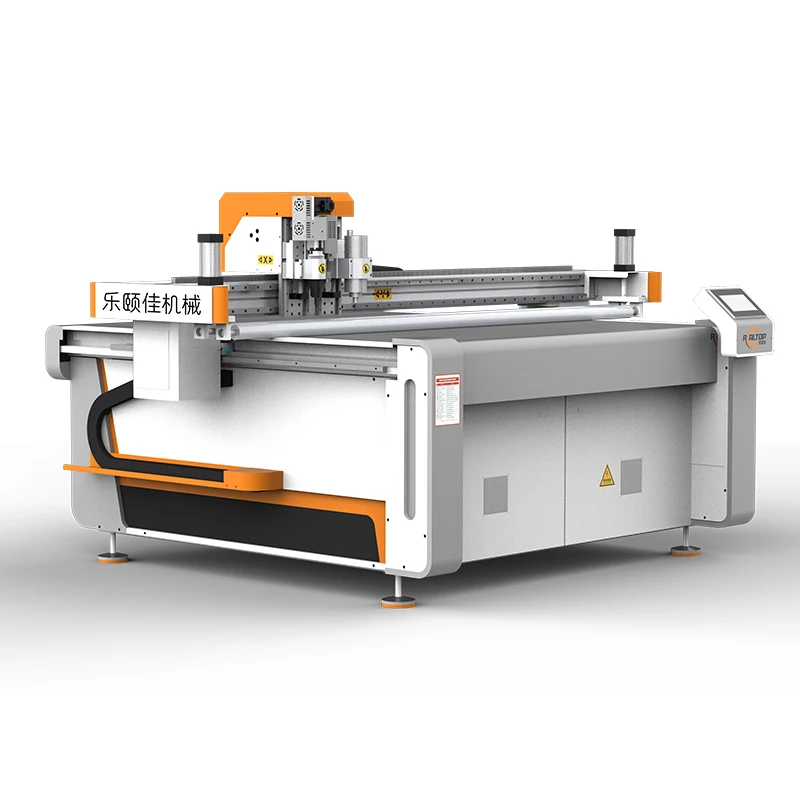
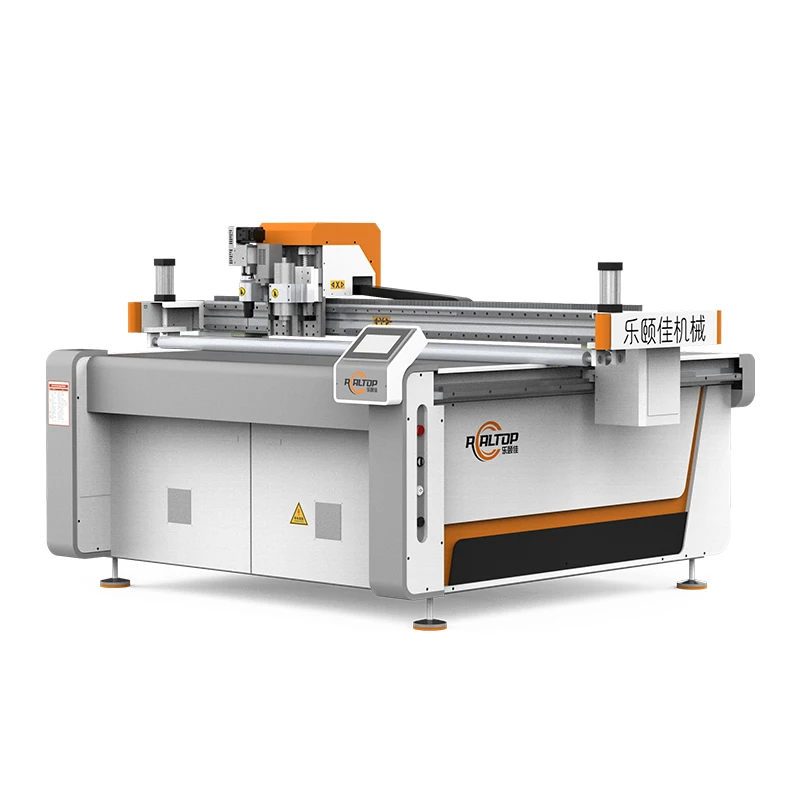
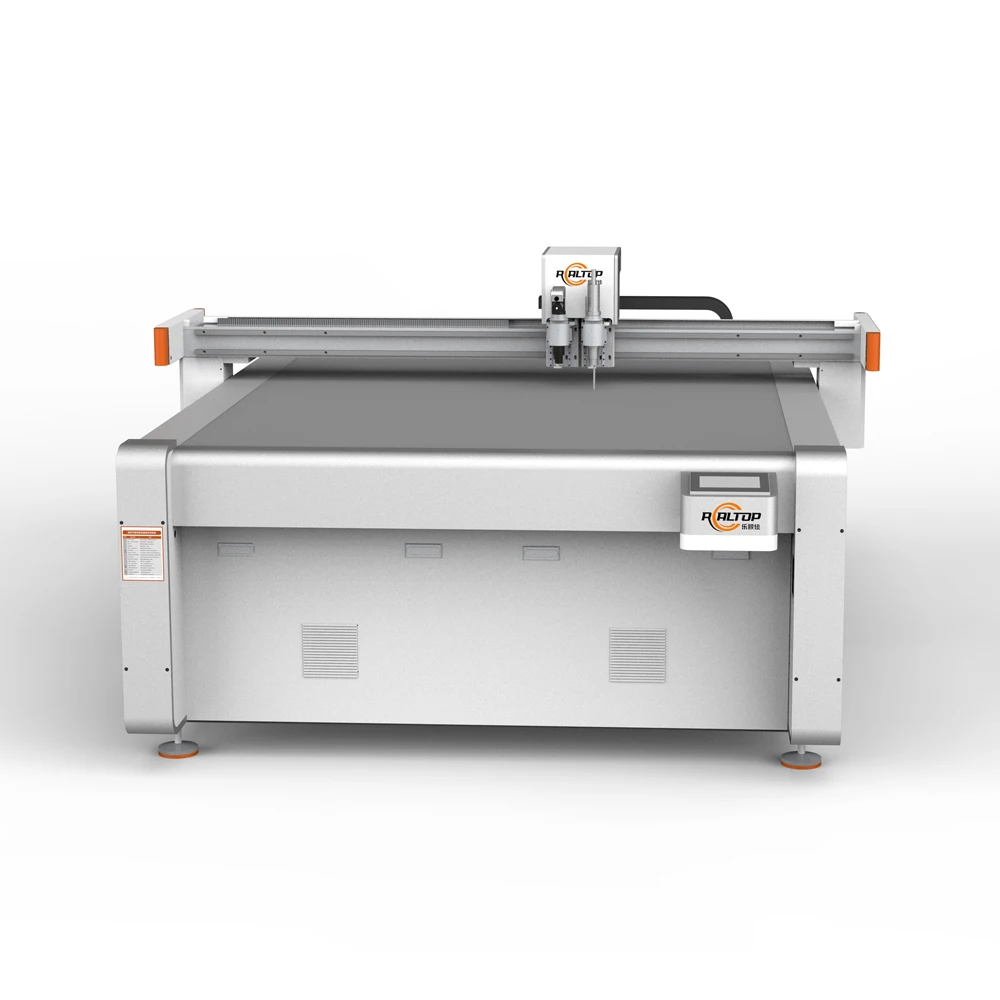
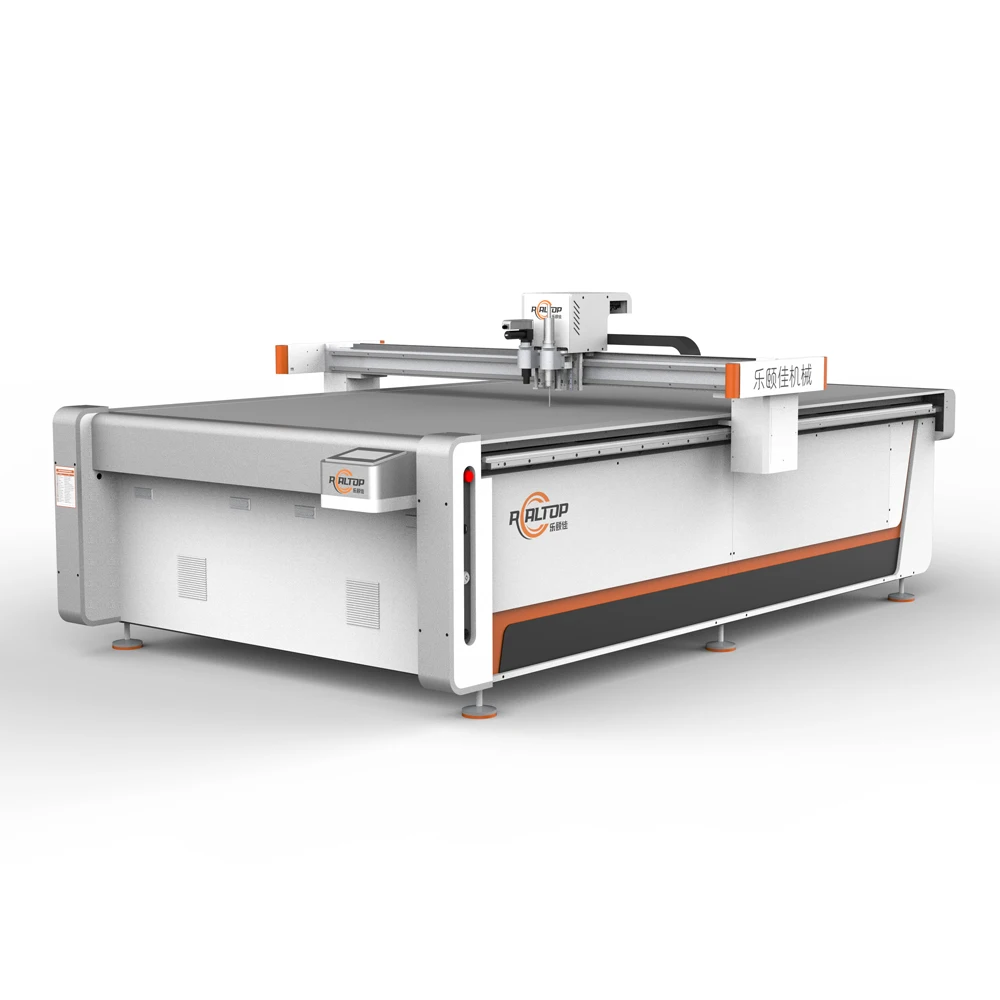
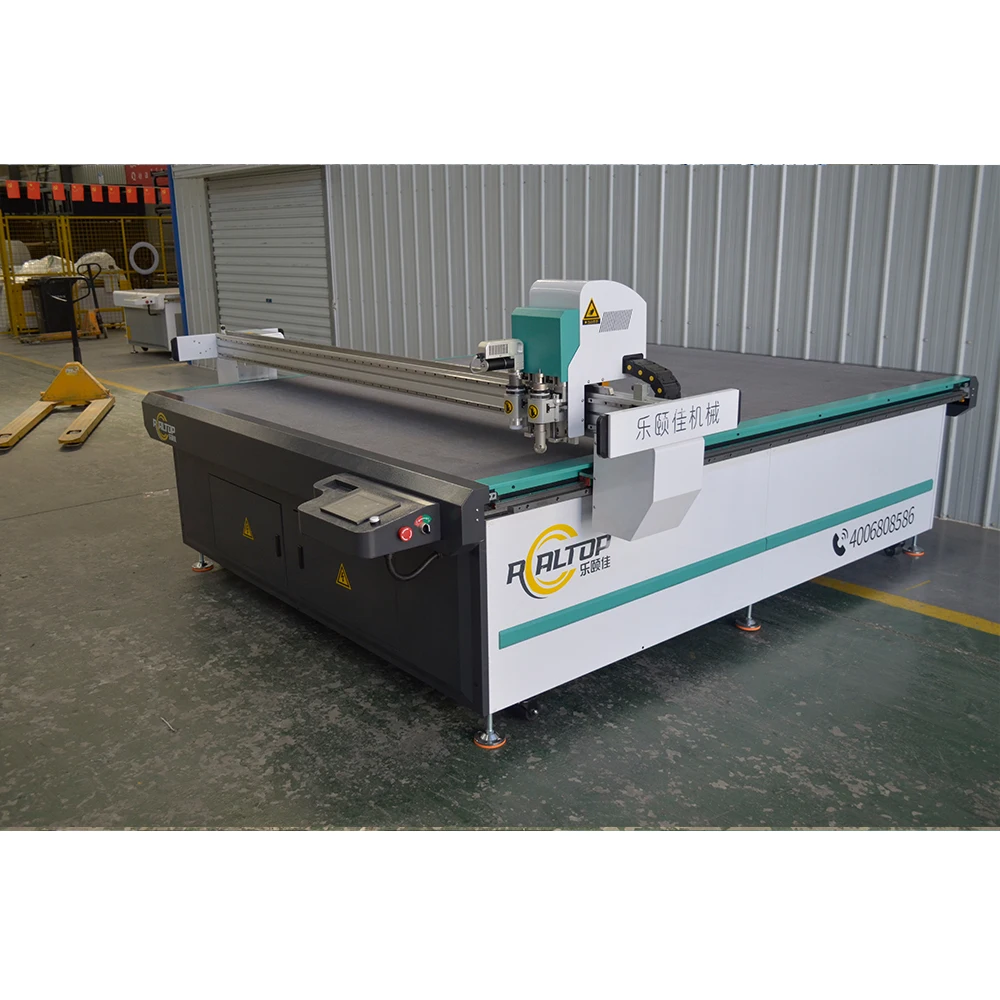
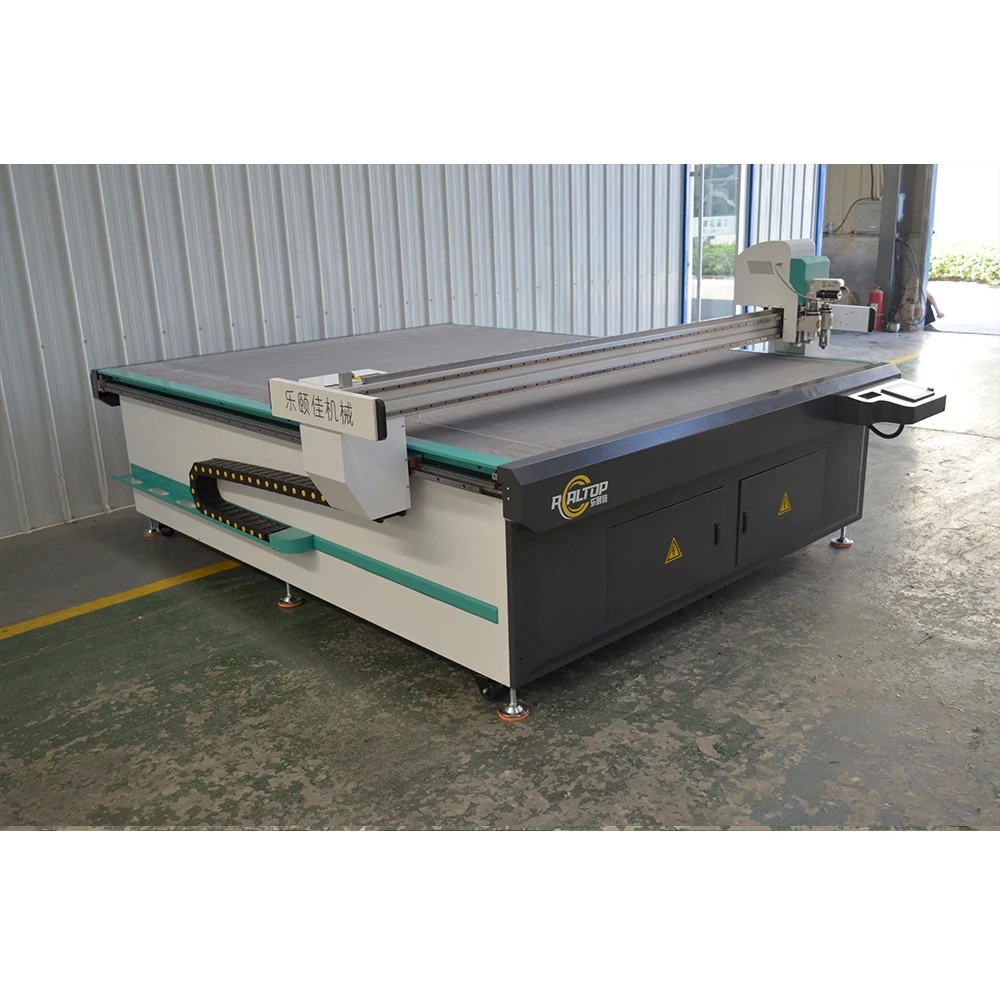
Configurable cutting heads and knife-laser dual technology — matching oscillating knife or pneumatic tooling to your gasket compound and sheet density before the order is locked in.
Technical Specifications
| Parameter | Value |
|---|---|
| Model | RT-D2516 / RT-S2516 |
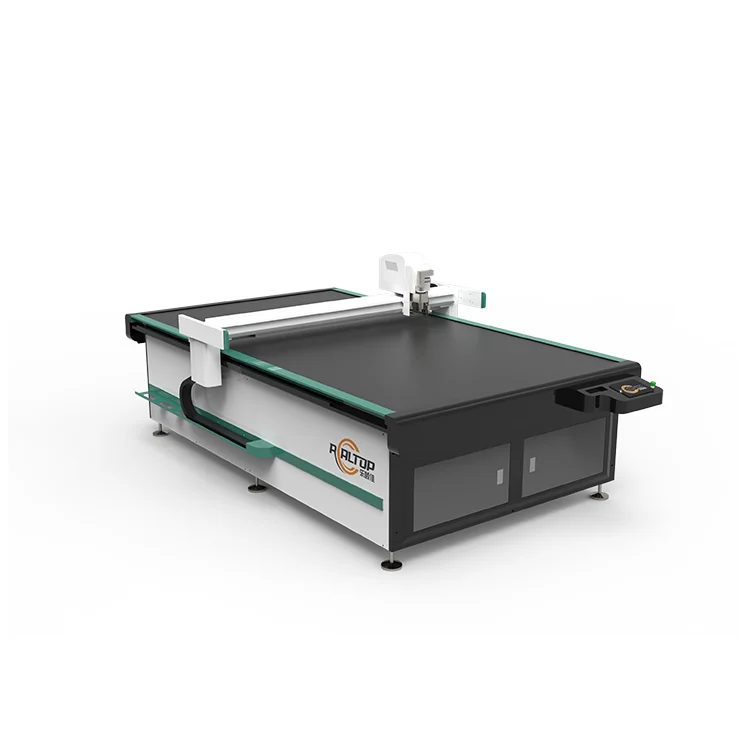
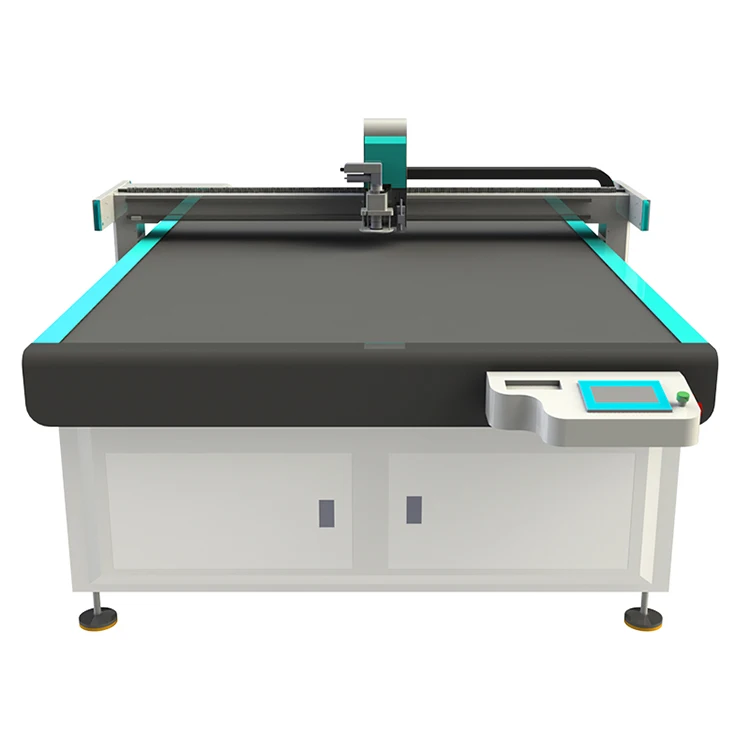
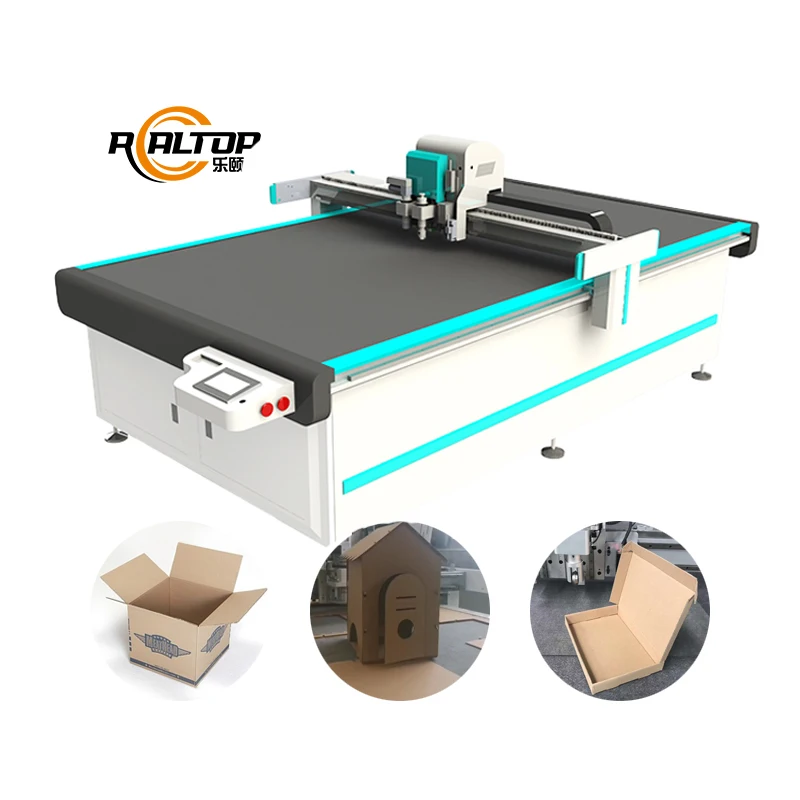
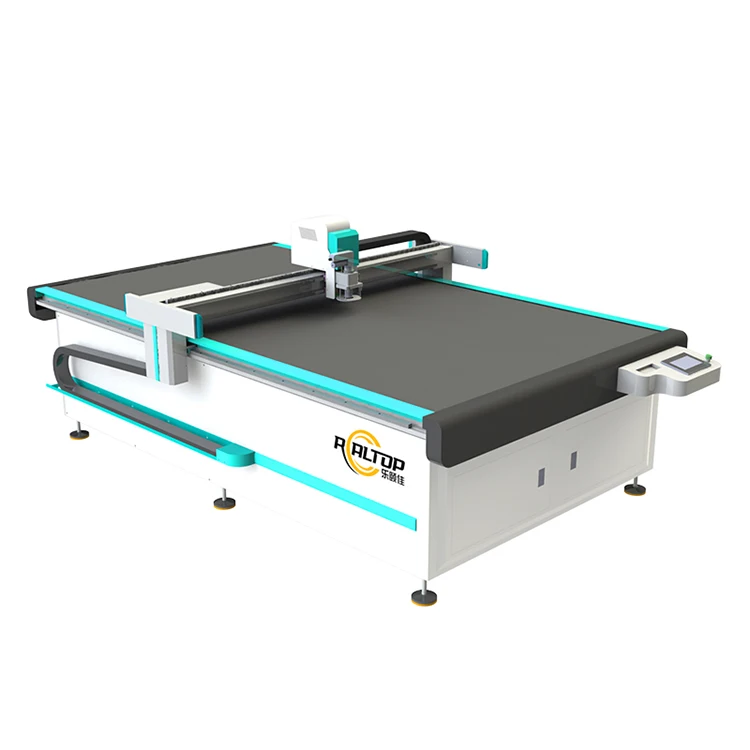
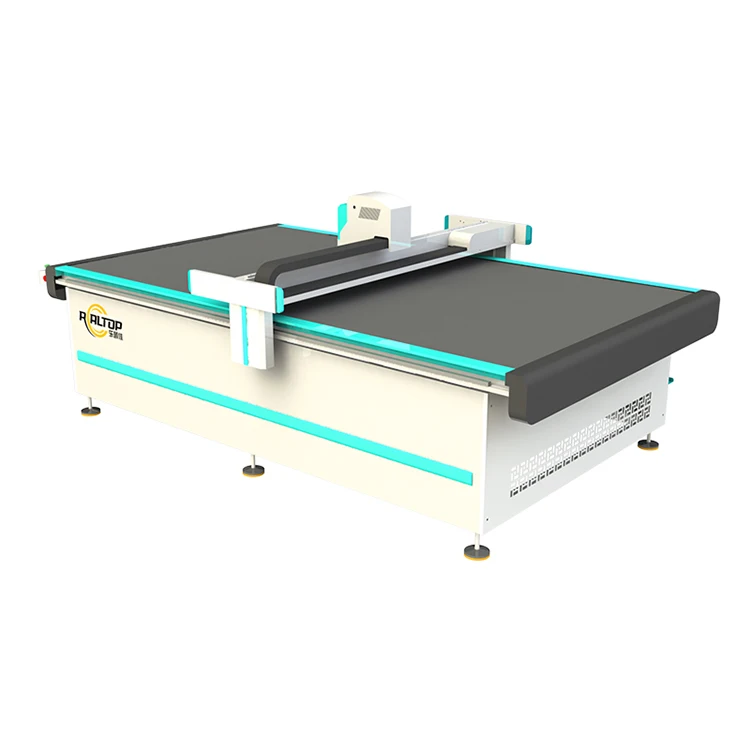
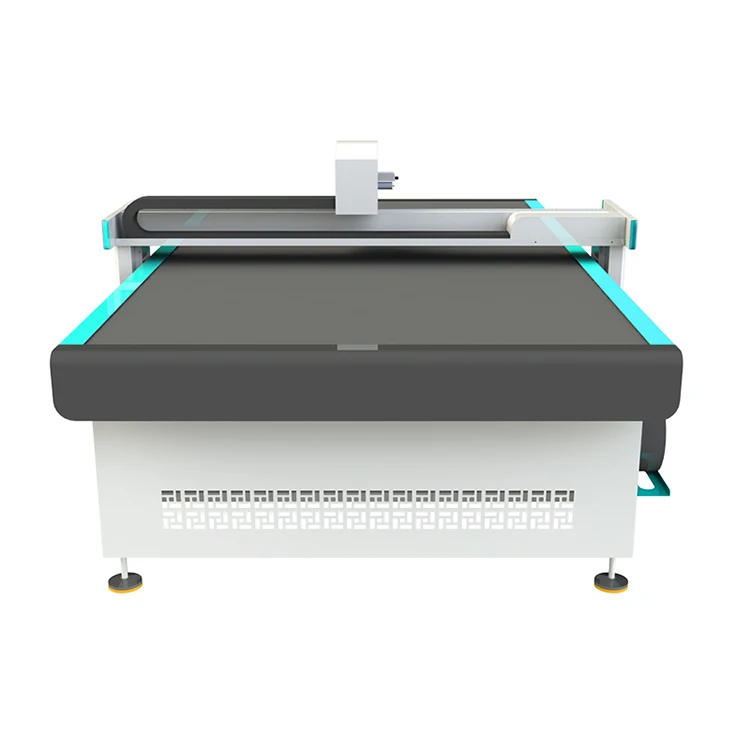
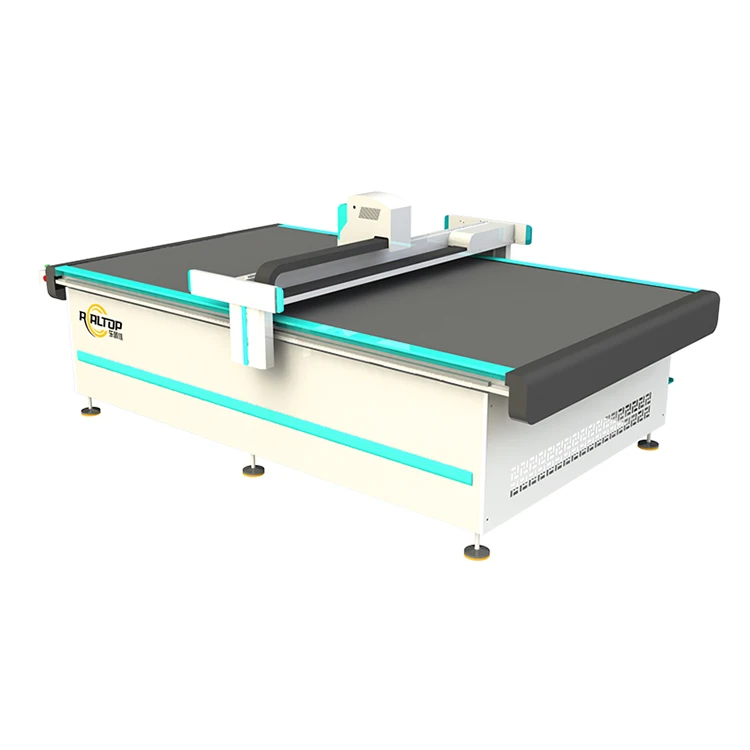
| Product Type | CNC Oscillating Knife Cutting Machine |
| Working Area | 1600 × 2500 mm |
| Machine Dimensions | 3450 × 2300 × 1250 mm |
| Rated Power | 9 kW |
| Voltage | 380V ± 10% |
| Working Table | Flat vacuum adsorption table, magnesium-aluminum alloy with PVDF coating |
| Vacuum Pump | 7.5 kW, integrated aviation aluminum housing with built-in silencer |
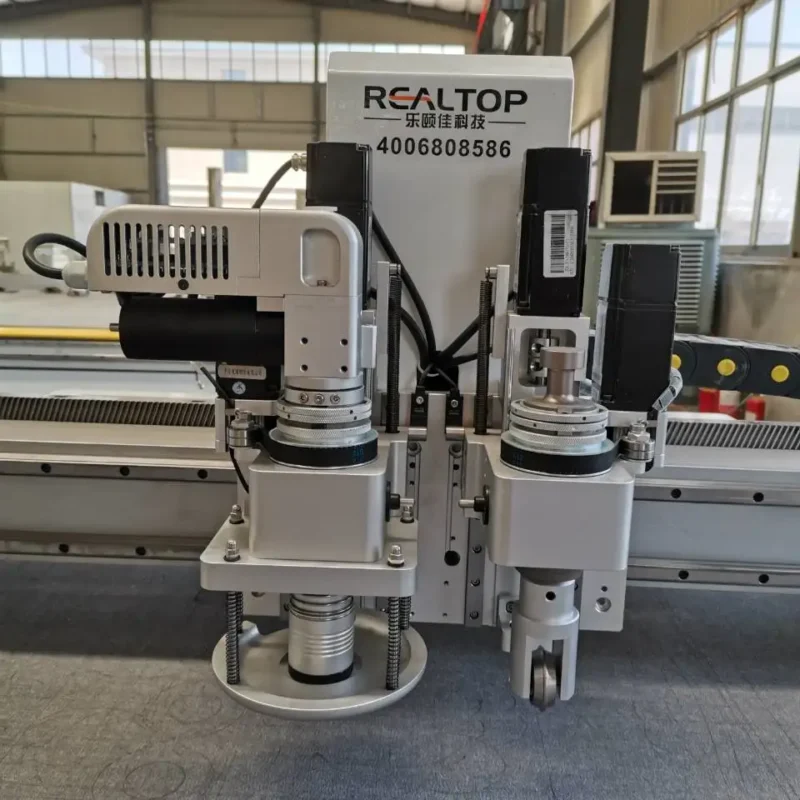
| Multifunctional Tool Head | Swiss imported knife; oscillating, pneumatic, drag, creasing, punching, and circular knife options |
| Translational Velocity | 800 – 1200 mm/s |
| Cutting Thickness | 20 – 80 mm (basis not stated in source — confirm material type and density) |
| Repeated Accuracy | ≤ 0.1 mm |
| Transmission System | Delta digital servo motor (Panasonic optional), Taiwan Hiwin linear rail, synchronous belt, ball screw |
| Conveyor Belt | Germany imported |
| Instruction Format | HP-GL compatible |
| Visual Positioning | Small CCD mark-point, panoramic camera, or projection positioning (optional) |
| Safety Device | Infrared sensors |
| Language Options | English, Russian, Italian, Chinese; others customizable |
| Certification | CE (source value — verify against manufacturer catalog) |
Application Suitability
| Application | Material or Output |
|---|---|
| Automotive sealing gaskets | Rubber, silicone, PTFE, ETFE, aramid fiber composites, cork-rubber blends |
| Industrial flange and pipe gaskets | Non-asbestos fiber sheets, compressed graphite, PTFE-filled compounds |
| Automotive interior trim | PU foam, EVA, XPE, non-woven fabric, carpet and floor mat stock |
| Packaging and sample making | Corrugated cardboard, foam board, grey board, PVC sheets |
| Soft goods and composite panels | Fiberglass cloth, sponge, PU, EVA, laminated multi-layer textiles |
Why a CNC Gasket Cutting Machine Manufacturer Must Confirm Material Before Quoting
The cutting thickness figure on a spec sheet is meaningless without the material density and compound it was tested against.
A buyer once specified an oscillating knife gasket cutter based on published cutting depth alone. The machine was rated for 20 – 80 mm, yet the material in question was a dense aramid composite board far harder than standard compressed fiber gaskets. The blade could not achieve full penetration at production speed, and throughput dropped significantly. This is a pattern I have encountered repeatedly on the export side of Shandong’s CNC cutting equipment trade: working area and cutting depth are negotiated first, while the actual gasket compound is never sampled before the configuration is finalized [NEED_CITE: gasket material density and hardness variation across compounds].
Knife Versus Laser: Matching the Method to Your Gasket Stock
A complete catalogue spanning both knife cutting and laser cutting allows you to evaluate which technology suits your gasket compound without being steered toward a single method. Oscillating knife cutting handles dense, fiber-reinforced, and compressible materials — PTFE, aramid, cork-rubber, and non-asbestos fiber sheets — where a laser beam would char edges or delaminate laminated layers. The RT-D2516 and RT-S2516 are configured around the oscillating knife principle, delivering vibration full cutting, half cutting, and cursor location via a Swiss imported knife assembly.
Vacuum Table Zoning and Its Effect on Small-Part Gasket Runs
Gasket production often involves cutting many small sealing rings and flange profiles from a single large sheet. The magnesium-aluminum alloy vacuum adsorption table on this CNC gasket cutting machine platform uses multi-zone suction so that vacuum holds small parts firmly even after surrounding material has been cut away. When vacuum zoning is undersized or single-zone, small gaskets lift and shift during the final passes of the knife, producing ragged edges or dimensional drift that only surfaces during assembly.
Reading the Spec Sheet Through a Production Lens
Translational velocity of 800 – 1200 mm/s is governed by the Delta digital servo motor (with Panasonic as an optional upgrade) running along Taiwan Hiwin linear rails. In gasket cutting, actual feed speed depends on material resistance — dense aramid composites demand slower traverses than soft sponge or PU foam, and the servo system must maintain positional accuracy across that range. The repeated accuracy specification of ≤ 0.1 mm matters most on flange gaskets where bolt-hole patterns must align precisely with mating surfaces. The HP-GL compatible instruction format ensures compatibility with standard nesting software, while optional CCD camera or panoramic positioning systems enable contour recognition for printed registration marks on pre-printed gasket sheets [NEED_CITE: HP-GL format compatibility in digital flatbed cutting workflows]. The 7.5 kW vacuum pump housed in an aviation aluminum shell with a built-in silencer sponge reduces ambient noise on the shop floor while maintaining the suction pressure required for porous gasket materials like compressed fiber and cork blends.
The Hidden Cost of Specifying on Working Area Alone
When buyers select a machine based on table size without testing their actual gasket material, the consequences appear weeks into production. A knife chosen for soft rubber will buckle against PTFE or aramid boards, producing crushed edges and forcing manual rework. Single-zone vacuum tables that seem adequate during factory demonstrations fail to hold small-diameter O-rings and flange inserts once the surrounding skeleton is stripped. Voltage mismatches — ordering a 380V/50Hz unit for a market running 440V/60Hz — surface as servo fault codes on the first day of operation, not during the factory acceptance test [NEED_CITE: voltage and frequency standards by export market].
Why Source This CNC Gasket Cutting Machine Manufacturer
In-house design and production span both oscillating knife and laser platforms, so you compare cutting methods side by side rather than being locked into one technology. Tool head and table configuration is specified against your exact gasket material and daily volume, not quoted from a standard list. Sample cutting on your own material — whether aramid composite, PTFE sheet, or cork-rubber blend — is completed before commitment, giving you edge quality data and throughput figures tied to your compound. Software and file format compatibility is confirmed during the quotation stage so your existing nesting workflow integrates without conversion workstations. Voltage, control language, and plug configuration are verified against your facility’s electrical standard before production begins.
Documentation & Verification
- Machine specification sheet listing the exact tool head and table configuration matched to your gasket material
- Electrical schematic with voltage, frequency, and plug type confirmed for your target market
- Sample cutting report documenting edge quality and dimensional accuracy on your supplied gasket stock
- Software licence details and HP-GL file format compatibility note for your nesting environment
- Factory test record showing repeated accuracy verification before dispatch
Installation, Commissioning & Support
- Machine footprint of 3450 × 2300 mm requires a level concrete floor capable of supporting the steel frame and 7.5 kW vacuum pump
- 380V ± 10% three-phase dedicated circuit with proper grounding for the 9 kW rated power system
- Delta servo drives and Hiwin linear rails calibrated and tested at the factory, with re-verification on site
- Tool head selection — oscillating, pneumatic, drag, or punching — confirmed and set during commissioning
- Operator training covers vacuum zoning setup for small gasket parts and HP-GL file import procedures
- Swiss imported knife assemblies and consumable blades listed in the spare parts schedule with reorder intervals
Requesting a Configuration Quote
Share your gasket material type, compound composition, sheet thickness, and maximum sheet dimensions so the tool head and vacuum table configuration can be matched before quotation. Specify your daily cutting volume and whether your workflow involves printed registration marks requiring CCD camera positioning. Confirm your local voltage, frequency, and preferred control language so the electrical package is built to your facility’s standard from the outset.
Frequently Asked Questions
Q: Should I use an oscillating knife or a laser for cutting PTFE and aramid gasket materials?
A: Oscillating knife is typically preferred for PTFE, aramid, and fiber-reinforced composites because laser energy can char edges, delaminate layers, or leave a glazed surface that compromises sealing performance. Knife cutting preserves the material’s original cross-section and edge integrity, which is critical for flange and pipe gaskets under compression.
Q: How do I choose the correct tool head for rubber versus composite gasket sheets?
A: Softer materials like silicone and sponge rubber work well with standard oscillating knife heads, while dense aramid or compressed fiber boards may require a high-power vibrating knife or pneumatic knife option. The correct tool head is determined by sample cutting on your actual material, evaluating edge finish, cutting depth, and throughput at production speed.
Q: What working area and vacuum zoning setup is right for small flange gaskets?
A: The 1600 × 2500 mm working area accommodates full gasket sheets, but small flange profiles and O-rings demand multi-zone vacuum suction so individual parts remain fixed after surrounding material is removed. Confirm your smallest part dimensions so vacuum zone layout can be configured before the table is built.
Q: Can the CCD camera system track printed marks on pre-printed gasket sheets at production speed?
A: Optional small CCD mark-point positioning and panoramic camera recognition are available for contour work on printed gasket layouts. Tracking reliability at full translational velocity depends on mark contrast, print quality, and ambient lighting, all of which should be validated during sample cutting before the order is finalized.
Configurable cutting heads and knife-laser dual technology — matching oscillating knife or pneumatic tooling to your gasket compound and sheet density before the order is locked in.
Technical Specifications
| Parameter | Value |
|---|---|
| Model | RT-D2516 / RT-S2516 |
| Product Type | CNC Oscillating Knife Cutting Machine |
| Working Area | 1600 × 2500 mm |
| Machine Dimensions | 3450 × 2300 × 1250 mm |
| Rated Power | 9 kW |
| Voltage | 380V ± 10% |
| Working Table | Flat vacuum adsorption table, magnesium-aluminum alloy with PVDF coating |
| Vacuum Pump | 7.5 kW, integrated aviation aluminum housing with built-in silencer |
| Multifunctional Tool Head | Swiss imported knife; oscillating, pneumatic, drag, creasing, punching, and circular knife options |
| Translational Velocity | 800 – 1200 mm/s |
| Cutting Thickness | 20 – 80 mm (basis not stated in source — confirm material type and density) |
| Repeated Accuracy | ≤ 0.1 mm |
| Transmission System | Delta digital servo motor (Panasonic optional), Taiwan Hiwin linear rail, synchronous belt, ball screw |
| Conveyor Belt | Germany imported |
| Instruction Format | HP-GL compatible |
| Visual Positioning | Small CCD mark-point, panoramic camera, or projection positioning (optional) |
| Safety Device | Infrared sensors |
| Language Options | English, Russian, Italian, Chinese; others customizable |
| Certification | CE (source value — verify against manufacturer catalog) |
Application Suitability
| Application | Material or Output |
|---|---|
| Automotive sealing gaskets | Rubber, silicone, PTFE, ETFE, aramid fiber composites, cork-rubber blends |
| Industrial flange and pipe gaskets | Non-asbestos fiber sheets, compressed graphite, PTFE-filled compounds |
| Automotive interior trim | PU foam, EVA, XPE, non-woven fabric, carpet and floor mat stock |
| Packaging and sample making | Corrugated cardboard, foam board, grey board, PVC sheets |
| Soft goods and composite panels | Fiberglass cloth, sponge, PU, EVA, laminated multi-layer textiles |
Why a CNC Gasket Cutting Machine Manufacturer Must Confirm Material Before Quoting
The cutting thickness figure on a spec sheet is meaningless without the material density and compound it was tested against.
A buyer once specified an oscillating knife gasket cutter based on published cutting depth alone. The machine was rated for 20 – 80 mm, yet the material in question was a dense aramid composite board far harder than standard compressed fiber gaskets. The blade could not achieve full penetration at production speed, and throughput dropped significantly. This is a pattern I have encountered repeatedly on the export side of Shandong’s CNC cutting equipment trade: working area and cutting depth are negotiated first, while the actual gasket compound is never sampled before the configuration is finalized [NEED_CITE: gasket material density and hardness variation across compounds].
Knife Versus Laser: Matching the Method to Your Gasket Stock
A complete catalogue spanning both knife cutting and laser cutting allows you to evaluate which technology suits your gasket compound without being steered toward a single method. Oscillating knife cutting handles dense, fiber-reinforced, and compressible materials — PTFE, aramid, cork-rubber, and non-asbestos fiber sheets — where a laser beam would char edges or delaminate laminated layers. The RT-D2516 and RT-S2516 are configured around the oscillating knife principle, delivering vibration full cutting, half cutting, and cursor location via a Swiss imported knife assembly.
Vacuum Table Zoning and Its Effect on Small-Part Gasket Runs
Gasket production often involves cutting many small sealing rings and flange profiles from a single large sheet. The magnesium-aluminum alloy vacuum adsorption table on this CNC gasket cutting machine platform uses multi-zone suction so that vacuum holds small parts firmly even after surrounding material has been cut away. When vacuum zoning is undersized or single-zone, small gaskets lift and shift during the final passes of the knife, producing ragged edges or dimensional drift that only surfaces during assembly.
Reading the Spec Sheet Through a Production Lens
Translational velocity of 800 – 1200 mm/s is governed by the Delta digital servo motor (with Panasonic as an optional upgrade) running along Taiwan Hiwin linear rails. In gasket cutting, actual feed speed depends on material resistance — dense aramid composites demand slower traverses than soft sponge or PU foam, and the servo system must maintain positional accuracy across that range. The repeated accuracy specification of ≤ 0.1 mm matters most on flange gaskets where bolt-hole patterns must align precisely with mating surfaces. The HP-GL compatible instruction format ensures compatibility with standard nesting software, while optional CCD camera or panoramic positioning systems enable contour recognition for printed registration marks on pre-printed gasket sheets [NEED_CITE: HP-GL format compatibility in digital flatbed cutting workflows]. The 7.5 kW vacuum pump housed in an aviation aluminum shell with a built-in silencer sponge reduces ambient noise on the shop floor while maintaining the suction pressure required for porous gasket materials like compressed fiber and cork blends.
The Hidden Cost of Specifying on Working Area Alone
When buyers select a machine based on table size without testing their actual gasket material, the consequences appear weeks into production. A knife chosen for soft rubber will buckle against PTFE or aramid boards, producing crushed edges and forcing manual rework. Single-zone vacuum tables that seem adequate during factory demonstrations fail to hold small-diameter O-rings and flange inserts once the surrounding skeleton is stripped. Voltage mismatches — ordering a 380V/50Hz unit for a market running 440V/60Hz — surface as servo fault codes on the first day of operation, not during the factory acceptance test [NEED_CITE: voltage and frequency standards by export market].
Why Source This CNC Gasket Cutting Machine Manufacturer
In-house design and production span both oscillating knife and laser platforms, so you compare cutting methods side by side rather than being locked into one technology. Tool head and table configuration is specified against your exact gasket material and daily volume, not quoted from a standard list. Sample cutting on your own material — whether aramid composite, PTFE sheet, or cork-rubber blend — is completed before commitment, giving you edge quality data and throughput figures tied to your compound. Software and file format compatibility is confirmed during the quotation stage so your existing nesting workflow integrates without conversion workstations. Voltage, control language, and plug configuration are verified against your facility’s electrical standard before production begins.
Documentation & Verification
- Machine specification sheet listing the exact tool head and table configuration matched to your gasket material
- Electrical schematic with voltage, frequency, and plug type confirmed for your target market
- Sample cutting report documenting edge quality and dimensional accuracy on your supplied gasket stock
- Software licence details and HP-GL file format compatibility note for your nesting environment
- Factory test record showing repeated accuracy verification before dispatch
Installation, Commissioning & Support
- Machine footprint of 3450 × 2300 mm requires a level concrete floor capable of supporting the steel frame and 7.5 kW vacuum pump
- 380V ± 10% three-phase dedicated circuit with proper grounding for the 9 kW rated power system
- Delta servo drives and Hiwin linear rails calibrated and tested at the factory, with re-verification on site
- Tool head selection — oscillating, pneumatic, drag, or punching — confirmed and set during commissioning
- Operator training covers vacuum zoning setup for small gasket parts and HP-GL file import procedures
- Swiss imported knife assemblies and consumable blades listed in the spare parts schedule with reorder intervals
Requesting a Configuration Quote
Share your gasket material type, compound composition, sheet thickness, and maximum sheet dimensions so the tool head and vacuum table configuration can be matched before quotation. Specify your daily cutting volume and whether your workflow involves printed registration marks requiring CCD camera positioning. Confirm your local voltage, frequency, and preferred control language so the electrical package is built to your facility’s standard from the outset.
Frequently Asked Questions
Q: Should I use an oscillating knife or a laser for cutting PTFE and aramid gasket materials?
A: Oscillating knife is typically preferred for PTFE, aramid, and fiber-reinforced composites because laser energy can char edges, delaminate layers, or leave a glazed surface that compromises sealing performance. Knife cutting preserves the material’s original cross-section and edge integrity, which is critical for flange and pipe gaskets under compression.
Q: How do I choose the correct tool head for rubber versus composite gasket sheets?
A: Softer materials like silicone and sponge rubber work well with standard oscillating knife heads, while dense aramid or compressed fiber boards may require a high-power vibrating knife or pneumatic knife option. The correct tool head is determined by sample cutting on your actual material, evaluating edge finish, cutting depth, and throughput at production speed.
Q: What working area and vacuum zoning setup is right for small flange gaskets?
A: The 1600 × 2500 mm working area accommodates full gasket sheets, but small flange profiles and O-rings demand multi-zone vacuum suction so individual parts remain fixed after surrounding material is removed. Confirm your smallest part dimensions so vacuum zone layout can be configured before the table is built.
Q: Can the CCD camera system track printed marks on pre-printed gasket sheets at production speed?
A: Optional small CCD mark-point positioning and panoramic camera recognition are available for contour work on printed gasket layouts. Tracking reliability at full translational velocity depends on mark contrast, print quality, and ambient lighting, all of which should be validated during sample cutting before the order is finalized.
商品评价
There are no reviews yet.