


Fast Delivery
Quick, reliable shipping to any location.

Free & easy returns
Return this item by mail or in store within 90 days for a full refund.
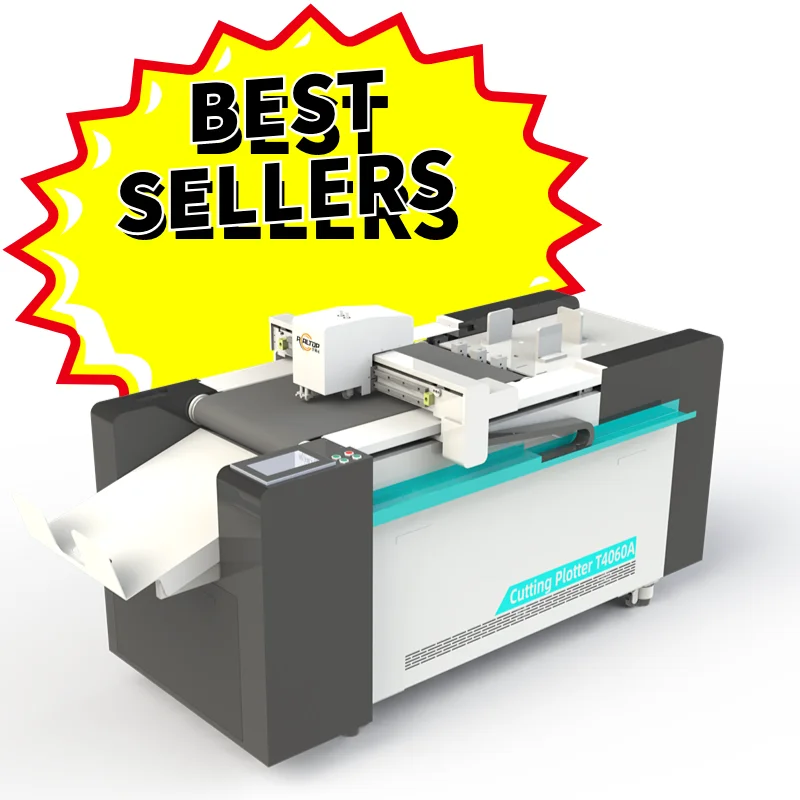
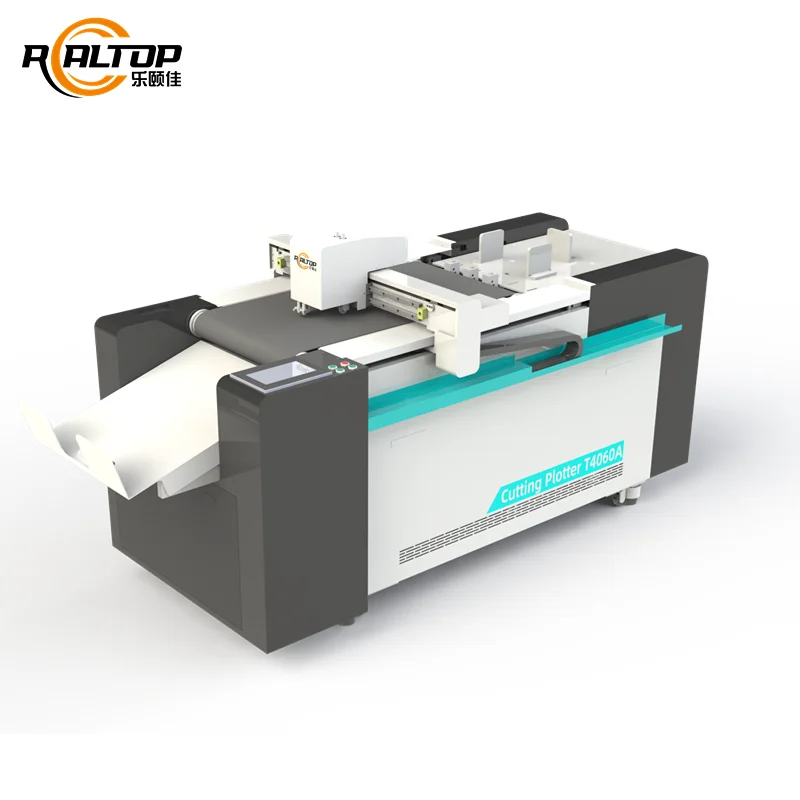
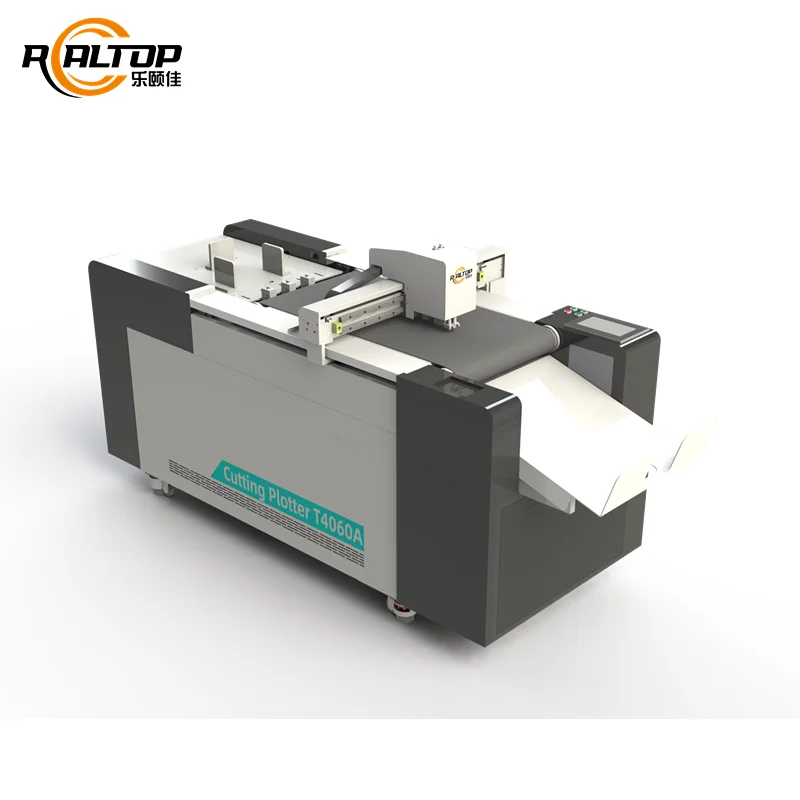
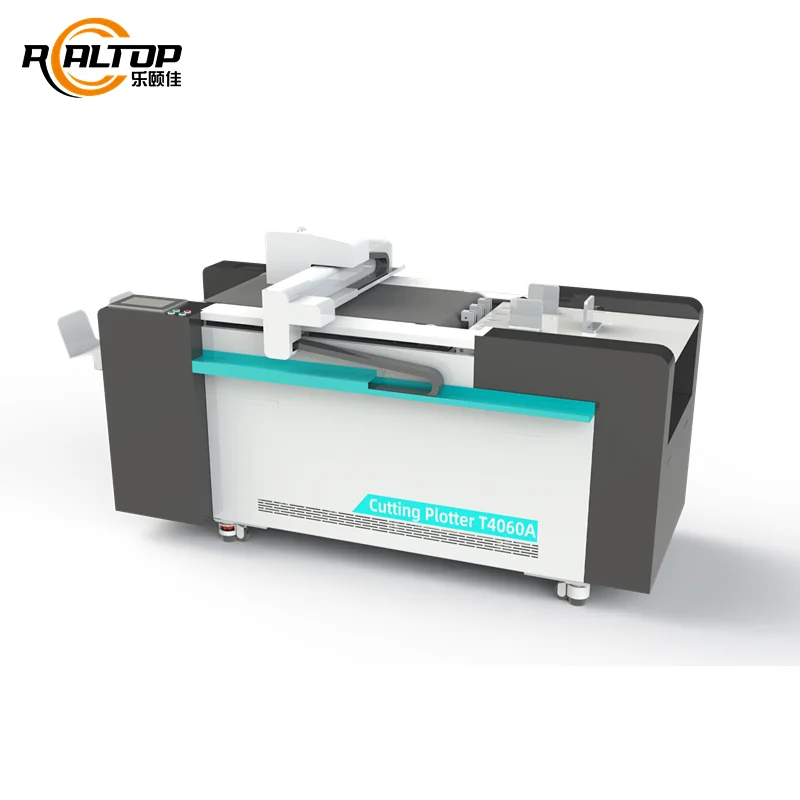
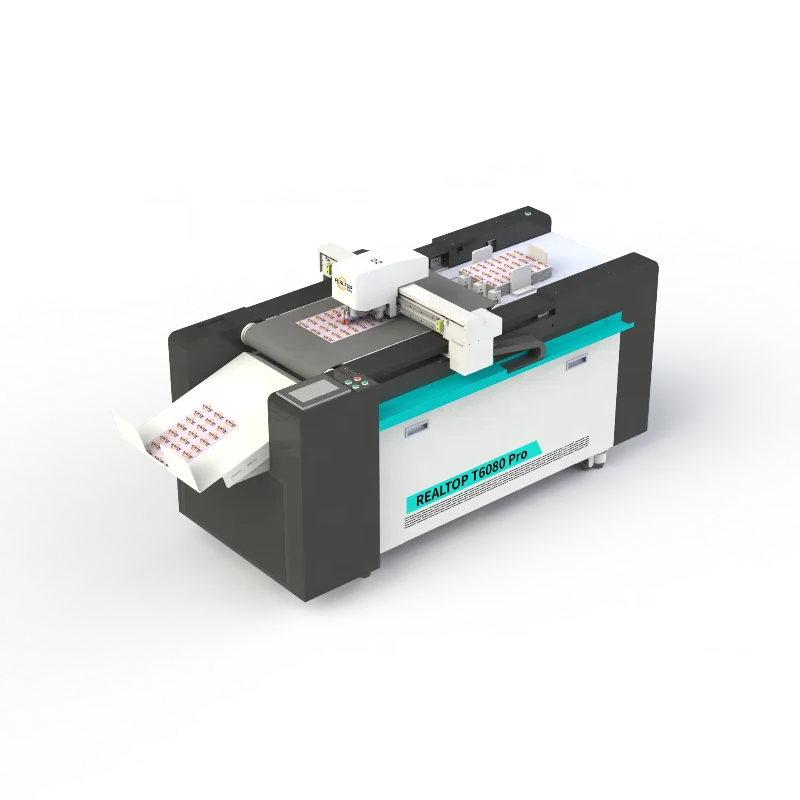
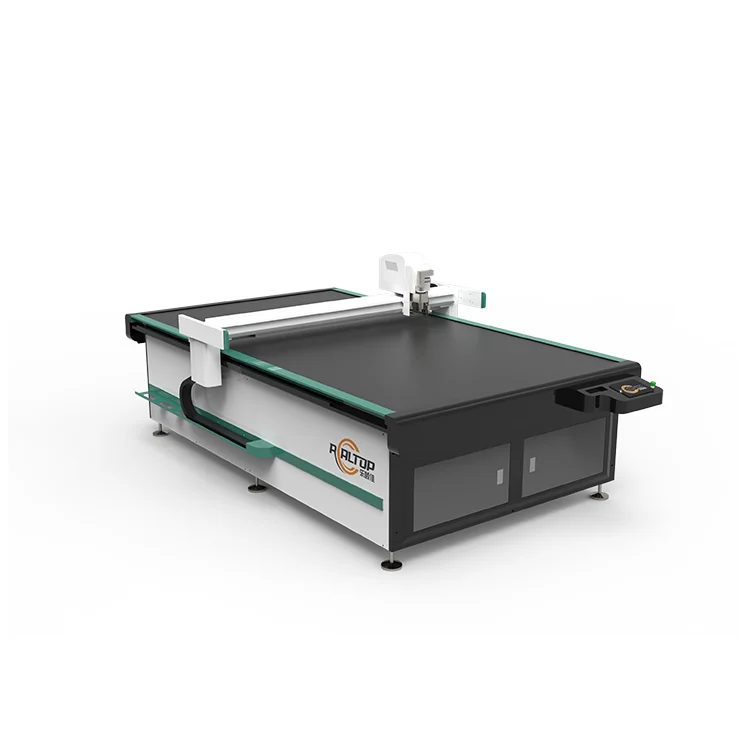
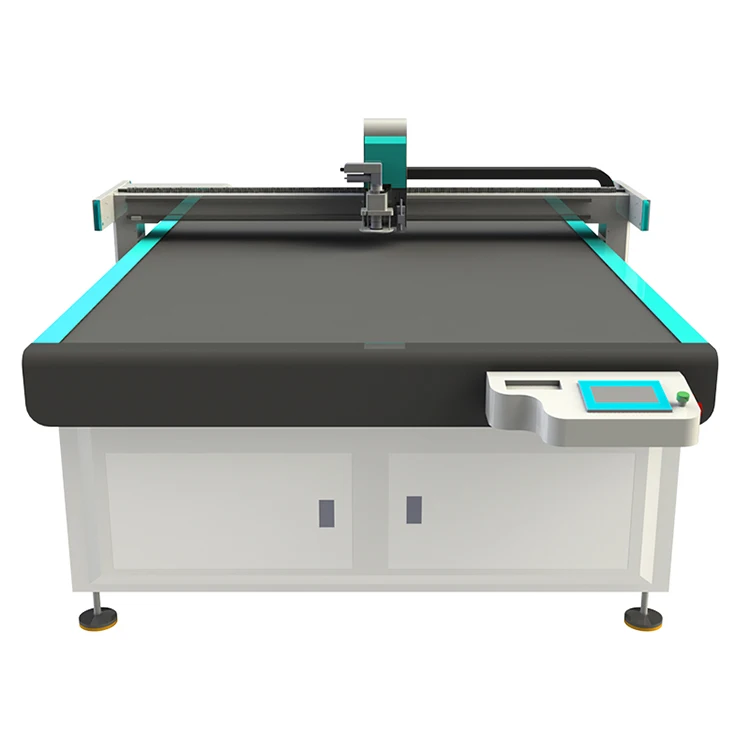
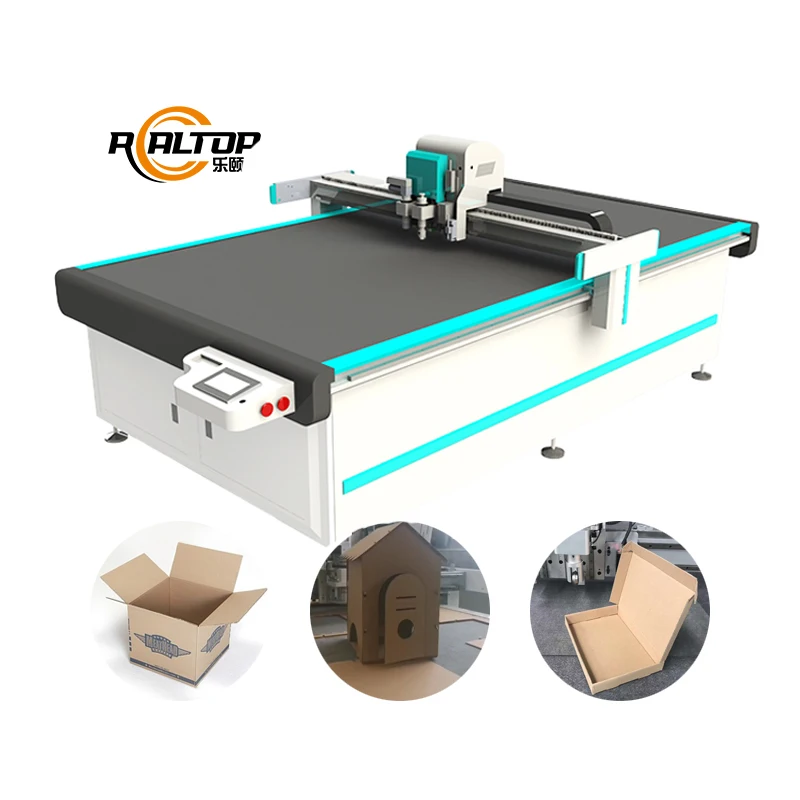
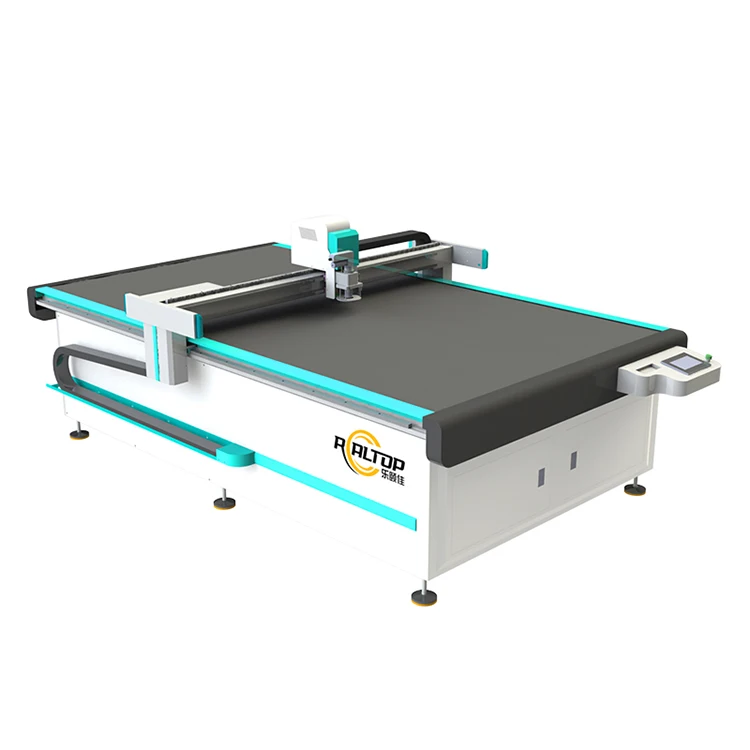
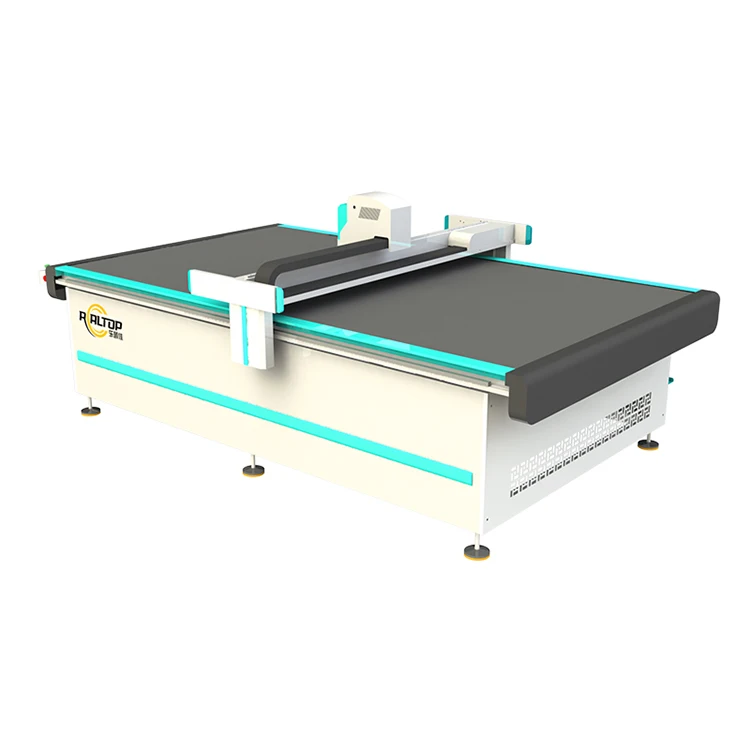
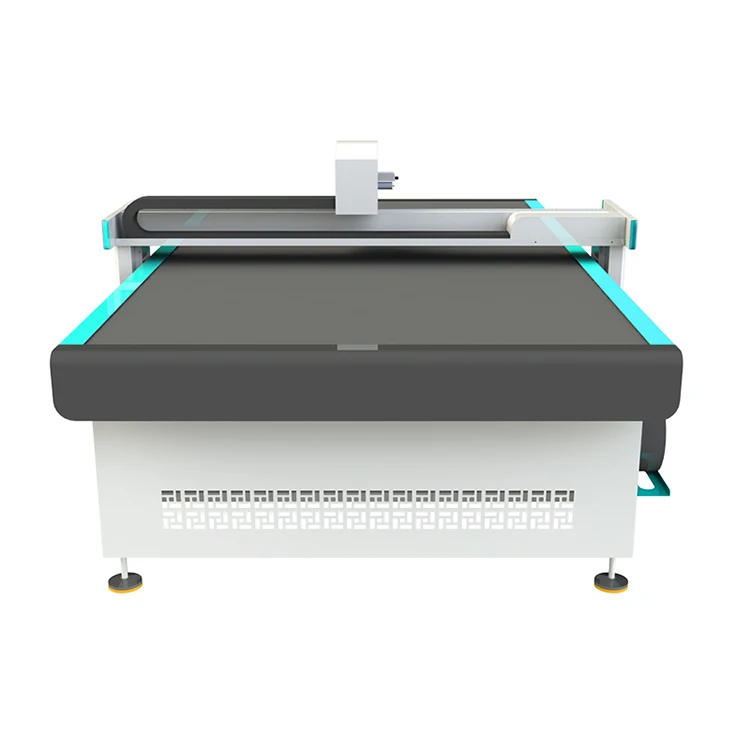
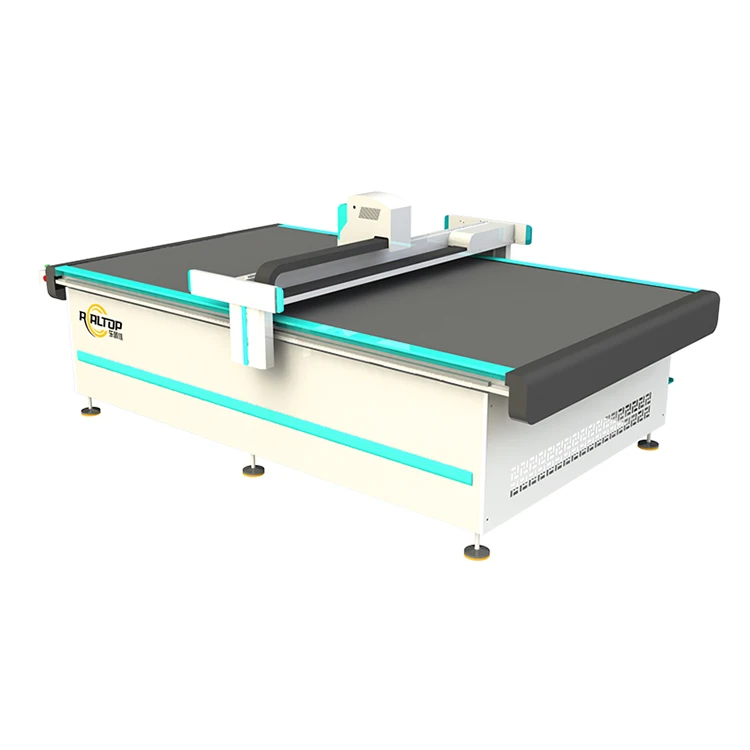
Integrated Tool-Head Matching — T-series Digital Cutting and Creasing Machine allows buyers to survey knife versus creasing configurations across the full catalogue before locking the setup to a specific board grade.
Technical Specifications
| Parameter | Value |
|---|---|
| Product Type | Digital Cutting and Creasing Machine |
| Series | T series |
| Automation Level | Fully automated (automatic feeding, cutting, and picking) |
| Tool Head Functions | Cutting, creasing, kiss-cutting, dotted-line cutting |
| Control Panel | HD Touch Control Panel |
| Control System | Automatic Control System |
| Network Connectivity | Network port |
| Positioning System | CCD auto positioning |
| Warranty | 12 months for whole machine |
| Customization | OEM & ODM supported |
| Working Area | (basis to be confirmed) |
| Voltage & Frequency | (basis to be confirmed) |
| Rated Power | (basis to be confirmed) |
| Overall Dimensions | (basis to be confirmed) |
| Net Weight | (basis to be confirmed) |
| Cutting Thickness Range | (basis to be confirmed) |
| Positioning Accuracy | (basis to be confirmed) |
| Vacuum Zones | (basis to be confirmed) |
| Software & File Formats | (basis to be confirmed) |
Application Suitability
| Application | Material or Output |
|---|---|
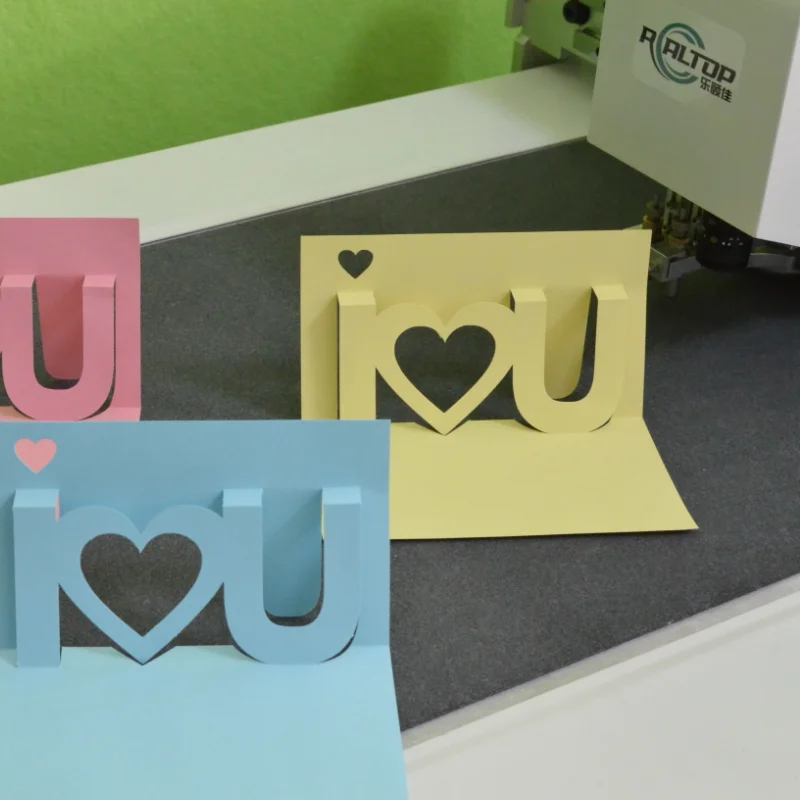
| Post-printing finishing | Cardboard, coated paper, corrugated board |
| Carton sample making | Grey board, folding carton stock, micro-flute |
| Self-adhesive label production | Vinyl, PP sheet, PVC sheet, sticker laminate |
| Short-run packaging | Rigid box wrap, magnetic closure box board |
| Advertising and signage | Foam PVC, acrylic sheet, display board |
What "Fully Automated" Actually Means on the Shop Floor
A Digital Cutting and Creasing Machine manufacturer must define which materials and sheet formats the automation handles before quoting throughput.
When a packaging buyer reads "automatic feeding, cutting, and picking," the assumption is that any board from thin sticker laminate up to thick grey board will run unattended. The reality on the floor is different. Feeder suction cups calibrated for 300 gsm coated paper will skip on 2 mm grey board, and a picking arm set for A3 labels will drop an A1 carton blank. I have watched a compact digital cutter jam three times in an hour because the operator loaded a flute grade the feeder was never told to expect. Automation only removes labour when the machine configuration matches the actual daily mix [NEED_CITE: material feeding behaviour across board grades].
Matching the Tool Head to the Board Grade
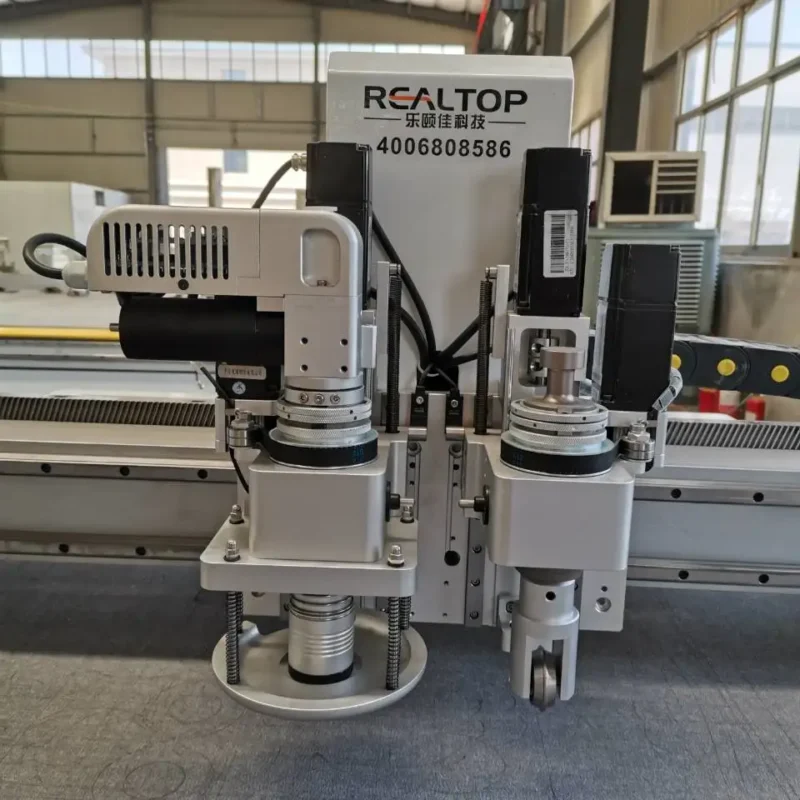
The T series integrates cutting, creasing, kiss-cutting, and dotted-line functions in a single head carriage. For folding carton work on 250–400 gsm stock, a standard oscillating knife paired with a creasing wheel produces a clean fold line without cracking the coating. Move up to 1.5 mm grey board and the knife angle and oscillation frequency must change, otherwise the edge frays and the creasing wheel leaves a shallow impression that splits on the folding machine. Selecting the right Digital Cutting and Creasing Machine configuration starts with sending actual production samples to the factory so the tool head can be set before the machine ships.
CCD Positioning on Pre-Printed Sheets
Printed carton work demands that the cutter reads registration marks and adjusts the cut path on the fly. The CCD auto-positioning system on the T series scans the sheet and shifts the file to match the actual print position. This matters when digital or offset print registration drifts by a millimetre or two between sheets. Without CCD, the operator trims every sheet by eye, and mis-cut crease lines cause the glued carton to sit crooked on the packing bench. Buyers running short-run luxury packaging with hot-foil or spot-UV panels should verify contour tracking at the production speed they plan to run [NEED_CITE: CCD contour recognition accuracy standards in packaging].
Reading the Specification Sheet Beyond the Headline
Cutting thickness range determines whether the machine can handle both your 350 gsm carton stock and your 3 mm foam board signage orders in one setup. Vacuum zone count matters when small die-cut shapes sit next to large blanks on the same nest; insufficient zoning lets air leak under small parts, causing them to lift during the knife pass. Positioning accuracy governs how tight the kiss-cut tolerance can be on self-adhesive labels — a half-millimetre drift means the liner is scored and the label tears on dispensing. The HD touch control panel paired with the network port allows the nesting software to send jobs directly from the design room without a USB walk across the workshop floor.
The Cost of Picking the Wrong Feeder Format
A buyer who specifies working area without confirming sheet format and daily mix often ends up with a feeder that cannot grip the material. Thin self-adhesive sheets curl into the feed rollers, thick corrugated blanks ride over the suction cups, and the picking arm misses small offcuts that then jam the next sheet. The machine itself is capable, but the automation accessories were chosen for a different job. Every hour spent clearing jams is an hour of lost capacity that no specification sheet warned about [NEED_CITE: feeder configuration impact on unplanned downtime].
Why Source the Complete Range from One Factory
The T series sits inside a broader catalogue that covers both knife cutting and laser processing, so a buyer evaluating packaging and signage work can compare methods under one roof. Tool-head and table configurations are set per material rather than offered as a fixed package, meaning a grey board sample maker and a vinyl label producer receive different machine builds even within the same series. CCD camera positioning and software format compatibility are confirmed against the buyer’s own files before the order is locked. Voltage, control language, and plug type are customised to the destination market, reducing on-site electrical surprises. Sample cutting on the buyer’s actual stock is standard practice, not an optional extra.
Documentation & Verification
- Machine specification sheet listing working area, tool-head options, and board thickness range
- CCD contour recognition test report run on your printed carton artwork
- Tool-head and vacuum-zone configuration list matched to your material samples
- Software licence note confirming file format compatibility with your nesting workflow
- Factory test record on your board grade before dispatch
- Electrical schematic with voltage and frequency confirmed to destination standard
Installation, Commissioning & Support
- Dedicated power circuit sized to the confirmed rated power and voltage of the T series unit
- Floor levelling within tolerance for the full vacuum table area to maintain suction seal
- Feeder and picking-arm calibration on your specific board grades during on-site commissioning
- Operator training on the HD touch control panel covering tool change and CCD mark teaching
- Spare oscillating knives, creasing wheels, and vacuum cups shipped with the initial order
- Preventive maintenance schedule aligned to your daily running hours and material abrasiveness
Sending the Right Information with Your Inquiry
Share the thickest and thinnest board grades in your daily mix, along with the largest sheet format you plan to cut. Confirm your local voltage and frequency so the motor and control cabinet are wound correctly before production starts. If you already use nesting software, send a sample file so the format compatibility can be checked on our side.
Frequently Asked Questions
Q: How do I choose between machine sizes within the T series catalogue?
A: The choice depends on your largest sheet format and daily volume. A compact table suits A2 carton sampling, while a large-format unit handles full-size signage boards. Send your material list and target output so the working area and automation level can be matched to your actual production mix rather than a generic catalogue size.
Q: Can the tool head handle both creasing and kiss-cutting in one job?
A: Yes, the T series carriage holds cutting, creasing, kiss-cutting, and dotted-line tools simultaneously. The control system switches between them per the nesting file. Confirm your material stack — creasing grey board and kiss-cutting vinyl require different tool setups, and both should be included in the configuration before shipment.
Q: What voltage and control language options are available before shipment?
A: Voltage and frequency are configured to your local supply, and the control panel language is set to your operator’s preference. These details are confirmed at order stage alongside the electrical schematic, so the machine arrives ready to connect without on-site transformer or reprogramming work.
Q: How does sample cutting work before I commit to an order?
A: Send your actual board stock or printed sheets to the factory. We run your file through the T series, document edge quality, crease depth, and CCD tracking accuracy, then share the sample cutting report. You approve the physical samples before the production order is confirmed.
Q: What is the typical lead time for a customised T series configuration?
A: Standard configurations follow typical multi-week lead times. Units requiring non-standard voltage, special vacuum zoning, or additional tool-head stations require a longer build window. Confirming specifications and sample approval early in the process keeps the schedule on track.
Integrated Tool-Head Matching — T-series Digital Cutting and Creasing Machine allows buyers to survey knife versus creasing configurations across the full catalogue before locking the setup to a specific board grade.
Technical Specifications
| Parameter | Value |
|---|---|
| Product Type | Digital Cutting and Creasing Machine |
| Series | T series |
| Automation Level | Fully automated (automatic feeding, cutting, and picking) |
| Tool Head Functions | Cutting, creasing, kiss-cutting, dotted-line cutting |
| Control Panel | HD Touch Control Panel |
| Control System | Automatic Control System |
| Network Connectivity | Network port |
| Positioning System | CCD auto positioning |
| Warranty | 12 months for whole machine |
| Customization | OEM & ODM supported |
| Working Area | (basis to be confirmed) |
| Voltage & Frequency | (basis to be confirmed) |
| Rated Power | (basis to be confirmed) |
| Overall Dimensions | (basis to be confirmed) |
| Net Weight | (basis to be confirmed) |
| Cutting Thickness Range | (basis to be confirmed) |
| Positioning Accuracy | (basis to be confirmed) |
| Vacuum Zones | (basis to be confirmed) |
| Software & File Formats | (basis to be confirmed) |
Application Suitability
| Application | Material or Output |
|---|---|
| Post-printing finishing | Cardboard, coated paper, corrugated board |
| Carton sample making | Grey board, folding carton stock, micro-flute |
| Self-adhesive label production | Vinyl, PP sheet, PVC sheet, sticker laminate |
| Short-run packaging | Rigid box wrap, magnetic closure box board |
| Advertising and signage | Foam PVC, acrylic sheet, display board |
What "Fully Automated" Actually Means on the Shop Floor
A Digital Cutting and Creasing Machine manufacturer must define which materials and sheet formats the automation handles before quoting throughput.
When a packaging buyer reads "automatic feeding, cutting, and picking," the assumption is that any board from thin sticker laminate up to thick grey board will run unattended. The reality on the floor is different. Feeder suction cups calibrated for 300 gsm coated paper will skip on 2 mm grey board, and a picking arm set for A3 labels will drop an A1 carton blank. I have watched a compact digital cutter jam three times in an hour because the operator loaded a flute grade the feeder was never told to expect. Automation only removes labour when the machine configuration matches the actual daily mix [NEED_CITE: material feeding behaviour across board grades].
Matching the Tool Head to the Board Grade
The T series integrates cutting, creasing, kiss-cutting, and dotted-line functions in a single head carriage. For folding carton work on 250–400 gsm stock, a standard oscillating knife paired with a creasing wheel produces a clean fold line without cracking the coating. Move up to 1.5 mm grey board and the knife angle and oscillation frequency must change, otherwise the edge frays and the creasing wheel leaves a shallow impression that splits on the folding machine. Selecting the right Digital Cutting and Creasing Machine configuration starts with sending actual production samples to the factory so the tool head can be set before the machine ships.
CCD Positioning on Pre-Printed Sheets
Printed carton work demands that the cutter reads registration marks and adjusts the cut path on the fly. The CCD auto-positioning system on the T series scans the sheet and shifts the file to match the actual print position. This matters when digital or offset print registration drifts by a millimetre or two between sheets. Without CCD, the operator trims every sheet by eye, and mis-cut crease lines cause the glued carton to sit crooked on the packing bench. Buyers running short-run luxury packaging with hot-foil or spot-UV panels should verify contour tracking at the production speed they plan to run [NEED_CITE: CCD contour recognition accuracy standards in packaging].
Reading the Specification Sheet Beyond the Headline
Cutting thickness range determines whether the machine can handle both your 350 gsm carton stock and your 3 mm foam board signage orders in one setup. Vacuum zone count matters when small die-cut shapes sit next to large blanks on the same nest; insufficient zoning lets air leak under small parts, causing them to lift during the knife pass. Positioning accuracy governs how tight the kiss-cut tolerance can be on self-adhesive labels — a half-millimetre drift means the liner is scored and the label tears on dispensing. The HD touch control panel paired with the network port allows the nesting software to send jobs directly from the design room without a USB walk across the workshop floor.
The Cost of Picking the Wrong Feeder Format
A buyer who specifies working area without confirming sheet format and daily mix often ends up with a feeder that cannot grip the material. Thin self-adhesive sheets curl into the feed rollers, thick corrugated blanks ride over the suction cups, and the picking arm misses small offcuts that then jam the next sheet. The machine itself is capable, but the automation accessories were chosen for a different job. Every hour spent clearing jams is an hour of lost capacity that no specification sheet warned about [NEED_CITE: feeder configuration impact on unplanned downtime].
Why Source the Complete Range from One Factory
The T series sits inside a broader catalogue that covers both knife cutting and laser processing, so a buyer evaluating packaging and signage work can compare methods under one roof. Tool-head and table configurations are set per material rather than offered as a fixed package, meaning a grey board sample maker and a vinyl label producer receive different machine builds even within the same series. CCD camera positioning and software format compatibility are confirmed against the buyer’s own files before the order is locked. Voltage, control language, and plug type are customised to the destination market, reducing on-site electrical surprises. Sample cutting on the buyer’s actual stock is standard practice, not an optional extra.
Documentation & Verification
- Machine specification sheet listing working area, tool-head options, and board thickness range
- CCD contour recognition test report run on your printed carton artwork
- Tool-head and vacuum-zone configuration list matched to your material samples
- Software licence note confirming file format compatibility with your nesting workflow
- Factory test record on your board grade before dispatch
- Electrical schematic with voltage and frequency confirmed to destination standard
Installation, Commissioning & Support
- Dedicated power circuit sized to the confirmed rated power and voltage of the T series unit
- Floor levelling within tolerance for the full vacuum table area to maintain suction seal
- Feeder and picking-arm calibration on your specific board grades during on-site commissioning
- Operator training on the HD touch control panel covering tool change and CCD mark teaching
- Spare oscillating knives, creasing wheels, and vacuum cups shipped with the initial order
- Preventive maintenance schedule aligned to your daily running hours and material abrasiveness
Sending the Right Information with Your Inquiry
Share the thickest and thinnest board grades in your daily mix, along with the largest sheet format you plan to cut. Confirm your local voltage and frequency so the motor and control cabinet are wound correctly before production starts. If you already use nesting software, send a sample file so the format compatibility can be checked on our side.
Frequently Asked Questions
Q: How do I choose between machine sizes within the T series catalogue?
A: The choice depends on your largest sheet format and daily volume. A compact table suits A2 carton sampling, while a large-format unit handles full-size signage boards. Send your material list and target output so the working area and automation level can be matched to your actual production mix rather than a generic catalogue size.
Q: Can the tool head handle both creasing and kiss-cutting in one job?
A: Yes, the T series carriage holds cutting, creasing, kiss-cutting, and dotted-line tools simultaneously. The control system switches between them per the nesting file. Confirm your material stack — creasing grey board and kiss-cutting vinyl require different tool setups, and both should be included in the configuration before shipment.
Q: What voltage and control language options are available before shipment?
A: Voltage and frequency are configured to your local supply, and the control panel language is set to your operator’s preference. These details are confirmed at order stage alongside the electrical schematic, so the machine arrives ready to connect without on-site transformer or reprogramming work.
Q: How does sample cutting work before I commit to an order?
A: Send your actual board stock or printed sheets to the factory. We run your file through the T series, document edge quality, crease depth, and CCD tracking accuracy, then share the sample cutting report. You approve the physical samples before the production order is confirmed.
Q: What is the typical lead time for a customised T series configuration?
A: Standard configurations follow typical multi-week lead times. Units requiring non-standard voltage, special vacuum zoning, or additional tool-head stations require a longer build window. Confirming specifications and sample approval early in the process keeps the schedule on track.
商品评价
There are no reviews yet.