

Fast Delivery
Quick, reliable shipping to any location.

Free & easy returns
Return this item by mail or in store within 90 days for a full refund.
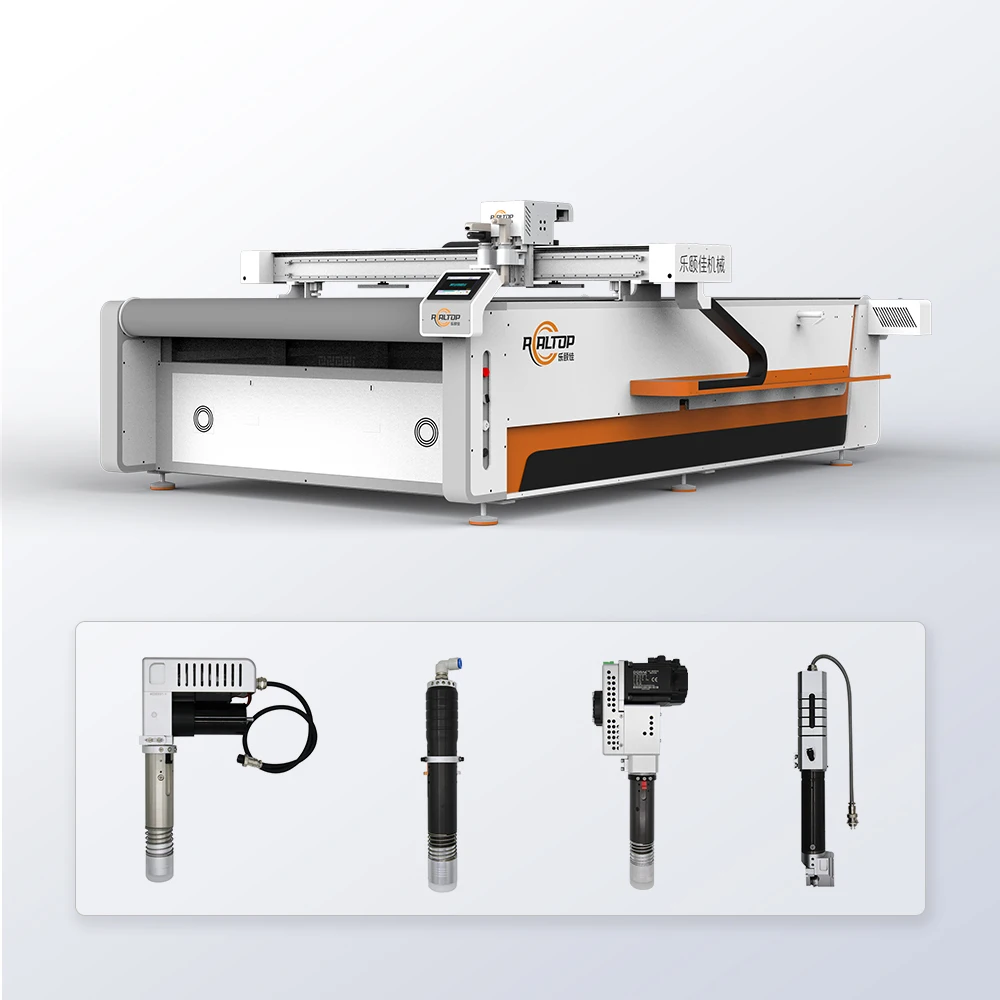
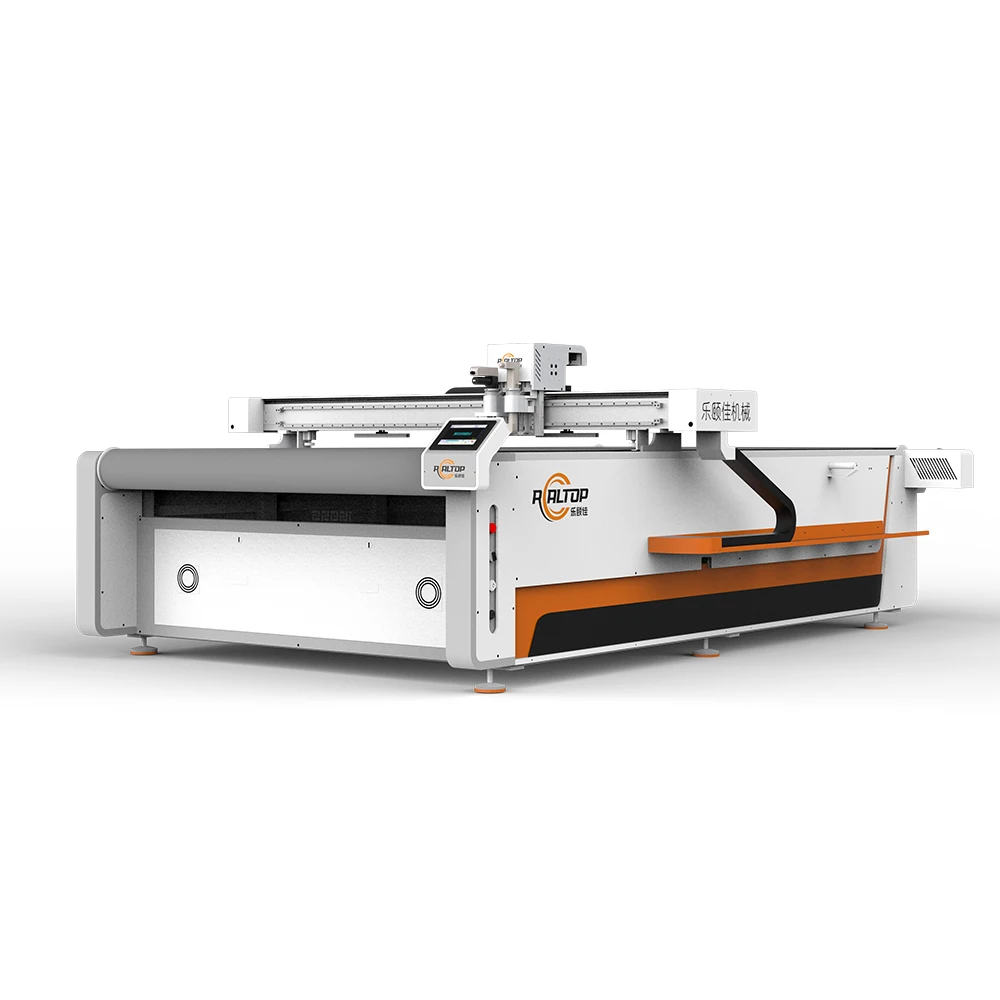
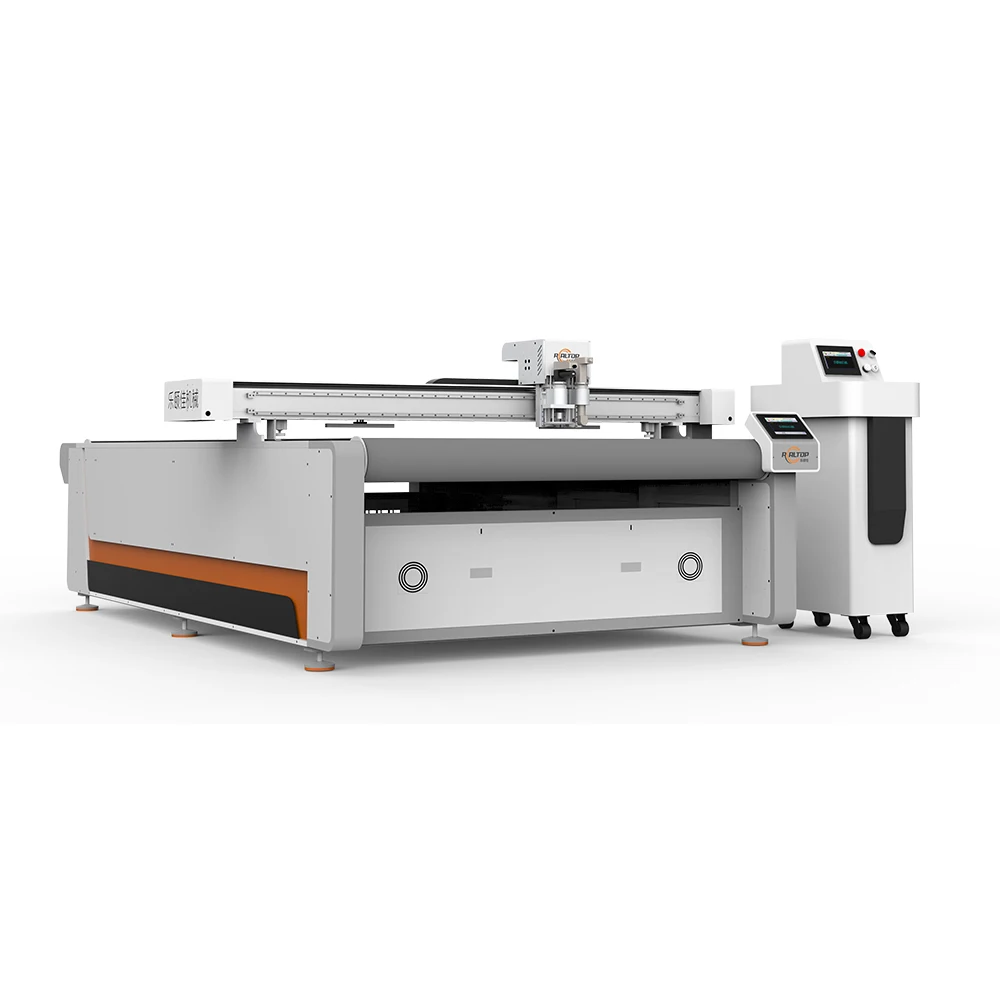
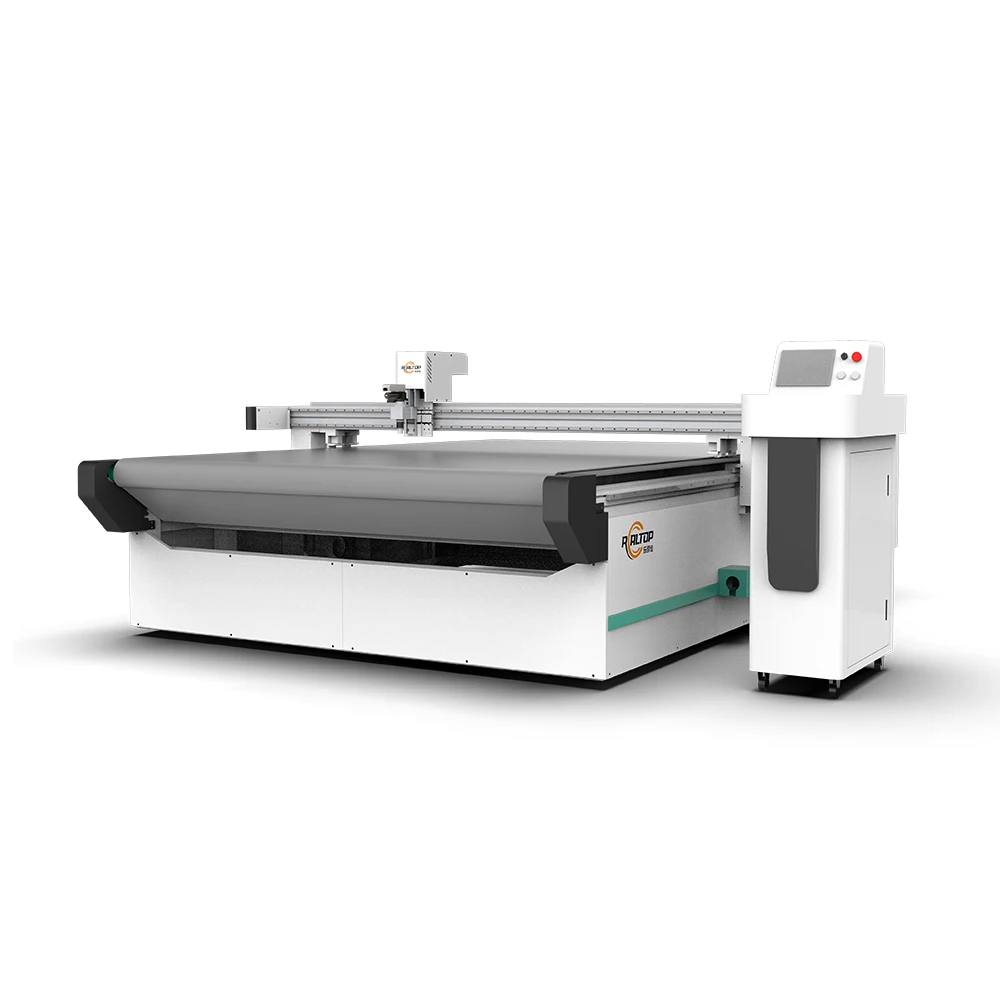
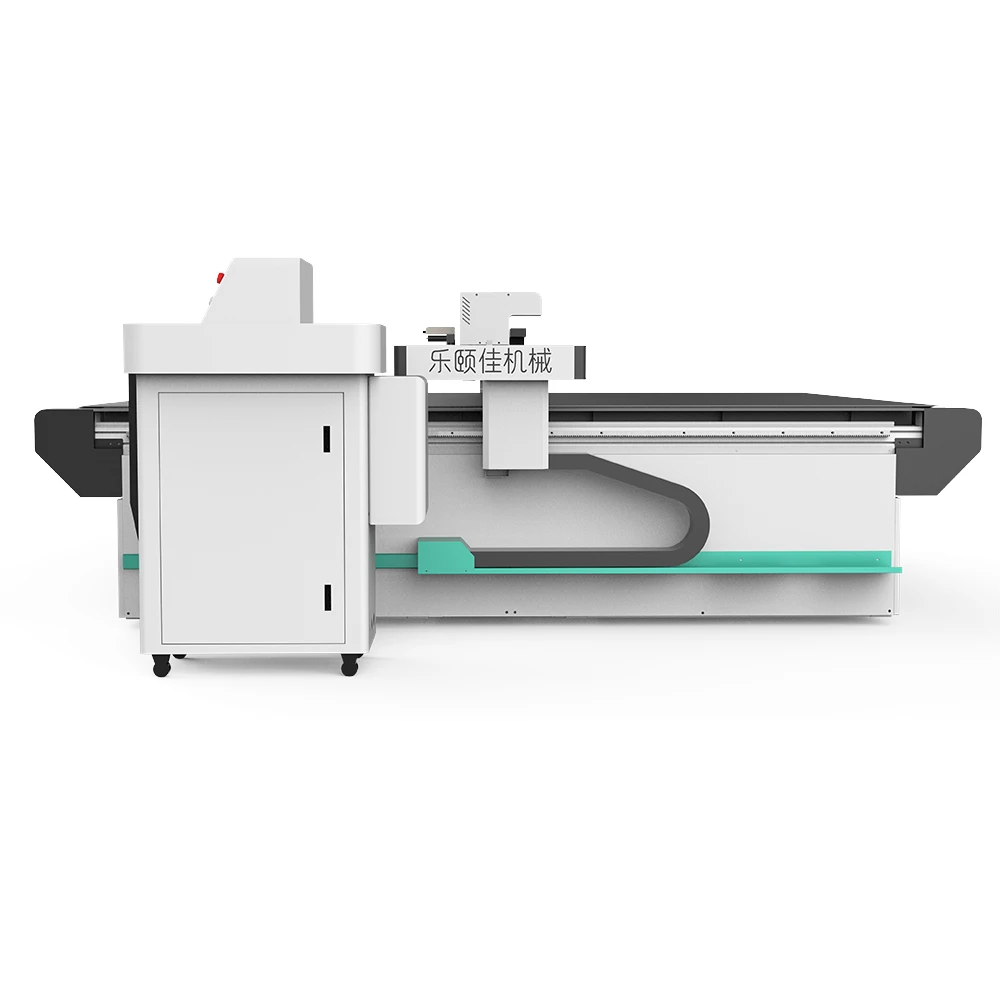
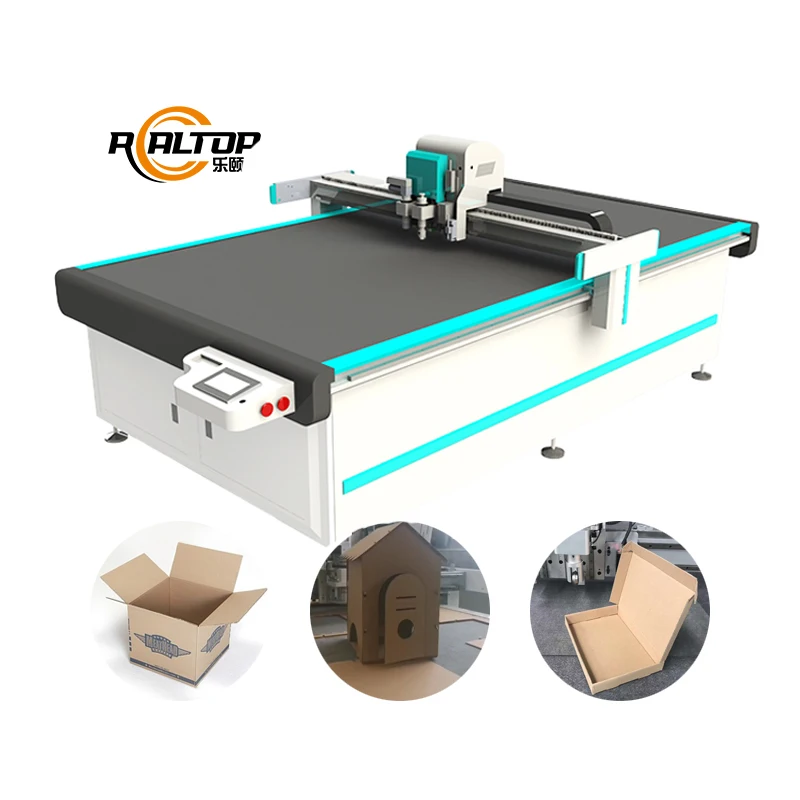
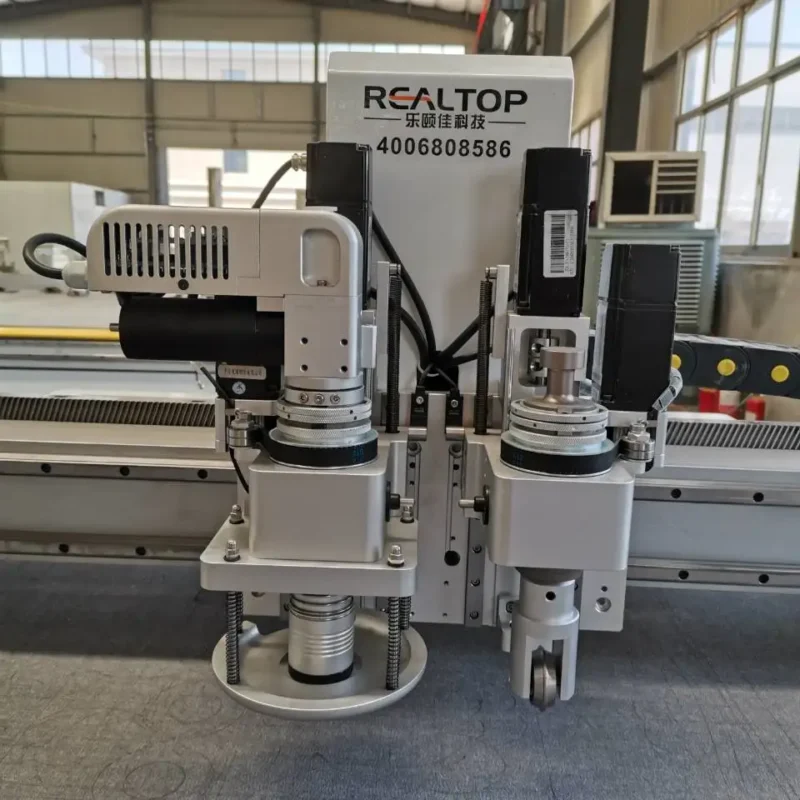
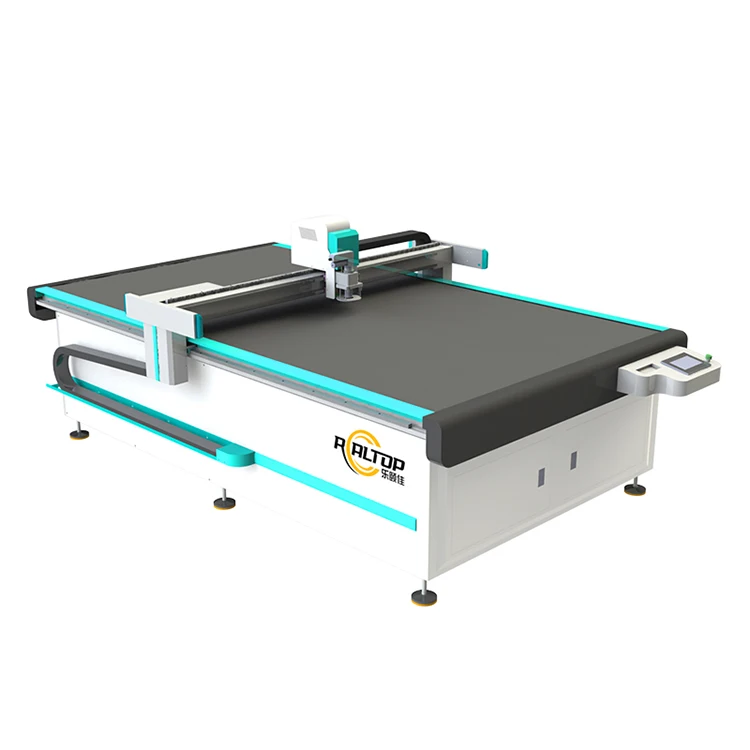
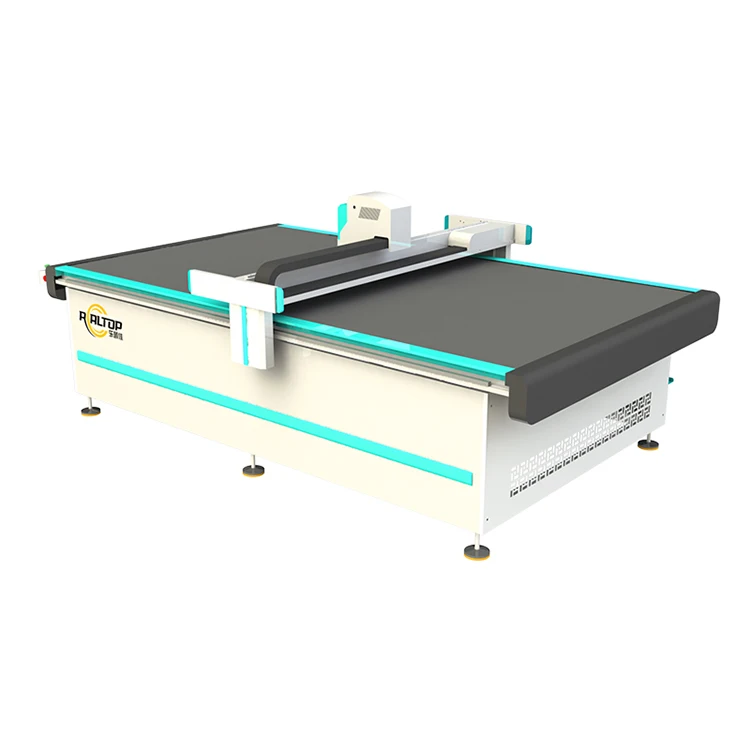
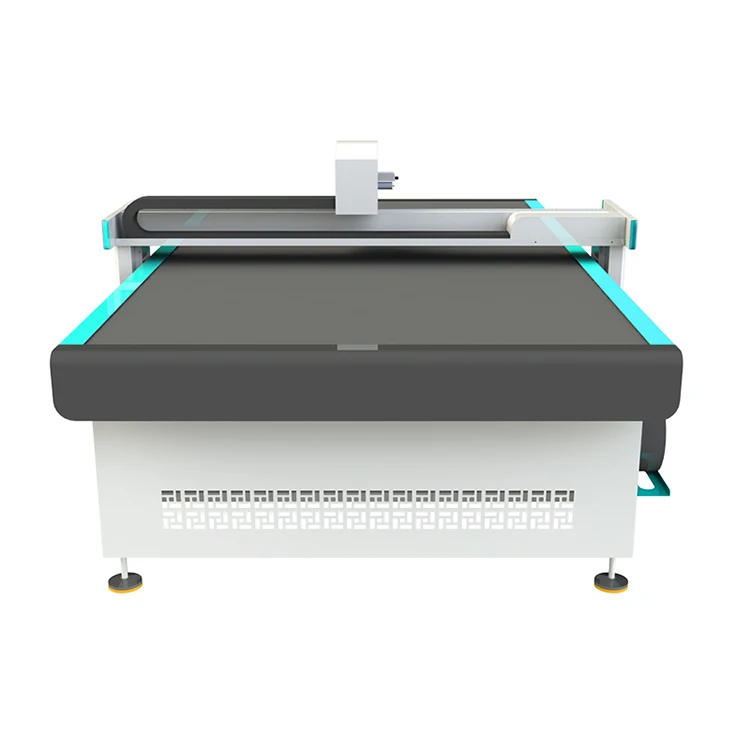
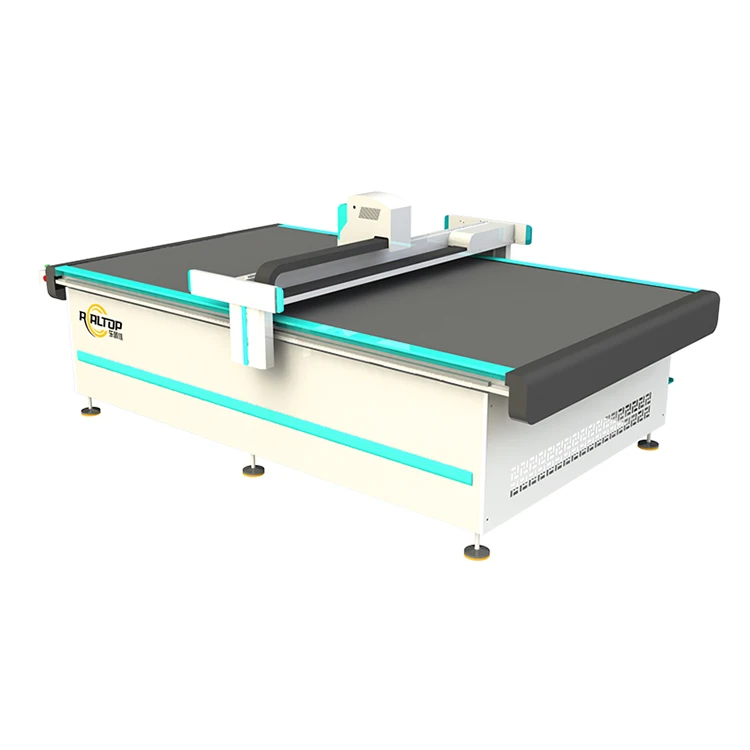
Tool Head Versatility — a single flatbed platform configured with seven interchangeable cutting and creasing tools, matched to the buyer’s material stack rather than forcing one method across every job.
Technical Specifications
| Parameter | Value |
|---|---|
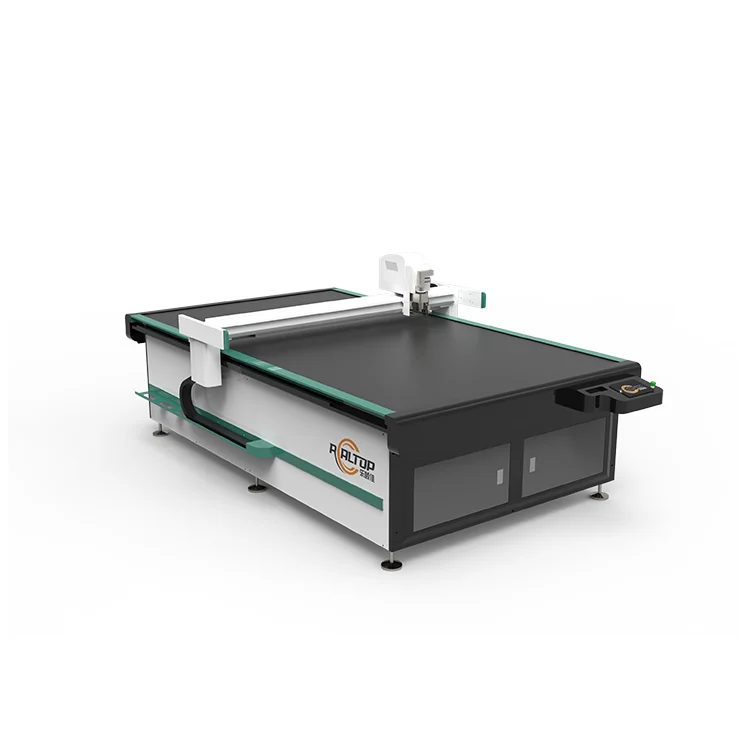
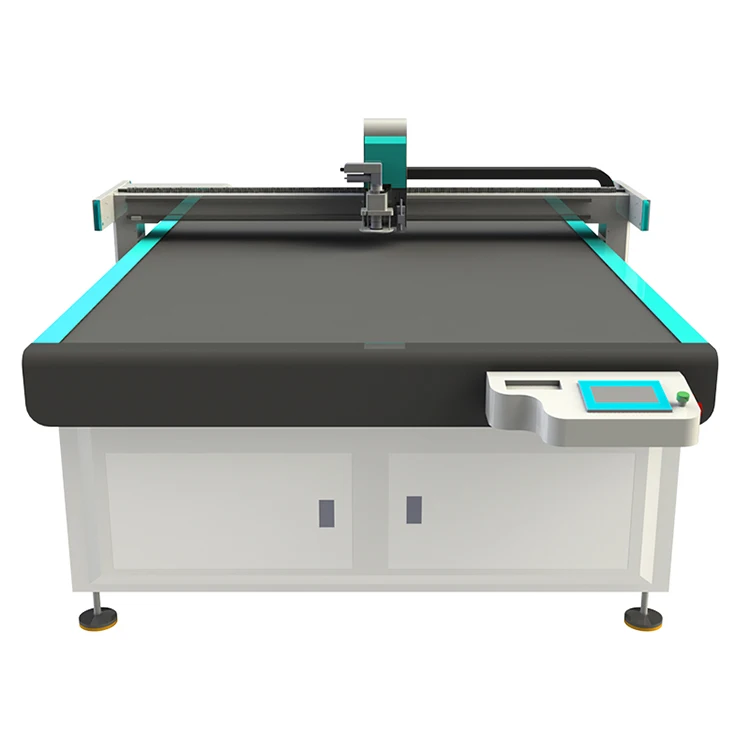
| Product Type | CNC Oscillating Knife Fabric Cutting Machine |
| Working Area | 1600 × 2500 mm |
| Tool Head Options | Oscillating knife, Driven rotary knife, Creasing wheel, Kiss cutting tool, Pneumatic knife, Milling tool, V groove knife |
| Cutting Speed Range | 0 – 2000 mm/s |
| Maximum Cutting Thickness | ≤ 30 mm |
| Cutting Accuracy | ±0.1 mm |
| Vacuum Pump | 9 kW |
| Vacuum Table | Aluminum bellows vacuum table |
| Servo Motor Options | Panasonic, Delta, Dorna (configure per order) |
| Control System | PLC control panel with optional display languages |
| Voltage Options | 110V, 220V, 380V (confirm rated supply before shipment) |
| Profile Format Compatibility | PLT, DXF, AI, PDF |
| Safety Devices | Infrared sensor device, emergency stop |
| Machine Dimensions | 3300 × 2100 × 1350 mm |
| Language Options | English, Russian, Italian, Chinese, customizable |
| Compliance | CE |
Application Suitability
| Application | Material or Output |
|---|---|
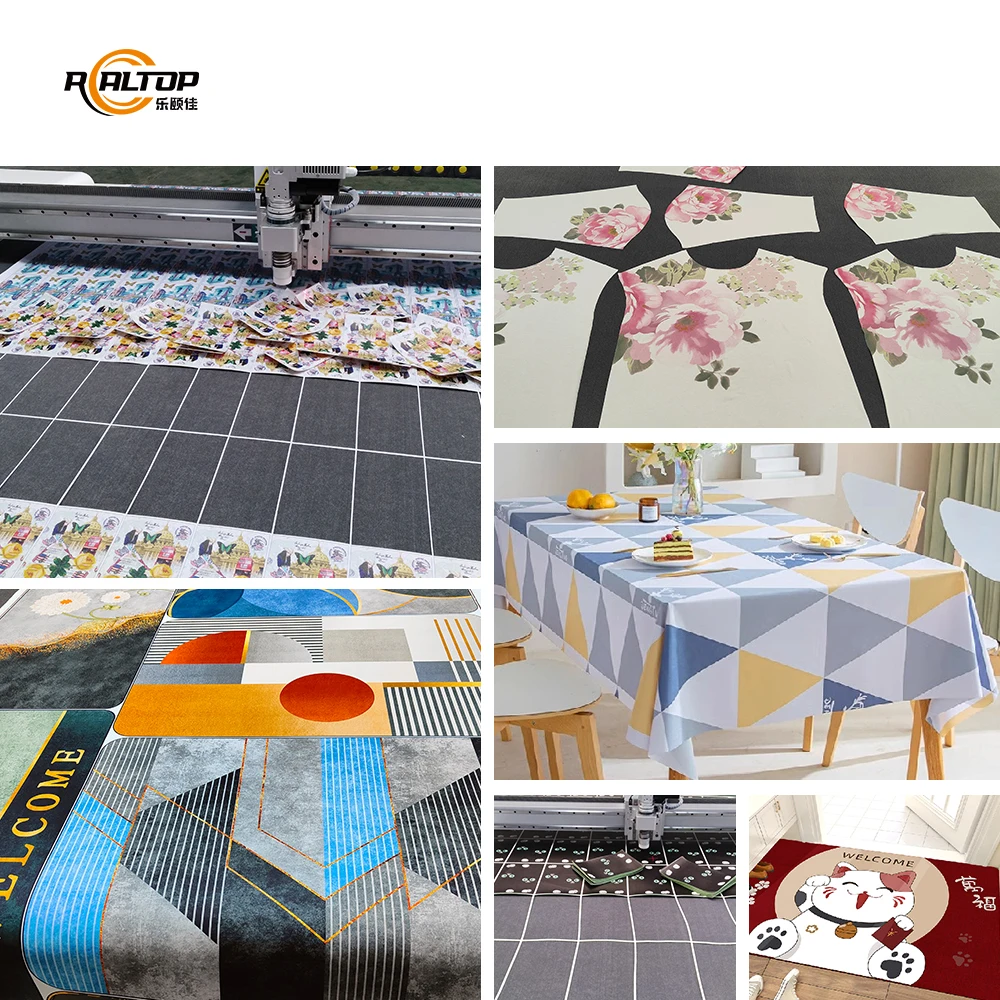
| Apparel manufacturing | Suits, knitwear, lace, complex multi-layer fabrics |
| Automotive interiors | Seat fabrics, carpets, PVC floor mats |
| Home textiles | Sofa upholstery fabrics, curtains, area rugs |
| Composite material processing | Carbon fiber prepreg, aramid, specialty technical textiles |
| Packaging sample making | Cardboard, corrugated carton, folding carton stock |
Why Working Area Alone Is the Wrong Starting Point
Spec the material first, then size the table — not the other way around.
Every season I see buyers who chose a CNC oscillating knife cutting machine manufacturer based on bed size, only to discover their composite fabric stack exceeds the rated cutting depth. The knife stalls mid-pass, the edge frays, and the nesting software cannot compensate for tool deflection. Material thickness, ply count and adhesive content determine which tool head actually works; the working area is simply the frame that holds it [NEED_CITE: material thickness versus oscillating knife stroke limitations]. Getting this sequence wrong means paying for a machine that physically cannot finish the cut.
Mapping Seven Tool Heads to Real Production Jobs
The oscillating knife handles most woven and non-woven fabrics up to the stated 30 mm thickness, vibrating at high frequency to shear through plies without pulling fibers. For tightly rolled technical textiles like carbon fiber prepreg, the driven rotary knife maintains a continuous slicing action that prevents delamination between layers. When the same production line also folds cartons for packaging samples, swapping to the creasing wheel scores fold lines without penetrating the board stock. This CNC oscillating knife cutting machine manufacturer offers all seven heads on one gantry, so a single platform covers cutting, kiss-cutting and creasing without a second machine purchase.
Vacuum Zoning and the Small-Part Problem
A 9 kW pump pulling through an aluminum bellows table sounds adequate until you cut gasket profiles narrower than 50 mm. Without zone isolation, vacuum bleeds across unused sectors and small parts lift off the bed during high-speed passes. Proper zoning valves let the operator open only the sectors under active material, concentrating hold-down force where the knife actually travels. Confirm the number of independently controlled zones before signing off on the configuration sheet [NEED_CITE: vacuum table zoning practices for small-part CNC cutting].
Reading the Spec Sheet Beyond the Headline Numbers
Cutting speed is listed as 0 – 2000 mm/s, but that figure describes maximum traverse rate on a straight path with a single-ply synthetic. Real-world throughput depends on contour complexity, ply count and the selected tool head — oscillating knife on thick foam runs considerably slower than drag knife on vinyl. The ±0.1 mm accuracy rating holds when the servo system, vacuum hold-down and material friction are all balanced; introduce a slippery coated fabric and the effective tolerance window narrows. Voltage options span 110V, 220V and 380V, yet the motor and pump draw differ across configurations, so the buyer’s facility must supply the correct rated circuit, not just a matching plug. File format support for PLT, DXF, AI and PDF means most nesting workflows import directly, but verify that your specific CAM software exports clean path data before assuming compatibility.
The Cost of Skipping the Material Sample Test
When a buyer approves a configuration from a brochure and skips the sample cutting step, three failures tend to surface on the production floor. First, the chosen knife frequency leaves visible chatter marks on coated synthetics, forcing a secondary trim pass. Second, the vacuum table holds the center of the sheet but lets the edges curl, producing dimensional drift across the nest. Third, the PLC language and file import settings arrive defaulted to a configuration the operator cannot read, delaying first-article approval [NEED_CITE: CNC machine commissioning delays from language and software mismatches]. Each issue is solvable, but each costs production days that a pre-shipment sample cut would have revealed.
Why Source This Platform Here
The design team engineers both knife and laser cutting systems in-house, so when a material sits on the boundary between methods, the recommendation is based on cut quality data rather than pushing whichever machine is in stock. Every tool head and vacuum zone combination is documented per material type before the order is confirmed. Sample cutting runs on the buyer’s actual fabric or composite stock, with a written report covering edge quality, dimensional accuracy and achievable feed rate. Software license terms and file format compatibility are noted on the order sheet, eliminating surprises when the CAM workstation connects to the PLC. Voltage, plug type and control panel language are locked in writing before the machine enters final assembly.
Documentation & Verification
- Machine specification sheet listing each tool head and vacuum zone assigned to your material
- Electrical schematic confirming voltage, frequency and circuit rating for your facility
- Sample cutting report on your fabric or composite stock with measured edge and dimensional results
- Software license and file format compatibility note covering PLT, DXF, AI and PDF import
- Factory test record documenting cutting accuracy and safety device function before crating
- CE declaration documentation for import clearance where applicable
Installation, Commissioning & Support
- Floor space of at least 3300 × 2100 mm with level concrete and anchor points for the 1600 × 2500 mm bed frame
- Dedicated circuit matching confirmed voltage rating, isolated from welding or heavy motor loads
- Gantry and control cabinet arrive separated; plan overhead clearance for reassembly on site
- First-power commissioning includes vacuum zone calibration, servo tuning and tool head offset mapping
- Operator training covers tool head changeover, nesting file import and PLC panel navigation in chosen language
- Spare oscillating knife blades, rotary knife discs and vacuum seals included in the initial parts kit
What to Include in Your Inquiry
Send the material data sheet or physical samples with ply count, adhesive type and maximum stack thickness so the correct tool head can be selected before quoting. Specify your local voltage and frequency, preferred control panel language, and whether your existing nesting software exports in PLT, DXF, AI or PDF format. If daily volume targets exist, describe the average part geometry and nesting density so throughput can be estimated on a realistic cut path rather than a straight-line traverse rate.
Frequently Asked Questions
Q: How do I choose between oscillating knife, rotary knife and drag knife for my fabric?
A: Oscillating knife suits most woven and non-woven stacks up to 30 mm by vibrating through plies cleanly. Driven rotary knife works better on tightly rolled technical textiles like prepreg where continuous slicing prevents delamination. Drag knife is limited to thin, single-ply vinyl or film. Send a material sample so we can run each head and compare edge quality.
Q: Can the CCD camera track printed contours at full production speed?
A: CCD contour recognition is an optional add-on for printed registration marks. Tracking reliability depends on mark contrast, lighting conditions and the speed at which the gantry approaches each feature. We verify registration accuracy during the sample cutting stage using your actual printed sheet, not a generic test graphic.
Q: What file formats does the software accept, and will my nesting workflow integrate?
A: The control software imports PLT, DXF, AI and PDF profiles for automatic path generation. Most mainstream nesting packages export in at least one of these formats. Before order confirmation, we request a sample file from your CAM workstation and test the import, path generation and cut sequence on the target machine.
Q: How do I confirm voltage and control language before shipment?
A: Voltage options include 110V, 220V and 380V, but the correct choice depends on your facility’s rated supply and frequency. Control panel language is selectable from English, Russian, Italian, Chinese or a custom option. Both items are documented on the specification sheet and must be signed off before the machine enters final assembly.
Tool Head Versatility — a single flatbed platform configured with seven interchangeable cutting and creasing tools, matched to the buyer’s material stack rather than forcing one method across every job.
Technical Specifications
| Parameter | Value |
|---|---|
| Product Type | CNC Oscillating Knife Fabric Cutting Machine |
| Working Area | 1600 × 2500 mm |
| Tool Head Options | Oscillating knife, Driven rotary knife, Creasing wheel, Kiss cutting tool, Pneumatic knife, Milling tool, V groove knife |
| Cutting Speed Range | 0 – 2000 mm/s |
| Maximum Cutting Thickness | ≤ 30 mm |
| Cutting Accuracy | ±0.1 mm |
| Vacuum Pump | 9 kW |
| Vacuum Table | Aluminum bellows vacuum table |
| Servo Motor Options | Panasonic, Delta, Dorna (configure per order) |
| Control System | PLC control panel with optional display languages |
| Voltage Options | 110V, 220V, 380V (confirm rated supply before shipment) |
| Profile Format Compatibility | PLT, DXF, AI, PDF |
| Safety Devices | Infrared sensor device, emergency stop |
| Machine Dimensions | 3300 × 2100 × 1350 mm |
| Language Options | English, Russian, Italian, Chinese, customizable |
| Compliance | CE |
Application Suitability
| Application | Material or Output |
|---|---|
| Apparel manufacturing | Suits, knitwear, lace, complex multi-layer fabrics |
| Automotive interiors | Seat fabrics, carpets, PVC floor mats |
| Home textiles | Sofa upholstery fabrics, curtains, area rugs |
| Composite material processing | Carbon fiber prepreg, aramid, specialty technical textiles |
| Packaging sample making | Cardboard, corrugated carton, folding carton stock |
Why Working Area Alone Is the Wrong Starting Point
Spec the material first, then size the table — not the other way around.
Every season I see buyers who chose a CNC oscillating knife cutting machine manufacturer based on bed size, only to discover their composite fabric stack exceeds the rated cutting depth. The knife stalls mid-pass, the edge frays, and the nesting software cannot compensate for tool deflection. Material thickness, ply count and adhesive content determine which tool head actually works; the working area is simply the frame that holds it [NEED_CITE: material thickness versus oscillating knife stroke limitations]. Getting this sequence wrong means paying for a machine that physically cannot finish the cut.
Mapping Seven Tool Heads to Real Production Jobs
The oscillating knife handles most woven and non-woven fabrics up to the stated 30 mm thickness, vibrating at high frequency to shear through plies without pulling fibers. For tightly rolled technical textiles like carbon fiber prepreg, the driven rotary knife maintains a continuous slicing action that prevents delamination between layers. When the same production line also folds cartons for packaging samples, swapping to the creasing wheel scores fold lines without penetrating the board stock. This CNC oscillating knife cutting machine manufacturer offers all seven heads on one gantry, so a single platform covers cutting, kiss-cutting and creasing without a second machine purchase.
Vacuum Zoning and the Small-Part Problem
A 9 kW pump pulling through an aluminum bellows table sounds adequate until you cut gasket profiles narrower than 50 mm. Without zone isolation, vacuum bleeds across unused sectors and small parts lift off the bed during high-speed passes. Proper zoning valves let the operator open only the sectors under active material, concentrating hold-down force where the knife actually travels. Confirm the number of independently controlled zones before signing off on the configuration sheet [NEED_CITE: vacuum table zoning practices for small-part CNC cutting].
Reading the Spec Sheet Beyond the Headline Numbers
Cutting speed is listed as 0 – 2000 mm/s, but that figure describes maximum traverse rate on a straight path with a single-ply synthetic. Real-world throughput depends on contour complexity, ply count and the selected tool head — oscillating knife on thick foam runs considerably slower than drag knife on vinyl. The ±0.1 mm accuracy rating holds when the servo system, vacuum hold-down and material friction are all balanced; introduce a slippery coated fabric and the effective tolerance window narrows. Voltage options span 110V, 220V and 380V, yet the motor and pump draw differ across configurations, so the buyer’s facility must supply the correct rated circuit, not just a matching plug. File format support for PLT, DXF, AI and PDF means most nesting workflows import directly, but verify that your specific CAM software exports clean path data before assuming compatibility.
The Cost of Skipping the Material Sample Test
When a buyer approves a configuration from a brochure and skips the sample cutting step, three failures tend to surface on the production floor. First, the chosen knife frequency leaves visible chatter marks on coated synthetics, forcing a secondary trim pass. Second, the vacuum table holds the center of the sheet but lets the edges curl, producing dimensional drift across the nest. Third, the PLC language and file import settings arrive defaulted to a configuration the operator cannot read, delaying first-article approval [NEED_CITE: CNC machine commissioning delays from language and software mismatches]. Each issue is solvable, but each costs production days that a pre-shipment sample cut would have revealed.
Why Source This Platform Here
The design team engineers both knife and laser cutting systems in-house, so when a material sits on the boundary between methods, the recommendation is based on cut quality data rather than pushing whichever machine is in stock. Every tool head and vacuum zone combination is documented per material type before the order is confirmed. Sample cutting runs on the buyer’s actual fabric or composite stock, with a written report covering edge quality, dimensional accuracy and achievable feed rate. Software license terms and file format compatibility are noted on the order sheet, eliminating surprises when the CAM workstation connects to the PLC. Voltage, plug type and control panel language are locked in writing before the machine enters final assembly.
Documentation & Verification
- Machine specification sheet listing each tool head and vacuum zone assigned to your material
- Electrical schematic confirming voltage, frequency and circuit rating for your facility
- Sample cutting report on your fabric or composite stock with measured edge and dimensional results
- Software license and file format compatibility note covering PLT, DXF, AI and PDF import
- Factory test record documenting cutting accuracy and safety device function before crating
- CE declaration documentation for import clearance where applicable
Installation, Commissioning & Support
- Floor space of at least 3300 × 2100 mm with level concrete and anchor points for the 1600 × 2500 mm bed frame
- Dedicated circuit matching confirmed voltage rating, isolated from welding or heavy motor loads
- Gantry and control cabinet arrive separated; plan overhead clearance for reassembly on site
- First-power commissioning includes vacuum zone calibration, servo tuning and tool head offset mapping
- Operator training covers tool head changeover, nesting file import and PLC panel navigation in chosen language
- Spare oscillating knife blades, rotary knife discs and vacuum seals included in the initial parts kit
What to Include in Your Inquiry
Send the material data sheet or physical samples with ply count, adhesive type and maximum stack thickness so the correct tool head can be selected before quoting. Specify your local voltage and frequency, preferred control panel language, and whether your existing nesting software exports in PLT, DXF, AI or PDF format. If daily volume targets exist, describe the average part geometry and nesting density so throughput can be estimated on a realistic cut path rather than a straight-line traverse rate.
Frequently Asked Questions
Q: How do I choose between oscillating knife, rotary knife and drag knife for my fabric?
A: Oscillating knife suits most woven and non-woven stacks up to 30 mm by vibrating through plies cleanly. Driven rotary knife works better on tightly rolled technical textiles like prepreg where continuous slicing prevents delamination. Drag knife is limited to thin, single-ply vinyl or film. Send a material sample so we can run each head and compare edge quality.
Q: Can the CCD camera track printed contours at full production speed?
A: CCD contour recognition is an optional add-on for printed registration marks. Tracking reliability depends on mark contrast, lighting conditions and the speed at which the gantry approaches each feature. We verify registration accuracy during the sample cutting stage using your actual printed sheet, not a generic test graphic.
Q: What file formats does the software accept, and will my nesting workflow integrate?
A: The control software imports PLT, DXF, AI and PDF profiles for automatic path generation. Most mainstream nesting packages export in at least one of these formats. Before order confirmation, we request a sample file from your CAM workstation and test the import, path generation and cut sequence on the target machine.
Q: How do I confirm voltage and control language before shipment?
A: Voltage options include 110V, 220V and 380V, but the correct choice depends on your facility’s rated supply and frequency. Control panel language is selectable from English, Russian, Italian, Chinese or a custom option. Both items are documented on the specification sheet and must be signed off before the machine enters final assembly.
商品评价
There are no reviews yet.