

Fast Delivery
Quick, reliable shipping to any location.

Free & easy returns
Return this item by mail or in store within 90 days for a full refund.
Integrated Knife and Laser Design — The same engineering team configures this flatbed system to match fabric behavior rather than forcing a single cutting method across all textile jobs.
Technical Specifications
| Parameter | Value |
|---|---|
| Product Type | CNC Oscillating Knife Cutting Machine |
| Working Area | 1600×2500 mm |
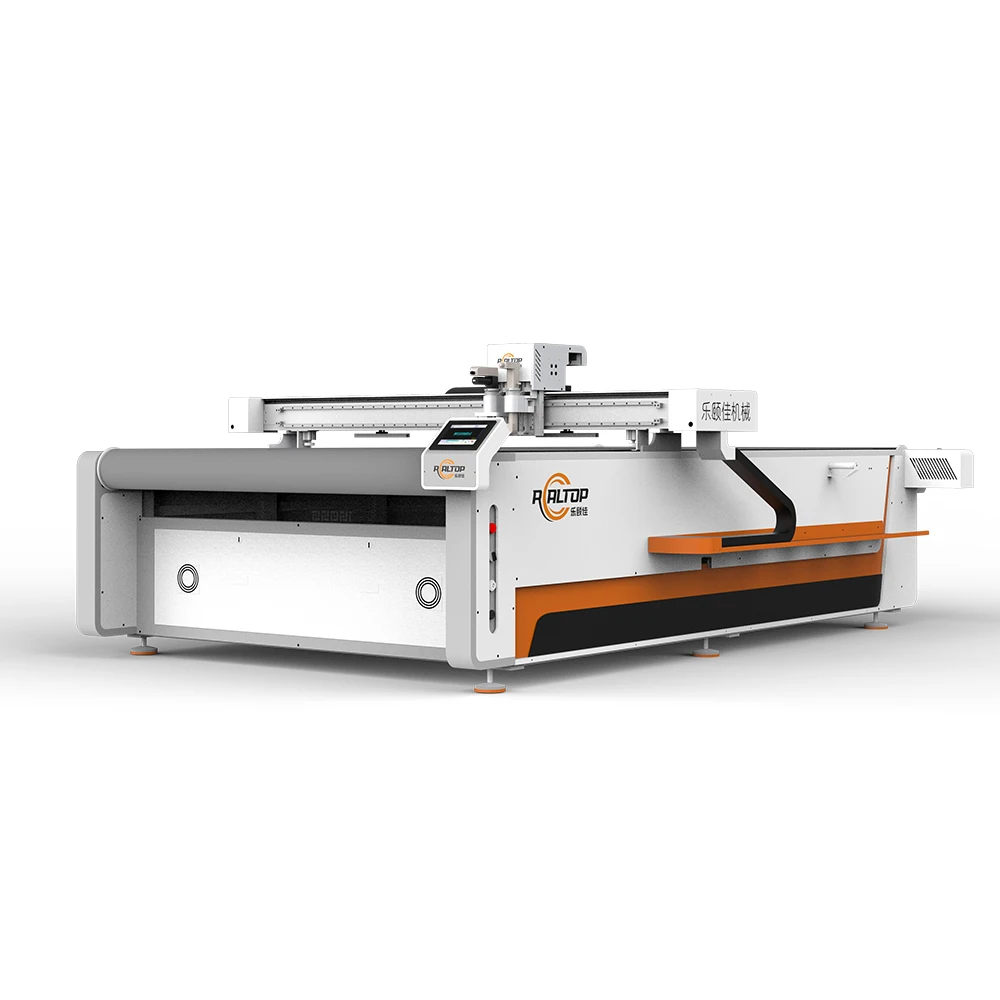
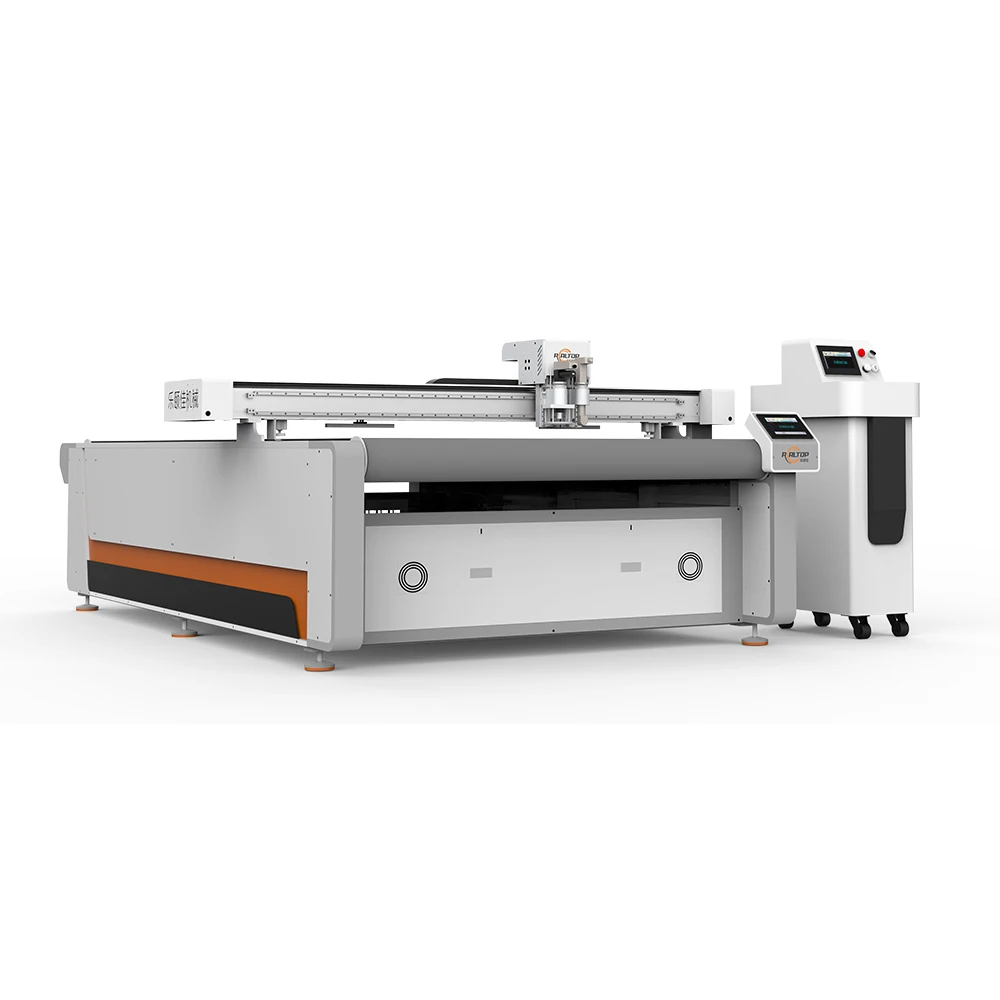
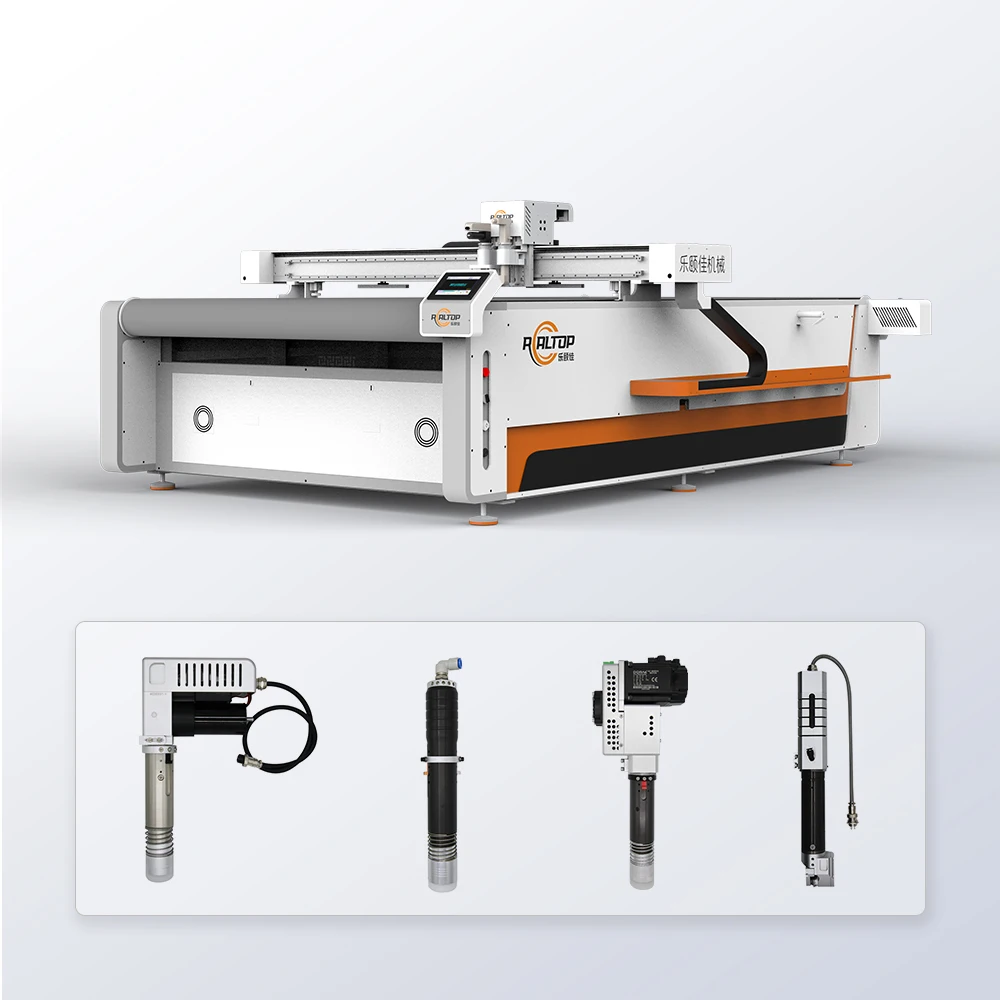
| Tool Head Options | Oscillating knife, Driven rotary knife, Creasing wheel, Kiss cutting tool, Pneumatic knife, Milling tool, V groove knife |
| Cutting Speed | 0–2000 mm/s |
| Cutting Thickness | Up to 30 mm (basis not stated in source — confirm material type and density) |
| Positioning Accuracy | ±0.1 mm |
| Vacuum Table | Aluminum bellows vacuum platform |
| Vacuum Pump | 9 kW |
| Servo Motor Options | Panasonic, Delta, Dorna |
| Control System | PLC with optional display languages |
| Software | Dedicated packaging box structure design software included |
| File Formats | PLT, DXF, AI, PDF |
| Voltage Options | 110V / 220V / 380V |
| Safety Devices | Infrared sensor and emergency stop |
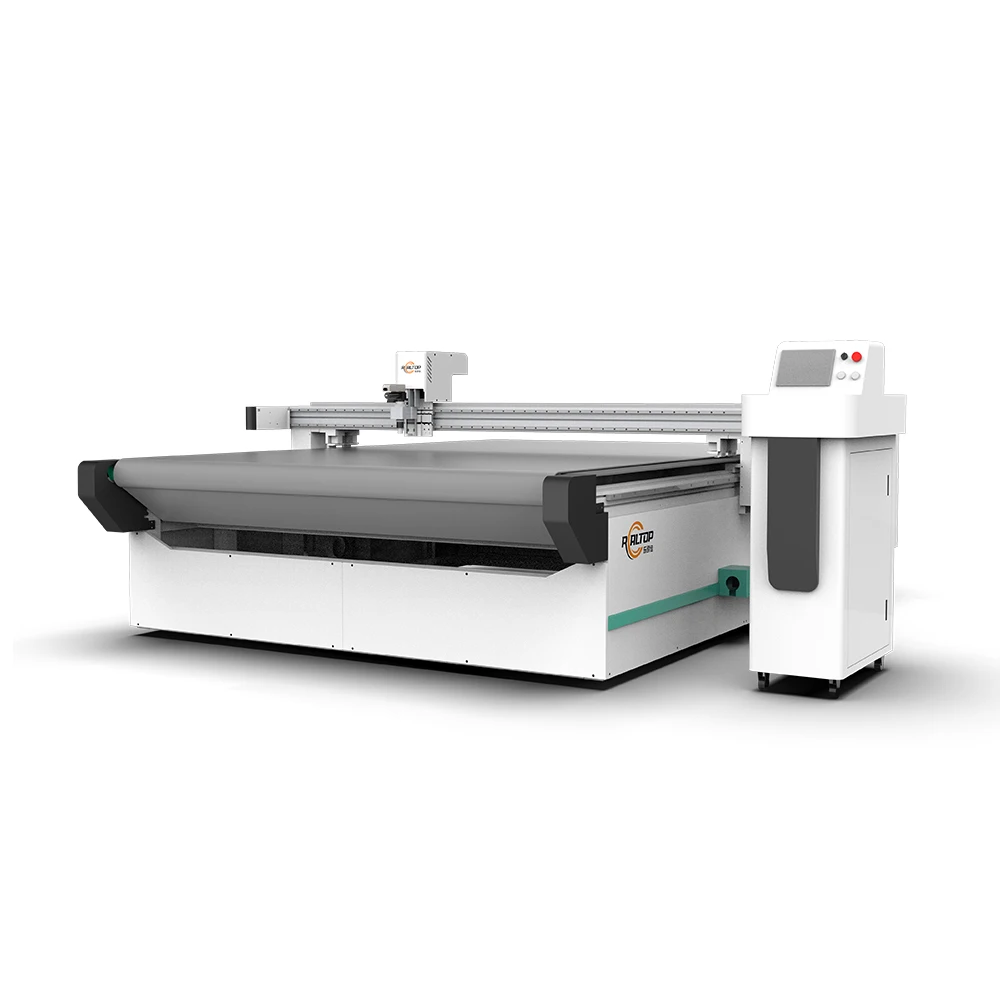
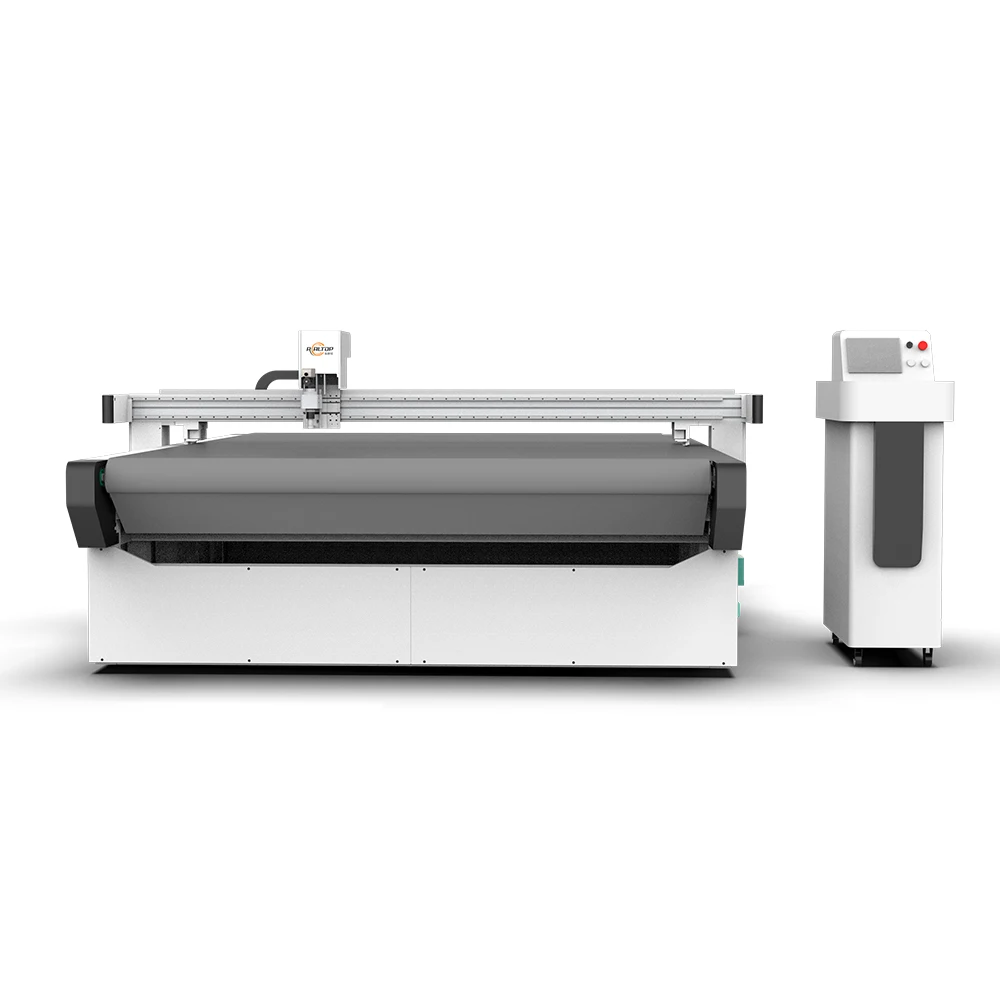
| Overall Dimensions | 3300×2100×1350 mm |
| Language Options | English, Russian, Italian, Chinese (custom languages available) |
| Standards | CE declaration available |
Application Suitability
| Application | Material or Output |
|---|---|
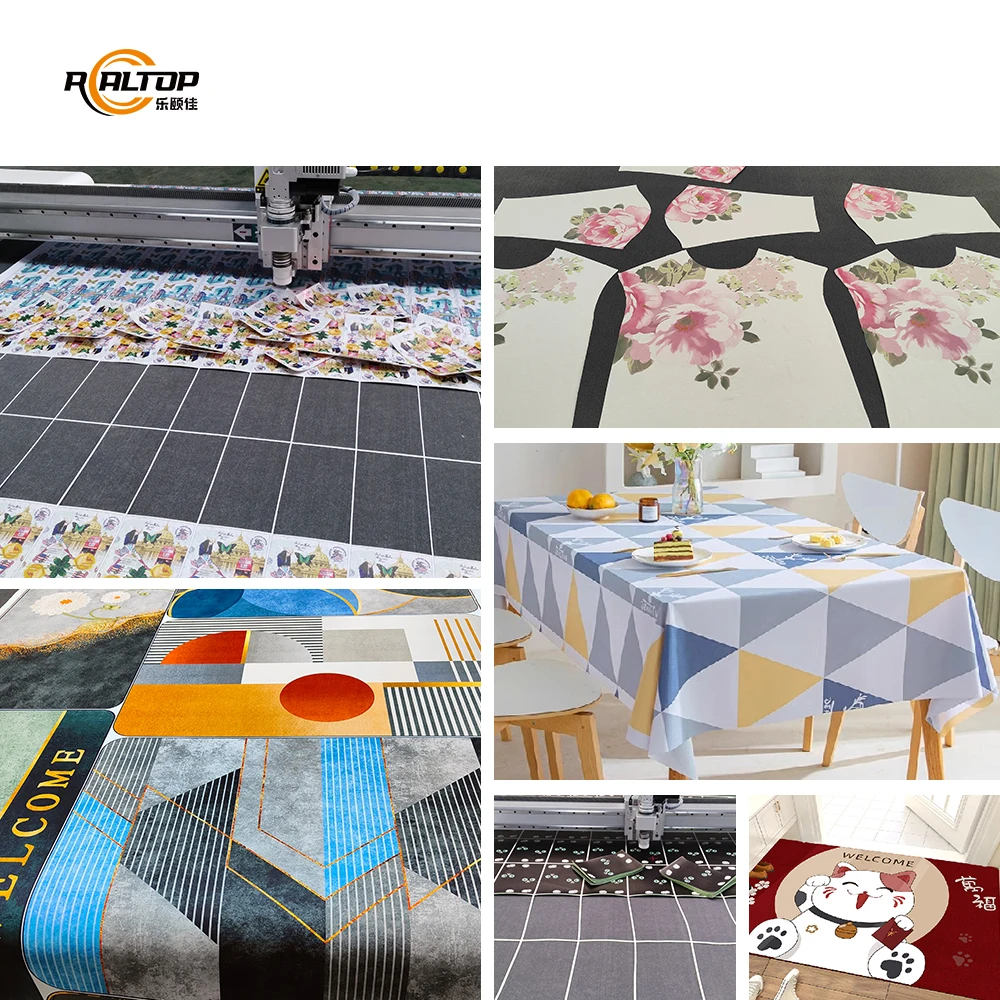
| Apparel manufacturing | Suits, knitwear, lace, complex woven and synthetic fabrics |
| Automotive interiors | Seat fabrics, carpets, PVC floor mats |
| Home textiles | Sofa upholstery fabrics, curtains, woven rugs |
| Composite processing | Carbon fiber prepreg, aramid fabrics without delamination |
| Footwear and leather goods | Natural and synthetic leather, shoe upper patterns |
| Carton and packaging | Corrugated sample making, folding carton creasing and cutting |
Why Specified Cutting Area Alone Fails on Satin and Slippery Textiles
A 1600×2500 mm bed solves nothing when the fabric shifts under the knife. I have watched fabric producers invest in a generously sized flatbed CNC cloth cutter only to discover their satin, chiffon, or coated technical textiles slide across the table during high-speed passes. The cutting head finishes its path, but the material has drifted several millimeters, leaving mismatched panels and unusable edges.
The problem is never the working area — it is the relationship between vacuum zoning, tool head oscillation frequency, and the friction coefficient of the specific fabric being cut [NEED_CITE: material handling challenges in flexible textile cutting]. A satin weave behaves entirely differently from canvas or felt under identical vacuum pressure, and the wrong tool head turns a clean cut into a frayed edge that requires secondary trimming. This is where a CNC oscillating knife cutting machine manufacturer that tests your actual material before finalizing configuration earns its quotation.
Matching the Knife Type to Fabric Behavior
The available tool heads — oscillating knife, driven rotary knife, kiss cutting, pneumatic knife, V-groove, and milling — each engage fabric differently. An oscillating knife handles most woven and knit textiles with clean edge separation, while a driven rotary knife suits continuous long cuts on stable materials. For satin specifically, the oscillation rate must be tuned against fabric density; too aggressive and the blade pulls threads at the cut boundary, too slow and the knife drags, stretching the weave. The seven interchangeable tool head options allow a single machine to cover delicate lace, heavy automotive carpet, and everything between without requiring a separate dedicated unit. Selecting the right combination is the reason a CNC oscillating knife cutting machine manufacturer should receive your fabric sample before production begins.
Vacuum Zoning That Holds Small and Slippery Parts
The 9 kW vacuum pump paired with the aluminum bellows platform provides the holding force, but zoning determines whether that force reaches the specific area being cut. When nested garment panels leave large gaps between pieces, unsealed zones leak air and reduce suction exactly where the fabric needs restraint most [NEED_CITE: vacuum table zoning effectiveness for irregular textile nests]. This flatbed system addresses that through configurable table regions that can be sealed or activated independently, maintaining consistent adsorption under the active cutting area regardless of how the nesting software arranges the pattern.
Reading the Specs That Actually Govern Cut Quality
The ±0.1 mm positioning accuracy matters most on tight-tolerance garment panels where cumulative error across a fifty-piece marker can push an entire size run out of spec. The servo motor selection — Panasonic, Delta, or Dorna — influences acceleration smoothness; a servo that jerks at direction changes will leave micro-serrations visible on satin and silk [NEED_CITE: servo motor dynamics in precision textile cutting]. The 0–2000 mm/s cutting speed range is the mechanical envelope, but effective speed on any given fabric depends on thickness, layer count, and edge quality tolerance. The PLC control with multiple language options ensures the operator can read alarm states and adjust parameters without translation guesswork on the shop floor.
The Cost of Skipping a Material Trial
I have seen orders shipped based on a working area and speed figure alone, only for the buyer to discover their specific PVC-coated polyester delaminates under the oscillating knife at production speeds. The result is weeks of delay, return shipping for reconfiguration, and lost production schedules. A machine that cuts flawlessly on the manufacturer’s test fabric may behave entirely differently on yours, especially when coatings, laminations, or surface finishes are involved. This is why requesting sample cutting on your own material roll before committing to purchase is not optional — it is the single step that separates a correct configuration from an expensive correction [NEED_CITE: textile cutting trial importance in equipment procurement].
Why This Source Fits the Cutting Selection Process
The in-house design team covers both knife and laser cutting technologies, meaning the recommendation is driven by what your material requires rather than by what the factory happens to build. Tool head and table configurations are specified per material and production volume, not offered as a fixed package. CCD camera positioning for printed contour work is available for textile producers cutting sublimated or printed fabrics. Software compatibility is confirmed against your existing nesting workflow before the order is finalized, and voltage, plug type, and control language are locked in prior to shipment. Sample cutting on your actual material happens before commitment, so edge quality and throughput are verified on your substrate, not on a generic reference fabric.
Documentation & Verification
- Machine specification sheet with tool head and vacuum table configuration locked to your material
- Electrical schematic and voltage confirmation matching your facility supply before production
- Sample cutting report on your fabric showing edge quality and achievable cutting speed
- Factory test record documenting positioning accuracy and vacuum holding performance before dispatch
- Software licence and file format compatibility note for PLT, DXF, AI, and PDF workflows
- Operation and maintenance manual in your selected control language
Installation, Commissioning & Support
- Floor space planning around the 3300×2100×1350 mm footprint with operator access clearance on all sides
- Dedicated electrical circuit matching confirmed voltage — 110V, 220V, or 380V — with correct frequency and plug type
- Machine arrives assembled; vacuum table leveling and belt tension checked during commissioning on site
- First-run parameter tuning with your specific fabric to establish baseline cutting speed and knife oscillation settings
- Operator training on PLC interface in your chosen language covering file import, nesting, and tool head changes
- Spare parts list covering blades, knife holders, and vacuum seals with recommended reorder intervals
What to Send With Your Inquiry
Share the specific fabric types you cut, including any coatings, laminations, or surface treatments, along with material thickness and standard sheet or roll dimensions. Include your target daily volume and the nesting software you currently use so file format compatibility can be verified early. Confirm your facility voltage, frequency, and the control language your operators need, and indicate whether you want sample cutting on your own material before the order is finalized.
Frequently Asked Questions
Q: How do I choose between oscillating knife, rotary knife, and laser for my fabric?
A: Oscillating knife suits most woven, knit, and technical textiles with clean edge separation. Rotary knife handles stable materials requiring long continuous cuts. Laser works for synthetics that benefit from sealed edges. The choice depends on your fabric composition, thickness, and edge quality requirement — sample testing on your material determines the correct match.
Q: What vacuum zoning do I need for small garment pattern pieces?
A: Small nested parts require tight vacuum zoning so suction concentrates under the active cutting area rather than leaking through open zones. The aluminum bellows table on this flatbed cutter supports configurable zoning regions. Your nesting layout determines how many zones should remain active during a given cutting run.
Q: How does CCD camera contour recognition perform at production speed?
A: CCD positioning tracks printed registration marks for contour cutting on sublimated or screen-printed textiles. Performance at production speed depends on mark contrast, fabric surface reflectivity, and print quality consistency. Testing with your actual printed fabric roll is necessary to verify tracking reliability before committing to the configuration.
Q: Which voltage and control language will match my workshop?
A: The system supports 110V, 220V, and 380V configurations with multiple frequency options. Control panel languages include English, Russian, Italian, and Chinese, with custom languages available. Confirm your facility supply specification and preferred operator language before production begins to avoid delays during commissioning.
Q: What sample cutting tests should I request before placing my order?
A: Send a roll or sheet of your actual production material for trial cutting. The test should verify edge quality at your target speed, confirm that the selected tool head handles your fabric without fraying or delamination, and demonstrate that vacuum holding is sufficient for your typical nesting layout and smallest piece size.










商品评价
There are no reviews yet.