

Fast Delivery
Quick, reliable shipping to any location.

Free & easy returns
Return this item by mail or in store within 90 days for a full refund.
Precision tool matching — every knife head and vacuum zone is specified against your actual sticker stock and sheet dimensions before the order is locked in, so the configuration you receive is proven on your material rather than guessed from a catalogue page.
Technical Specifications
| Parameter | Value |
|---|---|
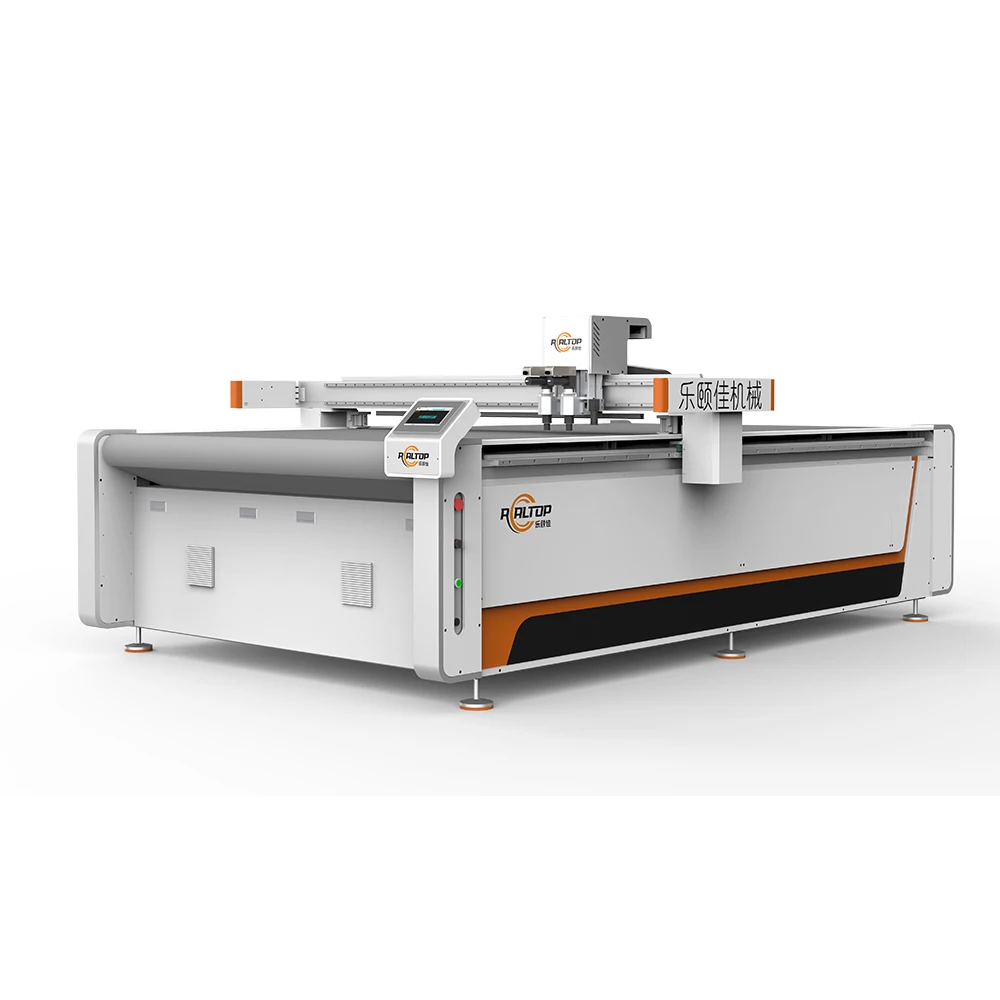
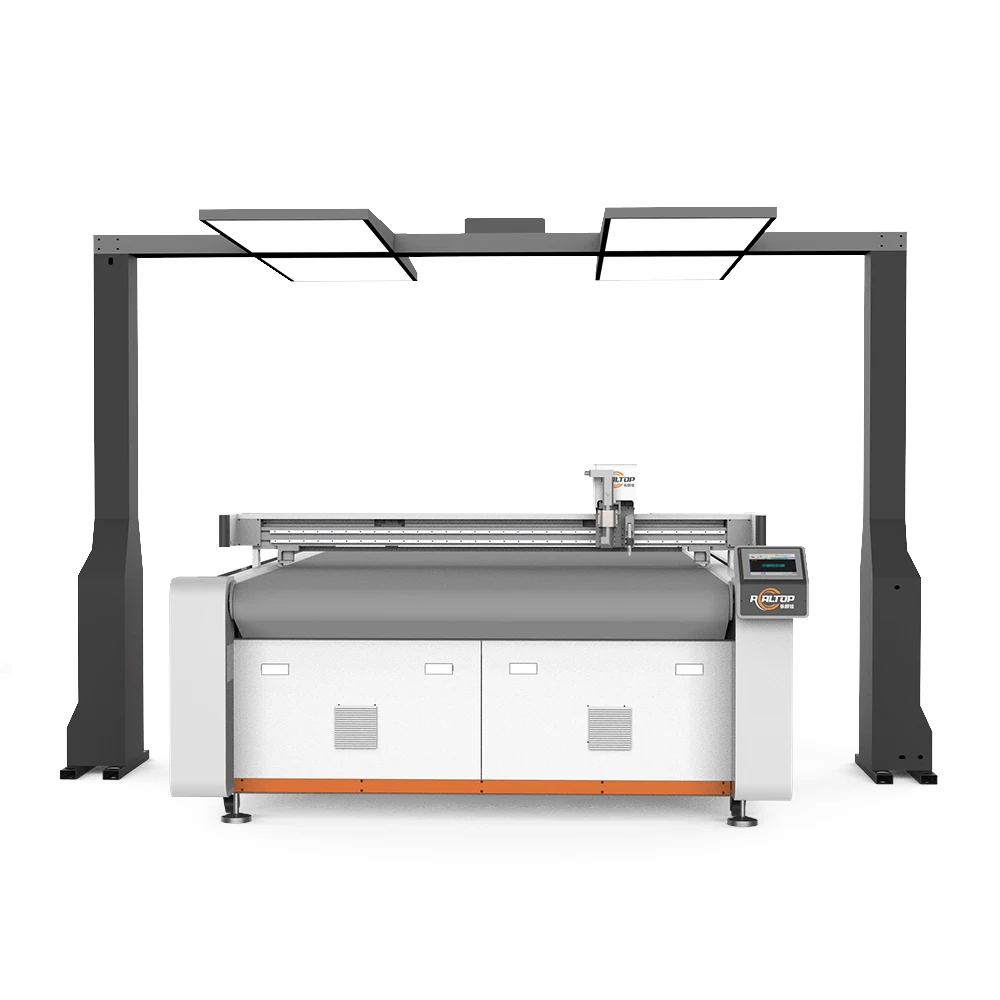
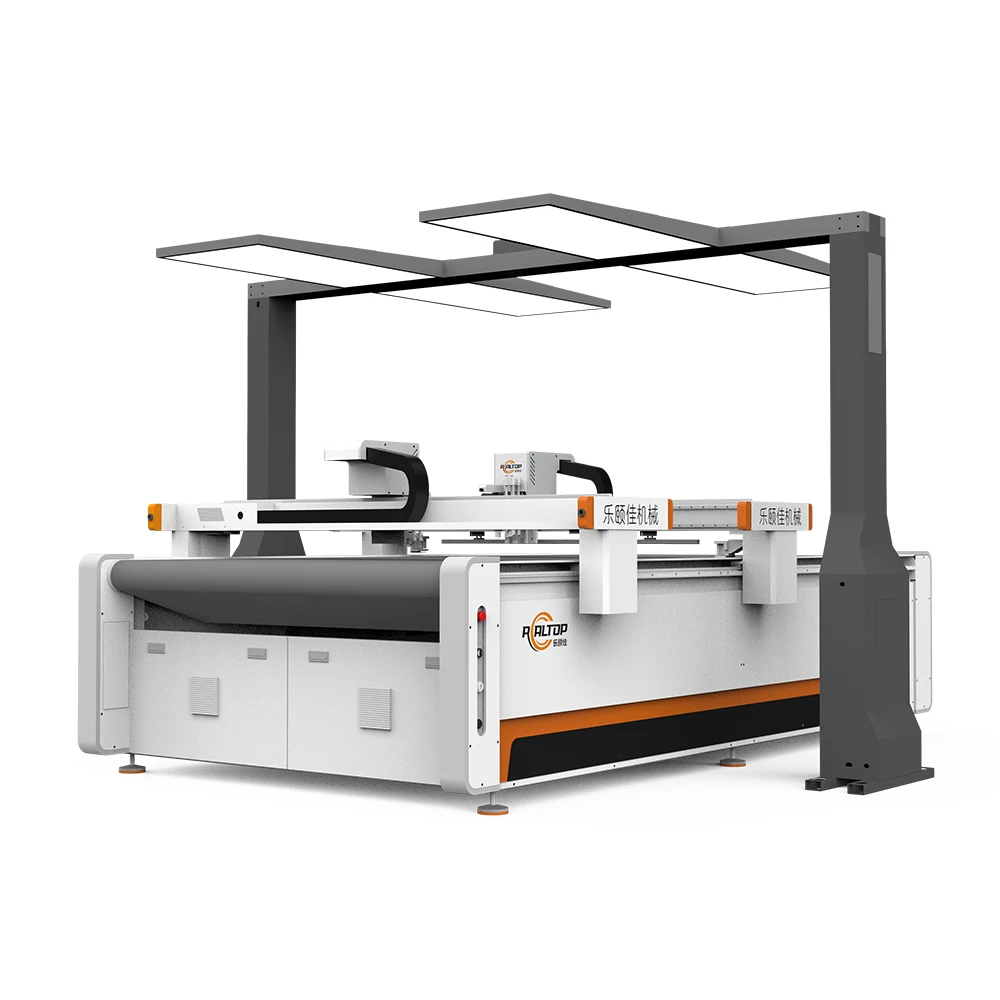
| Product Type | CNC Oscillating Knife Cutting Machine |
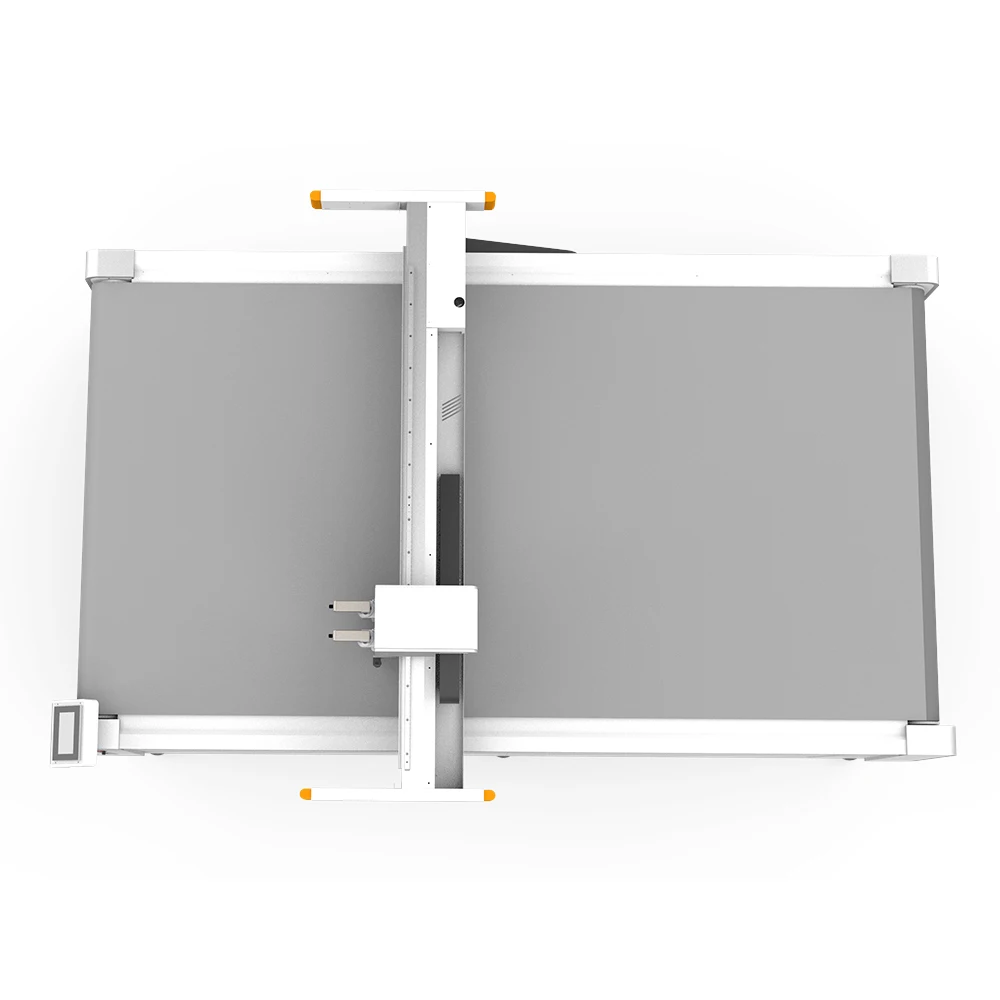
| Working Area | 1600×2500 mm |
| Tool Head Options | Oscillating knife, Driven rotary knife, Creasing wheel, Kiss cutting tool, Pneumatic knife, Milling tool, V groove knife |
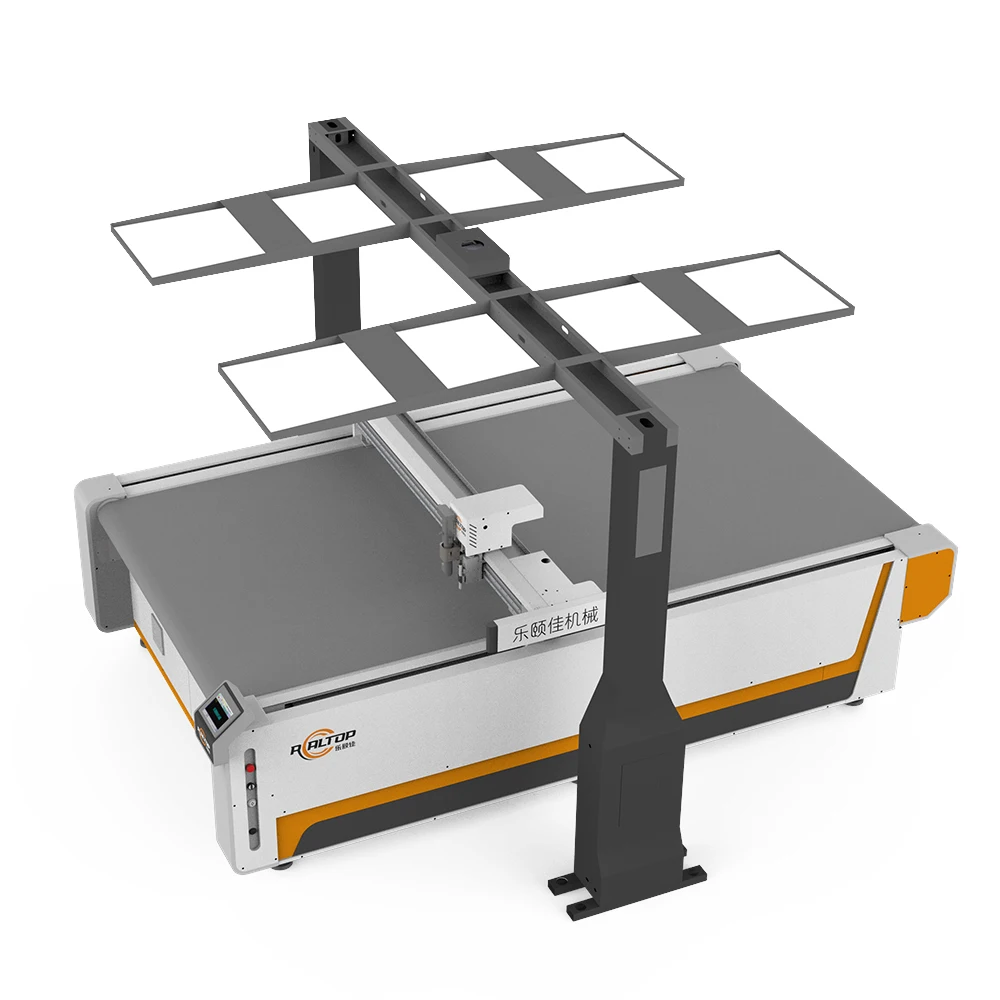
| Positioning System | CCD camera for contour recognition |
| Maximum Cutting Speed | 0–1500 mm/s |
| Maximum Cutting Thickness | ≤ 40 mm |
| Cutting Accuracy | ±0.1 mm |
| Vacuum Pump | 9 kW |
| Vacuum Table | Aluminum bellows vacuum table |
| Servo Motors | Panasonic, Delta or Dorna options |
| Control System | PLC control panel |
| Voltage Options | 110V, 220V, 380V |
| Accepted File Formats | PLT, DXF, AI, PDF |
| Safety Devices | Infrared sensor device and emergency stop device |
| Machine Dimensions | 3300×2100×1350 mm |
| Software Language Options | English, Russian, Italian, Chinese (custom languages available) |
| Certification | CE |
Application Suitability
| Application | Material or Output |
|---|---|
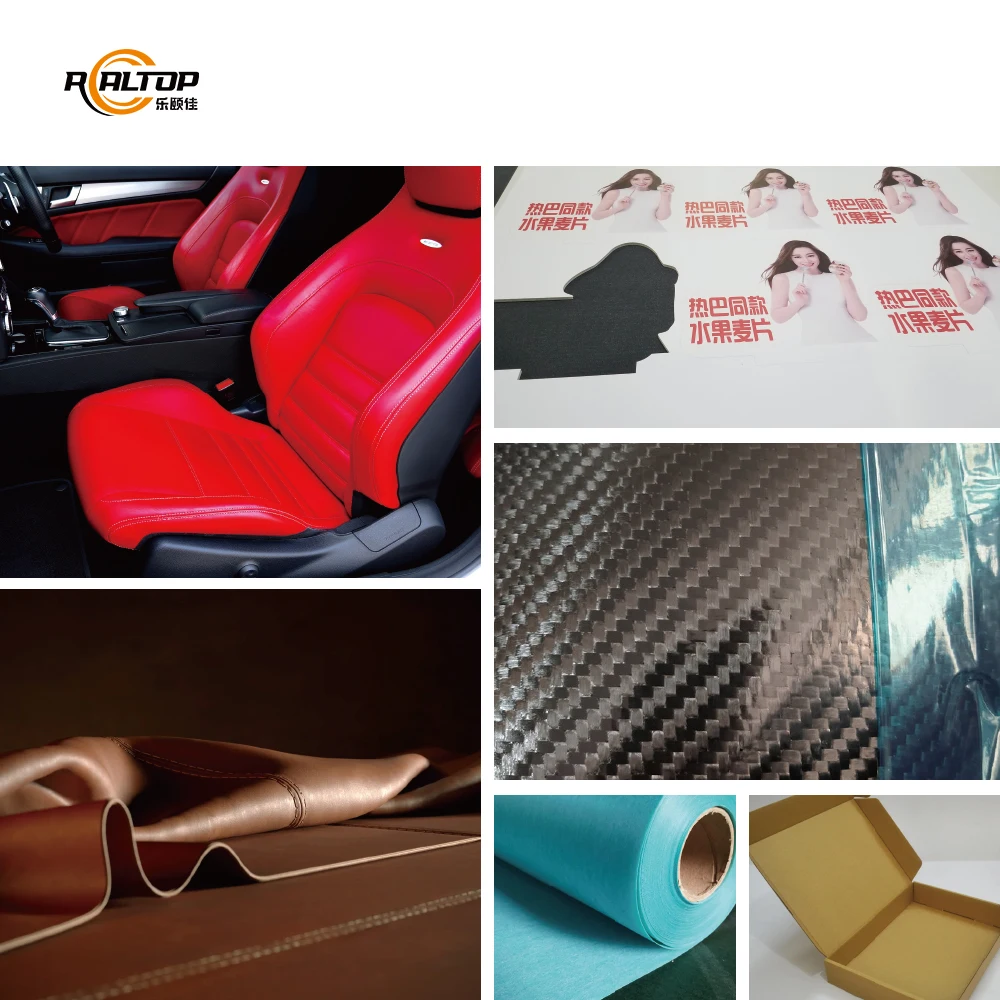
| Sticker and decal production | Self-adhesive vinyl, reflective film, cast and calendered PVC film |
| Signage and display graphics | Self-adhesive board, foam board, magnetic sheet, window cling |
| Packaging sample making | Cardstock, corrugated board, folding carton stock, grey board |
| Label and transfer finishing | Heat transfer vinyl, sandblast resist, paint mask film |
| Automotive and fleet graphics | Reflective sheeting, fleet marking film, perforated window film |
Why Most Sticker Cutting Failures Trace Back to the Specification Stage
When a CNC oscillating knife cutting machine manufacturer ships a unit configured only by working area, the buyer often discovers on day one that the vacuum table cannot hold thin vinyl flat or the wrong tool head leaves ragged edges on kiss-cut sticker sheets.
Getting the tool head, vacuum zoning and CCD specification right before the order is the single biggest factor in sticker cutting quality.
I walked out of the Jinan assembly workshop years ago and moved straight into equipment specification, and the most expensive mistakes I have witnessed all started the same way. A customer signs off on a flatbed based on bed size alone, skips the CCD camera because the sales sheet made it sound optional, and then watches printed sticker sheets drift past the contour marks at production speed. The result is a bin full of mis-cut decals and a blame game between operator, software vendor and machine builder [NEED_CITE: common causes of contour drift in digital finishing workflows]. None of that happens when the configuration conversation starts with the actual material, thickness and print workflow.
How the Right Knife Head Solves the Edge Quality Problem
Sticker materials behave completely differently under a blade. A driven rotary knife slices through thin self-adhesive vinyl cleanly at speed, while an oscillating knife handles thicker foam board and magnetic sheet without crushing the core. A dedicated kiss cutting tool lets the blade score the face film without penetrating the release liner, which is the only way to produce kiss-cut sticker sheets that weed properly on the press. Specifying the CNC oscillating knife cutting machine manufacturer to supply the correct interchangeable heads up front means the operator changes a tool in minutes instead of fighting the same ragged edge all week.
Vacuum Zoning and Why It Decides Whether Small Stickers Stay Put
A full-surface 9 kW vacuum pump sounds powerful, but a sticker sheet full of small decals needs zoned adsorption so that vacuum concentrates exactly where the cutting head is working. The aluminum bellows vacuum table on this digital flatbed cutting table for sale delivers consistent hold-down across the bed, and zoning lets the system concentrate suction under the active cutting area. Without that, thin cast vinyl lifts at the trailing edge as the knife passes, producing a slight shift that turns a tight contour cut into scrap. I have seen entire runs of fleet graphics scrapped because the vacuum zone was never mapped to the sheet layout the buyer actually used [NEED_CITE: vacuum hold-down requirements for thin self-adhesive films].
Reading the Specification Sheet Like a Production Manager
The ±0.1 mm cutting accuracy matters most when you are nesting hundreds of small stickers on a single sheet, where accumulated drift across a long cut path pushes the last row outside tolerance. The 1600×2500 mm working area accommodates most standard roll-fed vinyl sheets and large-format printed panels, while the PLC control panel keeps cycle parameters stored per material so operators do not rebuild settings from memory every Monday morning. The CCD camera option is not a luxury for sticker work — it is the only way to close the loop between the digital print and the physical cut when registration marks shift during lamination. Servo options from Panasonic, Delta or Dorna give buyers a way to align the machine with the service network already available in their region, which matters more than brand name when a drive needs replacing mid-season.
The Hidden Cost of Skipping Configuration Checks Before Shipment
Buyers who confirm only working area and price often arrive at installation to find the plug does not match their workshop supply, the control panel speaks a language their operators cannot read, and the software will not open the PDF files their design team has used for years. Each of these issues is cheap to fix at the quotation stage and expensive to fix after the crate arrives. I keep a checklist in my head from every install that went sideways: voltage and frequency confirmed against the local grid, plug standard written on the purchase order, software language and file format tested with the buyer’s actual artwork before production starts [NEED_CITE: pre-shipment voltage and plug verification for exported machinery]. Every one of those checks is a five-minute conversation that saves a five-week headache.
Why Source This Digital Flatbed Cutting Table for Sale Through a Single Manufacturer
REALTOP designs and builds both knife and laser cutting equipment in-house in Jinan, which means a sticker buyer can compare the two methods on the same material before deciding rather than being forced into whichever technology a single-process builder sells. The tool head and vacuum zone list is written against your specific sticker stock and sheet layout, not pulled from a generic brochure. Sample cutting is performed on your own printed vinyl or cardstock before the order is confirmed, so edge quality, kiss-cut depth and CCD tracking are proven rather than promised. Voltage, plug type and software language are locked down on the specification sheet before production starts, and the CCD contour recognition is tested at the buyer’s intended production speed, not at a slow demonstration pace. The same team that assembles the machine also writes the operation manual and handles after-sales support, so the person answering your troubleshooting call already knows how your unit was configured.
Documentation & Verification
- Factory test record cutting your sticker stock at intended speed before dispatch
- Electrical schematic confirming voltage, frequency and plug type for your facility
- Tool head and vacuum zone list matched to your material thickness and sheet layout
- Software licence and file format compatibility note covering PLT, DXF, AI and PDF
- Sample cutting report on your printed vinyl showing contour accuracy results
- CE declaration and packing photographs issued with every shipment
Installation, Commissioning & Support
- 3300×2100 mm footprint requires a level concrete floor with clear access on three sides
- Dedicated circuit matching the confirmed 110V, 220V or 380V supply with correct breaker rating for the 9 kW vacuum pump
- Machine ships partially disassembled; table and gantry are re-joined and squared on site
- First-run commissioning includes cutting your sticker stock to verify kiss-cut depth and CCD tracking
- Operator training covers tool head changeover, nesting workflow and PLC parameter storage
- Spare parts list and recommended consumable knife blades included for the first year of production
What to Include in Your First Specification Request
Send the material type, thickness and sheet size you run most often, along with a sample of the printed artwork file you need the CCD camera to track. Confirm the voltage, frequency and plug standard used in your workshop, and the language you need on the PLC control panel and in the nesting software. If you have existing upstream printers or downstream laminators, mention the make and workflow so we can confirm file format and registration mark compatibility before quoting.
Frequently Asked Questions
Q: How do I choose between oscillating knife and kiss cutting tool for my sticker and vinyl material?
A: Kiss cutting tools score the face film without cutting the release liner, which is required for peel-and-stick sticker sheets. Oscillating knives cut through the full material stack and suit thicker media like foam board, magnetic sheet and multi-layer laminates. The right choice depends on whether the finished product needs to remain on the liner for dispensing or be fully cut into individual decals.
Q: What working area and vacuum zone configuration do I need for my sheet size and part geometry?
A: The 1600×2500 mm bed fits most roll-fed vinyl sheets and wide-format printed panels. Vacuum zoning should match your typical nest layout so suction concentrates under the active cutting area rather than spreading across empty table. Small sticker decals need tighter zones than large single-piece fleet graphics to prevent material lift during high-speed cutting.
Q: Can the CCD camera track printed registration marks at production speed on my printed sticker stock?
A: The CCD camera reads printed contour marks and adjusts the cut path in real time, compensating for slight stretch or skew introduced during printing or lamination. Performance depends on mark contrast, size and spacing on your specific print layout. We test tracking on your actual printed sticker sheet during sample cutting to confirm reliable recognition before the machine ships.
Q: Which voltage, plug standard and software language will the machine ship with for my country?
A: The machine is configurable for 110V, 220V or 380V supplies, and the plug type is matched to the destination country when confirmed on the order. Software language options include English, Russian, Italian and Chinese, with custom languages available. Both must be written on the specification sheet before production to avoid rework after shipment.
Q: What file formats does the software accept, and will it integrate with my existing nesting and design workflow?
A: The system imports PLT, DXF, AI and PDF files directly, covering most outputs from Illustrator, CorelDRAW and dedicated sign-making software. We confirm compatibility against your specific file version and nesting workflow during the sample stage. If your studio uses a proprietary RIP or nesting package, send sample files so we can verify the full chain before you commit to the order.










商品评价
There are no reviews yet.