

Fast Delivery
Quick, reliable shipping to any location.

Free & easy returns
Return this item by mail or in store within 90 days for a full refund.
In-House Knife Cutting Engineering — A cutting method matched to the buyer’s corrugated grade and daily volume, verified by sample cuts on the actual board stock before the order is placed.
Technical Specifications
| Parameter | Value |
|---|---|
| Model | RT-D2516 / RT-S2516 |
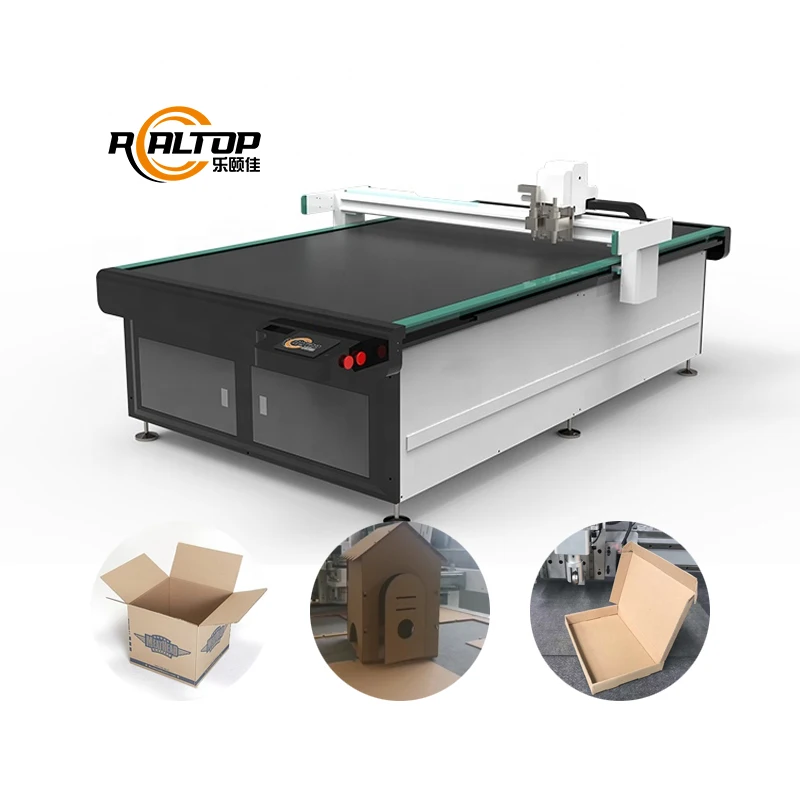
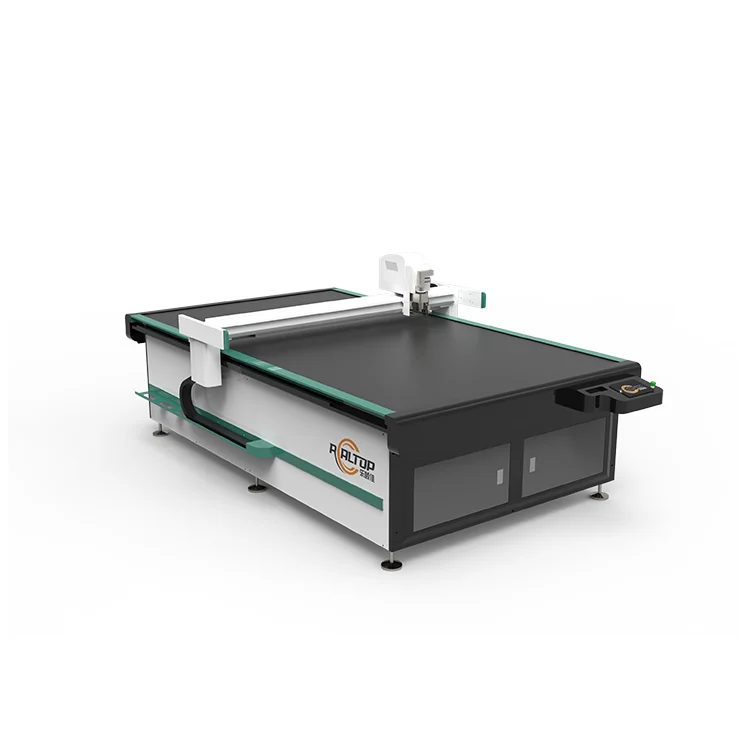
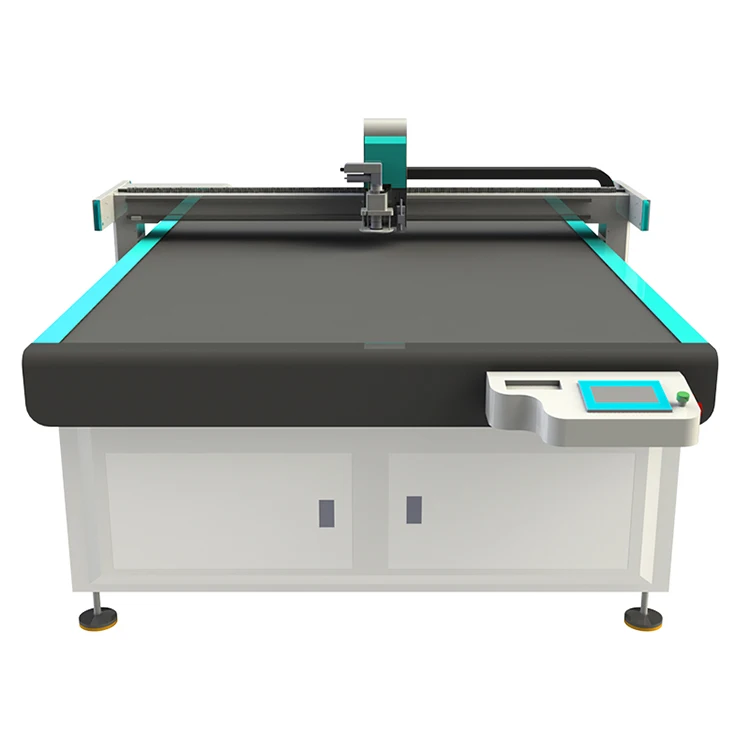
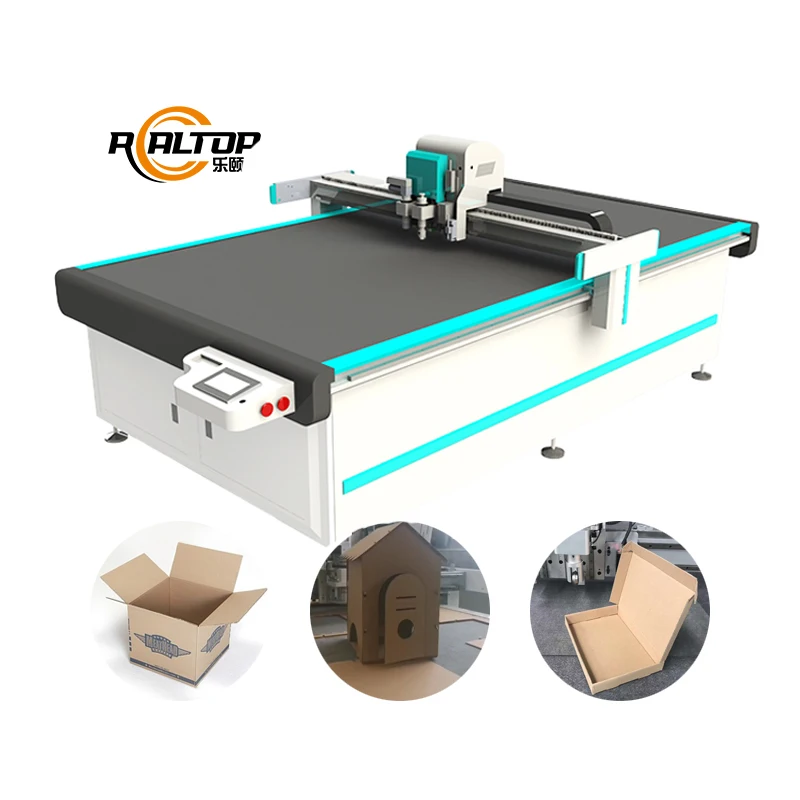
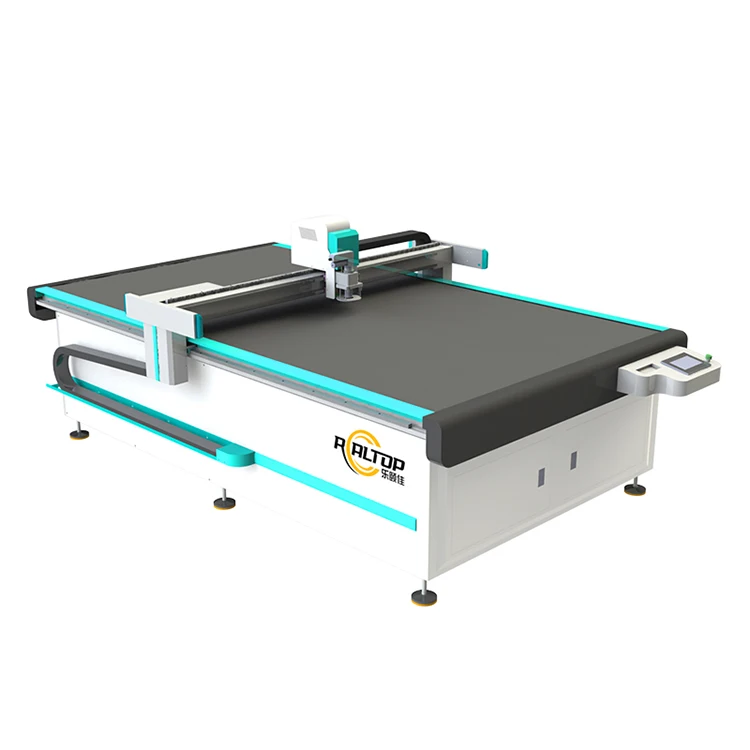
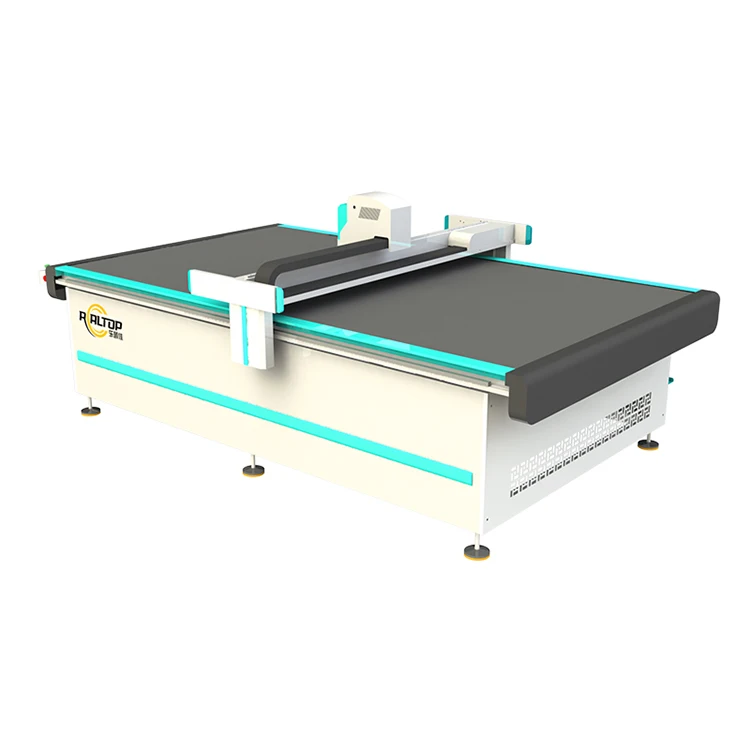
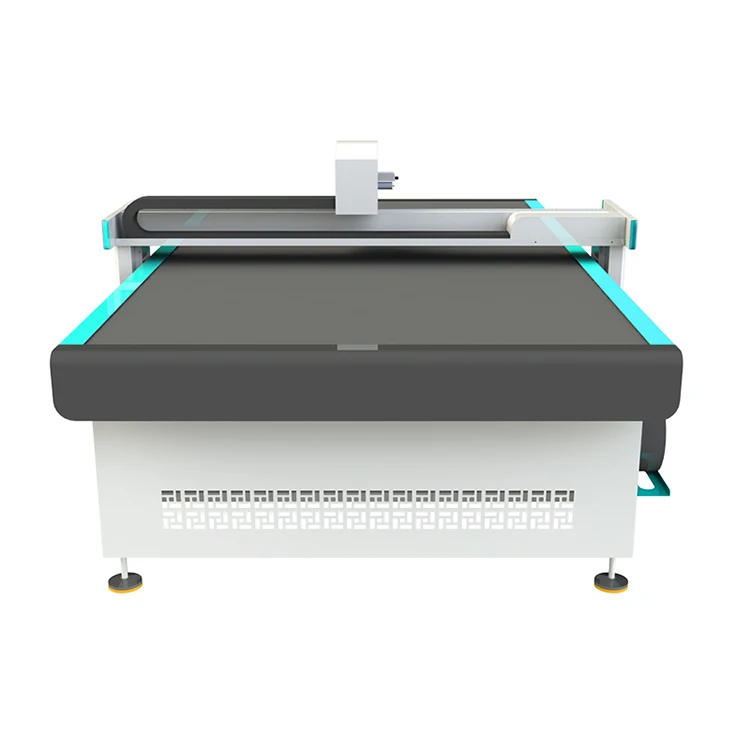
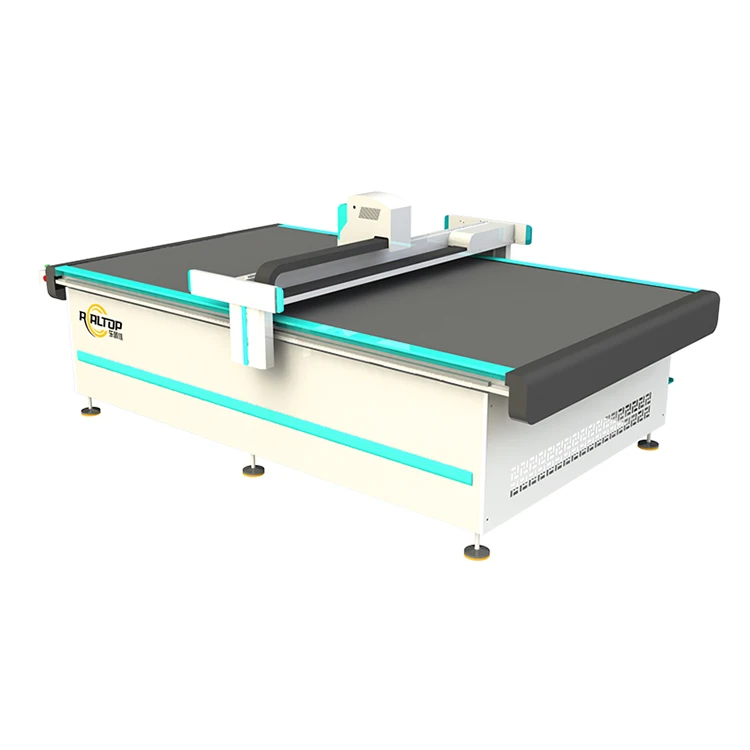
| Product Type | CNC Oscillating Knife Digital Cutting Machine |
| Working Area | 1600 × 2500 mm |
| Machine Dimensions (L × W × H) | 3450 × 2300 × 1250 mm |
| Rated Power | 9 kW |
| Voltage | 380V ±10% |
| Table Construction | Aluminum alloy honeycomb vacuum adsorption flatbed |
| Vacuum Pump | 7.5 kW |
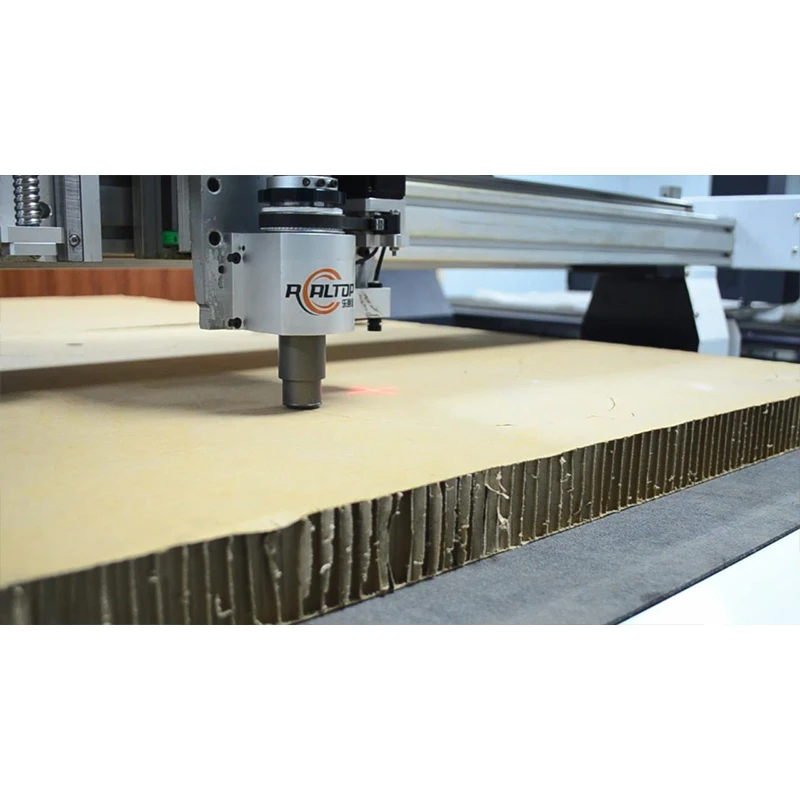
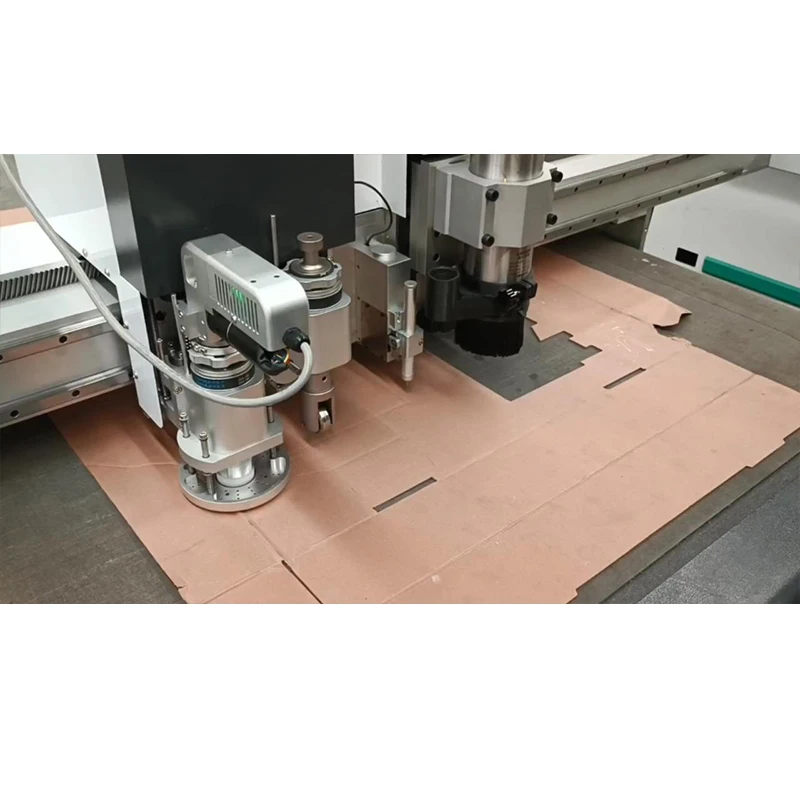
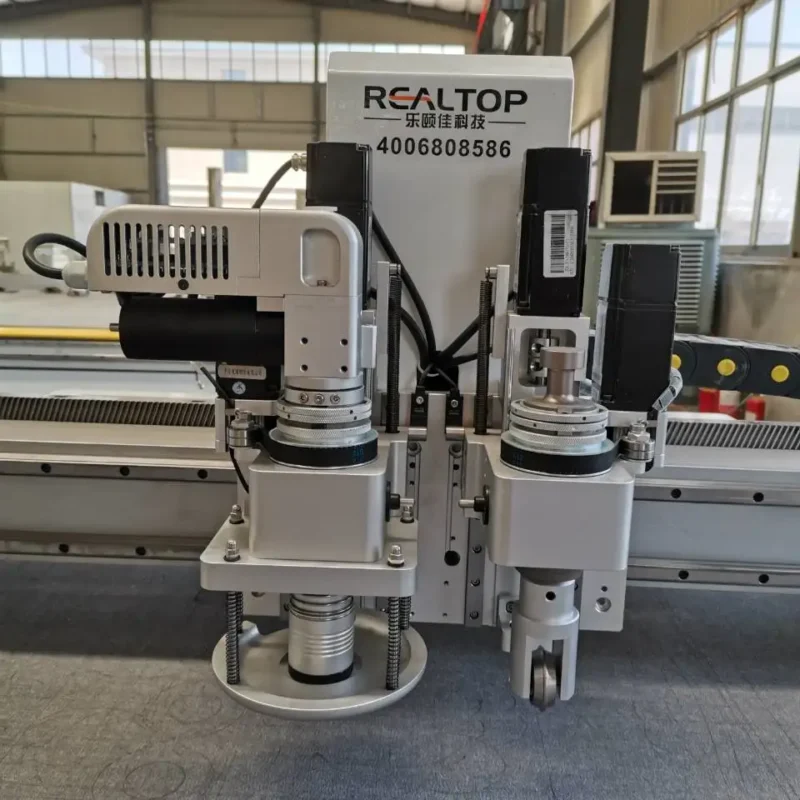
| Tool Head | Swiss imported oscillating knife (vibration full cutting, half cutting, cursor location) |
| Transmission System | Digital servo motor, linear guide, synchronous belt, ball screw, rack transmission |
| Servo Motor | Taiwan Delta |
| Guide Rail | Taiwan Hiwin linear square guide |
| Conveyor Belt | Germany imported |
| Translational Velocity | 800–1200 mm/s |
| Cutting Speed | 200–800 mm/s (basis to be confirmed) |
| Cutting Thickness | ≤100 mm (varies by material, per FAQ) |
| Repeatability | ≤0.1 mm |
| Safety Devices | Infrared sensors, emergency stop |
| Instruction System | HP-GL compatible format |
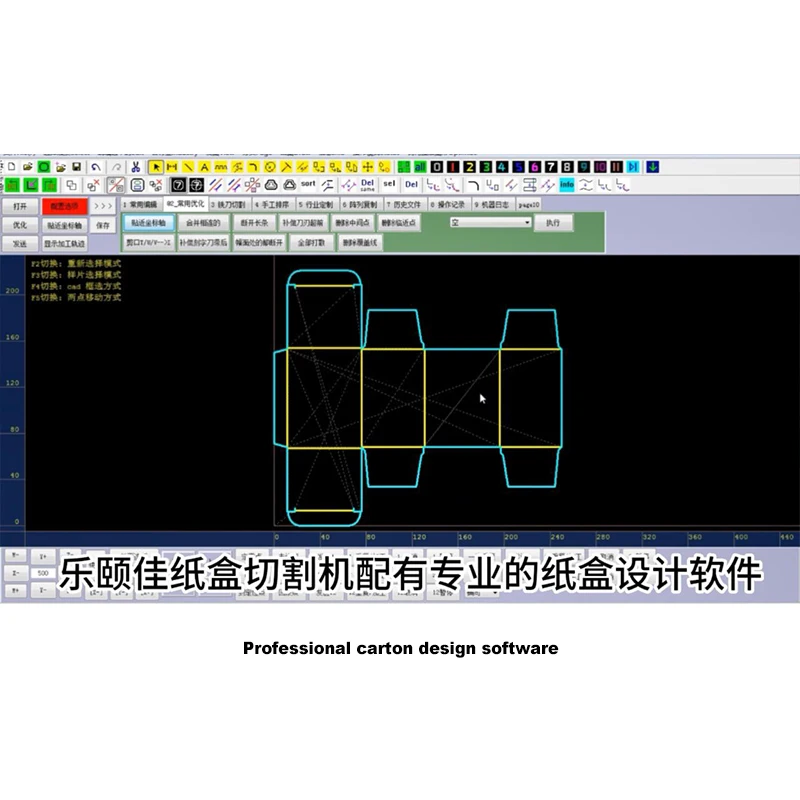
| Software | Professional carton nesting software; multiple format imports; auto positioning for cutting, marking, creasing |
| Language Options | English, Russian, Italian, Chinese; special languages customizable |
| Auto Feeding | Yes |
| Felt Belt | Wear-resistant anti-pull composite fiber felt |
Application Suitability
| Application | Material or Output |
|---|---|
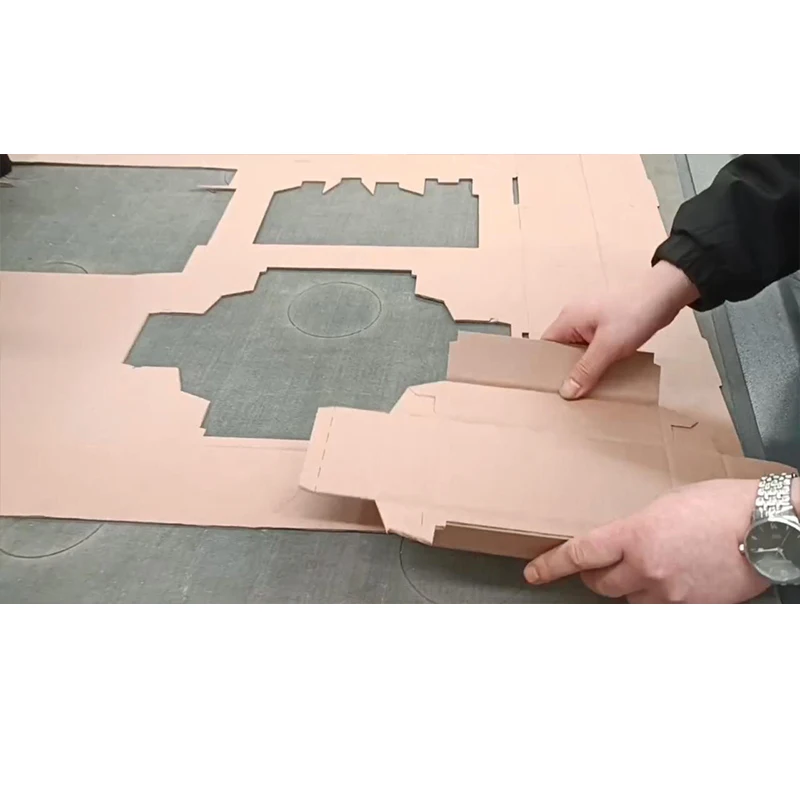
| Carton and corrugated box sample making | Single, double, and triple-wall corrugated board for short-run production |
| Large electrical and appliance packaging | Heavy-duty corrugated and honeycomb paperboard |
| Express paper box and snack food packaging | Folding carton stock, kraft paper, and thin corrugated |
| High-end gift box production | Rigid board, greyboard, and specialty packaging papers |
| Sticker and label contour cutting | Vinyl, adhesive-backed films, and label stock |
| Billboard and business card cutting | PVC foam board, cardstock, and display board |
| Flexible material processing | Leather, clothing fabric, sponge composite leather, PVC, soft glass, silicon, rubber, foam |
Why Specifying Material Thickness First Changes the Entire Machine Choice
The working area is the last thing to decide — the board grade and ply count come first.
I once watched a packaging buyer run five-layer corrugated on a flatbed rated for three-layer stock. The oscillating knife stalled mid-cut, tool changes happened almost every hour, and daily output fell well below what the spec sheet suggested. The machine was not defective; it was simply specified wrong. When a CNC digital cutting machine manufacturer quotes a system based on table size alone, the tooling, vacuum zoning, and servo torque may not match the actual board being fed. Matching the cutting method to material thickness prevents that mismatch before production starts [NEED_CITE: CNC cutting tool head selection by material density and ply count].
Matching the Cutting Method to the Board Stock
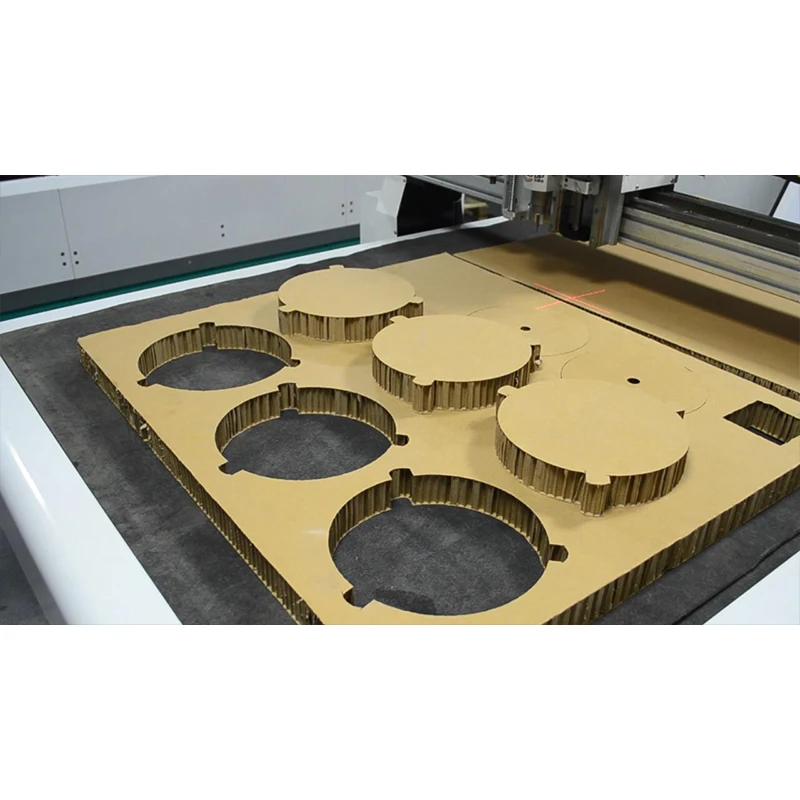
The full cutting equipment range exists because no single method handles every packaging substrate. Oscillating knife cutting works through sheer mechanical force — the blade vibrates at high frequency to slice through corrugated flutes without crushing them. For thin folding carton and sticker contour work, a drag knife or CCD-guided system may suit better. Evaluating the complete catalogue lets a buyer see where each knife and table configuration sits by material type and production volume, rather than forcing one method onto an incompatible substrate. A CNC digital cutting machine manufacturer that builds both knife and laser systems can recommend the correct process instead of selling the only one available.
Surveying Machine Families Before Committing to a Model
Buyers often narrow to a specific model before confirming whether the machine family itself fits their workflow. The RT-D2516 and RT-S2516 belong to the flatbed digital cutting family, suited for sheet-fed carton and flexible material work up to 100 mm thick depending on the substrate. Other families in the range address roll-fed textile cutting or high-volume multi-layer fabric processing. Understanding where each family sits prevents a buyer from locking into a configuration that cannot scale with their order book. Requesting sample cuts on the buyer’s own board stock is the step that converts catalogue data into a real production decision [NEED_CITE: flatbed digital cutting capacity by corrugated flute type].
What the Specifications Mean on the Shop Floor
The 1600 × 2500 mm working area accommodates standard full-size corrugated sheets without repositioning, which matters when cutting large appliance cartons or display packaging. The 7.5 kW vacuum pump paired with the aluminum honeycomb table provides the hold-down force needed to keep warped board flat during high-speed oscillating cuts — without adequate vacuum, small carton components lift and produce inaccurate crease lines. Taiwan Delta servo motors driving Hiwin linear guides maintain ≤0.1 mm repeatability across the full travel, which keeps crease and cut registration aligned on complex box structures. The Swiss oscillating knife head handles full cuts, half cuts for easy-open features, and cursor location for precise start points, all without manual tool changes between operations.
What Happens When the Configuration Is Wrong
A vacuum table without proper zoning lets air escape around small carton parts, so they shift during cutting and produce scrap. An oscillating knife specified for thin carton stock will struggle and produce ragged edges when fed five-layer board, because the blade stroke and frequency are not matched to the flute density. Software that cannot import the buyer’s existing DXF or AI files forces the design team to redraw every box structure, adding hours to sample turnaround. Voltage and plug type confirmed after shipment means the machine sits idle while an electrician sources a transformer [NEED_CITE: industrial voltage compatibility issues in cross-border equipment procurement].
Why Source from This Manufacturer
The design team builds both oscillating knife and laser cutting systems in-house, so a packaging buyer gets the cutting method that fits the material rather than being pushed toward whichever technology the factory prefers. Every tool head and table configuration is specified against the buyer’s actual board grade, ply count, and daily volume — not quoted from a standard price list. CCD camera positioning is available for printed contour work on sticker and label stock, verified at production speed before the machine ships. Software compatibility with the buyer’s nesting workflow and file formats is confirmed at the order stage, not discovered during commissioning. Voltage, control language, and plug type are locked in before production begins, matching the buyer’s local electrical standards.
Documentation & Verification
- Machine specification sheet confirming working area, tool head, and table zoning per your board stock
- Sample cutting report on your corrugated grade and ply count before order commitment
- Electrical schematic with voltage and frequency matched to your facility supply
- Software licence and file format compatibility note for your existing carton design workflow
- Factory test record on your material thickness range before dispatch
- Operation and maintenance manual in your chosen control language
Installation, Commissioning & Support
- 3450 × 2300 mm footprint requires level concrete floor with clearance for the 1600 × 2500 mm table travel
- 9 kW rated power plus 7.5 kW vacuum pump require a dedicated 380V three-phase circuit
- Machine ships fully assembled; position and connect vacuum, power, and extraction on arrival
- First-run commissioning includes vacuum zoning calibration for your specific carton part sizes
- Operator training covers tool head changes, nesting software, and HP-GL file import workflow
- Wear-resistant composite fiber felt belt and oscillating knife blades listed in the spare parts schedule
Starting the Inquiry
Share the corrugated flute type, ply count, and maximum sheet size you run most often. Tell us your daily sample or short-run volume and whether you need CCD contour recognition for printed sticker work. Confirm your facility voltage, frequency, and preferred control language so the configuration is locked before production.
Frequently Asked Questions
Q: How do I know which cutting method suits my packaging material?
A: Oscillating knife cutting handles corrugated board, foam, and thick flexible materials by vibrating through the substrate without crushing flutes. For thin vinyl stickers or printed labels, a drag knife with CCD contour recognition may be more appropriate. We recommend sending your actual material for a sample cut test so the correct tool head and cutting parameters are confirmed before you commit to a configuration.
Q: What working area and machine family options are available?
A: The RT-D2516 and RT-S2516 offer a 1600 × 2500 mm flatbed for sheet-fed carton and flexible materials. The full range includes compact tables for small-format sample making and large-format systems for high-volume production. Each family is designed for specific material types and throughput levels, so we survey your workload before recommending a model.
Q: How does vacuum table zoning affect small carton parts?
A: Without proper zoning, vacuum air escapes around small cut pieces and they lift off the table during cutting, causing misaligned creases and scrap. The aluminum honeycomb table on this system is configured with zoning matched to your typical part sizes, ensuring hold-down force is maintained across the entire cutting area regardless of component dimensions.
Q: Can the CCD camera track printed marks at full production speed?
A: CCD contour recognition is available for printed sticker and label contour cutting. We verify tracking accuracy on your printed material at production speed during the sample cutting stage, not just at slow demonstration speed, so you know the system will perform under real workflow conditions before shipment.
Q: How are voltage and control language handled before shipment?
A: Voltage, plug type, and frequency are confirmed against your facility supply at the order stage, not after production. Control language options include English, Russian, Italian, and Chinese, with special languages customizable. This prevents the machine from sitting idle while electrical adapters are sourced or operators struggle with an unfamiliar interface.
In-House Knife Cutting Engineering — A cutting method matched to the buyer’s corrugated grade and daily volume, verified by sample cuts on the actual board stock before the order is placed.
Technical Specifications
| Parameter | Value |
|---|---|
| Model | RT-D2516 / RT-S2516 |
| Product Type | CNC Oscillating Knife Digital Cutting Machine |
| Working Area | 1600 × 2500 mm |
| Machine Dimensions (L × W × H) | 3450 × 2300 × 1250 mm |
| Rated Power | 9 kW |
| Voltage | 380V ±10% |
| Table Construction | Aluminum alloy honeycomb vacuum adsorption flatbed |
| Vacuum Pump | 7.5 kW |
| Tool Head | Swiss imported oscillating knife (vibration full cutting, half cutting, cursor location) |
| Transmission System | Digital servo motor, linear guide, synchronous belt, ball screw, rack transmission |
| Servo Motor | Taiwan Delta |
| Guide Rail | Taiwan Hiwin linear square guide |
| Conveyor Belt | Germany imported |
| Translational Velocity | 800–1200 mm/s |
| Cutting Speed | 200–800 mm/s (basis to be confirmed) |
| Cutting Thickness | ≤100 mm (varies by material, per FAQ) |
| Repeatability | ≤0.1 mm |
| Safety Devices | Infrared sensors, emergency stop |
| Instruction System | HP-GL compatible format |
| Software | Professional carton nesting software; multiple format imports; auto positioning for cutting, marking, creasing |
| Language Options | English, Russian, Italian, Chinese; special languages customizable |
| Auto Feeding | Yes |
| Felt Belt | Wear-resistant anti-pull composite fiber felt |
Application Suitability
| Application | Material or Output |
|---|---|
| Carton and corrugated box sample making | Single, double, and triple-wall corrugated board for short-run production |
| Large electrical and appliance packaging | Heavy-duty corrugated and honeycomb paperboard |
| Express paper box and snack food packaging | Folding carton stock, kraft paper, and thin corrugated |
| High-end gift box production | Rigid board, greyboard, and specialty packaging papers |
| Sticker and label contour cutting | Vinyl, adhesive-backed films, and label stock |
| Billboard and business card cutting | PVC foam board, cardstock, and display board |
| Flexible material processing | Leather, clothing fabric, sponge composite leather, PVC, soft glass, silicon, rubber, foam |
Why Specifying Material Thickness First Changes the Entire Machine Choice
The working area is the last thing to decide — the board grade and ply count come first.
I once watched a packaging buyer run five-layer corrugated on a flatbed rated for three-layer stock. The oscillating knife stalled mid-cut, tool changes happened almost every hour, and daily output fell well below what the spec sheet suggested. The machine was not defective; it was simply specified wrong. When a CNC digital cutting machine manufacturer quotes a system based on table size alone, the tooling, vacuum zoning, and servo torque may not match the actual board being fed. Matching the cutting method to material thickness prevents that mismatch before production starts [NEED_CITE: CNC cutting tool head selection by material density and ply count].
Matching the Cutting Method to the Board Stock
The full cutting equipment range exists because no single method handles every packaging substrate. Oscillating knife cutting works through sheer mechanical force — the blade vibrates at high frequency to slice through corrugated flutes without crushing them. For thin folding carton and sticker contour work, a drag knife or CCD-guided system may suit better. Evaluating the complete catalogue lets a buyer see where each knife and table configuration sits by material type and production volume, rather than forcing one method onto an incompatible substrate. A CNC digital cutting machine manufacturer that builds both knife and laser systems can recommend the correct process instead of selling the only one available.
Surveying Machine Families Before Committing to a Model
Buyers often narrow to a specific model before confirming whether the machine family itself fits their workflow. The RT-D2516 and RT-S2516 belong to the flatbed digital cutting family, suited for sheet-fed carton and flexible material work up to 100 mm thick depending on the substrate. Other families in the range address roll-fed textile cutting or high-volume multi-layer fabric processing. Understanding where each family sits prevents a buyer from locking into a configuration that cannot scale with their order book. Requesting sample cuts on the buyer’s own board stock is the step that converts catalogue data into a real production decision [NEED_CITE: flatbed digital cutting capacity by corrugated flute type].
What the Specifications Mean on the Shop Floor
The 1600 × 2500 mm working area accommodates standard full-size corrugated sheets without repositioning, which matters when cutting large appliance cartons or display packaging. The 7.5 kW vacuum pump paired with the aluminum honeycomb table provides the hold-down force needed to keep warped board flat during high-speed oscillating cuts — without adequate vacuum, small carton components lift and produce inaccurate crease lines. Taiwan Delta servo motors driving Hiwin linear guides maintain ≤0.1 mm repeatability across the full travel, which keeps crease and cut registration aligned on complex box structures. The Swiss oscillating knife head handles full cuts, half cuts for easy-open features, and cursor location for precise start points, all without manual tool changes between operations.
What Happens When the Configuration Is Wrong
A vacuum table without proper zoning lets air escape around small carton parts, so they shift during cutting and produce scrap. An oscillating knife specified for thin carton stock will struggle and produce ragged edges when fed five-layer board, because the blade stroke and frequency are not matched to the flute density. Software that cannot import the buyer’s existing DXF or AI files forces the design team to redraw every box structure, adding hours to sample turnaround. Voltage and plug type confirmed after shipment means the machine sits idle while an electrician sources a transformer [NEED_CITE: industrial voltage compatibility issues in cross-border equipment procurement].
Why Source from This Manufacturer
The design team builds both oscillating knife and laser cutting systems in-house, so a packaging buyer gets the cutting method that fits the material rather than being pushed toward whichever technology the factory prefers. Every tool head and table configuration is specified against the buyer’s actual board grade, ply count, and daily volume — not quoted from a standard price list. CCD camera positioning is available for printed contour work on sticker and label stock, verified at production speed before the machine ships. Software compatibility with the buyer’s nesting workflow and file formats is confirmed at the order stage, not discovered during commissioning. Voltage, control language, and plug type are locked in before production begins, matching the buyer’s local electrical standards.
Documentation & Verification
- Machine specification sheet confirming working area, tool head, and table zoning per your board stock
- Sample cutting report on your corrugated grade and ply count before order commitment
- Electrical schematic with voltage and frequency matched to your facility supply
- Software licence and file format compatibility note for your existing carton design workflow
- Factory test record on your material thickness range before dispatch
- Operation and maintenance manual in your chosen control language
Installation, Commissioning & Support
- 3450 × 2300 mm footprint requires level concrete floor with clearance for the 1600 × 2500 mm table travel
- 9 kW rated power plus 7.5 kW vacuum pump require a dedicated 380V three-phase circuit
- Machine ships fully assembled; position and connect vacuum, power, and extraction on arrival
- First-run commissioning includes vacuum zoning calibration for your specific carton part sizes
- Operator training covers tool head changes, nesting software, and HP-GL file import workflow
- Wear-resistant composite fiber felt belt and oscillating knife blades listed in the spare parts schedule
Starting the Inquiry
Share the corrugated flute type, ply count, and maximum sheet size you run most often. Tell us your daily sample or short-run volume and whether you need CCD contour recognition for printed sticker work. Confirm your facility voltage, frequency, and preferred control language so the configuration is locked before production.
Frequently Asked Questions
Q: How do I know which cutting method suits my packaging material?
A: Oscillating knife cutting handles corrugated board, foam, and thick flexible materials by vibrating through the substrate without crushing flutes. For thin vinyl stickers or printed labels, a drag knife with CCD contour recognition may be more appropriate. We recommend sending your actual material for a sample cut test so the correct tool head and cutting parameters are confirmed before you commit to a configuration.
Q: What working area and machine family options are available?
A: The RT-D2516 and RT-S2516 offer a 1600 × 2500 mm flatbed for sheet-fed carton and flexible materials. The full range includes compact tables for small-format sample making and large-format systems for high-volume production. Each family is designed for specific material types and throughput levels, so we survey your workload before recommending a model.
Q: How does vacuum table zoning affect small carton parts?
A: Without proper zoning, vacuum air escapes around small cut pieces and they lift off the table during cutting, causing misaligned creases and scrap. The aluminum honeycomb table on this system is configured with zoning matched to your typical part sizes, ensuring hold-down force is maintained across the entire cutting area regardless of component dimensions.
Q: Can the CCD camera track printed marks at full production speed?
A: CCD contour recognition is available for printed sticker and label contour cutting. We verify tracking accuracy on your printed material at production speed during the sample cutting stage, not just at slow demonstration speed, so you know the system will perform under real workflow conditions before shipment.
Q: How are voltage and control language handled before shipment?
A: Voltage, plug type, and frequency are confirmed against your facility supply at the order stage, not after production. Control language options include English, Russian, Italian, and Chinese, with special languages customizable. This prevents the machine from sitting idle while electrical adapters are sourced or operators struggle with an unfamiliar interface.
商品评价
There are no reviews yet.