





Fast Delivery
Quick, reliable shipping to any location.

Free & easy returns
Return this item by mail or in store within 90 days for a full refund.
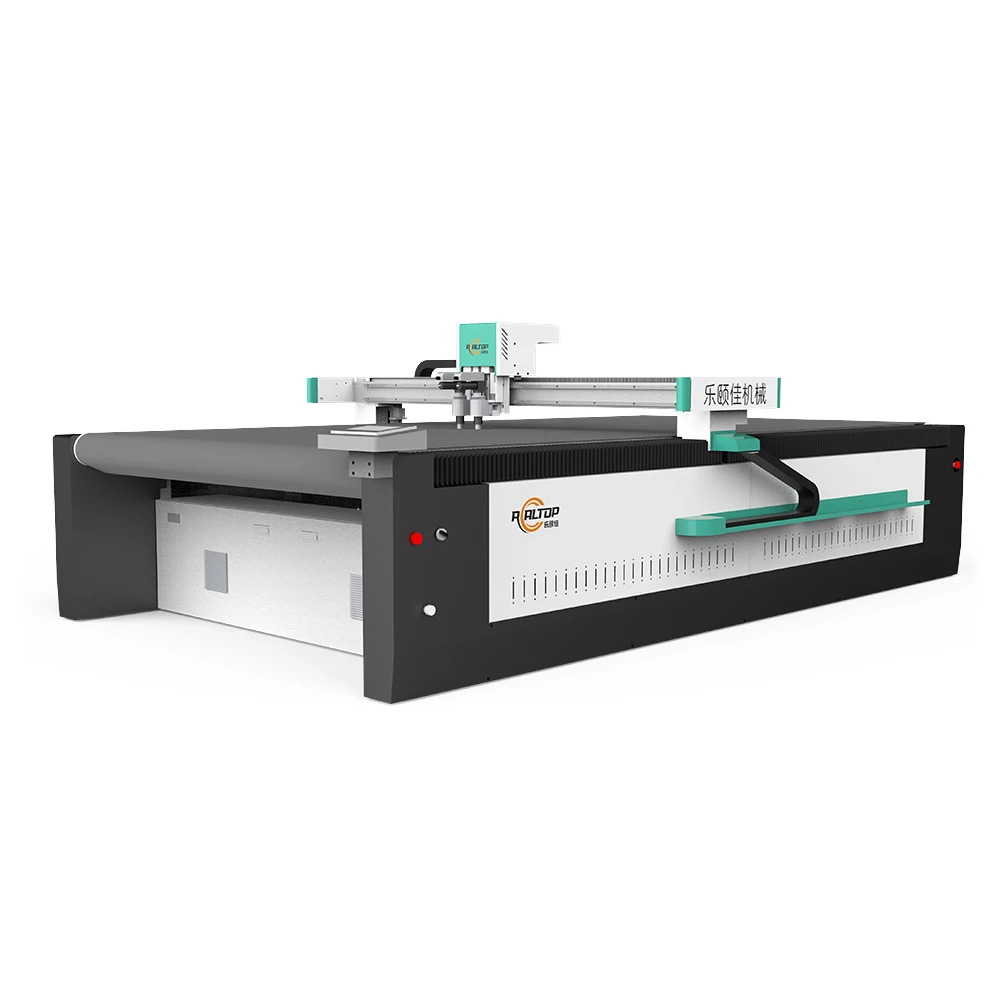
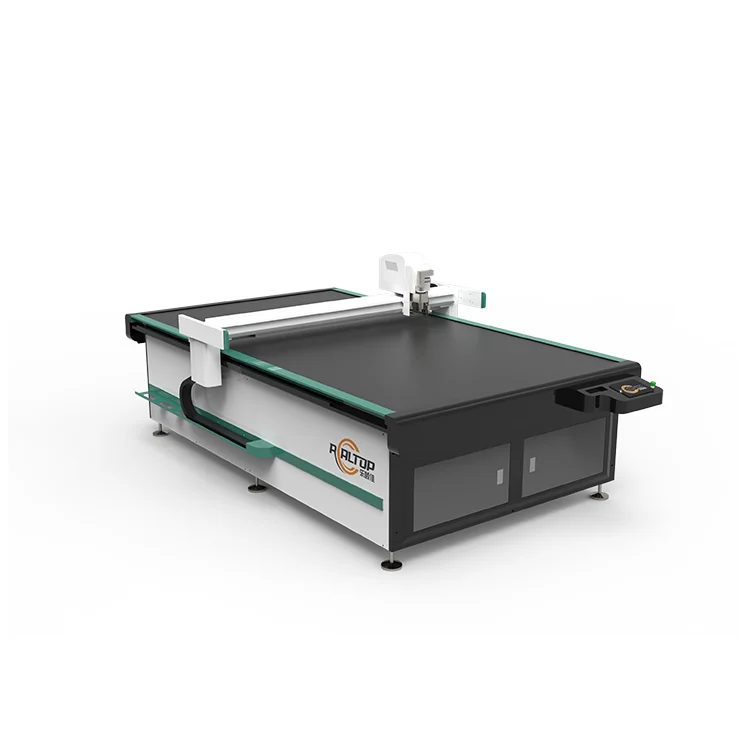
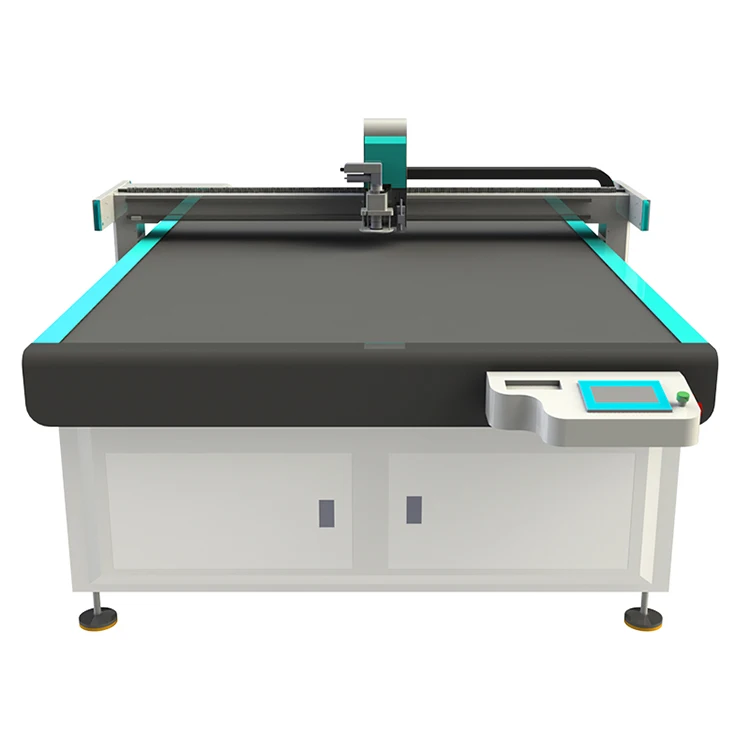
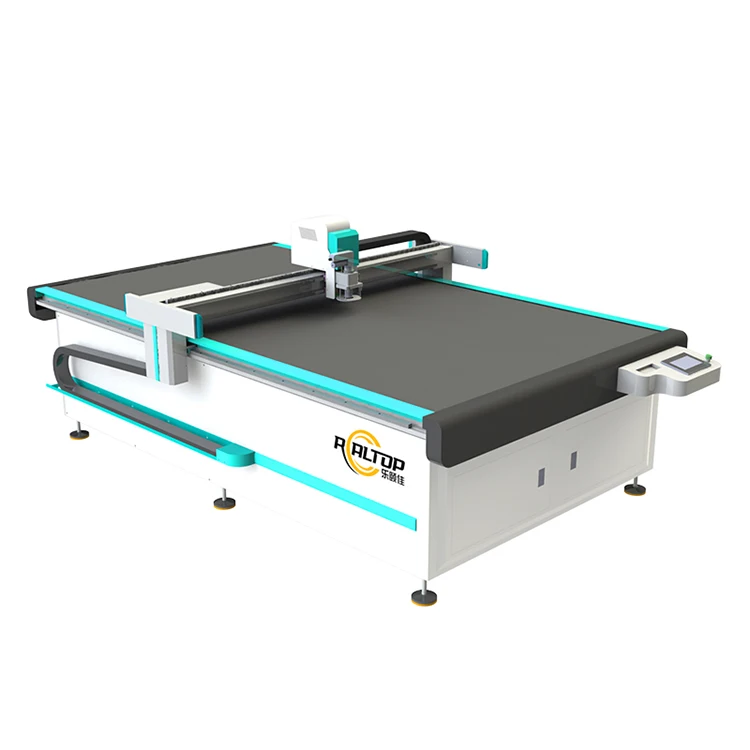
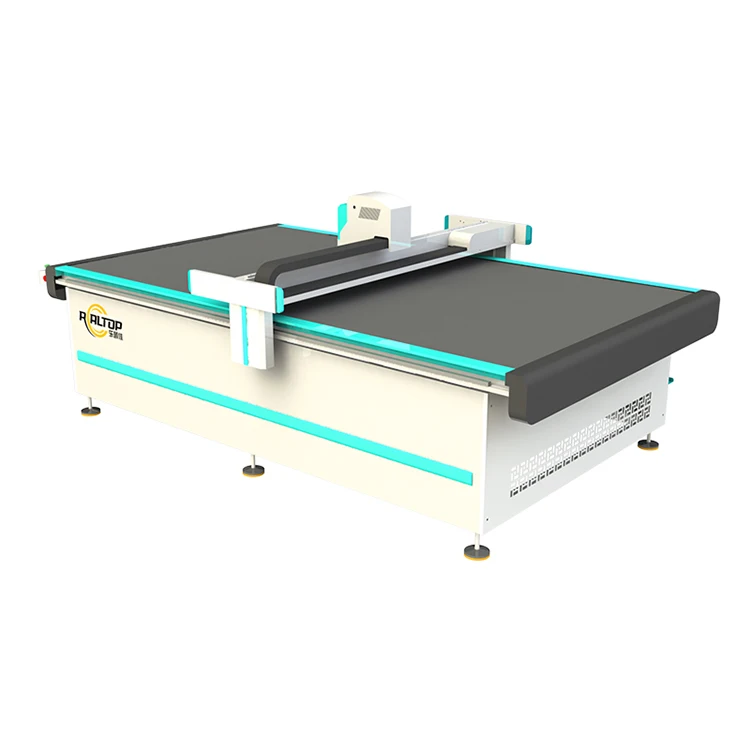
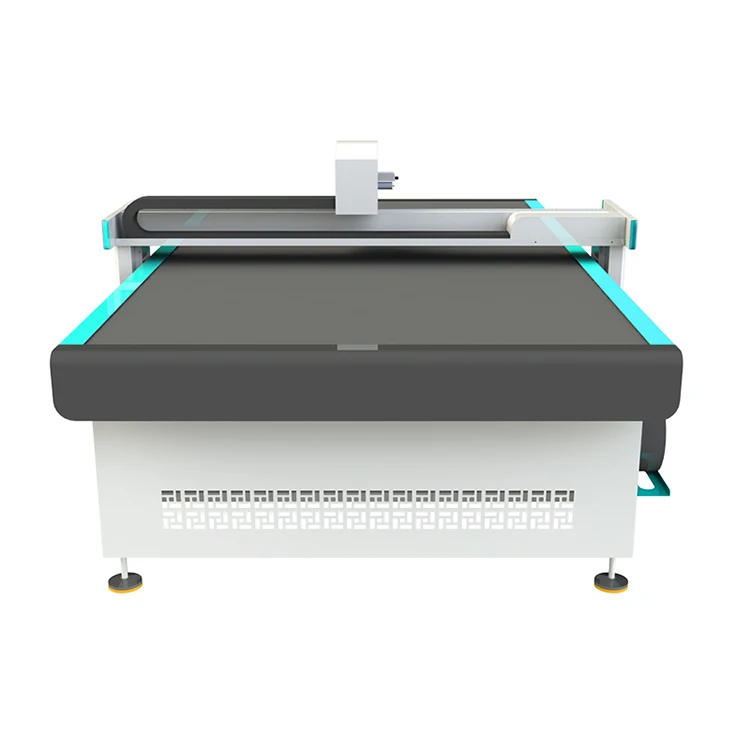
Integrated Tooling and Table Sizing — A 1600×2500 mm aluminum bellows vacuum bed paired with seven interchangeable tool options lets composite fabricators cut carbon prepreg and acoustic felt on the same platform without re-fixturing or secondary clamping.
Technical Specifications
| Parameter | Value |
|---|---|
| Model | 1625 |
| Product Type | CNC Oscillating Knife Cutting Machine |
| Working Area | 1600 × 2500 mm |
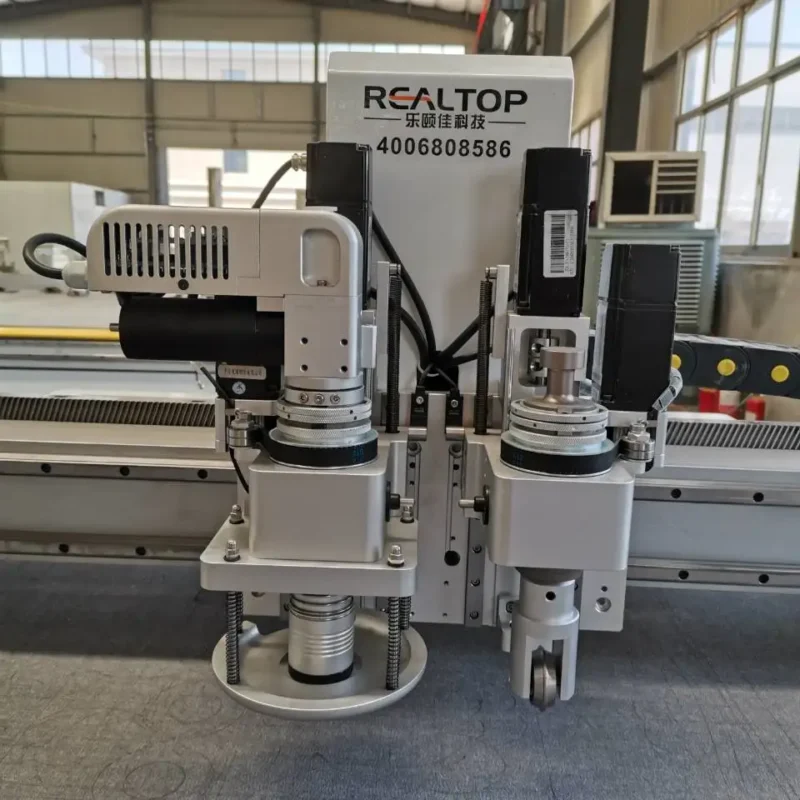
| Tool Heads Available | Oscillating knife, Driven rotary knife, Creasing wheel, Kiss cutting tool, Pneumatic knife, Milling tool, V-groove knife |
| Cutting Thickness Capacity | ≤ 30 mm (material dependent) |
| Cutting Accuracy | ±0.1 mm |
| Cutting Speed Range | 0–2000 mm/s |
| Vacuum Pump | 9 kW |
| Vacuum Table Construction | Aluminum bellows vacuum table |
| Control System | PLC control panel |
| Servo Motor Options | Panasonic, Delta, Dorna |
| Voltage Options | 110V, 220V, 380V (configurable) |
| Language Options | English, Russian, Italian, Chinese (custom languages available) |
| Supported File Formats | PLT, DXF, AI, PDF |
| Safety Devices | Infrared sensor device, emergency stop device |
| Machine Dimensions (L×W×H) | 3300 × 2100 × 1350 mm |
| Safety Standard | CE declared |
Application Suitability
| Application Domain | Typical Materials Processed |
|---|---|
| Aerospace Composite Layup | Carbon fiber prepreg, aramid honeycomb (Nomex), fiberglass cloth, ceramic fiber blankets, thermal and acoustic insulation foam for wing skins, fairings and interior trim |
| Automotive and Rail Interiors | Carbon fiber covers, FRP panels, acoustic felt, damping pads, carpets, sealing strips for headliners, floor carpets and lightweight body panels |
| Wind Energy Blade Manufacturing | Fiberglass cloth, carbon fiber cloth, vacuum infusion mesh, PET and PVC foam core for blade infusion mesh, core preforms and spar caps |
| Sporting Goods Fabrication | Carbon fiber sheets and fabric, fiberglass, Kevlar, high-performance foam for bicycle frame prepreg, helmet liners, archery boards and surfboards |
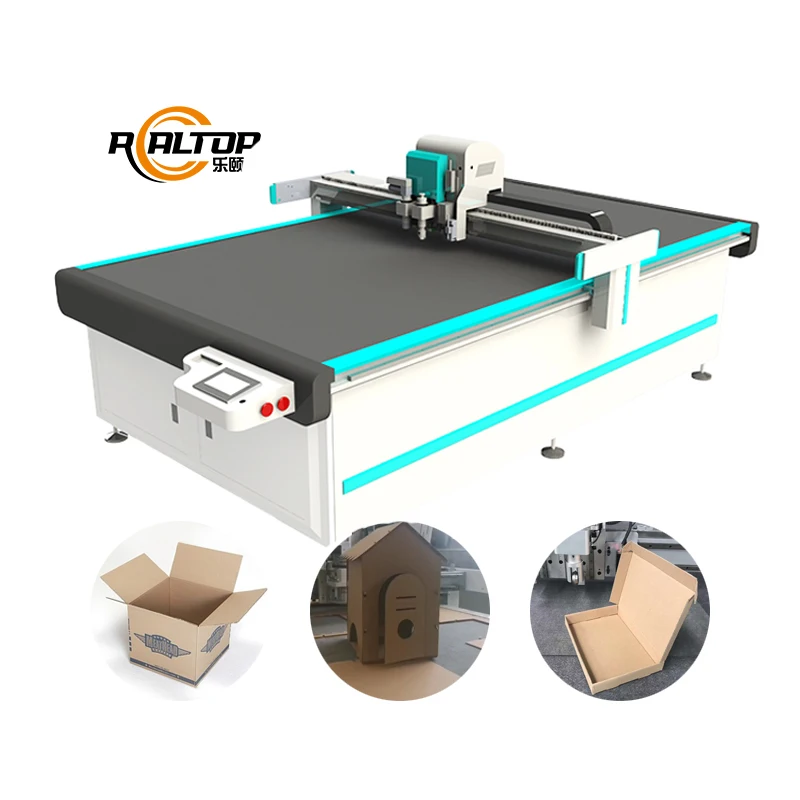
| Soft Material and Packaging | Fabric, leather, PVC, EVA, foam, rubber, cardboard for carton sample making and general flexible material cutting |
Why the Vacuum Zoning Decision Matters More Than Table Size
Buyers often specify a CNC cutting table by working area alone, assuming that a large bed automatically handles every job that fits within it. In practice, vacuum hold-down behaves very differently across a full sheet versus a small nest of irregular parts. The zoning configuration of the vacuum table determines whether small composite pieces stay flat under the knife or lift and delaminate mid-cut.
When I was doing quality checks on early production runs, I saw a batch of small carbon prepreg patches lift at the edges the moment the oscillating knife entered the material. The table was large enough, the pump was powerful enough, but the vacuum zones were too coarse to isolate suction under a 200 mm part surrounded by open bed. Entire nests had to be scrapped before the zoning was reconfigured. That pattern repeats across industries: a machine specified for full-sheet fabric cutting may fail on the small gaskets and reinforcement patches that aerospace and automotive programs actually require. Selecting a CNC oscillating knife cutting machine manufacturer that confirms zone count and minimum part size before shipment prevents this class of failure [NEED_CITE: vacuum table zoning standards for CNC flatbed cutting].
Surveying the Full Range Before Committing to a Cutting Method
The catalogue spans both oscillating knife and laser platforms, which matters because composite programs often mix materials that respond differently to each process. Carbon prepreg and Nomex honeycomb cut cleanly under a high-frequency oscillating knife with no heat-affected zone, while certain synthetic textiles benefit from the sealed edge a laser produces. A buyer evaluating options should map each material in their production mix to the appropriate method before narrowing to a single machine family, rather than forcing one technology across every job.
Matching Tool Heads to the Actual Material Stack
The 1625 platform supports seven distinct tool head types, and each corresponds to a different material behavior. An oscillating knife handles layered fiberglass and foam core without crushing the cell structure. A driven rotary knife follows continuous curves in woven carbon cloth without fraying the selvage. A pneumatic knife suits thicker, denser stacks such as rubber gaskets and acoustic damping pads. The creasing wheel and V-groove knife serve carton and packaging sample work that runs alongside composite production in many facilities. Selecting the correct tool head per material is the difference between a clean edge ready for layup and a crushed, delaminated reject.
Reading the Specification Sheet Against Production Reality
Cutting speed is listed as 0–2000 mm/s, but that figure represents maximum traverse speed, not the production speed achievable on thick composite stacks. On a 10 mm aramid honeycomb panel, actual cutting speed drops to maintain the ±0.1 mm accuracy tolerance and prevent tool deflection. The 9 kW vacuum pump delivers sufficient suction for full-sheet carbon cloth, but when cutting small parts nested across the bed, the aluminum bellows table zoning becomes the controlling factor for hold-down quality. The PLC control panel processes PLT, DXF, AI and PDF profiles directly, which eliminates the file conversion step that delays many nesting workflows [NEED_CITE: CNC file format interoperability in composite cutting]. Servo motor selection across Panasonic, Delta and Dorna allows the buyer to align spare parts sourcing with existing maintenance inventory.
The Hidden Cost of Skipping a Sample Cut
I once watched a production manager commit to a machine based on a specification sheet, only to discover on installation day that the chosen tool head produced ragged edges on the specific Kevlar weave his program required. The machine was mechanically sound, but the tool-material pairing had never been validated on his actual stock. A sample cutting report on the buyer’s own material — run at production speed, not demonstration speed — exposes these mismatches before the purchase order is signed. Without that step, the cost of a wrong configuration surfaces only after the machine is bolted to the floor and the production schedule is already slipping [NEED_CITE: material-specific sample validation before CNC procurement].
Sourcing From a Manufacturer That Builds Both Knife and Laser
Realtop designs and produces both oscillating knife and laser cutting systems in-house, which means a buyer with a mixed material program can match each process to the material rather than compromise. The tool head and table configuration is specified per material type and production volume, not sold as a fixed package. CCD camera positioning is available where printed contour recognition is required for registered cutting on pre-printed composite fabrics. Voltage, control language and software compatibility are confirmed before the order enters production, not discovered at commissioning. The factory runs a test on the buyer’s material before dispatch, so the machine ships with proven parameters rather than generic defaults.
Documentation & Verification
- Machine specification sheet confirming 1600×2500 mm working area, tool head configuration and per-material cutting thickness
- Electrical schematic with voltage confirmation matched to the target market supply (110V, 220V or 380V)
- Tool head and table configuration list specifying zoning layout for the buyer’s minimum part dimensions
- Sample cutting report on the buyer’s own composite or fabric stock at confirmed production speed
- Software licence with PLT, DXF, AI and PDF file format compatibility confirmed before shipment
- Factory test record showing cutting accuracy within ±0.1 mm on the buyer’s representative material
Installation, Commissioning & Support
- Floor space of at least 4000 × 2800 mm required around the 3300 × 2100 × 1350 mm machine footprint for material loading access
- Dedicated electrical circuit matched to confirmed voltage (110V, 220V or 380V) with the 9 kW vacuum pump on independent breaker
- Machine arrives assembled; vacuum table leveling and belt tension check performed on-site during commissioning
- PLC control panel configured to the buyer’s language during first-day startup, with parameter sets saved per material
- Operator training covers tool head changeover procedure across all seven available tools and vacuum zone activation
- Spare oscillating knife blades and rotary knife discs included in initial parts kit for first production runs
What to Prepare Before Requesting a Quotation
To narrow down the correct configuration from the full range, provide the material type, maximum thickness, sheet or roll dimensions and the smallest individual part size in your nesting layout. Specify your local voltage and frequency, preferred control language and the file format your current nesting software outputs. If you are cutting multiple materials across a single production cell, list each one separately so that tool head recommendations can be matched per application rather than forced to a single compromise setup.
Frequently Asked Questions
Q: How do I narrow down between a knife and laser machine for my composite program?
A: Map each material in your production mix to the appropriate method first. Carbon prepreg, Nomex honeycomb and fiberglass cloth typically cut cleanly under an oscillating knife with no thermal distortion, while certain synthetic textiles benefit from a laser-sealed edge. Providing your full material list allows a cross-reference against both machine families before selecting a platform.
Q: Which tool head should I run on carbon fiber prepreg versus acoustic felt?
A: An oscillating knife handles layered prepreg without crushing the resin-impregnated fibers, while a driven rotary knife suits continuous curves in woven carbon cloth. Acoustic felt and damping pads respond better to a pneumatic knife that compresses and shears the material cleanly. The correct tool head is specified per material during the quotation stage.
Q: What voltage and control language options are available for my market?
A: The 1625 platform is configurable for 110V, 220V or 380V supply, and the PLC control panel supports English, Russian, Italian and Chinese with custom language options available. Voltage and language are confirmed before the order enters production to match your facility’s electrical infrastructure.
Q: How can I verify cutting quality on my specific material before committing?
A: Request a sample cutting report run on your own material stock at confirmed production speed. This report documents edge quality, cutting accuracy and any material-specific tool head adjustment, so you evaluate real performance rather than generic demonstration results before signing the purchase order.
Q: Does the software accept my existing nesting file formats?
A: The control system reads PLT, DXF, AI and PDF profiles directly. Software compatibility and file format support are confirmed before shipment, including integration with your existing nesting workflow, so no conversion step is required when production begins on the installed machine.
Integrated Tooling and Table Sizing — A 1600×2500 mm aluminum bellows vacuum bed paired with seven interchangeable tool options lets composite fabricators cut carbon prepreg and acoustic felt on the same platform without re-fixturing or secondary clamping.
Technical Specifications
| Parameter | Value |
|---|---|
| Model | 1625 |
| Product Type | CNC Oscillating Knife Cutting Machine |
| Working Area | 1600 × 2500 mm |
| Tool Heads Available | Oscillating knife, Driven rotary knife, Creasing wheel, Kiss cutting tool, Pneumatic knife, Milling tool, V-groove knife |
| Cutting Thickness Capacity | ≤ 30 mm (material dependent) |
| Cutting Accuracy | ±0.1 mm |
| Cutting Speed Range | 0–2000 mm/s |
| Vacuum Pump | 9 kW |
| Vacuum Table Construction | Aluminum bellows vacuum table |
| Control System | PLC control panel |
| Servo Motor Options | Panasonic, Delta, Dorna |
| Voltage Options | 110V, 220V, 380V (configurable) |
| Language Options | English, Russian, Italian, Chinese (custom languages available) |
| Supported File Formats | PLT, DXF, AI, PDF |
| Safety Devices | Infrared sensor device, emergency stop device |
| Machine Dimensions (L×W×H) | 3300 × 2100 × 1350 mm |
| Safety Standard | CE declared |
Application Suitability
| Application Domain | Typical Materials Processed |
|---|---|
| Aerospace Composite Layup | Carbon fiber prepreg, aramid honeycomb (Nomex), fiberglass cloth, ceramic fiber blankets, thermal and acoustic insulation foam for wing skins, fairings and interior trim |
| Automotive and Rail Interiors | Carbon fiber covers, FRP panels, acoustic felt, damping pads, carpets, sealing strips for headliners, floor carpets and lightweight body panels |
| Wind Energy Blade Manufacturing | Fiberglass cloth, carbon fiber cloth, vacuum infusion mesh, PET and PVC foam core for blade infusion mesh, core preforms and spar caps |
| Sporting Goods Fabrication | Carbon fiber sheets and fabric, fiberglass, Kevlar, high-performance foam for bicycle frame prepreg, helmet liners, archery boards and surfboards |
| Soft Material and Packaging | Fabric, leather, PVC, EVA, foam, rubber, cardboard for carton sample making and general flexible material cutting |
Why the Vacuum Zoning Decision Matters More Than Table Size
Buyers often specify a CNC cutting table by working area alone, assuming that a large bed automatically handles every job that fits within it. In practice, vacuum hold-down behaves very differently across a full sheet versus a small nest of irregular parts. The zoning configuration of the vacuum table determines whether small composite pieces stay flat under the knife or lift and delaminate mid-cut.
When I was doing quality checks on early production runs, I saw a batch of small carbon prepreg patches lift at the edges the moment the oscillating knife entered the material. The table was large enough, the pump was powerful enough, but the vacuum zones were too coarse to isolate suction under a 200 mm part surrounded by open bed. Entire nests had to be scrapped before the zoning was reconfigured. That pattern repeats across industries: a machine specified for full-sheet fabric cutting may fail on the small gaskets and reinforcement patches that aerospace and automotive programs actually require. Selecting a CNC oscillating knife cutting machine manufacturer that confirms zone count and minimum part size before shipment prevents this class of failure [NEED_CITE: vacuum table zoning standards for CNC flatbed cutting].
Surveying the Full Range Before Committing to a Cutting Method
The catalogue spans both oscillating knife and laser platforms, which matters because composite programs often mix materials that respond differently to each process. Carbon prepreg and Nomex honeycomb cut cleanly under a high-frequency oscillating knife with no heat-affected zone, while certain synthetic textiles benefit from the sealed edge a laser produces. A buyer evaluating options should map each material in their production mix to the appropriate method before narrowing to a single machine family, rather than forcing one technology across every job.
Matching Tool Heads to the Actual Material Stack
The 1625 platform supports seven distinct tool head types, and each corresponds to a different material behavior. An oscillating knife handles layered fiberglass and foam core without crushing the cell structure. A driven rotary knife follows continuous curves in woven carbon cloth without fraying the selvage. A pneumatic knife suits thicker, denser stacks such as rubber gaskets and acoustic damping pads. The creasing wheel and V-groove knife serve carton and packaging sample work that runs alongside composite production in many facilities. Selecting the correct tool head per material is the difference between a clean edge ready for layup and a crushed, delaminated reject.
Reading the Specification Sheet Against Production Reality
Cutting speed is listed as 0–2000 mm/s, but that figure represents maximum traverse speed, not the production speed achievable on thick composite stacks. On a 10 mm aramid honeycomb panel, actual cutting speed drops to maintain the ±0.1 mm accuracy tolerance and prevent tool deflection. The 9 kW vacuum pump delivers sufficient suction for full-sheet carbon cloth, but when cutting small parts nested across the bed, the aluminum bellows table zoning becomes the controlling factor for hold-down quality. The PLC control panel processes PLT, DXF, AI and PDF profiles directly, which eliminates the file conversion step that delays many nesting workflows [NEED_CITE: CNC file format interoperability in composite cutting]. Servo motor selection across Panasonic, Delta and Dorna allows the buyer to align spare parts sourcing with existing maintenance inventory.
The Hidden Cost of Skipping a Sample Cut
I once watched a production manager commit to a machine based on a specification sheet, only to discover on installation day that the chosen tool head produced ragged edges on the specific Kevlar weave his program required. The machine was mechanically sound, but the tool-material pairing had never been validated on his actual stock. A sample cutting report on the buyer’s own material — run at production speed, not demonstration speed — exposes these mismatches before the purchase order is signed. Without that step, the cost of a wrong configuration surfaces only after the machine is bolted to the floor and the production schedule is already slipping [NEED_CITE: material-specific sample validation before CNC procurement].
Sourcing From a Manufacturer That Builds Both Knife and Laser
Realtop designs and produces both oscillating knife and laser cutting systems in-house, which means a buyer with a mixed material program can match each process to the material rather than compromise. The tool head and table configuration is specified per material type and production volume, not sold as a fixed package. CCD camera positioning is available where printed contour recognition is required for registered cutting on pre-printed composite fabrics. Voltage, control language and software compatibility are confirmed before the order enters production, not discovered at commissioning. The factory runs a test on the buyer’s material before dispatch, so the machine ships with proven parameters rather than generic defaults.
Documentation & Verification
- Machine specification sheet confirming 1600×2500 mm working area, tool head configuration and per-material cutting thickness
- Electrical schematic with voltage confirmation matched to the target market supply (110V, 220V or 380V)
- Tool head and table configuration list specifying zoning layout for the buyer’s minimum part dimensions
- Sample cutting report on the buyer’s own composite or fabric stock at confirmed production speed
- Software licence with PLT, DXF, AI and PDF file format compatibility confirmed before shipment
- Factory test record showing cutting accuracy within ±0.1 mm on the buyer’s representative material
Installation, Commissioning & Support
- Floor space of at least 4000 × 2800 mm required around the 3300 × 2100 × 1350 mm machine footprint for material loading access
- Dedicated electrical circuit matched to confirmed voltage (110V, 220V or 380V) with the 9 kW vacuum pump on independent breaker
- Machine arrives assembled; vacuum table leveling and belt tension check performed on-site during commissioning
- PLC control panel configured to the buyer’s language during first-day startup, with parameter sets saved per material
- Operator training covers tool head changeover procedure across all seven available tools and vacuum zone activation
- Spare oscillating knife blades and rotary knife discs included in initial parts kit for first production runs
What to Prepare Before Requesting a Quotation
To narrow down the correct configuration from the full range, provide the material type, maximum thickness, sheet or roll dimensions and the smallest individual part size in your nesting layout. Specify your local voltage and frequency, preferred control language and the file format your current nesting software outputs. If you are cutting multiple materials across a single production cell, list each one separately so that tool head recommendations can be matched per application rather than forced to a single compromise setup.
Frequently Asked Questions
Q: How do I narrow down between a knife and laser machine for my composite program?
A: Map each material in your production mix to the appropriate method first. Carbon prepreg, Nomex honeycomb and fiberglass cloth typically cut cleanly under an oscillating knife with no thermal distortion, while certain synthetic textiles benefit from a laser-sealed edge. Providing your full material list allows a cross-reference against both machine families before selecting a platform.
Q: Which tool head should I run on carbon fiber prepreg versus acoustic felt?
A: An oscillating knife handles layered prepreg without crushing the resin-impregnated fibers, while a driven rotary knife suits continuous curves in woven carbon cloth. Acoustic felt and damping pads respond better to a pneumatic knife that compresses and shears the material cleanly. The correct tool head is specified per material during the quotation stage.
Q: What voltage and control language options are available for my market?
A: The 1625 platform is configurable for 110V, 220V or 380V supply, and the PLC control panel supports English, Russian, Italian and Chinese with custom language options available. Voltage and language are confirmed before the order enters production to match your facility’s electrical infrastructure.
Q: How can I verify cutting quality on my specific material before committing?
A: Request a sample cutting report run on your own material stock at confirmed production speed. This report documents edge quality, cutting accuracy and any material-specific tool head adjustment, so you evaluate real performance rather than generic demonstration results before signing the purchase order.
Q: Does the software accept my existing nesting file formats?
A: The control system reads PLT, DXF, AI and PDF profiles directly. Software compatibility and file format support are confirmed before shipment, including integration with your existing nesting workflow, so no conversion step is required when production begins on the installed machine.
商品评价
There are no reviews yet.