




Fast Delivery
Quick, reliable shipping to any location.

Free & easy returns
Return this item by mail or in store within 90 days for a full refund.
Voltage and Tool Head Verification Before Shipment — we confirm your exact corrugated flute type, voltage, and software format in writing before any packaging CNC cutting machine leaves the factory.
Technical Specifications
| Parameter | Value |
|---|---|
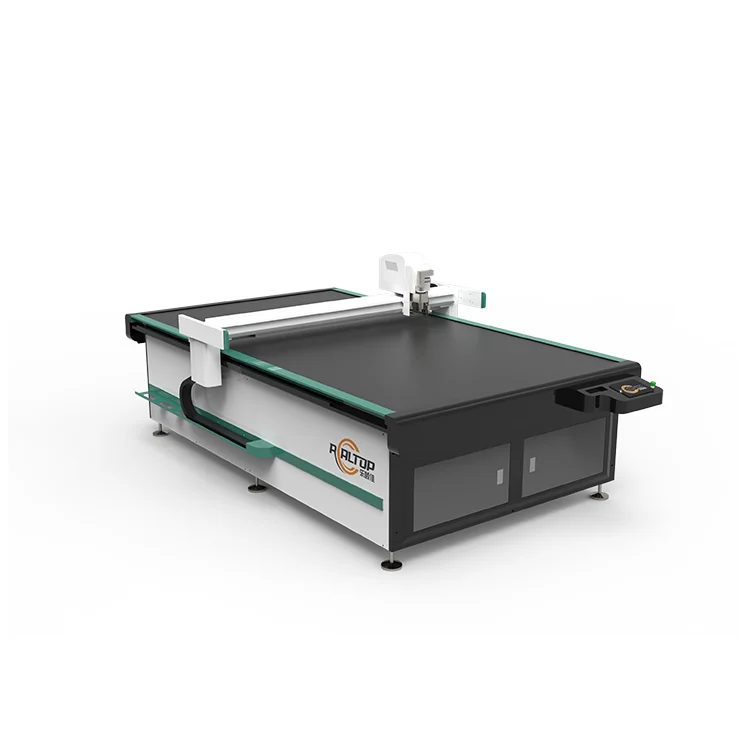
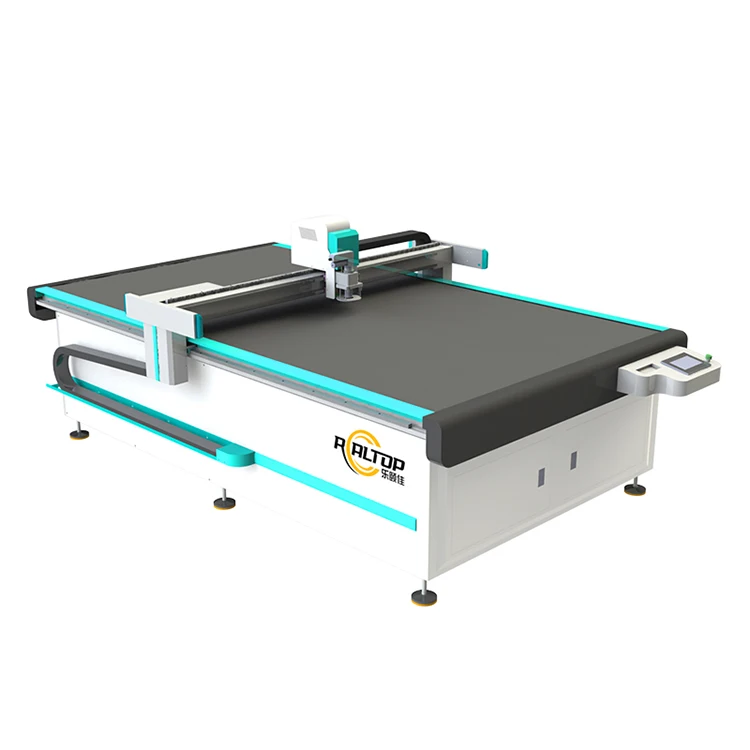
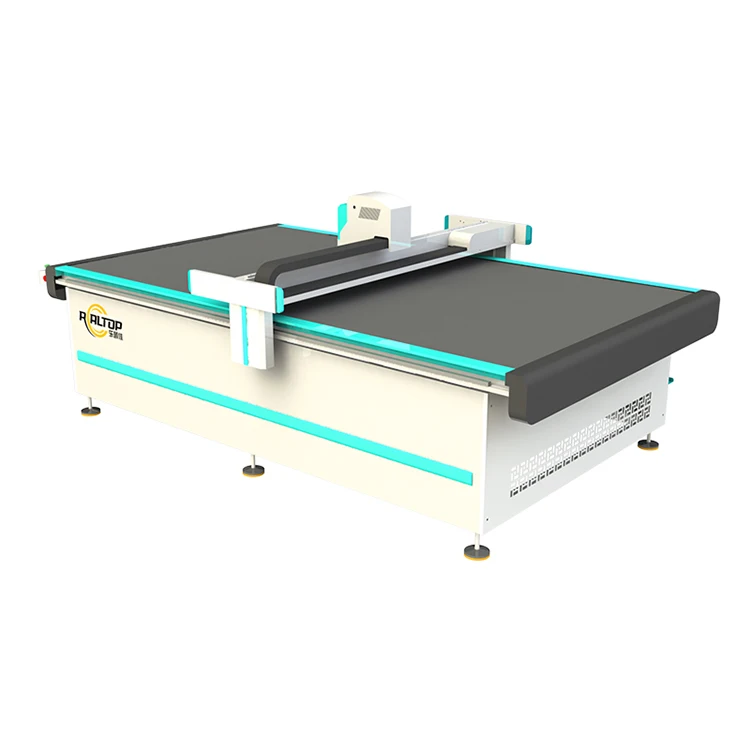
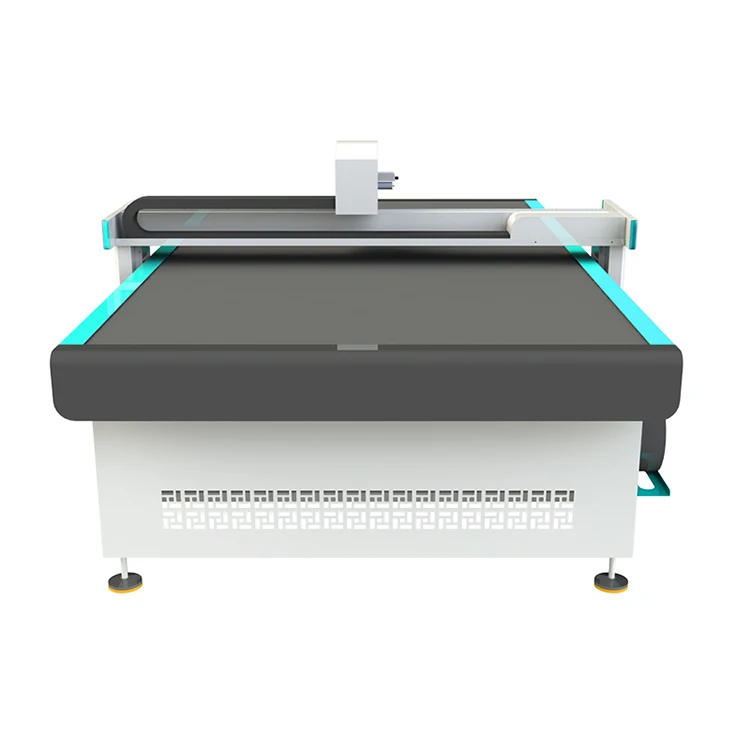
| Product Type | CNC Oscillating Knife Packaging Cutting Machine |
| Working Area | 1600 × 2500 mm |
| Cutting Thickness | ≤ 40 mm |
| Cutting Speed | 0–1500 mm/s |
| Cutting Accuracy | ±0.1 mm |
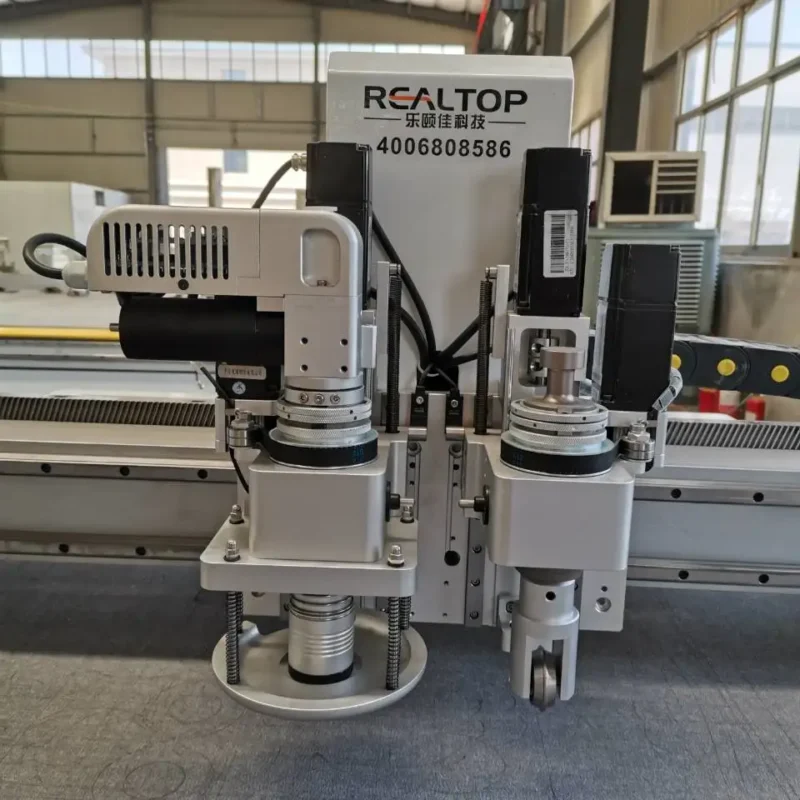
| Tool Head Options | Oscillating knife, Driven rotary knife, Creasing wheel, Kiss cutting tool, Pneumatic knife, Milling tool, V groove knife |
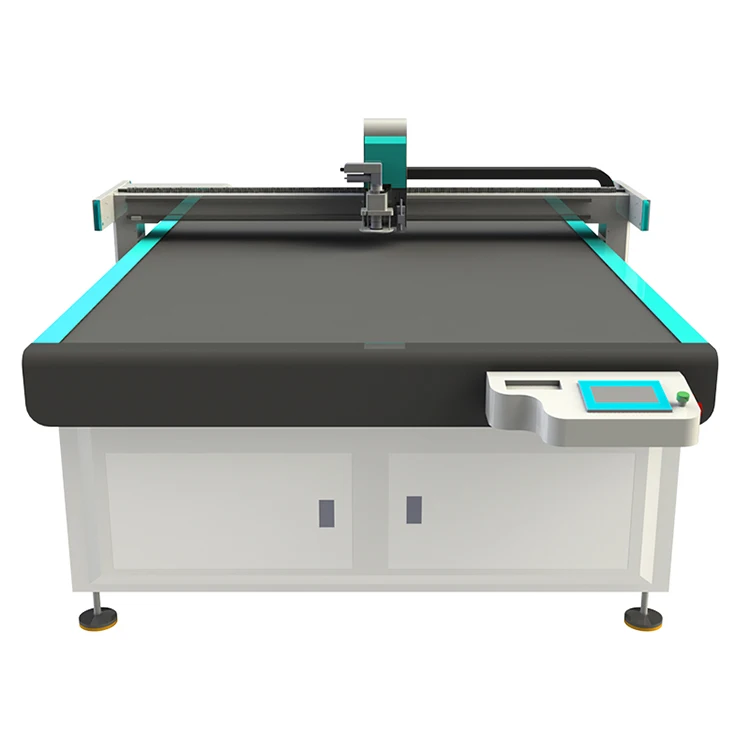
| Vacuum Table | Aluminum bellows vacuum table |
| Vacuum Pump Power | 9 kW |
| Control System | PLC control panel |
| Servo Motor Options | Panasonic, Delta, Dorna |
| Voltage Options | 110V, 220V, 380V |
| Software Compatibility | PLT, DXF, AI, PDF |
| Software Language Options | English, Russian, Italian, Chinese (customizable) |
| Safety Devices | Infrared sensor device, emergency stop device |
| Machine Dimensions | 3300 × 2100 × 1350 mm |
| Certification | CE |
Application Suitability
| Application | Material or Output |
|---|---|
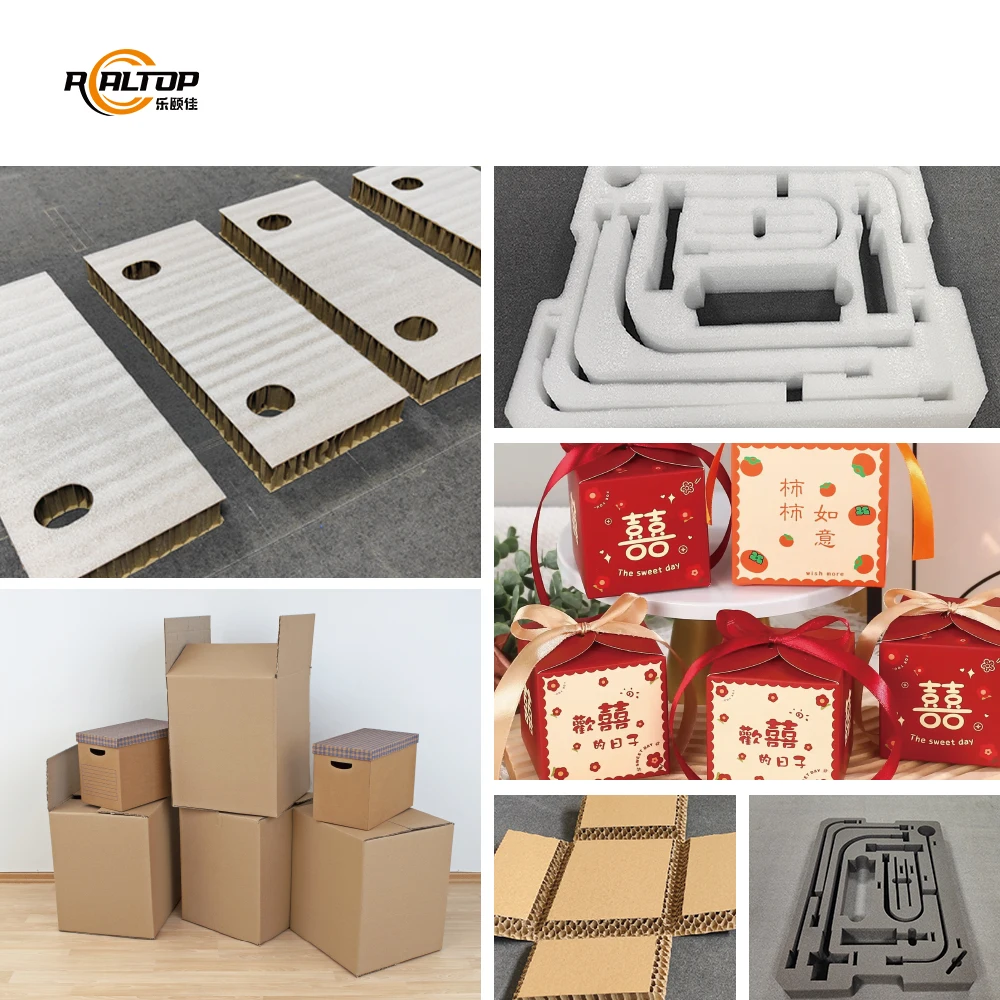
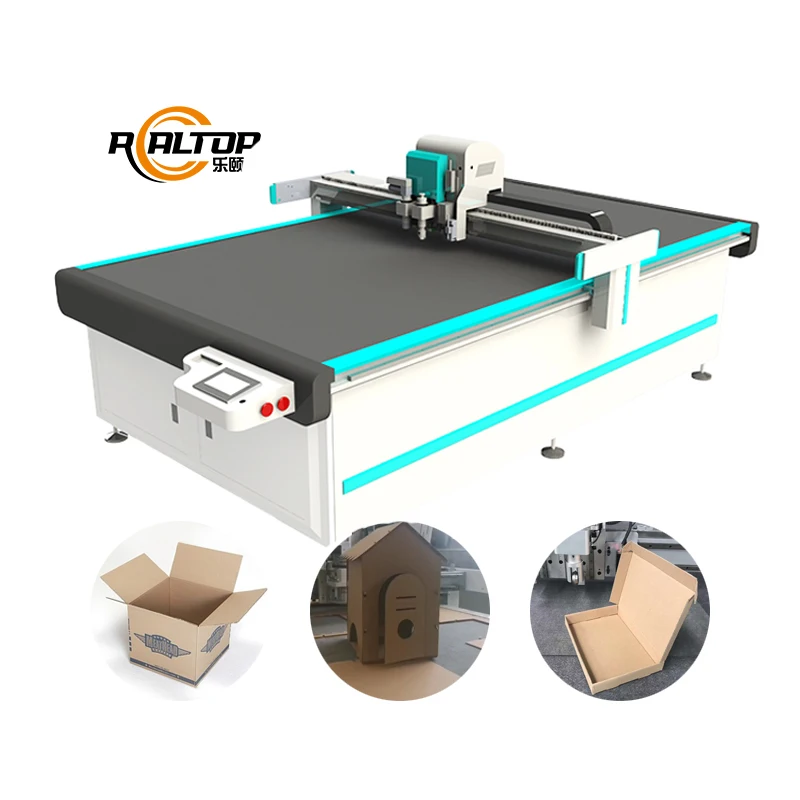
| Corrugated packaging sample making | E-flute, B-flute, BC-flute cardboard |
| Carton structure prototyping | Greyboard, cardstock, art paper, specialty paper |
| Short-run box production without die-cut molds | Single and multi-ply corrugated board |
| Foam packaging insert cutting | EVA foam, EPE foam, PU foam |
| Protective lining and inlay processing | Rubber mats, velvet, fleece, non-woven fabric |
| Thin plastic and synthetic component cutting | PVC, PET sheets, synthetic leather |
| Composite insert fabrication | Adhesive-backed and laminated materials |
Why the Voltage Question Should Come Before the Price on a Packaging CNC Cutting Machine
A tripped breaker on arrival is the most expensive delay in the sample room.
I have watched an entire prototyping line sit idle for two weeks because the buyer’s workshop ran a mix of 380V and 415V feeds and nobody confirmed which circuit the machine would plug into. The electrical cabinet tripped the moment the vacuum pump engaged, and a step-down transformer had to be sourced locally at a premium. With a packaging CNC cutting machine, the 9 kW vacuum pump alone draws substantial current; a mismatch does not just stall the spindle, it halts every downstream finishing step waiting on cut samples [NEED_CITE: voltage and frequency standards by export market]. Confirming the exact supply voltage, plug type, and phase configuration before production starts eliminates this category of failure entirely.
Matching Tool Heads to Flute Structure
The choice of tool head determines whether an E-flute sample folds cleanly or crushes at the crease line. An oscillating knife handles standard corrugated cutting passes, while a creasing wheel compresses the board along fold lines without severing fibers. For kiss-cut applications on adhesive-backed laminates, a dedicated kiss cutting tool controls depth to the liner. This packaging CNC cutting machine ships with up to seven interchangeable tool options, so the configuration can shift between a carton prototype in the morning and a foam insert run in the afternoon without changing machines.
Contour Recognition for Printed Packaging Prototypes
When a packaging designer needs to cut around a printed dieline that has already been offset-printed or digitally printed on the sheet, a CCD camera system reads the registration marks and adjusts the cutting path in real time. This prevents the misalignment that wastes expensive pre-printed stock. The system tracks contour marks across the 1600 × 2500 mm bed, keeping registration within the machine’s ±0.1 mm accuracy envelope [NEED_CITE: CCD registration accuracy in digital finishing workflows]. Confirming whether your workflow requires this capability before ordering ensures the correct camera and software module are integrated at the factory.
What the Specification Sheet Actually Means for Box Making
A cutting speed range of 0–1500 mm/s sounds broad on paper, but in practice the usable speed depends on flute thickness and geometry. Single-face E-flute at 1.5 mm allows the upper range, while double-wall BC-flute near the 40 mm thickness limit requires slower passes to keep the oscillating knife from deflecting and producing beveled edges. The aluminum bellows vacuum table maintains flatness across the entire working area, which matters most when cutting small carton components like glue tabs or locking slots — zones that lose suction will let the board lift and shift. The PLC control panel centralizes tool offset, vacuum zoning, and speed parameters so an operator can switch from a greyboard creasing job to a foam insert cut without manual recalibration. Servo drives from Panasonic, Delta, or Dorna are specified per order, and each brand carries different torque curves that affect acceleration on intricate dieline geometries.
The Hidden Cost of Skipping a Sample Cut
Sending your actual corrugated stock to the factory for a test cut seems like a scheduling inconvenience, but it is the only reliable way to verify edge quality on your specific flute profile and moisture content. A board that cuts cleanly at 8% moisture can tear and delaminate at 12%, and no specification sheet captures that difference. I have seen orders ship without a sample report only for the buyer to discover on day one that the creasing wheel leaves micro-cracks on their coated art paper — a problem that could have been caught with a single test sheet [NEED_CITE: material moisture impact on digital cutting quality]. The sample cutting report documents the tool head used, feed rate, vacuum level, and edge condition so you know the configuration works before the crate is nailed shut.
Why Source This Equipment Here
The design team engineers both knife and laser platforms in-house, which means a packaging buyer gets a tool head recommendation based on material behavior rather than a forced fit to one technology. Every configuration — from the vacuum table zoning map to the software language on the PLC — is confirmed in writing before production begins. Software file format compatibility is verified against your existing PLT, DXF, AI, or PDF workflow so there are no import surprises. The factory runs a full functional test on each machine and photographs the unit at every packing stage. If you are a distributor evaluating a manufacturing partner, OEM branding and documentation packages are available for private-label programs.
Documentation & Verification
- Machine specification sheet listing confirmed tool heads and vacuum zone layout
- Electrical schematic showing exact voltage, phase, and breaker rating
- Sample cutting report on your corrugated board with edge photos
- Software license and verified file format compatibility note
- Factory test record covering all configured tool paths
- Spare parts list with part numbers for knives, blades, and belts
Installation, Commissioning & Support
- Floor space of approximately 3300 × 2100 mm required, plus operator clearance on three sides
- Dedicated circuit matching confirmed voltage and phase for the 9 kW vacuum pump
- Machine ships partially assembled; table leveling and gantry alignment completed on-site
- First-run parameter tuning on your corrugated stock during commissioning
- Operator training covering tool head changes, vacuum zoning, and PLC navigation
- Consumable knife blades and creasing wheels included in initial spare parts kit
Before You Send an Inquiry
To get an accurate configuration, share the corrugated flute types and thicknesses you cut most often, the software your designers currently use, and the voltage available in your workshop. If you work with pre-printed sheets, let us know so the CCD contour module can be factored in. We will return a tool head recommendation and a sample cutting plan based on your actual materials.
Frequently Asked Questions
Q: How do I choose the right tool head for different corrugated flute types?
A: E-flute and B-flute board typically cut well with a standard oscillating knife, while thicker BC-flute or multi-ply stock may require a pneumatic knife for cleaner penetration. Creasing wheels are added for fold lines on carton structures. We recommend sending a sample of your most common board so the factory can test and document the best tool combination for your edge quality requirements.
Q: Can the machine voltage be configured for different countries?
A: Yes, the machine is available in 110V, 220V, and 380V configurations. The exact voltage, phase, and plug type must be confirmed before production so the electrical cabinet and vacuum pump motor are wound correctly. We send a wiring diagram and voltage photograph for your signature before the machine ships.
Q: Does the CCD camera work reliably at full production speed?
A: The CCD system reads printed registration marks and adjusts the cutting path to maintain alignment. Performance depends on mark contrast, print quality, and lighting conditions in your workshop. We test the camera with your actual printed sheets during the sample cutting phase to confirm tracking accuracy before the machine is approved for shipment.
Q: Will the vacuum table hold small packaging components in place?
A: The aluminum bellows vacuum table provides suction across the full 1600 × 2500 mm surface. For very small parts like glue tabs or narrow locking slots, we map the vacuum zones to match your typical nesting layout so suction is concentrated where the material is narrowest, preventing lift during the cutting pass.
Q: What file formats does the software accept from my existing design workflow?
A: The control software imports PLT, DXF, AI, and PDF files. Before you place an order, we verify that your specific design files open correctly and that nesting parameters translate without manual rework. The software interface is available in English, Russian, Italian, or Chinese, and additional languages can be requested.
Voltage and Tool Head Verification Before Shipment — we confirm your exact corrugated flute type, voltage, and software format in writing before any packaging CNC cutting machine leaves the factory.
Technical Specifications
| Parameter | Value |
|---|---|
| Product Type | CNC Oscillating Knife Packaging Cutting Machine |
| Working Area | 1600 × 2500 mm |
| Cutting Thickness | ≤ 40 mm |
| Cutting Speed | 0–1500 mm/s |
| Cutting Accuracy | ±0.1 mm |
| Tool Head Options | Oscillating knife, Driven rotary knife, Creasing wheel, Kiss cutting tool, Pneumatic knife, Milling tool, V groove knife |
| Vacuum Table | Aluminum bellows vacuum table |
| Vacuum Pump Power | 9 kW |
| Control System | PLC control panel |
| Servo Motor Options | Panasonic, Delta, Dorna |
| Voltage Options | 110V, 220V, 380V |
| Software Compatibility | PLT, DXF, AI, PDF |
| Software Language Options | English, Russian, Italian, Chinese (customizable) |
| Safety Devices | Infrared sensor device, emergency stop device |
| Machine Dimensions | 3300 × 2100 × 1350 mm |
| Certification | CE |
Application Suitability
| Application | Material or Output |
|---|---|
| Corrugated packaging sample making | E-flute, B-flute, BC-flute cardboard |
| Carton structure prototyping | Greyboard, cardstock, art paper, specialty paper |
| Short-run box production without die-cut molds | Single and multi-ply corrugated board |
| Foam packaging insert cutting | EVA foam, EPE foam, PU foam |
| Protective lining and inlay processing | Rubber mats, velvet, fleece, non-woven fabric |
| Thin plastic and synthetic component cutting | PVC, PET sheets, synthetic leather |
| Composite insert fabrication | Adhesive-backed and laminated materials |
Why the Voltage Question Should Come Before the Price on a Packaging CNC Cutting Machine
A tripped breaker on arrival is the most expensive delay in the sample room.
I have watched an entire prototyping line sit idle for two weeks because the buyer’s workshop ran a mix of 380V and 415V feeds and nobody confirmed which circuit the machine would plug into. The electrical cabinet tripped the moment the vacuum pump engaged, and a step-down transformer had to be sourced locally at a premium. With a packaging CNC cutting machine, the 9 kW vacuum pump alone draws substantial current; a mismatch does not just stall the spindle, it halts every downstream finishing step waiting on cut samples [NEED_CITE: voltage and frequency standards by export market]. Confirming the exact supply voltage, plug type, and phase configuration before production starts eliminates this category of failure entirely.
Matching Tool Heads to Flute Structure
The choice of tool head determines whether an E-flute sample folds cleanly or crushes at the crease line. An oscillating knife handles standard corrugated cutting passes, while a creasing wheel compresses the board along fold lines without severing fibers. For kiss-cut applications on adhesive-backed laminates, a dedicated kiss cutting tool controls depth to the liner. This packaging CNC cutting machine ships with up to seven interchangeable tool options, so the configuration can shift between a carton prototype in the morning and a foam insert run in the afternoon without changing machines.
Contour Recognition for Printed Packaging Prototypes
When a packaging designer needs to cut around a printed dieline that has already been offset-printed or digitally printed on the sheet, a CCD camera system reads the registration marks and adjusts the cutting path in real time. This prevents the misalignment that wastes expensive pre-printed stock. The system tracks contour marks across the 1600 × 2500 mm bed, keeping registration within the machine’s ±0.1 mm accuracy envelope [NEED_CITE: CCD registration accuracy in digital finishing workflows]. Confirming whether your workflow requires this capability before ordering ensures the correct camera and software module are integrated at the factory.
What the Specification Sheet Actually Means for Box Making
A cutting speed range of 0–1500 mm/s sounds broad on paper, but in practice the usable speed depends on flute thickness and geometry. Single-face E-flute at 1.5 mm allows the upper range, while double-wall BC-flute near the 40 mm thickness limit requires slower passes to keep the oscillating knife from deflecting and producing beveled edges. The aluminum bellows vacuum table maintains flatness across the entire working area, which matters most when cutting small carton components like glue tabs or locking slots — zones that lose suction will let the board lift and shift. The PLC control panel centralizes tool offset, vacuum zoning, and speed parameters so an operator can switch from a greyboard creasing job to a foam insert cut without manual recalibration. Servo drives from Panasonic, Delta, or Dorna are specified per order, and each brand carries different torque curves that affect acceleration on intricate dieline geometries.
The Hidden Cost of Skipping a Sample Cut
Sending your actual corrugated stock to the factory for a test cut seems like a scheduling inconvenience, but it is the only reliable way to verify edge quality on your specific flute profile and moisture content. A board that cuts cleanly at 8% moisture can tear and delaminate at 12%, and no specification sheet captures that difference. I have seen orders ship without a sample report only for the buyer to discover on day one that the creasing wheel leaves micro-cracks on their coated art paper — a problem that could have been caught with a single test sheet [NEED_CITE: material moisture impact on digital cutting quality]. The sample cutting report documents the tool head used, feed rate, vacuum level, and edge condition so you know the configuration works before the crate is nailed shut.
Why Source This Equipment Here
The design team engineers both knife and laser platforms in-house, which means a packaging buyer gets a tool head recommendation based on material behavior rather than a forced fit to one technology. Every configuration — from the vacuum table zoning map to the software language on the PLC — is confirmed in writing before production begins. Software file format compatibility is verified against your existing PLT, DXF, AI, or PDF workflow so there are no import surprises. The factory runs a full functional test on each machine and photographs the unit at every packing stage. If you are a distributor evaluating a manufacturing partner, OEM branding and documentation packages are available for private-label programs.
Documentation & Verification
- Machine specification sheet listing confirmed tool heads and vacuum zone layout
- Electrical schematic showing exact voltage, phase, and breaker rating
- Sample cutting report on your corrugated board with edge photos
- Software license and verified file format compatibility note
- Factory test record covering all configured tool paths
- Spare parts list with part numbers for knives, blades, and belts
Installation, Commissioning & Support
- Floor space of approximately 3300 × 2100 mm required, plus operator clearance on three sides
- Dedicated circuit matching confirmed voltage and phase for the 9 kW vacuum pump
- Machine ships partially assembled; table leveling and gantry alignment completed on-site
- First-run parameter tuning on your corrugated stock during commissioning
- Operator training covering tool head changes, vacuum zoning, and PLC navigation
- Consumable knife blades and creasing wheels included in initial spare parts kit
Before You Send an Inquiry
To get an accurate configuration, share the corrugated flute types and thicknesses you cut most often, the software your designers currently use, and the voltage available in your workshop. If you work with pre-printed sheets, let us know so the CCD contour module can be factored in. We will return a tool head recommendation and a sample cutting plan based on your actual materials.
Frequently Asked Questions
Q: How do I choose the right tool head for different corrugated flute types?
A: E-flute and B-flute board typically cut well with a standard oscillating knife, while thicker BC-flute or multi-ply stock may require a pneumatic knife for cleaner penetration. Creasing wheels are added for fold lines on carton structures. We recommend sending a sample of your most common board so the factory can test and document the best tool combination for your edge quality requirements.
Q: Can the machine voltage be configured for different countries?
A: Yes, the machine is available in 110V, 220V, and 380V configurations. The exact voltage, phase, and plug type must be confirmed before production so the electrical cabinet and vacuum pump motor are wound correctly. We send a wiring diagram and voltage photograph for your signature before the machine ships.
Q: Does the CCD camera work reliably at full production speed?
A: The CCD system reads printed registration marks and adjusts the cutting path to maintain alignment. Performance depends on mark contrast, print quality, and lighting conditions in your workshop. We test the camera with your actual printed sheets during the sample cutting phase to confirm tracking accuracy before the machine is approved for shipment.
Q: Will the vacuum table hold small packaging components in place?
A: The aluminum bellows vacuum table provides suction across the full 1600 × 2500 mm surface. For very small parts like glue tabs or narrow locking slots, we map the vacuum zones to match your typical nesting layout so suction is concentrated where the material is narrowest, preventing lift during the cutting pass.
Q: What file formats does the software accept from my existing design workflow?
A: The control software imports PLT, DXF, AI, and PDF files. Before you place an order, we verify that your specific design files open correctly and that nesting parameters translate without manual rework. The software interface is available in English, Russian, Italian, or Chinese, and additional languages can be requested.
商品评价
There are no reviews yet.