

Fast Delivery
Quick, reliable shipping to any location.

Free & easy returns
Return this item by mail or in store within 90 days for a full refund.
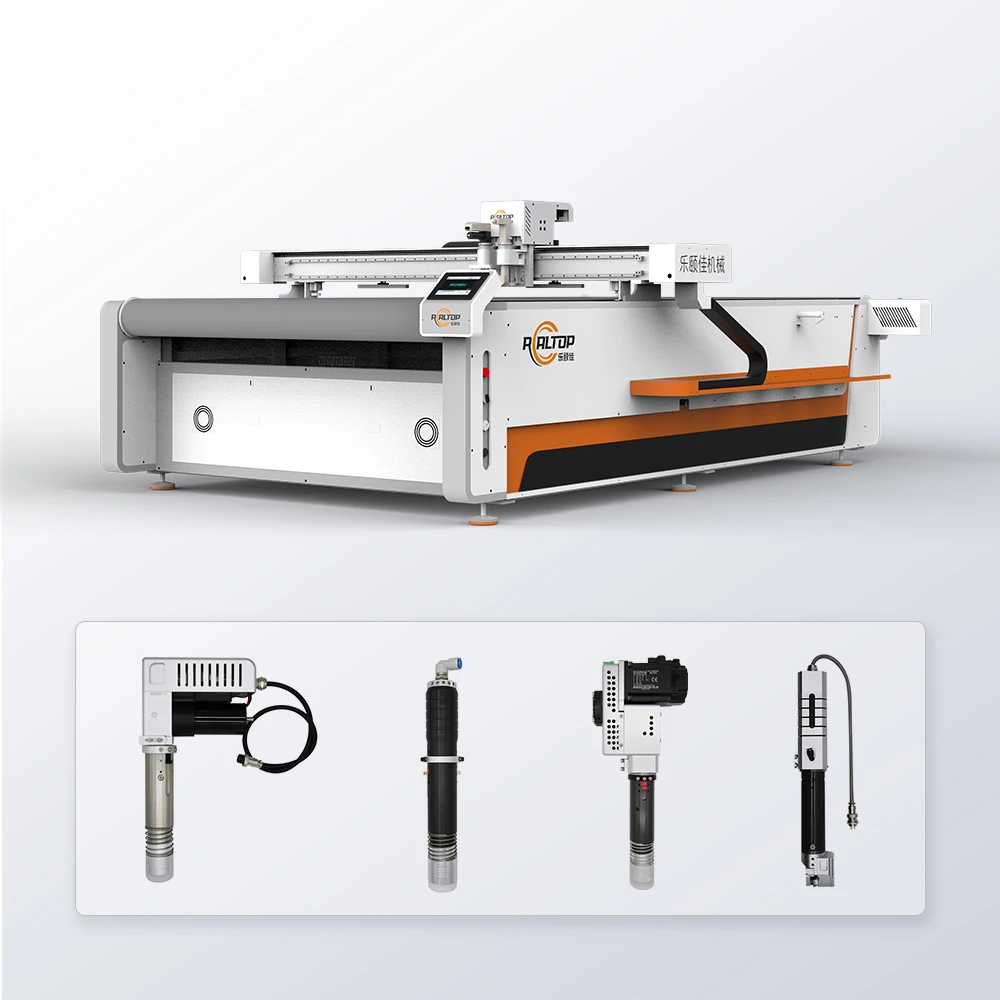
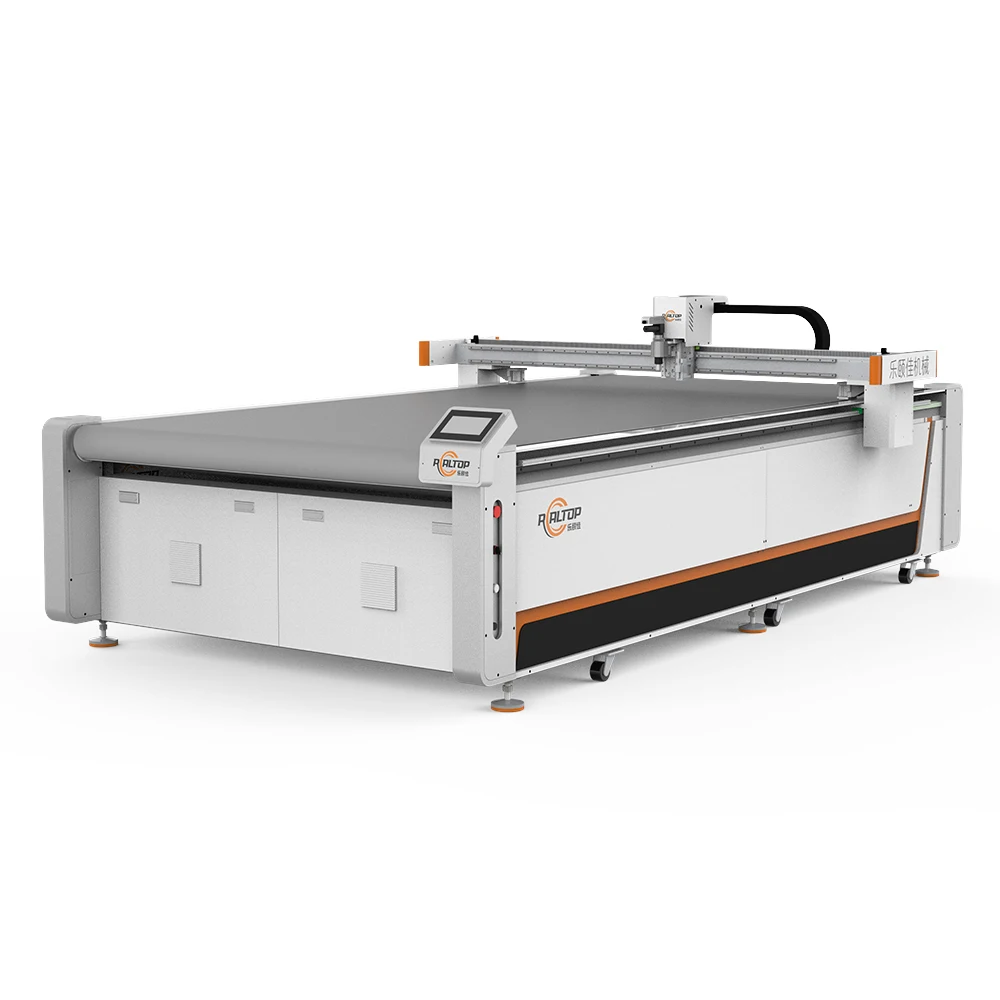
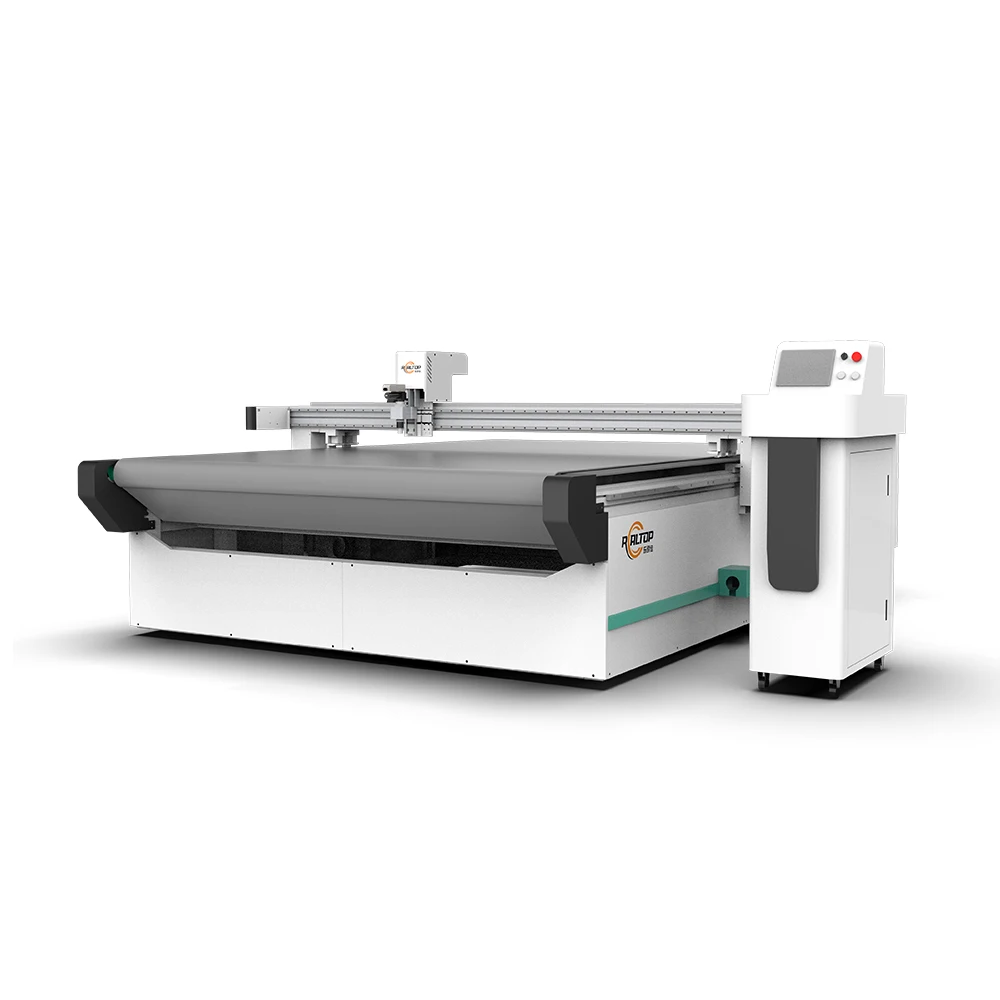
Cutting Method Matched to Material — RT-D2516/RT-S2516 configurations span oscillating, drag and pneumatic knife heads, so the cutting action fits the fabric or composite stack rather than forcing a single blade through everything.
Technical Specifications
| Parameter | Value |
|---|---|
| Model | RT-D2516 / RT-S2516 |
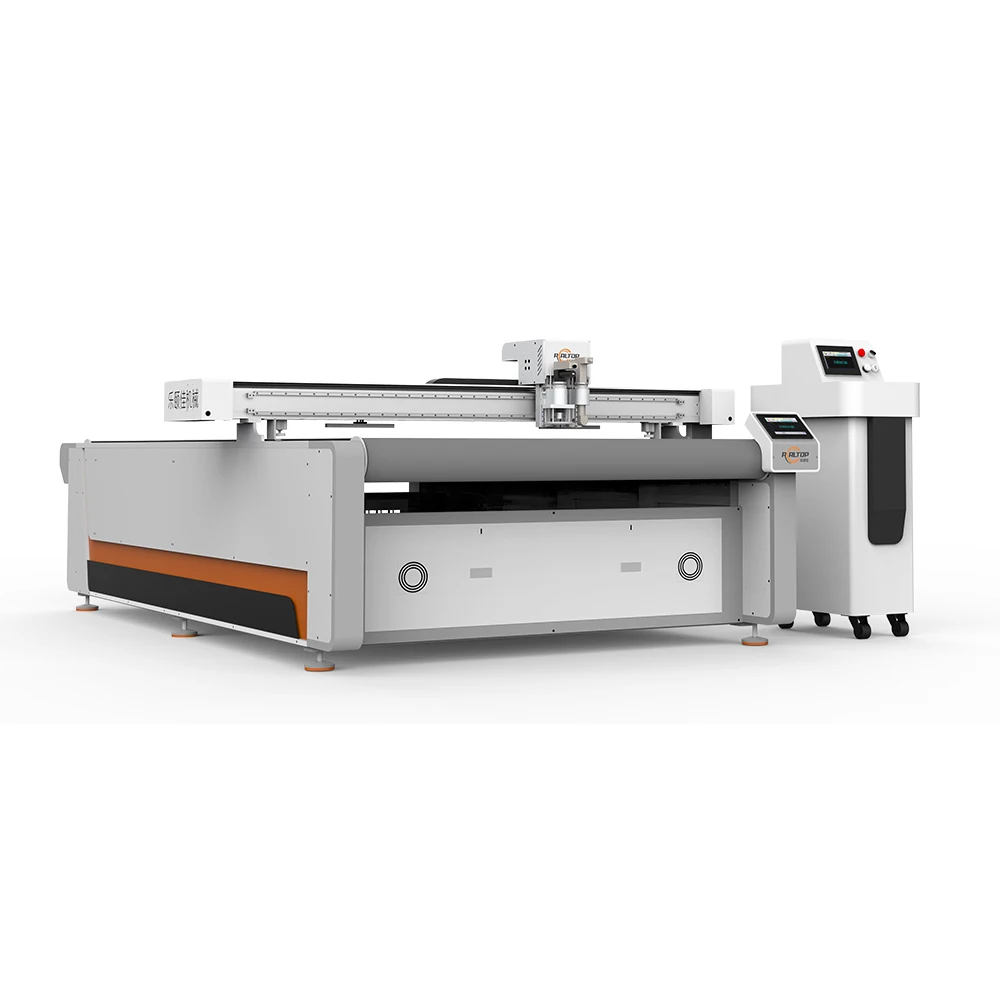
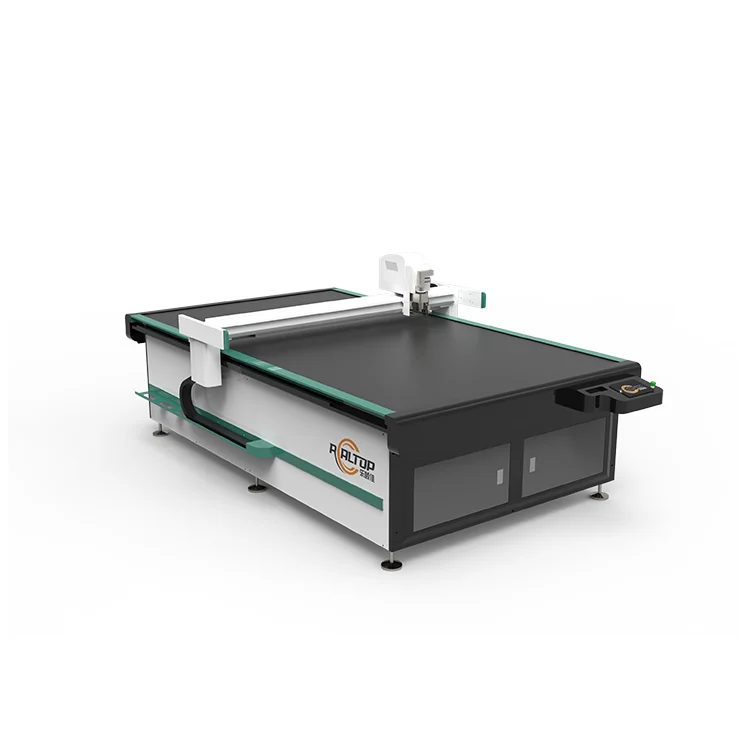
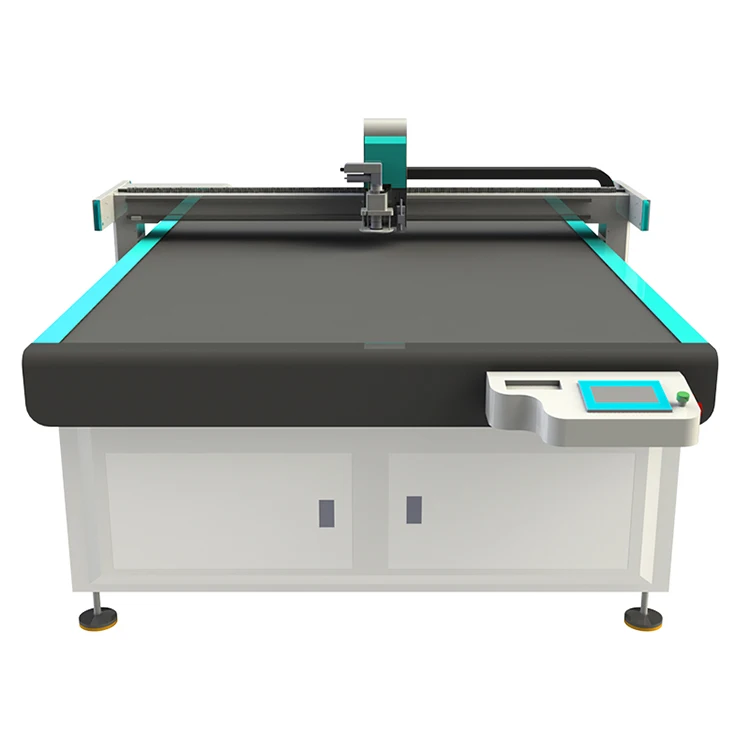
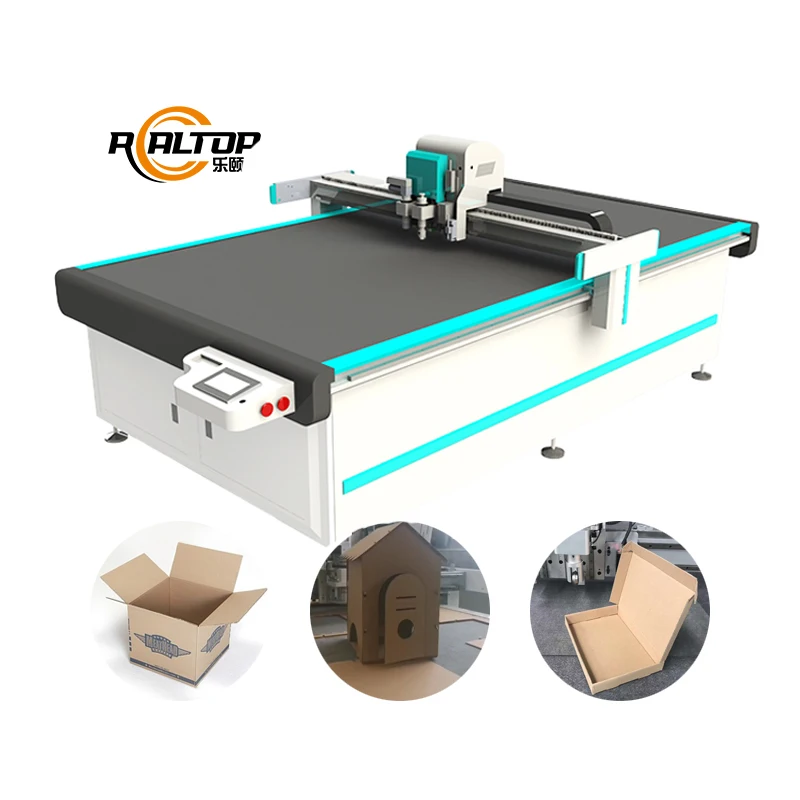
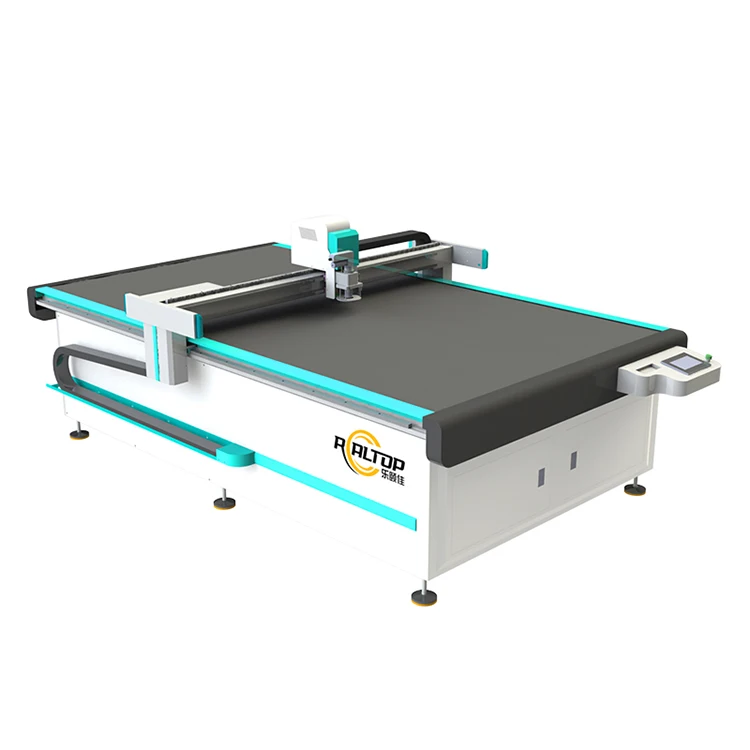
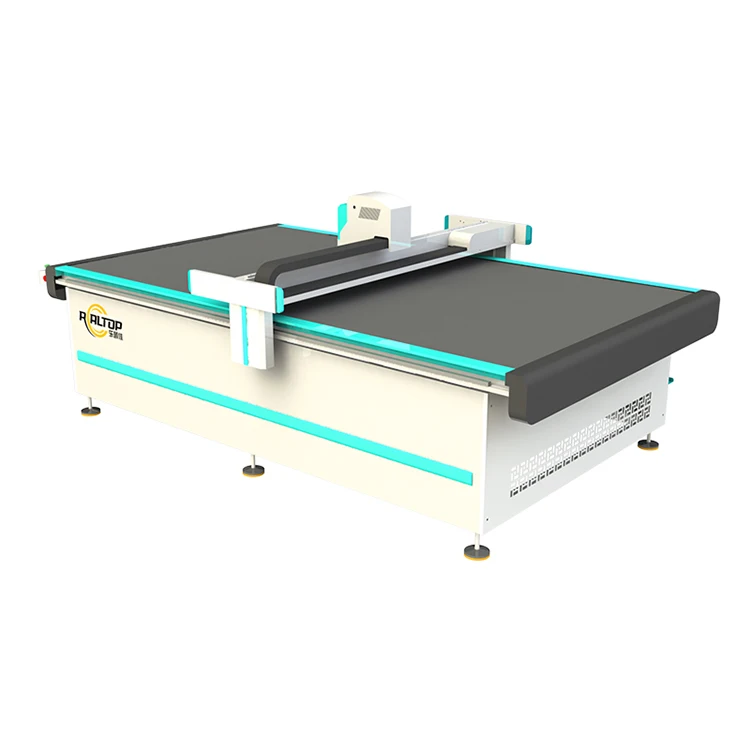
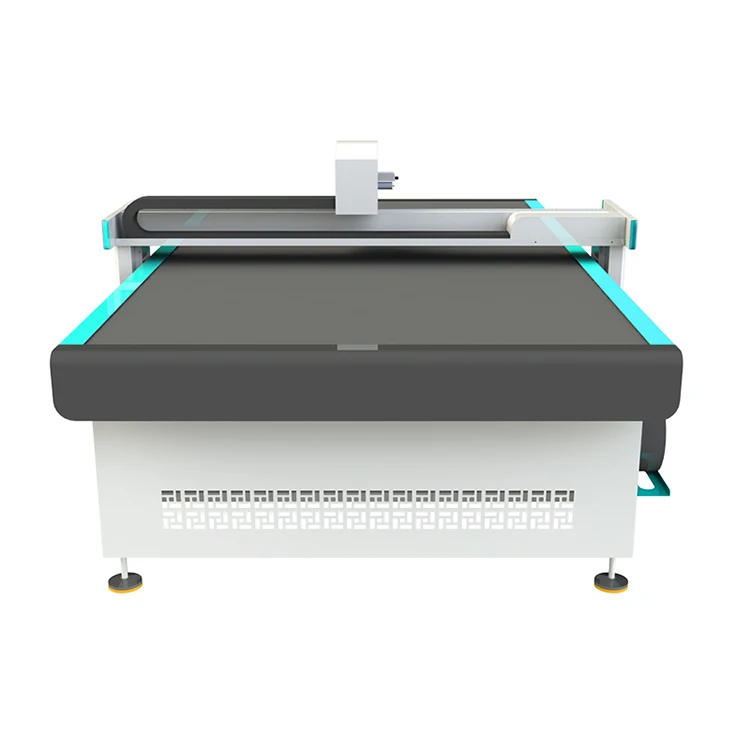
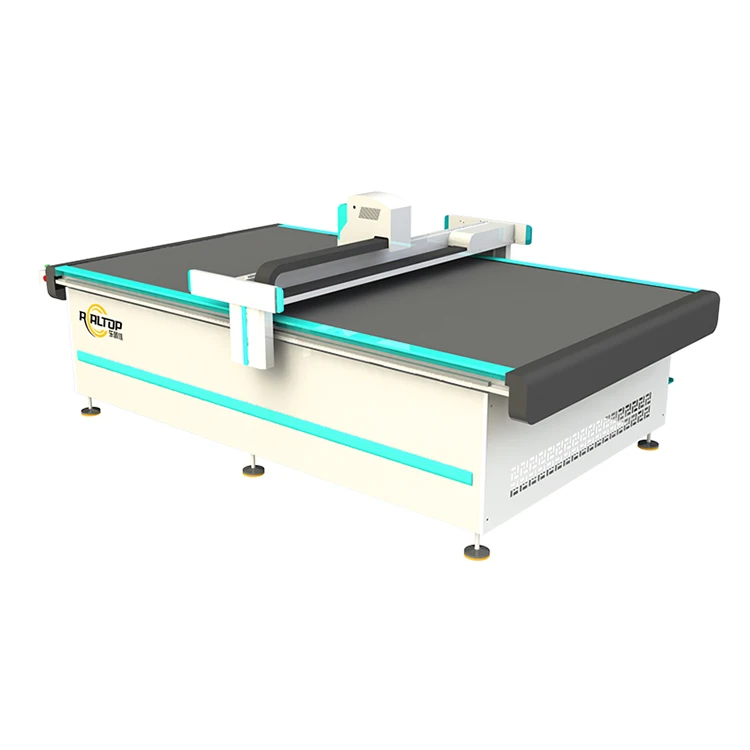
| Product Type | CNC Oscillating Knife Cutting Machine |
| Working Area | 1600 × 2500 mm |
| Machine Size | 3450 × 2300 × 1250 mm |
| Rated Power | 9 kW |
| Voltage | 380V ±10% |
| Cutting Thickness | Up to 100 mm (varies with material) |
| Cutting Speed | 200–800 mm/s (depends on material and thickness — basis to be confirmed) |
| Translational Velocity | 800–2000 mm/s |
| Repeated Accuracy | ≤0.1 mm |
| Transmission System | Digital servo motor, linear guide, synchronous belt, ball screw |
| Servo Motor Brand | Delta (Panasonic or Japanese-made optional) |
| Guide Rail | Taiwan Hiwin |
| Vacuum Pump | 7.5 kW, aviation aluminum shell with built-in silencer sponge |
| Vacuum Table | Magnesium-aluminum alloy, fluorocarbon PVDF powder spraying, anodic and hard oxidation |
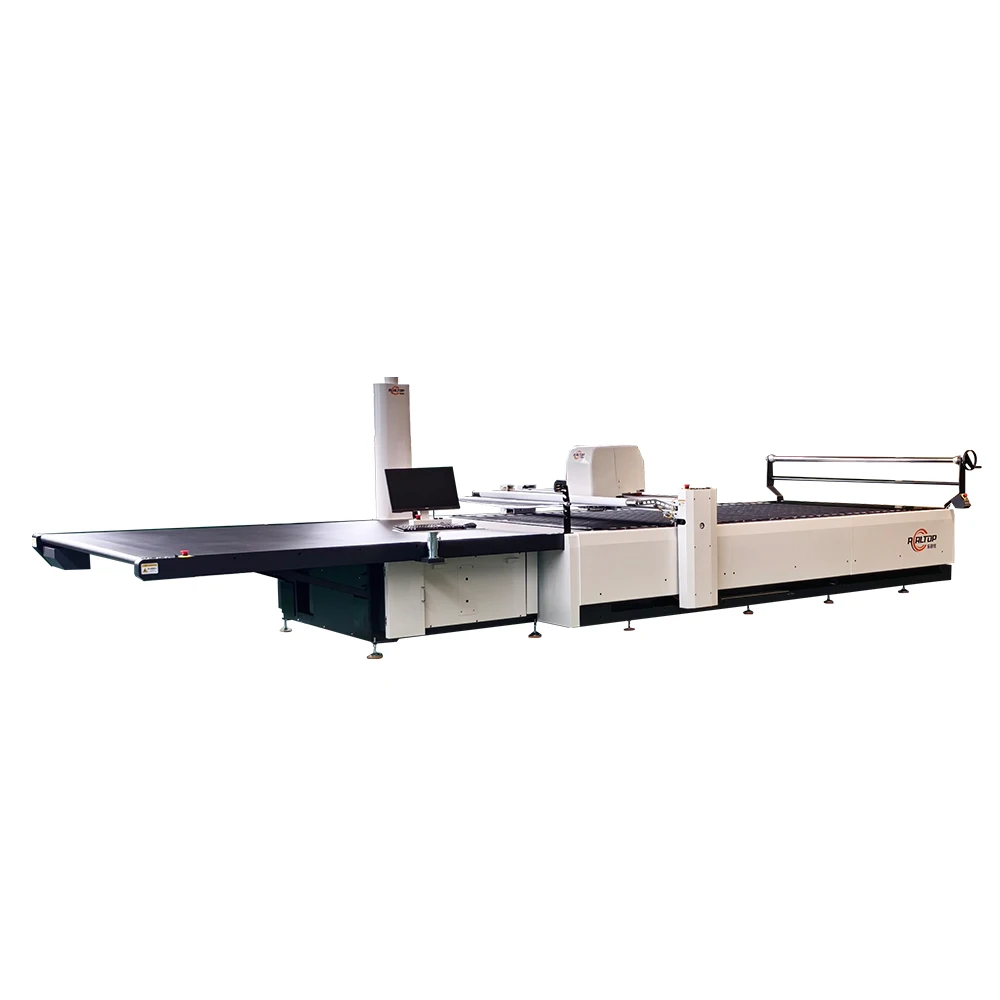
| Table Type | Flat working table / Auto feeding table (conveyor optional) |
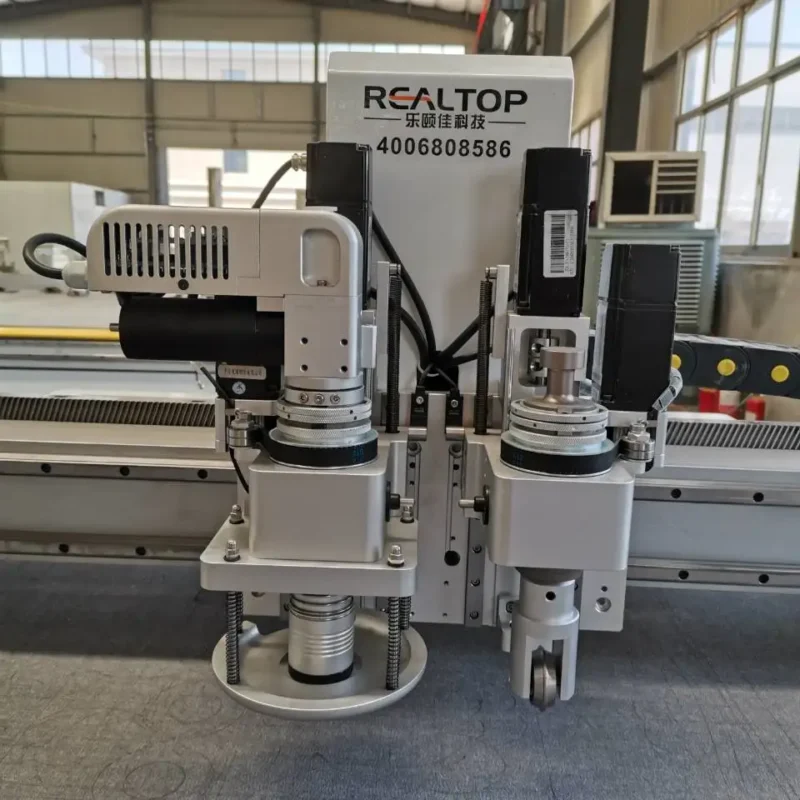
| Multifunctional Tool Head | Swiss imported knife with vibration full/half cutting; options include pneumatic knife, high-power vibrating knife, circular knife, V cutting knife, drag knife, creasing wheel, dotted line knife, punching, brush |
| Visual Positioning Options | Small CCD camera mark point, panoramic camera recognition, projection positioning |
| Control System | CNC, HP-GL compatible |
| Software File Formats | PLT, DXF, AI |
| Control Panel | Touch screen, multi-language (English, Russian, Italian, Chinese; custom languages available) |
| Safety Devices | Infrared induction blocking, anti-collision sensors, emergency stop |
| Assembly State | Fully assembled (split box platform for transport) |
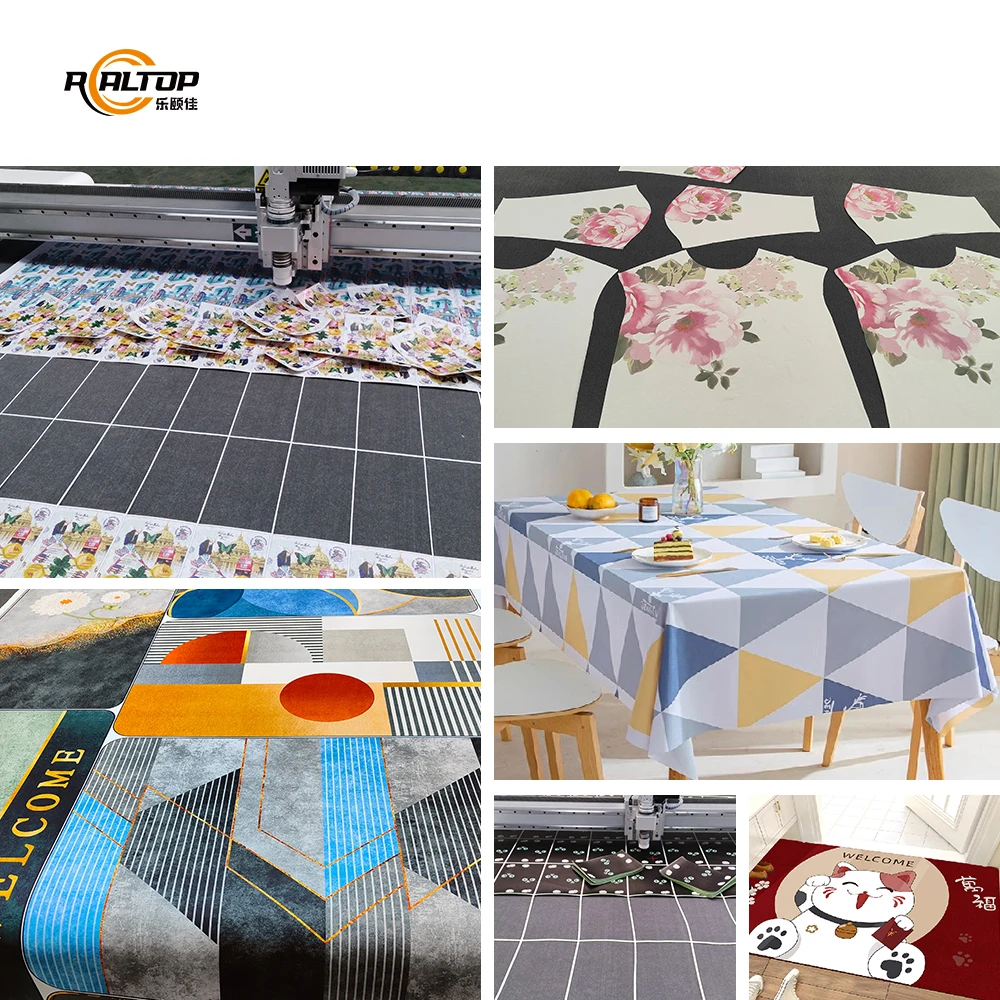
Application Suitability
| Application | Material or Output |
|---|---|
| Garment and footwear production | Single and multi-layer fabric, textile, leather, shoe material |
| Automotive interior trimming | Composite panels, foam, PU, EVA, carpet and floor mat stock |
| Luggage and bag manufacturing | Nylon, polyester, non-woven fabric, PVC, PU leather |
| Soft home furnishings | Curtain cloth, upholstery fabric, sponge, foam board |
| Packaging and carton sample making | Corrugated cardboard, sticker, film with creasing and punching tools |
| Gasket and sealing pad fabrication | Rubber, PTFE, ETFE, fiberglass, soft glass, silicon |
| Sports and outdoor gear | XPE, EVA, carbon fiber prepreg, composite layers |
Why Cutting Depth Claims Fail on Multi-Layer Fabric Stacks
The cutting thickness figure only holds when material density, layer count and blade type are specified together.
Buyers often see a maximum cutting depth listed and assume it applies across every material they run. On a CNC oscillating knife cutting machine for sale in this class, a 100 mm capacity on low-density foam does not translate to the same depth on tightly woven polyester or multi-layer nylon stacks. The blade must penetrate each layer cleanly without dragging or fusing the edges, and that depends on oscillation frequency, knife profile and vacuum hold-down working in concert [NEED_CITE: oscillation frequency and blade geometry interaction on layered textiles].
In my years supporting installations across the Pearl River Delta workshops, the most common line-stop I have walked into was not a broken belt or a burnt motor — it was a machine cutting ragged edges on the third layer of a laminated automotive mat because the tool head had been chosen for single-layer sample work. The buyer specified working area and price but never ran a production-thickness sample before shipment.
Tool Head Selection Across Fabric Types
A vibration knife cuts cleanly through woven polyester and nylon when the oscillation frequency matches the fiber density. For single-layer garment cloth, the standard Swiss imported blade with vibration full cutting gives a sealed edge without fraying. Switch to a multi-layer stack of automotive carpet and the high-power vibrating knife option takes over, delivering the stroke force needed to separate dense fibers without crushing the pile. The drag knife and circular knife options sit on the same multifunctional head, so changing between a nylon ripstop and a PVC-coated textile is a tool swap rather than a machine swap. This CNC oscillating knife cutting machine for sale keeps the cutting method aligned with the material on the table.
Vacuum Zoning and Small Part Hold-Down
The magnesium-aluminum alloy vacuum table with PVDF coating provides a flat, chemically resistant surface that tolerates repeated blade passes. The 7.5 kW vacuum pump with integrated silencer sponge maintains suction across the 1600 × 2500 mm bed. When cutting small gasket pieces or garment pattern panels from nylon sheet, the zoning capability directs suction only where the material sits, preventing lift at the cut boundary. Without adequate zoning, lightweight polyester layers shift mid-cut and the ≤0.1 mm repeatability specification cannot be realized at the edge [NEED_CITE: vacuum zoning requirements for small-part CNC knife cutting].
Reading the Specs That Matter for Fabric Cutting
The Delta digital servo motors driving the linear guides and ball screws give the gantry a translational velocity of up to 2000 mm/s between cuts, but the cutting speed itself ranges from 200 to 800 mm/s depending on material resistance. On thin nylon lining cloth the head runs at the upper end; on a 30 mm EVA foam stack it drops to maintain edge quality. The Taiwan Hiwin guide rails keep the beam square across the full 2500 mm travel, which matters when nesting multiple garment panels in a single layout. The HP-GL compatible control system reads PLT, DXF and AI files directly through the auto typesetting software, so pattern files from common garment CAD packages import without intermediate conversion. Voltage at 380V ±10% suits most industrial three-phase supplies, but frequency and plug standard must be confirmed before the unit leaves the factory.
The Hidden Cost of Skipping Material Validation
When a buyer approves a configuration based on a supplier’s standard sample material rather than their own production stock, the machine may arrive with the wrong oscillation frequency range for the actual fabric weight. Re-tooling on site means waiting for replacement blades, re-running nesting tests and absorbing downtime while the line sits idle. I have spent days in customer workshops re-tuning head pressure and oscillation settings because the pre-shipment sample was a different weave than what the production floor actually feeds. That is a cost that never appears on the purchase order [NEED_CITE: material validation best practices for CNC cutting equipment procurement].
Why Buyers Source This Range Here
In-house design and production cover both knife and laser cutting, so a buyer comparing methods for polyester and nylon can evaluate both on the same factory floor rather than being steered toward whichever machine the salesperson happens to sell. Tool head and table configurations are specified per material stack and daily volume, not quoted as a default package. CCD camera positioning and panoramic recognition are available for printed contour workflows, with compatibility confirmed before the order is locked. Software license and file format notes ship with the machine, so there is no surprise when the first DXF file needs to load. Sample cutting on the buyer’s own fabric runs before commitment, producing a cut report that documents edge quality, layer separation and cycle behavior on the actual material.
Documentation & Verification
- Machine specification sheet listing RT-D2516/RT-S2516 tool head and table options confirmed for your fabric type
- Electrical schematic and voltage confirmation matching your facility three-phase supply
- Sample cutting report on your polyester or nylon stock documenting edge quality and layer count
- Software license and PLT, DXF, AI file format compatibility note issued before dispatch
- Factory test record capturing vacuum pressure, servo tuning and repeatability measurement
- Operation and maintenance manual in your selected control language
Installation, Commissioning & Support
- Floor space of approximately 3450 × 2300 mm required with clearance for the 1600 × 2500 mm gantry travel
- Dedicated 380V three-phase circuit rated for the 9 kW machine load plus 7.5 kW vacuum pump
- Fully assembled delivery with split box platform option for sites with restricted doorway access
- First-run commissioning covers servo calibration, vacuum zoning setup and blade frequency tuning on your material
- Touch screen operator training in English, Russian, Italian, Chinese or custom language on request
- Spare blade and wear part list provided with recommended replacement intervals per fabric type
What to Prepare Before Requesting a Quote
Share the specific fabric or composite types you cut, including layer count and total stack thickness on a typical production run. Note your standard sheet or roll width so the 1600 × 2500 mm working area can be evaluated against your nesting layout. Confirm the local voltage and frequency at your facility, the control language your operators need, and whether a conveyor-fed auto feeding table suits your workflow better than a flat vacuum bed.
Frequently Asked Questions
Q: How do I decide between oscillating knife and laser for my polyester or nylon fabric?
A: Oscillating knife cutting produces a mechanical edge without heat, which avoids melting or sealing synthetic fibers that need to remain breathable or sewable. Laser cutting seals edges on synthetics, which suits applications where fraying must be prevented without secondary finishing. Your fabric weight, layer count and downstream sewing requirements determine the method. Sample cutting on both methods with your own material gives a direct comparison before committing.
Q: Which working area and model fits my sheet size and daily nesting volume?
A: The RT-D2516 and RT-S2516 cover a 1600 × 2500 mm bed, fitting standard fabric rolls and wide garment panels. For higher daily volume with continuous roll feed, the auto feeding table with conveyor option reduces load-unload time. For smaller sheet sizes or sample rooms, a more compact model in the range may suit. Providing your typical sheet dimensions and daily panel count allows a recommendation matched to throughput.
Q: How do I choose the right tool head combination for my material stack?
A: The multifunctional head accepts oscillating, drag, pneumatic, circular and V cutting knives plus creasing wheels and punches. Thin single-layer nylon uses the standard vibration blade; multi-layer foam stacks need the high-power vibrating knife; corrugated packaging samples use the creasing wheel and drag knife. Your material list and thickness range determine which tools are fitted at the factory.
Q: Can the CCD camera track printed marks on my fabric at production speed?
A: The small CCD mark point and panoramic camera options both support printed contour recognition on fabric. The critical variable is mark contrast and spacing relative to your print layout. Confirming camera type and running a sample on your printed material before order ensures the system tracks at your target cutting speed without manual repositioning.
Q: How are voltage, plug standard and control language handled for my market?
A: The standard 380V ±10% configuration covers most industrial three-phase networks. Frequency, plug type and control panel language are confirmed during the specification stage so the machine ships ready for your facility. The touch screen supports English, Russian, Italian and Chinese by default, with additional languages customizable to match your operator team.
Cutting Method Matched to Material — RT-D2516/RT-S2516 configurations span oscillating, drag and pneumatic knife heads, so the cutting action fits the fabric or composite stack rather than forcing a single blade through everything.
Technical Specifications
| Parameter | Value |
|---|---|
| Model | RT-D2516 / RT-S2516 |
| Product Type | CNC Oscillating Knife Cutting Machine |
| Working Area | 1600 × 2500 mm |
| Machine Size | 3450 × 2300 × 1250 mm |
| Rated Power | 9 kW |
| Voltage | 380V ±10% |
| Cutting Thickness | Up to 100 mm (varies with material) |
| Cutting Speed | 200–800 mm/s (depends on material and thickness — basis to be confirmed) |
| Translational Velocity | 800–2000 mm/s |
| Repeated Accuracy | ≤0.1 mm |
| Transmission System | Digital servo motor, linear guide, synchronous belt, ball screw |
| Servo Motor Brand | Delta (Panasonic or Japanese-made optional) |
| Guide Rail | Taiwan Hiwin |
| Vacuum Pump | 7.5 kW, aviation aluminum shell with built-in silencer sponge |
| Vacuum Table | Magnesium-aluminum alloy, fluorocarbon PVDF powder spraying, anodic and hard oxidation |
| Table Type | Flat working table / Auto feeding table (conveyor optional) |
| Multifunctional Tool Head | Swiss imported knife with vibration full/half cutting; options include pneumatic knife, high-power vibrating knife, circular knife, V cutting knife, drag knife, creasing wheel, dotted line knife, punching, brush |
| Visual Positioning Options | Small CCD camera mark point, panoramic camera recognition, projection positioning |
| Control System | CNC, HP-GL compatible |
| Software File Formats | PLT, DXF, AI |
| Control Panel | Touch screen, multi-language (English, Russian, Italian, Chinese; custom languages available) |
| Safety Devices | Infrared induction blocking, anti-collision sensors, emergency stop |
| Assembly State | Fully assembled (split box platform for transport) |
Application Suitability
| Application | Material or Output |
|---|---|
| Garment and footwear production | Single and multi-layer fabric, textile, leather, shoe material |
| Automotive interior trimming | Composite panels, foam, PU, EVA, carpet and floor mat stock |
| Luggage and bag manufacturing | Nylon, polyester, non-woven fabric, PVC, PU leather |
| Soft home furnishings | Curtain cloth, upholstery fabric, sponge, foam board |
| Packaging and carton sample making | Corrugated cardboard, sticker, film with creasing and punching tools |
| Gasket and sealing pad fabrication | Rubber, PTFE, ETFE, fiberglass, soft glass, silicon |
| Sports and outdoor gear | XPE, EVA, carbon fiber prepreg, composite layers |
Why Cutting Depth Claims Fail on Multi-Layer Fabric Stacks
The cutting thickness figure only holds when material density, layer count and blade type are specified together.
Buyers often see a maximum cutting depth listed and assume it applies across every material they run. On a CNC oscillating knife cutting machine for sale in this class, a 100 mm capacity on low-density foam does not translate to the same depth on tightly woven polyester or multi-layer nylon stacks. The blade must penetrate each layer cleanly without dragging or fusing the edges, and that depends on oscillation frequency, knife profile and vacuum hold-down working in concert [NEED_CITE: oscillation frequency and blade geometry interaction on layered textiles].
In my years supporting installations across the Pearl River Delta workshops, the most common line-stop I have walked into was not a broken belt or a burnt motor — it was a machine cutting ragged edges on the third layer of a laminated automotive mat because the tool head had been chosen for single-layer sample work. The buyer specified working area and price but never ran a production-thickness sample before shipment.
Tool Head Selection Across Fabric Types
A vibration knife cuts cleanly through woven polyester and nylon when the oscillation frequency matches the fiber density. For single-layer garment cloth, the standard Swiss imported blade with vibration full cutting gives a sealed edge without fraying. Switch to a multi-layer stack of automotive carpet and the high-power vibrating knife option takes over, delivering the stroke force needed to separate dense fibers without crushing the pile. The drag knife and circular knife options sit on the same multifunctional head, so changing between a nylon ripstop and a PVC-coated textile is a tool swap rather than a machine swap. This CNC oscillating knife cutting machine for sale keeps the cutting method aligned with the material on the table.
Vacuum Zoning and Small Part Hold-Down
The magnesium-aluminum alloy vacuum table with PVDF coating provides a flat, chemically resistant surface that tolerates repeated blade passes. The 7.5 kW vacuum pump with integrated silencer sponge maintains suction across the 1600 × 2500 mm bed. When cutting small gasket pieces or garment pattern panels from nylon sheet, the zoning capability directs suction only where the material sits, preventing lift at the cut boundary. Without adequate zoning, lightweight polyester layers shift mid-cut and the ≤0.1 mm repeatability specification cannot be realized at the edge [NEED_CITE: vacuum zoning requirements for small-part CNC knife cutting].
Reading the Specs That Matter for Fabric Cutting
The Delta digital servo motors driving the linear guides and ball screws give the gantry a translational velocity of up to 2000 mm/s between cuts, but the cutting speed itself ranges from 200 to 800 mm/s depending on material resistance. On thin nylon lining cloth the head runs at the upper end; on a 30 mm EVA foam stack it drops to maintain edge quality. The Taiwan Hiwin guide rails keep the beam square across the full 2500 mm travel, which matters when nesting multiple garment panels in a single layout. The HP-GL compatible control system reads PLT, DXF and AI files directly through the auto typesetting software, so pattern files from common garment CAD packages import without intermediate conversion. Voltage at 380V ±10% suits most industrial three-phase supplies, but frequency and plug standard must be confirmed before the unit leaves the factory.
The Hidden Cost of Skipping Material Validation
When a buyer approves a configuration based on a supplier’s standard sample material rather than their own production stock, the machine may arrive with the wrong oscillation frequency range for the actual fabric weight. Re-tooling on site means waiting for replacement blades, re-running nesting tests and absorbing downtime while the line sits idle. I have spent days in customer workshops re-tuning head pressure and oscillation settings because the pre-shipment sample was a different weave than what the production floor actually feeds. That is a cost that never appears on the purchase order [NEED_CITE: material validation best practices for CNC cutting equipment procurement].
Why Buyers Source This Range Here
In-house design and production cover both knife and laser cutting, so a buyer comparing methods for polyester and nylon can evaluate both on the same factory floor rather than being steered toward whichever machine the salesperson happens to sell. Tool head and table configurations are specified per material stack and daily volume, not quoted as a default package. CCD camera positioning and panoramic recognition are available for printed contour workflows, with compatibility confirmed before the order is locked. Software license and file format notes ship with the machine, so there is no surprise when the first DXF file needs to load. Sample cutting on the buyer’s own fabric runs before commitment, producing a cut report that documents edge quality, layer separation and cycle behavior on the actual material.
Documentation & Verification
- Machine specification sheet listing RT-D2516/RT-S2516 tool head and table options confirmed for your fabric type
- Electrical schematic and voltage confirmation matching your facility three-phase supply
- Sample cutting report on your polyester or nylon stock documenting edge quality and layer count
- Software license and PLT, DXF, AI file format compatibility note issued before dispatch
- Factory test record capturing vacuum pressure, servo tuning and repeatability measurement
- Operation and maintenance manual in your selected control language
Installation, Commissioning & Support
- Floor space of approximately 3450 × 2300 mm required with clearance for the 1600 × 2500 mm gantry travel
- Dedicated 380V three-phase circuit rated for the 9 kW machine load plus 7.5 kW vacuum pump
- Fully assembled delivery with split box platform option for sites with restricted doorway access
- First-run commissioning covers servo calibration, vacuum zoning setup and blade frequency tuning on your material
- Touch screen operator training in English, Russian, Italian, Chinese or custom language on request
- Spare blade and wear part list provided with recommended replacement intervals per fabric type
What to Prepare Before Requesting a Quote
Share the specific fabric or composite types you cut, including layer count and total stack thickness on a typical production run. Note your standard sheet or roll width so the 1600 × 2500 mm working area can be evaluated against your nesting layout. Confirm the local voltage and frequency at your facility, the control language your operators need, and whether a conveyor-fed auto feeding table suits your workflow better than a flat vacuum bed.
Frequently Asked Questions
Q: How do I decide between oscillating knife and laser for my polyester or nylon fabric?
A: Oscillating knife cutting produces a mechanical edge without heat, which avoids melting or sealing synthetic fibers that need to remain breathable or sewable. Laser cutting seals edges on synthetics, which suits applications where fraying must be prevented without secondary finishing. Your fabric weight, layer count and downstream sewing requirements determine the method. Sample cutting on both methods with your own material gives a direct comparison before committing.
Q: Which working area and model fits my sheet size and daily nesting volume?
A: The RT-D2516 and RT-S2516 cover a 1600 × 2500 mm bed, fitting standard fabric rolls and wide garment panels. For higher daily volume with continuous roll feed, the auto feeding table with conveyor option reduces load-unload time. For smaller sheet sizes or sample rooms, a more compact model in the range may suit. Providing your typical sheet dimensions and daily panel count allows a recommendation matched to throughput.
Q: How do I choose the right tool head combination for my material stack?
A: The multifunctional head accepts oscillating, drag, pneumatic, circular and V cutting knives plus creasing wheels and punches. Thin single-layer nylon uses the standard vibration blade; multi-layer foam stacks need the high-power vibrating knife; corrugated packaging samples use the creasing wheel and drag knife. Your material list and thickness range determine which tools are fitted at the factory.
Q: Can the CCD camera track printed marks on my fabric at production speed?
A: The small CCD mark point and panoramic camera options both support printed contour recognition on fabric. The critical variable is mark contrast and spacing relative to your print layout. Confirming camera type and running a sample on your printed material before order ensures the system tracks at your target cutting speed without manual repositioning.
Q: How are voltage, plug standard and control language handled for my market?
A: The standard 380V ±10% configuration covers most industrial three-phase networks. Frequency, plug type and control panel language are confirmed during the specification stage so the machine ships ready for your facility. The touch screen supports English, Russian, Italian and Chinese by default, with additional languages customizable to match your operator team.
商品评价
There are no reviews yet.