

Fast Delivery
Quick, reliable shipping to any location.

Free & easy returns
Return this item by mail or in store within 90 days for a full refund.
Material-First Specification — every oscillating knife configuration is validated against the buyer’s actual leather sample before the tool head and vacuum zoning are locked in.
Technical Specifications
| Parameter | Value |
|---|---|
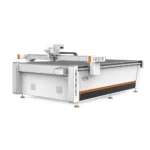
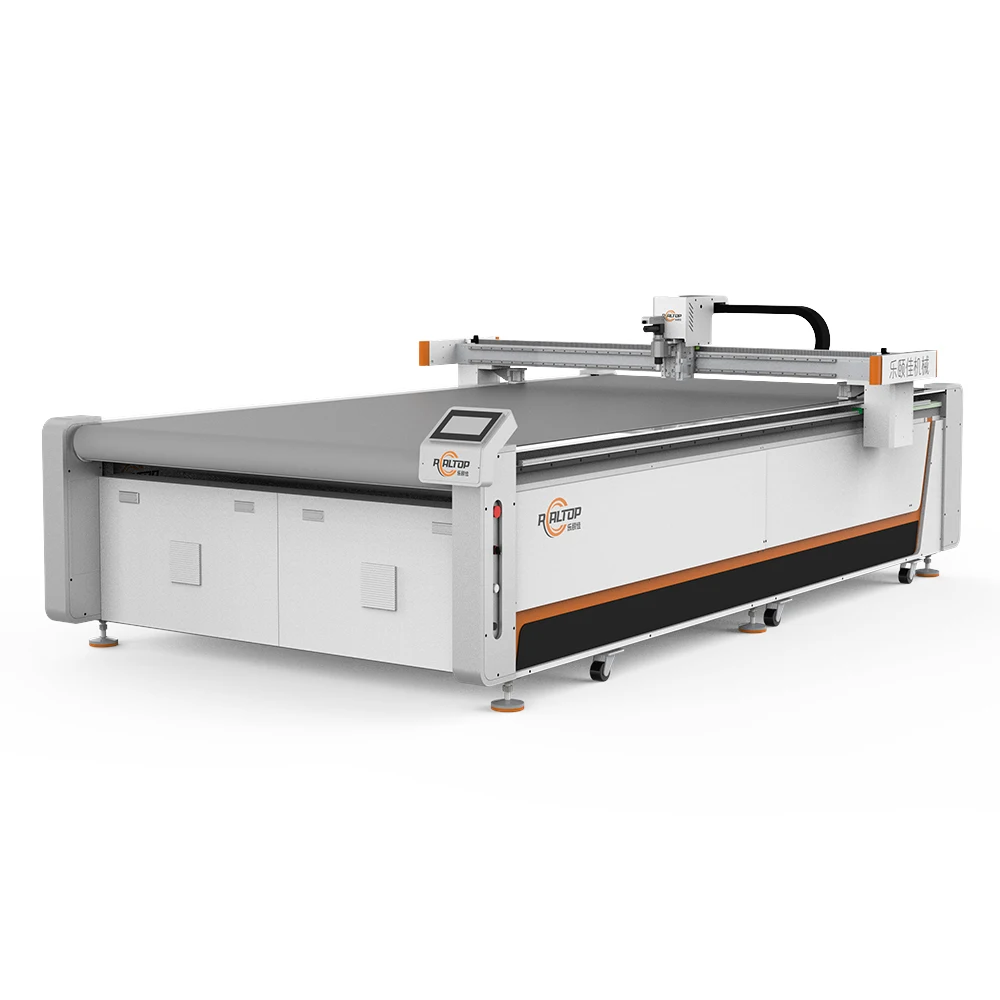
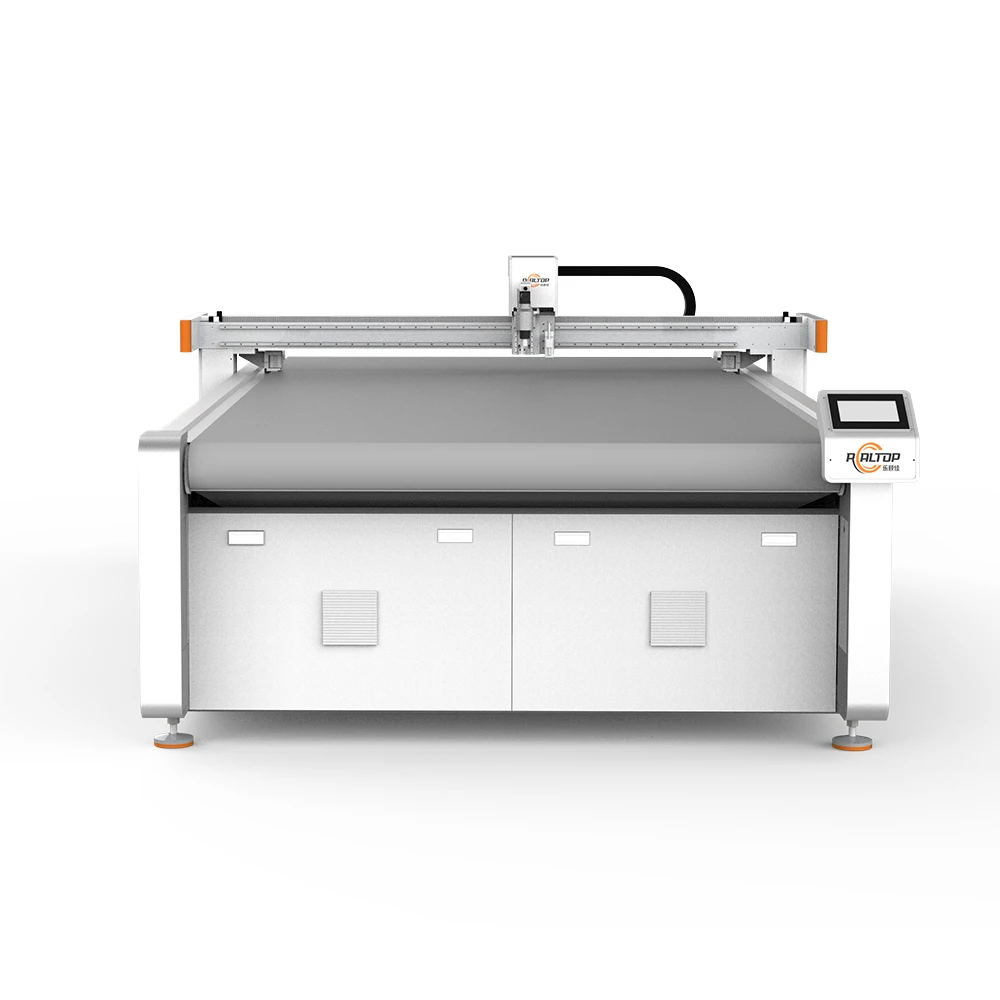
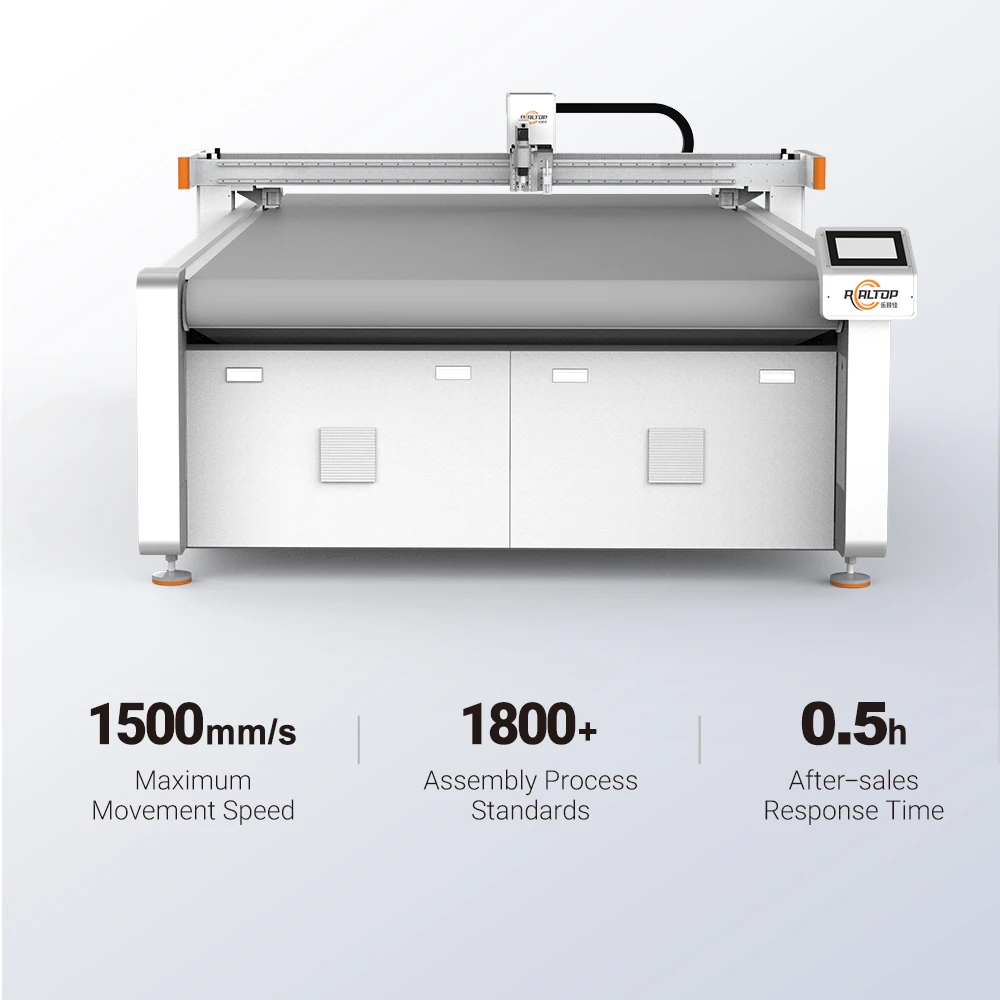
| Product Type | CNC Oscillating Knife Cutting Machine |
| Working Area | 1600×2500 mm |
| Cutting Speed | 0–2000 mm/s |
| Cutting Thickness | Up to 30 mm |
| Cutting Accuracy | ±0.1 mm |
| Vacuum Pump Power | 9 kW |
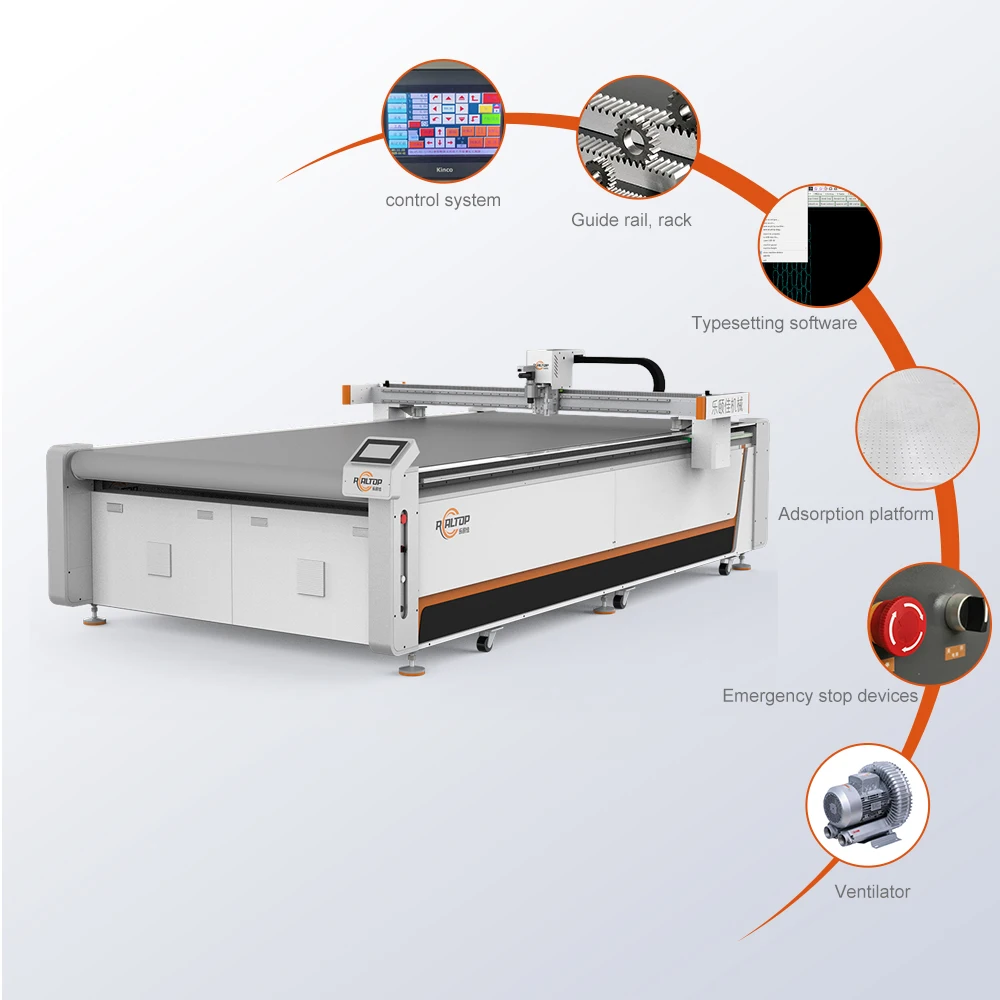
| Vacuum Table | Aluminum Bellows Vacuum Platform |
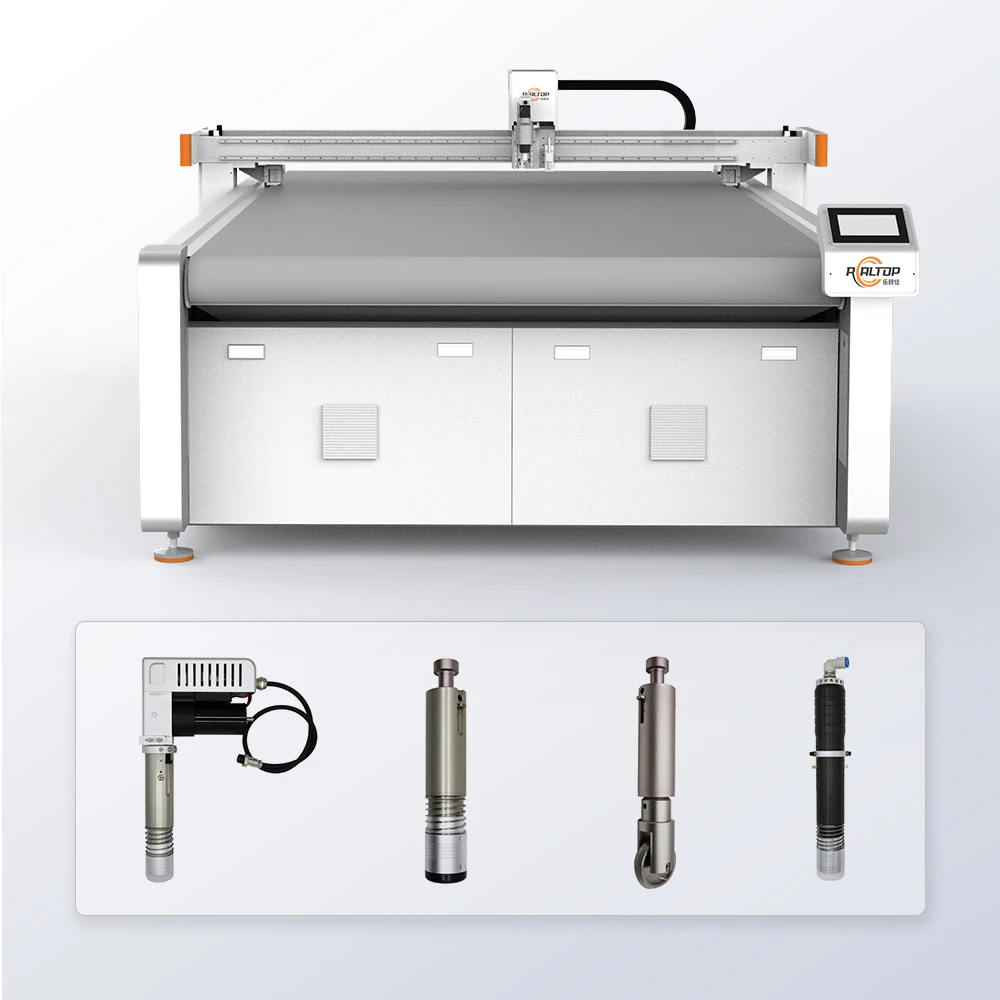
| Available Tool Heads | Oscillating Knife, Driven Rotary Knife, Creasing Wheel, Kiss Cutting Tool, Pneumatic Knife, Milling Tool, V-Groove Knife |
| Control System | PLC Control Panel |
| Servo Motor Options | Panasonic, Delta, Dorna |
| Profile File Formats | PLT, DXF, AI, PDF |
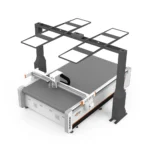
| CCD Camera Contour Recognition | Available for printed material positioning |
| Safety Device | Infrared Sensor and Emergency Stop |
| Voltage Options | 110V / 220V / 380V |
| Software Language Options | English, Russian, Italian, Chinese (customizable) |
| Machine Dimensions | 3300×2100×1350 mm |
| Assembly State | Fully assembled |
Application Suitability
| Application | Material or Output |
|---|---|
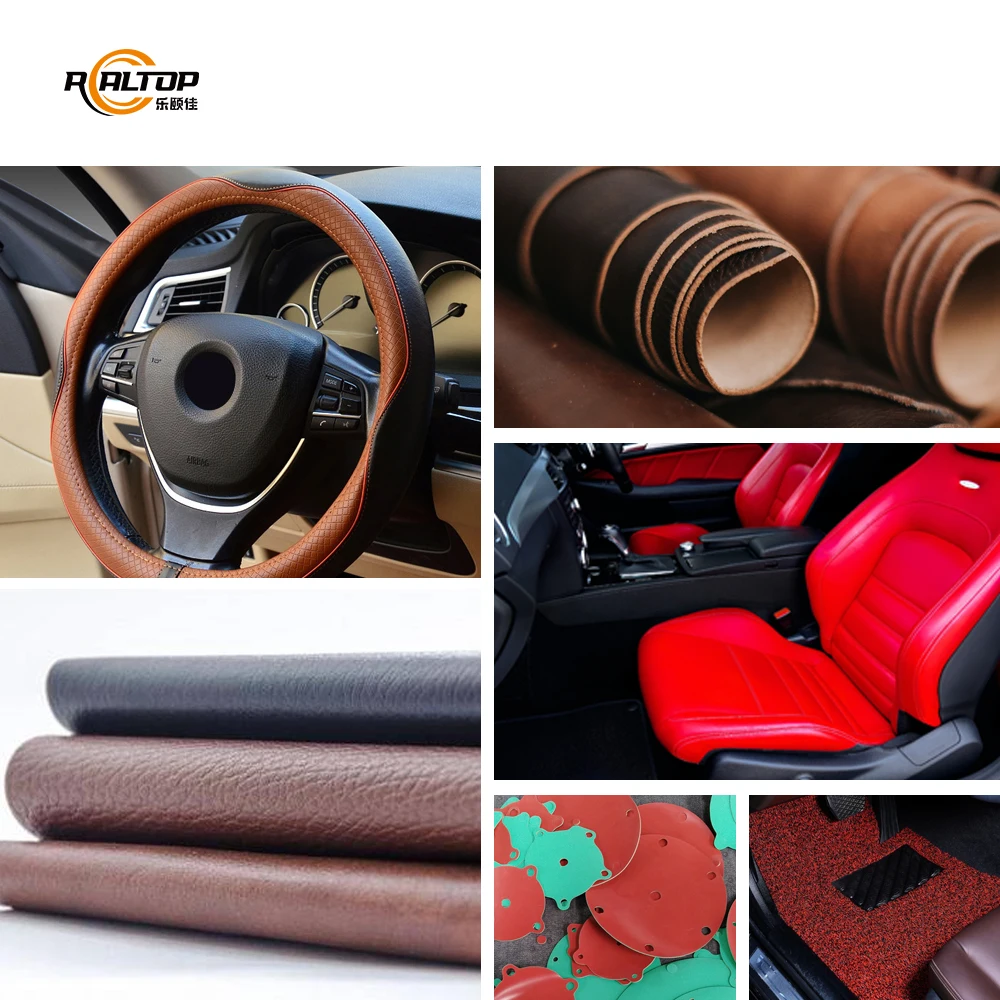
| Footwear uppers and leather goods | Full-grain, split, and coated leather up to 30 mm |
| Automotive seat covers and interior trim | Leather, synthetic leather, and composite fabrics |
| Bag and luggage manufacturing | Leather panels, reinforcement layers, and linings |
| Sofa and upholstery cutting | Thick hides, textile rolls, and bonded fabrics |
| Garment and apparel production | Patterned textile rolls and layered fabric |
Why Working Area Alone Will Cost You the First Batch
A 1600×2500 mm table tells you how much leather fits on it, not whether the knife will penetrate your 4 mm automotive seat cover stock without crushing the foam backing. The real specification starts with your material type, its density, and what edge finish your downstream stitching line requires. Table size without material context is just a footprint.
I have seen buyers compare two machines purely on bed dimensions, place an order, then discover the oscillating knife stroke could not cleanly cut through the high-density PU coating on the automotive leather they actually run. The supplier had tested on standard vegetable-tanned cowhide. The first three batches came back with frayed edges, and the buyer nearly returned the machine before we reconfigured the tool head and adjusted the stroke frequency. [NEED_CITE: cutting stroke frequency and material density relationship]
That mismatch is why a CNC oscillating knife cutting machine manufacturer should always ask for your actual material before quoting a configuration. The working area is the easy part. Matching the knife type, oscillation amplitude, and vacuum zoning to a specific leather grade is where the real engineering sits.
How the Tool Head Library Solves the Leather Problem
Different leather grades respond to cutting tools in entirely different ways. A standard oscillating knife handles most shoe upper leathers and bag panels cleanly. Switch to driven rotary when you are running continuous curves on softer garment leather, or to a pneumatic knife when the material is dense automotive stock that resists standard oscillation. Seven available tool heads mean the machine adapts to your material, not the other way around. A CNC oscillating knife cutting machine manufacturer that only offers one knife type will force every job through it regardless of whether the edge quality holds up.
What CCD Contour Recognition Actually Does on Printed Leather
When you are cutting printed leather or fabric with registered patterns, the CCD camera reads the printed marks and adjusts the cutting path in real time. This matters for automotive interiors where the grain pattern must align across adjacent panels, and for fashion leather where a printed motif must sit in a specific position on the finished piece. Without it, operators manually align each hide, and registration drift accumulates across a production run. The system tracks marks at working speed, though dense or low-contrast print may require camera calibration to your specific pattern. [NEED_CITE: CCD contour tracking accuracy on variable contrast print]
Reading the Specifications That Matter for Leather Work
The 9 kW vacuum pump paired with the aluminum bellows platform is not just about holding the hide flat. Leather hides vary in weight and curl, and insufficient vacuum on the zones around a small pattern piece will let the edge lift during the knife pass, producing a ragged or inaccurate cut. Zoning matters as much as total suction. The ±0.1 mm cutting accuracy specification becomes relevant when you are nesting tight layouts on expensive full-grain leather where a millimeter of wasted margin per piece adds up across a hide. Servo motor options from Panasonic, Delta, or Dorna affect acceleration behavior and cornering precision, which directly influence edge quality on intricate shoe upper patterns. File format compatibility with PLT, DXF, AI, and PDF means your existing design workflow transfers without re-drawing patterns in unfamiliar software.
The Cost of Skipping the Sample Test
When a buyer specifies a machine based on a brochure and skips the material sample test, the hidden cost shows up weeks later on the production floor. A tool head that cuts clean edges on the supplier’s test leather may produce crushed foam backing or delaminated layers on the buyer’s actual coated stock. Vacuum zoning calibrated for large automotive panels may leave small gasket pieces lifting off the table mid-cut. Software that handles DXF perfectly may fail to interpret the nesting format the buyer’s design team has used for years. [NEED_CITE: material sample testing standards for industrial cutting equipment] Each of these problems is solvable, but solving them after the machine arrives costs more than confirming them before it ships.
Why the Build Process Matters Here
In-house design and production across both knife and laser technologies means we recommend the cutting method that fits your material rather than forcing leather through a laser because that is all a supplier offers. Tool head and table configurations are specified per material type and production volume, not quoted as a one-size package. CCD camera positioning is calibrated to your printed contour requirements, not promised generically. Software compatibility is confirmed against your actual file formats before the order is placed. Voltage, plug type, and control language are verified for your destination market so the machine is operational on arrival, not waiting for a transformer or a translator. Sample cutting on your own leather stock is standard procedure before any commitment.
Documentation & Verification
- Machine specification sheet with confirmed tool head and vacuum configuration for your leather type
- Electrical schematic and voltage confirmation matched to your facility supply
- Sample cutting report produced on your own leather stock before shipment
- Factory test record documenting cutting accuracy and edge quality on your material
- Software license and file format compatibility note for your existing design workflow
- CE declaration documentation for import compliance where applicable
Installation, Commissioning & Support
- 3300×2100 mm footprint requires a level concrete floor with clearance for hide loading on all sides
- 9 kW vacuum pump requires a dedicated circuit; confirm voltage and phase at your facility before dispatch
- Machine ships fully assembled, reducing on-site setup to power connection and calibration
- First-run commissioning includes vacuum zone mapping and tool head calibration to your leather stock
- Operator training covers PLC panel navigation and tool changeover between oscillating and rotary knife heads
- Spare parts list covers knife blades, vacuum seals, and CCD calibration targets specific to your configuration
What to Include in Your Initial Inquiry
Send your actual leather or fabric samples along with the material type, thickness range, and the maximum hide or roll dimensions you process. Include your daily cutting volume and the file formats your design team currently outputs. Specify the voltage and frequency at your facility, the preferred control language, and whether your production requires CCD contour recognition for printed material. If you have existing nesting software or a preferred workflow, share a sample file so format compatibility can be confirmed before the order stage.
Frequently Asked Questions
Q: How do I decide between oscillating knife and laser cutting for my leather products?
A: Oscillating knife produces no burn marks or fumes, making it suitable for full-grain and finished leather where edge appearance matters. Laser seals synthetic edges and handles intricate perforation but can leave discoloration on natural leather. The right choice depends on your specific material and the finish your customers expect. We test both methods on your actual leather sample to confirm which produces the edge quality your product requires.
Q: Why does material thickness matter more than working area when choosing a machine?
A: A large table that cannot penetrate your material is simply unused floor space. The knife stroke, oscillation force, and tool head type must be matched to your leather’s thickness and density before the working area is finalized. A machine sized correctly for your thickest stock will handle thinner materials without issue, but the reverse is not true. Always lead with material specifications when requesting a quote.
Q: What can the CCD camera actually track on printed leather at production speed?
A: The CCD camera reads registration marks on printed leather or fabric and adjusts the cut path to follow the printed contour. It handles standard production speeds on materials with clear, consistent marks. Low-contrast prints or irregular grain patterns may require camera calibration to your specific material. We run a tracking test on your printed sample to verify accuracy before the configuration is finalized.
Q: How do you confirm voltage and language requirements before shipment?
A: Voltage, plug type, and control panel language are confirmed during the order specification stage based on your facility’s electrical supply and operator preference. Options include 110V, 220V, or 380V configurations, with software language available in English, Russian, Italian, or Chinese. This is documented in the electrical schematic provided before dispatch, so there are no surprises when the machine arrives at your facility.
Q: Can I test the machine on my own leather before committing to an order?
A: Yes. Send your actual leather samples to our facility and we run cutting tests using the tool head and vacuum configuration recommended for your material. You receive a sample cutting report documenting edge quality, cutting speed, and accuracy. This confirms the machine can handle your specific stock before you place an order, eliminating the risk of discovering a mismatch after delivery.










商品评价
There are no reviews yet.