



Fast Delivery
Quick, reliable shipping to any location.

Free & easy returns
Return this item by mail or in store within 90 days for a full refund.
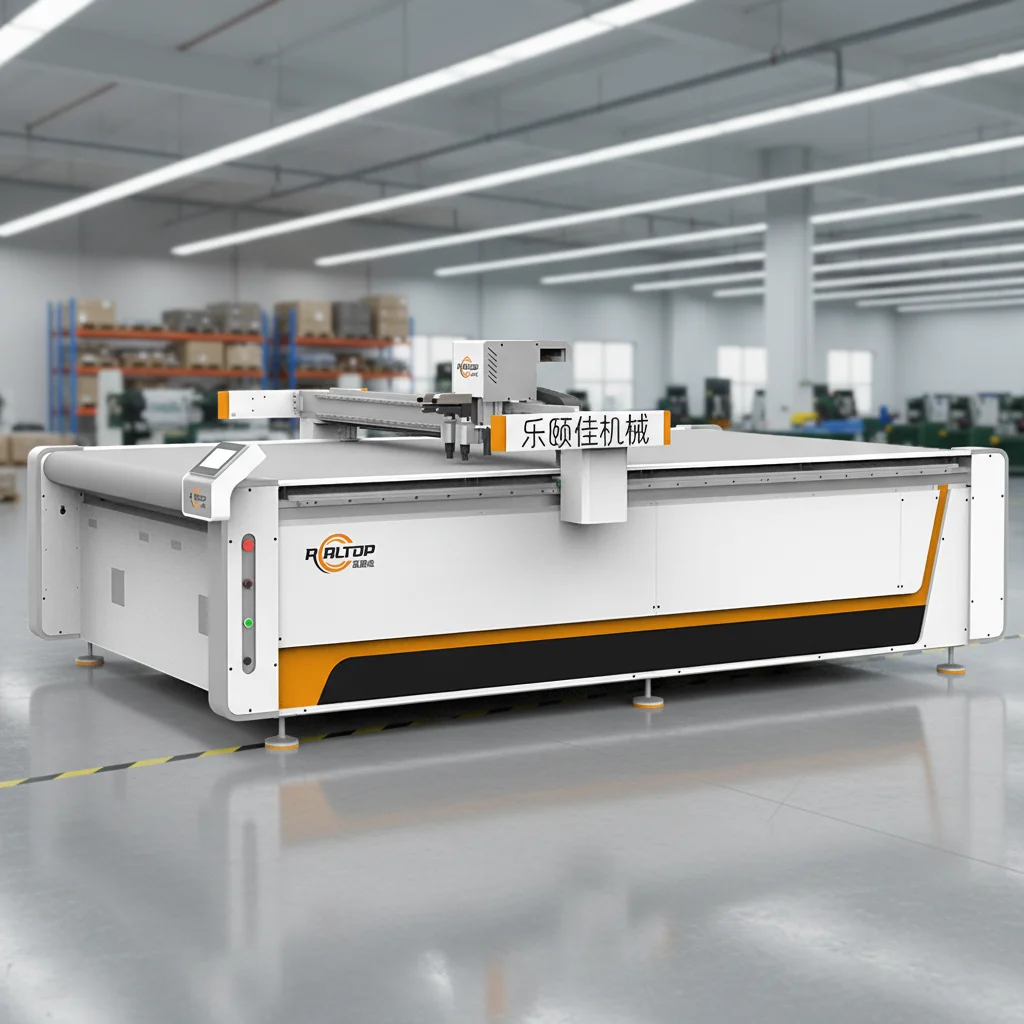
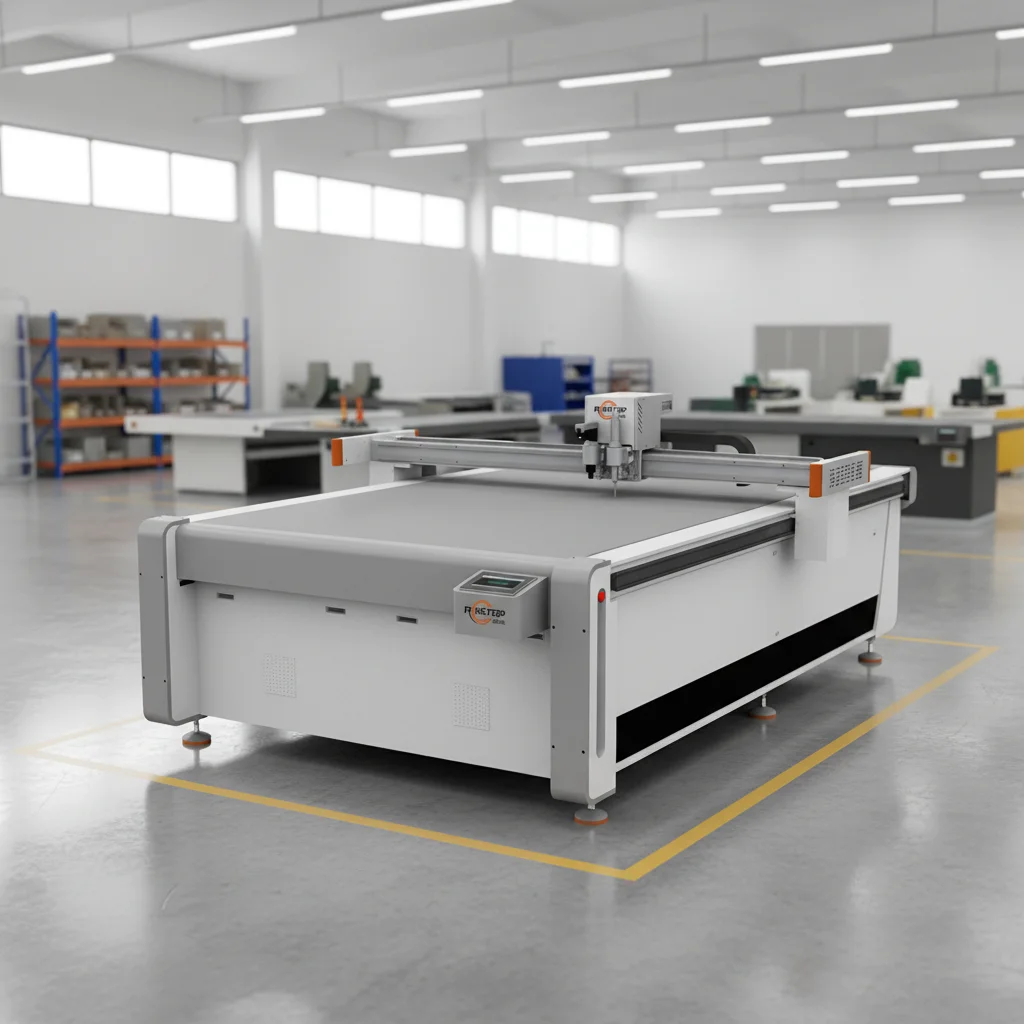
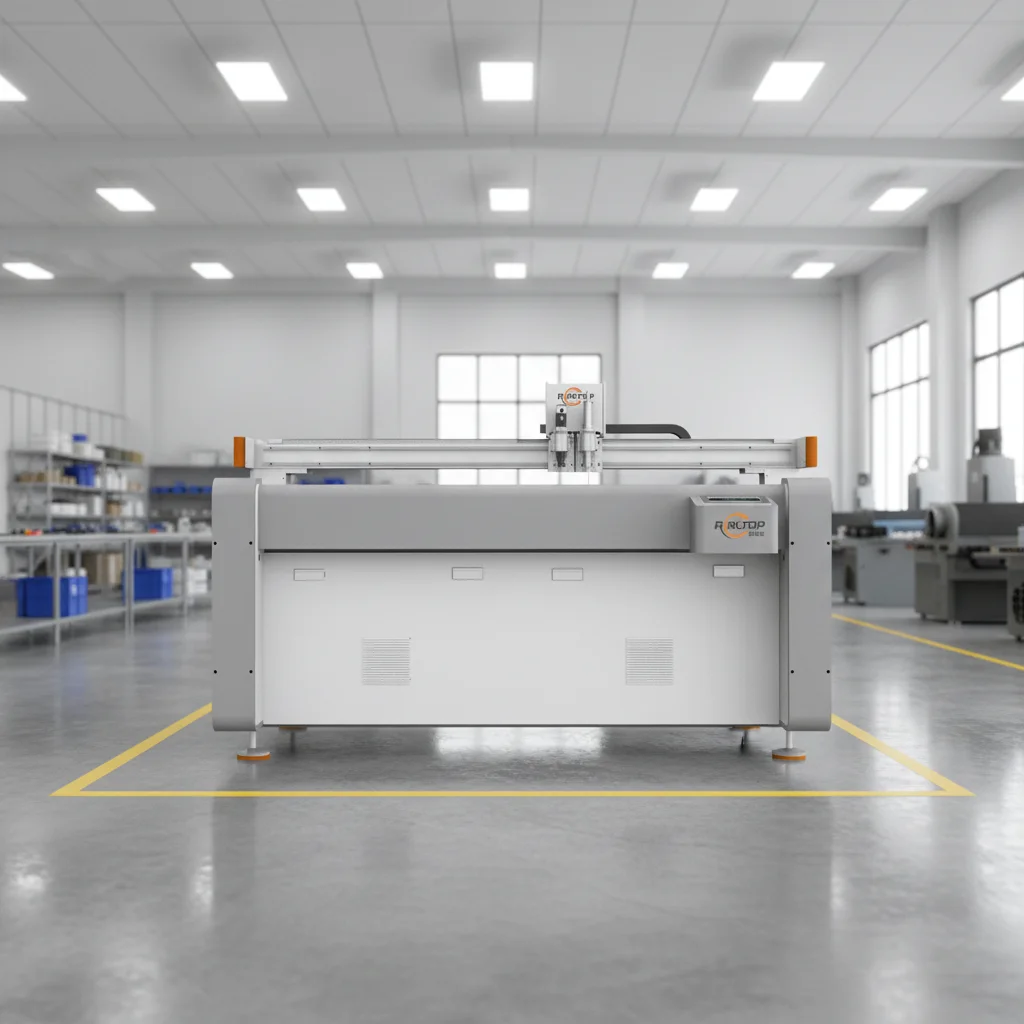
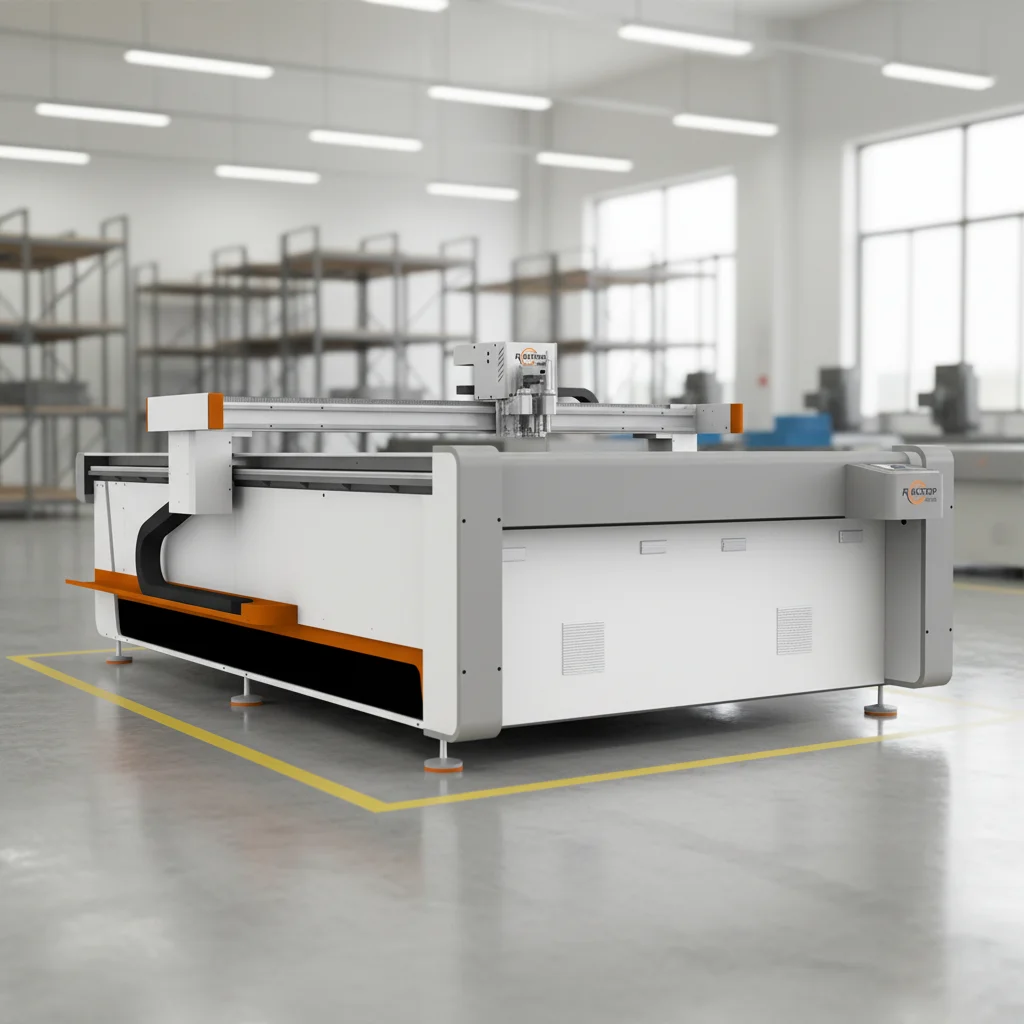
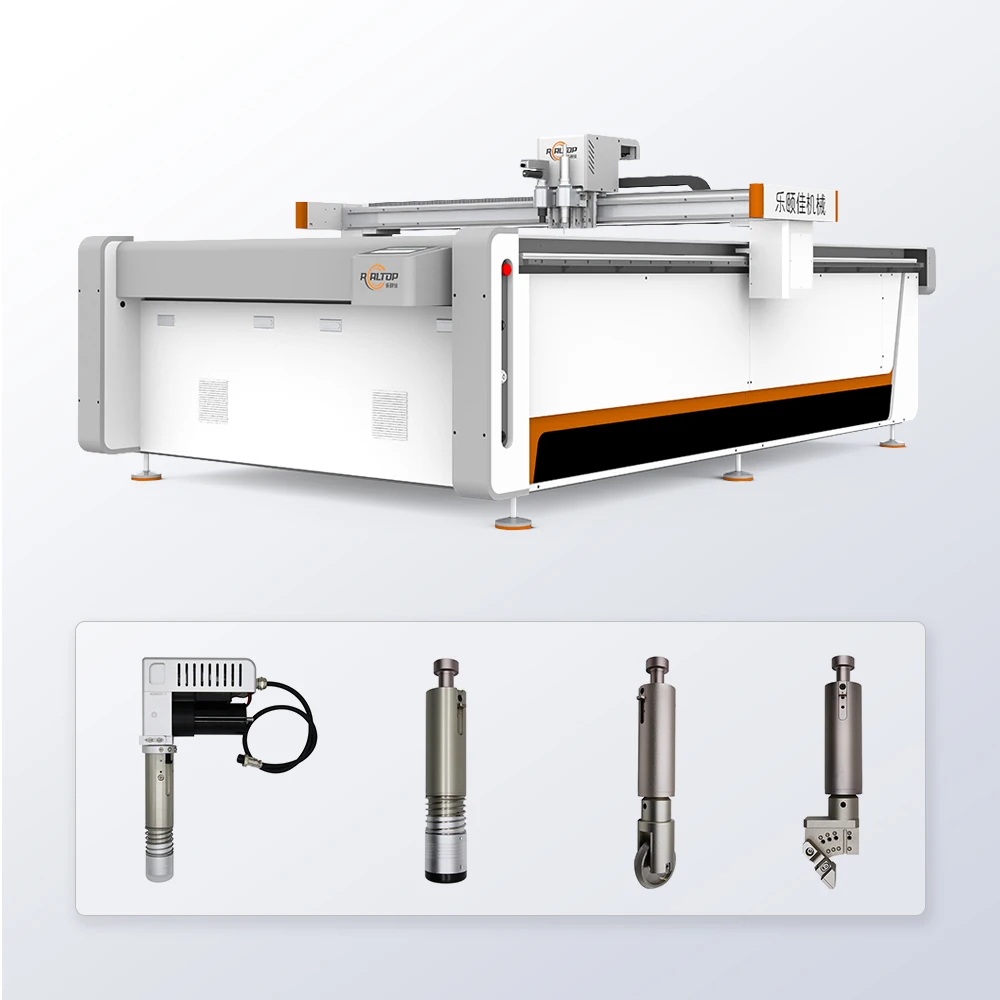
Tool head and table configuration specified per material and production volume — the 1625 oscillating knife platform swaps between seven distinct tool heads, ensuring each corrugated flute, foam density, or composite board gets matched to its correct cutting method before shipment.
Technical Specifications
| Parameter | Value |
|---|---|
| Model | 1625 |
| Product Type | CNC Oscillating Knife Cutting Machine with CCD Camera and Spindle |
| Working Area | 1600×2500 mm |
| Tool Head Options | Oscillating knife, Driven rotary knife, Creasing wheel, Kiss cutting tool, Pneumatic knife, Milling tool, V groove knife |
| Cutting Speed | 0–1500 mm/s |
| Maximum Cutting Thickness | ≤ 40 mm |
| Cutting Accuracy | ±0.1 mm |
| Vacuum Pump Power | 9 kW |
| Vacuum Table | Aluminum bellows vacuum table |
| Control System | PLC control panel |
| Voltage Options | 110V, 220V, 380V |
| Servo Motor Options | Panasonic, Delta, Dorna (source value — verify against manufacturer catalog) |
| Profile Format Compatibility | PLT, DXF, AI, PDF |
| Language Options | English, Russian, Italian, Chinese (special languages customizable) |
| Safety Device | Infrared sensor device and emergency stop device |
| Machine Size (L×W×H) | 3300×2100×1350 mm |
| Certification | CE (source mentions certification image, specific standard to be confirmed) |
Application Suitability
| Application | Material or Output |
|---|---|
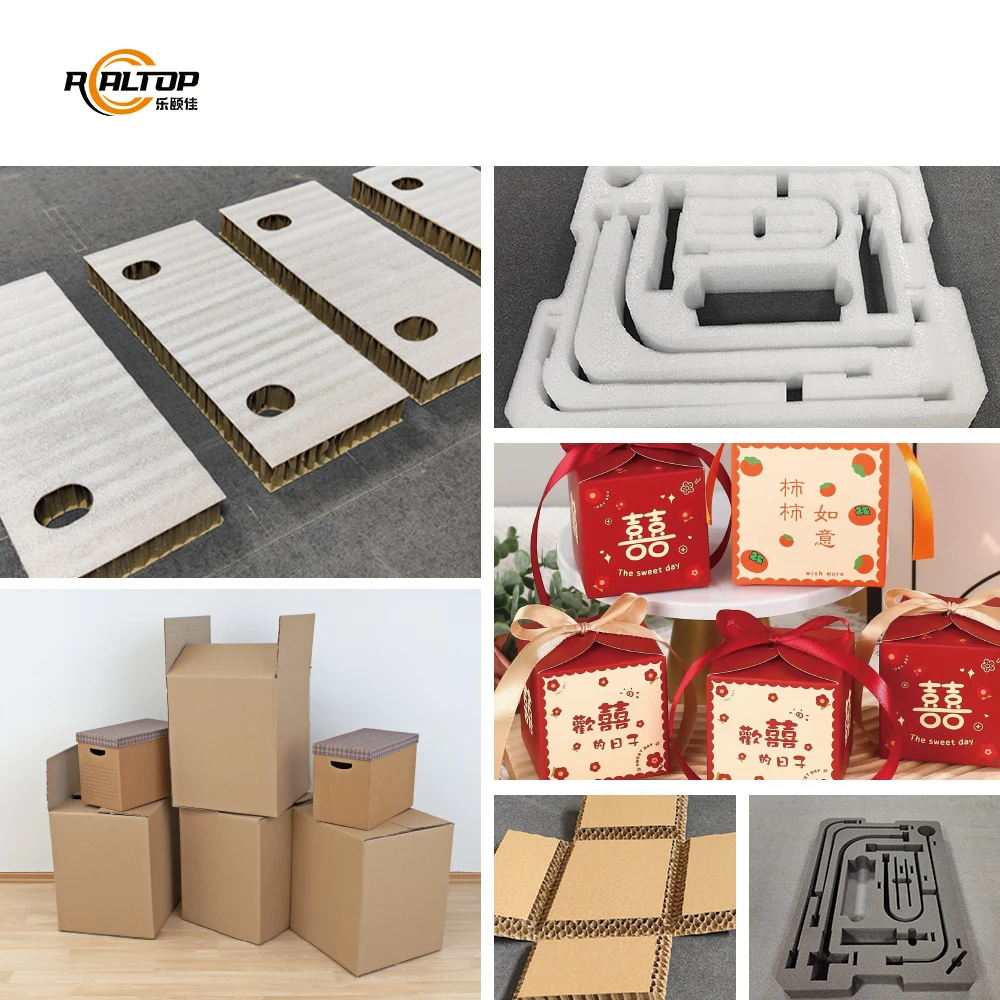
| Packaging sample making and short-run production | Corrugated cardboard (E-flute, B-flute, BC-flute), greyboard, cardstock, art paper, specialty paper |
| Foam packaging inserts and protective cushioning | EVA foam, EPE foam, PU foam |
| Gasket and seal cutting for industrial packaging | Rubber mats, composite and adhesive-backed materials |
| Textile and fabric inlay for premium box lining | Velvet, fleece fabric, non-woven fabric |
| Thin plastic and synthetic sheet components | PVC, PET, leather, synthetic leather |
Why Working Area Alone Decides Nothing for Corrugated Board
A CNC oscillating knife cutting machine manufacturer that quotes only on bed size leaves the real question unanswered — whether the knife stroke, oscillation frequency, and vacuum zoning can actually handle your flute profile at production speed.
Buyers who skip the material-thickness conversation end up with ragged edges on BC-flute or crushed cells on micro-flute stock. The blade either chews through the corrugation medium or fails to penetrate the liner board cleanly, forcing manual trimming on every sample. [NEED_CITE:]
I once watched a packaging sample shop run a board that was only three millimeters thicker than their trial material. The oscillating knife could not hold the edge, fibers pulled up along the cut line, and the client rejected the entire batch on the spot. That is why every order on this 1625 platform goes through an actual material trial before the machine leaves the factory.
Matching Tool Heads to Substrate Behavior
The seven available tool heads on this CNC oscillating knife cutting machine are not interchangeable accessories — each addresses a distinct failure mode in packaging material. The oscillating knife handles standard corrugated flutes and greyboard, while the driven rotary knife suits continuous cuts on thin cardstock where a reciprocating blade would leave micro-serrations. The creasing wheel scores fold lines without severing the fiber structure, and the V-groove knife removes a channel for rigid box corners where a straight crease would crack the facing paper.
CCD Camera Contour Recognition on Pre-Printed Stock
For packaging producers running printed carton stock, the integrated CCD camera tracks registration marks and adjusts the cut path in real time. This matters when the printed graphic has shifted slightly during the printing stage — a common occurrence on short-run digital presses. The camera reads the actual mark position and offsets the tool path accordingly, keeping the cut edge aligned with the printed design rather than the theoretical file coordinates. [NEED_CITE:]
Reading the Specs That Matter for Packaging Output
The 1600×2500 mm working area accommodates full-size corrugated sheets commonly used in packaging sample rooms, but the aluminum bellows vacuum table is the spec that actually determines whether small die-cut shapes stay flat during the cut. Bellows-style tables maintain suction across the entire surface, preventing lightweight carton blanks from lifting when the knife exits the material. The ±0.1 mm cutting accuracy ensures that tab-and-slot joints in structural packaging designs fit without sanding or forcing. The 9 kW vacuum pump provides the suction reserve needed when cutting porous corrugated media where air leaks through the flute channels. PLC control with dedicated packaging structure design software accepts PLT, DXF, AI, and PDF files directly, eliminating the file-conversion step that often corrupts small-radius curves in box designs.
What Happens When Vacuum Zoning Gets Ignored
A common specification oversight on flatbed cutters is treating vacuum hold-down as a single on/off function. When a packaging sample shop cuts small gasket pieces or short-run carton components, the full-table vacuum pulls air through the surrounding empty area, and suction at the actual cut zone drops below the threshold needed to hold thin stock flat. The result is material lift on the upstroke of the oscillating knife, producing delaminated edges on corrugated board or stretched cuts on self-adhesive films. Proper zoning directs suction only to the active cutting region. [NEED_CITE:]
Why Sourcing Both Knife and Laser from One Builder Matters
This 1625 sits within a CNC oscillating knife cutting machine manufacturer range that also covers CO2 and fiber laser platforms, so the cutting method is selected by material behavior rather than by which machine happens to be in the catalog. Corrugated board and foam cut cleaner with an oscillating knife because the blade severs fibers mechanically; laser cutting would scorch the flute edges and leave carbon deposits on light-colored stock. Conversely, thin polyester film and adhesive-backed vinyl often cut faster and seal their edges under a CO2 beam. Getting both options from the same production floor means the tool head recommendation is based on your material, not on moving inventory.
Each machine ships with a sample cutting report run on the buyer’s actual packaging substrate, documenting knife type, oscillation frequency, and vacuum pressure used. The tool head and table configuration list is locked to the material type and flute profile confirmed during the trial. Software license and file format compatibility are verified before the order is released to production, so your existing DXF or AI packaging files import without geometry loss. Voltage, plug type, and control panel language are confirmed against the destination market’s electrical standards before crating. [NEED_CITE:]
Documentation & Verification
- Machine specification sheet listing confirmed tool heads and vacuum table zoning for your flute profile
- Electrical schematic and voltage confirmation matching destination frequency and plug type
- Sample cutting report on your corrugated or foam packaging material with edge quality photographs
- Factory test record documenting cut accuracy across the full 1600×2500 mm bed before dispatch
- Software license and file format compatibility note for PLT, DXF, AI, and PDF import workflows
- Spare parts list identifying oscillating knife blades, creasing wheels, and vacuum seals by part number
Installation, Commissioning & Support
- Floor space planning for the 3300×2100 mm machine footprint plus material loading clearance on two sides
- Dedicated electrical circuit sized for the 9 kW vacuum pump plus servo drive, matching confirmed voltage option
- Aluminum bellows vacuum table leveled on-site to maintain flatness across the 1600×2500 mm cutting area
- PLC control panel language set to confirmed option during commissioning and verified by operator
- First-article test cuts run on buyer-supplied packaging stock to validate tool head selection and speed settings
- Consumable blade and creasing wheel inventory established based on daily sample volume and material abrasiveness
What to Include in Your Inquiry
Send the specific packaging materials you run — flute type, board weight, foam density, or film thickness — along with your typical sheet size and daily sample volume. Confirm your workshop voltage and frequency so the correct electrical configuration is quoted. If you already use packaging structure design software, share a sample file so format compatibility is checked before the order is placed.
Frequently Asked Questions
Q: How do I choose between oscillating knife and laser cutting for corrugated and foam packaging materials?
A: Oscillating knife cuts corrugated board and foam mechanically, leaving clean fiber edges without scorch marks. Laser suits thin films and synthetic sheets where edge sealing is beneficial. The same manufacturer builds both platforms, so the recommendation is based on your material test rather than pushing one technology across every substrate.
Q: Which working area and tool head combination fits my carton sample volume and sheet size?
A: The 1625 offers a 1600×2500 mm bed covering standard packaging sheets, with seven tool head options spanning oscillating knife, creasing wheel, and V-groove knife. The correct combination depends on your flute profile, board thickness, and whether you need structural scoring alongside through-cutting.
Q: Does the CCD camera track printed registration marks reliably at production speed?
A: The CCD camera reads printed marks on pre-printed carton stock and offsets the cut path in real time. Reliability depends on mark contrast, size, and placement. A test run on your actual printed stock confirms the system tracks consistently before the machine configuration is finalized.
Q: What software and file formats does the packaging design workflow support?
A: The PLC control system accepts PLT, DXF, AI, and PDF files directly. Dedicated packaging box structure design software is included. File format compatibility with your existing design workflow is confirmed during the order process, not after delivery.
Q: How are voltage, frequency, and control panel language customized for my market?
A: Voltage options include 110V, 220V, and 380V, with plug type and frequency matched to the destination market. Control panel languages available include English, Russian, Italian, and Chinese, with special languages customizable. All electrical and language settings are confirmed before the machine ships.










商品评价
There are no reviews yet.