

Fast Delivery
Quick, reliable shipping to any location.

Free & easy returns
Return this item by mail or in store within 90 days for a full refund.
Full equipment catalogue access — Match the cutting method to your gasket material and production volume, choosing between oscillating knife and laser systems rather than forcing one technology across every application.
Technical Specifications
| Parameter | Value |
|---|---|
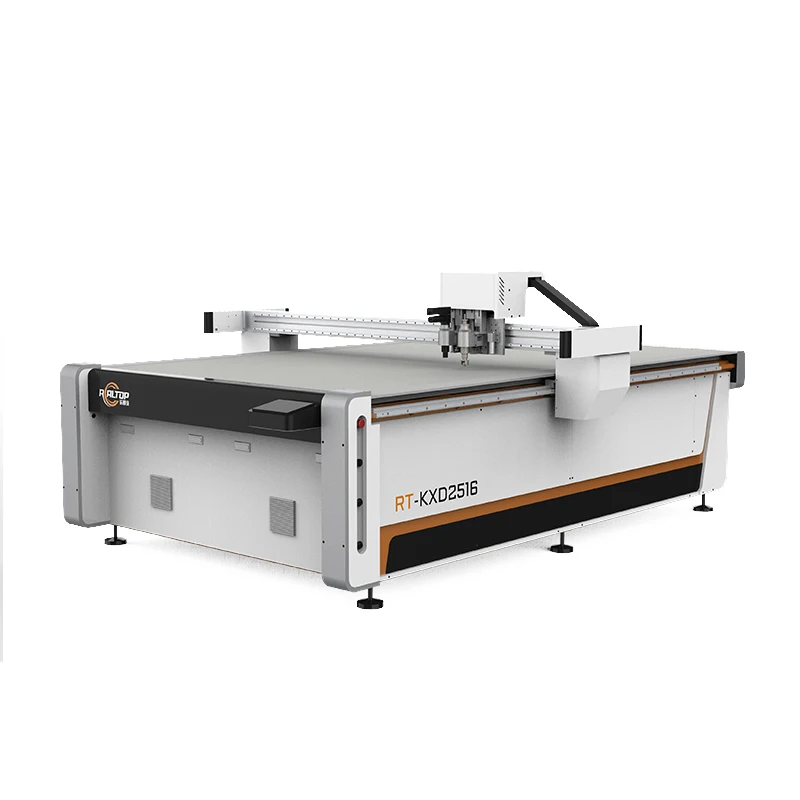
| Model | RT-D2516/RT-S2516 |
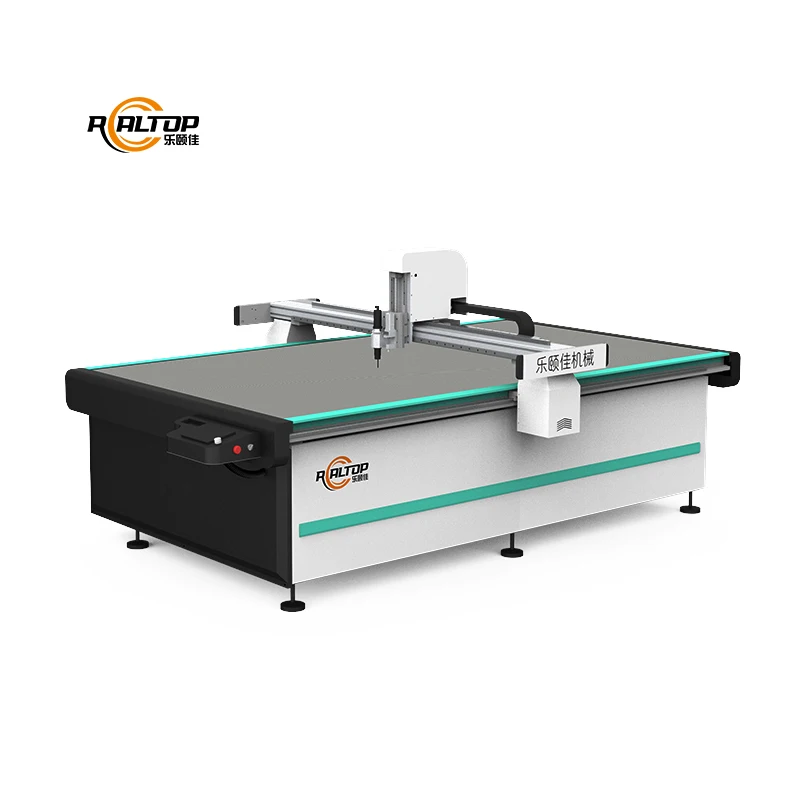
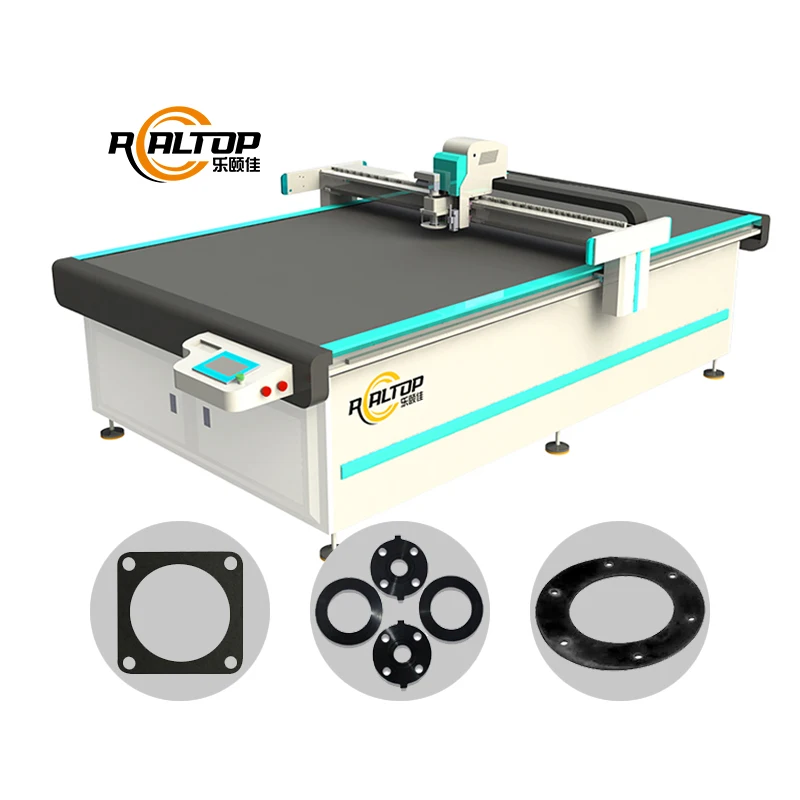
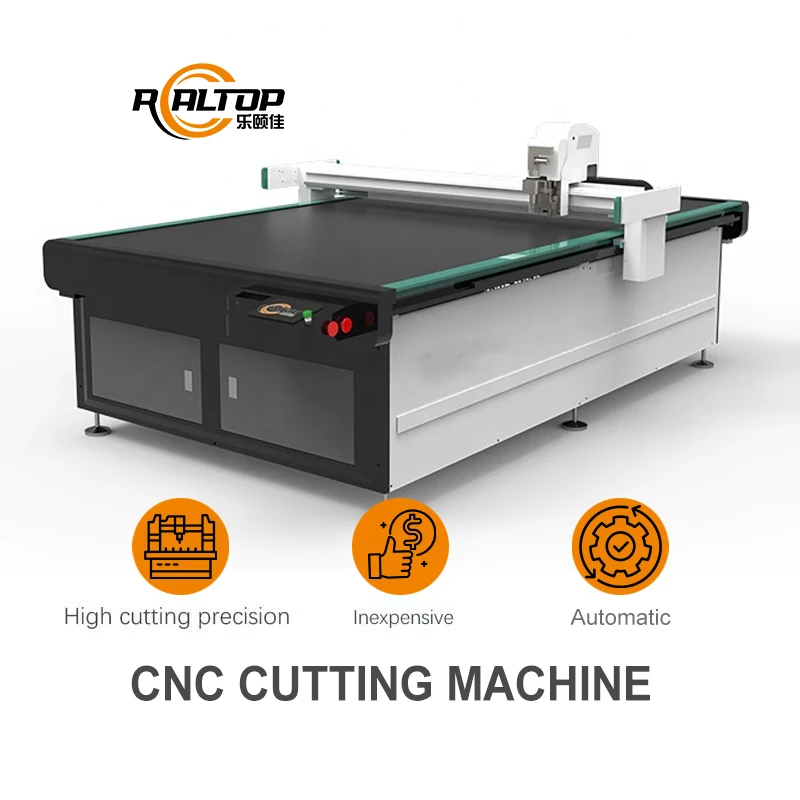
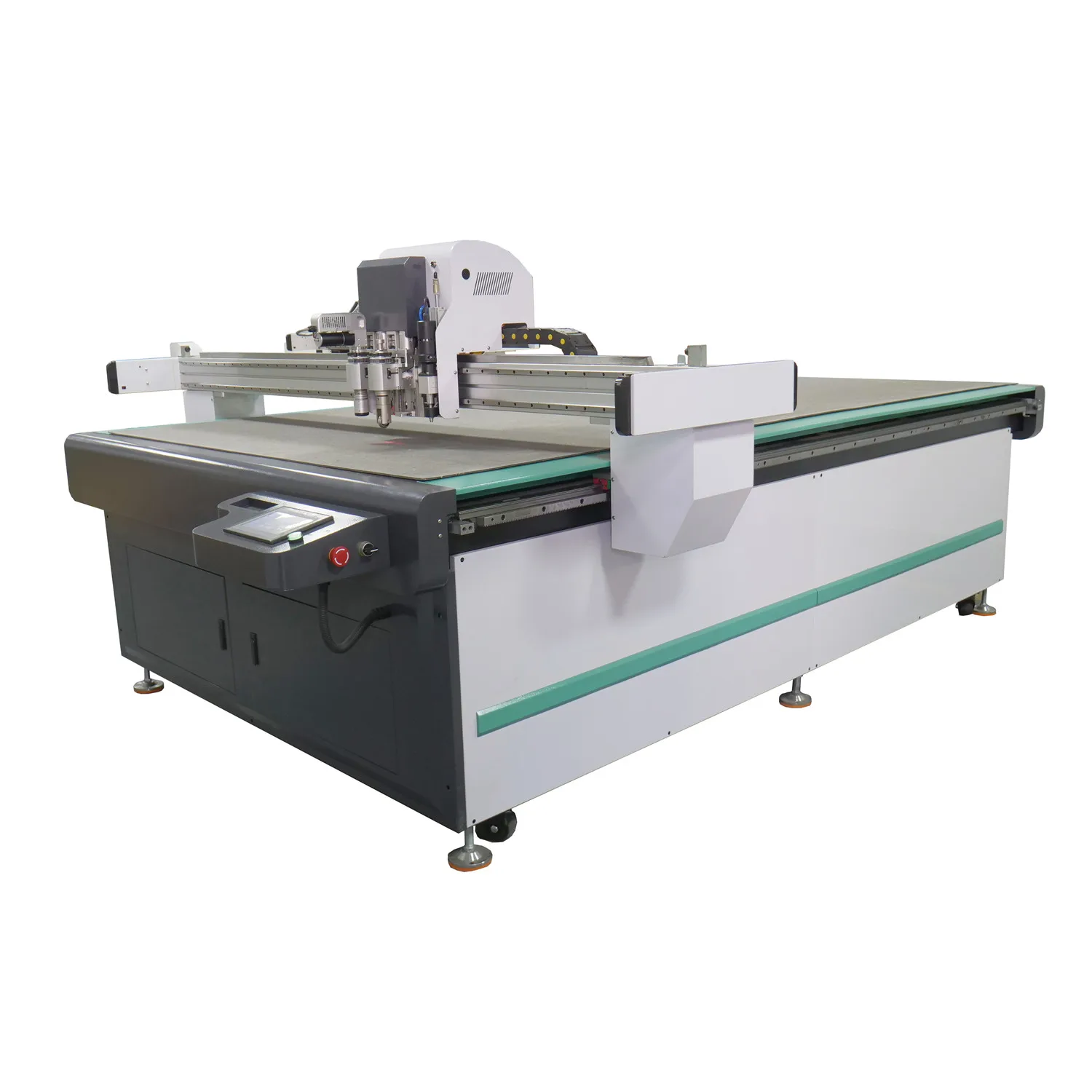
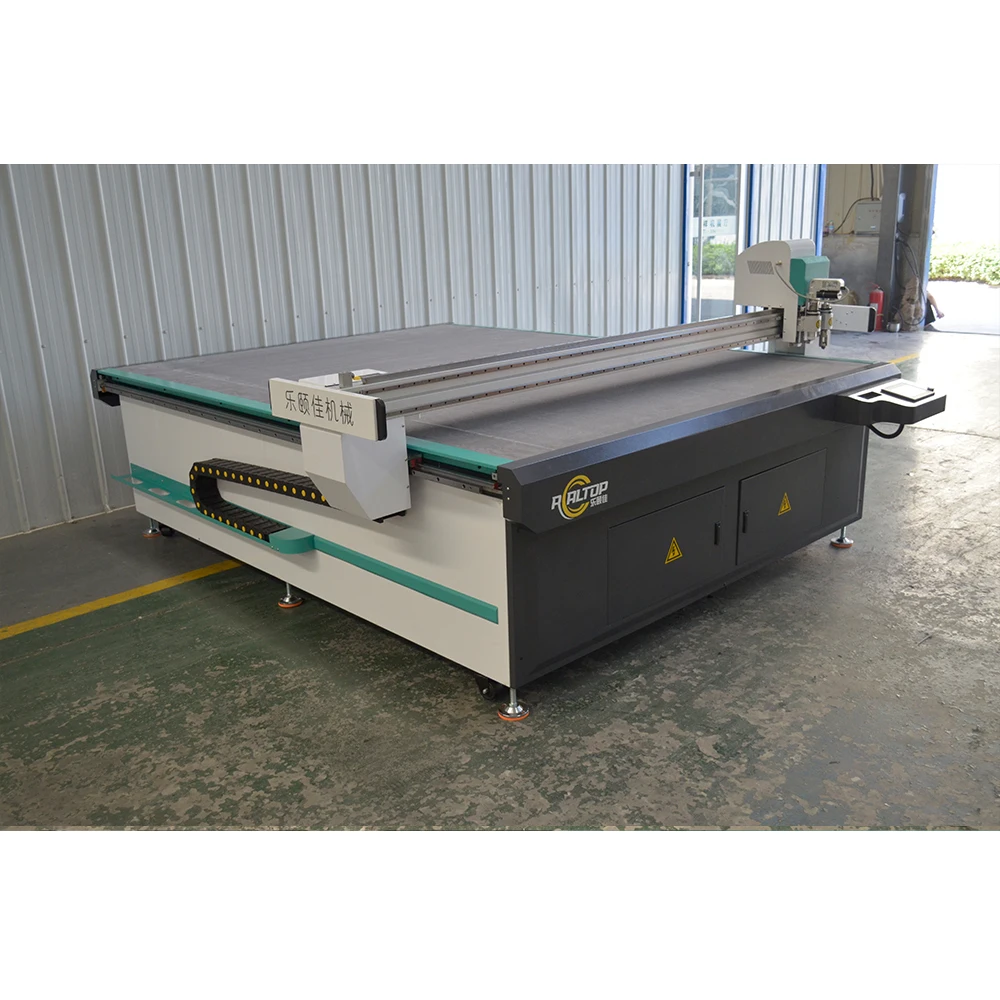
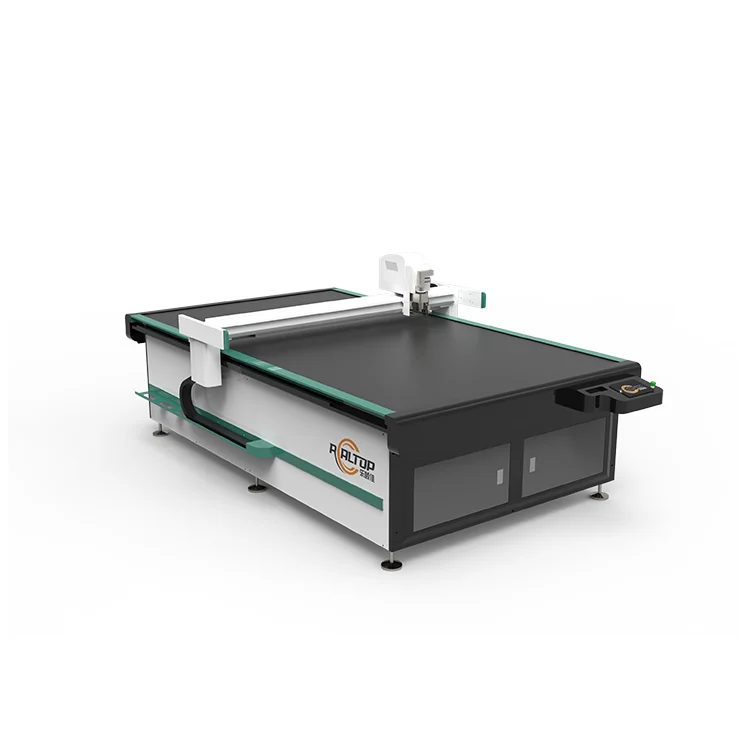
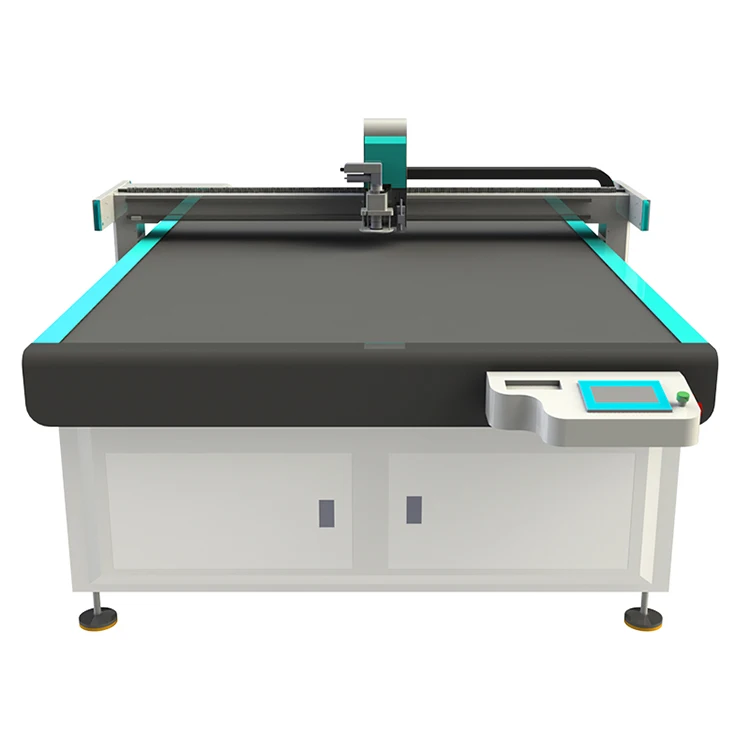
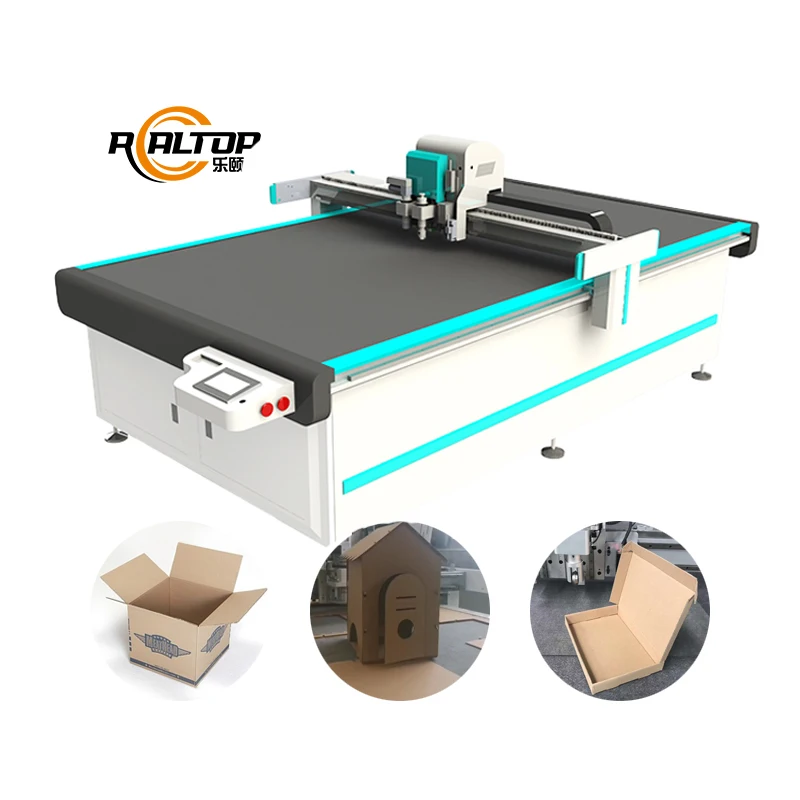
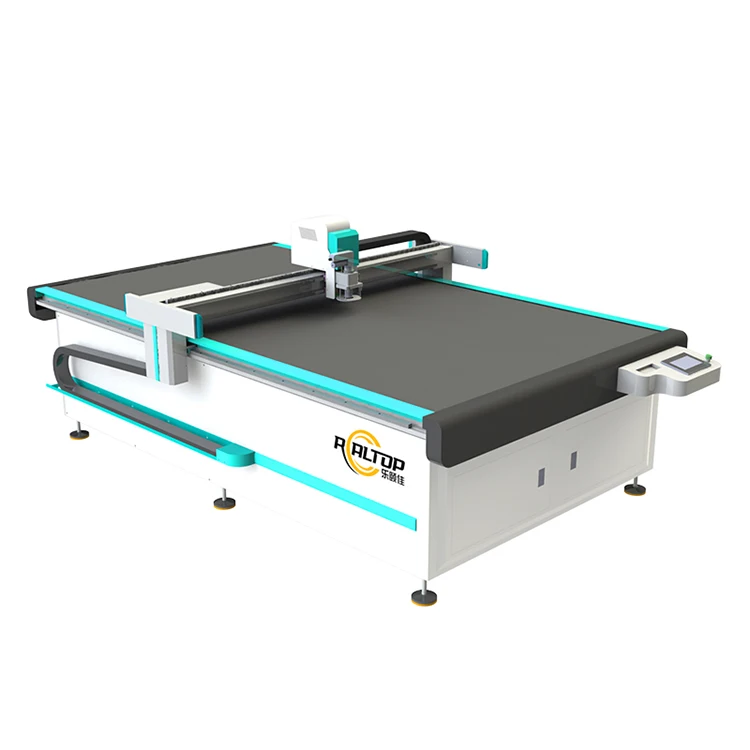
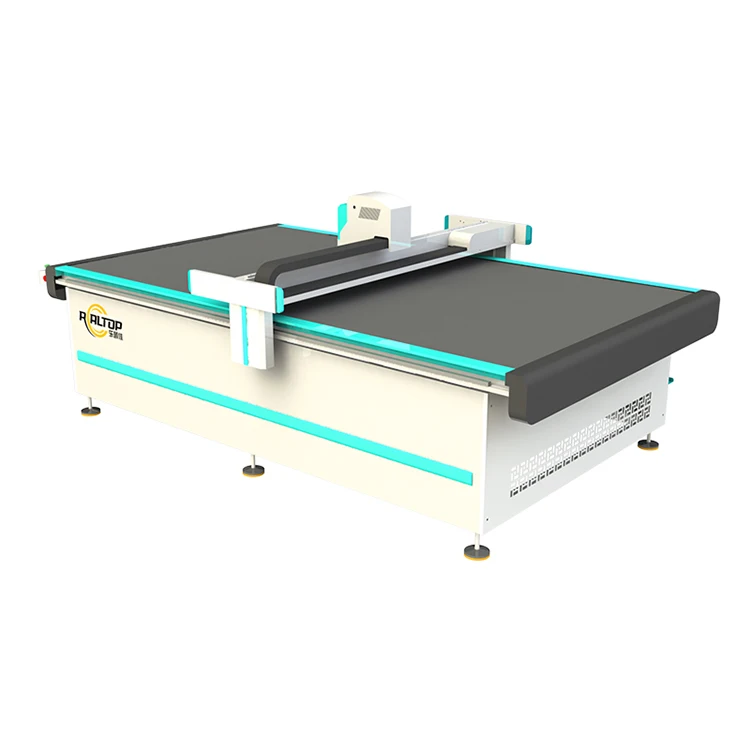
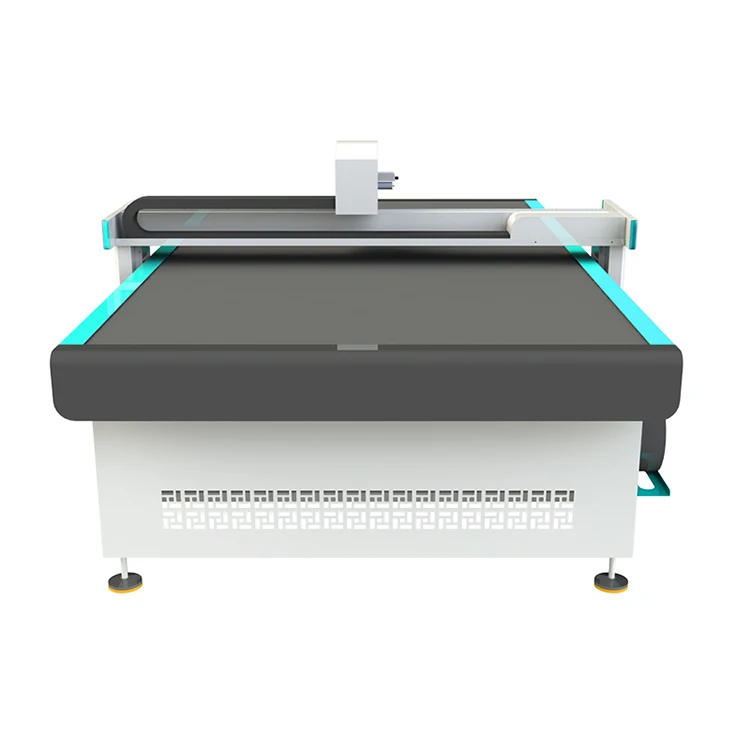
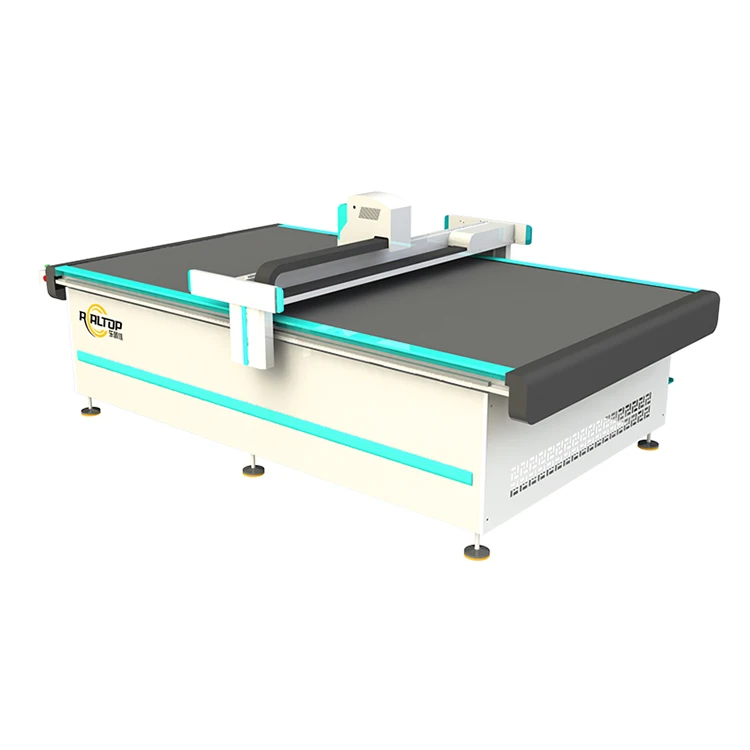
| Product Type | CNC Oscillating Knife Cutting Machine |
| Working Area | 1600 × 2500 mm |
| Machine Dimensions | 3450 × 2300 × 1250 mm |
| Rated Power | 9 kW |
| Working Table | Flat magnesium-aluminum alloy with PVDF powder spraying |
| Transmission System | Digital servo motor, linear guide, synchronous belt, ball screw |
| Translational Velocity | 800–1200 mm/s |
| Repeated Accuracy | ≤0.1 mm |
| Cutting Thickness Range | Up to 100 mm (varies with material density and tool head) |
| Vacuum Pump | 7.5 kW, integrated aviation aluminum shell with built-in silencer |
| Voltage | 380V ± 10% |
| Instruction Format | HP-GL compatible |
| Safety Device | Infrared sensors |
| Control Language Options | English, Russian, Italian, Chinese (customizable) |
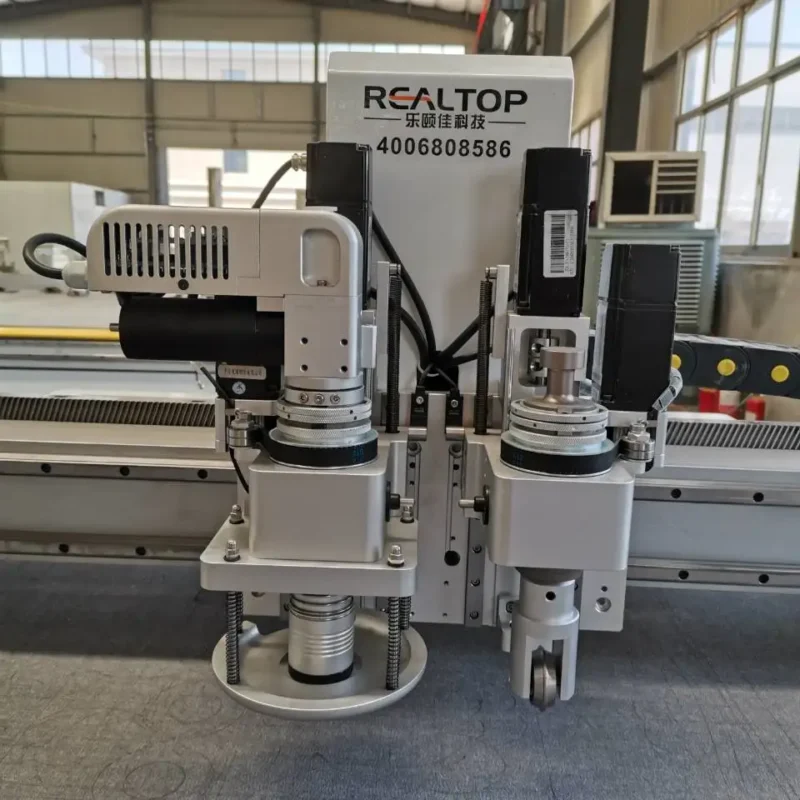
| Tool Head Options | Oscillating knife, pneumatic knife, drag knife, circular knife, creasing wheel, punching, V-cutting knife |
Application Suitability
| Application | Material or Output |
|---|---|
| Industrial sealing gaskets | Asbestos-free fiber, cork, rubber, PTFE, felt |
| Automotive gasket production | Composite sealing materials, foam, silicone rubber |
| Soft material fabrication | Leather, PVC, soft glass, sponge composite leather |
| Packaging and sample making | Corrugated cardboard, film, foam board |
| Textile and apparel | Clothing cloth, shoe material, luggage material, non-woven fabric |
Why "Working Area Alone" Fails the Gasket Buyer
Specifying a flatbed cutter by table size without defining material thickness and tool head configuration is the most common reason a machine underperforms on the shop floor.
A buyer sourcing a CNC Oscillating Knife Cutting Machine manufacturer often compares quotes based on the 1600 × 2500 mm footprint, assuming any machine that size will handle their PTFE or cork sheets equally well. The reality is that a drag knife cutting soft rubber behaves entirely differently from a high-power oscillating knife attempting to pierce steel-reinforced gasket material at the same speed. When the tool head is mismatched to the material density, the operator spends more time replacing shattered blades and clearing ragged edges than actually cutting parts [NEED_CITE: tool head selection by material density for industrial gasket cutting].
Matching the Knife Method to Gasket Density
The oscillating knife head vibrates at high frequency to slice through dense, fibrous materials like cork and compressed rubber without dragging or tearing the substrate. For softer foam or felt gaskets, a drag knife or circular knife can achieve cleaner edges at higher travel speeds. The RT-D2516/RT-S2516 platform supports multiple tool heads on the same gantry, so a facility producing mixed gasket types can swap configurations between jobs rather than maintaining two separate machines.
Vacuum Zoning and the Small-Part Problem
Gasket production frequently involves cutting dozens of small seals from a single sheet. A vacuum table with insufficient zoning allows air to bleed around small parts, causing them to lift during the knife stroke and producing dimensional errors. The magnesium-aluminum alloy table on this system uses multi-zone suction, isolating vacuum to the active cutting area so small PTFE or fiber gaskets remain flat against the bed throughout the cut cycle [NEED_CITE: vacuum table zoning requirements for small precision gasket parts].
Reading the Drive and Accuracy Chain
The combination of Taiwan Hiwin linear rails, ball screws, and a Delta digital servo motor maintains repeated accuracy within 0.1 mm across the full 1600 × 2500 mm travel. For gasket applications where a bolt-hole pattern must align perfectly with a flange face, this tolerance chain matters more than raw speed. The 7.5 kW vacuum pump, housed in an aviation aluminum shell with internal silencer sponge, holds sheet material without introducing vibration that could interfere with the knife path during high-speed oscillation.
The Hidden Cost of Skipping the Sample Cut
Committing to a machine configuration without running the buyer’s actual gasket material is how production floors end up with wrong tool heads, crushed foam edges, or vacuum tables that cannot hold small parts in place. The material composition of industrial gaskets varies significantly between suppliers, and a PTFE sheet from one vendor may contain reinforcement mesh that destroys a blade rated only for pure PTFE. Sample cutting on the exact material, at the target thickness and production speed, reveals these issues before the machine ships rather than during commissioning [NEED_CITE: material variability in industrial gasket supply chains].
Why Survey the Full Range Before Choosing
A gasket producer cutting thin rubber seals may find a CO2 laser faster and cleaner than a knife system, while thick cork and fiber composites demand the mechanical force of an oscillating blade. Accessing a full catalogue that covers both knife and laser technologies means the cutting method is selected to fit the material, not the other way around. The RT-D2516/RT-S2516 sits within a broader equipment range, so buyers comparing options can see exactly where oscillating knife capacity ends and laser capability begins. Tool head and table configurations are specified per material and production volume, and CCD camera positioning is available for printed contour recognition when gaskets must follow a registered print pattern.
Documentation & Verification
- Machine specification sheet with tool head and table configuration matched to your gasket material
- Electrical schematic confirming 380V ± 10% supply and Delta servo motor wiring before shipment
- Sample cutting report on your actual cork, PTFE, or rubber stock with edge quality photographs
- HP-GL software compatibility note verifying file import from your existing nesting workflow
- Factory test record running your gasket pattern at full 1600 × 2500 mm travel before dispatch
Installation, Commissioning & Support
- Floor space of 3450 × 2300 mm required with clearance for the 7.5 kW vacuum pump exhaust routing
- Dedicated 9 kW electrical circuit at 380V ± 10% with confirmed plug type and frequency before wiring
- Machine arrives fully assembled; gantry and vacuum table leveled on-site to maintain 0.1 mm accuracy
- First-run commissioning includes tool head calibration against your specific gasket material thickness
- Operator training covers HP-GL file loading, multi-zone vacuum control, and infrared sensor safety checks
- Spare oscillating knife blades, drag knife tips, and vacuum seals included in the initial parts package
What to Include in Your Inquiry
Provide the exact gasket material type, maximum sheet thickness, and daily volume so the correct tool head and vacuum configuration can be specified from the start. Confirm your local voltage and frequency, preferred control language, and whether your existing nesting software outputs HP-GL compatible files. If your material contains reinforcement layers or unusual composites, send a sample for test cutting before the configuration is finalized.
Frequently Asked Questions
Q: How do I decide between oscillating knife and laser cutting for gasket materials?
A: Oscillating knife handles thick, fibrous, or reinforced materials like cork, compressed fiber, and PTFE with mesh, where a laser would char or melt the edge. Laser cutting suits thinner rubber and synthetic sheets where a sealed edge is acceptable. The decision depends on material composition, thickness, and the edge finish your application requires.
Q: Can the vacuum table hold small gasket parts without lifting during cutting?
A: The magnesium-aluminum alloy table uses multi-zone suction, allowing vacuum to be concentrated under the active cutting area. This prevents air bleed around small parts like O-ring seals or narrow flange gaskets that would otherwise shift during the oscillating knife stroke.
Q: Will this machine accept files from my existing nesting software?
A: The instruction system accepts HP-GL compatible formats. Before order confirmation, your file format and nesting workflow are verified for compatibility so there are no import issues when the machine arrives on your production floor.
Q: What happens if my PTFE or cork material has hidden reinforcement layers?
A: A sample cutting test on your exact material is performed before the tool head is finalized. This catches reinforcement mesh or density variations that could damage a standard blade, ensuring the correct knife type and oscillation frequency are configured.
Q: How is voltage and control language handled for international shipments?
A: Voltage, plug type, and control panel language are confirmed during the quotation stage. The system supports 380V ± 10% with options for English, Russian, Italian, or Chinese interface, and customization is available for other languages upon request.
Full equipment catalogue access — Match the cutting method to your gasket material and production volume, choosing between oscillating knife and laser systems rather than forcing one technology across every application.
Technical Specifications
| Parameter | Value |
|---|---|
| Model | RT-D2516/RT-S2516 |
| Product Type | CNC Oscillating Knife Cutting Machine |
| Working Area | 1600 × 2500 mm |
| Machine Dimensions | 3450 × 2300 × 1250 mm |
| Rated Power | 9 kW |
| Working Table | Flat magnesium-aluminum alloy with PVDF powder spraying |
| Transmission System | Digital servo motor, linear guide, synchronous belt, ball screw |
| Translational Velocity | 800–1200 mm/s |
| Repeated Accuracy | ≤0.1 mm |
| Cutting Thickness Range | Up to 100 mm (varies with material density and tool head) |
| Vacuum Pump | 7.5 kW, integrated aviation aluminum shell with built-in silencer |
| Voltage | 380V ± 10% |
| Instruction Format | HP-GL compatible |
| Safety Device | Infrared sensors |
| Control Language Options | English, Russian, Italian, Chinese (customizable) |
| Tool Head Options | Oscillating knife, pneumatic knife, drag knife, circular knife, creasing wheel, punching, V-cutting knife |
Application Suitability
| Application | Material or Output |
|---|---|
| Industrial sealing gaskets | Asbestos-free fiber, cork, rubber, PTFE, felt |
| Automotive gasket production | Composite sealing materials, foam, silicone rubber |
| Soft material fabrication | Leather, PVC, soft glass, sponge composite leather |
| Packaging and sample making | Corrugated cardboard, film, foam board |
| Textile and apparel | Clothing cloth, shoe material, luggage material, non-woven fabric |
Why "Working Area Alone" Fails the Gasket Buyer
Specifying a flatbed cutter by table size without defining material thickness and tool head configuration is the most common reason a machine underperforms on the shop floor.
A buyer sourcing a CNC Oscillating Knife Cutting Machine manufacturer often compares quotes based on the 1600 × 2500 mm footprint, assuming any machine that size will handle their PTFE or cork sheets equally well. The reality is that a drag knife cutting soft rubber behaves entirely differently from a high-power oscillating knife attempting to pierce steel-reinforced gasket material at the same speed. When the tool head is mismatched to the material density, the operator spends more time replacing shattered blades and clearing ragged edges than actually cutting parts [NEED_CITE: tool head selection by material density for industrial gasket cutting].
Matching the Knife Method to Gasket Density
The oscillating knife head vibrates at high frequency to slice through dense, fibrous materials like cork and compressed rubber without dragging or tearing the substrate. For softer foam or felt gaskets, a drag knife or circular knife can achieve cleaner edges at higher travel speeds. The RT-D2516/RT-S2516 platform supports multiple tool heads on the same gantry, so a facility producing mixed gasket types can swap configurations between jobs rather than maintaining two separate machines.
Vacuum Zoning and the Small-Part Problem
Gasket production frequently involves cutting dozens of small seals from a single sheet. A vacuum table with insufficient zoning allows air to bleed around small parts, causing them to lift during the knife stroke and producing dimensional errors. The magnesium-aluminum alloy table on this system uses multi-zone suction, isolating vacuum to the active cutting area so small PTFE or fiber gaskets remain flat against the bed throughout the cut cycle [NEED_CITE: vacuum table zoning requirements for small precision gasket parts].
Reading the Drive and Accuracy Chain
The combination of Taiwan Hiwin linear rails, ball screws, and a Delta digital servo motor maintains repeated accuracy within 0.1 mm across the full 1600 × 2500 mm travel. For gasket applications where a bolt-hole pattern must align perfectly with a flange face, this tolerance chain matters more than raw speed. The 7.5 kW vacuum pump, housed in an aviation aluminum shell with internal silencer sponge, holds sheet material without introducing vibration that could interfere with the knife path during high-speed oscillation.
The Hidden Cost of Skipping the Sample Cut
Committing to a machine configuration without running the buyer’s actual gasket material is how production floors end up with wrong tool heads, crushed foam edges, or vacuum tables that cannot hold small parts in place. The material composition of industrial gaskets varies significantly between suppliers, and a PTFE sheet from one vendor may contain reinforcement mesh that destroys a blade rated only for pure PTFE. Sample cutting on the exact material, at the target thickness and production speed, reveals these issues before the machine ships rather than during commissioning [NEED_CITE: material variability in industrial gasket supply chains].
Why Survey the Full Range Before Choosing
A gasket producer cutting thin rubber seals may find a CO2 laser faster and cleaner than a knife system, while thick cork and fiber composites demand the mechanical force of an oscillating blade. Accessing a full catalogue that covers both knife and laser technologies means the cutting method is selected to fit the material, not the other way around. The RT-D2516/RT-S2516 sits within a broader equipment range, so buyers comparing options can see exactly where oscillating knife capacity ends and laser capability begins. Tool head and table configurations are specified per material and production volume, and CCD camera positioning is available for printed contour recognition when gaskets must follow a registered print pattern.
Documentation & Verification
- Machine specification sheet with tool head and table configuration matched to your gasket material
- Electrical schematic confirming 380V ± 10% supply and Delta servo motor wiring before shipment
- Sample cutting report on your actual cork, PTFE, or rubber stock with edge quality photographs
- HP-GL software compatibility note verifying file import from your existing nesting workflow
- Factory test record running your gasket pattern at full 1600 × 2500 mm travel before dispatch
Installation, Commissioning & Support
- Floor space of 3450 × 2300 mm required with clearance for the 7.5 kW vacuum pump exhaust routing
- Dedicated 9 kW electrical circuit at 380V ± 10% with confirmed plug type and frequency before wiring
- Machine arrives fully assembled; gantry and vacuum table leveled on-site to maintain 0.1 mm accuracy
- First-run commissioning includes tool head calibration against your specific gasket material thickness
- Operator training covers HP-GL file loading, multi-zone vacuum control, and infrared sensor safety checks
- Spare oscillating knife blades, drag knife tips, and vacuum seals included in the initial parts package
What to Include in Your Inquiry
Provide the exact gasket material type, maximum sheet thickness, and daily volume so the correct tool head and vacuum configuration can be specified from the start. Confirm your local voltage and frequency, preferred control language, and whether your existing nesting software outputs HP-GL compatible files. If your material contains reinforcement layers or unusual composites, send a sample for test cutting before the configuration is finalized.
Frequently Asked Questions
Q: How do I decide between oscillating knife and laser cutting for gasket materials?
A: Oscillating knife handles thick, fibrous, or reinforced materials like cork, compressed fiber, and PTFE with mesh, where a laser would char or melt the edge. Laser cutting suits thinner rubber and synthetic sheets where a sealed edge is acceptable. The decision depends on material composition, thickness, and the edge finish your application requires.
Q: Can the vacuum table hold small gasket parts without lifting during cutting?
A: The magnesium-aluminum alloy table uses multi-zone suction, allowing vacuum to be concentrated under the active cutting area. This prevents air bleed around small parts like O-ring seals or narrow flange gaskets that would otherwise shift during the oscillating knife stroke.
Q: Will this machine accept files from my existing nesting software?
A: The instruction system accepts HP-GL compatible formats. Before order confirmation, your file format and nesting workflow are verified for compatibility so there are no import issues when the machine arrives on your production floor.
Q: What happens if my PTFE or cork material has hidden reinforcement layers?
A: A sample cutting test on your exact material is performed before the tool head is finalized. This catches reinforcement mesh or density variations that could damage a standard blade, ensuring the correct knife type and oscillation frequency are configured.
Q: How is voltage and control language handled for international shipments?
A: Voltage, plug type, and control panel language are confirmed during the quotation stage. The system supports 380V ± 10% with options for English, Russian, Italian, or Chinese interface, and customization is available for other languages upon request.
商品评价
There are no reviews yet.