

Fast Delivery
Quick, reliable shipping to any location.

Free & easy returns
Return this item by mail or in store within 90 days for a full refund.
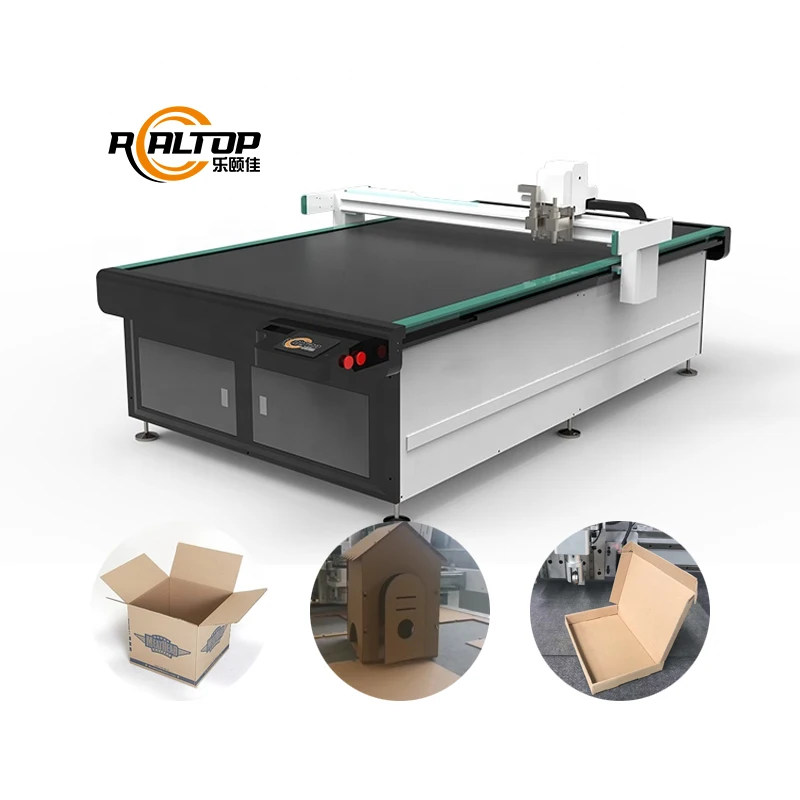
Precision tooling matched to material behavior — every RT-D2516 and RT-S2516 leaves our Jinan facility with a cutting test record on the buyer’s actual cardboard grade, not just a generic factory sample.
Technical Specifications
| Parameter | Value |
|---|---|
| Model | RT-D2516 / RT-S2516 |
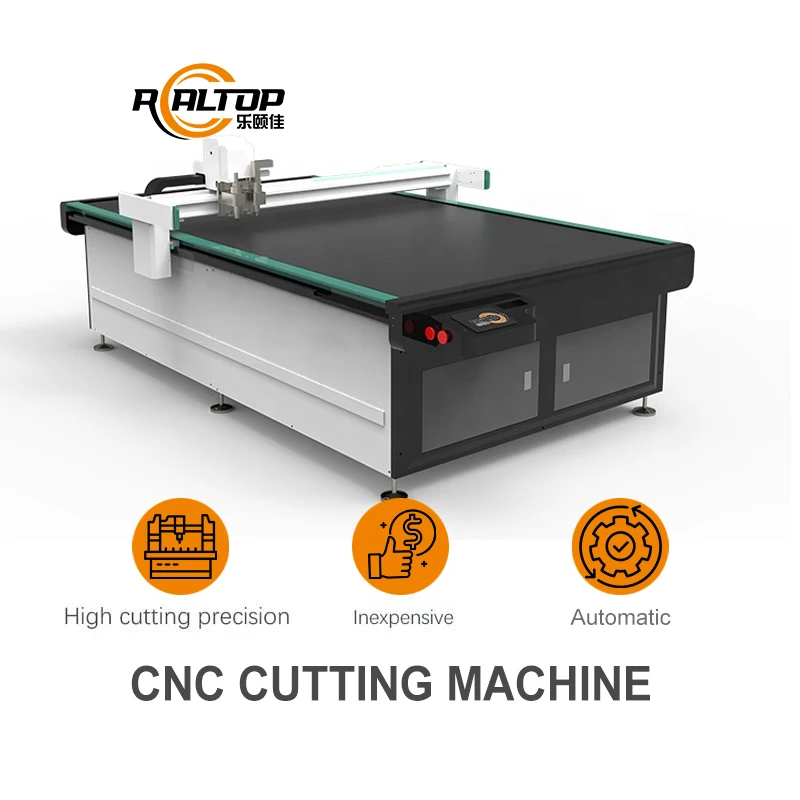
| Product Type | CNC Oscillating Knife Carton Cutting Machine |
| Working Area | 1600 × 2500 mm |
| Machine Size | 3450 × 2300 × 1250 mm |
| Rated Power | 9 kW |
| Voltage | 380V ±10% (frequency and alternative voltages configurable) |
| Vacuum Table | Aluminum alloy honeycomb flatbed, 7.5 kW pump |
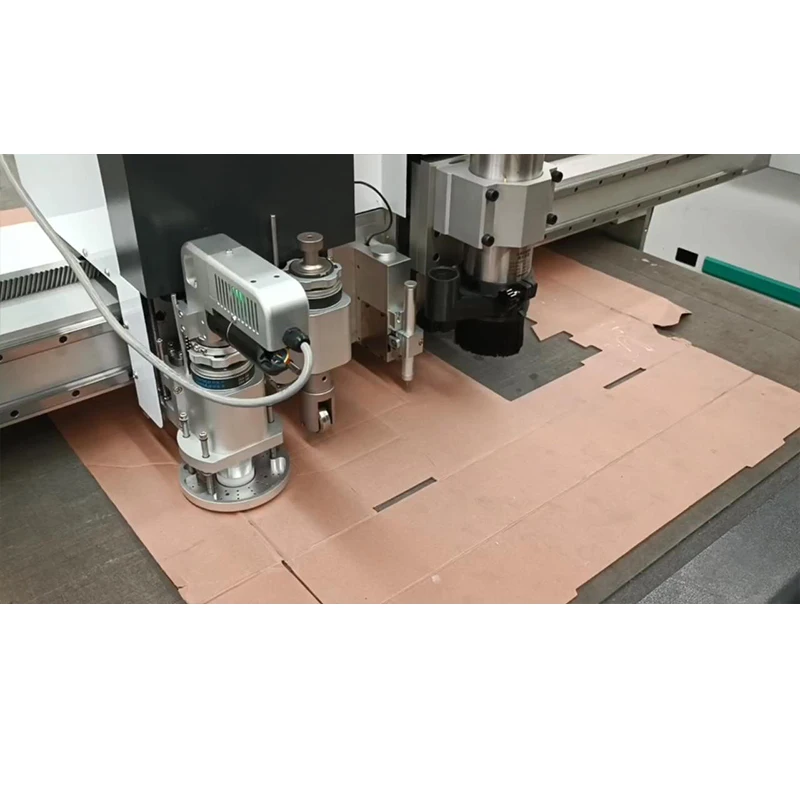
| Tool Head | Swiss imported knife — oscillating full cut, half cut, cursor location |
| Translational Velocity | 800–1200 mm/s |
| Cutting Speed | 200–800 mm/s (varies with material) |
| Cutting Thickness | Up to 100 mm (depends on material density and knife stroke) |
| Repeated Accuracy | ≤0.1 mm |
| Drive System | Delta digital servo motor, Hiwin linear guide, synchronous belt, ball screw |
| Frame | Welded thick square seamless steel, high-temperature stress relieved |
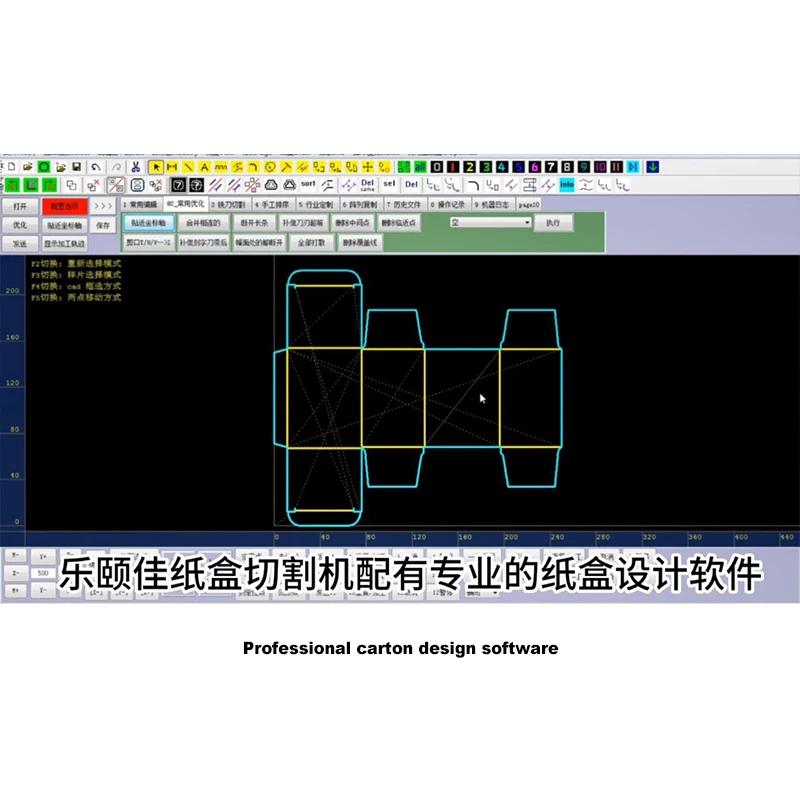
| Software | Professional carton nesting, HP-GL compatible, multi-language UI |
| Safety | Infrared sensors, emergency stop |
| Assembly State | Fully assembled before shipment |
Application Suitability
| Application | Material or Output |
|---|---|
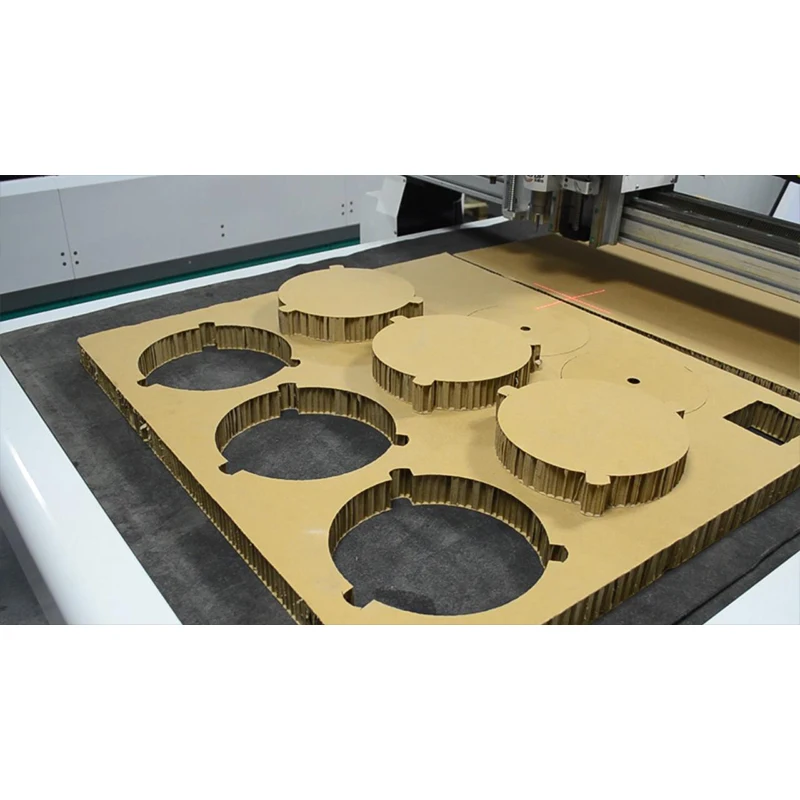
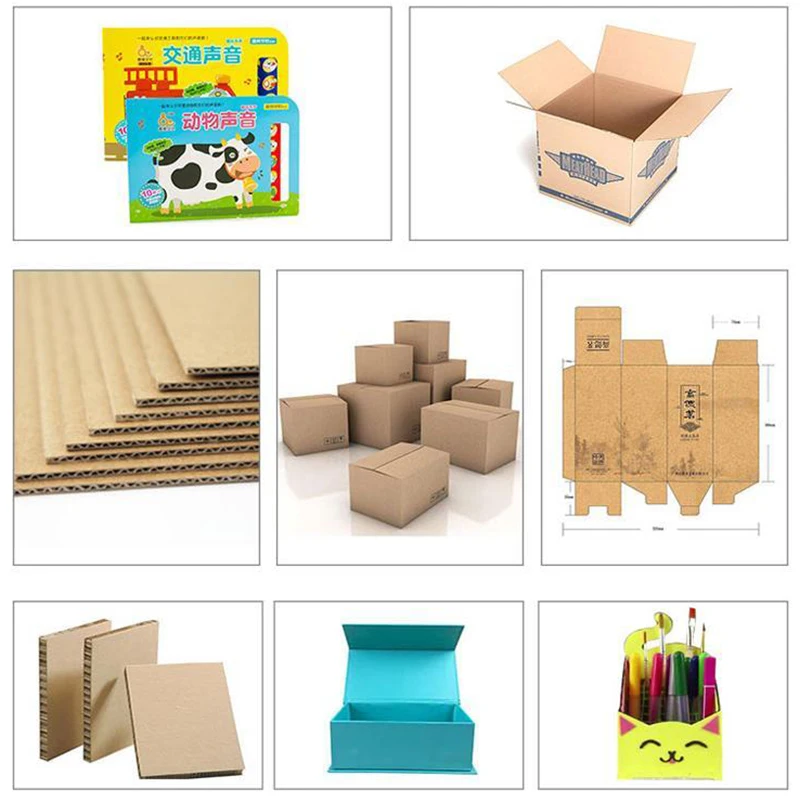
| Carton and packaging sample making | Corrugated cardboard, grey board, honeycomb paper board |
| Short-run box production | Single, double and triple-wall corrugated sheets |
| Sticker and label contour cutting | Self-adhesive vinyl, paper sticker stock |
| Signage and display board | PVC foam board, KT board, corrugated plastic |
| Leather and garment flexible cutting | Genuine leather, synthetic PU, textile composites |
| Gasket and sealing profiles | Rubber sheet, silicone, soft glass, PVC |
Why the Voltage Conversation Must Happen Before the Order Is Placed
A carton cutting machine wired for the wrong three-phase supply sits idle for weeks, not hours.
I learned this the hard way after a Frankfurt trade show when a German packaging plant received their flatbed cutter only to find the workshop ran 480V three-phase while the electrical cabinet had been built for 400V. The machine waited nearly three weeks for a transformer and rewired cabinet before it could power on. That delay is not unique to one brand; mismatched voltage and frequency are among the most common on-site commissioning failures reported by European importers [NEED_CITE: common causes of CNC machine commissioning delays in export markets]. A CNC oscillating knife carton cutting machine manufacturer that does not ask for your local supply standard before production is leaving your installation timeline to chance.
Matching Knife Stroke to Board Grade
Corrugated cardboard behaves differently from solid grey board under an oscillating blade. The Swiss-imported knife on this cutter runs a high-frequency vibration stroke that slices through fluted layers without crushing them, preserving the structural rigidity of the corrugation. For single-wall E-flute, a shorter stroke at higher travel speed keeps edges clean. For triple-wall or dense honeycomb paper board approaching the upper thickness limit, the stroke must lengthen and the feed rate must drop to prevent delamination. The multifunctional head also carries a creasing wheel and drag knife option, letting one setup handle score lines, kiss cuts and full through-cuts without a tool change. This flexibility is the reason packaging sample shops prefer CNC oscillating knife carton cutting machines over fixed-tool die systems when short runs and rapid design changes dominate their daily workflow.
Vacuum Hold-Down and Small-Part Behavior
The aluminum alloy honeycomb flatbed paired with a 7.5 kW vacuum pump is designed to keep lightweight card stock flat during high-speed traverses. When the cutting path releases a small label or business card from the surrounding sheet, that part can lift if the vacuum zone underneath it is too large to maintain localized suction [NEED_CITE: vacuum zoning strategies for CNC flatbed cutting of small format parts]. Zoning the table into independent sectors lets the operator activate only the area under the active sheet, concentrating suction where it matters. For sticker contour work where kiss-cut depth must leave the backing intact, steady hold-down is the difference between a sellable label sheet and a scrapped roll.
Reading the Numbers That Actually Matter on the Spec Sheet
Translational velocity of 800–1200 mm/s describes the speed at which the head moves between cuts, not through the material. The actual cutting speed of 200–800 mm/s is what determines cycle time, and it varies with board density and knife penetration depth. Repeated accuracy of ≤0.1 mm ensures that registration marks on pre-printed carton sheets align with the cut path across a full 1600 × 2500 mm bed, which matters when die-lines must match litho-laminated graphics. The Delta servo motors and Hiwin linear guides provide the positional discipline that keeps cumulative error within that tolerance over long production runs. Frame construction from welded thick square seamless steel, stress-relieved at high temperature, prevents the gradual twist that cheaper box-section frames develop after months of vibration, keeping the linear guide rails parallel and the vacuum table surface level.
The Hidden Cost of Skipping a Material Test Run
Specifying a machine on working area alone is the most frequent mistake in flatbed cutter procurement. A buyer may confirm 1600 × 2500 mm as sufficient, then discover that the 9 kW rated power and default knife configuration struggle with the dense double-wall corrugated sheets they run daily. Ragged edges, crushed flutes and incomplete through-cuts follow, and the root cause is a tool head and feed-rate mismatch that a pre-shipment sample cut would have exposed [NEED_CITE: flatbed cutting edge quality issues caused by incorrect tool head selection]. Requesting a cut test on your own material grade, thickness and print layout before the order is finalized removes this risk entirely and gives you a documented baseline for acceptance.
What Differentiates This Equipment Source
In-house design covers both knife and laser cutting processes, so a buyer evaluating carton work can compare methods honestly instead of being steered toward whichever machine the factory prefers to move. Tool head and table configurations are specified per material and daily volume rather than quoted from a fixed list. Software file format compatibility is confirmed against your existing nesting workflow before the order is signed. Voltage, plug type and control panel language are validated against the destination workshop’s electrical standard and operator preference. Every machine ships with a sample cutting report produced on the buyer’s own substrate, creating a documented quality baseline that carries through to installation day.
Documentation & Verification
- Machine specification sheet confirming working area, tool head options and voltage for your market
- Electrical schematic and voltage confirmation matched to your local three-phase supply standard
- Sample cutting report on your exact cardboard grade and thickness before dispatch
- Software licence key with file format compatibility note covering HP-GL and your nesting files
- Tool head and vacuum table configuration list detailing installed knife type and zone layout
- Factory test record documenting positional accuracy and cutting speed on your reference material
Installation, Commissioning & Support
- Fully assembled 3450 × 2300 × 1250 mm frame requires level concrete floor with anchor provisions
- 9 kW total load plus 7.5 kW vacuum pump demands dedicated three-phase circuit at confirmed voltage
- First power-on includes servo tuning, vacuum zone mapping and knife stroke calibration for your material
- Operator training covers nesting software, multi-language interface and tool head changeover routines
- Spare parts list identifies Swiss knife blades, vacuum seals and Hiwin guide blocks for local stocking
Moving From Enquiry to Machine on Your Floor
Send your most frequently cut material type, sheet dimensions, board thickness and typical daily volume. Include your workshop voltage and frequency standard, preferred control language and any existing nesting software files you need imported. If you run pre-printed stock, specify the registration mark style so that cursor location accuracy can be verified before shipment.
Frequently Asked Questions
Q: How do I decide between a knife cutter and a laser for cardboard packaging work?
A: Knife cutting preserves the structural integrity of corrugated flutes and avoids the burnt edges that CO2 lasers leave on cellulose-based board. Laser is preferred when you need sealed edges on synthetic overlays or intricate engraving. Share your material list so both methods can be compared against your actual substrates rather than generic recommendations.
Q: What working area and tool head setup fits my carton sample workflow?
A: The 1600 × 2500 mm bed accommodates most packaging sheet formats. If your work includes creasing and kiss-cutting alongside full through-cuts, the multifunctional head with oscillating knife, drag knife and creasing wheel handles all three in one setup. Confirm your maximum sheet size and thickest board grade so the correct knife stroke and vacuum zone layout are specified.
Q: Which file formats does the nesting software accept?
A: The included professional carton nesting software is HP-GL compatible and supports common vector formats used in packaging design. Language customization is available for the control interface. Before the order is finalized, we confirm compatibility with your existing design files and nesting workflow to avoid import issues at commissioning.
Q: What voltage and language options are available before shipment?
A: The standard configuration is 380V ±10%, but voltage and frequency are configurable to match your local supply. Control panel language options include English, Russian, Italian and Chinese, with special languages available on request. Electrical schematics and voltage confirmation documents are provided before dispatch so your electrician can prepare the workshop circuit in advance.
Precision tooling matched to material behavior — every RT-D2516 and RT-S2516 leaves our Jinan facility with a cutting test record on the buyer’s actual cardboard grade, not just a generic factory sample.
Technical Specifications
| Parameter | Value |
|---|---|
| Model | RT-D2516 / RT-S2516 |
| Product Type | CNC Oscillating Knife Carton Cutting Machine |
| Working Area | 1600 × 2500 mm |
| Machine Size | 3450 × 2300 × 1250 mm |
| Rated Power | 9 kW |
| Voltage | 380V ±10% (frequency and alternative voltages configurable) |
| Vacuum Table | Aluminum alloy honeycomb flatbed, 7.5 kW pump |
| Tool Head | Swiss imported knife — oscillating full cut, half cut, cursor location |
| Translational Velocity | 800–1200 mm/s |
| Cutting Speed | 200–800 mm/s (varies with material) |
| Cutting Thickness | Up to 100 mm (depends on material density and knife stroke) |
| Repeated Accuracy | ≤0.1 mm |
| Drive System | Delta digital servo motor, Hiwin linear guide, synchronous belt, ball screw |
| Frame | Welded thick square seamless steel, high-temperature stress relieved |
| Software | Professional carton nesting, HP-GL compatible, multi-language UI |
| Safety | Infrared sensors, emergency stop |
| Assembly State | Fully assembled before shipment |
Application Suitability
| Application | Material or Output |
|---|---|
| Carton and packaging sample making | Corrugated cardboard, grey board, honeycomb paper board |
| Short-run box production | Single, double and triple-wall corrugated sheets |
| Sticker and label contour cutting | Self-adhesive vinyl, paper sticker stock |
| Signage and display board | PVC foam board, KT board, corrugated plastic |
| Leather and garment flexible cutting | Genuine leather, synthetic PU, textile composites |
| Gasket and sealing profiles | Rubber sheet, silicone, soft glass, PVC |
Why the Voltage Conversation Must Happen Before the Order Is Placed
A carton cutting machine wired for the wrong three-phase supply sits idle for weeks, not hours.
I learned this the hard way after a Frankfurt trade show when a German packaging plant received their flatbed cutter only to find the workshop ran 480V three-phase while the electrical cabinet had been built for 400V. The machine waited nearly three weeks for a transformer and rewired cabinet before it could power on. That delay is not unique to one brand; mismatched voltage and frequency are among the most common on-site commissioning failures reported by European importers [NEED_CITE: common causes of CNC machine commissioning delays in export markets]. A CNC oscillating knife carton cutting machine manufacturer that does not ask for your local supply standard before production is leaving your installation timeline to chance.
Matching Knife Stroke to Board Grade
Corrugated cardboard behaves differently from solid grey board under an oscillating blade. The Swiss-imported knife on this cutter runs a high-frequency vibration stroke that slices through fluted layers without crushing them, preserving the structural rigidity of the corrugation. For single-wall E-flute, a shorter stroke at higher travel speed keeps edges clean. For triple-wall or dense honeycomb paper board approaching the upper thickness limit, the stroke must lengthen and the feed rate must drop to prevent delamination. The multifunctional head also carries a creasing wheel and drag knife option, letting one setup handle score lines, kiss cuts and full through-cuts without a tool change. This flexibility is the reason packaging sample shops prefer CNC oscillating knife carton cutting machines over fixed-tool die systems when short runs and rapid design changes dominate their daily workflow.
Vacuum Hold-Down and Small-Part Behavior
The aluminum alloy honeycomb flatbed paired with a 7.5 kW vacuum pump is designed to keep lightweight card stock flat during high-speed traverses. When the cutting path releases a small label or business card from the surrounding sheet, that part can lift if the vacuum zone underneath it is too large to maintain localized suction [NEED_CITE: vacuum zoning strategies for CNC flatbed cutting of small format parts]. Zoning the table into independent sectors lets the operator activate only the area under the active sheet, concentrating suction where it matters. For sticker contour work where kiss-cut depth must leave the backing intact, steady hold-down is the difference between a sellable label sheet and a scrapped roll.
Reading the Numbers That Actually Matter on the Spec Sheet
Translational velocity of 800–1200 mm/s describes the speed at which the head moves between cuts, not through the material. The actual cutting speed of 200–800 mm/s is what determines cycle time, and it varies with board density and knife penetration depth. Repeated accuracy of ≤0.1 mm ensures that registration marks on pre-printed carton sheets align with the cut path across a full 1600 × 2500 mm bed, which matters when die-lines must match litho-laminated graphics. The Delta servo motors and Hiwin linear guides provide the positional discipline that keeps cumulative error within that tolerance over long production runs. Frame construction from welded thick square seamless steel, stress-relieved at high temperature, prevents the gradual twist that cheaper box-section frames develop after months of vibration, keeping the linear guide rails parallel and the vacuum table surface level.
The Hidden Cost of Skipping a Material Test Run
Specifying a machine on working area alone is the most frequent mistake in flatbed cutter procurement. A buyer may confirm 1600 × 2500 mm as sufficient, then discover that the 9 kW rated power and default knife configuration struggle with the dense double-wall corrugated sheets they run daily. Ragged edges, crushed flutes and incomplete through-cuts follow, and the root cause is a tool head and feed-rate mismatch that a pre-shipment sample cut would have exposed [NEED_CITE: flatbed cutting edge quality issues caused by incorrect tool head selection]. Requesting a cut test on your own material grade, thickness and print layout before the order is finalized removes this risk entirely and gives you a documented baseline for acceptance.
What Differentiates This Equipment Source
In-house design covers both knife and laser cutting processes, so a buyer evaluating carton work can compare methods honestly instead of being steered toward whichever machine the factory prefers to move. Tool head and table configurations are specified per material and daily volume rather than quoted from a fixed list. Software file format compatibility is confirmed against your existing nesting workflow before the order is signed. Voltage, plug type and control panel language are validated against the destination workshop’s electrical standard and operator preference. Every machine ships with a sample cutting report produced on the buyer’s own substrate, creating a documented quality baseline that carries through to installation day.
Documentation & Verification
- Machine specification sheet confirming working area, tool head options and voltage for your market
- Electrical schematic and voltage confirmation matched to your local three-phase supply standard
- Sample cutting report on your exact cardboard grade and thickness before dispatch
- Software licence key with file format compatibility note covering HP-GL and your nesting files
- Tool head and vacuum table configuration list detailing installed knife type and zone layout
- Factory test record documenting positional accuracy and cutting speed on your reference material
Installation, Commissioning & Support
- Fully assembled 3450 × 2300 × 1250 mm frame requires level concrete floor with anchor provisions
- 9 kW total load plus 7.5 kW vacuum pump demands dedicated three-phase circuit at confirmed voltage
- First power-on includes servo tuning, vacuum zone mapping and knife stroke calibration for your material
- Operator training covers nesting software, multi-language interface and tool head changeover routines
- Spare parts list identifies Swiss knife blades, vacuum seals and Hiwin guide blocks for local stocking
Moving From Enquiry to Machine on Your Floor
Send your most frequently cut material type, sheet dimensions, board thickness and typical daily volume. Include your workshop voltage and frequency standard, preferred control language and any existing nesting software files you need imported. If you run pre-printed stock, specify the registration mark style so that cursor location accuracy can be verified before shipment.
Frequently Asked Questions
Q: How do I decide between a knife cutter and a laser for cardboard packaging work?
A: Knife cutting preserves the structural integrity of corrugated flutes and avoids the burnt edges that CO2 lasers leave on cellulose-based board. Laser is preferred when you need sealed edges on synthetic overlays or intricate engraving. Share your material list so both methods can be compared against your actual substrates rather than generic recommendations.
Q: What working area and tool head setup fits my carton sample workflow?
A: The 1600 × 2500 mm bed accommodates most packaging sheet formats. If your work includes creasing and kiss-cutting alongside full through-cuts, the multifunctional head with oscillating knife, drag knife and creasing wheel handles all three in one setup. Confirm your maximum sheet size and thickest board grade so the correct knife stroke and vacuum zone layout are specified.
Q: Which file formats does the nesting software accept?
A: The included professional carton nesting software is HP-GL compatible and supports common vector formats used in packaging design. Language customization is available for the control interface. Before the order is finalized, we confirm compatibility with your existing design files and nesting workflow to avoid import issues at commissioning.
Q: What voltage and language options are available before shipment?
A: The standard configuration is 380V ±10%, but voltage and frequency are configurable to match your local supply. Control panel language options include English, Russian, Italian and Chinese, with special languages available on request. Electrical schematics and voltage confirmation documents are provided before dispatch so your electrician can prepare the workshop circuit in advance.










商品评价
There are no reviews yet.