

Fast Delivery
Quick, reliable shipping to any location.

Free & easy returns
Return this item by mail or in store within 90 days for a full refund.
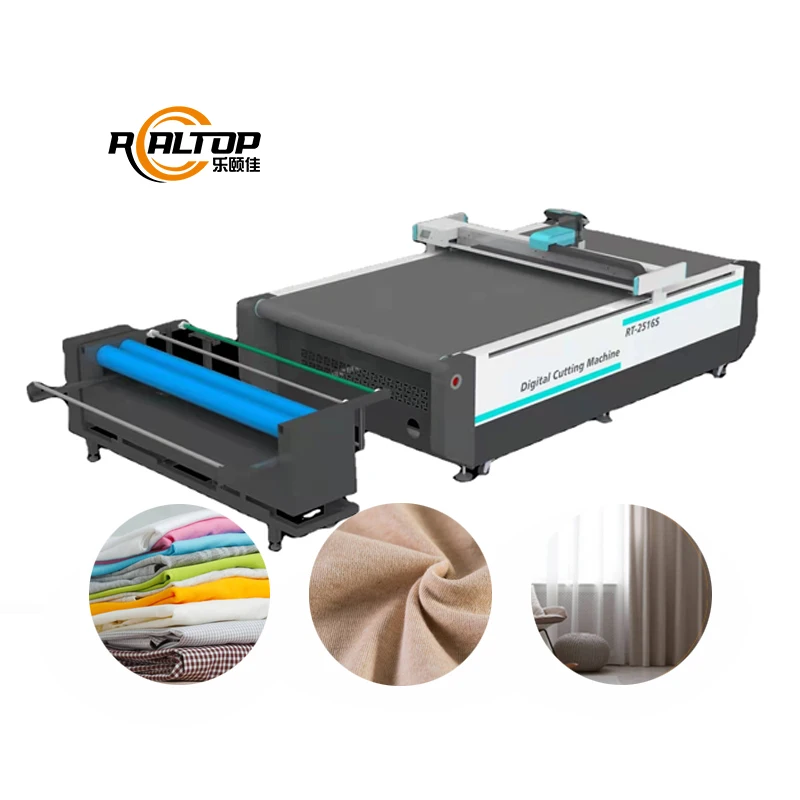
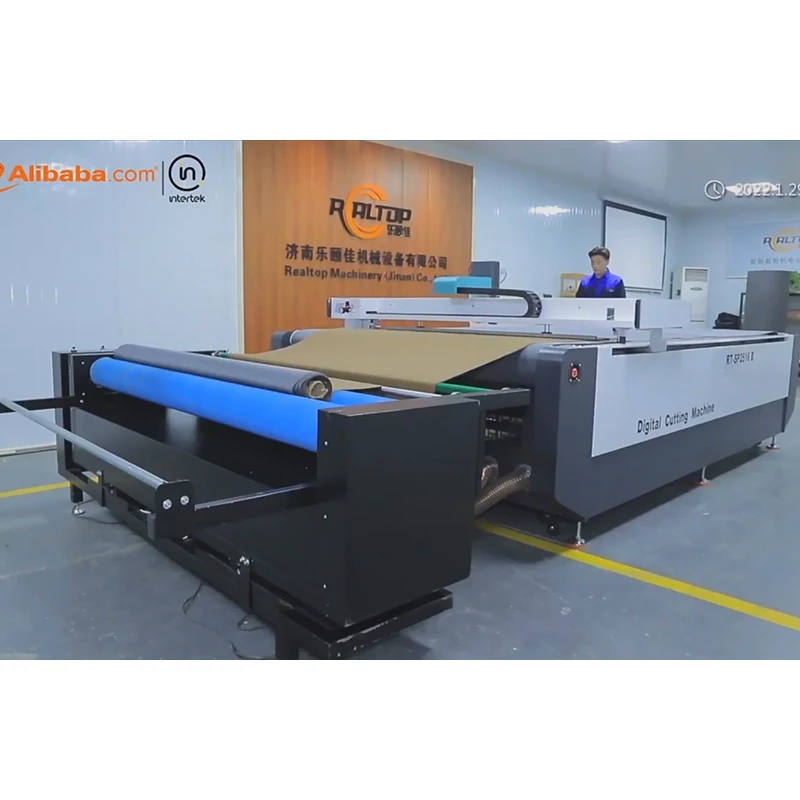
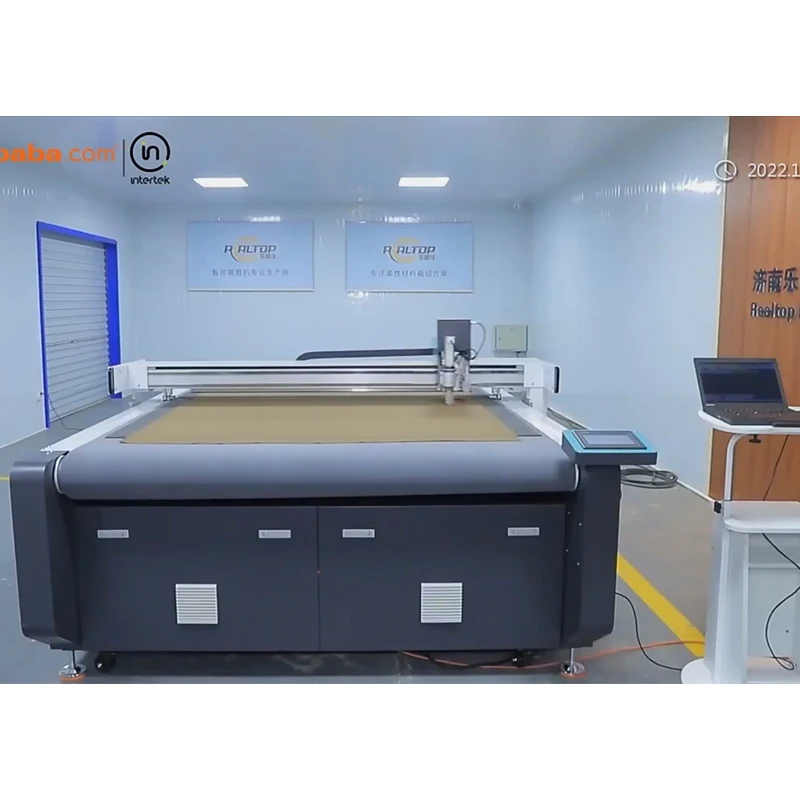
In-house cutting technology coverage — A single engineering team builds both knife and laser systems, so the RT-D2516/RT-S2516 configuration is matched to the buyer’s actual material rather than forced into a one-method-fits-all approach.
Technical Specifications
| Parameter | Value |
|---|---|
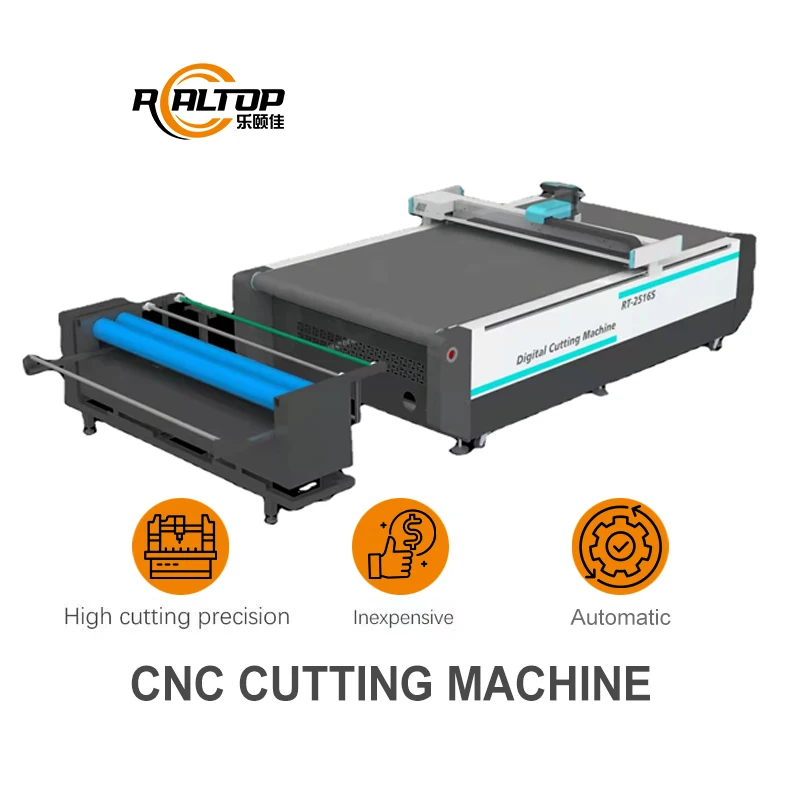
| Model | RT-D2516/RT-S2516 |
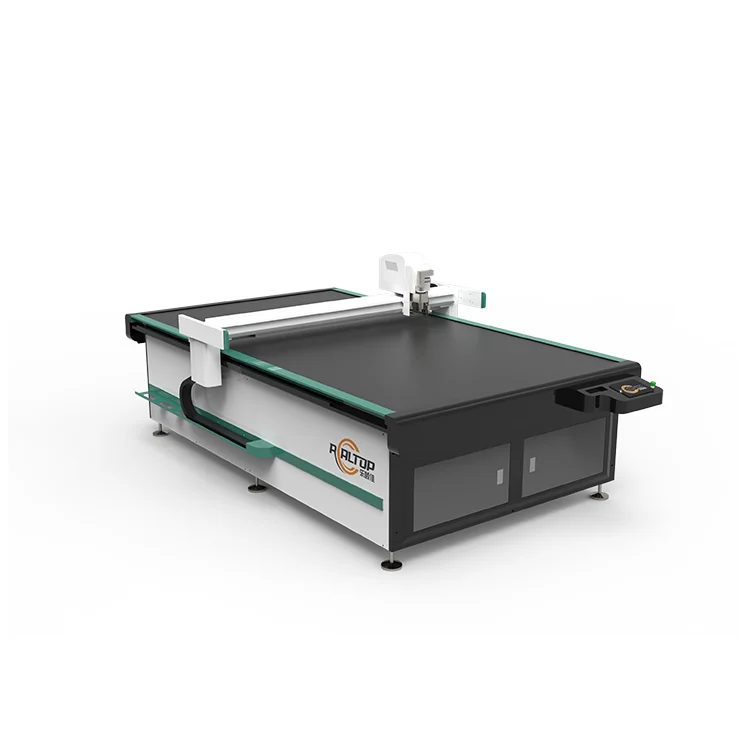
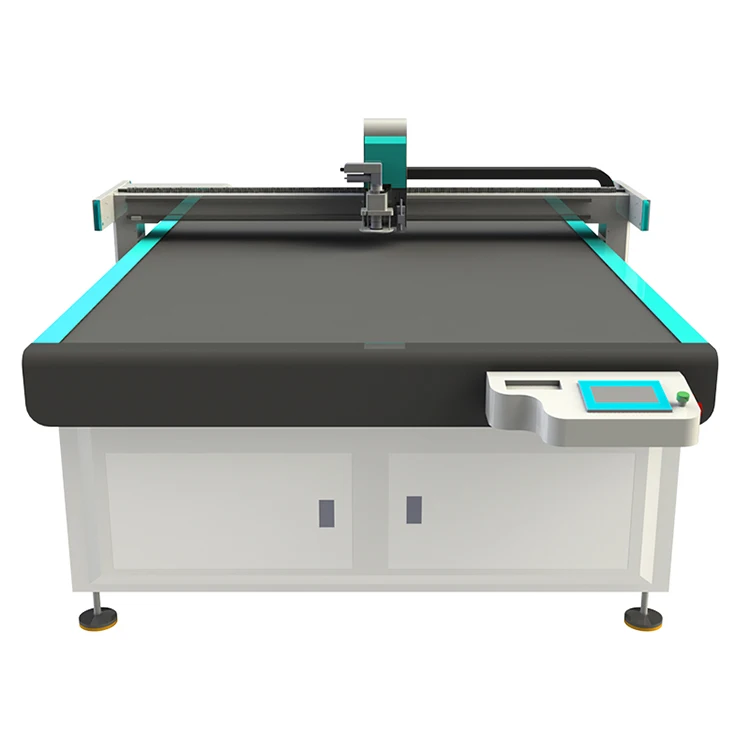
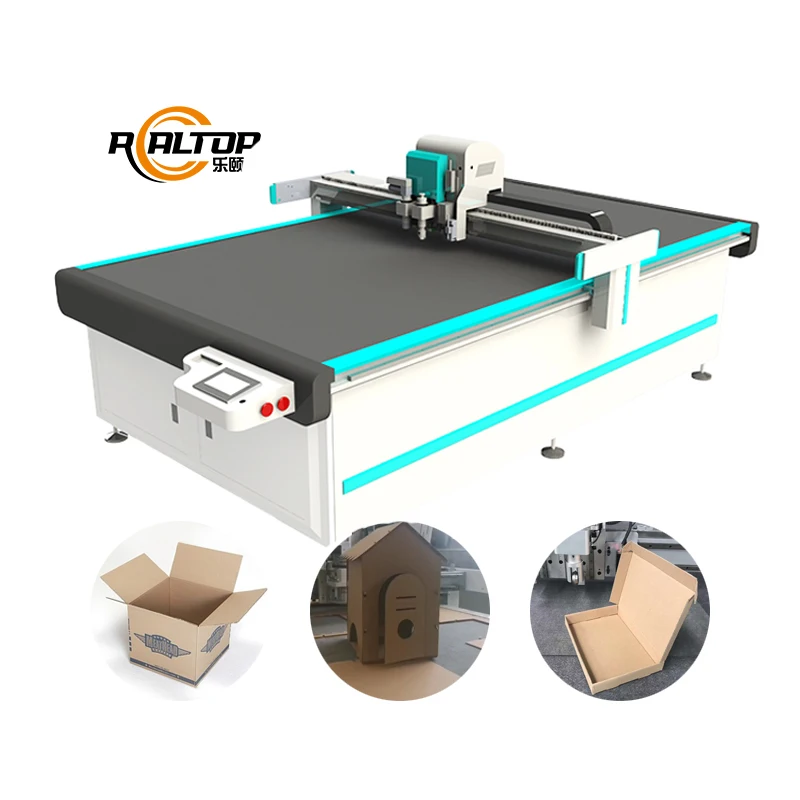
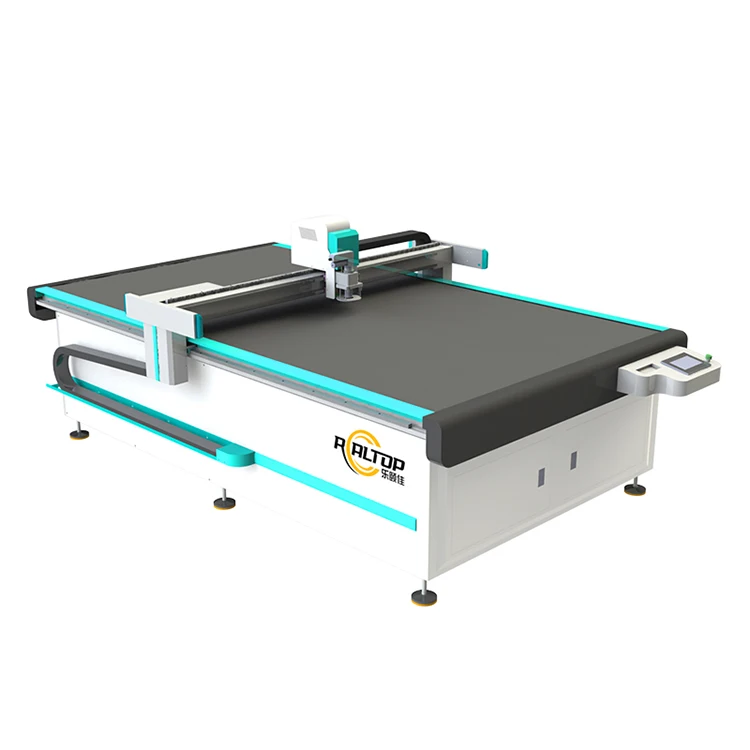
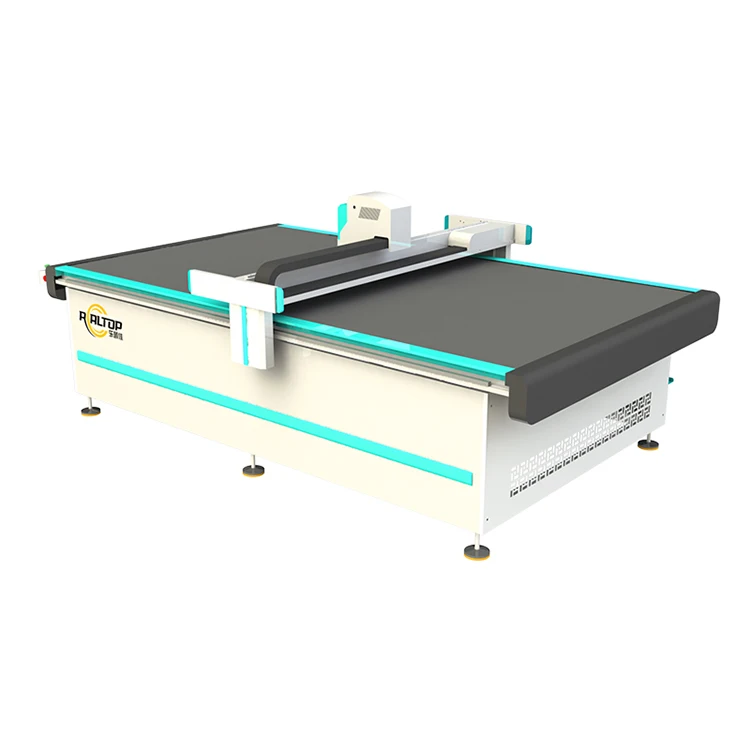
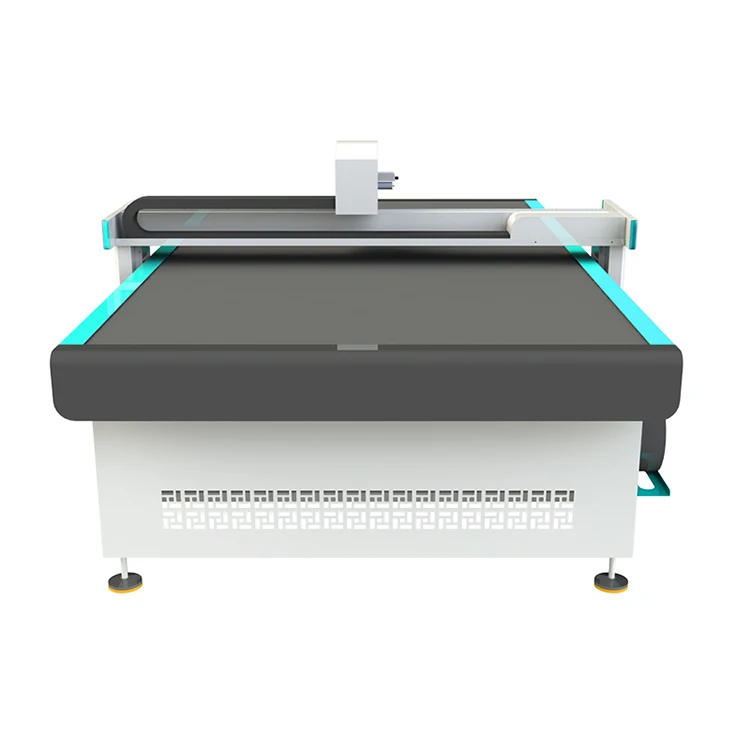
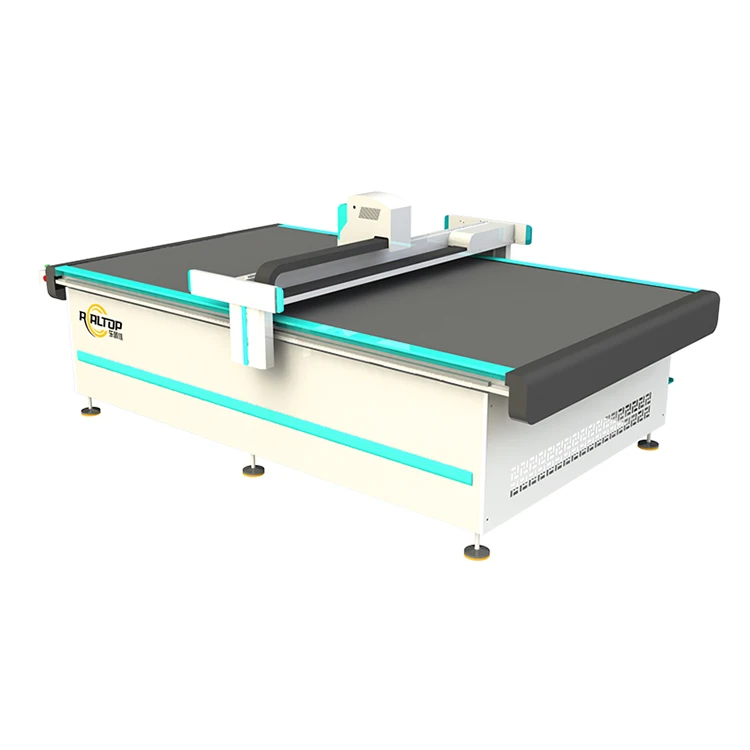
| Product Type | CNC Oscillating Knife Cutting Machine |
| Working Area | 1600×2500 mm |
| Overall Dimensions | 3450×2300×1250 mm |
| Rated Power | 9 kW |
| Cutting Thickness | 20–80 mm depending on material (basis to be confirmed) |
| Repeated Accuracy | ≤0.1 mm |
| Translational Velocity | 800–1200 mm/s |
| Table Construction | Magnesium-aluminum alloy vacuum table with PVDF powder coating and anodic oxidation |
| Vacuum Pump | 7.5 kW, integrated aviation aluminum housing with built-in silencer sponge |
| Servo Motor | Delta (Panasonic optional) |
| Linear Guide | Taiwan Hiwin rail |
| Conveyor Belt | Germany-sourced belt |
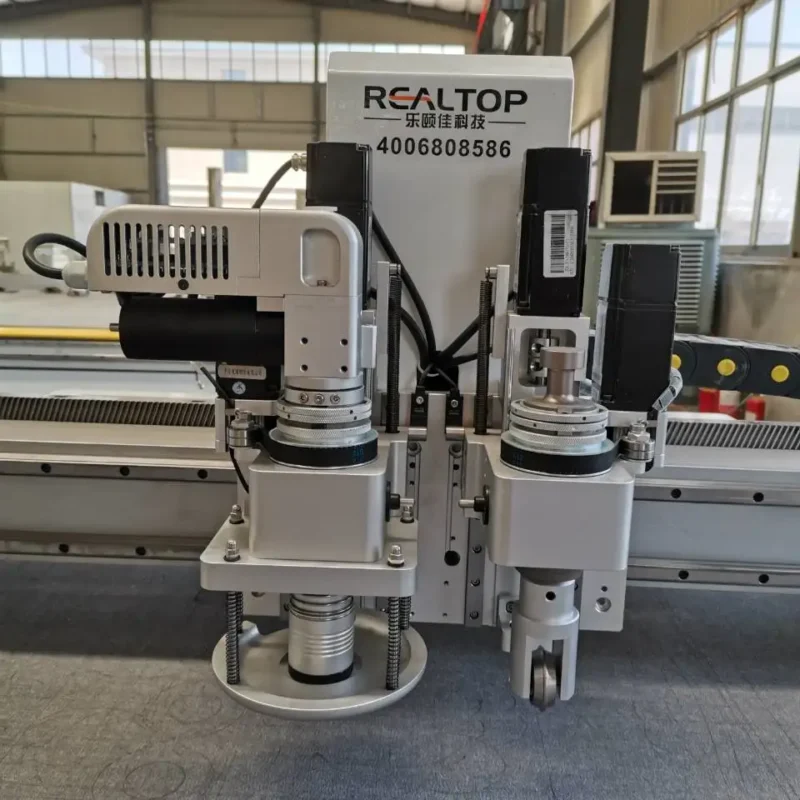
| Multifunctional Tool Head | Swiss imported blade with options for oscillating knife, pneumatic knife, high-power vibrating knife, circular knife, V-cutting knife, drag knife, creasing wheel, dotted line knife, punching, and brush |
| Visual Positioning | Small CCD camera mark point positioning, panoramic camera recognition, projection positioning |
| Safety Devices | Infrared sensors, anti-collision system, emergency stop |
| Instruction Format | HP-GL compatible |
| Voltage | 380V ±10% |
| Language Options | English, Russian, Italian, Chinese (special languages customizable) |
| Cutting Method | Physical blade cutting — no laser, no burnt edge, no airborne particulates |
| Certification | CE (referenced in company documentation; confirm inclusion for this model) |
Application Suitability
| Application | Material or Output |
|---|---|
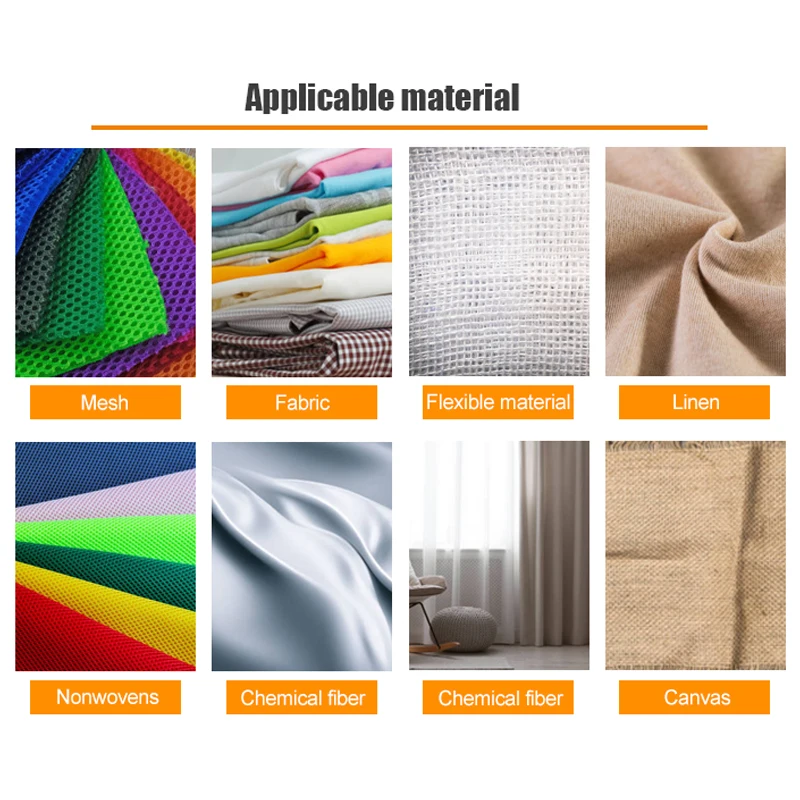
| Garment and footwear production | Multi-layer cotton, polyester, denim, shoe upper leather, synthetic lining |
| Automotive interior and gasket fabrication | Foam board, PU, EVA, XPE, EPDM rubber, composite sealing sheets |
| Packaging and carton sample making | Corrugated cardboard, plastic box sheet, sticker film, folding carton stock |
| Soft furnishing and upholstery | Carpet, non-woven fabric, sponge, PU foam, textile for sofa and curtain |
| Signage and graphic finishing | PVC board, vinyl, self-adhesive film, banner material |
| Composite and industrial material processing | Fiberglass, PTFE, ETFE, PP, PE, rubber gasket sheet |
What "Working Area 1600×2500" Leaves Out About Actual Cutting Depth
A flatbed size tells you nothing about whether the knife can penetrate your specific material stack at production speed.
Buyers often shortlist a CNC oscillating knife cutting machine based purely on table dimensions, then discover on the factory floor that the machine stalls on dense foam or leaves ragged edges on multi-layer composite layups. The 20–80 mm cutting thickness range listed for the RT-D2516/RT-S2516 shifts depending on whether you are slicing soft textile or dense rubber gasket stock, and the tool head selection determines whether the edge finish is acceptable or requires secondary trimming. [NEED_CITE: material density and knife penetration relationship in oscillating cutting]
Matching the Tool Head to the Material, Not the Brochure
The RT-D2516/RT-S2516 supports over ten interchangeable tool head options — oscillating knife, drag knife, creasing wheel, pneumatic knife, circular knife, V-cutting knife, punching tool, and more. A garment producer cutting multi-layer woven fabric needs an oscillating knife for clean vertical edges, while a packaging sample maker processing corrugated board requires a creasing wheel paired with a drag knife for fold lines. Selecting the wrong head produces crushed foam cores, frayed textile edges, or incomplete kiss-cuts on sticker film, all of which surface after the machine is installed and running live orders.
CCD and Panoramic Vision for Printed Contour Work
The visual positioning system on this CNC oscillating knife cutting machine manufacturer offering includes small CCD camera mark point positioning, panoramic camera recognition, and projection positioning. Printed fabric and pre-printed sticker sheets require the cutter to locate registration marks and adjust the cutting path in real time. Panoramic recognition suits larger printed sheets where mark points are spread across the full working area, while CCD mark point tracking works for repeating patterns. [NEED_CITE: CCD camera mark tracking accuracy on printed flexible materials]
Why Delta Servos and Hiwin Rails Matter at 1200 mm/s
The transmission system pairs a Delta digital servo motor (Panasonic optional) with Taiwan Hiwin linear guides and a synchronous belt and ball screw arrangement. At a translational velocity of 800–1200 mm/s, the repeated accuracy must hold at ≤0.1 mm — especially when cutting nested pattern pieces where a positional drift wastes expensive hide or technical textile. The servo brand and guide rail origin are verifiable components that a buyer can cross-reference with local maintenance suppliers, which matters when the machine is operating far from the Jinan factory.
The Cost of Skipping Material-Specific Configuration
A buyer who orders the RT-D2516/RT-S2516 on working area and price alone often encounters problems weeks after installation. A vacuum table without adequate zoning lets small parts lift during cutting, ruining the edge and forcing a re-cut. A tool head specified for thin vinyl cannot handle 30 mm EVA foam without deflection, producing a tapered edge that fails dimensional tolerances. [NEED_CITE: vacuum hold-down zoning for small part flatness in digital cutting] Software that does not import the buyer’s existing nesting files creates a workflow bottleneck that no amount of machine speed can compensate for. These are configuration mismatches, not machine defects, and they are entirely avoidable with a pre-order sample cutting test on the buyer’s own material.
Why Source This Machine Through the Full Catalogue Channel
The lyjcut.com platform covers the complete cutting equipment range, allowing buyers comparing knife versus laser methods to evaluate both from a single technical reference point. In-house design across both knife and laser platforms means the RT-D2516/RT-S2516 is recommended only when blade cutting genuinely suits the buyer’s material — not because it is the only option available. Tool head and table configurations are specified per material and production volume, backed by a sample cutting report on the buyer’s own stock before commitment. Voltage, control language, and plug type are confirmed before shipment, avoiding the costly on-site rewiring that [NEED_CITE: industrial voltage mismatch incidents on imported CNC equipment] frequently causes. Software compatibility with the buyer’s existing HP-GL or nesting workflow is verified at the quotation stage.
Documentation & Verification
- Machine specification sheet confirming tool head and table configuration for your material type
- Electrical schematic with voltage and frequency matched to your facility supply
- Sample cutting report on your actual material showing edge quality and dimensional accuracy
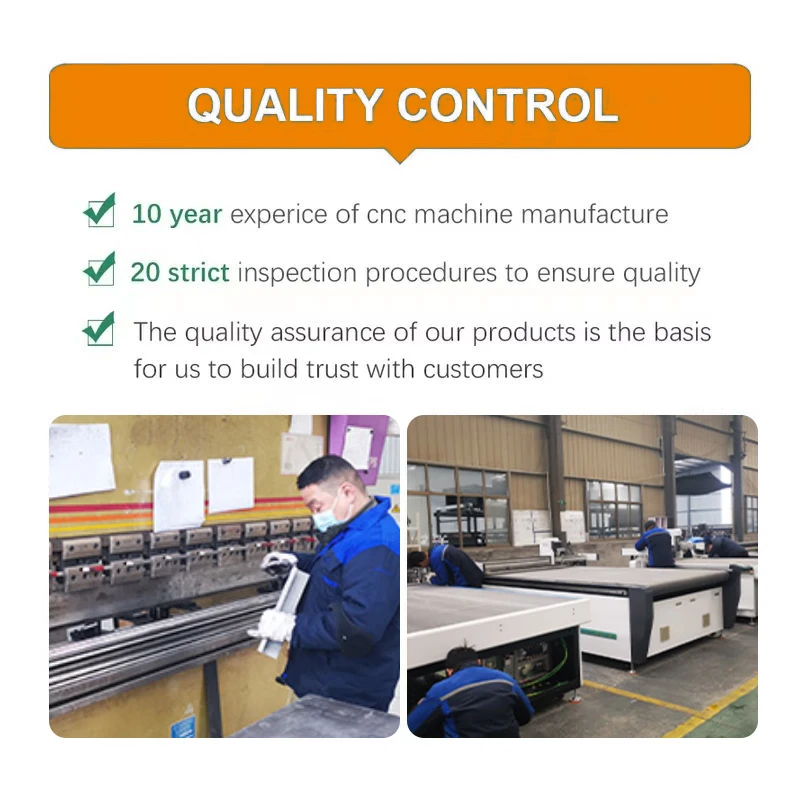
- Factory test record documenting repeated positioning accuracy before dispatch
- Software licence and file format compatibility note covering HP-GL and nesting import
- Spare parts list with wear items identified for your selected tool head configuration
Installation, Commissioning & Support
- Overall footprint of 3450×2300 mm requires clear floor space with perimeter access for maintenance
- 9 kW rated power demands a dedicated 380V ±10% three-phase circuit with appropriate breaker sizing
- Machine ships as a single assembly; vacuum pump is integrated and does not require separate mounting
- First-run commissioning includes tool head calibration for your specified material thickness range
- Operator training covers tool head changeover, CCD mark registration, and nesting file import
- Wear parts inventory should include replacement blades and vacuum table seals for your cutting volume
Preparing a Productive Inquiry
A focused specification request moves faster than a general enquiry. Share your material type, maximum thickness, sheet or roll dimensions, and typical daily cutting volume so the tool head and vacuum table zoning can be matched before quotation. Confirm your facility voltage, frequency, and preferred control language to avoid post-shipment electrical rework. If you already use a nesting software platform, provide a sample file so format compatibility is tested in advance.
Frequently Asked Questions
Q: Should I choose an oscillating knife or a laser for my material?
A: Blade cutting on the RT-D2516/RT-S2516 suits textiles, foams, gaskets, and composites where a clean physical edge is required without thermal sealing or burnt margins. Laser cutting is preferable for acrylic or applications requiring sealed edges on synthetics. The full catalogue platform allows direct comparison of both methods against your specific material and edge quality requirement before committing.
Q: How do I select the correct tool head for my material stack?
A: The multifunctional head accepts oscillating knife, drag knife, creasing wheel, pneumatic knife, and other options. Selection depends on material type, thickness, and required edge finish. A sample cutting test on your actual material at the factory determines the correct head and blade specification before the machine is built, eliminating guesswork at installation.
Q: Will the CCD system track my printed marks accurately at speed?
A: The system offers small CCD mark point positioning, panoramic camera recognition, and projection positioning. Tracking accuracy depends on mark size, contrast, and print quality on your material. Providing a printed sample allows the vision system to be calibrated and tested against your actual production stock before shipment.
Q: Does the vacuum table hold small parts flat during cutting?
A: The magnesium-aluminum alloy table provides vacuum adsorption across its 1600×2500 mm surface. Adequate hold-down for small parts depends on table zoning configuration and vacuum pump capacity. The 7.5 kW integrated pump with zoned suction is configured based on the typical part size in your nesting layout, confirmed during the pre-order sample test.
In-house cutting technology coverage — A single engineering team builds both knife and laser systems, so the RT-D2516/RT-S2516 configuration is matched to the buyer’s actual material rather than forced into a one-method-fits-all approach.
Technical Specifications
| Parameter | Value |
|---|---|
| Model | RT-D2516/RT-S2516 |
| Product Type | CNC Oscillating Knife Cutting Machine |
| Working Area | 1600×2500 mm |
| Overall Dimensions | 3450×2300×1250 mm |
| Rated Power | 9 kW |
| Cutting Thickness | 20–80 mm depending on material (basis to be confirmed) |
| Repeated Accuracy | ≤0.1 mm |
| Translational Velocity | 800–1200 mm/s |
| Table Construction | Magnesium-aluminum alloy vacuum table with PVDF powder coating and anodic oxidation |
| Vacuum Pump | 7.5 kW, integrated aviation aluminum housing with built-in silencer sponge |
| Servo Motor | Delta (Panasonic optional) |
| Linear Guide | Taiwan Hiwin rail |
| Conveyor Belt | Germany-sourced belt |
| Multifunctional Tool Head | Swiss imported blade with options for oscillating knife, pneumatic knife, high-power vibrating knife, circular knife, V-cutting knife, drag knife, creasing wheel, dotted line knife, punching, and brush |
| Visual Positioning | Small CCD camera mark point positioning, panoramic camera recognition, projection positioning |
| Safety Devices | Infrared sensors, anti-collision system, emergency stop |
| Instruction Format | HP-GL compatible |
| Voltage | 380V ±10% |
| Language Options | English, Russian, Italian, Chinese (special languages customizable) |
| Cutting Method | Physical blade cutting — no laser, no burnt edge, no airborne particulates |
| Certification | CE (referenced in company documentation; confirm inclusion for this model) |
Application Suitability
| Application | Material or Output |
|---|---|
| Garment and footwear production | Multi-layer cotton, polyester, denim, shoe upper leather, synthetic lining |
| Automotive interior and gasket fabrication | Foam board, PU, EVA, XPE, EPDM rubber, composite sealing sheets |
| Packaging and carton sample making | Corrugated cardboard, plastic box sheet, sticker film, folding carton stock |
| Soft furnishing and upholstery | Carpet, non-woven fabric, sponge, PU foam, textile for sofa and curtain |
| Signage and graphic finishing | PVC board, vinyl, self-adhesive film, banner material |
| Composite and industrial material processing | Fiberglass, PTFE, ETFE, PP, PE, rubber gasket sheet |
What "Working Area 1600×2500" Leaves Out About Actual Cutting Depth
A flatbed size tells you nothing about whether the knife can penetrate your specific material stack at production speed.
Buyers often shortlist a CNC oscillating knife cutting machine based purely on table dimensions, then discover on the factory floor that the machine stalls on dense foam or leaves ragged edges on multi-layer composite layups. The 20–80 mm cutting thickness range listed for the RT-D2516/RT-S2516 shifts depending on whether you are slicing soft textile or dense rubber gasket stock, and the tool head selection determines whether the edge finish is acceptable or requires secondary trimming. [NEED_CITE: material density and knife penetration relationship in oscillating cutting]
Matching the Tool Head to the Material, Not the Brochure
The RT-D2516/RT-S2516 supports over ten interchangeable tool head options — oscillating knife, drag knife, creasing wheel, pneumatic knife, circular knife, V-cutting knife, punching tool, and more. A garment producer cutting multi-layer woven fabric needs an oscillating knife for clean vertical edges, while a packaging sample maker processing corrugated board requires a creasing wheel paired with a drag knife for fold lines. Selecting the wrong head produces crushed foam cores, frayed textile edges, or incomplete kiss-cuts on sticker film, all of which surface after the machine is installed and running live orders.
CCD and Panoramic Vision for Printed Contour Work
The visual positioning system on this CNC oscillating knife cutting machine manufacturer offering includes small CCD camera mark point positioning, panoramic camera recognition, and projection positioning. Printed fabric and pre-printed sticker sheets require the cutter to locate registration marks and adjust the cutting path in real time. Panoramic recognition suits larger printed sheets where mark points are spread across the full working area, while CCD mark point tracking works for repeating patterns. [NEED_CITE: CCD camera mark tracking accuracy on printed flexible materials]
Why Delta Servos and Hiwin Rails Matter at 1200 mm/s
The transmission system pairs a Delta digital servo motor (Panasonic optional) with Taiwan Hiwin linear guides and a synchronous belt and ball screw arrangement. At a translational velocity of 800–1200 mm/s, the repeated accuracy must hold at ≤0.1 mm — especially when cutting nested pattern pieces where a positional drift wastes expensive hide or technical textile. The servo brand and guide rail origin are verifiable components that a buyer can cross-reference with local maintenance suppliers, which matters when the machine is operating far from the Jinan factory.
The Cost of Skipping Material-Specific Configuration
A buyer who orders the RT-D2516/RT-S2516 on working area and price alone often encounters problems weeks after installation. A vacuum table without adequate zoning lets small parts lift during cutting, ruining the edge and forcing a re-cut. A tool head specified for thin vinyl cannot handle 30 mm EVA foam without deflection, producing a tapered edge that fails dimensional tolerances. [NEED_CITE: vacuum hold-down zoning for small part flatness in digital cutting] Software that does not import the buyer’s existing nesting files creates a workflow bottleneck that no amount of machine speed can compensate for. These are configuration mismatches, not machine defects, and they are entirely avoidable with a pre-order sample cutting test on the buyer’s own material.
Why Source This Machine Through the Full Catalogue Channel
The lyjcut.com platform covers the complete cutting equipment range, allowing buyers comparing knife versus laser methods to evaluate both from a single technical reference point. In-house design across both knife and laser platforms means the RT-D2516/RT-S2516 is recommended only when blade cutting genuinely suits the buyer’s material — not because it is the only option available. Tool head and table configurations are specified per material and production volume, backed by a sample cutting report on the buyer’s own stock before commitment. Voltage, control language, and plug type are confirmed before shipment, avoiding the costly on-site rewiring that [NEED_CITE: industrial voltage mismatch incidents on imported CNC equipment] frequently causes. Software compatibility with the buyer’s existing HP-GL or nesting workflow is verified at the quotation stage.
Documentation & Verification
- Machine specification sheet confirming tool head and table configuration for your material type
- Electrical schematic with voltage and frequency matched to your facility supply
- Sample cutting report on your actual material showing edge quality and dimensional accuracy
- Factory test record documenting repeated positioning accuracy before dispatch
- Software licence and file format compatibility note covering HP-GL and nesting import
- Spare parts list with wear items identified for your selected tool head configuration
Installation, Commissioning & Support
- Overall footprint of 3450×2300 mm requires clear floor space with perimeter access for maintenance
- 9 kW rated power demands a dedicated 380V ±10% three-phase circuit with appropriate breaker sizing
- Machine ships as a single assembly; vacuum pump is integrated and does not require separate mounting
- First-run commissioning includes tool head calibration for your specified material thickness range
- Operator training covers tool head changeover, CCD mark registration, and nesting file import
- Wear parts inventory should include replacement blades and vacuum table seals for your cutting volume
Preparing a Productive Inquiry
A focused specification request moves faster than a general enquiry. Share your material type, maximum thickness, sheet or roll dimensions, and typical daily cutting volume so the tool head and vacuum table zoning can be matched before quotation. Confirm your facility voltage, frequency, and preferred control language to avoid post-shipment electrical rework. If you already use a nesting software platform, provide a sample file so format compatibility is tested in advance.
Frequently Asked Questions
Q: Should I choose an oscillating knife or a laser for my material?
A: Blade cutting on the RT-D2516/RT-S2516 suits textiles, foams, gaskets, and composites where a clean physical edge is required without thermal sealing or burnt margins. Laser cutting is preferable for acrylic or applications requiring sealed edges on synthetics. The full catalogue platform allows direct comparison of both methods against your specific material and edge quality requirement before committing.
Q: How do I select the correct tool head for my material stack?
A: The multifunctional head accepts oscillating knife, drag knife, creasing wheel, pneumatic knife, and other options. Selection depends on material type, thickness, and required edge finish. A sample cutting test on your actual material at the factory determines the correct head and blade specification before the machine is built, eliminating guesswork at installation.
Q: Will the CCD system track my printed marks accurately at speed?
A: The system offers small CCD mark point positioning, panoramic camera recognition, and projection positioning. Tracking accuracy depends on mark size, contrast, and print quality on your material. Providing a printed sample allows the vision system to be calibrated and tested against your actual production stock before shipment.
Q: Does the vacuum table hold small parts flat during cutting?
A: The magnesium-aluminum alloy table provides vacuum adsorption across its 1600×2500 mm surface. Adequate hold-down for small parts depends on table zoning configuration and vacuum pump capacity. The 7.5 kW integrated pump with zoned suction is configured based on the typical part size in your nesting layout, confirmed during the pre-order sample test.
商品评价
There are no reviews yet.