


Fast Delivery
Quick, reliable shipping to any location.

Free & easy returns
Return this item by mail or in store within 90 days for a full refund.
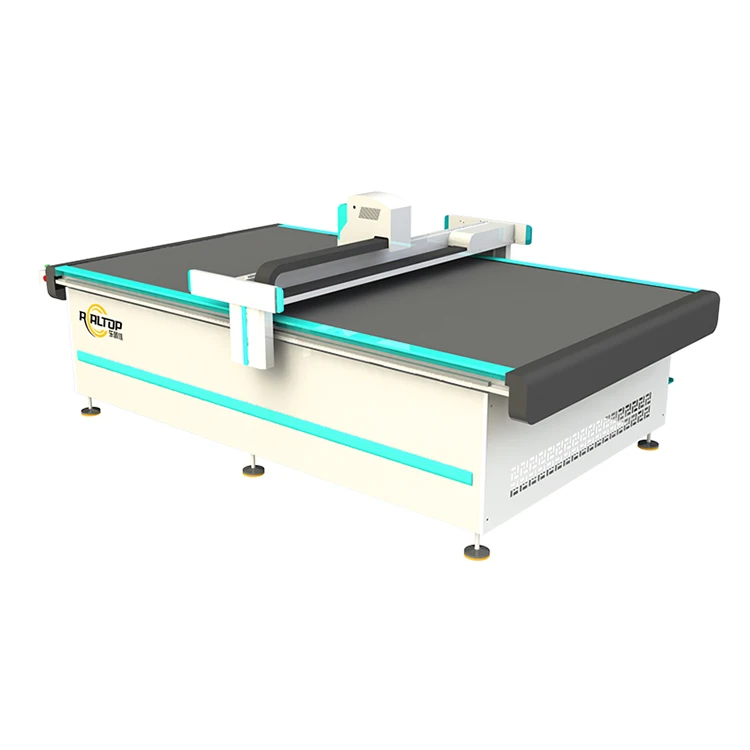
Voltage-First Configuration — Every RT-D2516/RT-S2516 unit ships with electrical schematics locked to your workshop’s confirmed supply before production begins.
Technical Specifications
| Parameter | Value |
|---|---|
| Model | RT-D2516/RT-S2516 |
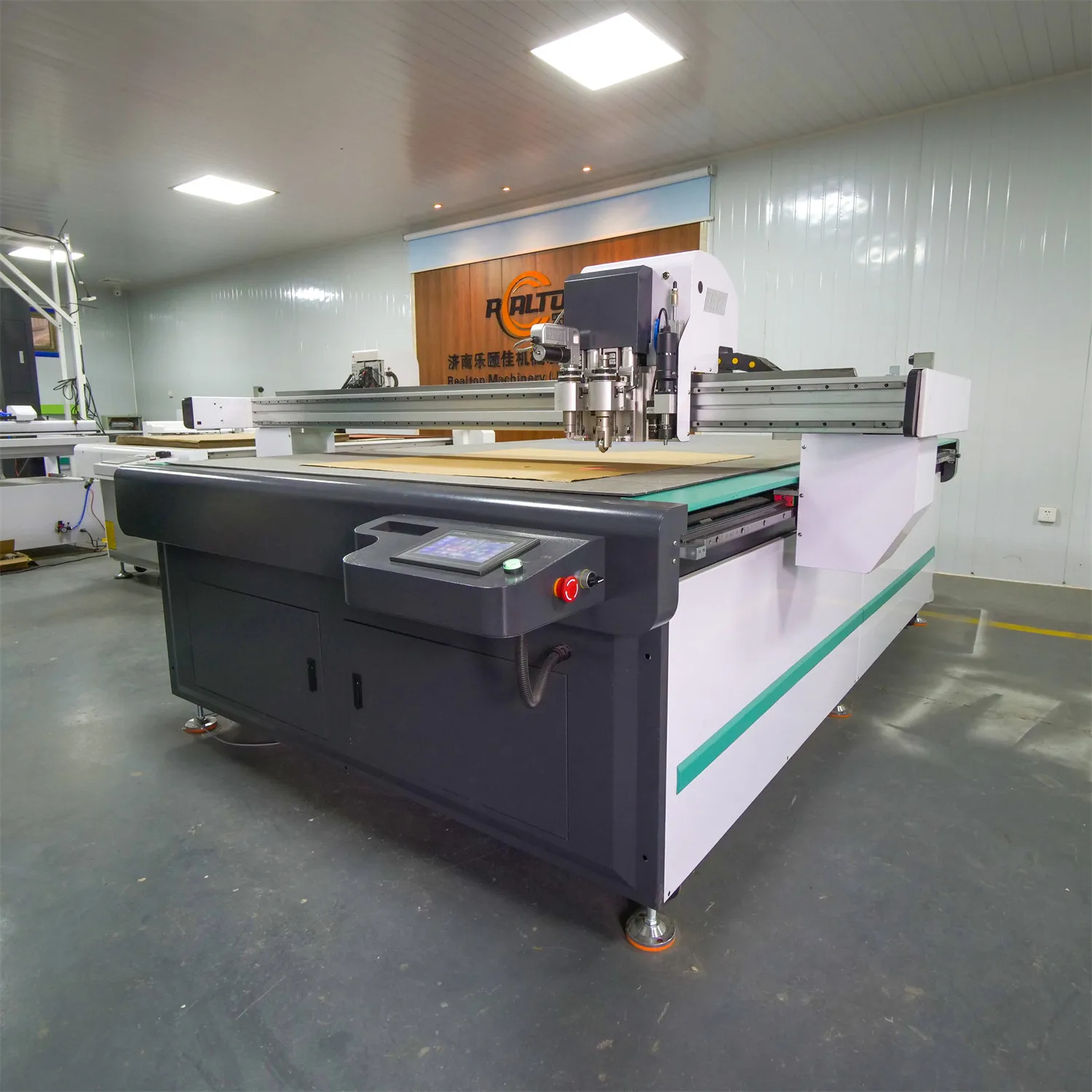
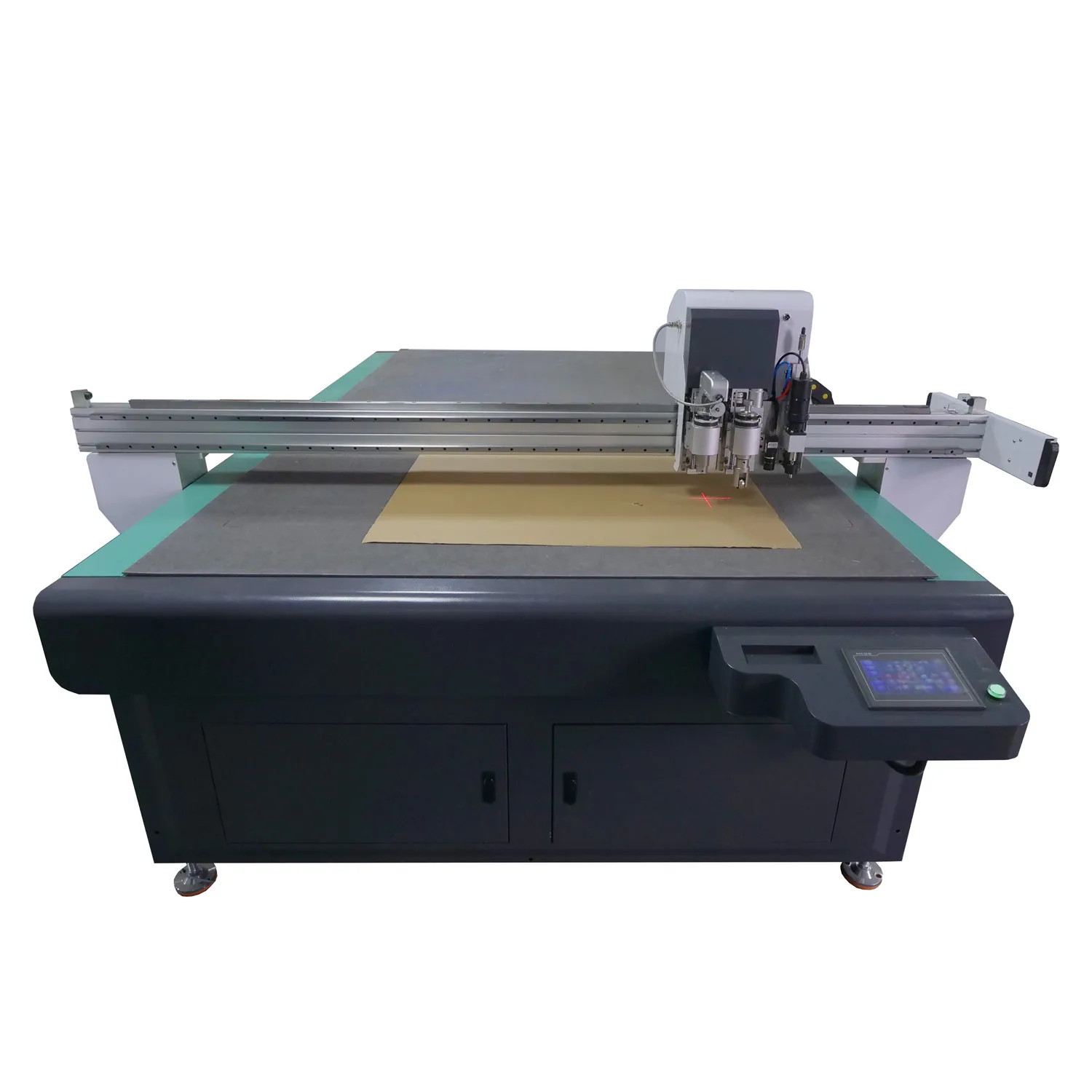
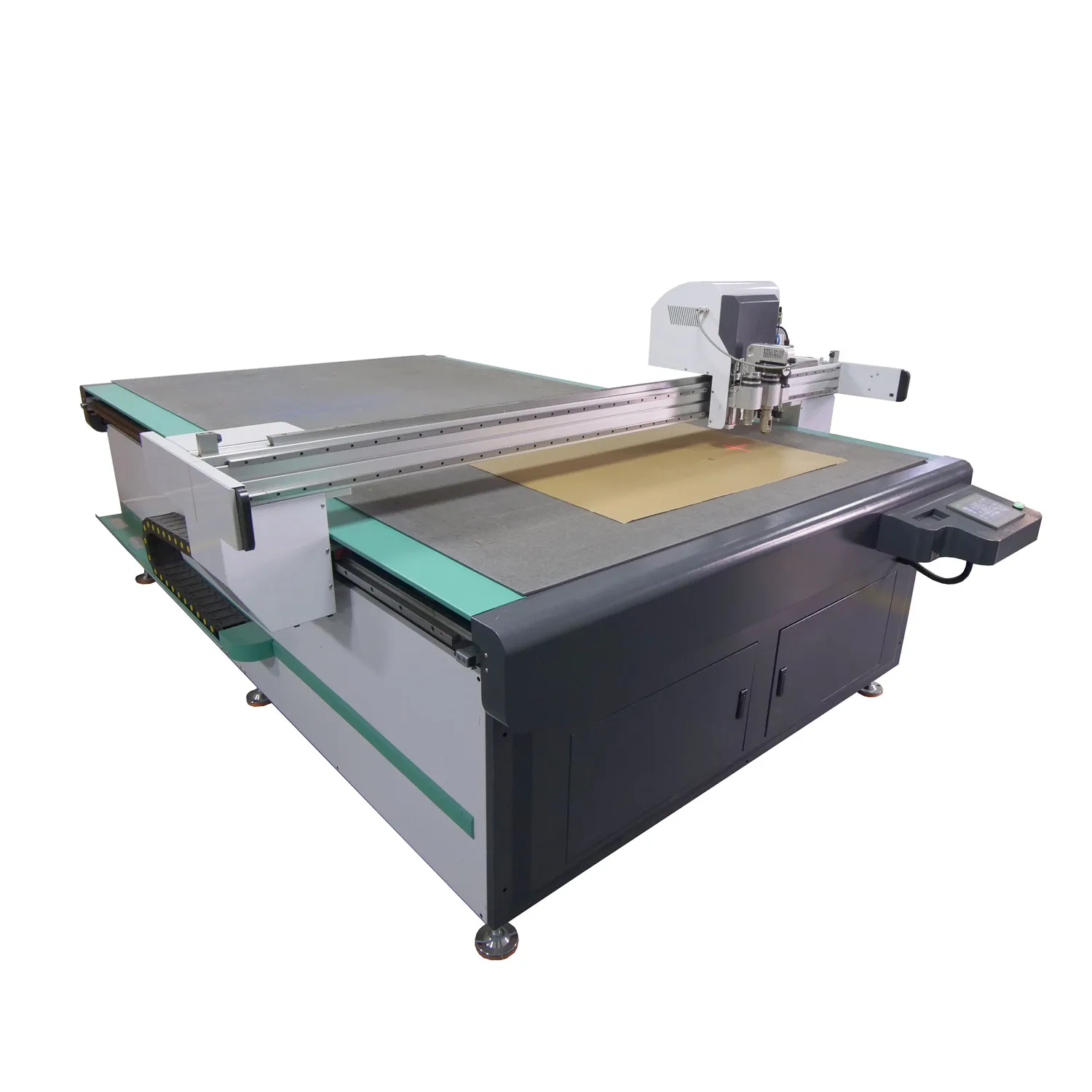
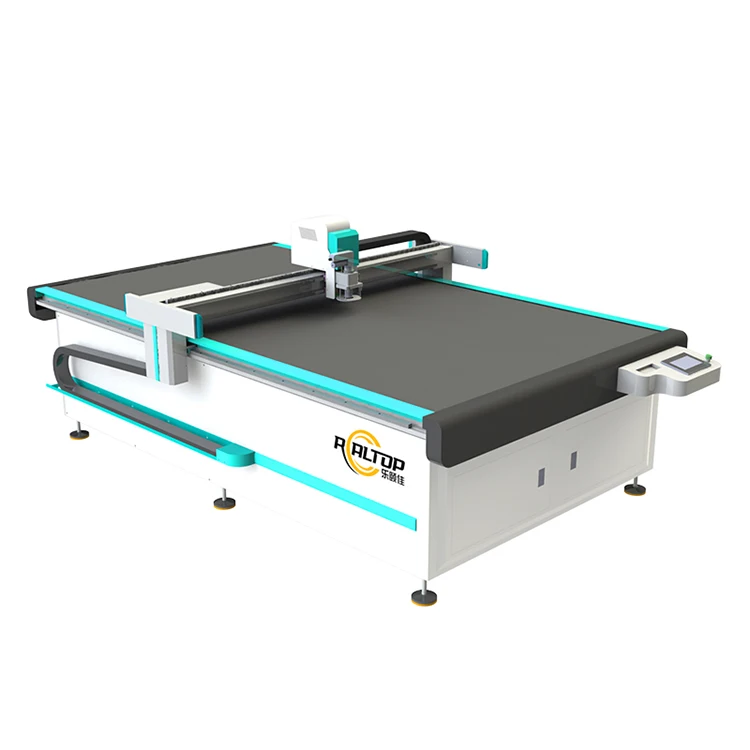
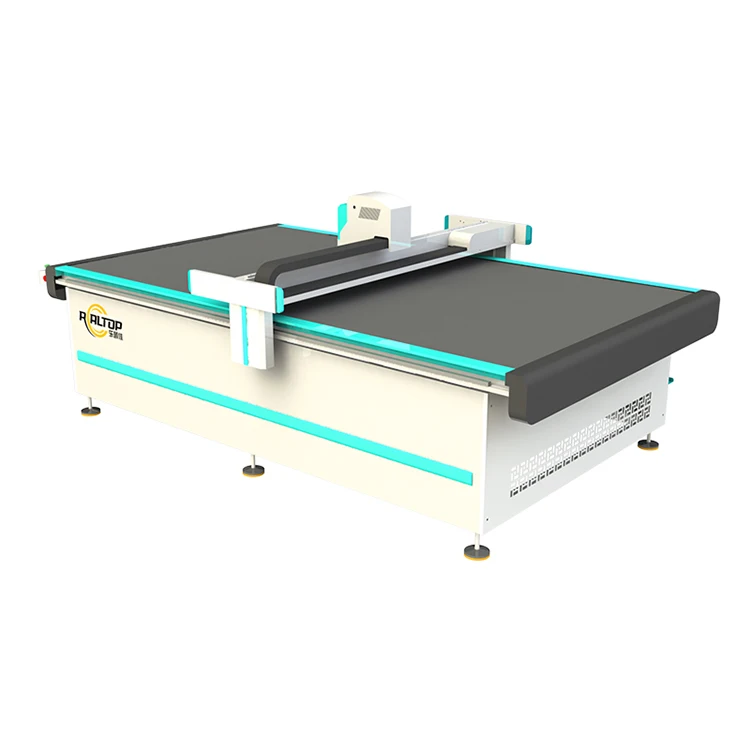
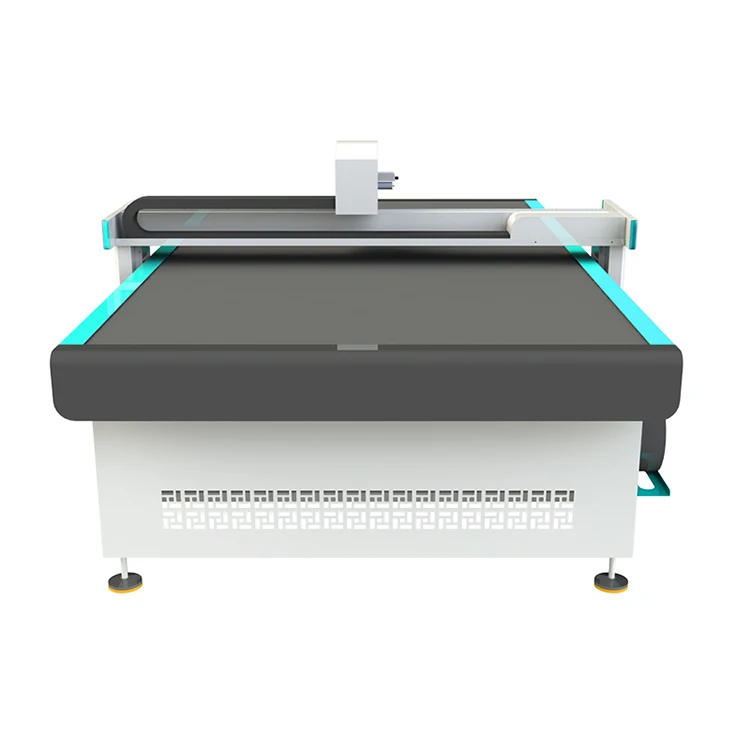
| Product Type | CNC Flatbed Digital Cutting Machine |
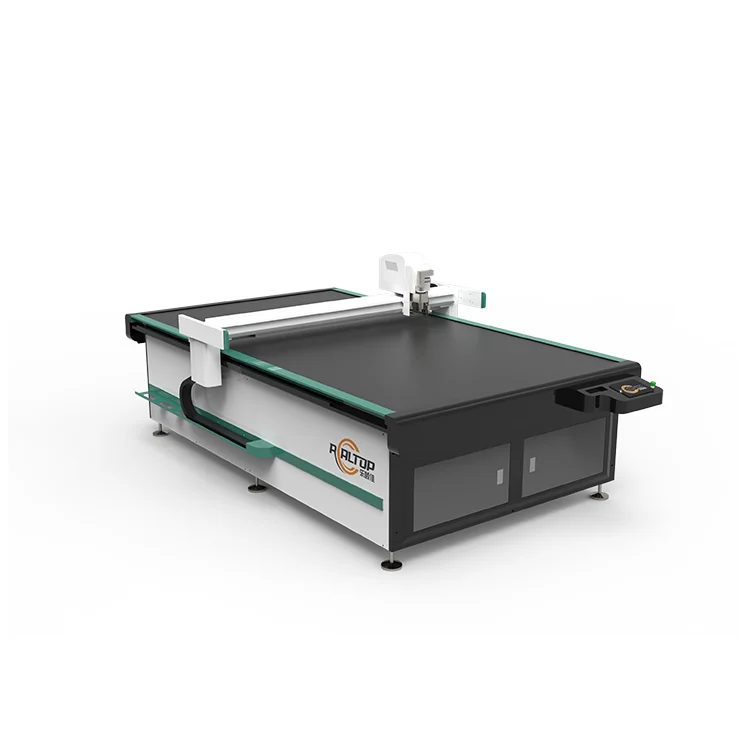
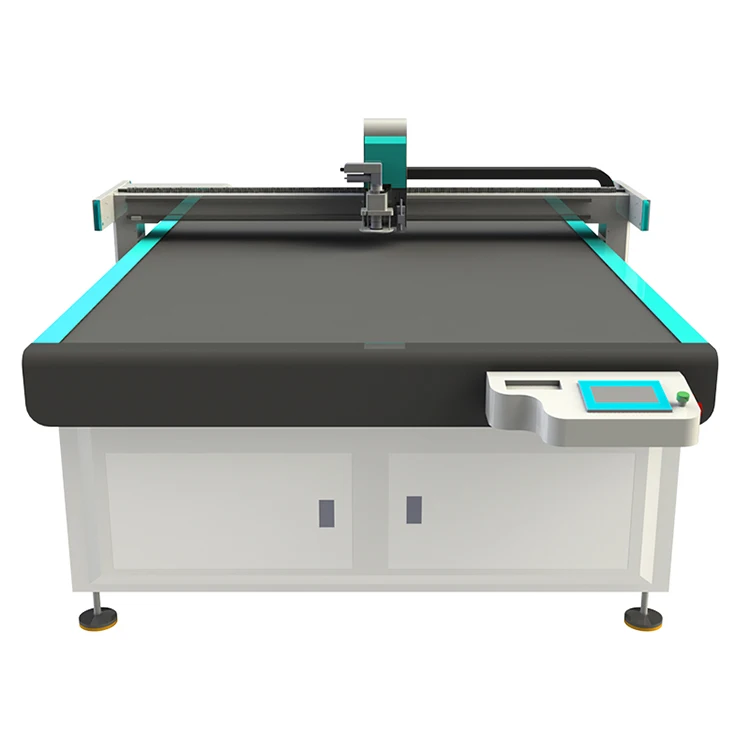
| Working Area | 1600×2500 mm |
| Machine Dimensions | 3450×2300×1250 mm |
| Rated Power | 9 kW |
| Table Type | Aluminum alloy honeycomb vacuum adsorption platform |
| Vacuum Pump | 7.5 kW |
| Cutting Thickness | Up to 100 mm (varies with material density and type) |
| Cutting Speed | 200–800 mm/s (according to different cutting materials) |
| Translational Velocity | 800–2000 mm/s |
| Repeated Accuracy | ≤0.1 mm |
| Transmission System | Digital servo motor, linear guide, synchronous belt, ball screw |
| Linear Guide | Taiwan Hiwin rail |
| Servo Motor | Taiwan Delta Servo Motors and Drivers |
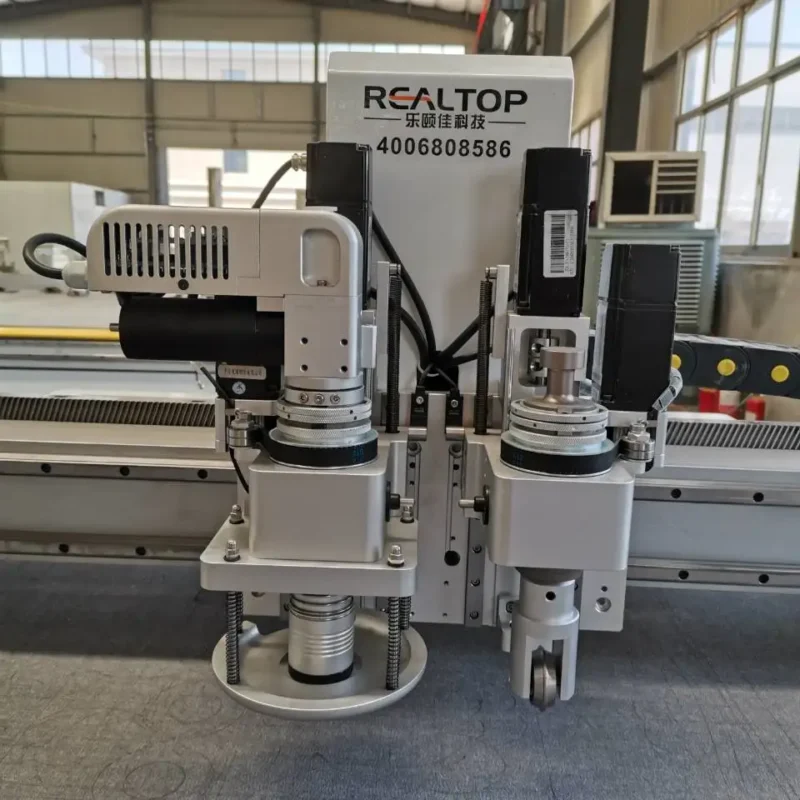
| Multifunctional Head | Swiss imported knife with vibration full cutting, half cutting, and cursor location |
| Safety Device | Infrared sensors and emergency stop devices |
| Instruction System | HP-GL compatible format |
| Software | Professional carton cutting software with multi-format import |
| Voltage | 380V±10% (configurable to local grid prior to order) |
| Conveyor Belt | Germany imported |
| Feeding System | Auto feeding |
| Language Options | English, Russian, Italian, Chinese, and customizable languages |
| Certification | CE |
Application Suitability
| Application | Material or Output |
|---|---|
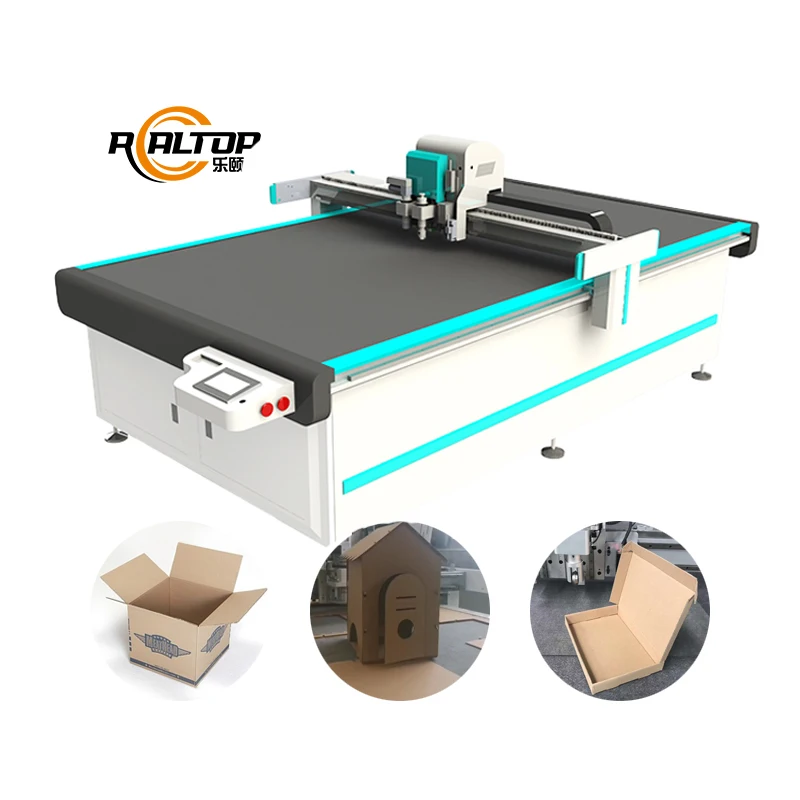
| Packaging carton sample making | Corrugated board, paperboard, grey board |
| Paperboard box prototyping | Cardboard, folding carton stock, honeycomb paper |
| Sticker and label cutting | Vinyl, adhesive-backed paper, sticker sheets |
| Billboard and business card cutting | PVC foam board, coated card stock |
| Gift and retail box production | High-end coated paperboard, laminated board |
| Express delivery packaging | Multi-ply corrugated, kraft liner |
Why the Voltage Question Should Come Before the Price on a CNC Flatbed Cutting Machine
A misquoted voltage specification delays commissioning by weeks and disrupts the buyer’s production schedule, not the seller’s.
I have watched a CNC flatbed cutting machine manufacturer ship a 380V unit into a 220V/60Hz workshop in Peru — the machine sat idle while the buyer sourced and installed a step-up transformer, losing an entire sample-making cycle. That downtime falls on the operator, not the factory floor planner who signed the purchase order. Confirming local grid voltage, phase configuration, and frequency before the quotation stage eliminates this category of delay entirely [NEED_CITE: voltage and frequency standards by export market].
Matching the Cutting Method to the Packaging Substrate
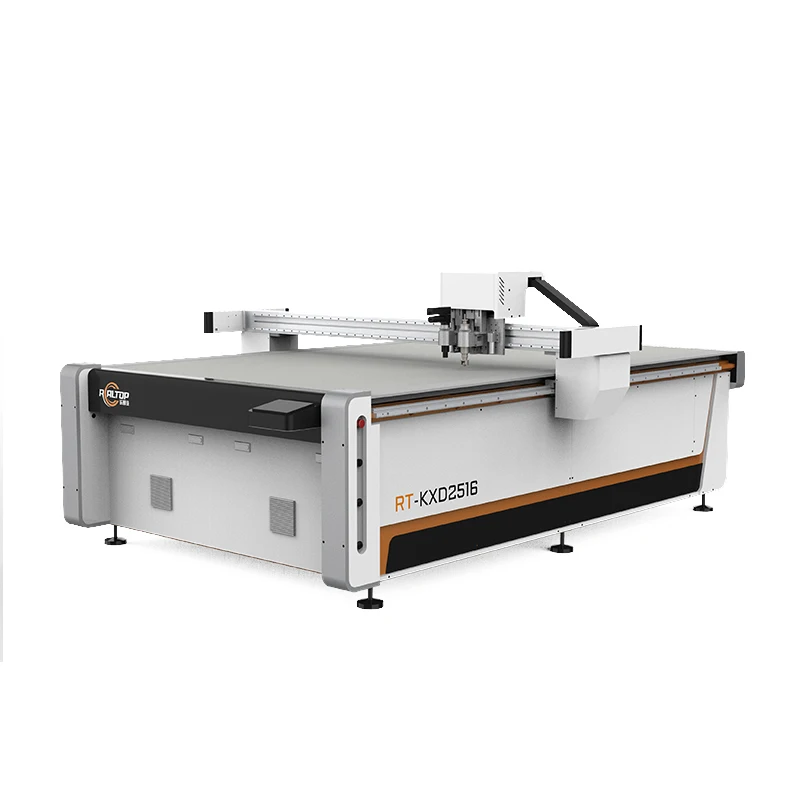
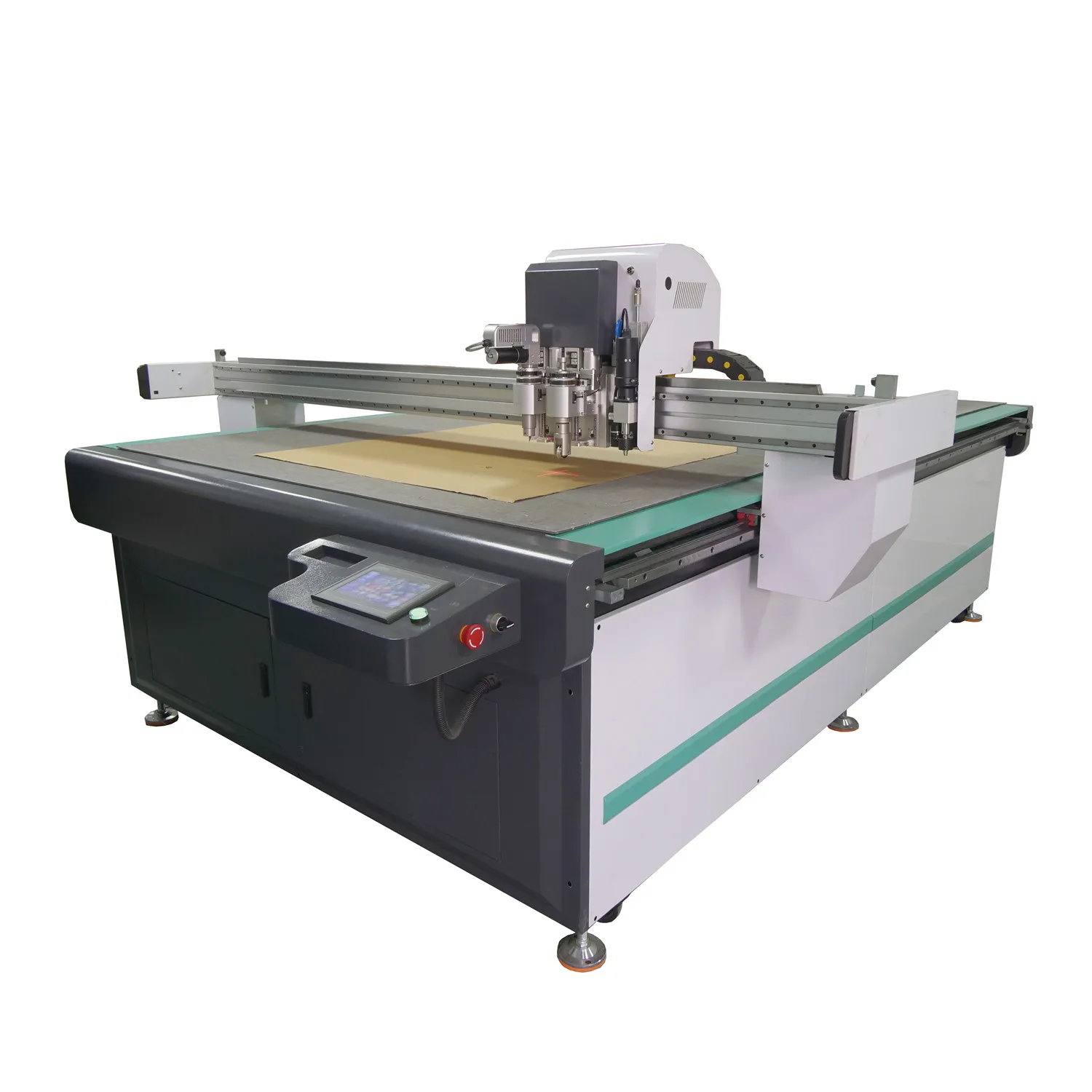
The RT-D2516/RT-S2516 is built around a Swiss imported oscillating knife head capable of full cut, half cut, and cursor positioning — a combination that handles corrugated flutes without crushing them and scores folding carton crease lines cleanly in a single pass. When a packaging sample maker switches between E-flute board and laminated gift box stock on the same shift, the tool head changeover determines whether throughput holds steady or the operator spends time on manual adjustments. A CNC digital cutting table for sale in this working area class needs to cut across the substrate range without forcing the buyer to maintain two separate machines.
Vacuum Hold-Down Across Small and Large Blank Geometries
The aluminum alloy honeycomb vacuum adsorption platform paired with a 7.5 kW vacuum pump provides uniform material hold-down across the full 1600×2500 mm bed. Small sticker sheets and large corrugated blanks behave differently under cutting force — lightweight vinyl lifts at the edges if suction is uneven, while heavy multi-ply board resists the knife and can shift if the vacuum zone is not matched to the part footprint. Zoning the vacuum table to the actual blank size rather than pulling across the entire bed prevents both lift and wasted energy [NEED_CITE: vacuum table zoning best practices for digital cutting].
Interpreting the Specs That Matter in Carton Production
Cutting thickness up to 100 mm varies with material density and ply construction, meaning a triple-wall corrugated blank and a dense grey board of the same caliper will respond differently to the oscillating knife. The Taiwan Delta servo motors on Hiwin linear guides deliver ≤0.1 mm repeatability, which directly affects crease-line registration on multi-panel carton layouts where a fraction of a millimeter compounds across several fold lines. The HP-GL compatible instruction system accepts professional carton cutting software with multi-format file import, so existing DXF or PLT design files move into the nesting workflow without manual redraw. Cutting speed between 200 and 800 mm/s shifts depending on substrate resistance — the operator sets the value based on the material, not a single catalog figure [NEED_CITE: HP-GL format compatibility in packaging CAD software].
The Hidden Cost of Specifying on Working Area Alone
Choosing a CNC flatbed cutting machine based solely on bed size often leads to discovering the tool head cannot handle the material thickness in production. Ragged edges on corrugated board, crushed flutes at the cut line, or crease wheels that skip on coated stock all trace back to a configuration mismatch that a working-area-only specification never caught. The result is rework, rejected samples, and a buyer who loses confidence in digital cutting before the machine is fully dialed in [NEED_CITE: common causes of edge quality failure in digital carton cutting].
Why Procurement Lands Here
In-house design and production cover both knife and laser cutting technologies, so the buyer matches the method to the substrate rather than adapting the material to a single-process machine. Tool head and table configuration are specified per material and production volume before the order is confirmed. CCD camera positioning is available for printed contour work where registration to a pre-printed mark is required. Software compatibility — file formats, nesting logic, and language — is verified against the buyer’s existing workflow before production starts. Sample cutting on the buyer’s own material provides a physical report that the configuration performs as quoted.
Documentation & Verification
- Machine specification sheet listing tool head and table configuration matched to your substrate
- Electrical schematic confirming voltage, phase, and frequency for your target market
- Sample cutting report produced on your paperboard or corrugated stock before commitment
- Software licence and file format compatibility note aligned with your nesting workflow
- Factory test record documenting cut accuracy and crease registration across your die-line files
- Operation and maintenance manual with spare parts list in your confirmed language
Installation, Commissioning & Support
- 3450×2300×1250 mm footprint requires level concrete floor with clearance for auto-feeding conveyor infeed
- 9 kW rated power plus 7.5 kW vacuum pump demands dedicated circuit matching confirmed voltage supply
- Machine ships partially assembled — table, gantry, and control cabinet require on-site alignment and cable routing
- First-run commissioning includes vacuum zone mapping and cutting speed calibration on your board stock
- Operator training covers tool head changeover between oscillating knife, creasing wheel, and cursor functions
- Spare parts list includes Swiss knife blades, vacuum seals, and Hiwin rail carriages for planned maintenance
What to Share When Requesting a Quotation
Provide your primary substrate types with caliper and ply count, the largest and smallest blank dimensions you run, and your local voltage and frequency. Confirm the CAD file formats your design team exports and whether crease-line registration to printed marks is required. If your workshop runs conveyor-fed production, note the upstream and downstream handling equipment already in place so the feeding system is specified correctly.
Frequently Asked Questions
Q: How do I choose between oscillating knife and laser cutting for my packaging material?
A: Oscillating knife handles corrugated board, paperboard, and thick grey stock without burning or sealing edges, which is preferred for structural carton work. CO2 laser suits thin film, sticker, and intricate perforation where heat sealing is acceptable. The in-house design team matches the method to your substrate range rather than defaulting to one technology.
Q: What vacuum zone configuration do I need for my sheet size and part geometry?
A: Small sticker sheets need localized vacuum zones to prevent edge lift, while large corrugated blanks require broad suction across the honeycomb platform. The table zoning is configured based on your most common blank dimensions and part nesting patterns, confirmed during the sample cutting stage before shipment.
Q: How is cutting thickness verified before I commit?
A: Cutting thickness up to 100 mm varies with material density, ply count, and flute profile. A sample cutting report on your actual paperboard or corrugated stock is produced before order confirmation, documenting achievable depth and edge quality under your specified tool head configuration.
Q: What software file formats does the system accept?
A: The HP-GL compatible instruction system imports DXF, PLT, and common packaging CAD formats. File format compatibility is verified against your existing design software and nesting workflow before the order is placed, preventing file-conversion delays at commissioning.
Q: Can voltage, plug type, and control language be customized before shipment?
A: Voltage is confirmed to your local grid standard — including phase and frequency — before production begins. Plug type and control panel language are set to your specification, documented in the electrical schematic, and verified during the factory test before the machine ships.
Voltage-First Configuration — Every RT-D2516/RT-S2516 unit ships with electrical schematics locked to your workshop’s confirmed supply before production begins.
Technical Specifications
| Parameter | Value |
|---|---|
| Model | RT-D2516/RT-S2516 |
| Product Type | CNC Flatbed Digital Cutting Machine |
| Working Area | 1600×2500 mm |
| Machine Dimensions | 3450×2300×1250 mm |
| Rated Power | 9 kW |
| Table Type | Aluminum alloy honeycomb vacuum adsorption platform |
| Vacuum Pump | 7.5 kW |
| Cutting Thickness | Up to 100 mm (varies with material density and type) |
| Cutting Speed | 200–800 mm/s (according to different cutting materials) |
| Translational Velocity | 800–2000 mm/s |
| Repeated Accuracy | ≤0.1 mm |
| Transmission System | Digital servo motor, linear guide, synchronous belt, ball screw |
| Linear Guide | Taiwan Hiwin rail |
| Servo Motor | Taiwan Delta Servo Motors and Drivers |
| Multifunctional Head | Swiss imported knife with vibration full cutting, half cutting, and cursor location |
| Safety Device | Infrared sensors and emergency stop devices |
| Instruction System | HP-GL compatible format |
| Software | Professional carton cutting software with multi-format import |
| Voltage | 380V±10% (configurable to local grid prior to order) |
| Conveyor Belt | Germany imported |
| Feeding System | Auto feeding |
| Language Options | English, Russian, Italian, Chinese, and customizable languages |
| Certification | CE |
Application Suitability
| Application | Material or Output |
|---|---|
| Packaging carton sample making | Corrugated board, paperboard, grey board |
| Paperboard box prototyping | Cardboard, folding carton stock, honeycomb paper |
| Sticker and label cutting | Vinyl, adhesive-backed paper, sticker sheets |
| Billboard and business card cutting | PVC foam board, coated card stock |
| Gift and retail box production | High-end coated paperboard, laminated board |
| Express delivery packaging | Multi-ply corrugated, kraft liner |
Why the Voltage Question Should Come Before the Price on a CNC Flatbed Cutting Machine
A misquoted voltage specification delays commissioning by weeks and disrupts the buyer’s production schedule, not the seller’s.
I have watched a CNC flatbed cutting machine manufacturer ship a 380V unit into a 220V/60Hz workshop in Peru — the machine sat idle while the buyer sourced and installed a step-up transformer, losing an entire sample-making cycle. That downtime falls on the operator, not the factory floor planner who signed the purchase order. Confirming local grid voltage, phase configuration, and frequency before the quotation stage eliminates this category of delay entirely [NEED_CITE: voltage and frequency standards by export market].
Matching the Cutting Method to the Packaging Substrate
The RT-D2516/RT-S2516 is built around a Swiss imported oscillating knife head capable of full cut, half cut, and cursor positioning — a combination that handles corrugated flutes without crushing them and scores folding carton crease lines cleanly in a single pass. When a packaging sample maker switches between E-flute board and laminated gift box stock on the same shift, the tool head changeover determines whether throughput holds steady or the operator spends time on manual adjustments. A CNC digital cutting table for sale in this working area class needs to cut across the substrate range without forcing the buyer to maintain two separate machines.
Vacuum Hold-Down Across Small and Large Blank Geometries
The aluminum alloy honeycomb vacuum adsorption platform paired with a 7.5 kW vacuum pump provides uniform material hold-down across the full 1600×2500 mm bed. Small sticker sheets and large corrugated blanks behave differently under cutting force — lightweight vinyl lifts at the edges if suction is uneven, while heavy multi-ply board resists the knife and can shift if the vacuum zone is not matched to the part footprint. Zoning the vacuum table to the actual blank size rather than pulling across the entire bed prevents both lift and wasted energy [NEED_CITE: vacuum table zoning best practices for digital cutting].
Interpreting the Specs That Matter in Carton Production
Cutting thickness up to 100 mm varies with material density and ply construction, meaning a triple-wall corrugated blank and a dense grey board of the same caliper will respond differently to the oscillating knife. The Taiwan Delta servo motors on Hiwin linear guides deliver ≤0.1 mm repeatability, which directly affects crease-line registration on multi-panel carton layouts where a fraction of a millimeter compounds across several fold lines. The HP-GL compatible instruction system accepts professional carton cutting software with multi-format file import, so existing DXF or PLT design files move into the nesting workflow without manual redraw. Cutting speed between 200 and 800 mm/s shifts depending on substrate resistance — the operator sets the value based on the material, not a single catalog figure [NEED_CITE: HP-GL format compatibility in packaging CAD software].
The Hidden Cost of Specifying on Working Area Alone
Choosing a CNC flatbed cutting machine based solely on bed size often leads to discovering the tool head cannot handle the material thickness in production. Ragged edges on corrugated board, crushed flutes at the cut line, or crease wheels that skip on coated stock all trace back to a configuration mismatch that a working-area-only specification never caught. The result is rework, rejected samples, and a buyer who loses confidence in digital cutting before the machine is fully dialed in [NEED_CITE: common causes of edge quality failure in digital carton cutting].
Why Procurement Lands Here
In-house design and production cover both knife and laser cutting technologies, so the buyer matches the method to the substrate rather than adapting the material to a single-process machine. Tool head and table configuration are specified per material and production volume before the order is confirmed. CCD camera positioning is available for printed contour work where registration to a pre-printed mark is required. Software compatibility — file formats, nesting logic, and language — is verified against the buyer’s existing workflow before production starts. Sample cutting on the buyer’s own material provides a physical report that the configuration performs as quoted.
Documentation & Verification
- Machine specification sheet listing tool head and table configuration matched to your substrate
- Electrical schematic confirming voltage, phase, and frequency for your target market
- Sample cutting report produced on your paperboard or corrugated stock before commitment
- Software licence and file format compatibility note aligned with your nesting workflow
- Factory test record documenting cut accuracy and crease registration across your die-line files
- Operation and maintenance manual with spare parts list in your confirmed language
Installation, Commissioning & Support
- 3450×2300×1250 mm footprint requires level concrete floor with clearance for auto-feeding conveyor infeed
- 9 kW rated power plus 7.5 kW vacuum pump demands dedicated circuit matching confirmed voltage supply
- Machine ships partially assembled — table, gantry, and control cabinet require on-site alignment and cable routing
- First-run commissioning includes vacuum zone mapping and cutting speed calibration on your board stock
- Operator training covers tool head changeover between oscillating knife, creasing wheel, and cursor functions
- Spare parts list includes Swiss knife blades, vacuum seals, and Hiwin rail carriages for planned maintenance
What to Share When Requesting a Quotation
Provide your primary substrate types with caliper and ply count, the largest and smallest blank dimensions you run, and your local voltage and frequency. Confirm the CAD file formats your design team exports and whether crease-line registration to printed marks is required. If your workshop runs conveyor-fed production, note the upstream and downstream handling equipment already in place so the feeding system is specified correctly.
Frequently Asked Questions
Q: How do I choose between oscillating knife and laser cutting for my packaging material?
A: Oscillating knife handles corrugated board, paperboard, and thick grey stock without burning or sealing edges, which is preferred for structural carton work. CO2 laser suits thin film, sticker, and intricate perforation where heat sealing is acceptable. The in-house design team matches the method to your substrate range rather than defaulting to one technology.
Q: What vacuum zone configuration do I need for my sheet size and part geometry?
A: Small sticker sheets need localized vacuum zones to prevent edge lift, while large corrugated blanks require broad suction across the honeycomb platform. The table zoning is configured based on your most common blank dimensions and part nesting patterns, confirmed during the sample cutting stage before shipment.
Q: How is cutting thickness verified before I commit?
A: Cutting thickness up to 100 mm varies with material density, ply count, and flute profile. A sample cutting report on your actual paperboard or corrugated stock is produced before order confirmation, documenting achievable depth and edge quality under your specified tool head configuration.
Q: What software file formats does the system accept?
A: The HP-GL compatible instruction system imports DXF, PLT, and common packaging CAD formats. File format compatibility is verified against your existing design software and nesting workflow before the order is placed, preventing file-conversion delays at commissioning.
Q: Can voltage, plug type, and control language be customized before shipment?
A: Voltage is confirmed to your local grid standard — including phase and frequency — before production begins. Plug type and control panel language are set to your specification, documented in the electrical schematic, and verified during the factory test before the machine ships.
商品评价
There are no reviews yet.