


Fast Delivery
Quick, reliable shipping to any location.

Free & easy returns
Return this item by mail or in store within 90 days for a full refund.
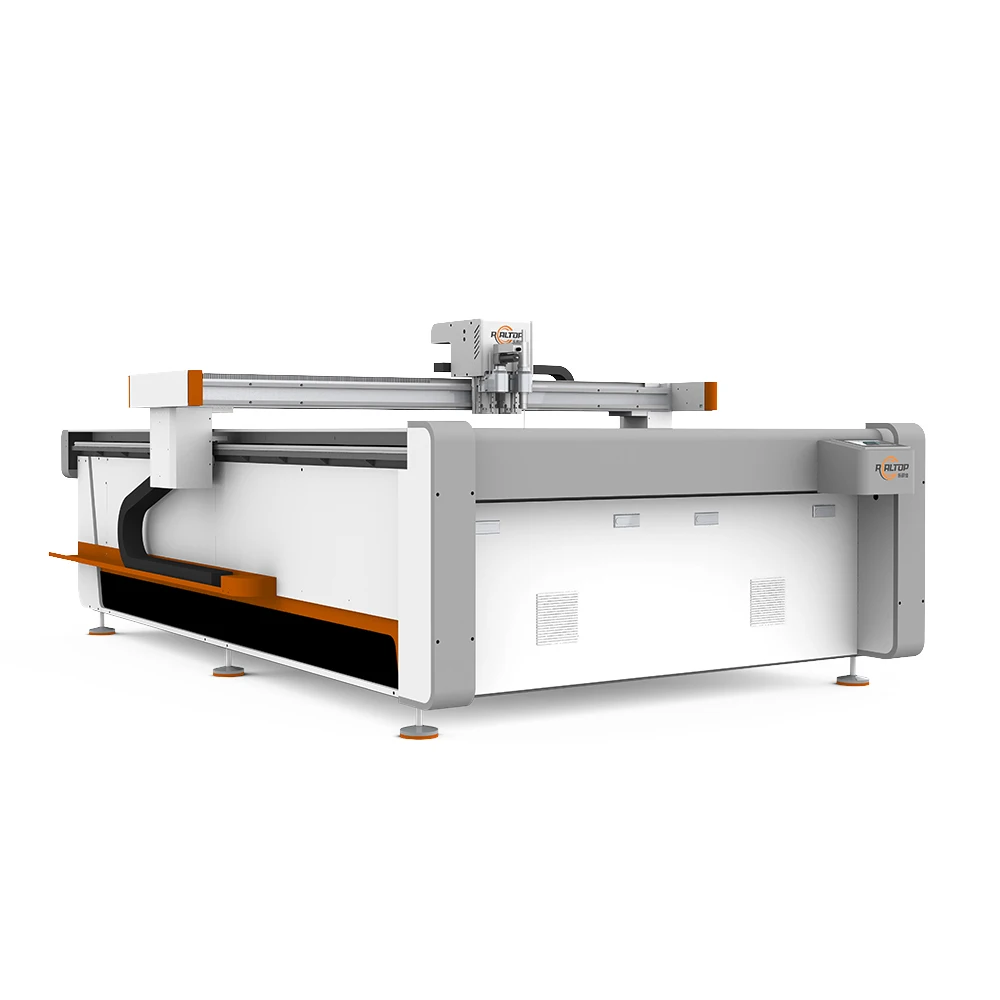
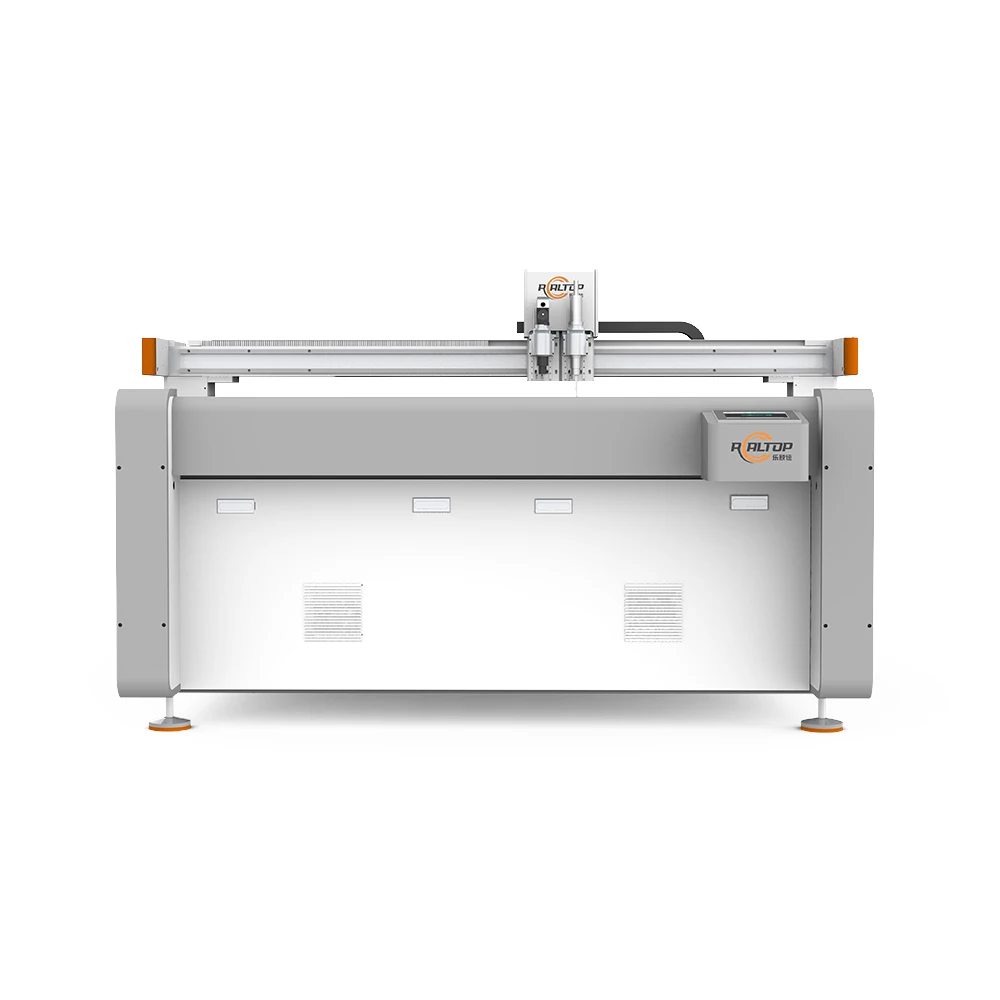
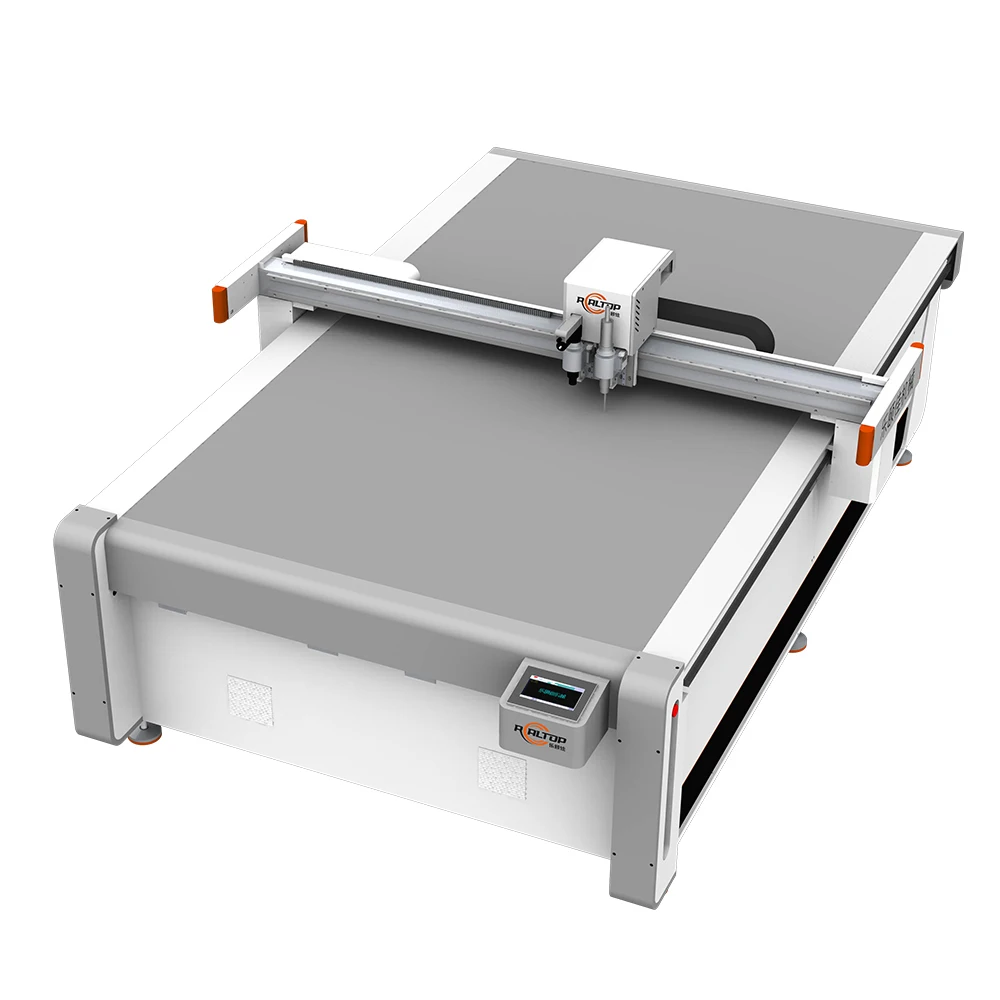
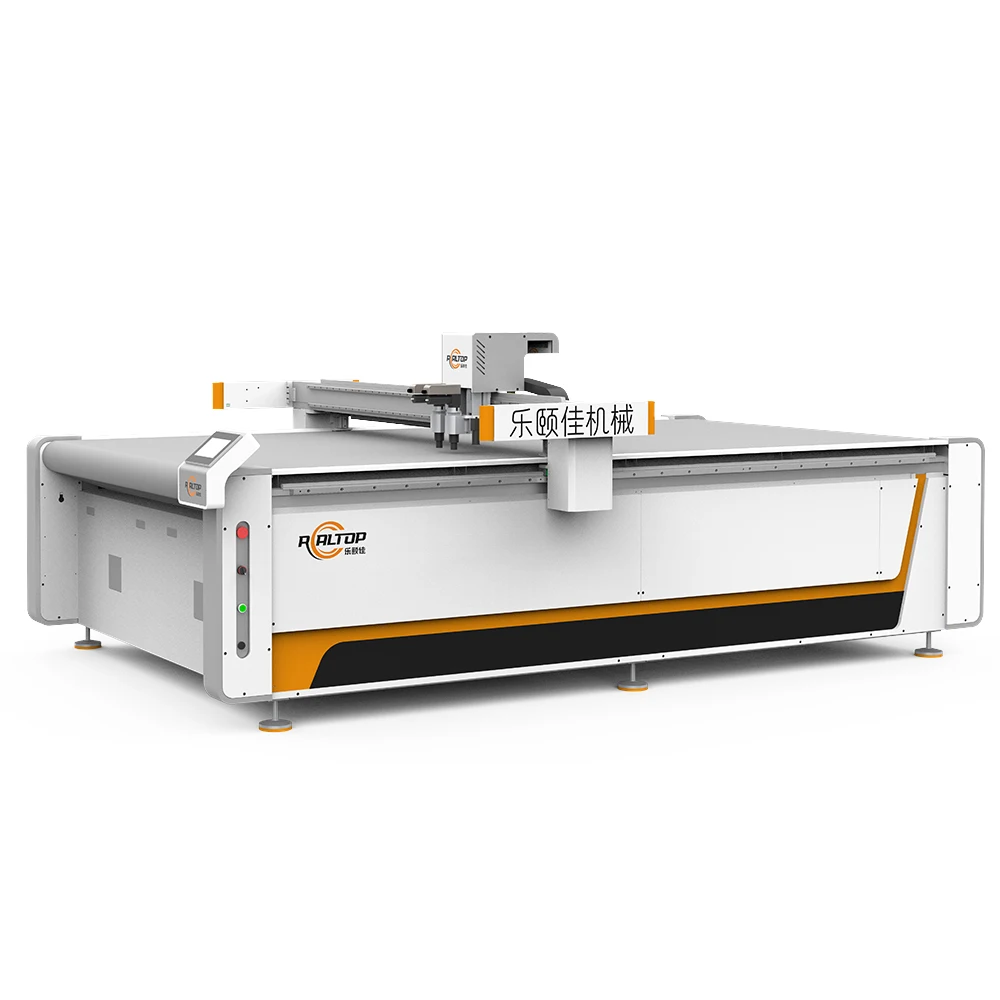
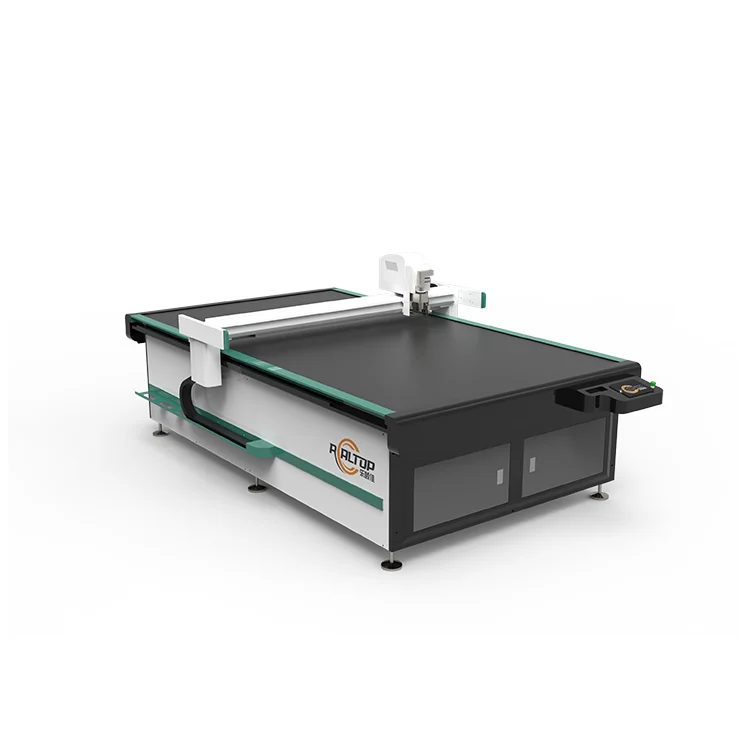
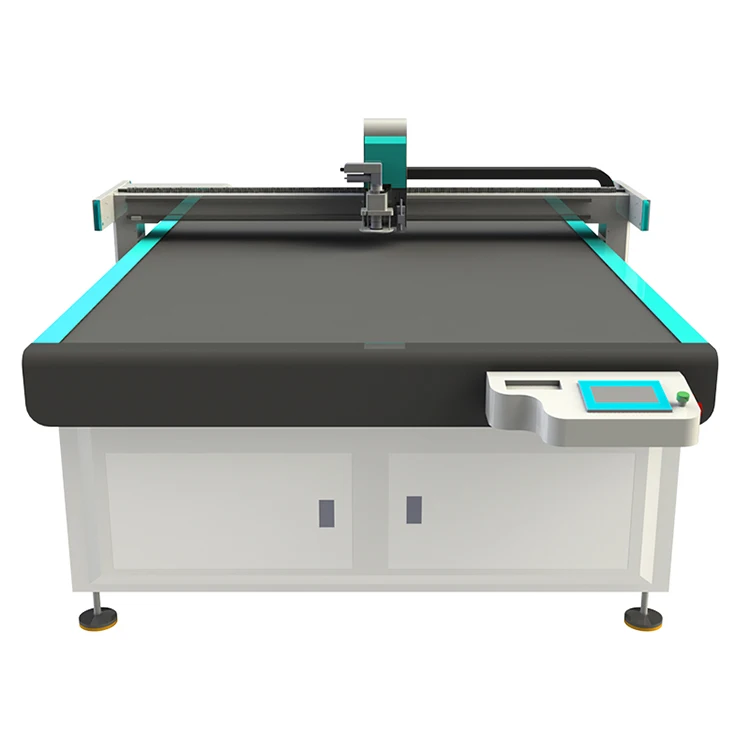
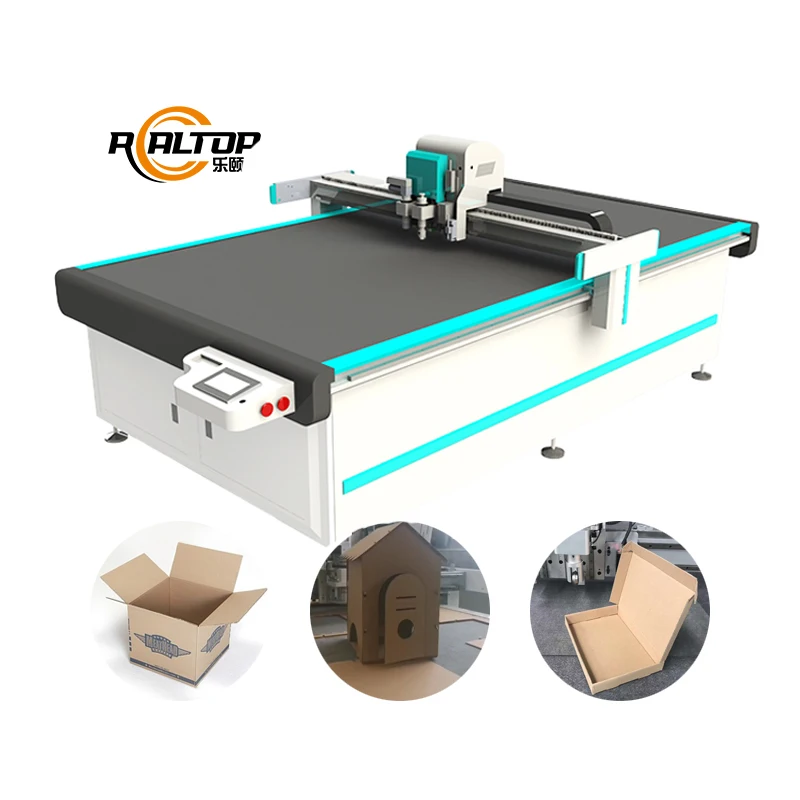
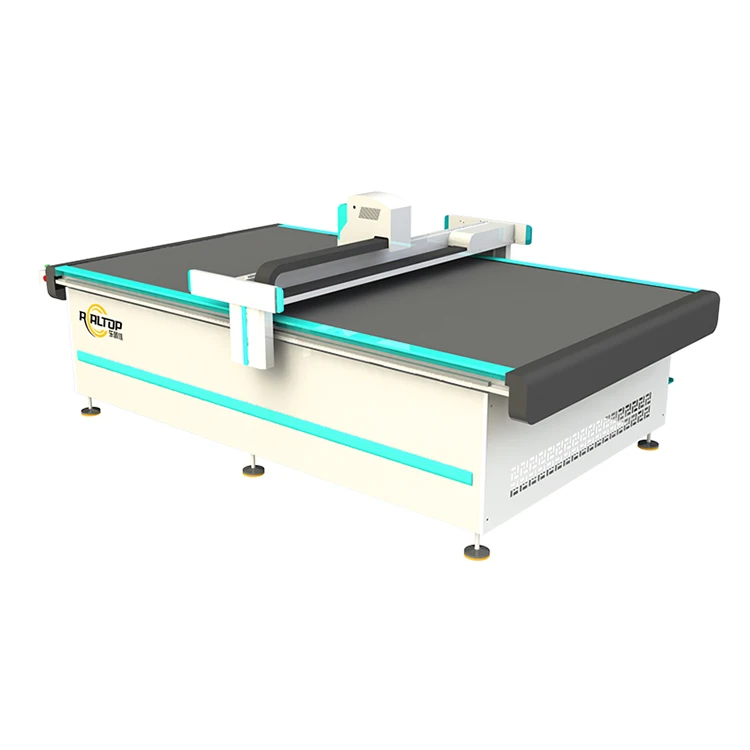
CNC Flatbed Cutter Plotter for Paper Cardboard Box – Full Range
Multi-Method Cutting — One design team engineers both oscillating knife and laser systems under the same roof, letting packaging producers match the cutting method to corrugated, honeycomb or solid board instead of forcing a single tool across incompatible materials.
Technical Specifications
| Parameter | Value |
|---|---|
| Product Type | CNC Flatbed Digital Cutting Machine |
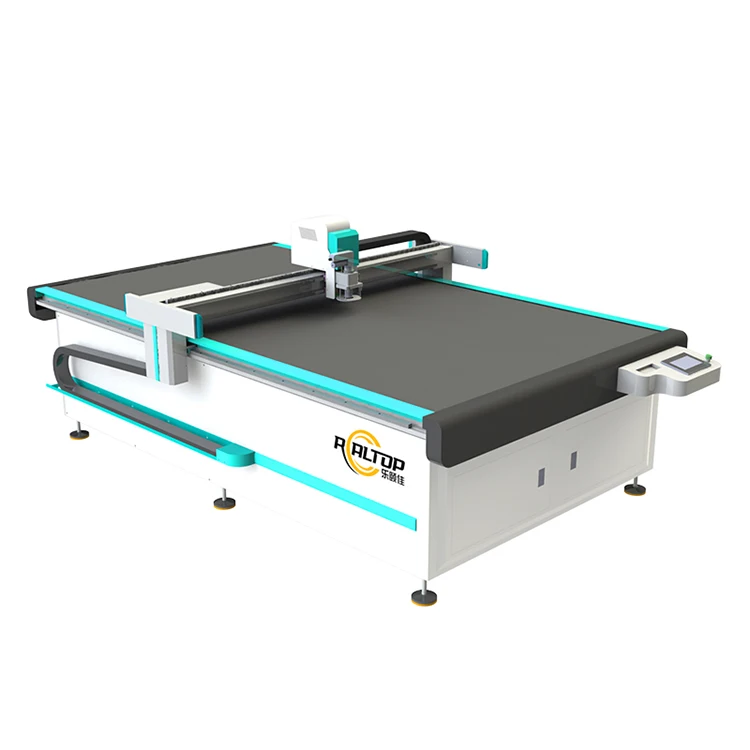
| Working Area | 1600 × 2500 mm |
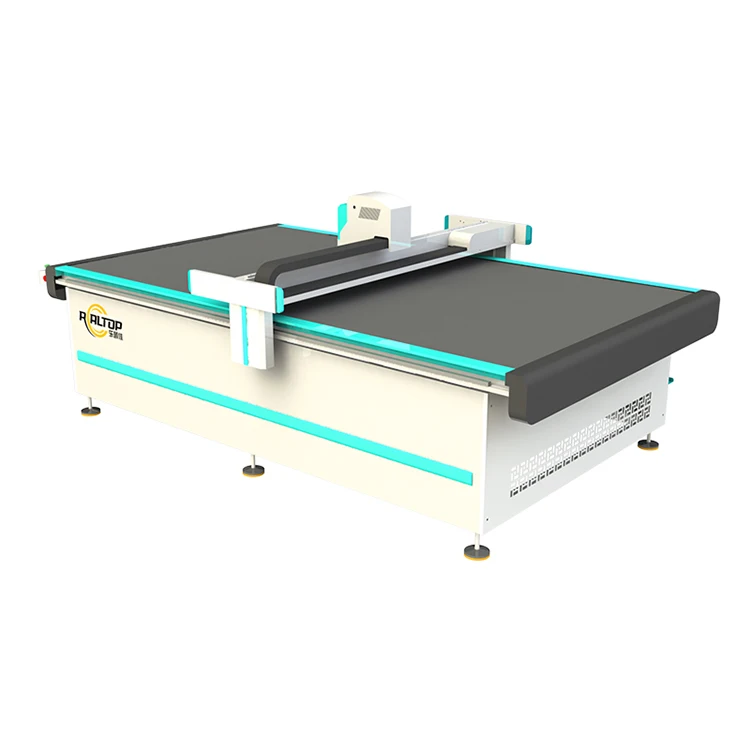
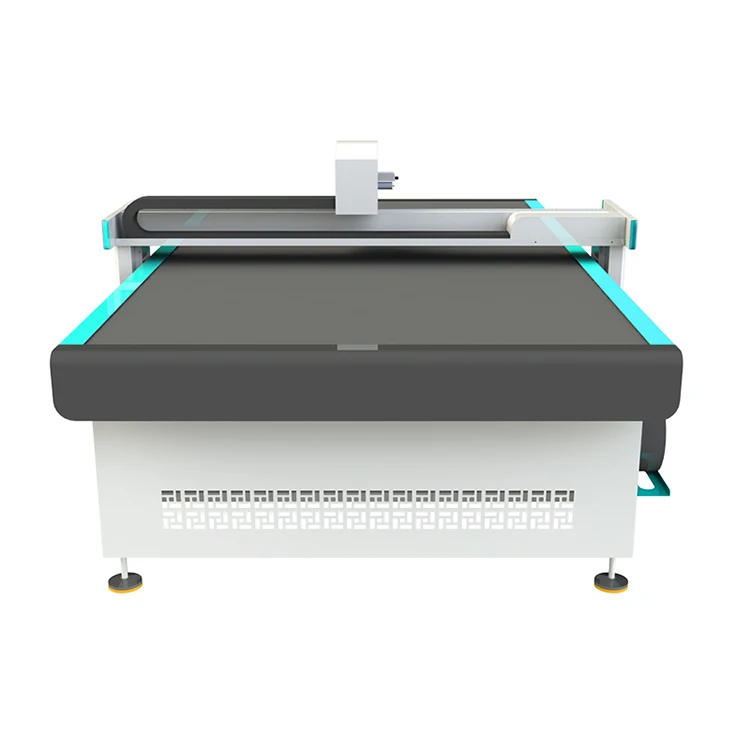
| Machine Size (L×W×H) | 3450 × 2300 × 1250 mm |
| Rated Power | 9 kW |
| Voltage | 380V ±10% |
| Table Type | Flat working table / Auto feeding table (configurable) |
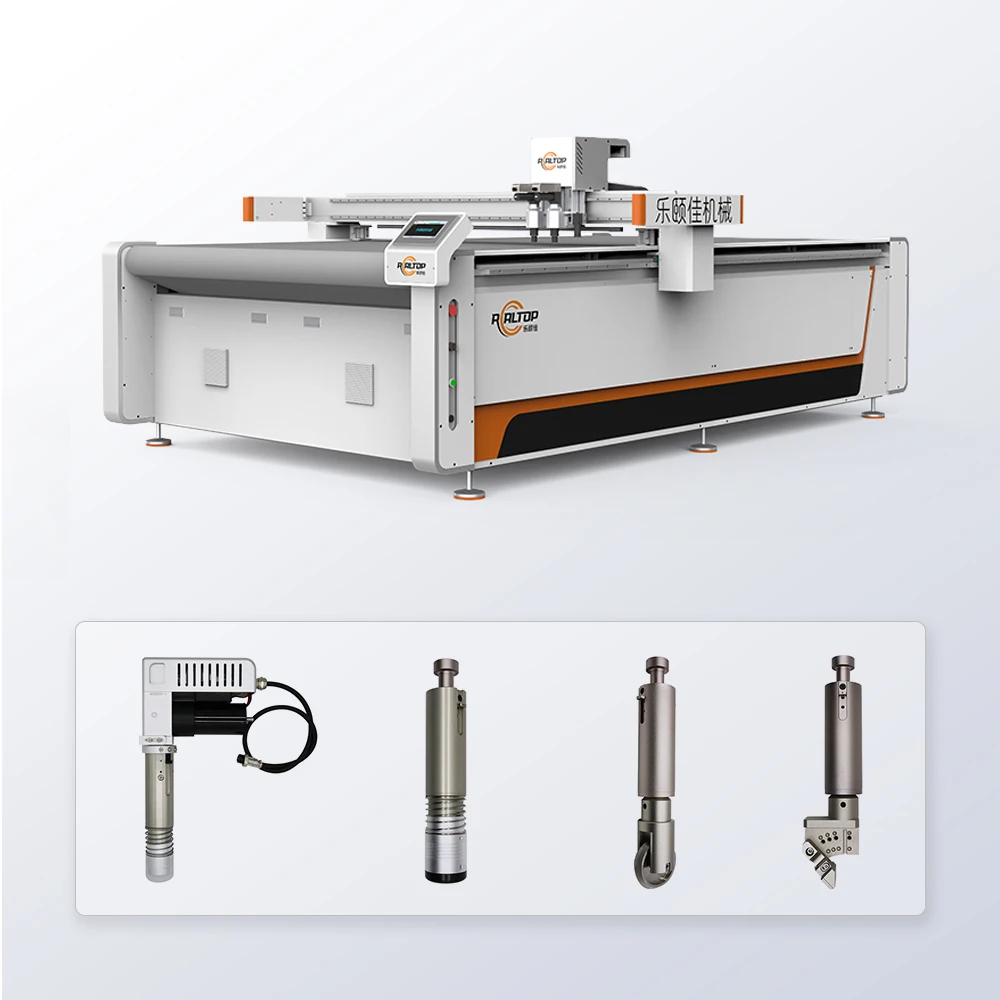
| Tool Head Options | Oscillating knife (full / half cut), pneumatic knife, high-power vibrating knife, circular knife, V-cutting knife, drag knife, creasing wheel, dotted line knife, punching tool, brush |
| Translational Velocity | 800–2000 mm/s |
| Cutting Speed | 200–800 mm/s (basis to be confirmed) |
| Cutting Thickness | ≤100 mm (varies by material density and tool head) |
| Repeated Accuracy | ≤0.1 mm |
| Transmission System | Digital servo motor (Delta or Panasonic optional), linear guide, synchronous belt, ball screw |
| Vacuum Table | Magnesium-aluminum alloy, PVDF powder sprayed, anodized; 7.5 kW integrated aviation aluminum vacuum pump with built-in silencer |
| Safety Devices | Infrared induction blocking, anti-collision sensors, emergency stop with in-situ resume |
| Control / Instruction Format | HP-GL compatible |
| Software | Auto typesetting / nesting; PLT, DXF, AI and other formats |
| Vision Positioning | Small CCD mark-point, panoramic camera recognition, projection positioning (optional) |
| Control Panel | Touch screen; English, Russian, Italian, Chinese (custom languages available) |
| Conveyor Belt | Germany imported |
| Guide Rail | Taiwan Hiwin |
Application Suitability
| Application | Material or Output |
|---|---|
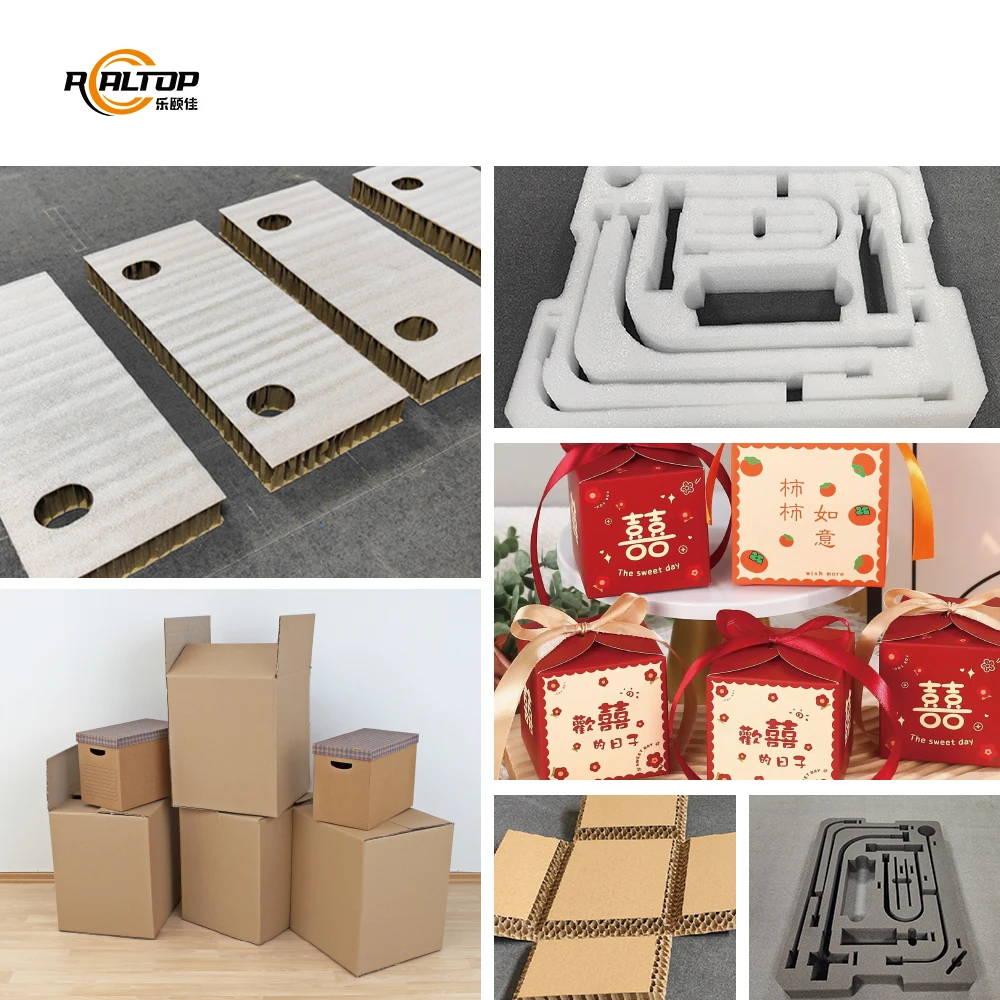
| Packaging and carton sample making | Cardboard, corrugated cardboard, honeycomb cardboard, paper |
| Signage and graphic printing finishing | Sticker, film, PVC sheet, soft glass |
| Garment, footwear and leather goods | Leather, fabric, textile, shoe material, luggage material, clothing cloth |
| Automotive interior and gasket production | Composite materials, gasket material, rubber, sponge |
| Composite and foam fabrication | Foam board, PU, EVA, XPE, fiberglass, carbon fiber |
| Soft home furnishings and floor mats | Carpet, floor mat, sports and outdoor product materials |
A 1600×2500 Table Tells You Nothing About Cutting Three-Layer Corrugated
Specifying a CNC flatbed digital cutting machine manufacturer by working area alone is the fastest route to a machine that stalls on your actual material. I have watched a Latin American carton plant sign off on a flatbed cutter after a flawless demo on standard grey board, only to discover on day one of production that the oscillating knife could not penetrate three-layer corrugated without crushing the flute. The edges came out ragged, the vacuum zones could not hold small die-cut inserts flat, and the entire first batch was scrapped. The failure was not mechanical — the machine was built correctly — but the tool head, vacuum zoning and cutting speed had never been validated against the board grade that plant actually ran [NEED_CITE: material-specific tool head selection for corrugated board cutting].
Oscillating Knife, Creasing Wheel and V-Cut in a Single Tool Head Family
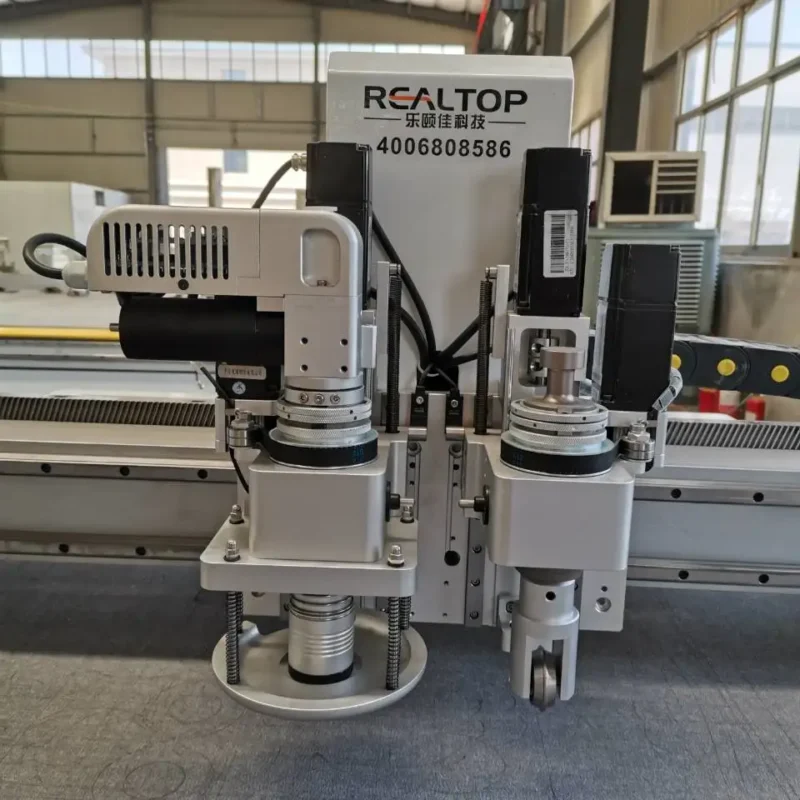
The RT-D2516/RT-S2516 platform supports a Swiss-imported oscillating knife for full and half cutting, alongside a creasing wheel, V-cutting knife, drag knife, dotted line knife, punching tool and circular knife — all mountable within the same multifunctional tool head. For carton sample makers, this means a single pass can score a fold line, cut the outer contour and punch a ventilation hole without stopping to swap heads. The tool selection is driven by the material spec sheet the buyer provides before order, not by a default configuration the factory ships regardless of application. A CNC flatbed digital cutting machine manufacturer that forces one head across cardboard, foam and gasket material will produce compromised edges on at least two of those substrates.
Vacuum Zoning That Holds Small Inserts Without Lifting
The magnesium-aluminum alloy vacuum table is PVDF powder sprayed and anodized for flatness, paired with a 7.5 kW integrated aviation aluminum pump and built-in silencer sponge. Zoning matters most when cutting small carton inserts or nested packaging components, where insufficient suction in unoccupied zones allows material lift at the blade entry point. The table on the RT-D2516/RT-S2516 is configurable as a flat working surface or an auto-feeding conveyor with a Germany-imported belt, letting high-volume packaging plants move from sheet-by-sheet loading to continuous feed without changing machines [NEED_CITE: vacuum zoning requirements for nested small-part cutting].
Reading the Specs That Actually Affect Cut Quality on Board
Repeated accuracy of ≤0.1 mm across the 1600×2500 mm envelope is maintained by Taiwan Hiwin linear guides and ball screws driven by a Delta or Panasonic digital servo motor — this tolerance band keeps registration tight when a creasing line must land within a millimetre of a printed fold mark on a cosmetic carton. The HP-GL compatible instruction set and nesting software accept PLT, DXF and AI files directly, but compatibility with the buyer’s existing design workflow must be confirmed before the order is released. Cutting thickness is listed at ≤100 mm, yet that ceiling applies to low-density foam; three-layer corrugated board, honeycomb board and dense grey board each demand a different oscillation frequency and downward pressure, which is why sample cutting on the buyer’s actual stock is non-negotiable.
What Happens When the Wrong Head Meets the Wrong Flute
A drag knife forced through B-flute corrugated produces a crushed, feathered edge that rejects at the gluing station. A creasing wheel set to solid board depth scores too shallow on double-wall, leaving a fold that cracks the liner instead of bending cleanly. These are not machine failures — they are configuration failures, and they surface only after the buyer has paid for shipping, installation and operator training [NEED_CITE: edge quality rejection rates from incorrect tool head selection].
Why Sourcing This Category Here Reduces Configuration Risk
The design team engineers both knife and laser cutting systems, so a buyer evaluating corrugated board versus acrylic signage can compare methods honestly rather than being steered toward whichever machine the factory only builds one version of. The RT-D2516/RT-S2516 configuration is locked per material — tool head, vacuum zoning, feed method and vision system are specified together, not selected from a generic brochure page. Electrical schematics and voltage confirmation are issued before production begins, preventing the 380V-versus-local-supply mismatch that stalls commissioning. Software licence keys and file format compatibility are documented and tested against the buyer’s nesting workflow before the crate leaves Jinan.
Documentation & Verification
- Machine specification sheet listing tool head, vacuum zone map and feed type confirmed against buyer material
- Electrical schematic with 380V ±10% confirmation and target-market plug type before production release
- Sample cutting report on buyer’s own corrugated or honeycomb board recording speed and edge quality
- Software licence and file format note confirming PLT, DXF or AI import into buyer’s nesting workflow
- Factory test record with repeated accuracy measurement on the 1600×2500 mm table before crating
Installation, Commissioning & Support
- Floor loading plan for 3450×2300×1250 mm footprint including clearance for the auto-feeding conveyor extension
- Dedicated 380V circuit rated for 9 kW continuous draw with confirmed plug and frequency for local grid
- Vacuum pump commissioning at 7.5 kW with zone-by-zone suction verification on buyer’s board stock
- Touch screen language set to operator preference from English, Russian, Italian, Chinese or custom option
- First-batch cutting run supervised with oscillation frequency and down-pressure tuned to buyer’s material
What to Send Before Requesting a Quote
Share the exact board grade — flute type, wall count, grammage — along with maximum sheet size and the daily cut volume your plant targets. Confirm your local voltage, frequency and control language preference, and attach a sample nesting file in your production format (PLT, DXF or AI) so software compatibility is verified before the quotation stage. If your material falls outside standard corrugated or grey board, send physical sheets for sample cutting so tool head and vacuum configuration are validated against real stock rather than a catalogue assumption.
Frequently Asked Questions
Q: How do I choose between oscillating knife and laser for corrugated cardboard?
A: Oscillating knife cuts corrugated without melting the liner or releasing combustion residue onto the flute, keeping fold lines clean for gluing. Laser is reserved for non-metal signage and engraving. The RT-D2516/RT-S2516 is configured with the knife head family — creasing, V-cut, punching — because carton production demands mechanical scoring, not thermal separation.
Q: Why does working area matter less than cutting thickness for packaging?
A: A 1600×2500 mm table accommodates most carton blanks, but the real constraint is whether the oscillating knife can penetrate your board’s flute structure at production speed without crushing it. Cutting thickness is material-dependent, so the RT-D2516/RT-S2516 specification must be validated on your actual stock before configuration is locked.
Q: Can the CCD system track printed marks on high-speed carton runs?
A: The optional CCD mark-point and panoramic camera options locate printed registration marks for contour cutting. Reliable tracking depends on mark contrast, density per sheet and the cutting speed selected for your board grade. Sample runs on your printed stock confirm the system holds registration within the ≤0.1 mm repeated accuracy envelope.
Q: What configuration options exist across the RT-D2516/RT-S2516 range?
A: Buyers choose between a flat working table and an auto-feeding conveyor, select tool heads from oscillating knife through creasing wheel to punching tool, and add CCD or projection vision positioning. The 7.5 kW vacuum pump and zoning map are configured to match the smallest part in your nesting layout.
Q: What must I confirm about voltage, language and software before shipment?
A: The 380V ±10 supply, plug type and frequency must match your workshop grid. Control panel language is set from available options or customized. Software licence and file format compatibility — PLT, DXF, AI — are verified against your nesting workflow and documented before the RT-D2516/RT-S2516 enters production.
CNC Flatbed Cutter Plotter for Paper Cardboard Box – Full Range
Multi-Method Cutting — One design team engineers both oscillating knife and laser systems under the same roof, letting packaging producers match the cutting method to corrugated, honeycomb or solid board instead of forcing a single tool across incompatible materials.
Technical Specifications
| Parameter | Value |
|---|---|
| Product Type | CNC Flatbed Digital Cutting Machine |
| Working Area | 1600 × 2500 mm |
| Machine Size (L×W×H) | 3450 × 2300 × 1250 mm |
| Rated Power | 9 kW |
| Voltage | 380V ±10% |
| Table Type | Flat working table / Auto feeding table (configurable) |
| Tool Head Options | Oscillating knife (full / half cut), pneumatic knife, high-power vibrating knife, circular knife, V-cutting knife, drag knife, creasing wheel, dotted line knife, punching tool, brush |
| Translational Velocity | 800–2000 mm/s |
| Cutting Speed | 200–800 mm/s (basis to be confirmed) |
| Cutting Thickness | ≤100 mm (varies by material density and tool head) |
| Repeated Accuracy | ≤0.1 mm |
| Transmission System | Digital servo motor (Delta or Panasonic optional), linear guide, synchronous belt, ball screw |
| Vacuum Table | Magnesium-aluminum alloy, PVDF powder sprayed, anodized; 7.5 kW integrated aviation aluminum vacuum pump with built-in silencer |
| Safety Devices | Infrared induction blocking, anti-collision sensors, emergency stop with in-situ resume |
| Control / Instruction Format | HP-GL compatible |
| Software | Auto typesetting / nesting; PLT, DXF, AI and other formats |
| Vision Positioning | Small CCD mark-point, panoramic camera recognition, projection positioning (optional) |
| Control Panel | Touch screen; English, Russian, Italian, Chinese (custom languages available) |
| Conveyor Belt | Germany imported |
| Guide Rail | Taiwan Hiwin |
Application Suitability
| Application | Material or Output |
|---|---|
| Packaging and carton sample making | Cardboard, corrugated cardboard, honeycomb cardboard, paper |
| Signage and graphic printing finishing | Sticker, film, PVC sheet, soft glass |
| Garment, footwear and leather goods | Leather, fabric, textile, shoe material, luggage material, clothing cloth |
| Automotive interior and gasket production | Composite materials, gasket material, rubber, sponge |
| Composite and foam fabrication | Foam board, PU, EVA, XPE, fiberglass, carbon fiber |
| Soft home furnishings and floor mats | Carpet, floor mat, sports and outdoor product materials |
A 1600×2500 Table Tells You Nothing About Cutting Three-Layer Corrugated
Specifying a CNC flatbed digital cutting machine manufacturer by working area alone is the fastest route to a machine that stalls on your actual material. I have watched a Latin American carton plant sign off on a flatbed cutter after a flawless demo on standard grey board, only to discover on day one of production that the oscillating knife could not penetrate three-layer corrugated without crushing the flute. The edges came out ragged, the vacuum zones could not hold small die-cut inserts flat, and the entire first batch was scrapped. The failure was not mechanical — the machine was built correctly — but the tool head, vacuum zoning and cutting speed had never been validated against the board grade that plant actually ran [NEED_CITE: material-specific tool head selection for corrugated board cutting].
Oscillating Knife, Creasing Wheel and V-Cut in a Single Tool Head Family
The RT-D2516/RT-S2516 platform supports a Swiss-imported oscillating knife for full and half cutting, alongside a creasing wheel, V-cutting knife, drag knife, dotted line knife, punching tool and circular knife — all mountable within the same multifunctional tool head. For carton sample makers, this means a single pass can score a fold line, cut the outer contour and punch a ventilation hole without stopping to swap heads. The tool selection is driven by the material spec sheet the buyer provides before order, not by a default configuration the factory ships regardless of application. A CNC flatbed digital cutting machine manufacturer that forces one head across cardboard, foam and gasket material will produce compromised edges on at least two of those substrates.
Vacuum Zoning That Holds Small Inserts Without Lifting
The magnesium-aluminum alloy vacuum table is PVDF powder sprayed and anodized for flatness, paired with a 7.5 kW integrated aviation aluminum pump and built-in silencer sponge. Zoning matters most when cutting small carton inserts or nested packaging components, where insufficient suction in unoccupied zones allows material lift at the blade entry point. The table on the RT-D2516/RT-S2516 is configurable as a flat working surface or an auto-feeding conveyor with a Germany-imported belt, letting high-volume packaging plants move from sheet-by-sheet loading to continuous feed without changing machines [NEED_CITE: vacuum zoning requirements for nested small-part cutting].
Reading the Specs That Actually Affect Cut Quality on Board
Repeated accuracy of ≤0.1 mm across the 1600×2500 mm envelope is maintained by Taiwan Hiwin linear guides and ball screws driven by a Delta or Panasonic digital servo motor — this tolerance band keeps registration tight when a creasing line must land within a millimetre of a printed fold mark on a cosmetic carton. The HP-GL compatible instruction set and nesting software accept PLT, DXF and AI files directly, but compatibility with the buyer’s existing design workflow must be confirmed before the order is released. Cutting thickness is listed at ≤100 mm, yet that ceiling applies to low-density foam; three-layer corrugated board, honeycomb board and dense grey board each demand a different oscillation frequency and downward pressure, which is why sample cutting on the buyer’s actual stock is non-negotiable.
What Happens When the Wrong Head Meets the Wrong Flute
A drag knife forced through B-flute corrugated produces a crushed, feathered edge that rejects at the gluing station. A creasing wheel set to solid board depth scores too shallow on double-wall, leaving a fold that cracks the liner instead of bending cleanly. These are not machine failures — they are configuration failures, and they surface only after the buyer has paid for shipping, installation and operator training [NEED_CITE: edge quality rejection rates from incorrect tool head selection].
Why Sourcing This Category Here Reduces Configuration Risk
The design team engineers both knife and laser cutting systems, so a buyer evaluating corrugated board versus acrylic signage can compare methods honestly rather than being steered toward whichever machine the factory only builds one version of. The RT-D2516/RT-S2516 configuration is locked per material — tool head, vacuum zoning, feed method and vision system are specified together, not selected from a generic brochure page. Electrical schematics and voltage confirmation are issued before production begins, preventing the 380V-versus-local-supply mismatch that stalls commissioning. Software licence keys and file format compatibility are documented and tested against the buyer’s nesting workflow before the crate leaves Jinan.
Documentation & Verification
- Machine specification sheet listing tool head, vacuum zone map and feed type confirmed against buyer material
- Electrical schematic with 380V ±10% confirmation and target-market plug type before production release
- Sample cutting report on buyer’s own corrugated or honeycomb board recording speed and edge quality
- Software licence and file format note confirming PLT, DXF or AI import into buyer’s nesting workflow
- Factory test record with repeated accuracy measurement on the 1600×2500 mm table before crating
Installation, Commissioning & Support
- Floor loading plan for 3450×2300×1250 mm footprint including clearance for the auto-feeding conveyor extension
- Dedicated 380V circuit rated for 9 kW continuous draw with confirmed plug and frequency for local grid
- Vacuum pump commissioning at 7.5 kW with zone-by-zone suction verification on buyer’s board stock
- Touch screen language set to operator preference from English, Russian, Italian, Chinese or custom option
- First-batch cutting run supervised with oscillation frequency and down-pressure tuned to buyer’s material
What to Send Before Requesting a Quote
Share the exact board grade — flute type, wall count, grammage — along with maximum sheet size and the daily cut volume your plant targets. Confirm your local voltage, frequency and control language preference, and attach a sample nesting file in your production format (PLT, DXF or AI) so software compatibility is verified before the quotation stage. If your material falls outside standard corrugated or grey board, send physical sheets for sample cutting so tool head and vacuum configuration are validated against real stock rather than a catalogue assumption.
Frequently Asked Questions
Q: How do I choose between oscillating knife and laser for corrugated cardboard?
A: Oscillating knife cuts corrugated without melting the liner or releasing combustion residue onto the flute, keeping fold lines clean for gluing. Laser is reserved for non-metal signage and engraving. The RT-D2516/RT-S2516 is configured with the knife head family — creasing, V-cut, punching — because carton production demands mechanical scoring, not thermal separation.
Q: Why does working area matter less than cutting thickness for packaging?
A: A 1600×2500 mm table accommodates most carton blanks, but the real constraint is whether the oscillating knife can penetrate your board’s flute structure at production speed without crushing it. Cutting thickness is material-dependent, so the RT-D2516/RT-S2516 specification must be validated on your actual stock before configuration is locked.
Q: Can the CCD system track printed marks on high-speed carton runs?
A: The optional CCD mark-point and panoramic camera options locate printed registration marks for contour cutting. Reliable tracking depends on mark contrast, density per sheet and the cutting speed selected for your board grade. Sample runs on your printed stock confirm the system holds registration within the ≤0.1 mm repeated accuracy envelope.
Q: What configuration options exist across the RT-D2516/RT-S2516 range?
A: Buyers choose between a flat working table and an auto-feeding conveyor, select tool heads from oscillating knife through creasing wheel to punching tool, and add CCD or projection vision positioning. The 7.5 kW vacuum pump and zoning map are configured to match the smallest part in your nesting layout.
Q: What must I confirm about voltage, language and software before shipment?
A: The 380V ±10 supply, plug type and frequency must match your workshop grid. Control panel language is set from available options or customized. Software licence and file format compatibility — PLT, DXF, AI — are verified against your nesting workflow and documented before the RT-D2516/RT-S2516 enters production.
商品评价
There are no reviews yet.