




Fast Delivery
Quick, reliable shipping to any location.

Free & easy returns
Return this item by mail or in store within 90 days for a full refund.
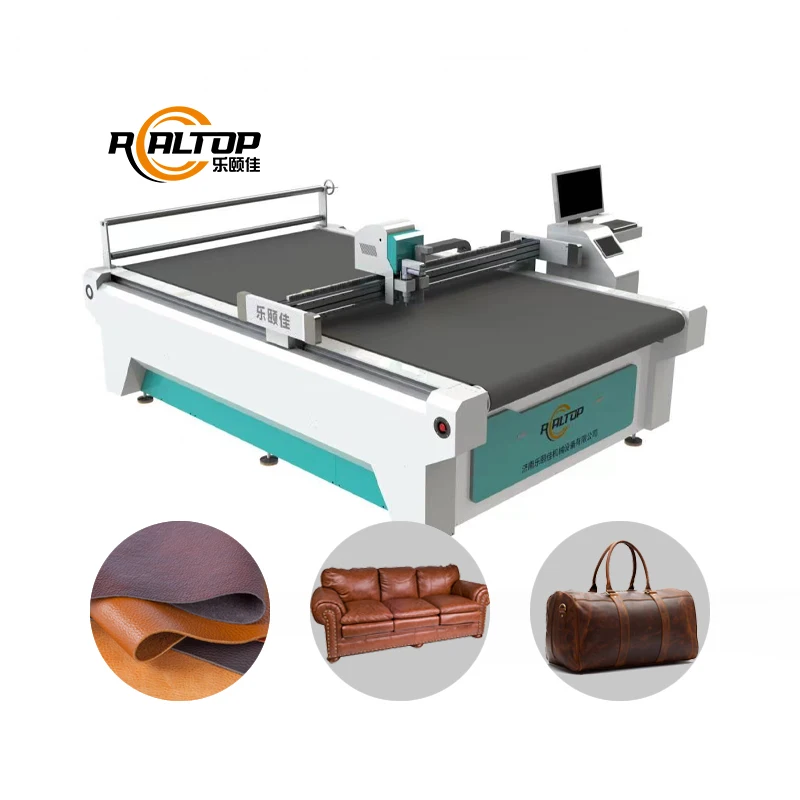
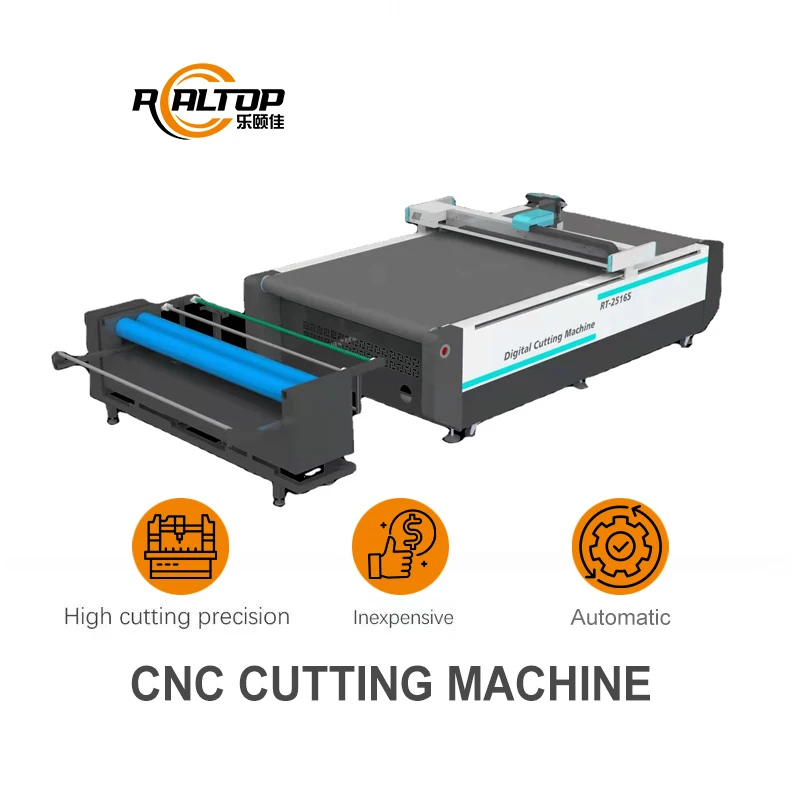
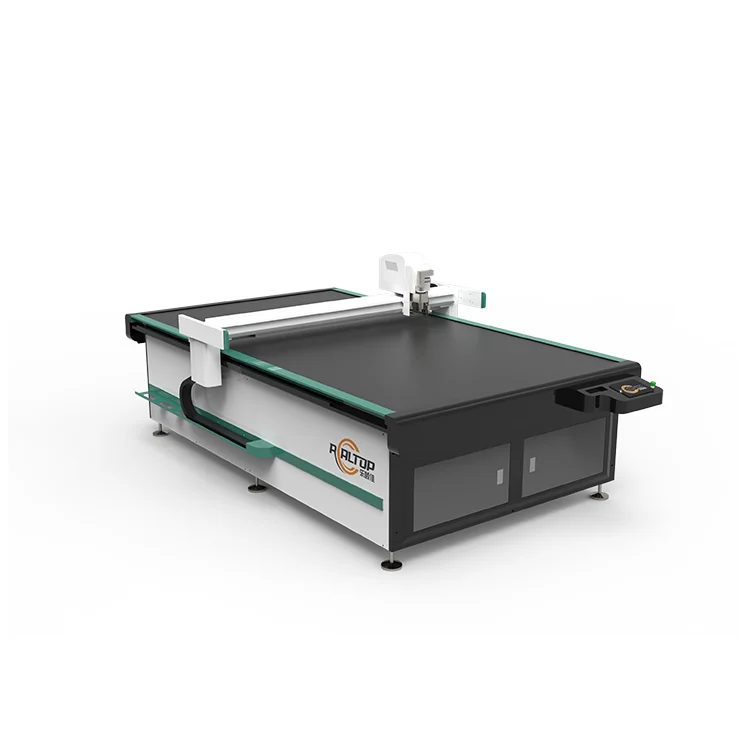
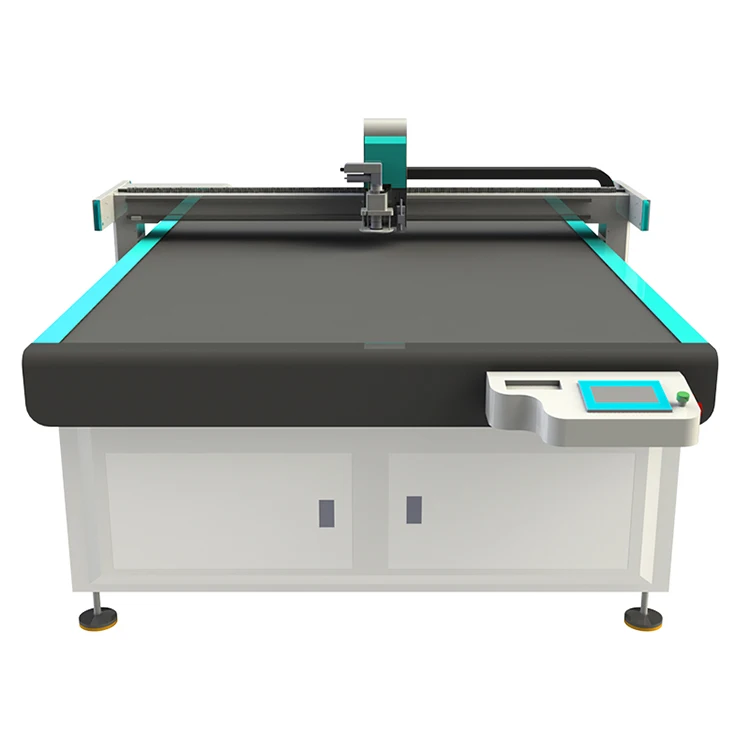
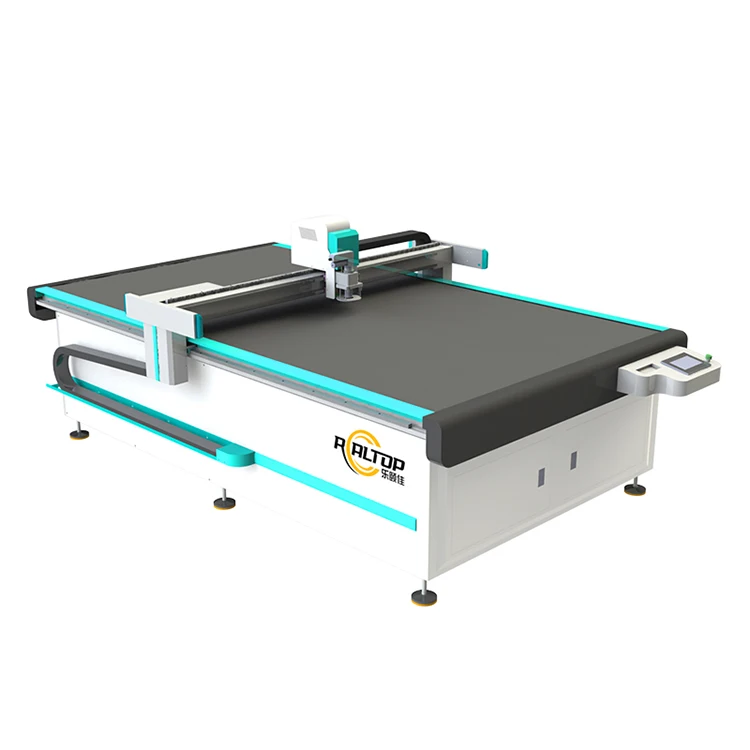
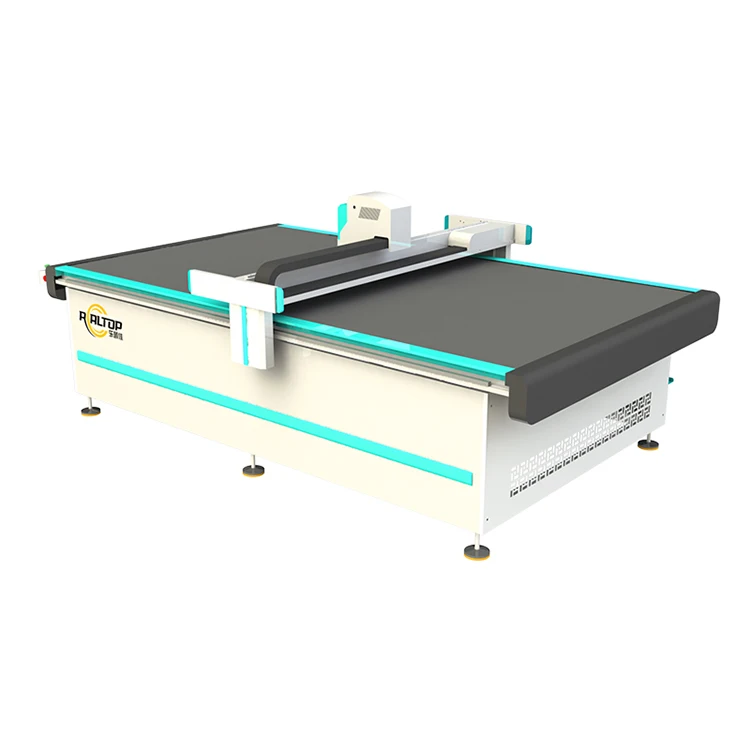
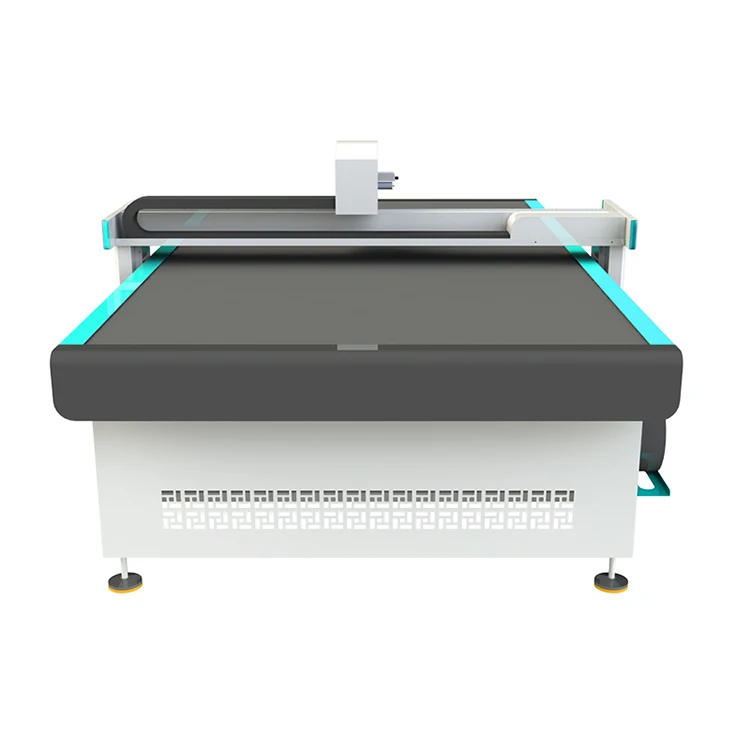
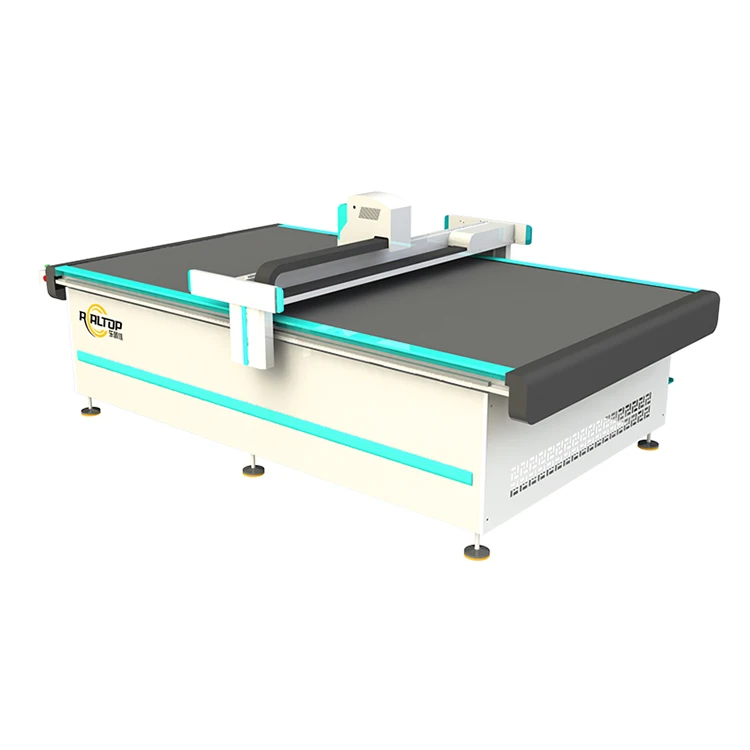
Full Catalogue Range — The 1625 flatbed digital cutter anchors the mid-to-large format tier within a complete cutting equipment family spanning oscillating knife, drag knife and laser methods, letting buyers match the technology to their specific leather type and daily volume.
Technical Specifications
| Parameter | Value |
|---|---|
| Product Type | CNC Digital Flatbed Leather Cutting Machine |
| Model | 1625 (Standard) |
| Working Area | 1600 × 2500 mm |
| Cutting Speed | 0 – 2000 mm/s |
| Cutting Thickness | ≤ 30 mm (basis not stated in source — confirm material type / density) |
| Cutting Accuracy | ±0.1 mm |
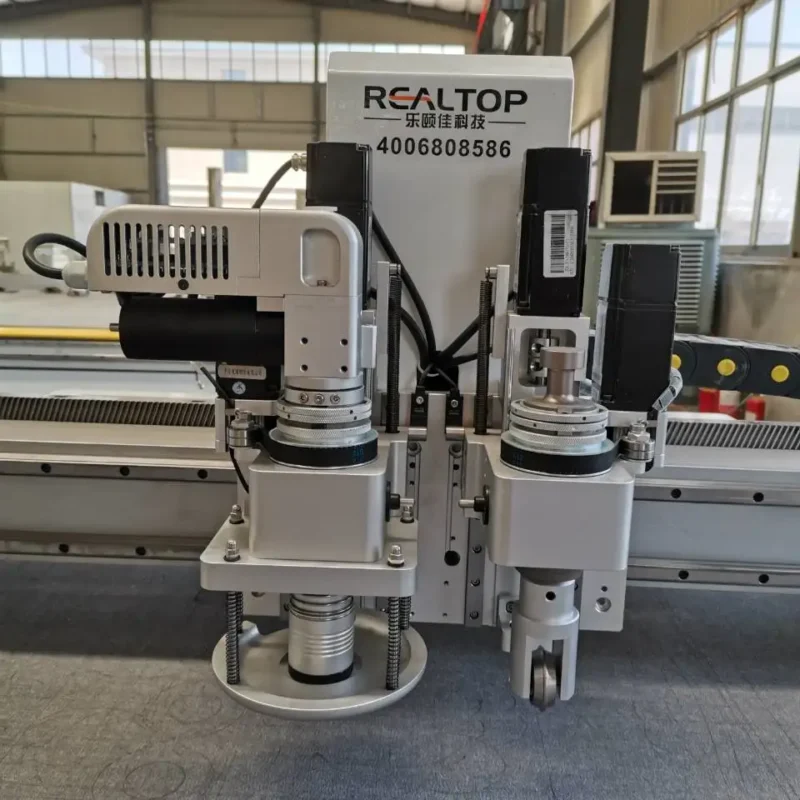
| Tool Head Options | Oscillating knife, Driven rotary knife, Creasing wheel, Kiss cutting tool, Pneumatic knife, Milling tool, V-groove knife |
| Vacuum System | Aluminum bellows vacuum table with 9 kW pump |
| Voltage Options | 110V, 220V, 380V (frequency to be confirmed per destination market) |
| Control System | PLC control panel |
| Servo Motor Options | Panasonic, Delta, Dorna |
| Supported File Formats | PLT, DXF, AI, PDF |
| Safety Devices | Infrared sensor device, Emergency stop |
| Machine Size | 3300 × 2100 × 1350 mm |
| Machine Frame | Heavy-duty frame with precision-ground surface |
| Software Language | English, Russian, Italian, Chinese (custom languages available) |
| Certification | CE (implied via photo, declaration to be confirmed) |
Application Suitability
| Application | Material or Output |
|---|---|
| Footwear & Leather Goods | Shoe uppers, belts, bags, wallets from genuine and synthetic leather hides |
| Automotive Interiors | Seat covers, door panel inserts, headliner fabric and gasket materials |
| Upholstery & Home Furnishings | Sofa fabric panels, cushion covers, lampshade composites |
| Signage & Packaging Samples | Foam boards, PVC sheets, acrylic panels, adhesive stickers, gift boxes and cartons |
| Technical Textiles | Printed fabrics, patterned rolls, EPE foam, PTFE and rubber insulation sheets |
Why the Voltage Question Must Precede the Quotation
A CNC digital cutting machine manufacturer that skips voltage confirmation is selling you a problem, not a solution.
I once watched a container sit at a Chilean port for three weeks because the flatbed cutter inside was wired for 380V/50Hz while the facility ran on 220V/60Hz. The local electrician tripped the breaker on first connection, and the buyer had to source a step-up transformer before the machine could even power on. [NEED_CITE: voltage and frequency standards by export market] That delay cost more than the transformer itself — missed production schedules, demurrage charges, and eroded trust. When you survey a complete equipment range, every model must ship with electrical specifications matched to your facility’s actual supply, down to the plug type.
Positioning Within a Complete Cutting Equipment Family
The 1625 occupies the mid-to-large format tier in a catalogue that spans compact tabletop units and oversized multi-head production lines. Buyers evaluating a CNC digital cutting machine manufacturer need to see where this model sits relative to smaller 1300-series tables and larger 2500-plus formats, so they can plan for current hide sizes and future volume growth without over-specifying floor space. The 1600 × 2500 mm bed handles full leather hides and nested garment panels in a single lay.
Seven Tool Heads on One Platform
A single flatbed configured with oscillating knife, driven rotary knife, creasing wheel, kiss cutting tool, pneumatic knife, milling tool and V-groove knife covers cutting, creasing, routing and scoring across leather, foam, composites and board stock. Rather than buying separate machines for each operation, a production facility swaps tool heads per job ticket. This flexibility matters when a buyer’s product mix shifts between genuine leather shoe uppers one week and EVA foam gaskets the next. [NEED_CITE: tooling versatility in digital flatbed cutting systems]
Reading the Specs That Actually Affect Your Output
The 9 kW vacuum pump paired with an aluminum bellows table generates hold-down force across the entire 1600 × 2500 mm surface. For leather hides that curl at the edges, insufficient vacuum zoning causes material lift mid-cut, producing scrap instead of sellable parts. The PLC control panel accepts PLT, DXF, AI and PDF files, meaning the machine integrates with most nesting software already used in footwear and automotive supply chains. Panasonic, Delta and Dorna servo motor options let buyers specify the motion component brand their local service technicians already support. Cutting accuracy holds at ±0.1 mm, which keeps shoe upper pieces within assembly tolerance for downstream stitching operations.
The Hidden Cost of Configuring on Working Area Alone
Specifying a flatbed cutter based solely on bed dimensions is how buyers end up with a machine that cannot handle their material thickness. A 30 mm cutting depth rating means different things for dense rubber gasket versus soft EVA foam — without confirming the material type and density behind that number, the actual usable depth on your specific stock remains unknown. [NEED_CITE: material density impact on oscillating knife cutting depth] Wrong tool head selection compounds the problem: an oscillating knife on thick composite leather produces ragged edges, while a driven rotary knife on thin synthetic may crush the material rather than slice it cleanly. These mismatches surface only after the machine arrives and the first production run fails quality inspection.
Why Source This Range Here
In-house design and production cover both knife and laser cutting technologies, so a buyer comparing methods for leather edge sealing versus clean knife cuts gets a recommendation based on the material, not on which machine the factory needs to move. Tool head and table configuration is specified per material type and production volume before the order is placed. CCD camera positioning is available for printed leather and patterned roll contour work. Software compatibility — file format, nesting workflow, control language — is confirmed before production begins. Sample cutting on the buyer’s own leather stock validates thickness capacity, edge quality and speed before any commitment is made.
Documentation & Verification
- Machine specification sheet confirming 1600 × 2500 mm bed, tool head list and voltage matched to destination
- Sample cutting report on your leather hide or synthetic material validating edge quality and thickness
- Electrical schematic with voltage and frequency confirmed for your facility’s supply standard
- Software licence and file format compatibility note for PLT, DXF, AI and PDF integration
- Factory test record documenting cutting accuracy and vacuum hold-down before dispatch
Installation, Commissioning & Support
- Floor space allocation for 3300 × 2100 mm machine footprint plus material handling clearance on all sides
- Dedicated electrical circuit matching confirmed voltage option (110V, 220V or 380V) with correct frequency
- Heavy-duty frame leveling on precision-ground surface to maintain ±0.1 mm cutting accuracy across the bed
- PLC control panel language set and servo motor parameters calibrated during first-run commissioning
- 9 kW vacuum pump inspection and aluminum bellows table seal check included in on-site startup
- Spare parts list covering oscillating knife blades, rotary knife discs and vacuum table seals for first-year maintenance
What to Include in Your Inquiry
To receive a configuration that fits your production line, share your leather or composite material type, typical thickness range and maximum hide or roll width. Specify your facility’s voltage and frequency supply along with preferred control panel language. If you run existing nesting software, confirm the file format so compatibility is verified before the machine ships.
Frequently Asked Questions
Q: Should I choose knife cutting or laser cutting for my leather products?
A: Knife cutting produces no burnt edges and handles thick genuine leather hides cleanly with oscillating or rotary tools. Laser cutting seals synthetic leather edges and suits intricate perforation patterns. The 1625 is a knife-based platform within a broader catalogue that includes CO2 and fiber laser models, so the method is matched to your specific leather type and edge-finish requirement rather than forced onto one technology.
Q: How do I confirm the 1600 × 2500 mm bed fits my hide sizes and nesting layout?
A: Share your typical hide dimensions and nesting software output with the engineering team before ordering. They run a layout simulation using your actual PLT or DXF files to verify that full hides fit within the working area with enough margin for vacuum hold-down at the edges, ensuring no material lift during cutting.
Q: Which tool head do I need for genuine leather versus synthetic leather?
A: Genuine leather typically requires an oscillating knife for clean cuts through dense, fibrous hides without fraying. Synthetic leather and PU materials often work well with a driven rotary knife for speed. Composite materials with foam cores may need a pneumatic knife or milling tool. The 1625 supports all seven tool options, so configuration is matched to your dominant material type.
Q: What other models in the catalogue cover different production scales?
A: The full range includes compact-format tables for sample rooms and prototyping, mid-range beds like the 1625 for standard production runs, and large-format multi-head systems for high-volume automotive and furniture manufacturers. Each tier shares the same tool head ecosystem and software platform, so workflows transfer across models without retraining.
Q: How are voltage and control language confirmed before shipment?
A: Your facility’s voltage, frequency and plug type are recorded during the quotation stage and verified against the electrical schematic before production. Control panel language options include English, Russian, Italian and Chinese, with custom languages available. The confirmed specifications are documented in the machine specification sheet and electrical schematic included with every shipment.
Full Catalogue Range — The 1625 flatbed digital cutter anchors the mid-to-large format tier within a complete cutting equipment family spanning oscillating knife, drag knife and laser methods, letting buyers match the technology to their specific leather type and daily volume.
Technical Specifications
| Parameter | Value |
|---|---|
| Product Type | CNC Digital Flatbed Leather Cutting Machine |
| Model | 1625 (Standard) |
| Working Area | 1600 × 2500 mm |
| Cutting Speed | 0 – 2000 mm/s |
| Cutting Thickness | ≤ 30 mm (basis not stated in source — confirm material type / density) |
| Cutting Accuracy | ±0.1 mm |
| Tool Head Options | Oscillating knife, Driven rotary knife, Creasing wheel, Kiss cutting tool, Pneumatic knife, Milling tool, V-groove knife |
| Vacuum System | Aluminum bellows vacuum table with 9 kW pump |
| Voltage Options | 110V, 220V, 380V (frequency to be confirmed per destination market) |
| Control System | PLC control panel |
| Servo Motor Options | Panasonic, Delta, Dorna |
| Supported File Formats | PLT, DXF, AI, PDF |
| Safety Devices | Infrared sensor device, Emergency stop |
| Machine Size | 3300 × 2100 × 1350 mm |
| Machine Frame | Heavy-duty frame with precision-ground surface |
| Software Language | English, Russian, Italian, Chinese (custom languages available) |
| Certification | CE (implied via photo, declaration to be confirmed) |
Application Suitability
| Application | Material or Output |
|---|---|
| Footwear & Leather Goods | Shoe uppers, belts, bags, wallets from genuine and synthetic leather hides |
| Automotive Interiors | Seat covers, door panel inserts, headliner fabric and gasket materials |
| Upholstery & Home Furnishings | Sofa fabric panels, cushion covers, lampshade composites |
| Signage & Packaging Samples | Foam boards, PVC sheets, acrylic panels, adhesive stickers, gift boxes and cartons |
| Technical Textiles | Printed fabrics, patterned rolls, EPE foam, PTFE and rubber insulation sheets |
Why the Voltage Question Must Precede the Quotation
A CNC digital cutting machine manufacturer that skips voltage confirmation is selling you a problem, not a solution.
I once watched a container sit at a Chilean port for three weeks because the flatbed cutter inside was wired for 380V/50Hz while the facility ran on 220V/60Hz. The local electrician tripped the breaker on first connection, and the buyer had to source a step-up transformer before the machine could even power on. [NEED_CITE: voltage and frequency standards by export market] That delay cost more than the transformer itself — missed production schedules, demurrage charges, and eroded trust. When you survey a complete equipment range, every model must ship with electrical specifications matched to your facility’s actual supply, down to the plug type.
Positioning Within a Complete Cutting Equipment Family
The 1625 occupies the mid-to-large format tier in a catalogue that spans compact tabletop units and oversized multi-head production lines. Buyers evaluating a CNC digital cutting machine manufacturer need to see where this model sits relative to smaller 1300-series tables and larger 2500-plus formats, so they can plan for current hide sizes and future volume growth without over-specifying floor space. The 1600 × 2500 mm bed handles full leather hides and nested garment panels in a single lay.
Seven Tool Heads on One Platform
A single flatbed configured with oscillating knife, driven rotary knife, creasing wheel, kiss cutting tool, pneumatic knife, milling tool and V-groove knife covers cutting, creasing, routing and scoring across leather, foam, composites and board stock. Rather than buying separate machines for each operation, a production facility swaps tool heads per job ticket. This flexibility matters when a buyer’s product mix shifts between genuine leather shoe uppers one week and EVA foam gaskets the next. [NEED_CITE: tooling versatility in digital flatbed cutting systems]
Reading the Specs That Actually Affect Your Output
The 9 kW vacuum pump paired with an aluminum bellows table generates hold-down force across the entire 1600 × 2500 mm surface. For leather hides that curl at the edges, insufficient vacuum zoning causes material lift mid-cut, producing scrap instead of sellable parts. The PLC control panel accepts PLT, DXF, AI and PDF files, meaning the machine integrates with most nesting software already used in footwear and automotive supply chains. Panasonic, Delta and Dorna servo motor options let buyers specify the motion component brand their local service technicians already support. Cutting accuracy holds at ±0.1 mm, which keeps shoe upper pieces within assembly tolerance for downstream stitching operations.
The Hidden Cost of Configuring on Working Area Alone
Specifying a flatbed cutter based solely on bed dimensions is how buyers end up with a machine that cannot handle their material thickness. A 30 mm cutting depth rating means different things for dense rubber gasket versus soft EVA foam — without confirming the material type and density behind that number, the actual usable depth on your specific stock remains unknown. [NEED_CITE: material density impact on oscillating knife cutting depth] Wrong tool head selection compounds the problem: an oscillating knife on thick composite leather produces ragged edges, while a driven rotary knife on thin synthetic may crush the material rather than slice it cleanly. These mismatches surface only after the machine arrives and the first production run fails quality inspection.
Why Source This Range Here
In-house design and production cover both knife and laser cutting technologies, so a buyer comparing methods for leather edge sealing versus clean knife cuts gets a recommendation based on the material, not on which machine the factory needs to move. Tool head and table configuration is specified per material type and production volume before the order is placed. CCD camera positioning is available for printed leather and patterned roll contour work. Software compatibility — file format, nesting workflow, control language — is confirmed before production begins. Sample cutting on the buyer’s own leather stock validates thickness capacity, edge quality and speed before any commitment is made.
Documentation & Verification
- Machine specification sheet confirming 1600 × 2500 mm bed, tool head list and voltage matched to destination
- Sample cutting report on your leather hide or synthetic material validating edge quality and thickness
- Electrical schematic with voltage and frequency confirmed for your facility’s supply standard
- Software licence and file format compatibility note for PLT, DXF, AI and PDF integration
- Factory test record documenting cutting accuracy and vacuum hold-down before dispatch
Installation, Commissioning & Support
- Floor space allocation for 3300 × 2100 mm machine footprint plus material handling clearance on all sides
- Dedicated electrical circuit matching confirmed voltage option (110V, 220V or 380V) with correct frequency
- Heavy-duty frame leveling on precision-ground surface to maintain ±0.1 mm cutting accuracy across the bed
- PLC control panel language set and servo motor parameters calibrated during first-run commissioning
- 9 kW vacuum pump inspection and aluminum bellows table seal check included in on-site startup
- Spare parts list covering oscillating knife blades, rotary knife discs and vacuum table seals for first-year maintenance
What to Include in Your Inquiry
To receive a configuration that fits your production line, share your leather or composite material type, typical thickness range and maximum hide or roll width. Specify your facility’s voltage and frequency supply along with preferred control panel language. If you run existing nesting software, confirm the file format so compatibility is verified before the machine ships.
Frequently Asked Questions
Q: Should I choose knife cutting or laser cutting for my leather products?
A: Knife cutting produces no burnt edges and handles thick genuine leather hides cleanly with oscillating or rotary tools. Laser cutting seals synthetic leather edges and suits intricate perforation patterns. The 1625 is a knife-based platform within a broader catalogue that includes CO2 and fiber laser models, so the method is matched to your specific leather type and edge-finish requirement rather than forced onto one technology.
Q: How do I confirm the 1600 × 2500 mm bed fits my hide sizes and nesting layout?
A: Share your typical hide dimensions and nesting software output with the engineering team before ordering. They run a layout simulation using your actual PLT or DXF files to verify that full hides fit within the working area with enough margin for vacuum hold-down at the edges, ensuring no material lift during cutting.
Q: Which tool head do I need for genuine leather versus synthetic leather?
A: Genuine leather typically requires an oscillating knife for clean cuts through dense, fibrous hides without fraying. Synthetic leather and PU materials often work well with a driven rotary knife for speed. Composite materials with foam cores may need a pneumatic knife or milling tool. The 1625 supports all seven tool options, so configuration is matched to your dominant material type.
Q: What other models in the catalogue cover different production scales?
A: The full range includes compact-format tables for sample rooms and prototyping, mid-range beds like the 1625 for standard production runs, and large-format multi-head systems for high-volume automotive and furniture manufacturers. Each tier shares the same tool head ecosystem and software platform, so workflows transfer across models without retraining.
Q: How are voltage and control language confirmed before shipment?
A: Your facility’s voltage, frequency and plug type are recorded during the quotation stage and verified against the electrical schematic before production. Control panel language options include English, Russian, Italian and Chinese, with custom languages available. The confirmed specifications are documented in the machine specification sheet and electrical schematic included with every shipment.
商品评价
There are no reviews yet.