

Fast Delivery
Quick, reliable shipping to any location.

Free & easy returns
Return this item by mail or in store within 90 days for a full refund.
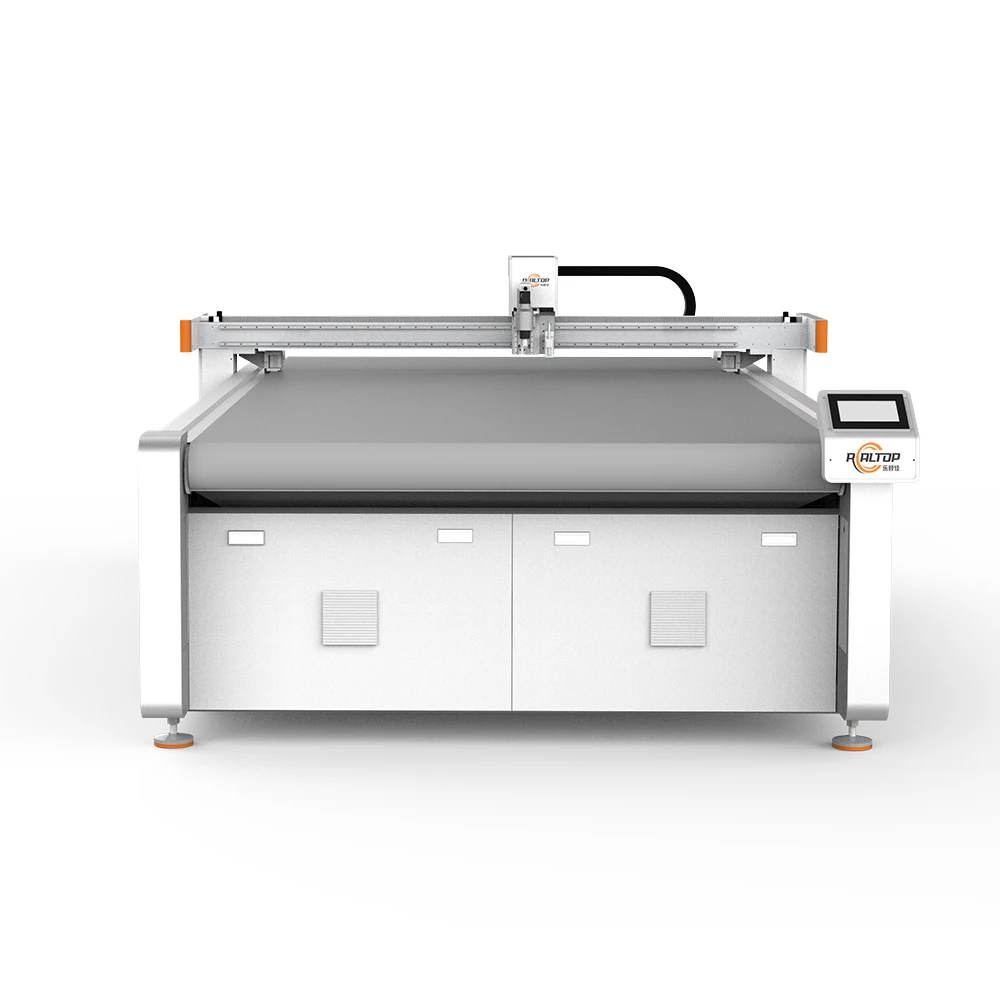
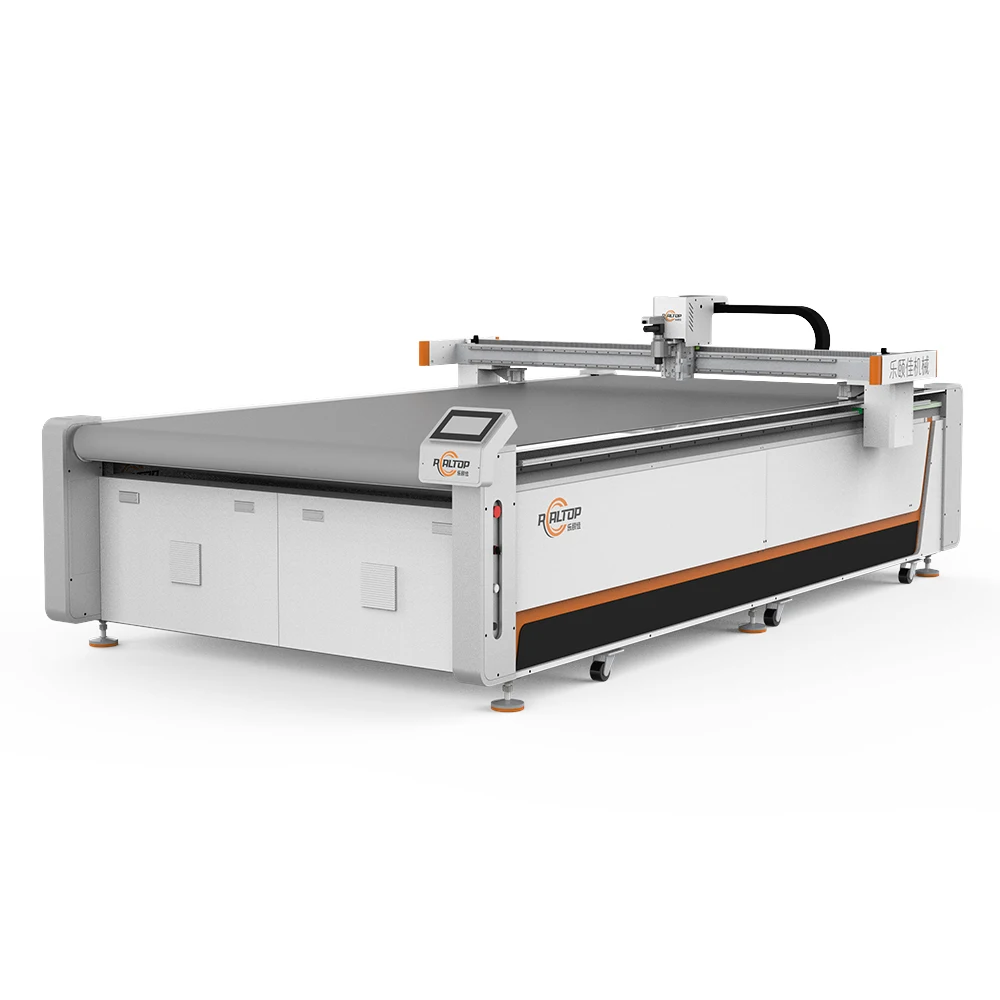
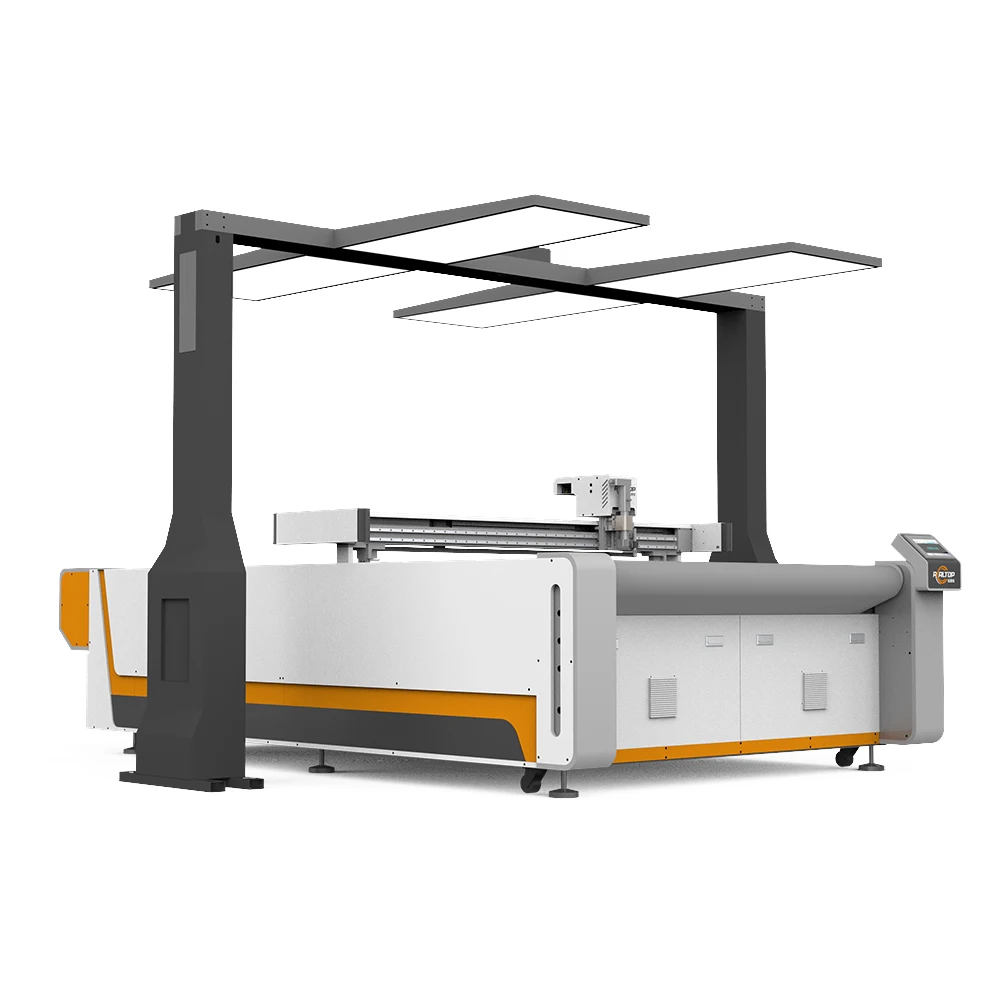
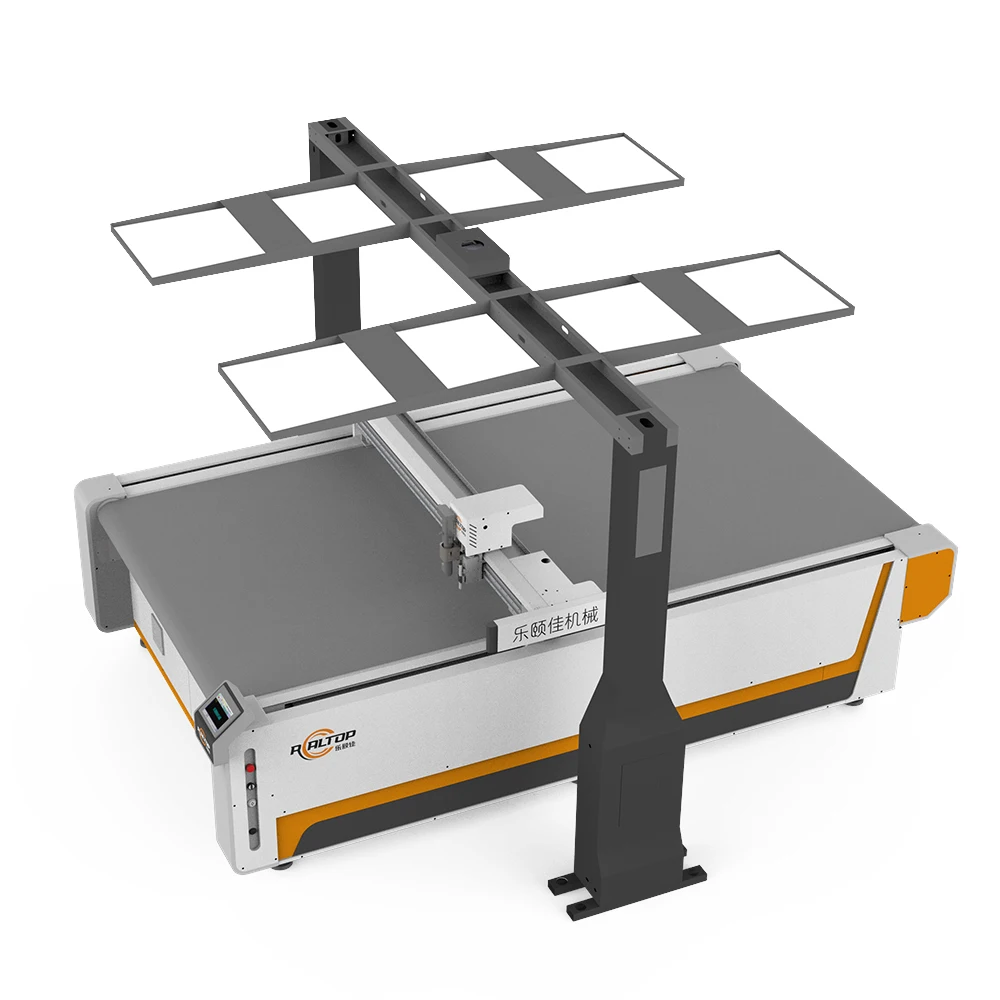
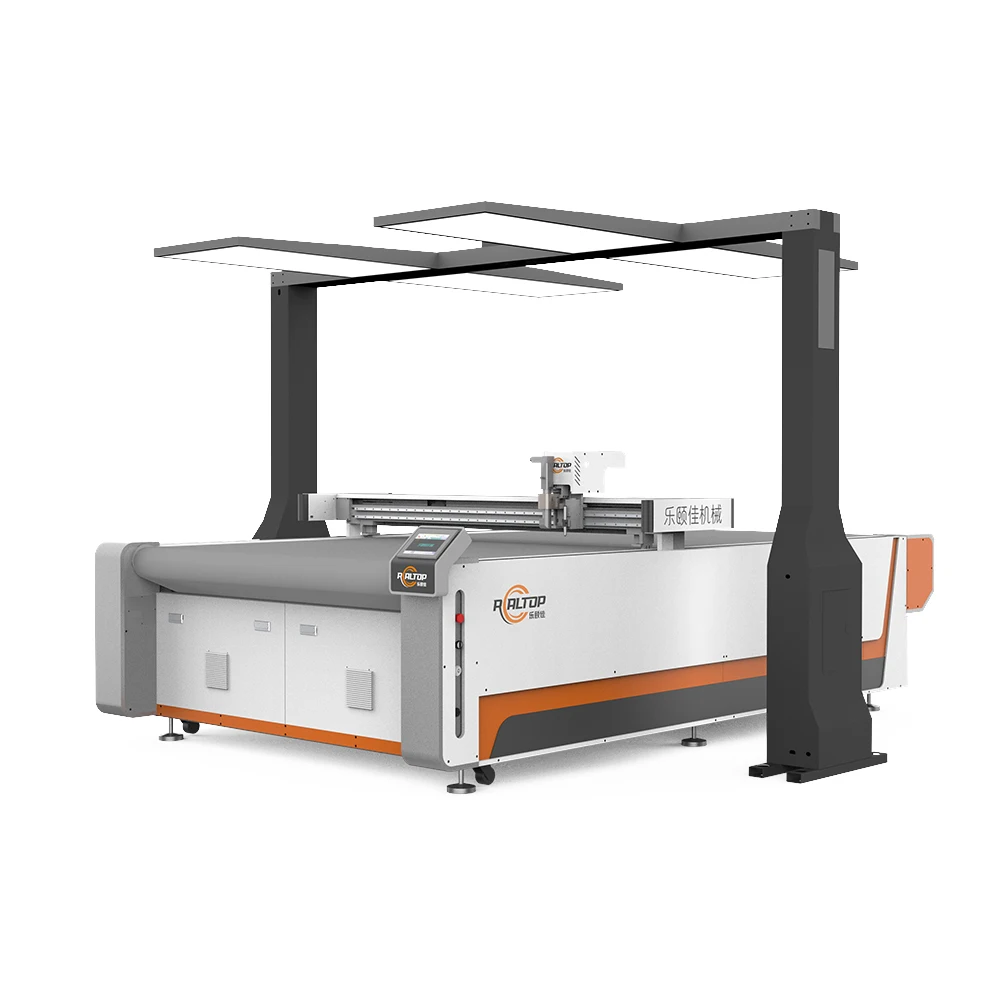
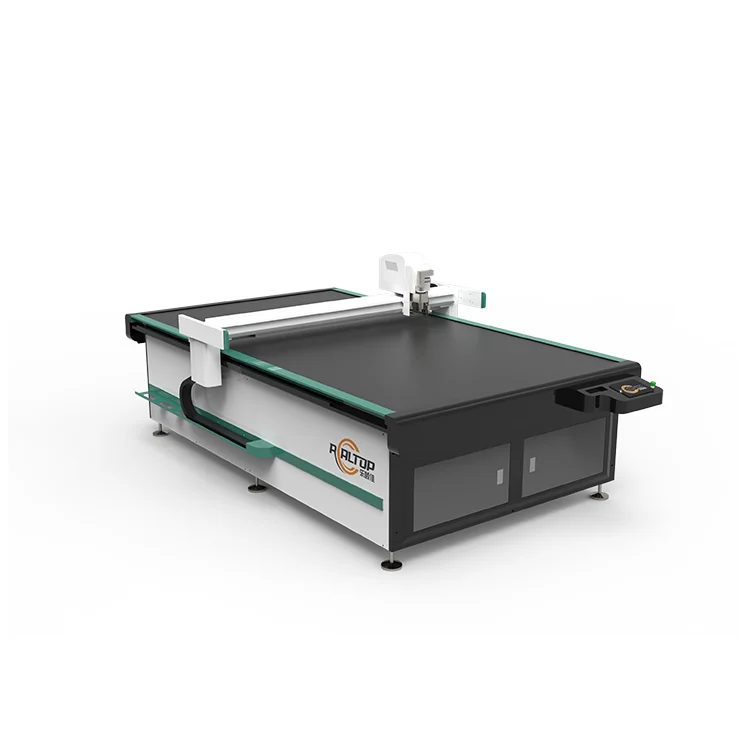
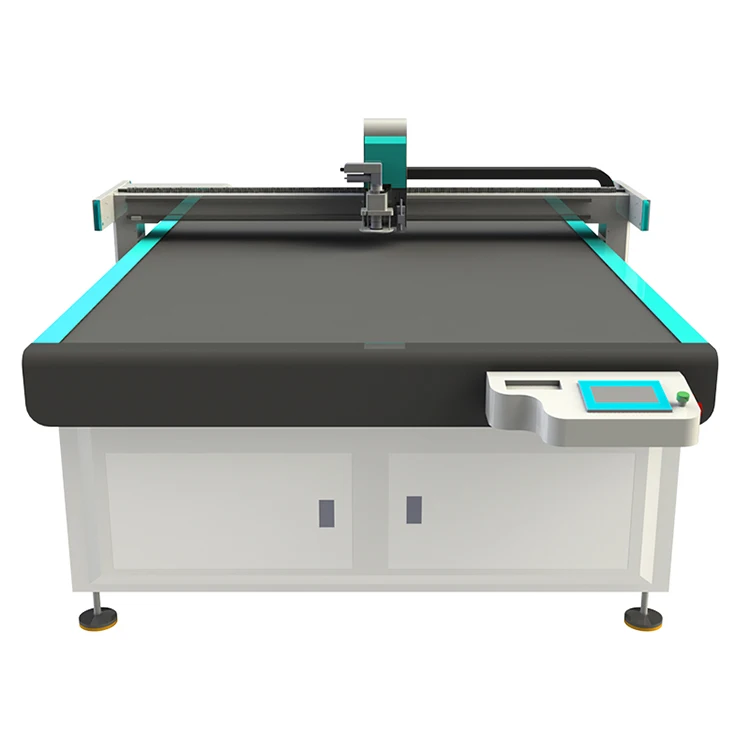
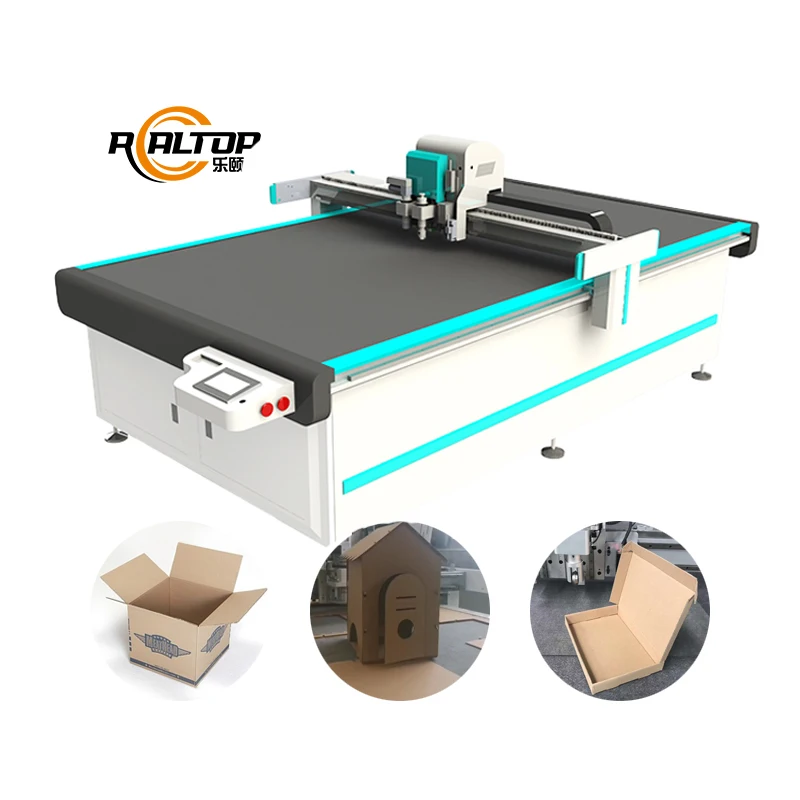
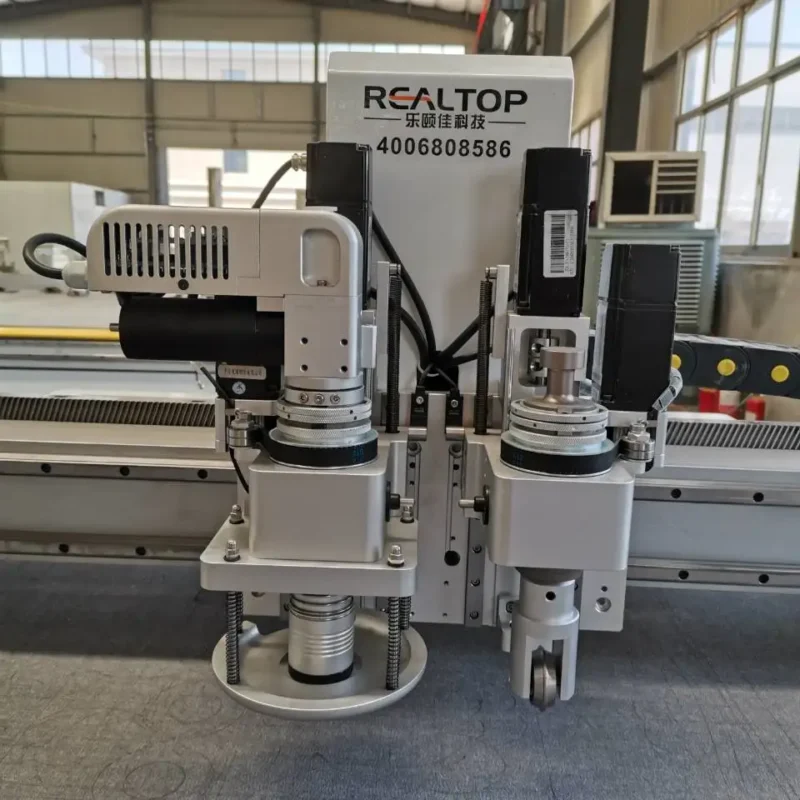
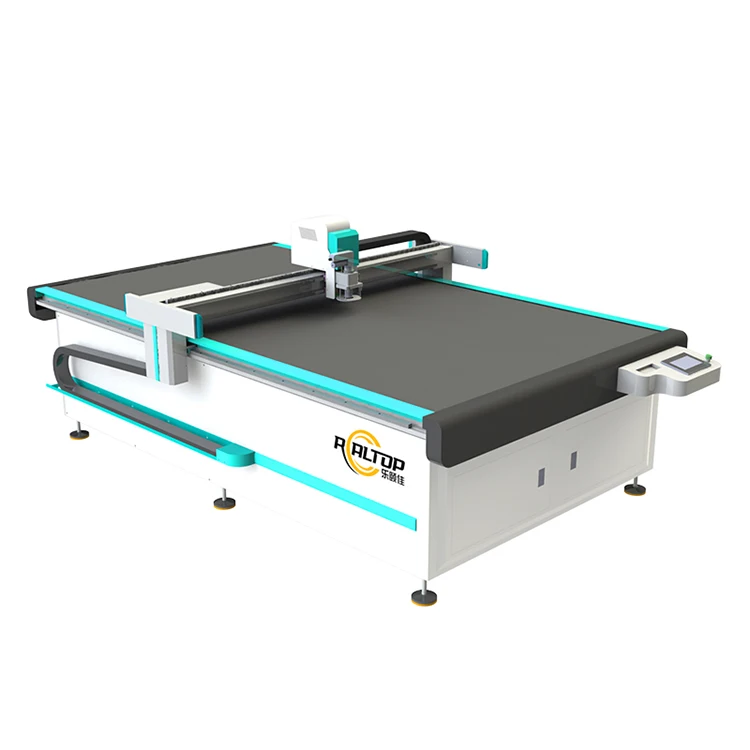
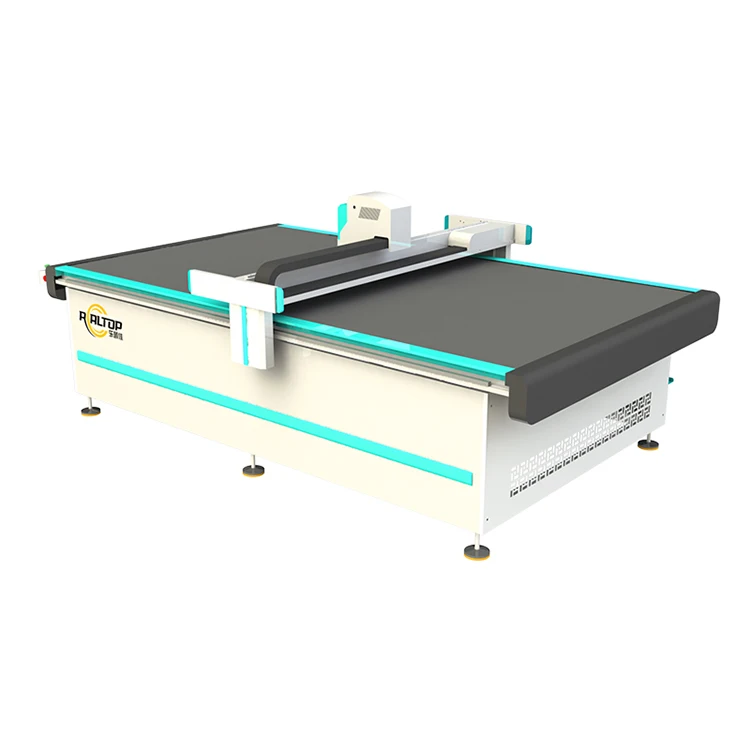
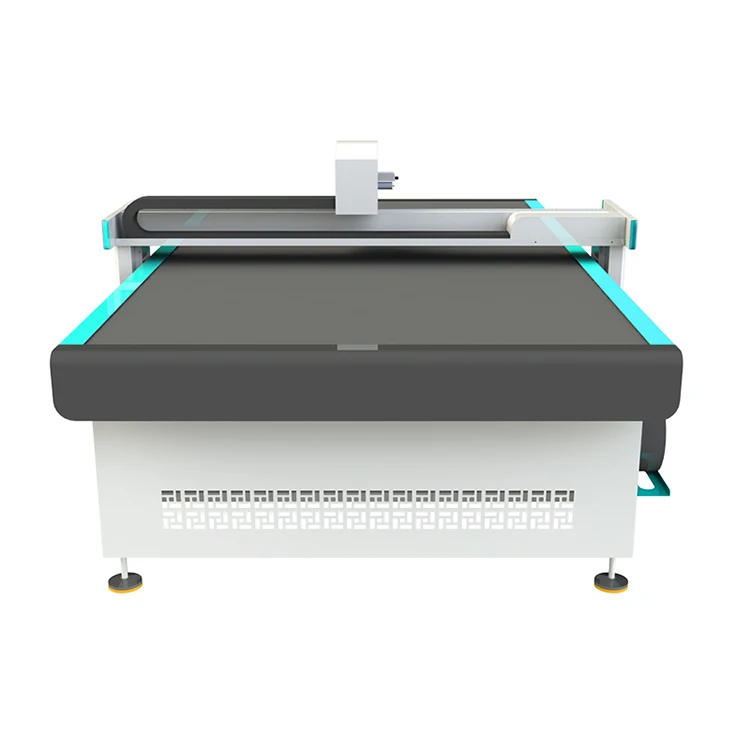
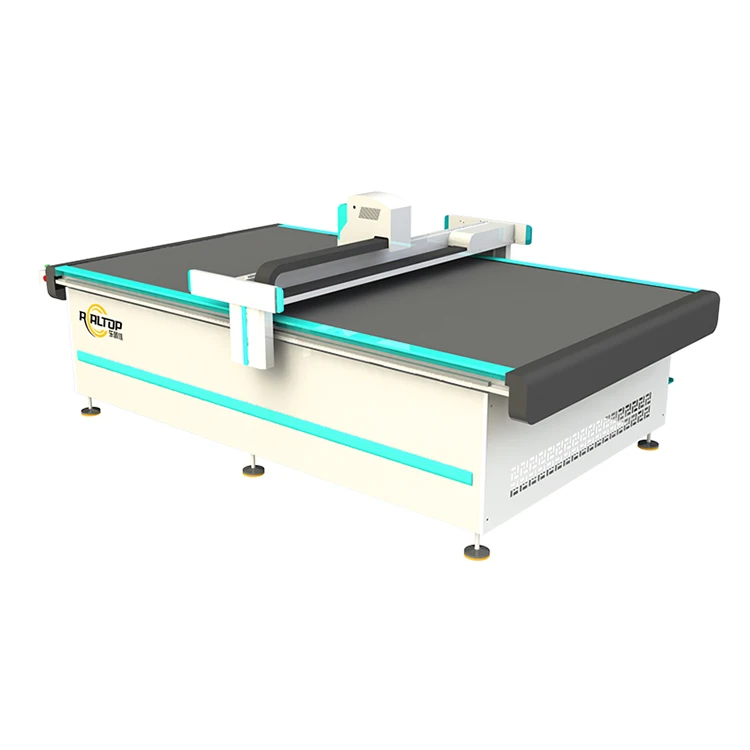
Tool-Head Versatility — One platform hosts oscillating knife, driven rotary, creasing wheel, kiss cutting, pneumatic knife, milling and V-groove tool heads, letting a single artificial-leather shoe upper cutting machine cover PU, PVC, genuine hide and foam-laminated composites without forcing a compromise.
Technical Specifications
| Parameter | Value |
|---|---|
| Product Type | CNC Oscillating Knife Cutting Machine |
| Working Area | 1600 × 2500 mm |
| Tool Head Options | Oscillating knife, Driven rotary knife, Creasing wheel, Kiss cutting, Pneumatic knife, Milling, V-groove |
| Cutting Speed | 0 – 2000 mm/s |
| Maximum Cutting Thickness | 30 mm |
| Cutting Accuracy | ±0.1 mm |
| Vacuum Table | Aluminum bellows vacuum table |
| Vacuum Pump Power | 9 kW |
| Control System | PLC control panel |
| Servo Motor Options | Panasonic, Delta, Dorna (available on request) |
| Voltage Options | 110 V / 220 V / 380 V |
| Software Compatibility | PLT, DXF, AI, PDF |
| CCD Camera | Contour recognition and positioning for printed materials |
| Safety Devices | Infrared sensor array and emergency stop |
| Machine Dimensions (L × W × H) | 3300 × 2100 × 1350 mm |
| Language Options | English, Russian, Italian, Chinese (customizable) |
| CE Declaration | Available |
Application Suitability
| Application | Material or Output |
|---|---|
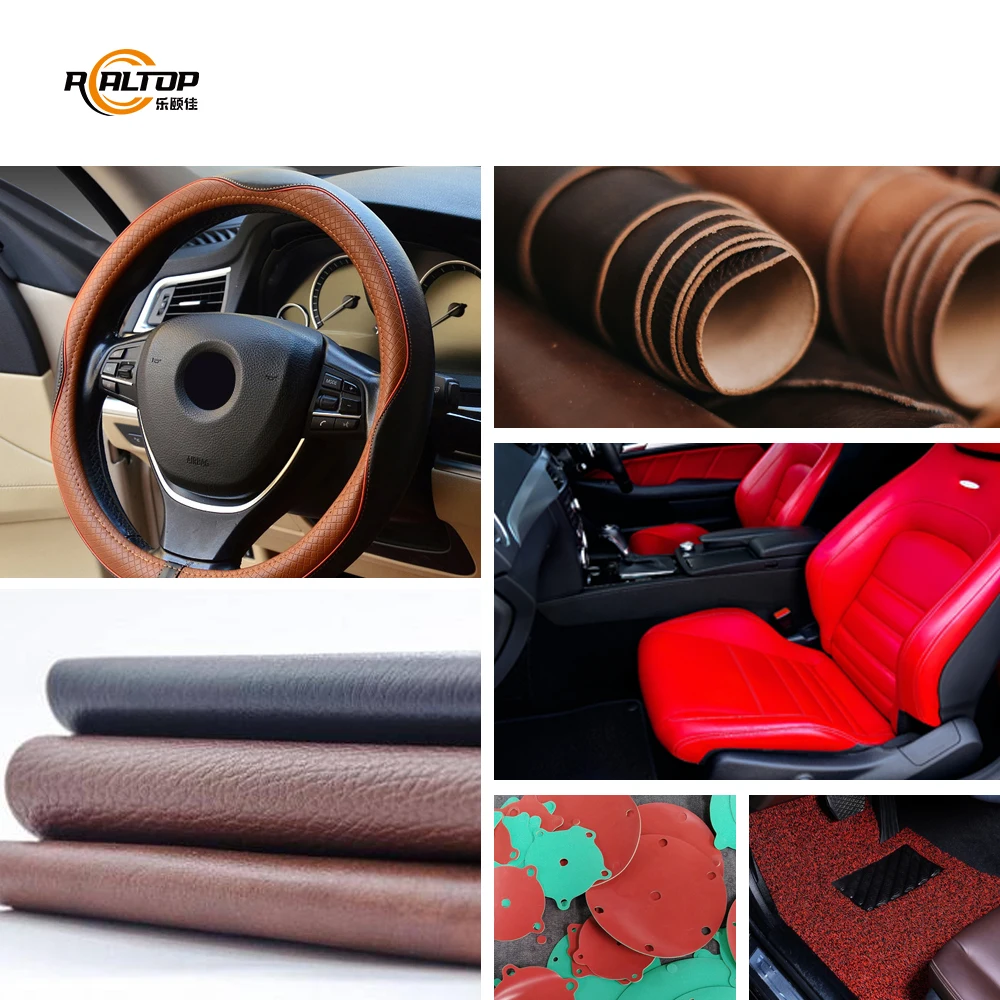
| Shoe upper production | Artificial leather (PU, PVC), genuine leather, microfiber composites, foam-laminated hides |
| Bag and leather goods | Full-grain and split leather, synthetic suede, textile-reinforced sheeting |
| Automotive seat covers | Perforated leather, vinyl composites, foam-backed upholstery panels |
| Sofa and soft furniture | Thick upholstery hides, multi-layer textile composites |
| Car mats and interior trim | PVC coils, foam materials (EPE), needle-punch fabrics |
| Printed roll goods | Patterned textiles and rolls using CCD contour recognition |
Why "Working Area" Alone Misses the Real Constraint
Cutting depth and edge quality depend on tool head selection, not just table size.
Buyers often pick a machine based on sheet size, then discover the specified tool head cannot slice through a foam-backed composite cleanly. Ragged edges, crushed foam cores and delaminated top layers usually trace back to a mismatch between the blade type, stroke frequency and downward pressure — variables that a simple working-area figure never reveals [NEED_CITE: cutting force requirements for laminated synthetic leathers].
Matching Tool Head to Leather Type
An oscillating knife handles most PU and PVC artificial leathers cleanly because the high-frequency vibration reduces drag on coated surfaces. When the same material includes a foam or textile backing, a driven rotary knife often performs better, pulling through the stack without fraying the lower ply. The CNC oscillating knife cutting machine manufacturer recommends running a sample on the buyer’s actual roll before locking the configuration.
Contour Nesting with CCD Camera Positioning
Shoe uppers frequently come from printed or marked hides where natural defects must be avoided. The integrated CCD camera reads fiducial marks and adjusts the cutting path in real time, aligning each piece to the printed grain or contour. This matters for patterned artificial leather where a misaligned upper would be rejected at the lasting stage [NEED_CITE: CCD contour recognition accuracy on printed synthetic hides].
Reading the Specifications Beyond the Brochure
The 1600 × 2500 mm table accommodates full hides and wide rolls, yet the 9 kW vacuum pump is what actually holds thin, flexible sheets flat during high-speed traversal. Without adequate suction, lightweight PU can lift at the edges, causing dimensional drift that the ±0.1 mm accuracy rating cannot compensate for. Likewise, the PLC control panel supports PLT, DXF, AI and PDF imports, but the nesting software must still match the buyer’s existing file workflow — a detail confirmed during pre-order software checks.
The Cost of Skipping the Sample Cut
Operators who ship machines based on catalog specs alone often spend days re-tuning blade pressure and oscillation frequency on site. I once spent four days at a footwear plant in South Asia recalibrating a cutting table because the standard PU sample ran perfectly, but the customer’s actual foam-backed composite required a completely different stroke profile. Edge fuzz, delamination and blade chatter only appeared under real production material, and the delay compressed their launch schedule [NEED_CITE: on-site commissioning time for composite leather cutting].
Why Buyers Source This Platform
Realtop designs both knife and laser cutting systems in-house, so the cutting method is matched to the material rather than forced onto one technology. Tool head and vacuum table configurations are specified per material sample and daily volume. CCD camera positioning is validated with the buyer’s own printed stock before order. Voltage, plug type and control language are confirmed in writing, eliminating shipment surprises. A sample cutting report on the buyer’s exact artificial leather is issued before the machine leaves the factory.
Documentation & Verification
- Machine specification sheet listing every configured tool head and table option
- Electrical schematic with confirmed voltage, frequency and plug type
- Sample cutting report produced on the buyer’s own artificial leather
- Software licence key with verified PLT, DXF, AI, PDF format compatibility
- Factory test record documenting accuracy and edge quality before packing
Installation, Commissioning & Support
- Floor space planning around the 3300 × 2100 × 1350 mm machine envelope
- Dedicated circuit matching the selected 110 V / 220 V / 380 V supply and 9 kW vacuum pump
- Assembly and leveling of the aluminum bellows vacuum table on site
- First-run parameter tuning for blade pressure, oscillation frequency and vacuum zoning
- Operator training on the PLC control panel in the confirmed language option
- Spare blade and oscillating knife consumables list supplied at handover
Preparing Your Enquiry
Send the exact artificial leather type, thickness and backing composition you plan to cut, together with the daily upper volume target. Specify the local voltage and frequency, the preferred PLC control language, and whether CCD contour recognition is needed for printed stock. Include a roll or hide sample so a test cut can be completed before the quotation is finalised.
Frequently Asked Questions
Q: How do I choose between oscillating knife and driven rotary knife for artificial leather?
A: Oscillating knives excel on single-layer PU and PVC, delivering clean edges at high speed. Driven rotary knives handle foam-backed or multi-layer composites without delaminating the plies. The correct choice depends on your actual material stack, confirmed through a sample cut before the order is finalised.
Q: What cutting thickness can this machine handle on leather composites?
A: The platform is rated up to 30 mm, but usable thickness depends on material density and backing type. Dense microfiber leather may require a reduced depth per pass, while soft foam composites can be cut at full stroke. A sample report shows the practical limit for your specific material.
Q: Does the CCD camera track printed contours at full production speed?
A: The camera reads fiducial marks and adjusts the path dynamically, but maximum tracking speed depends on mark contrast, print resolution and ambient lighting. We validate contour recognition on your printed stock during the sample stage to confirm throughput matches your line requirements.
Q: Can I import my existing nesting files without conversion?
A: The control software accepts PLT, DXF, AI and PDF formats directly. Compatibility with your current nesting workflow is verified before order, and any required post-processor adjustments are documented in the software licence and file format compatibility note.
Q: What electrical and language options are confirmed before shipment?
A: Voltage (110 V / 220 V / 380 V), plug type and control panel language are written into the order specification. An electrical schematic is issued for your approval before production, ensuring the machine arrives ready to connect without local rewiring or interface translation.
Tool-Head Versatility — One platform hosts oscillating knife, driven rotary, creasing wheel, kiss cutting, pneumatic knife, milling and V-groove tool heads, letting a single artificial-leather shoe upper cutting machine cover PU, PVC, genuine hide and foam-laminated composites without forcing a compromise.
Technical Specifications
| Parameter | Value |
|---|---|
| Product Type | CNC Oscillating Knife Cutting Machine |
| Working Area | 1600 × 2500 mm |
| Tool Head Options | Oscillating knife, Driven rotary knife, Creasing wheel, Kiss cutting, Pneumatic knife, Milling, V-groove |
| Cutting Speed | 0 – 2000 mm/s |
| Maximum Cutting Thickness | 30 mm |
| Cutting Accuracy | ±0.1 mm |
| Vacuum Table | Aluminum bellows vacuum table |
| Vacuum Pump Power | 9 kW |
| Control System | PLC control panel |
| Servo Motor Options | Panasonic, Delta, Dorna (available on request) |
| Voltage Options | 110 V / 220 V / 380 V |
| Software Compatibility | PLT, DXF, AI, PDF |
| CCD Camera | Contour recognition and positioning for printed materials |
| Safety Devices | Infrared sensor array and emergency stop |
| Machine Dimensions (L × W × H) | 3300 × 2100 × 1350 mm |
| Language Options | English, Russian, Italian, Chinese (customizable) |
| CE Declaration | Available |
Application Suitability
| Application | Material or Output |
|---|---|
| Shoe upper production | Artificial leather (PU, PVC), genuine leather, microfiber composites, foam-laminated hides |
| Bag and leather goods | Full-grain and split leather, synthetic suede, textile-reinforced sheeting |
| Automotive seat covers | Perforated leather, vinyl composites, foam-backed upholstery panels |
| Sofa and soft furniture | Thick upholstery hides, multi-layer textile composites |
| Car mats and interior trim | PVC coils, foam materials (EPE), needle-punch fabrics |
| Printed roll goods | Patterned textiles and rolls using CCD contour recognition |
Why "Working Area" Alone Misses the Real Constraint
Cutting depth and edge quality depend on tool head selection, not just table size.
Buyers often pick a machine based on sheet size, then discover the specified tool head cannot slice through a foam-backed composite cleanly. Ragged edges, crushed foam cores and delaminated top layers usually trace back to a mismatch between the blade type, stroke frequency and downward pressure — variables that a simple working-area figure never reveals [NEED_CITE: cutting force requirements for laminated synthetic leathers].
Matching Tool Head to Leather Type
An oscillating knife handles most PU and PVC artificial leathers cleanly because the high-frequency vibration reduces drag on coated surfaces. When the same material includes a foam or textile backing, a driven rotary knife often performs better, pulling through the stack without fraying the lower ply. The CNC oscillating knife cutting machine manufacturer recommends running a sample on the buyer’s actual roll before locking the configuration.
Contour Nesting with CCD Camera Positioning
Shoe uppers frequently come from printed or marked hides where natural defects must be avoided. The integrated CCD camera reads fiducial marks and adjusts the cutting path in real time, aligning each piece to the printed grain or contour. This matters for patterned artificial leather where a misaligned upper would be rejected at the lasting stage [NEED_CITE: CCD contour recognition accuracy on printed synthetic hides].
Reading the Specifications Beyond the Brochure
The 1600 × 2500 mm table accommodates full hides and wide rolls, yet the 9 kW vacuum pump is what actually holds thin, flexible sheets flat during high-speed traversal. Without adequate suction, lightweight PU can lift at the edges, causing dimensional drift that the ±0.1 mm accuracy rating cannot compensate for. Likewise, the PLC control panel supports PLT, DXF, AI and PDF imports, but the nesting software must still match the buyer’s existing file workflow — a detail confirmed during pre-order software checks.
The Cost of Skipping the Sample Cut
Operators who ship machines based on catalog specs alone often spend days re-tuning blade pressure and oscillation frequency on site. I once spent four days at a footwear plant in South Asia recalibrating a cutting table because the standard PU sample ran perfectly, but the customer’s actual foam-backed composite required a completely different stroke profile. Edge fuzz, delamination and blade chatter only appeared under real production material, and the delay compressed their launch schedule [NEED_CITE: on-site commissioning time for composite leather cutting].
Why Buyers Source This Platform
Realtop designs both knife and laser cutting systems in-house, so the cutting method is matched to the material rather than forced onto one technology. Tool head and vacuum table configurations are specified per material sample and daily volume. CCD camera positioning is validated with the buyer’s own printed stock before order. Voltage, plug type and control language are confirmed in writing, eliminating shipment surprises. A sample cutting report on the buyer’s exact artificial leather is issued before the machine leaves the factory.
Documentation & Verification
- Machine specification sheet listing every configured tool head and table option
- Electrical schematic with confirmed voltage, frequency and plug type
- Sample cutting report produced on the buyer’s own artificial leather
- Software licence key with verified PLT, DXF, AI, PDF format compatibility
- Factory test record documenting accuracy and edge quality before packing
Installation, Commissioning & Support
- Floor space planning around the 3300 × 2100 × 1350 mm machine envelope
- Dedicated circuit matching the selected 110 V / 220 V / 380 V supply and 9 kW vacuum pump
- Assembly and leveling of the aluminum bellows vacuum table on site
- First-run parameter tuning for blade pressure, oscillation frequency and vacuum zoning
- Operator training on the PLC control panel in the confirmed language option
- Spare blade and oscillating knife consumables list supplied at handover
Preparing Your Enquiry
Send the exact artificial leather type, thickness and backing composition you plan to cut, together with the daily upper volume target. Specify the local voltage and frequency, the preferred PLC control language, and whether CCD contour recognition is needed for printed stock. Include a roll or hide sample so a test cut can be completed before the quotation is finalised.
Frequently Asked Questions
Q: How do I choose between oscillating knife and driven rotary knife for artificial leather?
A: Oscillating knives excel on single-layer PU and PVC, delivering clean edges at high speed. Driven rotary knives handle foam-backed or multi-layer composites without delaminating the plies. The correct choice depends on your actual material stack, confirmed through a sample cut before the order is finalised.
Q: What cutting thickness can this machine handle on leather composites?
A: The platform is rated up to 30 mm, but usable thickness depends on material density and backing type. Dense microfiber leather may require a reduced depth per pass, while soft foam composites can be cut at full stroke. A sample report shows the practical limit for your specific material.
Q: Does the CCD camera track printed contours at full production speed?
A: The camera reads fiducial marks and adjusts the path dynamically, but maximum tracking speed depends on mark contrast, print resolution and ambient lighting. We validate contour recognition on your printed stock during the sample stage to confirm throughput matches your line requirements.
Q: Can I import my existing nesting files without conversion?
A: The control software accepts PLT, DXF, AI and PDF formats directly. Compatibility with your current nesting workflow is verified before order, and any required post-processor adjustments are documented in the software licence and file format compatibility note.
Q: What electrical and language options are confirmed before shipment?
A: Voltage (110 V / 220 V / 380 V), plug type and control panel language are written into the order specification. An electrical schematic is issued for your approval before production, ensuring the machine arrives ready to connect without local rewiring or interface translation.
商品评价
There are no reviews yet.