

Fast Delivery
Quick, reliable shipping to any location.

Free & easy returns
Return this item by mail or in store within 90 days for a full refund.
Precision Tooling per Material — REALTOP configures each RT-D2516/RT-S2516 cutting head and vacuum zone to match the buyer’s specific coated textile stack, eliminating the trial-and-error that derails production starts.
Technical Specifications
| Parameter | Value |
|---|---|
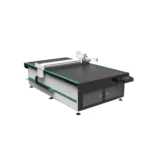
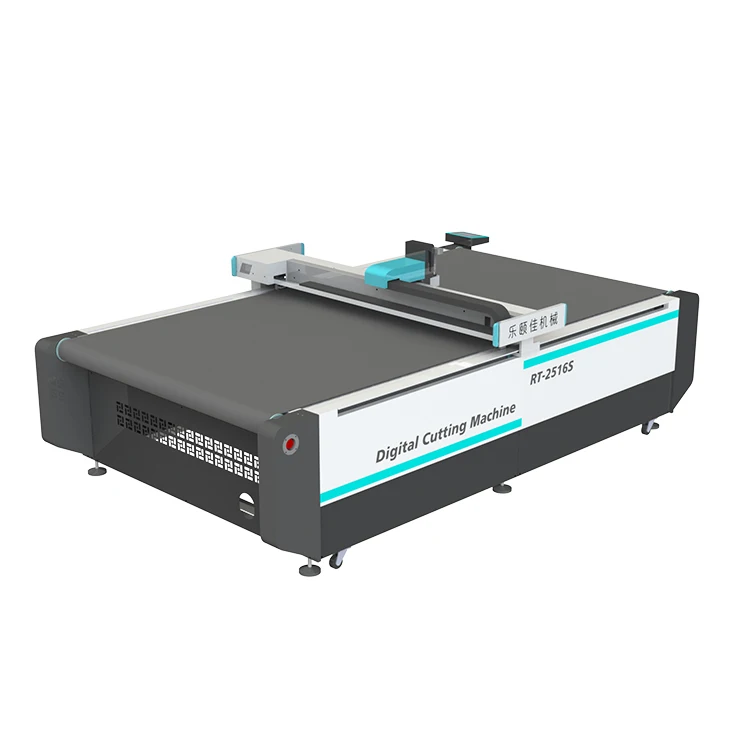
| Model | RT-D2516/RT-S2516 |
| Product Type | CNC Oscillating Knife Cutting Machine |
| Working Area | 1600×2500 mm |
| Machine Dimensions | 3450×2300×1250 mm |
| Rated Power | 9 kW |
| Voltage | 380V±10% (50Hz/60Hz to be confirmed) |
| Translational Velocity | 800–1200 mm/s |
| Cutting Thickness | ≤50 mm (basis to be confirmed by material type and density) |
| Repeated Accuracy | ≤0.1 mm |
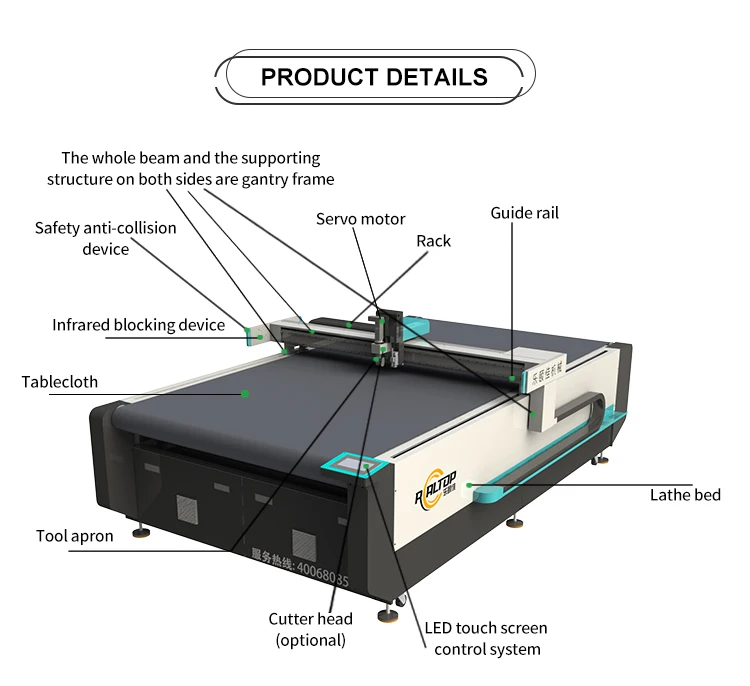
| Transmission System | Rack and pinion, Taiwan Hiwin linear guide, synchronous belt, ball screw |
| Servo Motor | Panasonic digital servo drive |
| Vacuum Pump | 7.5 kW |
| Table Surface | High-density felt covering on flat vacuum table |
| Tool Holder | Modular: Swiss imported oscillating knife, round knife, marking pen, auto feeder |
| Instruction Format | HP-GL compatible |
| Safety Device | Infrared sensors |
| Control Language | English, Russian, Italian, Chinese; special languages customizable |
| Lathe Bed | Overall welding, imported milling machine processed |
| Electrical Cables | High-flexibility, wear/moisture/cold/high-temperature resistant |
| Certification | CE |
Application Suitability
| Application | Material or Output |
|---|---|
| Garment and footwear fabric cutting | Multi-layer woven, knit, and nonwoven textiles |
| Leather goods and bag manufacturing | Natural leather, PU, synthetic leather sheets |
| Automotive interior trim cutting | Composite upholstery, headliner fabric, door panel textiles |
| Coated textile processing | PVC-coated, PU-coated, and multi-layer laminated fabrics |
| Sponge and composite material cutting | Foam-bonded leather, sponge composite panels |
| PVC and soft signage production | Flexible vinyl, banner material, soft glass |
| Home furnishing textile cutting | Curtain, upholstery, and mattress ticking fabrics |
Why "Cutting Thickness ≤50 mm" Is Not the Whole Story When Sourcing a CNC Fabric Cutting Machine for Sale
The stated cutting depth only holds when the knife type, oscillation frequency, and vacuum hold-down are matched to the exact material stack.
A CNC oscillating knife cutting machine manufacturer quoting a single thickness number across all materials creates a false sense of security. I watched a buyer in Jakarta receive a machine rated for thick foam, only to discover the standard oscillating head shredded his three-layer coated textile because the blade geometry was wrong for laminated synthetics. The machine ran, but the edges were unusable. [NEED_CITE: oscillating knife geometry selection by material composition]
That four-day on-site rework is the hidden cost of skipping material-specific validation. Every coated textile — whether two-layer PVC on polyester or three-layer PU on nylon — demands its own blade profile, stroke rate, and vacuum zoning. Without a sample cutting test on your actual material roll, the specification sheet is a starting point, not a guarantee.
Where the RT-D2516/RT-S2516 Sits in the Full Cutting Equipment Range
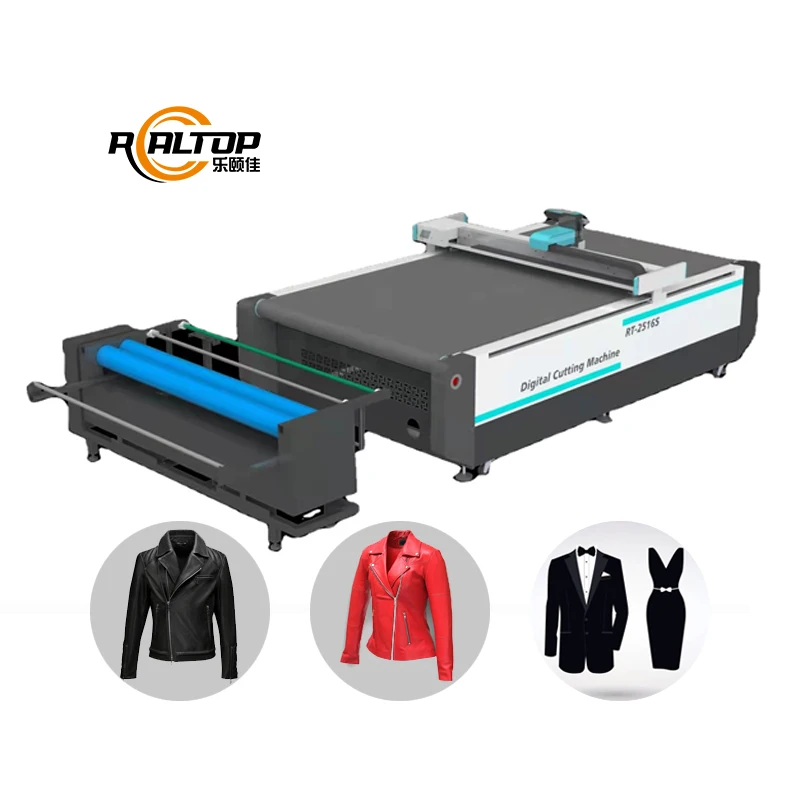
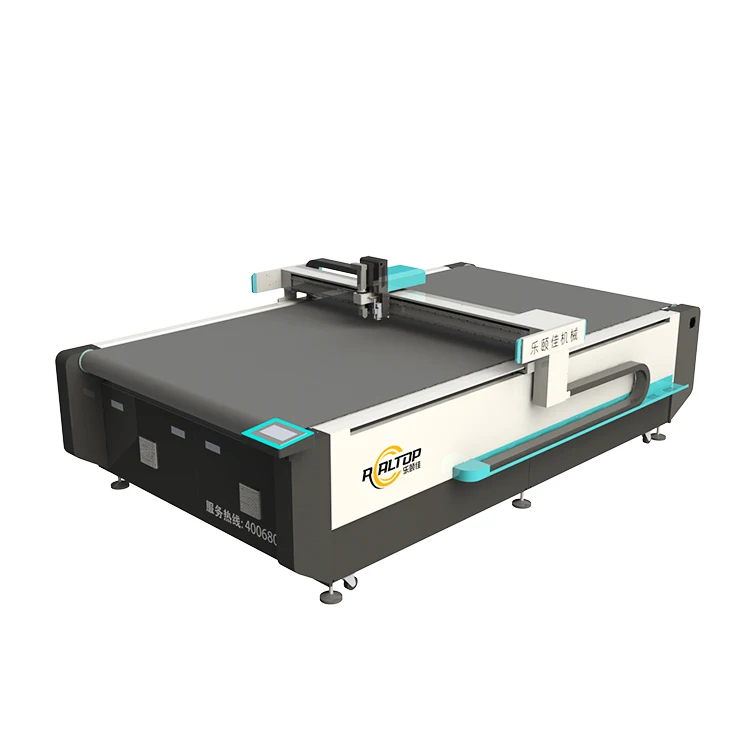
The RT-D2516/RT-S2516 occupies the mid-format CNC knife cutting position within the complete REALTOP catalogue. Buyers evaluating this model are typically working with flexible and semi-rigid materials in the garment, automotive interior, or coated textile sectors. The 1600×2500 mm working area accommodates standard fabric rolls and hides without re-fixturing, making it suitable for operations that process sheet goods rather than continuous web feeds.
Within the broader catalogue, this CNC fabric cutting machine for sale sits alongside larger-format knife cutters for high-volume textile nesting and CO2 laser systems for synthetic edge-sealing applications. The distinction matters: a buyer cutting acrylic signage needs laser; a buyer cutting multi-layer coated fabric needs oscillating knife. Choosing the method first, then the model, prevents the expensive mistake of forcing one technology across incompatible materials.
Matching the Knife Head to Coated and Composite Textiles
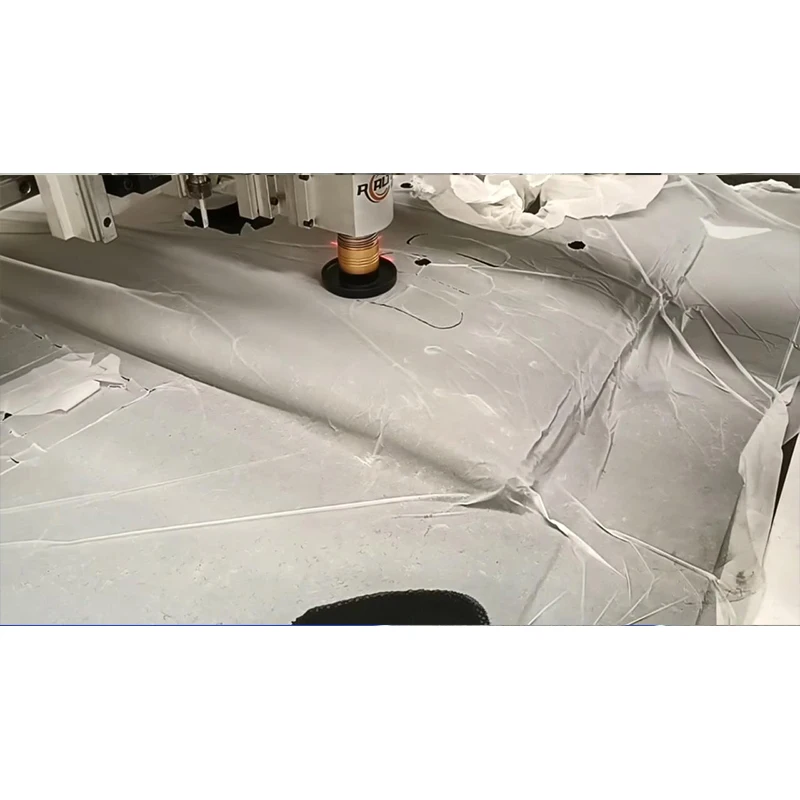
The modular tool holder on this CNC oscillating knife cutting machine manufacturer offering accepts Swiss imported oscillating blades, round knives, marking pens, and auto-feed attachments. For single-layer coated textiles, a standard oscillating blade at moderate stroke frequency typically delivers a clean edge. For three-layer laminates or sponge-bonded composites, a higher-amplitude oscillation with a reinforced blade geometry is necessary to prevent delamination at the cut face. [NEED_CITE: blade stroke amplitude requirements for laminated composite textiles]
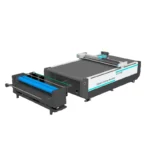
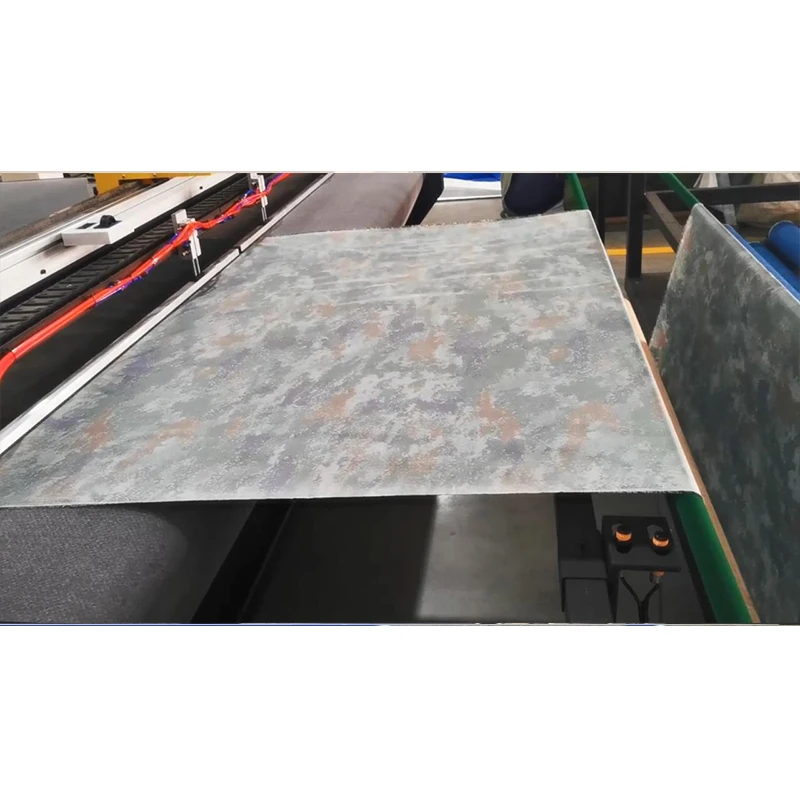
The auto-feeder option pairs with conveyor-belt feeding for continuous roll processing, relevant when daily volume requires uninterrupted cutting cycles. Buyers producing automotive headliners or footwear uppers from composite rolls benefit from this configuration, while those cutting individual hides for leather goods typically work with the flat vacuum table alone.
How Transmission and Vacuum Design Affect Cut Accuracy on Fabric
The rack-and-pinion transmission paired with Taiwan Hiwin linear guides and Panasonic servo motors delivers repeated accuracy of ≤0.1 mm across the full 1600×2500 mm working area. In coated textile cutting, this precision prevents pattern drift when nesting dozens of garment pieces across a single lay. The 7.5 kW vacuum pump pulls air through the high-density felt table surface, securing lightweight and porous fabrics that would otherwise shift under knife pressure during high-speed traversals at 800–1200 mm/s.
For small parts — gaskets, shoe components, or intricate apparel patterns — vacuum zoning becomes critical. Without adequate zone isolation, small cut pieces lift off the felt surface mid-cut, producing ragged edges or incomplete cuts. The flat vacuum table on the RT-D2516/RT-S2516 must be specified with zoning matched to the buyer’s typical part size. A buyer cutting large automotive panels needs different vacuum segmentation than one producing hundreds of small leather wallet pieces. [NEED_CITE: vacuum table zoning requirements for small-part digital cutting]
The Cost of Skipping Configuration Verification Before Shipment
When a CNC fabric cutting machine for sale ships without confirmed voltage, tool head, and software compatibility documentation, the buyer absorbs the correction cost on arrival. A 380V machine delivered to a facility running 415V or 220V three-phase requires transformer installation or motor replacement before it can power on. HP-GL format compatibility assumed but not tested against the buyer’s nesting software results in days of file conversion workarounds.
Wrong tool head selection produces ragged edges on coated fabrics or crushes foam composites instead of slicing them cleanly. Inadequate vacuum zoning allows small pieces to lift during cutting, generating scrap that accumulates across production runs. These are not warranty claims — they are configuration errors that could have been resolved with a specification review and sample test before the machine left the factory. [NEED_CITE: common configuration mismatch issues in exported CNC cutting equipment]
Why Buyers Source This Equipment Range Here
REALTOP designs and produces both knife and laser cutting systems in-house, so a buyer comparing methods for coated textile versus acrylic signage gets an honest technology recommendation rather than being steered toward whichever machine is in stock. The RT-D2516/RT-S2516 is configurable with specific knife types, vacuum zoning, and feeding options based on the buyer’s material sample, not a generic default build.
Sample cutting on the buyer’s own coated textile or composite material is completed before order commitment, providing a cutting report that documents edge quality, achievable speed, and recommended tooling. Voltage, plug type, and control language are confirmed in writing before production begins. The modular tool holder allows buyers to add round knife or marking pen capability later without replacing the machine base. Documentation includes full electrical schematics, software licence notes, and HP-GL compatibility confirmation tailored to the buyer’s workflow.
Documentation & Verification
- Machine specification sheet listing exact tool head and vacuum configuration for your material type
- Electrical schematic confirming 380V±10% wiring and target-market frequency match
- Sample cutting report on your coated textile or composite material with edge quality photos
- Software licence and HP-GL file format compatibility note for your nesting workflow
- Factory test record documenting repeated accuracy and cutting performance before dispatch
- CE declaration and packing photographs for shipment verification
Installation, Commissioning & Support
- Foundation must support 3450×2300×1250 mm machine footprint with level floor tolerance for rack-and-pinion alignment
- Dedicated 380V±10% circuit with confirmed frequency required before electrical connection of 9 kW system
- Machine ships fully assembled; verify doorway and overhead clearance for 3450 mm length at receiving dock
- First-run parameter tuning includes oscillation frequency, vacuum pressure, and servo calibration for your material
- Operator training covers modular tool head changes, felt surface maintenance, and HP-GL file import procedures
- Spare parts list includes Swiss imported blades, felt replacement sheets, and high-flexibility cable sets
What to Prepare Before Requesting a Quote
Send a roll sample or swatch of your actual coated textile, including the exact layer count and coating type. Specify your daily cutting volume, typical part sizes, and whether you feed from rolls or sheets. Confirm your facility voltage, frequency, and the CAD or nesting software you currently use so we can verify file format compatibility and electrical configuration before building your machine.
Frequently Asked Questions
Q: How do I choose between oscillating knife and laser cutting for my material?
A: Oscillating knife suits coated textiles, leather, foam, and multi-layer composites where a clean mechanical cut is needed without thermal edge effects. Laser suits acrylic, wood, and synthetics where edge sealing is beneficial. REALTOP produces both technologies, so the recommendation is based on your material test results rather than inventory availability.
Q: What voltage and plug options are available for my market?
A: The RT-D2516/RT-S2516 is built to 380V±10% as standard, but target-market voltage and frequency must be confirmed before production. Buyers in regions with 415V, 220V three-phase, or 60Hz grids require specific motor and transformer configurations. We document the agreed electrical specification before the build begins.
Q: Can I test my material before committing to an order?
A: Yes. Send your actual coated textile or composite material to the factory for a sample cutting test. You receive a report documenting the tool head used, cutting speed achieved, edge quality, and recommended configuration. This test is free and forms the basis of your machine specification.
Q: What other working area sizes and configurations are available?
A: The full catalogue includes compact to large-format working areas, single and multi-head configurations, and optional conveyor feeding systems. The RT-D2516/RT-S2516 at 1600×2500 mm fits mid-range production; buyers with higher volume or wider materials can evaluate other models in the range.
Q: What is the typical lead time from order to shipment?
A: Typical multi-week lead times apply from order confirmation to shipment, depending on configuration complexity and sample testing requirements. Custom language, voltage, or tool head specifications may extend the schedule. The exact timeline is confirmed in your quotation after material testing is complete.










商品评价
There are no reviews yet.