


Fast Delivery
Quick, reliable shipping to any location.

Free & easy returns
Return this item by mail or in store within 90 days for a full refund.
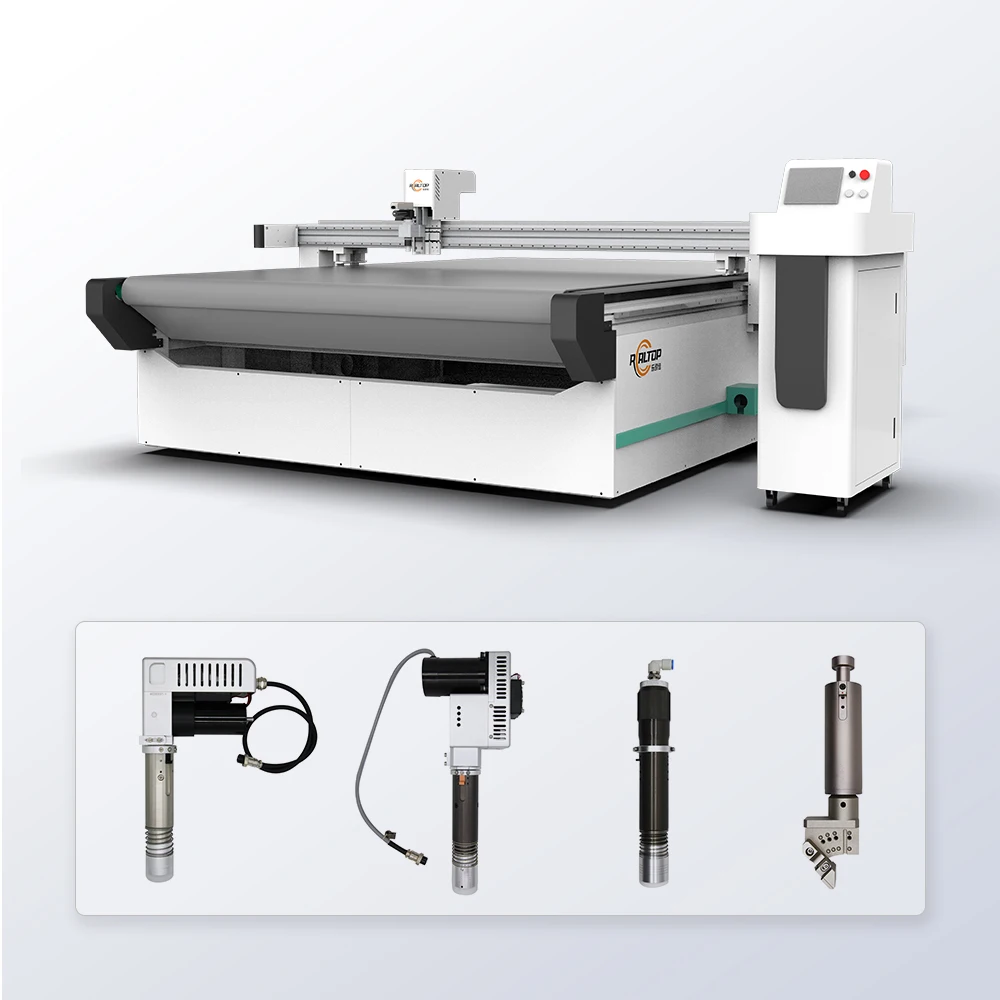
Tool Head Matched to Material — Every oscillating knife, driven rotary knife, and creasing wheel option is specified against your actual fabric, leather, or foam sample before the machine configuration is finalized.
Technical Specifications
| Parameter | Value |
|---|---|
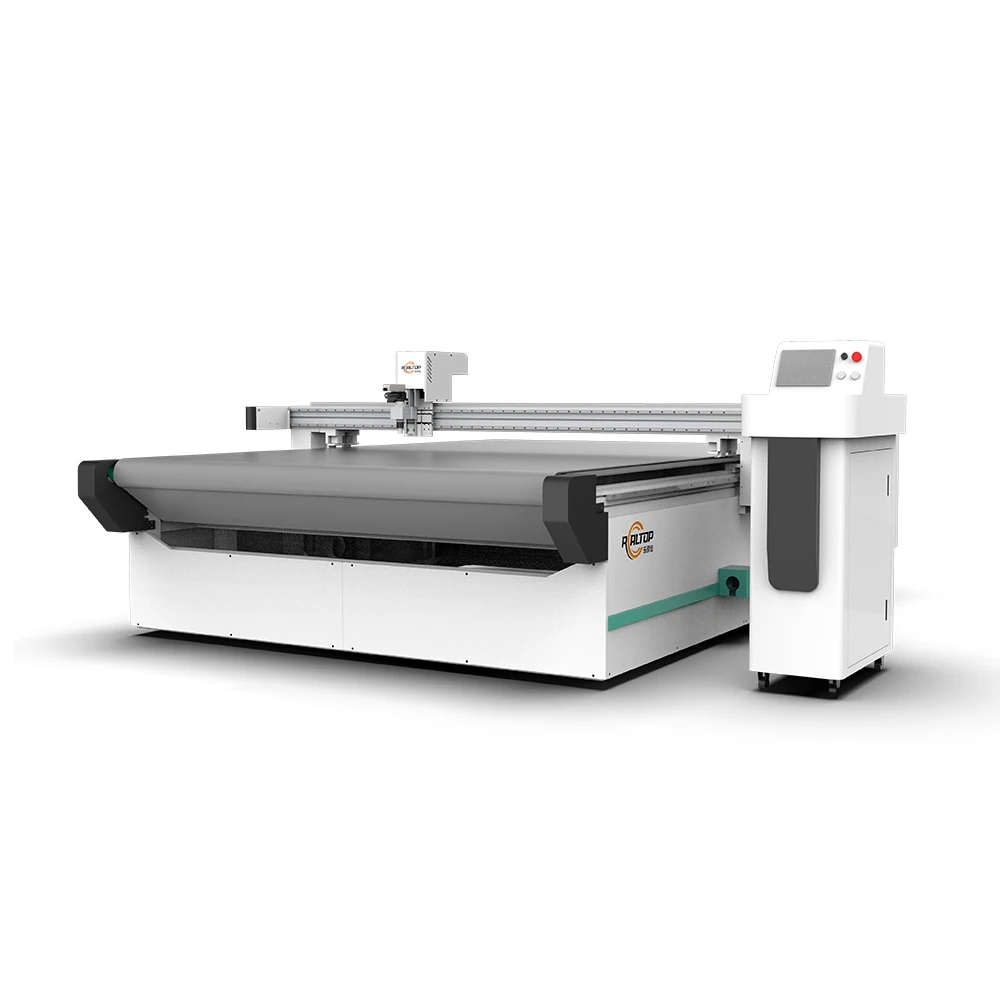
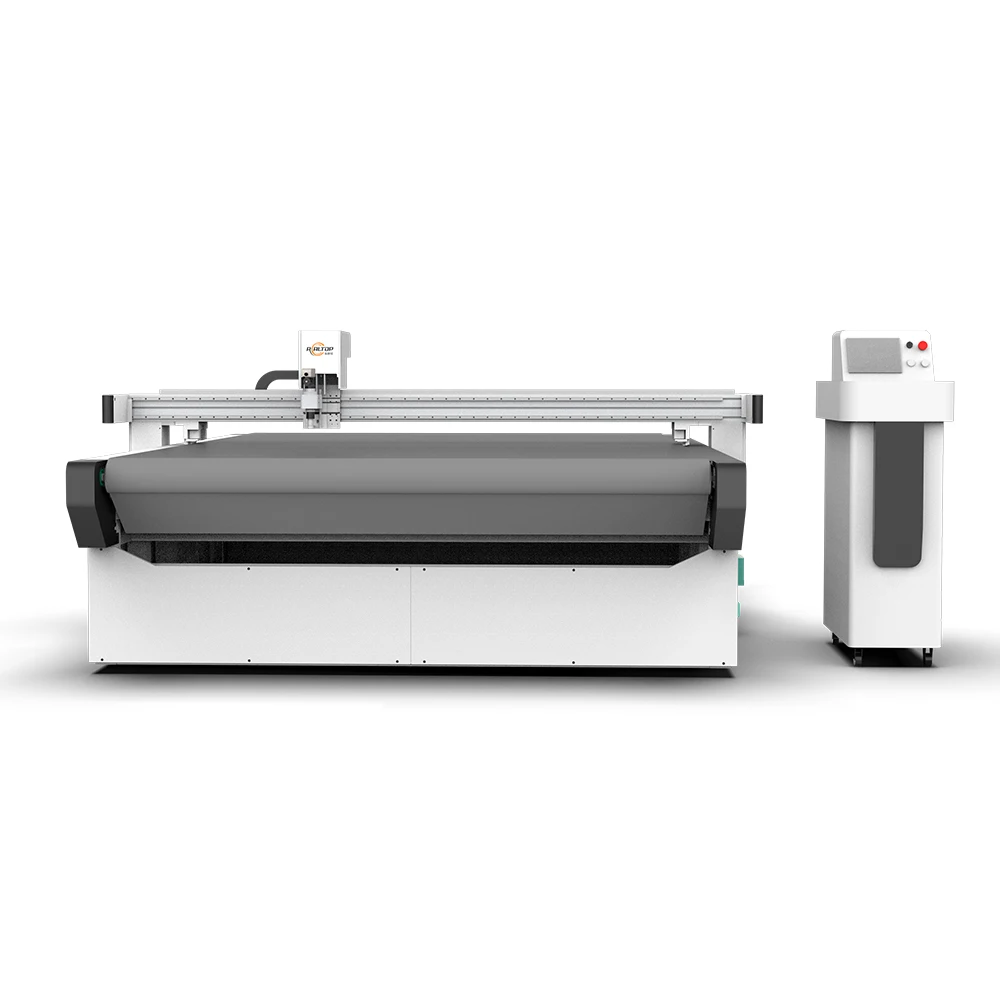
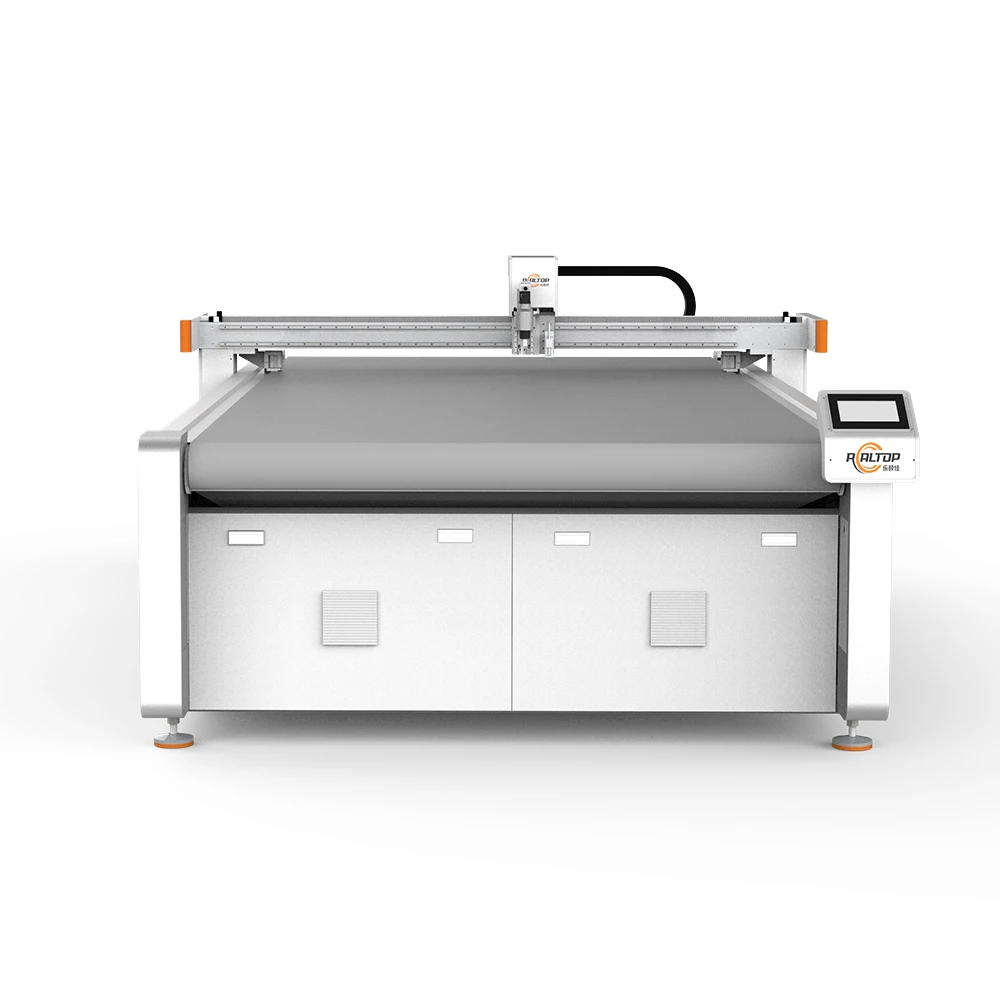
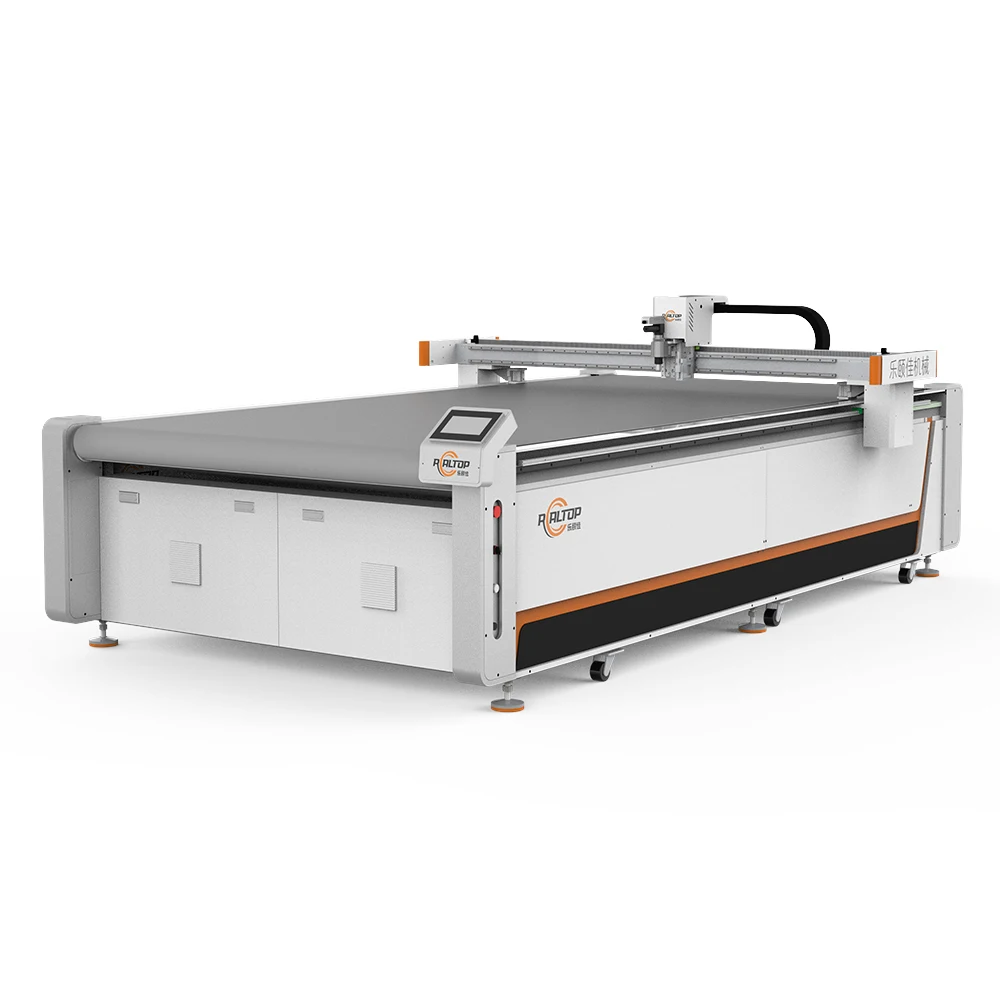
| Product Type | CNC Oscillating Knife Cutting Machine |
| Working Area | 1600×2500 mm |
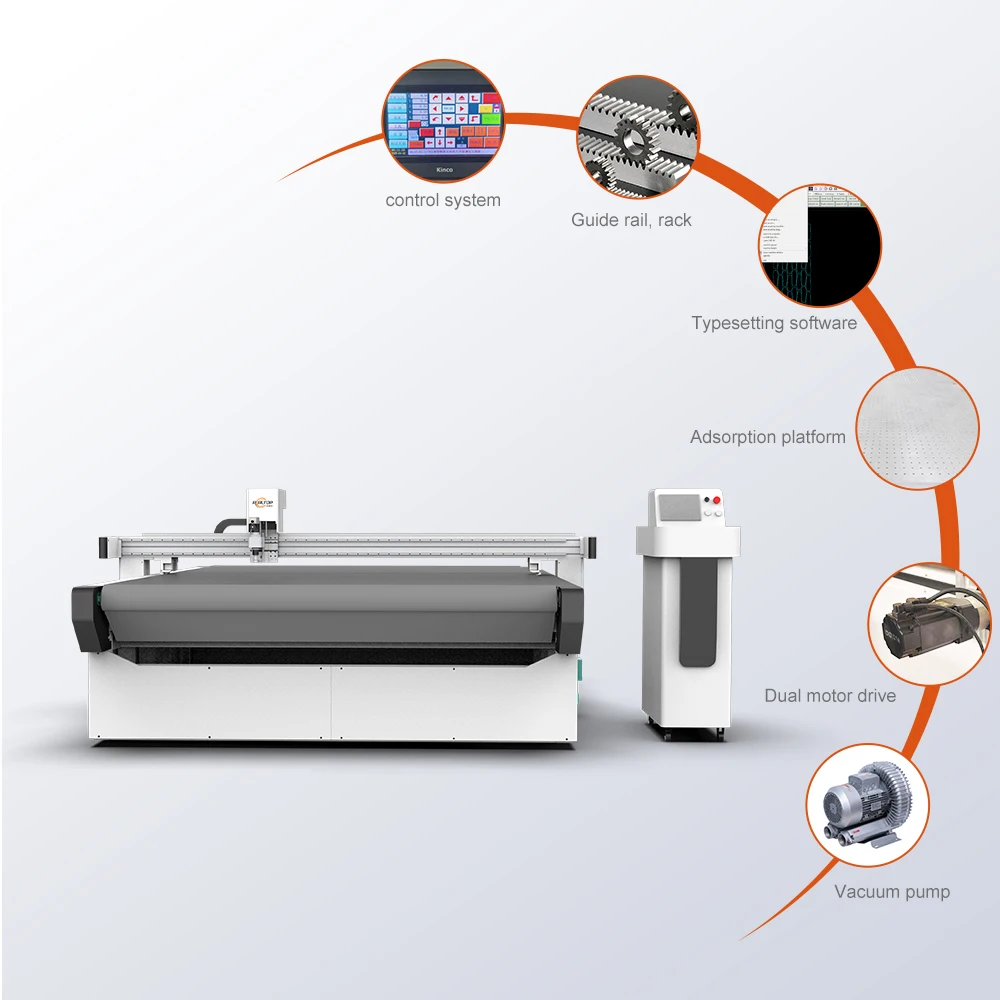
| Tool Head Options | Oscillating knife, Driven rotary knife, Creasing wheel, Kiss cutting tool, Pneumatic knife, Milling tool, V groove knife |
| Cutting Speed | 0–2000 mm/s |
| Cutting Thickness | ≤ 30 mm (basis not stated in source — confirm block format / material / thickness) |
| Positioning Accuracy | ±0.1 mm (source value — verify against manufacturer catalog) |
| Vacuum Pump | 9 kW |
| Vacuum Table | Aluminum bellows vacuum table |
| Voltage Options | 110V / 220V / 380V (rated or peak not specified in source) |
| Control System | PLC control panel |
| Servo Motor Options | Panasonic, Delta, Dorna |
| Software & File Formats | PLT, DXF, AI, PDF |
| Language Options | English, Russian, Italian, Chinese (custom languages available) |
| Safety Device | Infrared sensor device and emergency stop device |
| Machine Dimensions (L×W×H) | 3300×2100×1350 mm |
| Standards | CE |
Application Suitability
| Application | Material or Output |
|---|---|
| Apparel and garment manufacturing | Suits, knitwear, lace, complex layered fabrics |
| Automotive interior production | Seat fabrics, carpets, PVC mats, trunk liners |
| Home textile processing | Sofa fabrics, curtains, rugs, upholstery foam |
| Composite and technical material cutting | Carbon fiber prepreg, aramid, specialty reinforcement fabrics |
| Packaging and sample making | Cardboard, carton, corrugated board |
| General flexible material processing | Leather, EVA, PTFE, rubber, acrylic sheets |
Why "30 mm Cutting Thickness" Means Nothing Without the Material Name
A cutting depth rating only holds true for the specific material density and layer structure it was tested on.
I worked with a buyer cutting automotive floor mats who assumed any 30 mm material would cut cleanly at the rated speed. The problem was his material had a dense rubber base layer bonded to a tufted carpet top — the oscillating knife handled the carpet fine but struggled through the rubber backing, leaving ragged edges and incomplete cuts. The thickness number alone told him nothing about whether the machine would actually work for his product. That is why sample cutting on your exact material stack must come before any configuration is locked in [NEED_CITE: material density effects on oscillating knife cutting performance].
How the Knife Versus Laser Decision Gets Made
When a buyer asks whether they need a CNC oscillating knife cutting machine for sale or a CO2 laser, the answer depends on what happens to the material edge. Fabrics like cotton, denim, and layered knitwear cut cleanly with an oscillating knife and produce no fumes or discoloration. Synthetic textiles that fray easily, however, often benefit from the heat-sealed edge a laser provides. The point is not that one method is universally better — it is that the cutting method must follow the material, not the other way around. This full catalogue exists so buyers can compare both approaches side by side before committing to one.
When Multi-Layer Cutting Changes the Configuration Entirely
High-volume garment production often means cutting dozens of fabric plies simultaneously. A single-head oscillating knife configured for single-ply leather work will not survive the lateral forces involved in cutting through a 50 mm lay of denim. The vacuum table zoning, the knife stroke frequency, and the hold-down pressure all need recalculating based on the actual lay height and fabric type. I have seen machines specified for the working area alone, then fail in production because nobody asked how many plies the buyer intended to cut at once [NEED_CITE: multi-ply cutting forces on oscillating knife systems].
Reading the Specs That Actually Matter on the Floor
The 1600×2500 mm working area accommodates standard fabric roll widths and full hide layouts without repositioning, which matters directly to throughput in apparel and leather workshops. The 9 kW vacuum pump paired with the aluminum bellows vacuum table provides consistent hold-down across the bed — but zoning matters when cutting small pattern pieces, because a full-bed vacuum zone will lose suction on parts smaller than the zone boundary. The PLC control panel accepts PLT, DXF, AI, and PDF files, so your existing nesting workflow and pattern library carry over without reformatting. Servo motor options from Panasonic, Delta, and Dorna let buyers align the motion system with the service support available in their local market.
The Cost of Skipping the Sample Cut
The most expensive mistake in flexible material cutting is shipping a machine configured for a material the buyer is not actually using. Wrong tool head selection produces crushed foam, frayed fabric edges, or delaminated composites — problems that only appear once the machine is running production material in the buyer’s own workshop. Vacuum table zoning that is too coarse lets small pattern pieces lift during cutting, ruining entire nests. Software incompatibility with the buyer’s nesting file format delays commissioning by days. Every one of these issues is preventable with a sample cutting report run on the buyer’s own material before the order is confirmed [NEED_CITE: common causes of CNC cutting machine commissioning delays].
What This Catalogue Covers Beyond the Machine Itself
The cutting method recommendation is matched to your material type, thickness, and daily volume — not just the working area. Tool head and table configuration are specified per application, so a buyer cutting gaskets gets a different setup than one cutting garment fabric. Voltage, plug type, and control panel language are confirmed before production begins, avoiding the costly rewiring or retraining that happens when these details are left to assumption. Sample cutting on your actual material is performed before commitment, with a written report documenting edge quality, cutting speed, and tool wear. Software compatibility with your existing PLT, DXF, AI, or PDF workflow is verified at the quotation stage, not at commissioning.
Documentation & Verification
- Machine specification sheet confirming tool head and table configuration matched to your material
- Electrical schematic with voltage, plug type, and frequency locked to your facility supply
- Sample cutting report documenting edge quality and speed on your own fabric or leather
- Software licence and file format compatibility note for PLT, DXF, AI, and PDF workflows
- Factory test record on your specified cutting thickness before dispatch
- Spare parts list covering knives, blade holders, and vacuum table seals
Installation, Commissioning & Support
- Floor space of at least 3500×2300 mm required to accommodate the 3300×2100 mm machine footprint with access clearance
- Dedicated 9 kW circuit for the vacuum pump, separate from the PLC control panel supply
- Machine ships partially disassembled; vacuum table and gantry require on-site alignment
- First-run parameter tuning done on your actual material to set knife stroke, speed, and vacuum zoning
- Operator training covers tool head changes across all seven available knife and wheel types
- Wear parts inventory includes oscillating knife blades and rotary knife consumables for initial production
What to Include in Your Inquiry
To get a configuration that actually works in your workshop, send the material type, typical thickness, maximum sheet or roll width, and your daily cutting volume. Confirm your facility voltage, frequency, and plug standard so the electrical system is built correctly from the start. If you run a specific nesting software or file format, mention it so compatibility is checked before quotation.
Frequently Asked Questions
Q: How do I decide between oscillating knife and laser cutting for my material?
A: Oscillating knife suits natural fabrics, leather, foam, and composites where clean cold cuts without heat damage or fumes are required. Laser is preferred for synthetics that benefit from edge sealing to prevent fraying, and for engraving or fine detail work on acrylic and wood. The decision follows the material, not the machine.
Q: Which tool head should I specify for my material?
A: Oscillating knife handles most woven fabrics and foams. Driven rotary knife works better for knitted textiles and single-ply leather. Creasing wheel scores cardboard for packaging samples. Kiss cutting tool cuts through adhesive layers without damaging the backing. The right choice depends on your material and edge quality requirement.
Q: How do I choose the correct working area size?
A: Match the bed size to your largest standard sheet or roll width. The 1600×2500 mm area covers most fabric roll widths and full hide layouts. For automotive carpet and large-format signage, a larger bed avoids repositioning mid-cut, which introduces alignment errors and slows production.
Q: What voltage and language options are available before shipment?
A: Voltage is configurable across 110V, 220V, and 380V depending on your facility supply. Control panel language options include English, Russian, Italian, and Chinese, with custom languages available on request. Both are confirmed before production to avoid rewiring or retraining after delivery.
Q: How does CCD camera contour recognition fit into a printed material workflow?
A: CCD camera positioning reads printed registration marks on pre-printed fabrics and vinyl, allowing the knife to follow the printed contour rather than a fixed digital path. This is essential for signage, apparel sublimation, and packaging where print alignment varies slightly from sheet to sheet.










商品评价
There are no reviews yet.