


Fast Delivery
Quick, reliable shipping to any location.

Free & easy returns
Return this item by mail or in store within 90 days for a full refund.
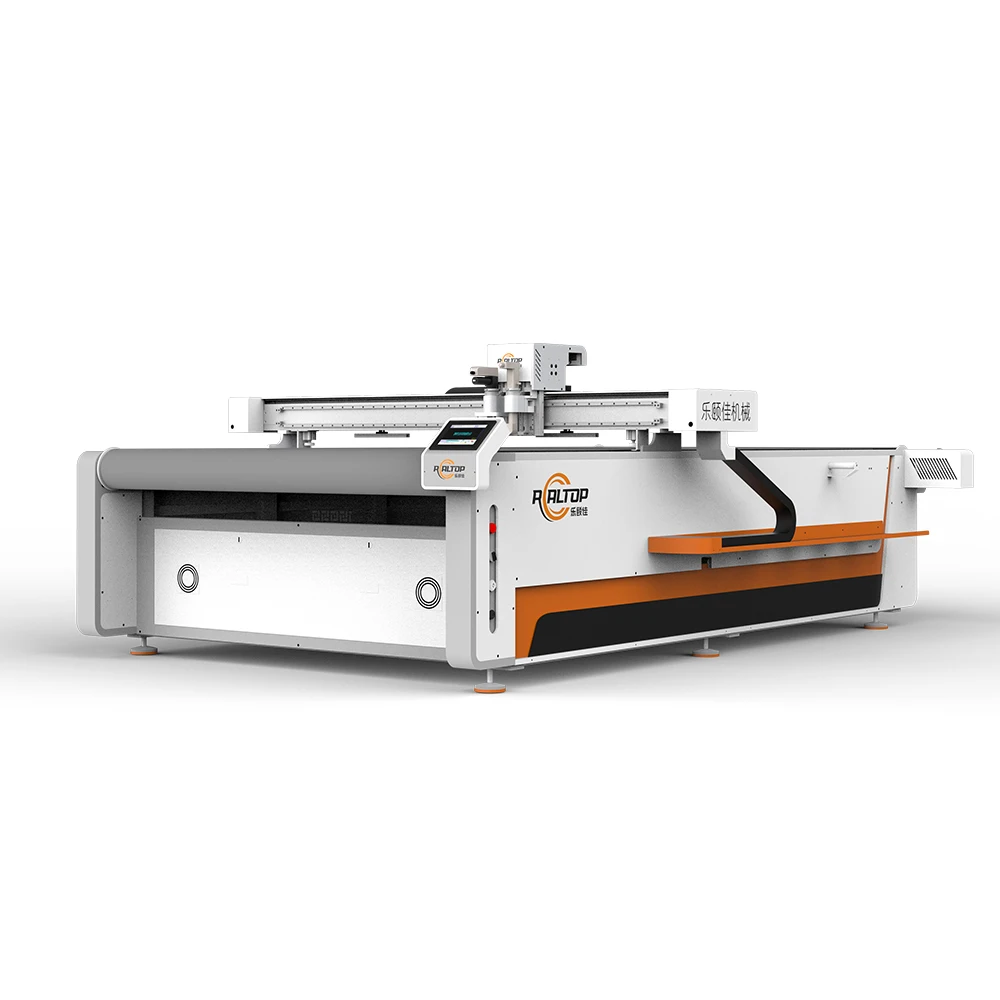
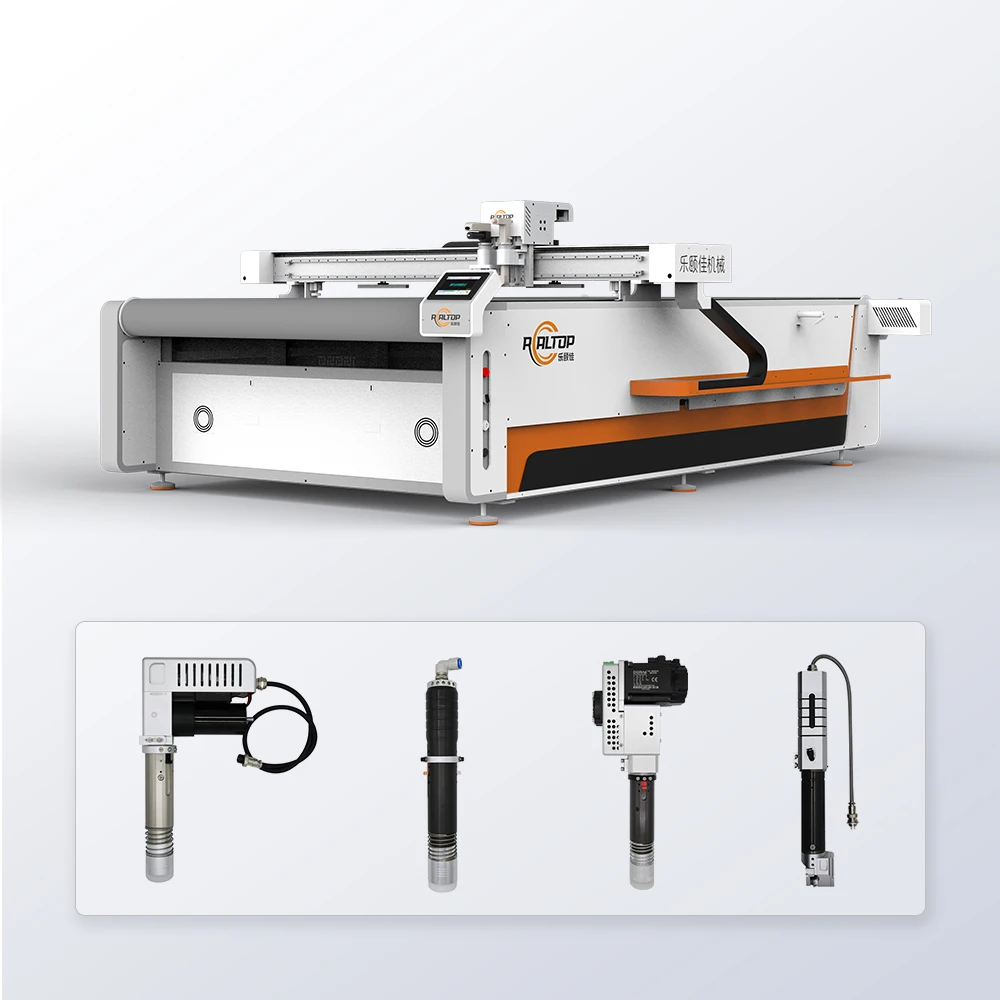
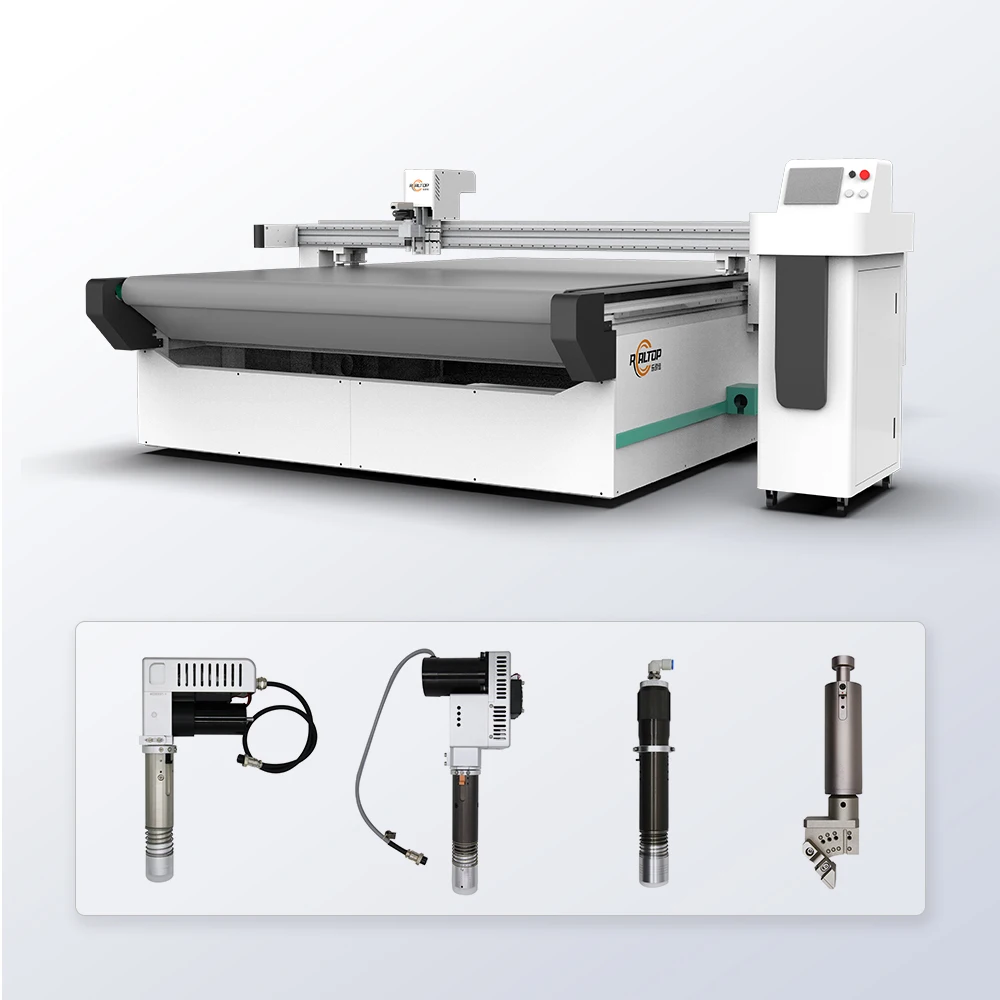
Full Range Coverage — oscillating knife and laser technologies housed under one production line, letting you match the cutting method to the material density rather than forcing a single approach.
Technical Specifications
| Parameter | Value |
|---|---|
| Model | RT-D2516/RT-S2516 |
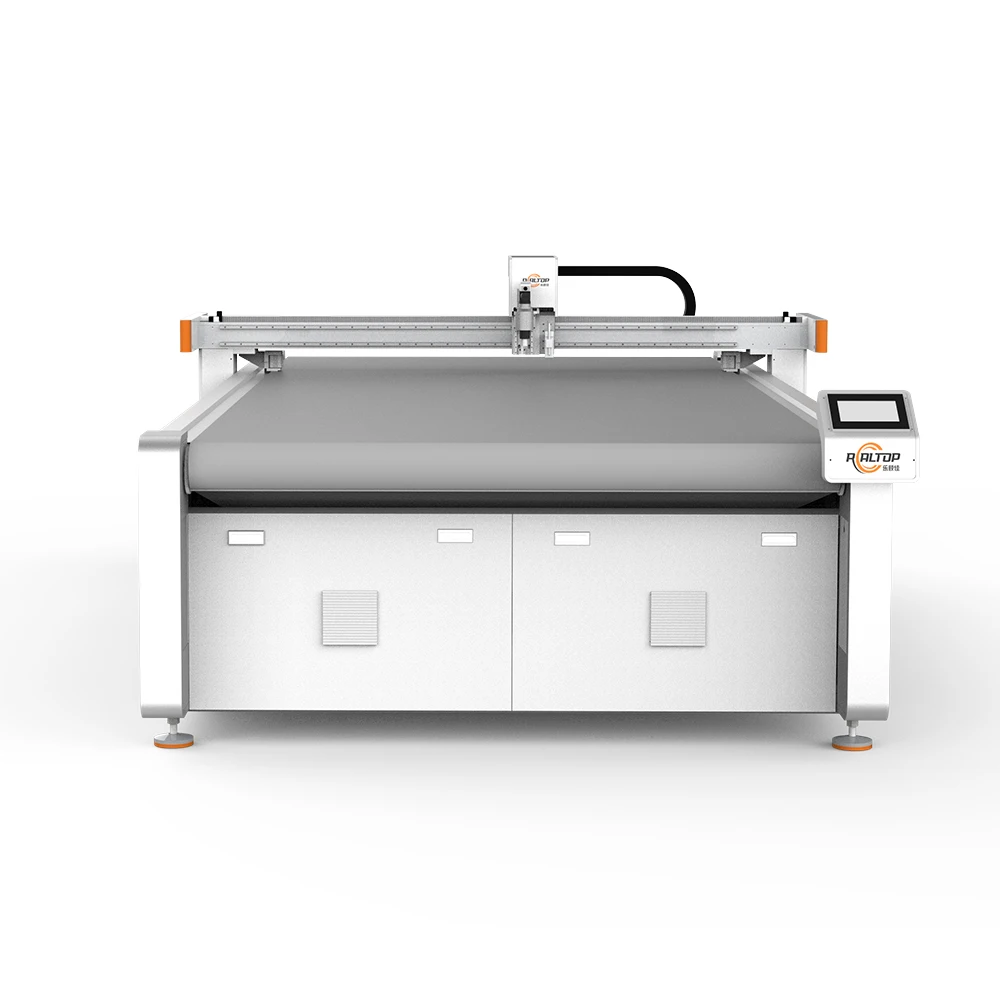
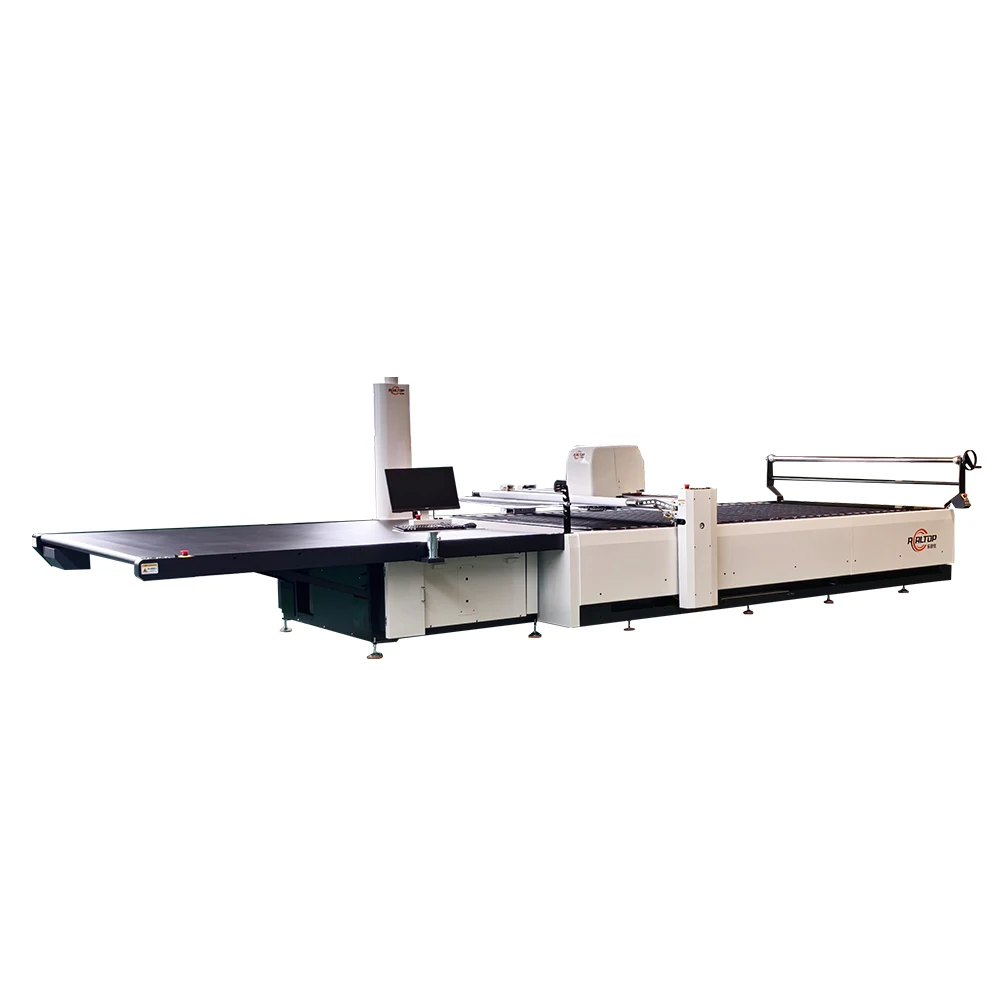
| Product Type | CNC Oscillating Knife Cutting Machine |
| Working Area | 1600×2500mm |
| Overall Dimensions | 3450×2300×1250mm |
| Rated Power | 9kW |
| Voltage | 380V±10% (50/60Hz to be confirmed) |
| Transmission System | Digital servo motor, linear guide, synchronous belt, ball screw |
| Servo Motor Options | Delta (Taiwan) or Panasonic (Japan) |
| Cutting Thickness | ≤100mm (depends on material density) |
| Translational Velocity | 800–2000mm/s |
| Cutting Speed | 200–800mm/s (basis to be confirmed) |
| Repeated Accuracy | ≤0.1mm |
| Tool Head Options | Oscillating knife, drag knife, circular knife, V-cutting, creasing wheel, punching |
| Visual Positioning | CCD camera mark point, panoramic camera, projection positioning |
| Vacuum Table | Magnesium-aluminum alloy with PVDF coating, anodic oxidation |
| Vacuum Pump | 7.5kW, integrated aviation aluminum shell with silencer |
| Safety Device | Infrared sensor stop, beam anti-collision, emergency stop |
Application Suitability
| Application | Material or Output |
|---|---|
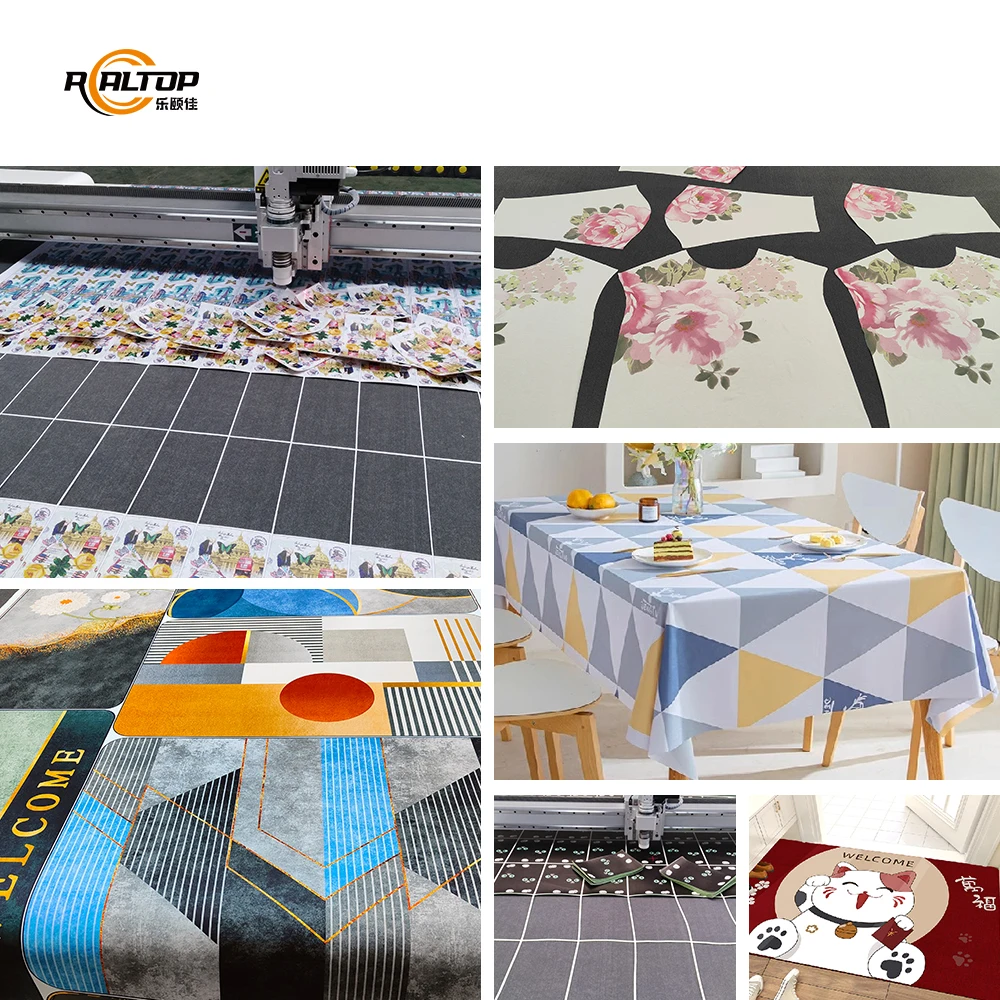
| Automotive Interiors | Thickened TPE mats, leather, sponge, PU, EVA, XPE |
| Garment & Footwear | Clothing cloth, shoe material, non-woven fabric, composite layers |
| Packaging & Signage | Corrugated cardboard, plastic box, sticker, film, fiberglass |
| Soft Furnishings | Carpet, upholstery fabric, foam board, gasket material |
Why Specified Working Area Is Not the Only Metric
A table size that fits the sheet does not guarantee the cutting head can handle the thickness.
Many fabricators select a CNC oscillating knife cutting machine manufacturer based purely on the X and Y axis travel. However, when the material is a dense composite or a thick gasket, the Z-axis stroke and the oscillation frequency of the knife become the limiting factors. A machine may physically cover a 1600×2500mm area, yet fail to penetrate 50mm of high-density foam without ragged edges [NEED_CITE: material density impact on oscillating knife penetration].
The Catalogue Approach to Material Matching
Surveying the full REALTOP lineup reveals that knife cutting is not a universal solution for every textile. While the RT-D2516/RT-S2516 handles fabrics and foams, other materials in the production mix might require laser sealing or routing. By reviewing the complete equipment range, buyers avoid the mistake of forcing a knife through a material that melts or frays, ensuring the cutting method matches the physical properties of the stock.
Visual Recognition Across the Production Line
The availability of both small CCD mark-point positioning and panoramic camera recognition allows the machine to adapt to different printing workflows. For high-volume fabric producers running sublimated patterns, the panoramic system tracks contours across the entire bed. This capability is essential when moving from simple nesting to complex, printed contour work where manual alignment would slow down the throughput significantly [NEED_CITE: visual positioning systems in textile manufacturing].
Engineering Specs: Servo Drive and Vacuum Zoning
The choice between Delta and Panasonic servo motors dictates the responsiveness during high-speed direction changes, which is critical for intricate patterns in leather or thin films. Furthermore, the magnesium-aluminum alloy vacuum table with multi-zone adsorption prevents small parts from lifting during the final cut—a common issue when processing sticker films or thin gaskets where edge vacuum loss is typical. The 7.5kW pump ensures sufficient hold-down force even on porous materials like non-woven fabrics.
The Cost of Ignoring Material Composition
When a buyer specifies a machine for "fabric" but actually processes multi-layer composite mats with a hardened anti-slip backing, the standard oscillating knife can chip or stall. This leads to frequent blade changes and unfinished cuts that require manual trimming. The result is a production line that technically runs but never reaches the expected daily output [NEED_CITE: wear factors in multi-layer composite cutting].
Why Procure From the Source
REALTOP operates as a CNC fabric cutting machine for sale provider with an in-house design team covering both knife and laser technologies. This allows for a side-by-side comparison of cutting methods on your specific material before the order is finalized. The factory test record includes a run on your actual stock, verifying the tool head selection and vacuum table zoning. Additionally, the software license and file format compatibility (PLT, DXF, AI) are confirmed to ensure smooth integration with your existing nesting workflow.
Documentation & Verification
- Machine specification sheet detailing tool head and table configuration per material
- Electrical schematic and voltage confirmation matched to target market
- Sample cutting report on buyer’s own material before order commitment
- Software license and file format compatibility note (PLT, DXF, AI)
- Factory test record showing cutting accuracy on specified thickness
Installation, Commissioning & Support
- Floor preparation for 3450×2300mm footprint and leveling of the magnesium-aluminum table
- Dedicated circuit for 9kW load and 380V±10% supply verification
- Split box platform option for containerized transport and on-site assembly
- Servo motor tuning and vacuum pump pressure calibration for your specific material density
- Training on CCD camera calibration and nesting software for multi-layer fabric
Next Steps for Equipment Selection
To provide an accurate configuration, we need to know the material composition, maximum thickness, and daily volume targets. Please specify if your workflow requires printed contour recognition or simple nesting, and confirm the local voltage and frequency. This data allows us to recommend whether this model or another from the catalogue better suits your production requirements.
Frequently Asked Questions
Q: How do I choose between a knife and a laser for my fabric?
A: Knife cutting is ideal for multi-layer fabrics, foams, and composites where edge sealing is not required. Laser cutting is preferred for synthetics that fray easily, as the heat seals the edge. We provide sample cuts on your material to demonstrate the difference in edge quality and throughput before you decide on a method.
Q: Does the 1600×2500mm area mean I can cut any 100mm thick material?
A: No. The cutting thickness depends on the material density and the specific tool head used. A 100mm capacity might apply to low-density foam, but high-density rubber or composite mats will require a different tool and potentially a slower speed. We test your specific material to confirm the effective cutting depth.
Q: What is the difference between CCD and panoramic camera positioning?
A: Small CCD cameras track specific printed marks for alignment, suitable for individual pieces. Panoramic cameras recognize the entire pattern across the working area, which is faster for high-volume production of sublimated textiles where the print might shift slightly on the fabric roll.
Q: Can the software import my existing nesting files?
A: The system supports PLT, DXF, and AI formats. We verify the file compatibility and the nesting logic against your current software workflow before shipment to ensure no data is lost during the transfer to the machine’s control panel.










商品评价
There are no reviews yet.