

Fast Delivery
Quick, reliable shipping to any location.

Free & easy returns
Return this item by mail or in store within 90 days for a full refund.
Configurable tooling platforms — knife and laser families built in-house let carpet mat producers match cutting method to material density and daily volume without forcing a single process.
Technical Specifications
| Parameter | Value |
|---|---|
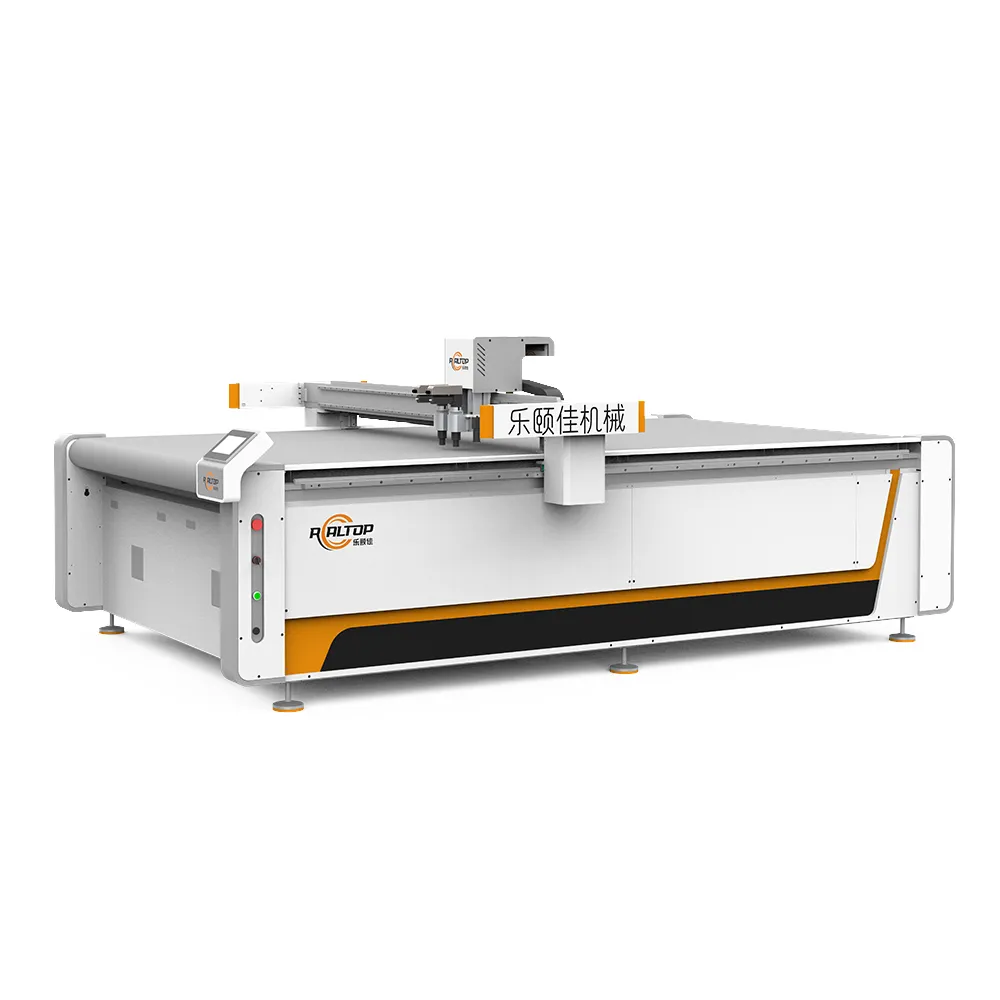
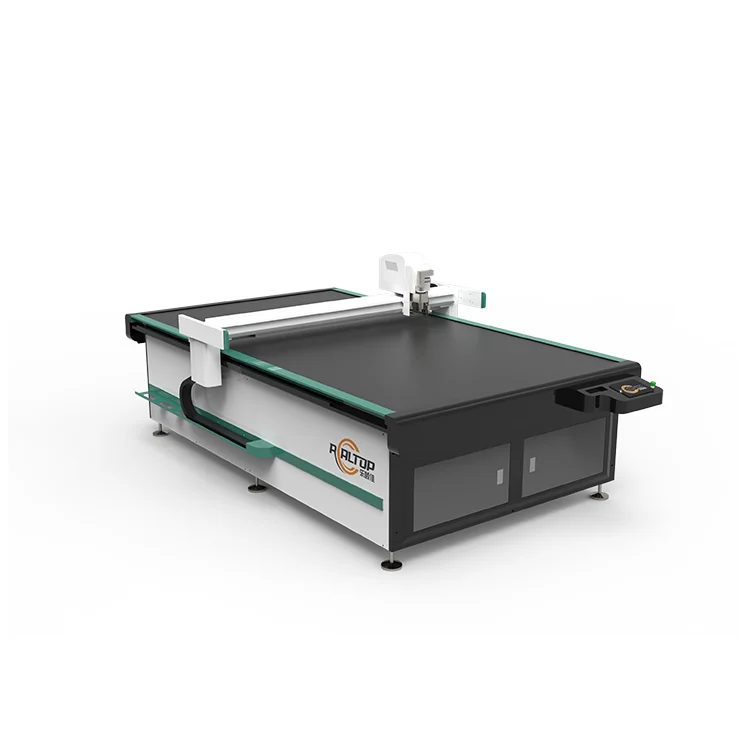
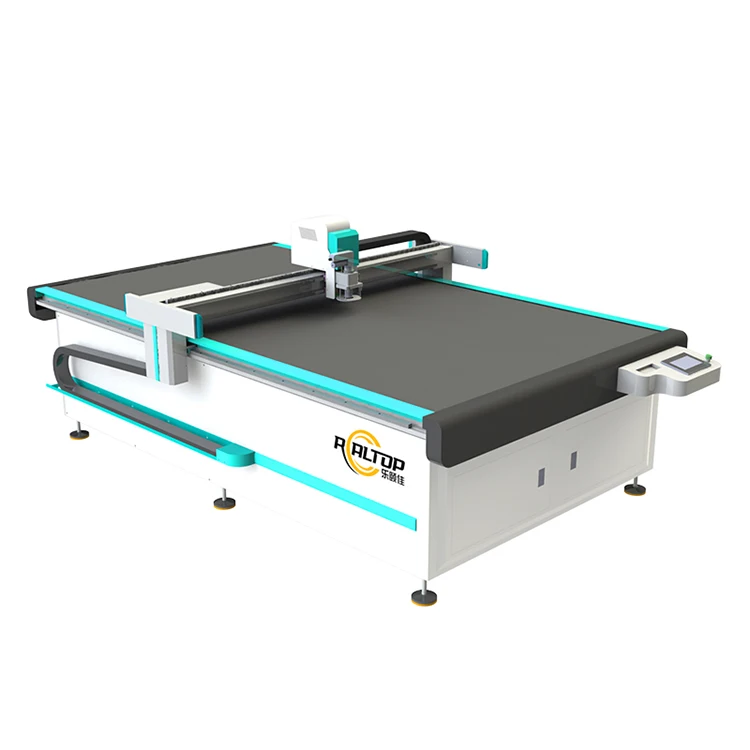
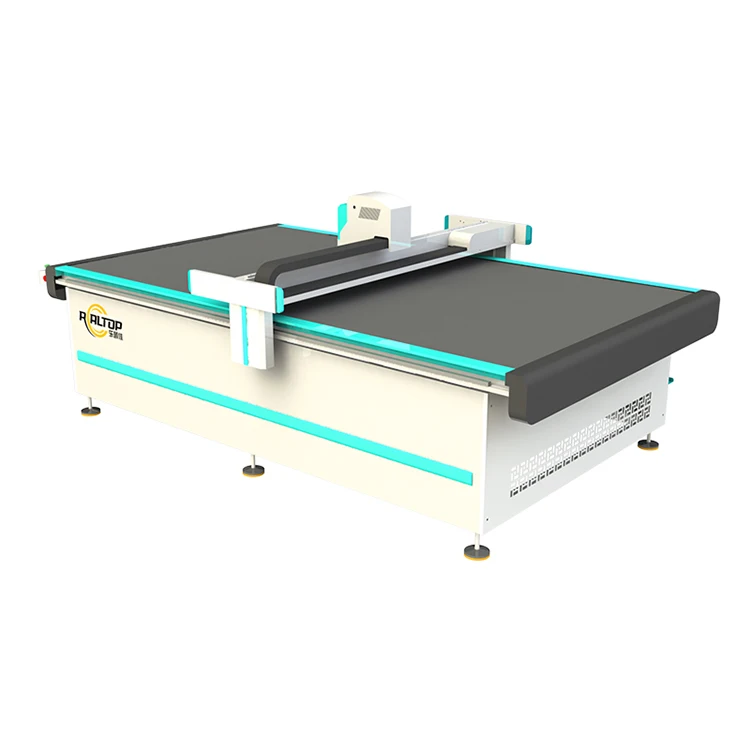
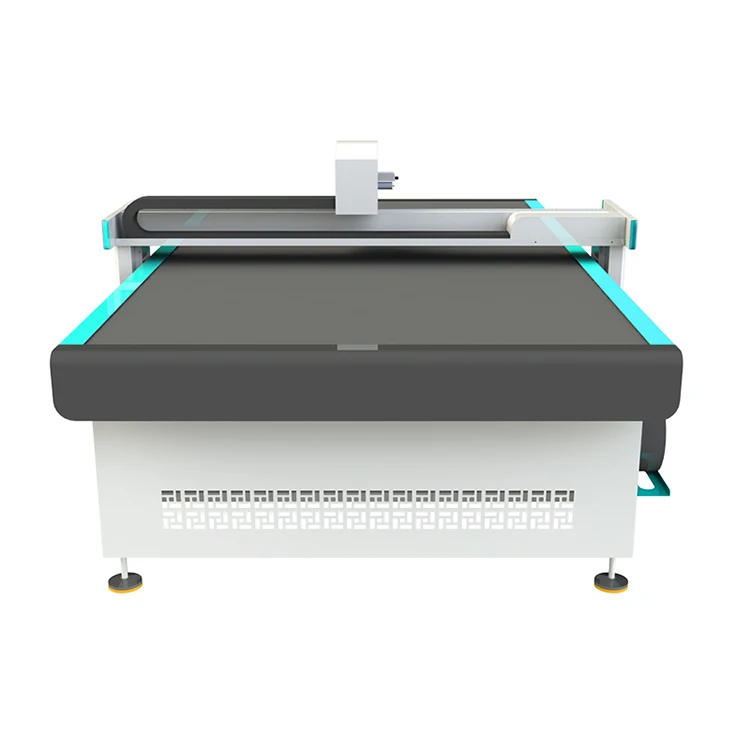
| Product Type | CNC Oscillating Knife Cutting Machine |
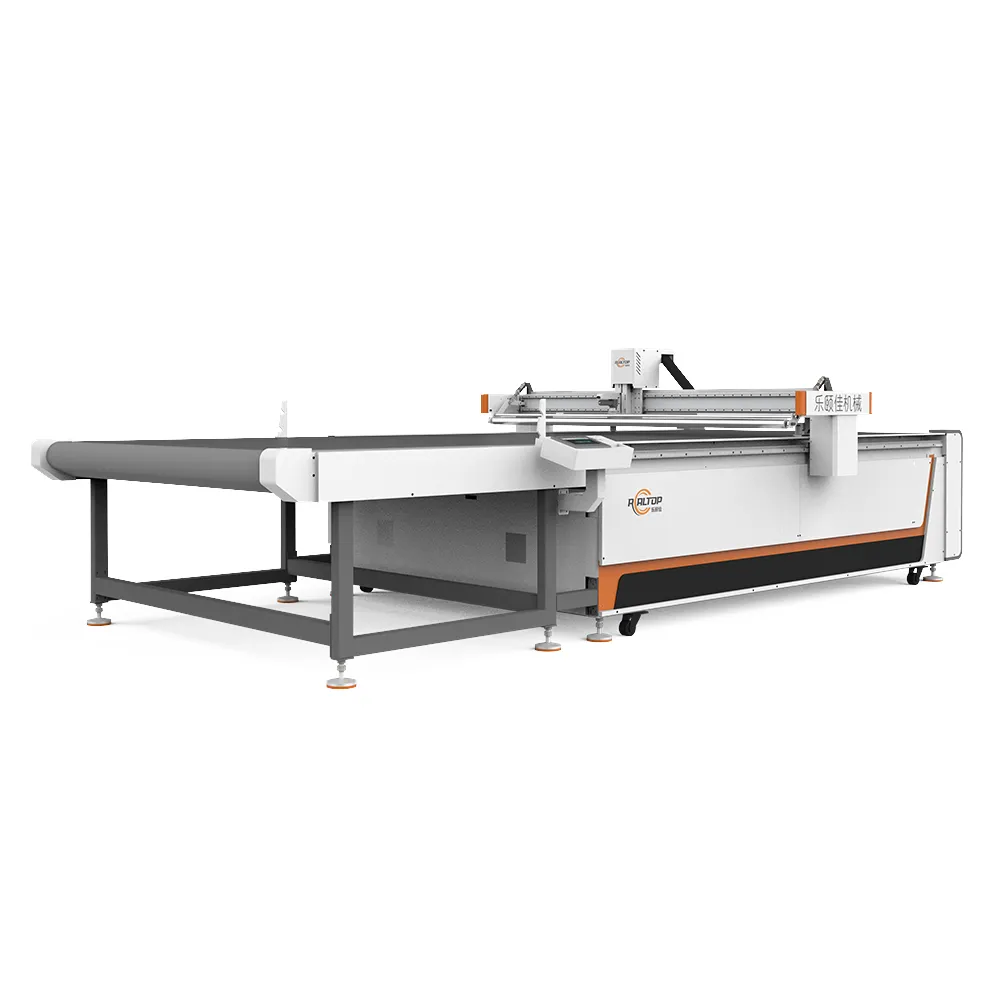
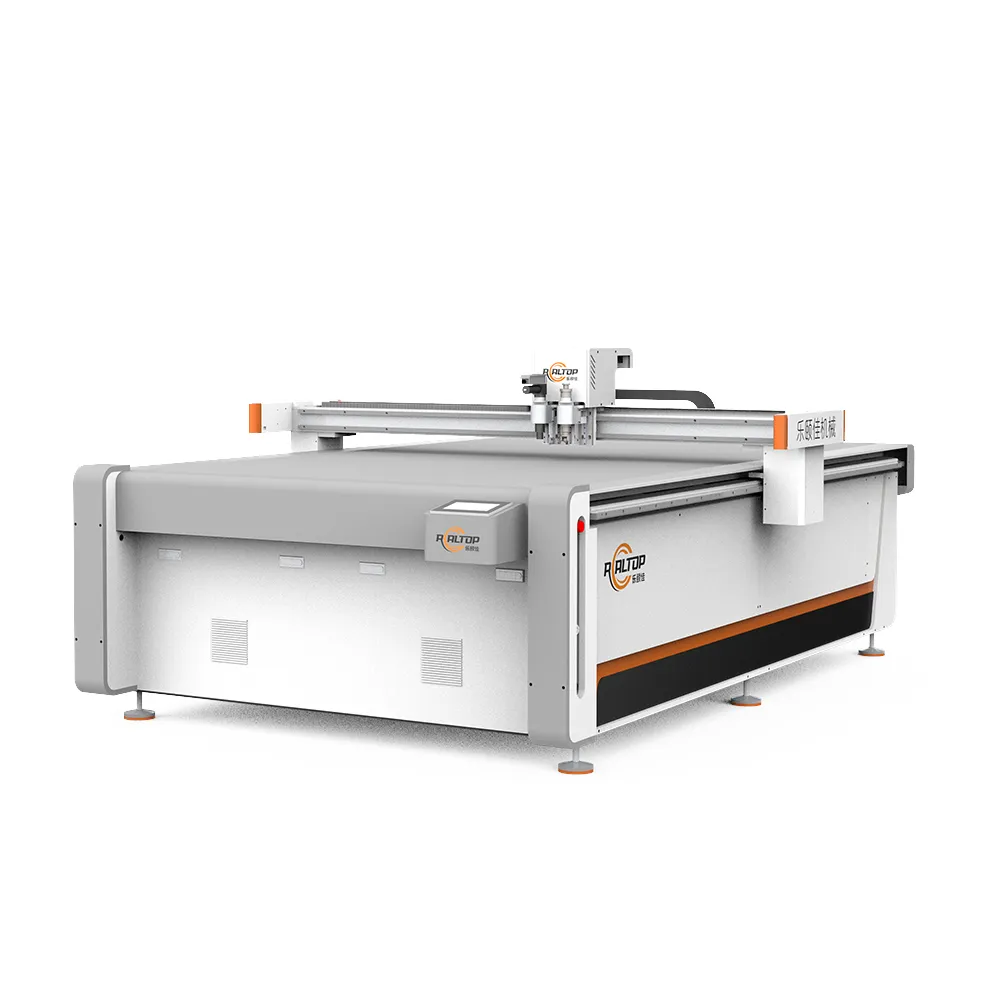
| Effective Cutting Area | 2500×1600mm / 2500×2200mm / 3000×2200mm |
| Cutting Thickness Capacity | Up to 40mm (basis not stated in source — confirm material type) |
| Maximum Traverse Speed | 2000mm/s (basis not stated in source — confirm material / thickness) |
| Reset Accuracy | ±0.1mm |
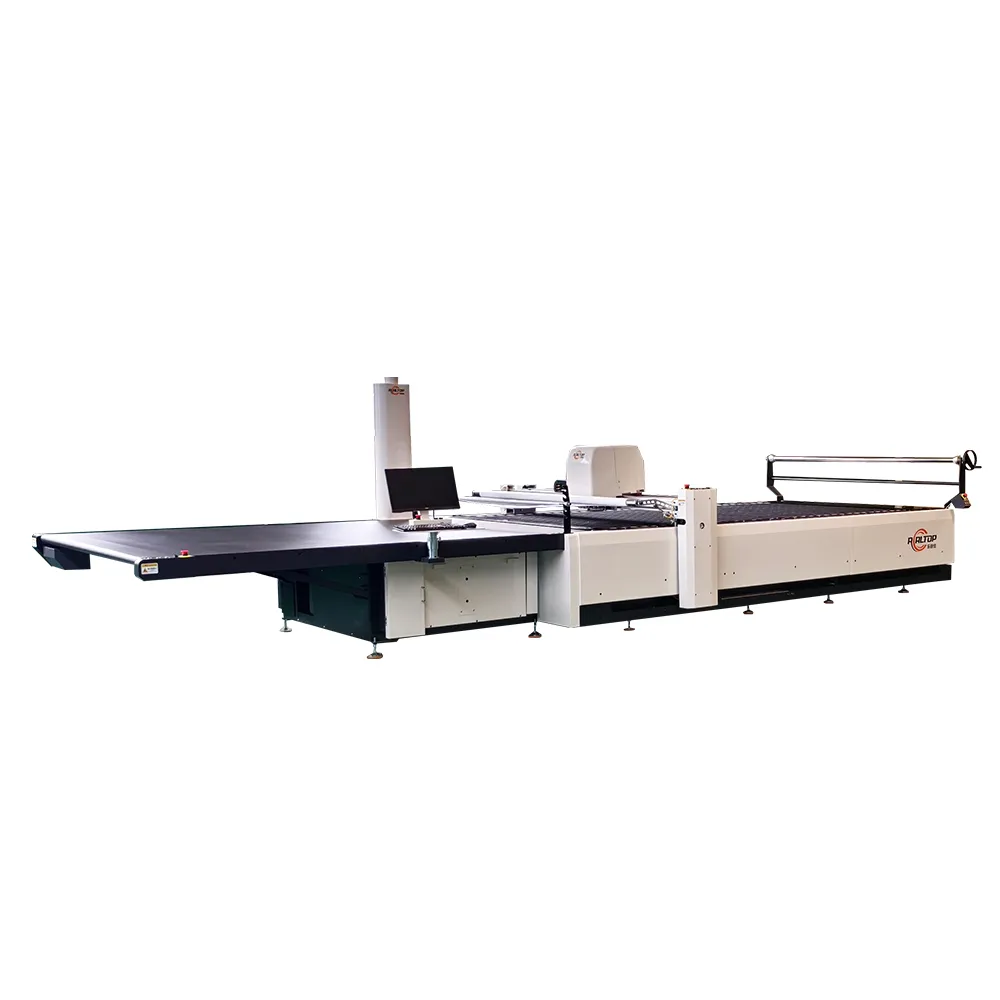
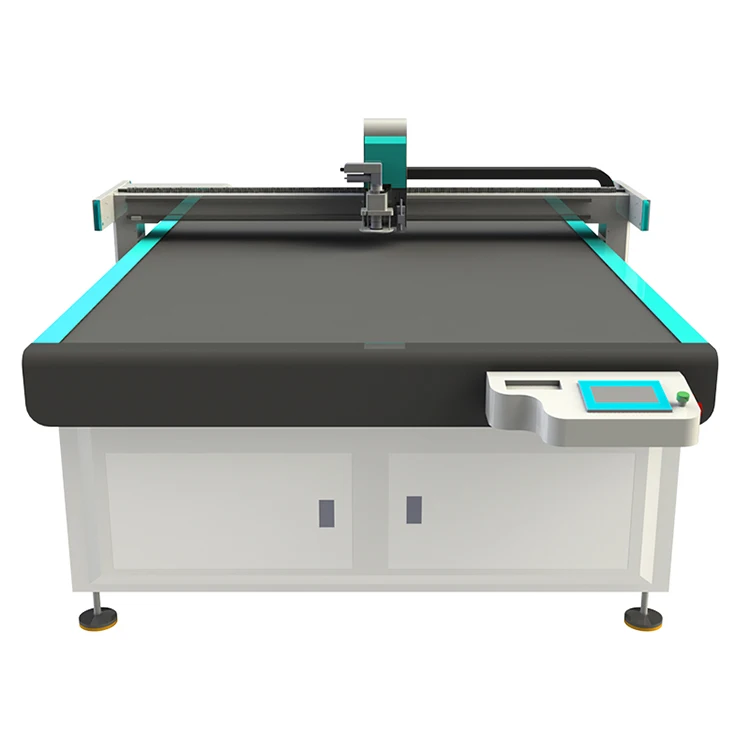
| Table Configuration | Automatic feeding with industrial belt |
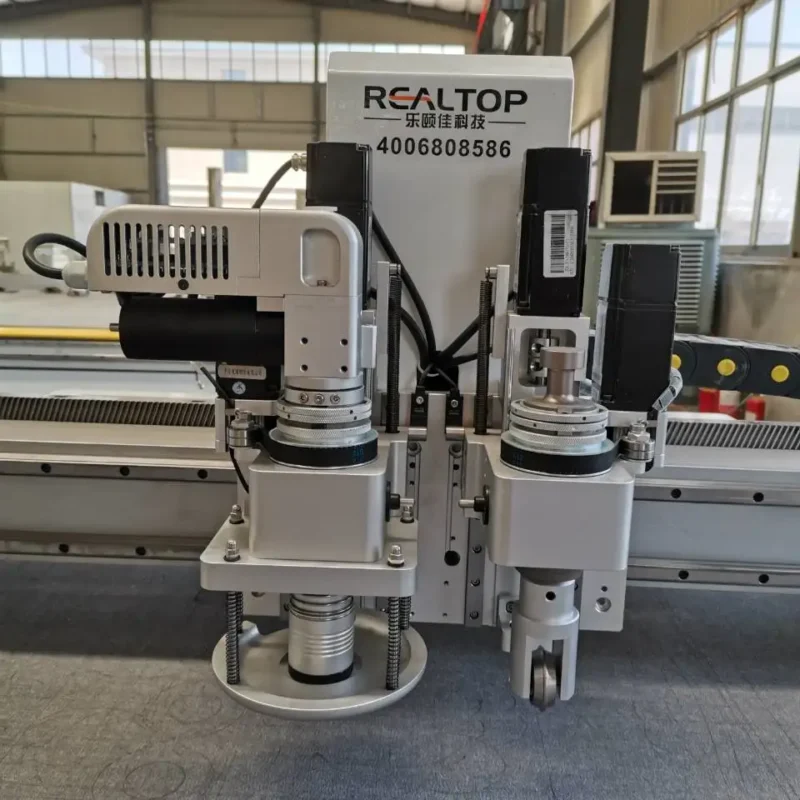
| Tool Head Options | Round knife, oscillating knife, conventional vibrating, servo vibrating, pneumatic, circular knife, marking pen |
| Positioning System | Panoramic visual positioning for edge and template cutting |
| Control System | REALTOP customized high-speed control system |
| Data Format Compatibility | dxf, plt, ai, pdf |
| Voltage Options | 380V / 220V (frequency not stated in source — confirm 50Hz or 60Hz) |
| Belt Material | Glass fiber tension cord, high temperature and corrosion resistant |
| Wiring | Oxygen-free copper shielded wire |
| Bed Treatment | Quenched to eliminate internal stress |
| Safety Devices | Infrared blocking stop, anti-collision protection |
Application Suitability
| Application | Material or Output |
|---|---|
| Carpet and mat production | Tufted, woven and non-woven carpet rolls, PVC-backed mats, rubber underlay |
| Advertising and signage contour cutting | Printed vinyl, flexible banner, self-adhesive film, foam board |
| Flexible material converting | Fabric, leather, PVC, foam sheets, composite laminates |
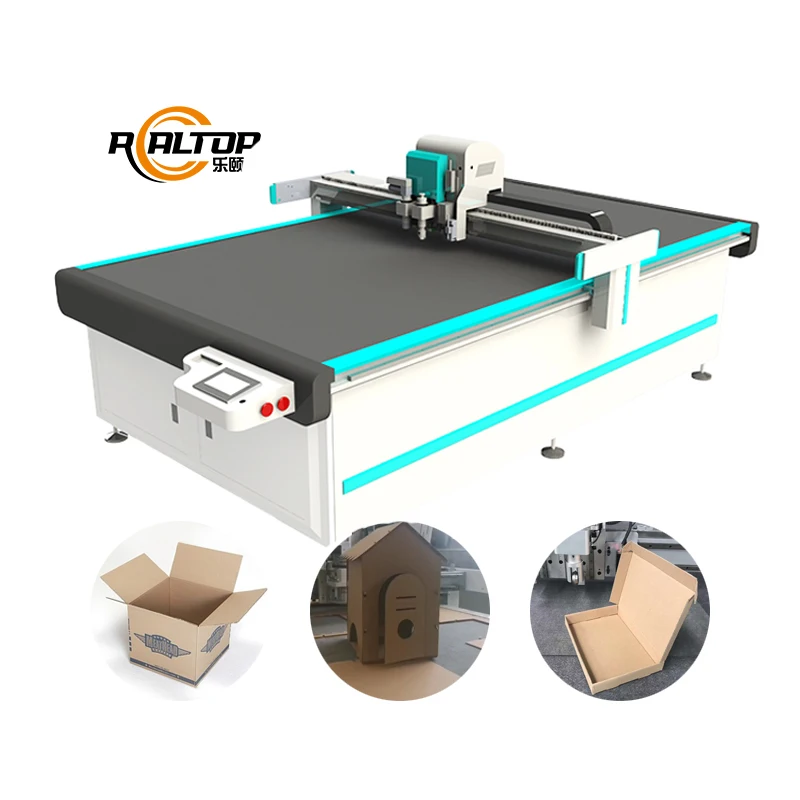
| Packaging sample making | Corrugated board, folding carton, gasket material prototyping |
Why Working Area Alone Fails Carpet Mat Buyers
Specifying a digital flatbed table by cutting area without confirming tool head and vacuum zoning leads to ragged edges, crushed pile and material lift on small nested parts.
I have watched buyers commit to a large-format CNC oscillating knife cutting machine based only on roll width, then discover their dense rubber-backed mats require a pneumatic knife rather than a standard oscillating blade. The wrong tool head chews through consumables and leaves frayed edges that fail quality checks [NEED_CITE:]. On the opposite end, cutting small logo mats on a single-zone vacuum table causes the offcuts to shift mid-cut, ruining registration across the entire nest. The machine must be specified as a system — area, tool head, table zoning and software — before the quote makes sense.
Mapping the Cutting Method to the Mat Construction
A carpet mat is rarely a single material. The face fiber, backing compound and any non-slip underlay each respond differently to blade oscillation frequency and cutting pressure. The full range of tool heads — from conventional vibrating knife to servo vibrating and pneumatic knife — allows producers to assign a specific tool per layer composition rather than compromise on one setting. Panoramic visual positioning further supports printed contour work, aligning the cut path to registered graphics on custom-printed entrance mats.
Matching Format and Feeding to Daily Volume
Roll-fed carpet mat production demands an automatic feeding table with an industrial belt rated for continuous abrasion. The three working area formats cover small-batch custom mats on the 2516 and high-volume roll cutting on the 3022. Buyers running mixed SKU nests benefit from confirming vacuum zoning before shipment, because small cut parts on a non-zoned table lift under the knife head and shift the remaining nest. This flatbed digital cutting table for sale range addresses that by specifying table configuration per production profile [NEED_CITE:].
Reading the Specs That Actually Matter on the Floor
The quenched bed treatment eliminates residual welding stress, which matters when a machine runs continuous shifts and thermal expansion would otherwise drift the ±0.1mm reset accuracy over the working day. Oxygen-free copper shielded wiring resists fatigue from the constant cable track flexing inherent to high-speed gantry movement — standard copper wire cracks internally long before the outer jacket shows damage. The silent design and low-noise belt specification keep the cutting environment within acceptable limits for adjacent finishing and packing stations. Panoramic visual positioning with dxf, plt, ai and pdf import means the operator does not have to rebuild artwork in proprietary software before each job.
The Hidden Cost of Skipping a Material Trial
Standard sample materials behave predictably, but real production stock tells a different story. A carpet mat backed with recycled PVC compound will dull an oscillating knife far faster than virgin material, and the cutting edge degrades mid-run without warning [NEED_CITE:]. I recall a buyer who approved a machine on standard foam samples, then received it and found their actual composite underlay — loaded with mineral filler — wore through blades at nearly three times the expected rate. A sample cutting report on the buyer’s own material, run before the order is confirmed, is the only way to lock in the correct tool head and consumable cost forecast.
Why Source This Range Through the Manufacturer
The design team and core factory cover both knife and laser cutting technologies under one roof, so a buyer processing both carpet mats and acrylic signage can select each method from the same engineering base. Tool head and table configuration are specified per material and production volume rather than pulled from a fixed catalog. Software compatibility — including file format and nesting workflow — is confirmed before the order enters production. Voltage, plug type and control language are set for the destination market. Sample cutting on the buyer’s actual material is offered before commitment, removing the guesswork from tool head selection.
Documentation & Verification
- Machine specification sheet listing each tool head option and table zone configuration
- Electrical schematic confirming voltage, frequency and plug type for destination market
- Sample cutting report run on buyer-supplied carpet or mat stock before shipment
- Software licence documentation with file format compatibility note for dxf, plt, ai, pdf
- Operation and maintenance manual with belt and wiring service intervals
- Spare parts list covering knives, oscillating blades and belt consumables
Installation, Commissioning & Support
- Floor leveling to tolerance across the full 3000×2200mm maximum footprint before delivery
- Dedicated circuit matching confirmed 380V or 220V supply with correct frequency for the control system
- Gantry and automatic feeding table assembled and aligned on-site to restore factory reset accuracy
- Panoramic visual positioning calibrated against buyer’s printed mat artwork for first production run
- Tool head changeover training across oscillating, pneumatic and circular knife options for operators
- Scheduled belt inspection and oxygen-free copper wiring continuity checks included in service plan
Preparing an Accurate Quotation Request
To size the correct working area and tool head, share the mat material composition, maximum thickness, roll or sheet format and typical daily output volume. Confirm the voltage and frequency standard at your facility, the preferred control language, and whether your artwork files originate in Illustrator, CAD or PDF workflows. If your mat stock includes recycled content or mineral-filled backing, request a sample cutting trial before finalizing configuration.
Frequently Asked Questions
Q: How do I choose between oscillating knife and laser cutting for carpet mats?
A: Oscillating knife suits most carpet and mat materials because it cuts without melting synthetic fibers or producing burnt edges. Laser is reserved for applications requiring sealed edges on thin synthetics. The decision depends on backing composition, pile density and edge quality requirements — confirm with a sample cut on your actual stock.
Q: Which working area and tool head fit my mat thickness and roll width?
A: The three formats from 2516 to 3022 cover roll widths from small custom mats to full production rolls. Tool head selection depends on material density — softer foam and fabric take a conventional vibrating knife, while dense rubber backing may require a pneumatic knife. Cutting thickness capacity and speed vary by material and should be confirmed on sample stock.
Q: Can panoramic visual positioning keep up with printed contour cutting at full speed?
A: The system tracks printed registration marks to align cut paths with graphics on custom mats. Accuracy depends on mark contrast, print registration consistency and lighting conditions on the table. Confirm tracking performance during a sample cutting trial using your typical printed artwork before committing to the configuration [NEED_CITE:].
Q: What voltage and control language options are available for export markets?
A: The platform supports 380V and 220V configurations. Frequency — 50Hz or 60Hz — must be confirmed to match your facility’s supply, as running the wrong frequency affects motor speed and control system timing. Control interface language is set before shipment to match your operator team.
Configurable tooling platforms — knife and laser families built in-house let carpet mat producers match cutting method to material density and daily volume without forcing a single process.
Technical Specifications
| Parameter | Value |
|---|---|
| Product Type | CNC Oscillating Knife Cutting Machine |
| Effective Cutting Area | 2500×1600mm / 2500×2200mm / 3000×2200mm |
| Cutting Thickness Capacity | Up to 40mm (basis not stated in source — confirm material type) |
| Maximum Traverse Speed | 2000mm/s (basis not stated in source — confirm material / thickness) |
| Reset Accuracy | ±0.1mm |
| Table Configuration | Automatic feeding with industrial belt |
| Tool Head Options | Round knife, oscillating knife, conventional vibrating, servo vibrating, pneumatic, circular knife, marking pen |
| Positioning System | Panoramic visual positioning for edge and template cutting |
| Control System | REALTOP customized high-speed control system |
| Data Format Compatibility | dxf, plt, ai, pdf |
| Voltage Options | 380V / 220V (frequency not stated in source — confirm 50Hz or 60Hz) |
| Belt Material | Glass fiber tension cord, high temperature and corrosion resistant |
| Wiring | Oxygen-free copper shielded wire |
| Bed Treatment | Quenched to eliminate internal stress |
| Safety Devices | Infrared blocking stop, anti-collision protection |
Application Suitability
| Application | Material or Output |
|---|---|
| Carpet and mat production | Tufted, woven and non-woven carpet rolls, PVC-backed mats, rubber underlay |
| Advertising and signage contour cutting | Printed vinyl, flexible banner, self-adhesive film, foam board |
| Flexible material converting | Fabric, leather, PVC, foam sheets, composite laminates |
| Packaging sample making | Corrugated board, folding carton, gasket material prototyping |
Why Working Area Alone Fails Carpet Mat Buyers
Specifying a digital flatbed table by cutting area without confirming tool head and vacuum zoning leads to ragged edges, crushed pile and material lift on small nested parts.
I have watched buyers commit to a large-format CNC oscillating knife cutting machine based only on roll width, then discover their dense rubber-backed mats require a pneumatic knife rather than a standard oscillating blade. The wrong tool head chews through consumables and leaves frayed edges that fail quality checks [NEED_CITE:]. On the opposite end, cutting small logo mats on a single-zone vacuum table causes the offcuts to shift mid-cut, ruining registration across the entire nest. The machine must be specified as a system — area, tool head, table zoning and software — before the quote makes sense.
Mapping the Cutting Method to the Mat Construction
A carpet mat is rarely a single material. The face fiber, backing compound and any non-slip underlay each respond differently to blade oscillation frequency and cutting pressure. The full range of tool heads — from conventional vibrating knife to servo vibrating and pneumatic knife — allows producers to assign a specific tool per layer composition rather than compromise on one setting. Panoramic visual positioning further supports printed contour work, aligning the cut path to registered graphics on custom-printed entrance mats.
Matching Format and Feeding to Daily Volume
Roll-fed carpet mat production demands an automatic feeding table with an industrial belt rated for continuous abrasion. The three working area formats cover small-batch custom mats on the 2516 and high-volume roll cutting on the 3022. Buyers running mixed SKU nests benefit from confirming vacuum zoning before shipment, because small cut parts on a non-zoned table lift under the knife head and shift the remaining nest. This flatbed digital cutting table for sale range addresses that by specifying table configuration per production profile [NEED_CITE:].
Reading the Specs That Actually Matter on the Floor
The quenched bed treatment eliminates residual welding stress, which matters when a machine runs continuous shifts and thermal expansion would otherwise drift the ±0.1mm reset accuracy over the working day. Oxygen-free copper shielded wiring resists fatigue from the constant cable track flexing inherent to high-speed gantry movement — standard copper wire cracks internally long before the outer jacket shows damage. The silent design and low-noise belt specification keep the cutting environment within acceptable limits for adjacent finishing and packing stations. Panoramic visual positioning with dxf, plt, ai and pdf import means the operator does not have to rebuild artwork in proprietary software before each job.
The Hidden Cost of Skipping a Material Trial
Standard sample materials behave predictably, but real production stock tells a different story. A carpet mat backed with recycled PVC compound will dull an oscillating knife far faster than virgin material, and the cutting edge degrades mid-run without warning [NEED_CITE:]. I recall a buyer who approved a machine on standard foam samples, then received it and found their actual composite underlay — loaded with mineral filler — wore through blades at nearly three times the expected rate. A sample cutting report on the buyer’s own material, run before the order is confirmed, is the only way to lock in the correct tool head and consumable cost forecast.
Why Source This Range Through the Manufacturer
The design team and core factory cover both knife and laser cutting technologies under one roof, so a buyer processing both carpet mats and acrylic signage can select each method from the same engineering base. Tool head and table configuration are specified per material and production volume rather than pulled from a fixed catalog. Software compatibility — including file format and nesting workflow — is confirmed before the order enters production. Voltage, plug type and control language are set for the destination market. Sample cutting on the buyer’s actual material is offered before commitment, removing the guesswork from tool head selection.
Documentation & Verification
- Machine specification sheet listing each tool head option and table zone configuration
- Electrical schematic confirming voltage, frequency and plug type for destination market
- Sample cutting report run on buyer-supplied carpet or mat stock before shipment
- Software licence documentation with file format compatibility note for dxf, plt, ai, pdf
- Operation and maintenance manual with belt and wiring service intervals
- Spare parts list covering knives, oscillating blades and belt consumables
Installation, Commissioning & Support
- Floor leveling to tolerance across the full 3000×2200mm maximum footprint before delivery
- Dedicated circuit matching confirmed 380V or 220V supply with correct frequency for the control system
- Gantry and automatic feeding table assembled and aligned on-site to restore factory reset accuracy
- Panoramic visual positioning calibrated against buyer’s printed mat artwork for first production run
- Tool head changeover training across oscillating, pneumatic and circular knife options for operators
- Scheduled belt inspection and oxygen-free copper wiring continuity checks included in service plan
Preparing an Accurate Quotation Request
To size the correct working area and tool head, share the mat material composition, maximum thickness, roll or sheet format and typical daily output volume. Confirm the voltage and frequency standard at your facility, the preferred control language, and whether your artwork files originate in Illustrator, CAD or PDF workflows. If your mat stock includes recycled content or mineral-filled backing, request a sample cutting trial before finalizing configuration.
Frequently Asked Questions
Q: How do I choose between oscillating knife and laser cutting for carpet mats?
A: Oscillating knife suits most carpet and mat materials because it cuts without melting synthetic fibers or producing burnt edges. Laser is reserved for applications requiring sealed edges on thin synthetics. The decision depends on backing composition, pile density and edge quality requirements — confirm with a sample cut on your actual stock.
Q: Which working area and tool head fit my mat thickness and roll width?
A: The three formats from 2516 to 3022 cover roll widths from small custom mats to full production rolls. Tool head selection depends on material density — softer foam and fabric take a conventional vibrating knife, while dense rubber backing may require a pneumatic knife. Cutting thickness capacity and speed vary by material and should be confirmed on sample stock.
Q: Can panoramic visual positioning keep up with printed contour cutting at full speed?
A: The system tracks printed registration marks to align cut paths with graphics on custom mats. Accuracy depends on mark contrast, print registration consistency and lighting conditions on the table. Confirm tracking performance during a sample cutting trial using your typical printed artwork before committing to the configuration [NEED_CITE:].
Q: What voltage and control language options are available for export markets?
A: The platform supports 380V and 220V configurations. Frequency — 50Hz or 60Hz — must be confirmed to match your facility’s supply, as running the wrong frequency affects motor speed and control system timing. Control interface language is set before shipment to match your operator team.
商品评价
There are no reviews yet.