

Fast Delivery
Quick, reliable shipping to any location.

Free & easy returns
Return this item by mail or in store within 90 days for a full refund.
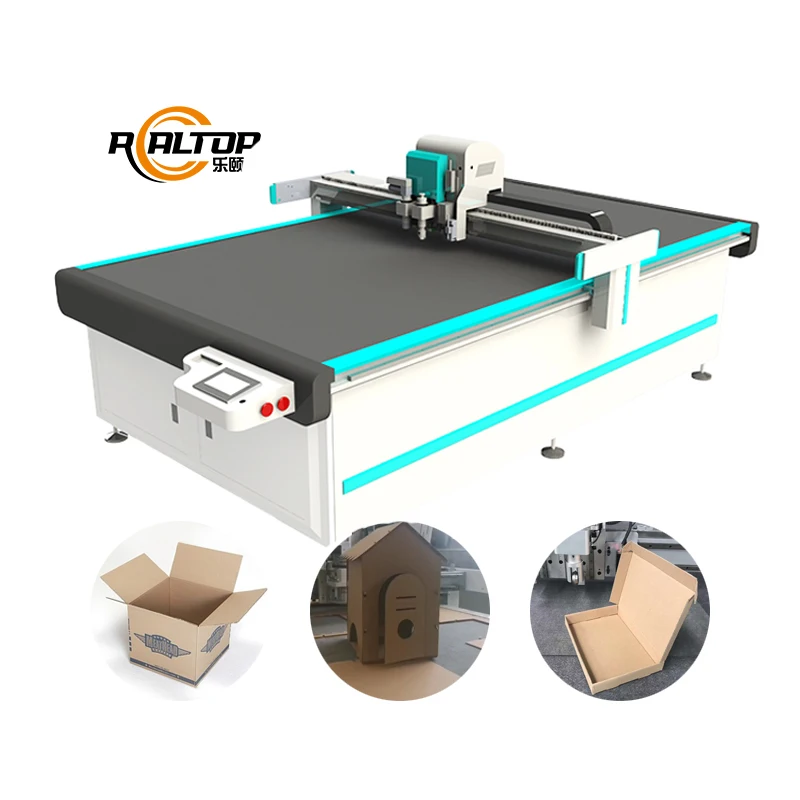
Tool Head and Table Configured Per Material — a cutting method and vacuum zoning plan matched to your actual sheet size, material family and daily volume rather than a generic bed size quote.
Technical Specifications
| Parameter | Value |
|---|---|
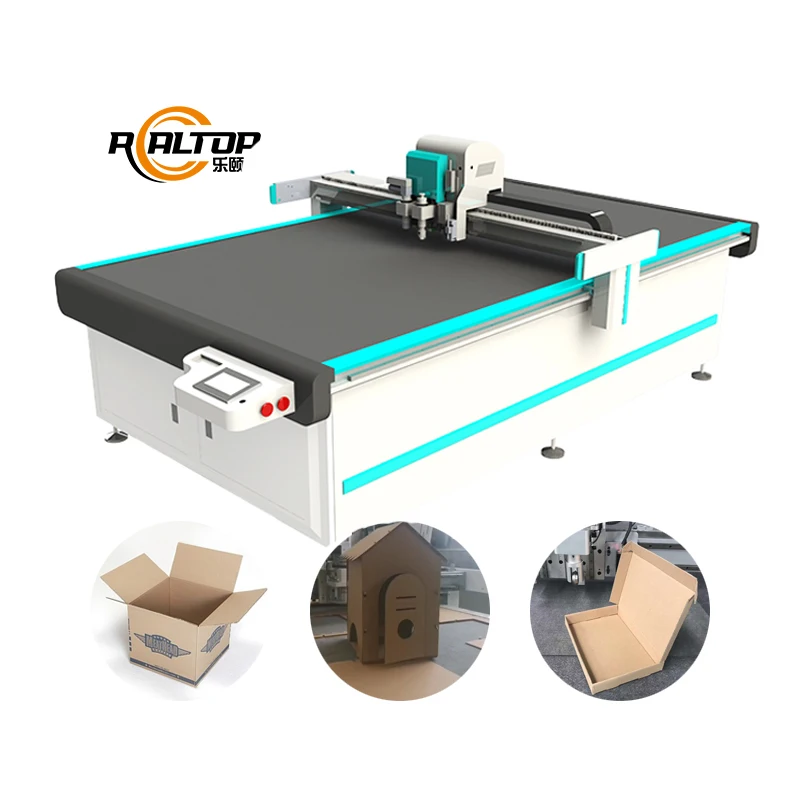
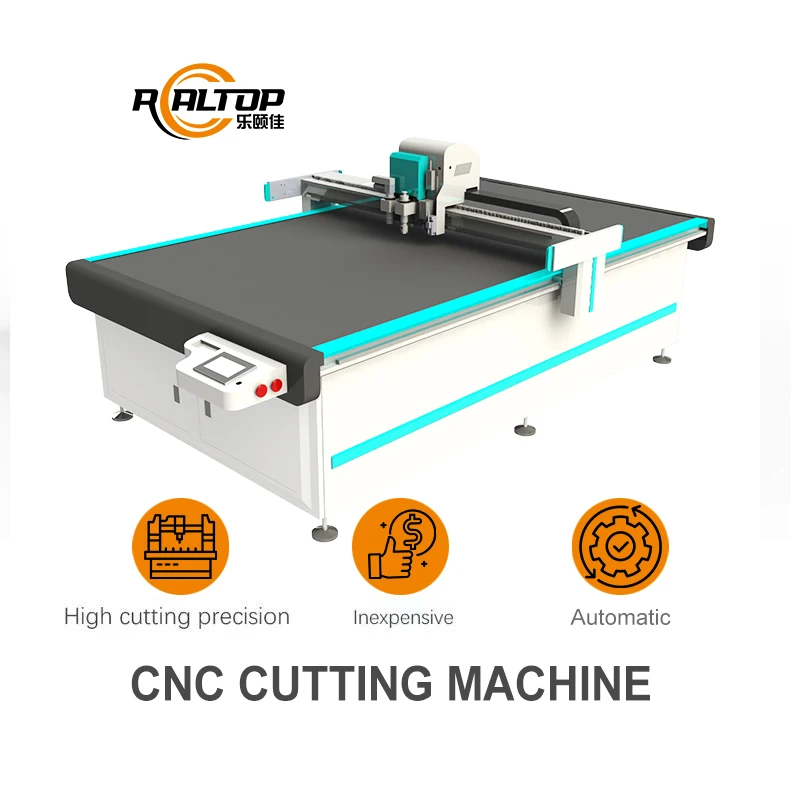
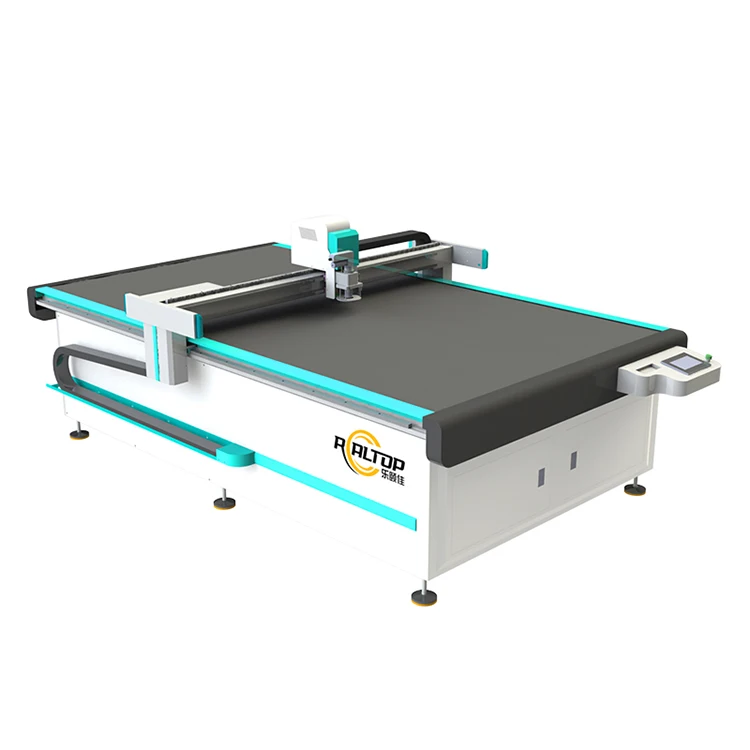
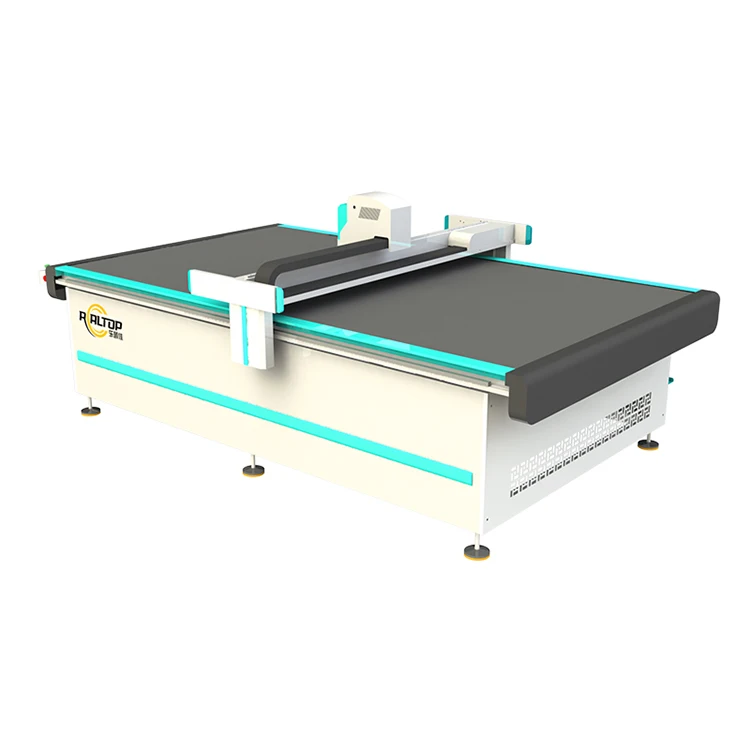
| Product Type | CNC Oscillating Knife Cutting Machine |
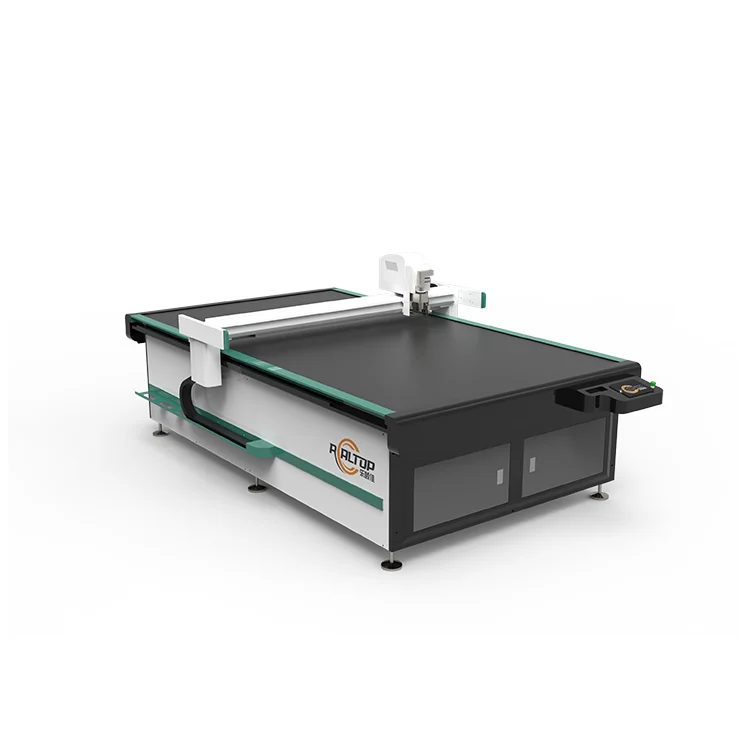
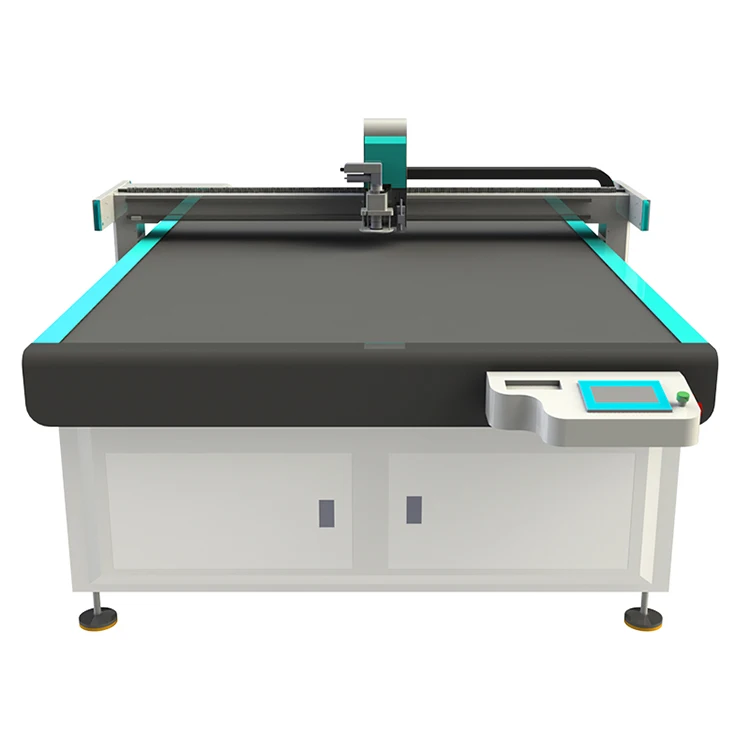
| Working Area | 1600 × 2500 mm |
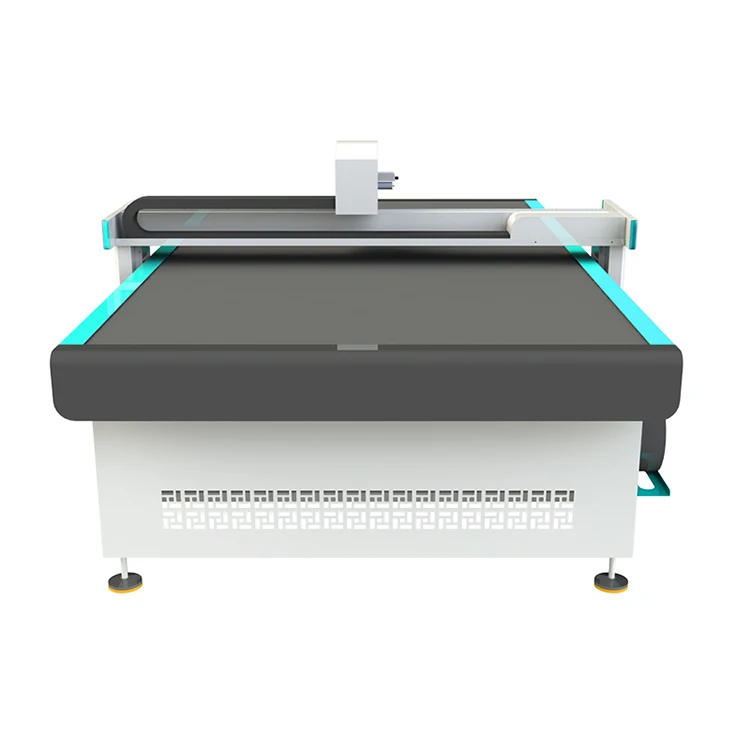
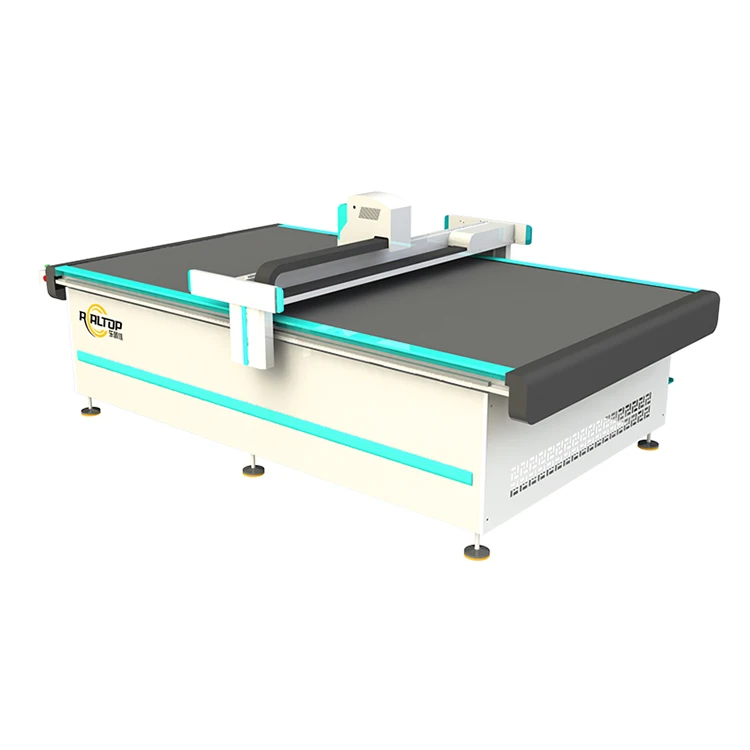
| Machine Dimensions (L×W×H) | 3450 × 2300 × 1250 mm |
| Rated Power | 9 kW |
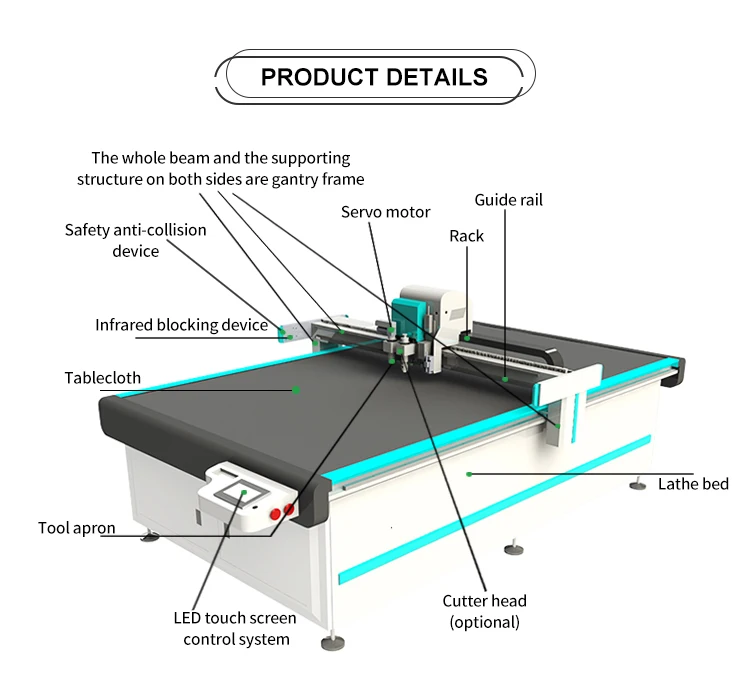
| Working Table | Flat vacuum adsorption, magnesium-aluminum alloy with PVDF powder spray and anodic oxidation |
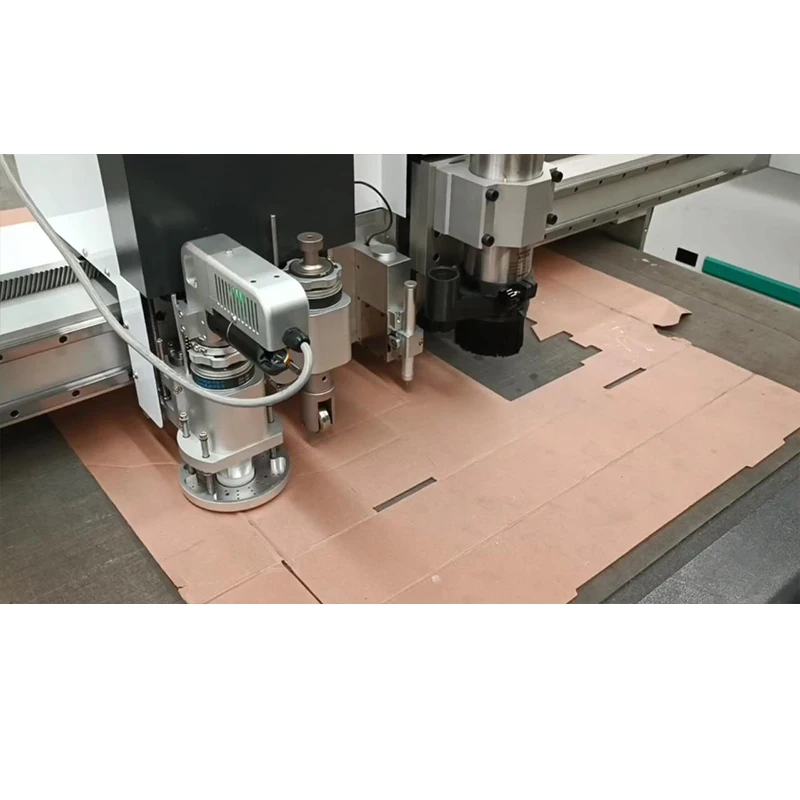
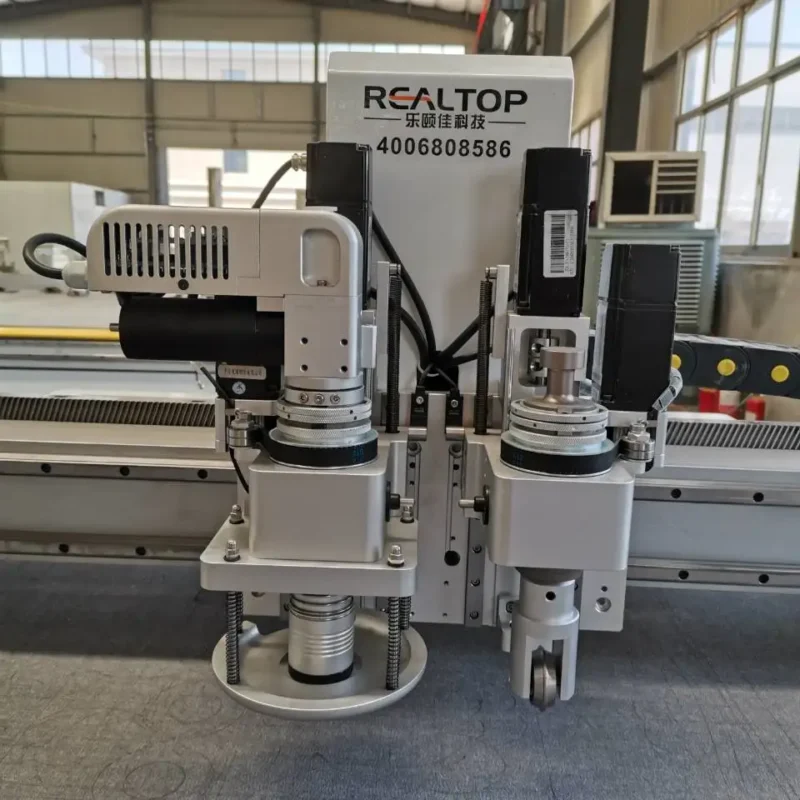
| Tool Head Options | Oscillating knife, pneumatic knife, high-power vibrating knife, circular knife, V-cutting knife, drag knife, creasing wheel, dotted line knife, punching, brush |
| Maximum Cutting Thickness | Up to 100 mm (varies by material density and structure) |
| Translational Velocity | 800 – 1200 mm/s |
| Repeated Accuracy | ≤ 0.1 mm |
| Transmission System | Digital servo motor (Delta, optional Panasonic), Taiwan Hiwin linear guide, synchronous belt, ball screw |
| Control System | HP-GL compatible format |
| Visual Positioning | Small CCD mark point, panoramic camera recognition, projection positioning (optional) |
| Voltage | 380V ±10% |
| Vacuum Pump | 7.5 kW, integrated aviation aluminum shell with built-in silencer sponge |
| Conveyor Belt | Germany imported (optional conveyor-fed configuration) |
| Frame Construction | Thick-walled seamless steel, high-temperature tempered, CNC machining center finished |
| Safety Devices | Infrared induction blocking, anti-collision beam sensors, emergency stop with in-situ resume |
| Safety Rating | IP67 waterproof protection on servo motor |
| Software Language | English, Russian, Italian, Chinese (custom languages available) |
Application Suitability
| Application | Material or Output |
|---|---|
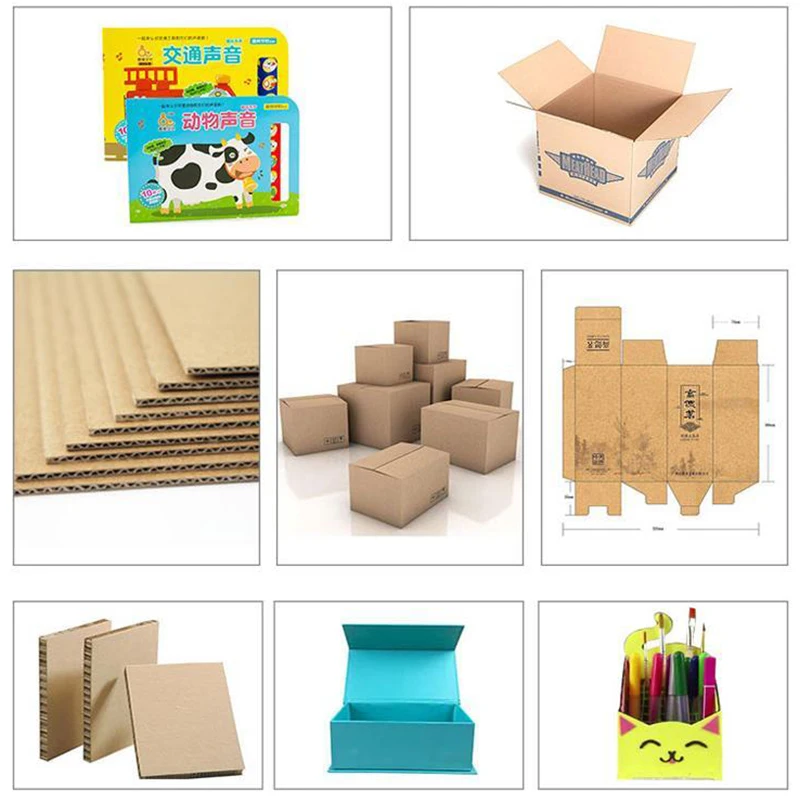
| Packaging and carton sample making | Corrugated cardboard, grey board, plastic box stock, folding carton |
| Automotive interior trimming | PU foam, EVA, XPE, composite sound-deadening layers, carpet |
| Gasket and seal fabrication | Rubber, PTFE, ETFE, non-asbestos fiber sheet, cork composite |
| Soft furnishing and upholstery | Leather, fabric, textile, non-woven, sponge, multi-layer cloth lay |
| Signage and display | PVC foam board, sticker film, magnetic sheet, lightweight board |
| Footwear and luggage | Shoe sole material, PU/EVA midsole, luggage fabric, synthetic leather |
Why the Cutting Method Question Beats the Working Area Question
A bed size alone tells you nothing about edge quality on corrugated board, foam density tolerance or contour accuracy on printed material.
Most buyers begin by specifying a working area and assume the rest will follow. In practice, the material thickness, density and layered structure determine whether an oscillating knife, drag knife or circular tool produces a clean edge or a crushed, delaminated one. A machine sized purely on sheet dimensions often arrives under-configured for the vacuum hold-down, tool stroke and feed rate your actual production job demands [NEED_CITE: CNC knife cutting method selection by material family]. I have seen corrugated sample tables arrive with the wrong creasing wheel profile, forcing operators to hand-finish every fold line.
Tool Head Range Mapped to Material, Not Assumed
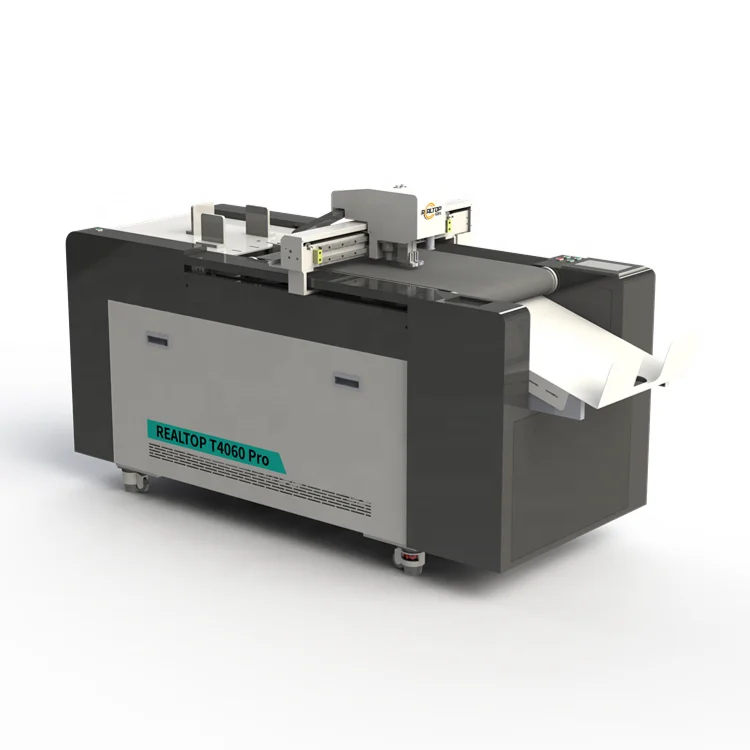
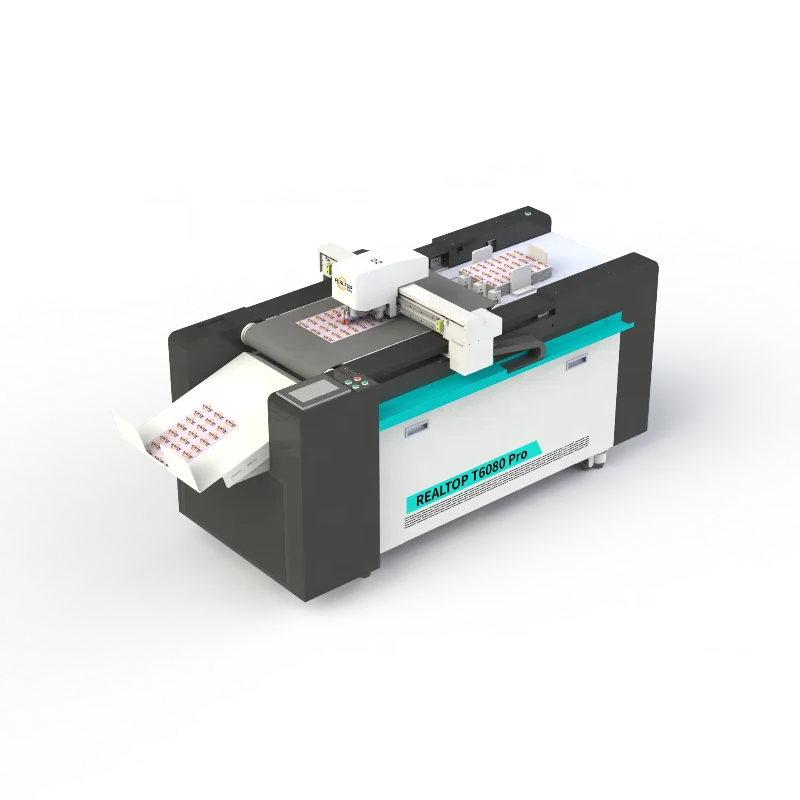
The catalogue covers a CNC oscillating knife cutting machine full catalogue that spans ten distinct tool head types, from the standard oscillating blade through to V-cutting knives, creasing wheels, punching units and brush markers. Each tool addresses a different material behaviour: oscillating action for fibrous and cellular stock, drag knives for thin film and sticker, creasing wheels for scored fold lines on carton board. Selecting the head on material behaviour rather than machine default avoids the ragged edge and crushed core that operators otherwise blame on blade wear.
Working Area, Vacuum Zoning and the Small-Part Problem
The 1600 × 2500 mm flat table is machined from magnesium-aluminum alloy, finished with PVDF powder spray and anodic oxidation to resist wear under repeated abrasive stock. The 7.5 kW vacuum pump is housed in an aviation aluminum shell with built-in silencer sponge, reducing operating noise while maintaining suction across the plenum. For buyers cutting small gasket pieces or nested packaging samples, vacuum zoning matters more than total pump capacity — without independent zone control, narrow offcuts lift under the knife and destroy both the part and the blade [NEED_CITE: vacuum table zoning for small CNC cut parts].
What the Frame, Drive and Accuracy Numbers Actually Mean
The thick-walled seamless steel frame is high-temperature tempered and finished on a CNC machining center, which is how the machine holds ≤ 0.1 mm repeated accuracy over years of continuous traverse. Taiwan Hiwin linear guides and ball screws on the drive axis, paired with a Delta or optional Panasonic digital servo, keep the knife path true at translational velocities up to 1200 mm/s. The IP67-rated servo motors survive the dust and coolant mist common in gasket and composite workshops. On the control side, HP-GL compatibility means most existing nesting and CAD outputs feed directly into the workflow without re-drawing contours.
The Hidden Cost of a Generic Configuration
Ordering on working area and peak motor power alone is where most field problems start. A vacuum table without zoning matched to your nesting layout leaves small corrugated or gasket pieces lifting mid-cut. A visual positioning system quoted as "CCD camera" without specifying mark-point versus panoramic recognition fails to track printed contours at production speed on patterned fabric and printed carton. Voltage and control language assumed rather than confirmed in writing lead to rewiring and re-training on arrival [NEED_CITE: voltage and control language confirmation before shipment].
Why Source This Range Here
The design team and core factory cover both knife and laser cutting under one roof, so the cutting method is chosen to match your material rather than forced into whichever technology the sales channel prefers. Tool head and table configuration are specified per material family and production volume, not quoted as a fixed package. Sample cutting on your own stock is run before commitment, giving you a physical edge-quality check rather than a catalogue promise. Voltage, plug, control language and software output format are confirmed in writing before production begins, avoiding the rework that typically shows up at commissioning.
Documentation & Verification
- Machine specification sheet with tool head and table configuration matched to your material
- Electrical schematic with voltage and phase confirmed for your facility
- Sample cutting report produced on your own stock before order confirmation
- Tool head and table configuration list locked to the agreed nesting layout
- Software licence and HP-GL file format compatibility note for your existing workflow
- CE declaration and factory test record provided with the shipment
Installation, Commissioning & Support
- 3450 × 2300 × 1250 mm footprint requires a level concrete slab and clear overhead access for rigging
- 380V ±10% three-phase dedicated circuit with earth, sized for the 9 kW rated load plus vacuum pump
- Machine shipped in knock-down form where required; table and gantry assembled and aligned on site
- First-run parameter setting covers vacuum zone mapping, tool offset and feed rate for your first material
- Operator training on HP-GL import, tool change procedure and the emergency stop in-situ resume function
- Spare parts list covers Swiss blades, belts and vacuum cups sized to your tool head configuration
- Daily vacuum filter check and weekly linear guide lubrication scheduled around your shift pattern
What to Share with the Quotation Request
Send the material type, thickness, sheet size and daily volume so the tool head, vacuum zoning and feed rate can be specified against a real production job rather than a generic bed size. Include your local voltage, frequency and plug standard, plus the control language your operators will use. If you already run nesting software or have existing HP-GL workflows, share a sample file so software compatibility and CCD or projection positioning options can be confirmed before the order is locked.
Frequently Asked Questions
Q: How do I choose between oscillating knife, drag knife, circular knife and laser for my material?
A: The choice depends on material structure, not just thickness. Oscillating knives handle fibrous and cellular stock such as fabric, foam and corrugated board without crushing the core. Drag knives suit thin film, sticker and vinyl. Circular knives work on continuous textile lay-ups. Laser is preferred where edge sealing on synthetics is required. A sample cut on your own material confirms the right method before the configuration is locked.
Q: What working area sizes and head configurations are available across the range?
A: The catalogue spans compact tables for sample rooms through to large-format beds for high-volume production, with single-head and multi-head options. The 1600 × 2500 mm configuration shown here is one point in the range. Conveyor-fed versions are available for continuous roll and sheet-fed workflows, with vacuum zoning configured to your nesting layout rather than a default pattern.
Q: Which visual positioning system fits my printed contour application?
A: Small CCD mark-point positioning works where printed jobs carry defined registration marks. Panoramic camera recognition suits large pattern repeats on fabric and printed packaging where edge detection alone is unreliable. Projection positioning helps operators align irregular natural materials like leather before cutting. The right option depends on your print registration method and production speed.
Q: How are voltage, control language and plug type confirmed before shipment?
A: These are confirmed in writing as part of the specification package before production starts, not assumed from the destination country. The electrical schematic, voltage and phase are locked to your facility supply, and the control interface language is set to match your operators. This avoids rewiring, transformer additions and re-training once the machine is on the floor.
Q: What documentation comes with each model?
A: Each shipment includes the machine specification sheet, electrical schematic with confirmed voltage, tool head and table configuration list, sample cutting report on your material, CE declaration where applicable, factory test record, operation and maintenance manual, software licence with HP-GL compatibility note, spare parts list and packing photographs for condition verification on arrival.
Tool Head and Table Configured Per Material — a cutting method and vacuum zoning plan matched to your actual sheet size, material family and daily volume rather than a generic bed size quote.
Technical Specifications
| Parameter | Value |
|---|---|
| Product Type | CNC Oscillating Knife Cutting Machine |
| Working Area | 1600 × 2500 mm |
| Machine Dimensions (L×W×H) | 3450 × 2300 × 1250 mm |
| Rated Power | 9 kW |
| Working Table | Flat vacuum adsorption, magnesium-aluminum alloy with PVDF powder spray and anodic oxidation |
| Tool Head Options | Oscillating knife, pneumatic knife, high-power vibrating knife, circular knife, V-cutting knife, drag knife, creasing wheel, dotted line knife, punching, brush |
| Maximum Cutting Thickness | Up to 100 mm (varies by material density and structure) |
| Translational Velocity | 800 – 1200 mm/s |
| Repeated Accuracy | ≤ 0.1 mm |
| Transmission System | Digital servo motor (Delta, optional Panasonic), Taiwan Hiwin linear guide, synchronous belt, ball screw |
| Control System | HP-GL compatible format |
| Visual Positioning | Small CCD mark point, panoramic camera recognition, projection positioning (optional) |
| Voltage | 380V ±10% |
| Vacuum Pump | 7.5 kW, integrated aviation aluminum shell with built-in silencer sponge |
| Conveyor Belt | Germany imported (optional conveyor-fed configuration) |
| Frame Construction | Thick-walled seamless steel, high-temperature tempered, CNC machining center finished |
| Safety Devices | Infrared induction blocking, anti-collision beam sensors, emergency stop with in-situ resume |
| Safety Rating | IP67 waterproof protection on servo motor |
| Software Language | English, Russian, Italian, Chinese (custom languages available) |
Application Suitability
| Application | Material or Output |
|---|---|
| Packaging and carton sample making | Corrugated cardboard, grey board, plastic box stock, folding carton |
| Automotive interior trimming | PU foam, EVA, XPE, composite sound-deadening layers, carpet |
| Gasket and seal fabrication | Rubber, PTFE, ETFE, non-asbestos fiber sheet, cork composite |
| Soft furnishing and upholstery | Leather, fabric, textile, non-woven, sponge, multi-layer cloth lay |
| Signage and display | PVC foam board, sticker film, magnetic sheet, lightweight board |
| Footwear and luggage | Shoe sole material, PU/EVA midsole, luggage fabric, synthetic leather |
Why the Cutting Method Question Beats the Working Area Question
A bed size alone tells you nothing about edge quality on corrugated board, foam density tolerance or contour accuracy on printed material.
Most buyers begin by specifying a working area and assume the rest will follow. In practice, the material thickness, density and layered structure determine whether an oscillating knife, drag knife or circular tool produces a clean edge or a crushed, delaminated one. A machine sized purely on sheet dimensions often arrives under-configured for the vacuum hold-down, tool stroke and feed rate your actual production job demands [NEED_CITE: CNC knife cutting method selection by material family]. I have seen corrugated sample tables arrive with the wrong creasing wheel profile, forcing operators to hand-finish every fold line.
Tool Head Range Mapped to Material, Not Assumed
The catalogue covers a CNC oscillating knife cutting machine full catalogue that spans ten distinct tool head types, from the standard oscillating blade through to V-cutting knives, creasing wheels, punching units and brush markers. Each tool addresses a different material behaviour: oscillating action for fibrous and cellular stock, drag knives for thin film and sticker, creasing wheels for scored fold lines on carton board. Selecting the head on material behaviour rather than machine default avoids the ragged edge and crushed core that operators otherwise blame on blade wear.
Working Area, Vacuum Zoning and the Small-Part Problem
The 1600 × 2500 mm flat table is machined from magnesium-aluminum alloy, finished with PVDF powder spray and anodic oxidation to resist wear under repeated abrasive stock. The 7.5 kW vacuum pump is housed in an aviation aluminum shell with built-in silencer sponge, reducing operating noise while maintaining suction across the plenum. For buyers cutting small gasket pieces or nested packaging samples, vacuum zoning matters more than total pump capacity — without independent zone control, narrow offcuts lift under the knife and destroy both the part and the blade [NEED_CITE: vacuum table zoning for small CNC cut parts].
What the Frame, Drive and Accuracy Numbers Actually Mean
The thick-walled seamless steel frame is high-temperature tempered and finished on a CNC machining center, which is how the machine holds ≤ 0.1 mm repeated accuracy over years of continuous traverse. Taiwan Hiwin linear guides and ball screws on the drive axis, paired with a Delta or optional Panasonic digital servo, keep the knife path true at translational velocities up to 1200 mm/s. The IP67-rated servo motors survive the dust and coolant mist common in gasket and composite workshops. On the control side, HP-GL compatibility means most existing nesting and CAD outputs feed directly into the workflow without re-drawing contours.
The Hidden Cost of a Generic Configuration
Ordering on working area and peak motor power alone is where most field problems start. A vacuum table without zoning matched to your nesting layout leaves small corrugated or gasket pieces lifting mid-cut. A visual positioning system quoted as "CCD camera" without specifying mark-point versus panoramic recognition fails to track printed contours at production speed on patterned fabric and printed carton. Voltage and control language assumed rather than confirmed in writing lead to rewiring and re-training on arrival [NEED_CITE: voltage and control language confirmation before shipment].
Why Source This Range Here
The design team and core factory cover both knife and laser cutting under one roof, so the cutting method is chosen to match your material rather than forced into whichever technology the sales channel prefers. Tool head and table configuration are specified per material family and production volume, not quoted as a fixed package. Sample cutting on your own stock is run before commitment, giving you a physical edge-quality check rather than a catalogue promise. Voltage, plug, control language and software output format are confirmed in writing before production begins, avoiding the rework that typically shows up at commissioning.
Documentation & Verification
- Machine specification sheet with tool head and table configuration matched to your material
- Electrical schematic with voltage and phase confirmed for your facility
- Sample cutting report produced on your own stock before order confirmation
- Tool head and table configuration list locked to the agreed nesting layout
- Software licence and HP-GL file format compatibility note for your existing workflow
- CE declaration and factory test record provided with the shipment
Installation, Commissioning & Support
- 3450 × 2300 × 1250 mm footprint requires a level concrete slab and clear overhead access for rigging
- 380V ±10% three-phase dedicated circuit with earth, sized for the 9 kW rated load plus vacuum pump
- Machine shipped in knock-down form where required; table and gantry assembled and aligned on site
- First-run parameter setting covers vacuum zone mapping, tool offset and feed rate for your first material
- Operator training on HP-GL import, tool change procedure and the emergency stop in-situ resume function
- Spare parts list covers Swiss blades, belts and vacuum cups sized to your tool head configuration
- Daily vacuum filter check and weekly linear guide lubrication scheduled around your shift pattern
What to Share with the Quotation Request
Send the material type, thickness, sheet size and daily volume so the tool head, vacuum zoning and feed rate can be specified against a real production job rather than a generic bed size. Include your local voltage, frequency and plug standard, plus the control language your operators will use. If you already run nesting software or have existing HP-GL workflows, share a sample file so software compatibility and CCD or projection positioning options can be confirmed before the order is locked.
Frequently Asked Questions
Q: How do I choose between oscillating knife, drag knife, circular knife and laser for my material?
A: The choice depends on material structure, not just thickness. Oscillating knives handle fibrous and cellular stock such as fabric, foam and corrugated board without crushing the core. Drag knives suit thin film, sticker and vinyl. Circular knives work on continuous textile lay-ups. Laser is preferred where edge sealing on synthetics is required. A sample cut on your own material confirms the right method before the configuration is locked.
Q: What working area sizes and head configurations are available across the range?
A: The catalogue spans compact tables for sample rooms through to large-format beds for high-volume production, with single-head and multi-head options. The 1600 × 2500 mm configuration shown here is one point in the range. Conveyor-fed versions are available for continuous roll and sheet-fed workflows, with vacuum zoning configured to your nesting layout rather than a default pattern.
Q: Which visual positioning system fits my printed contour application?
A: Small CCD mark-point positioning works where printed jobs carry defined registration marks. Panoramic camera recognition suits large pattern repeats on fabric and printed packaging where edge detection alone is unreliable. Projection positioning helps operators align irregular natural materials like leather before cutting. The right option depends on your print registration method and production speed.
Q: How are voltage, control language and plug type confirmed before shipment?
A: These are confirmed in writing as part of the specification package before production starts, not assumed from the destination country. The electrical schematic, voltage and phase are locked to your facility supply, and the control interface language is set to match your operators. This avoids rewiring, transformer additions and re-training once the machine is on the floor.
Q: What documentation comes with each model?
A: Each shipment includes the machine specification sheet, electrical schematic with confirmed voltage, tool head and table configuration list, sample cutting report on your material, CE declaration where applicable, factory test record, operation and maintenance manual, software licence with HP-GL compatibility note, spare parts list and packing photographs for condition verification on arrival.
商品评价
There are no reviews yet.