

Fast Delivery
Quick, reliable shipping to any location.

Free & easy returns
Return this item by mail or in store within 90 days for a full refund.
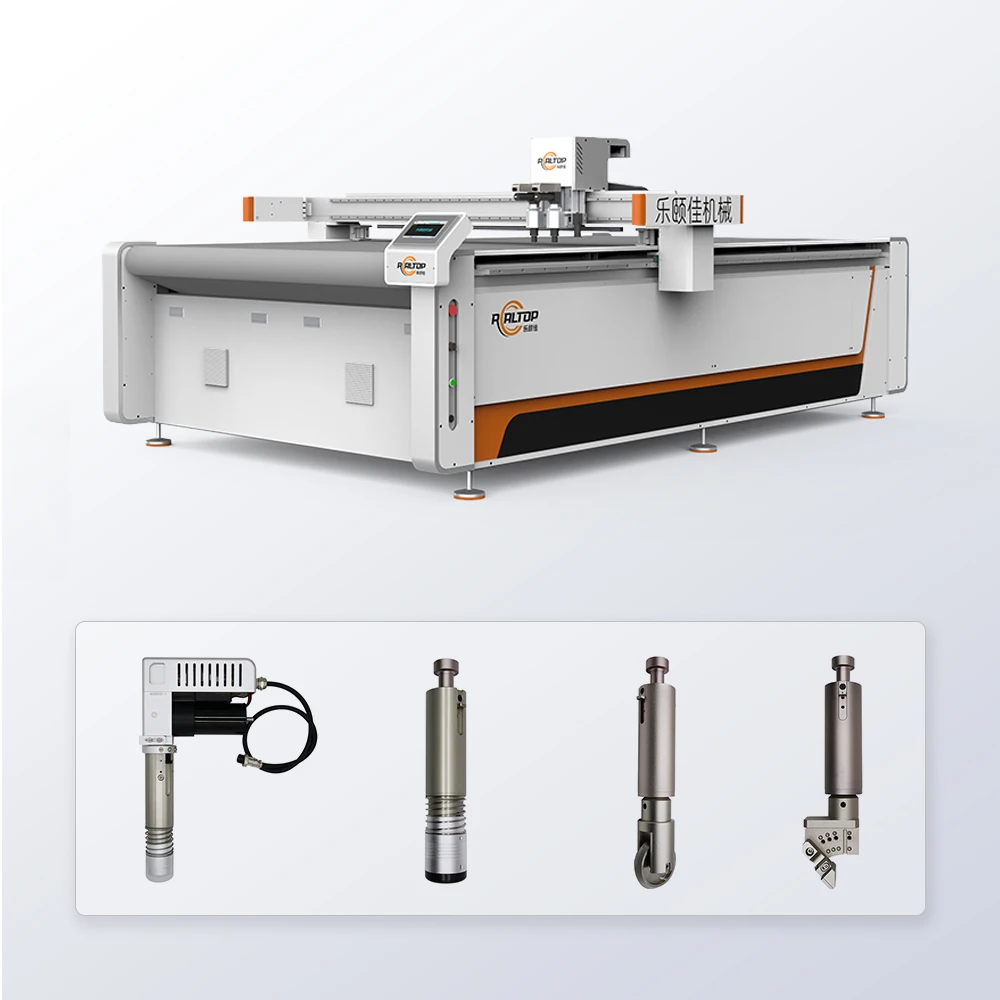
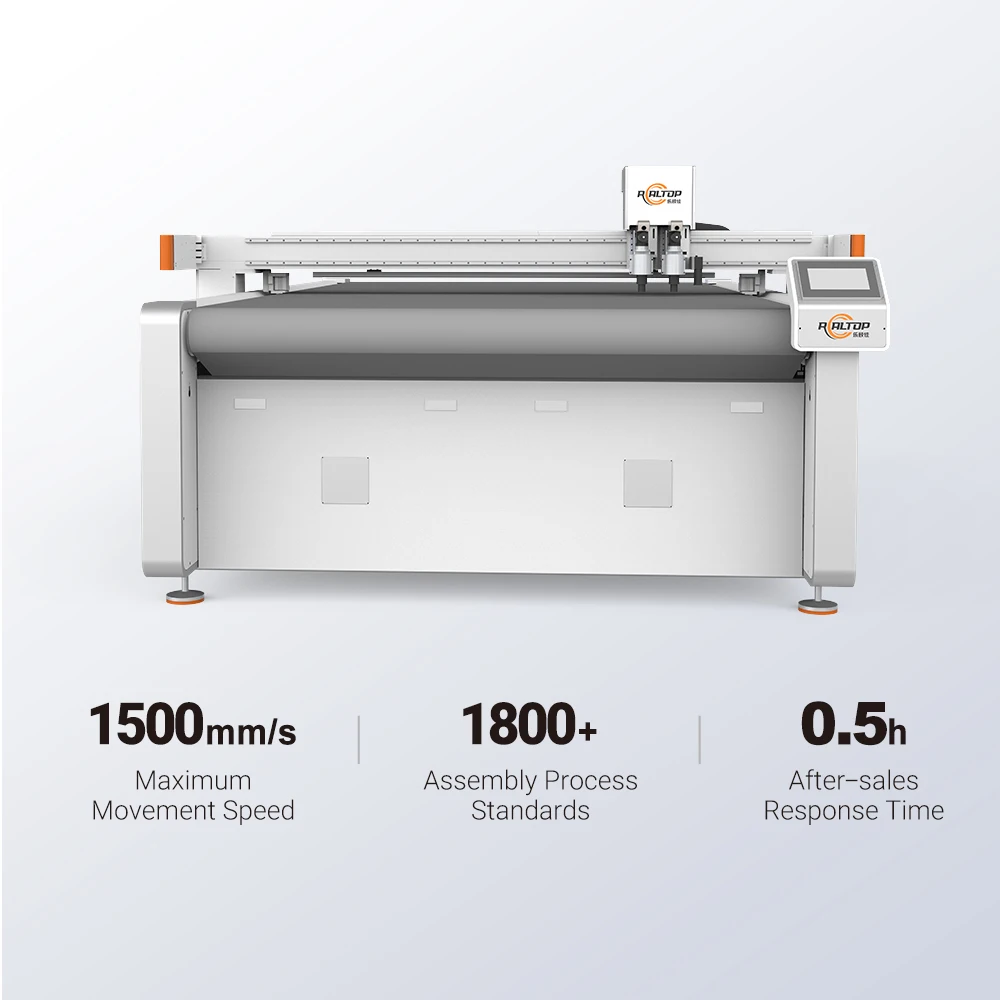
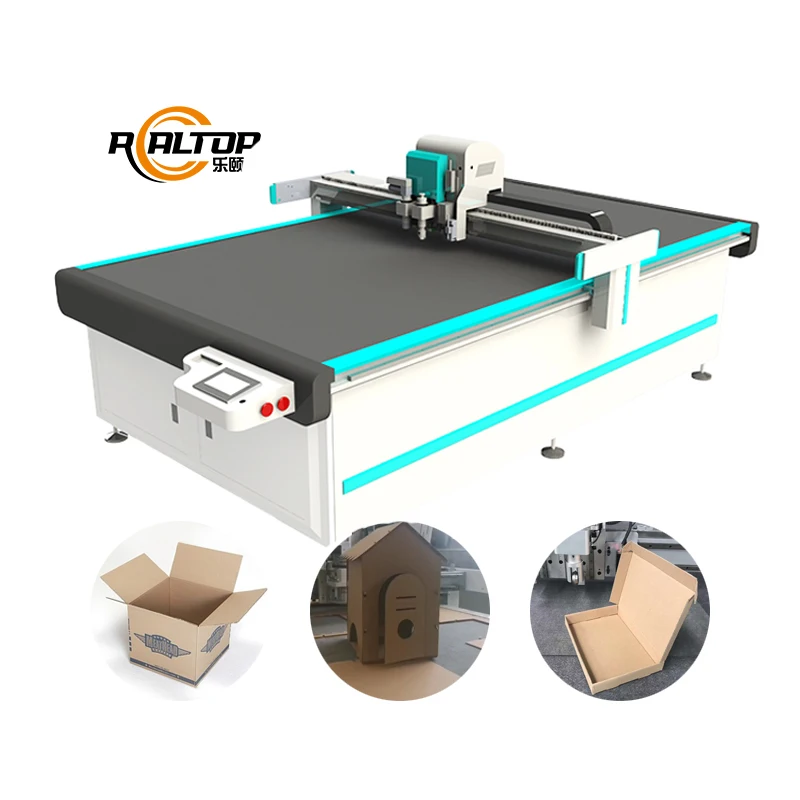
Tool head and table configuration specified per material and production volume — the 1625(std.) platform offers seven interchangeable cutting and creasing tools matched to corrugated flute profile, board density, and sample throughput before the order is confirmed.
Technical Specifications
| Parameter | Value |
|---|---|
| Model | 1625(std.) |
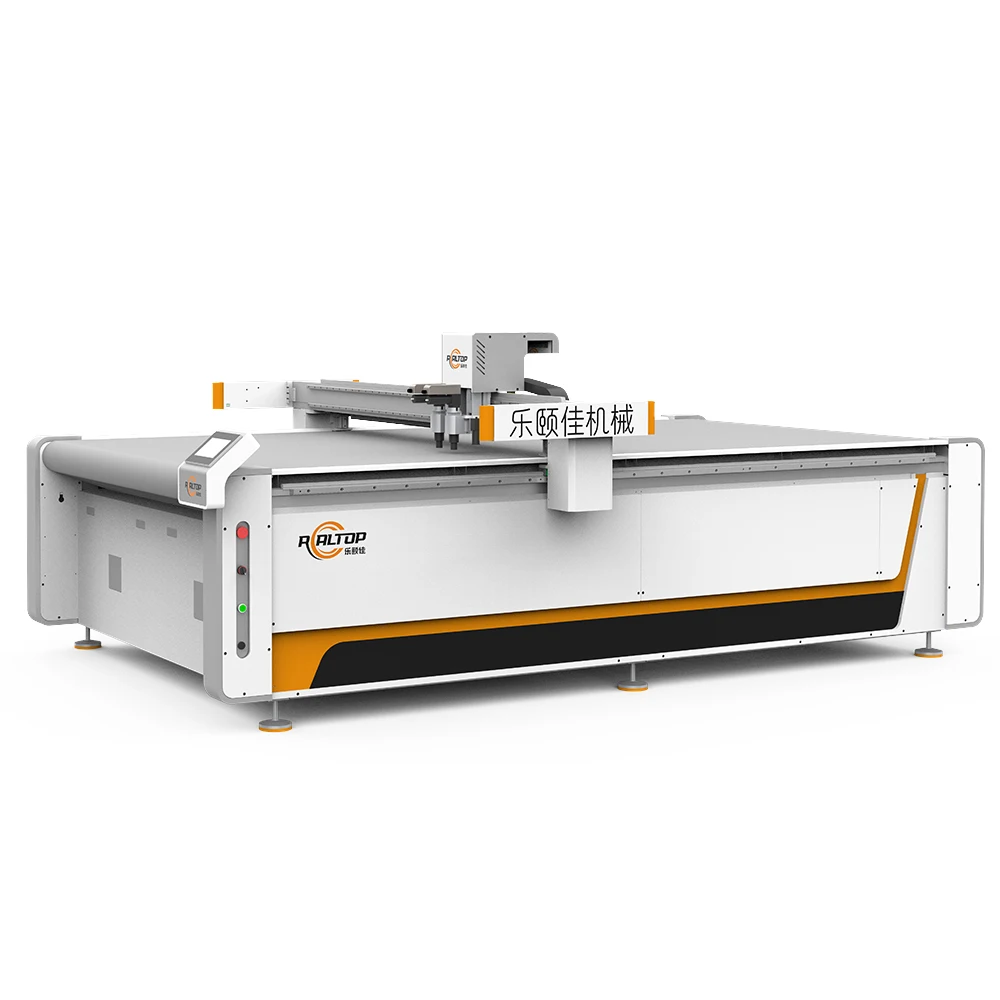
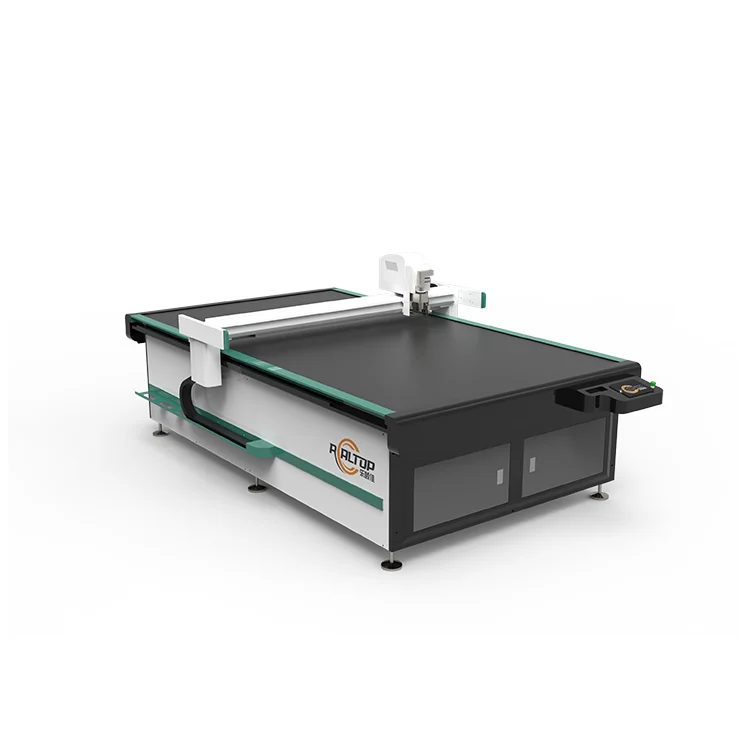
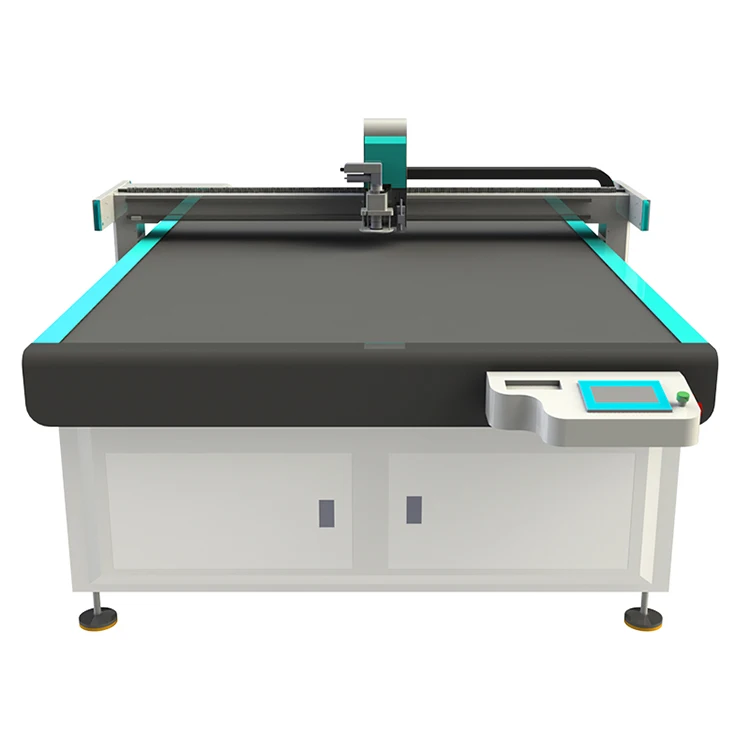
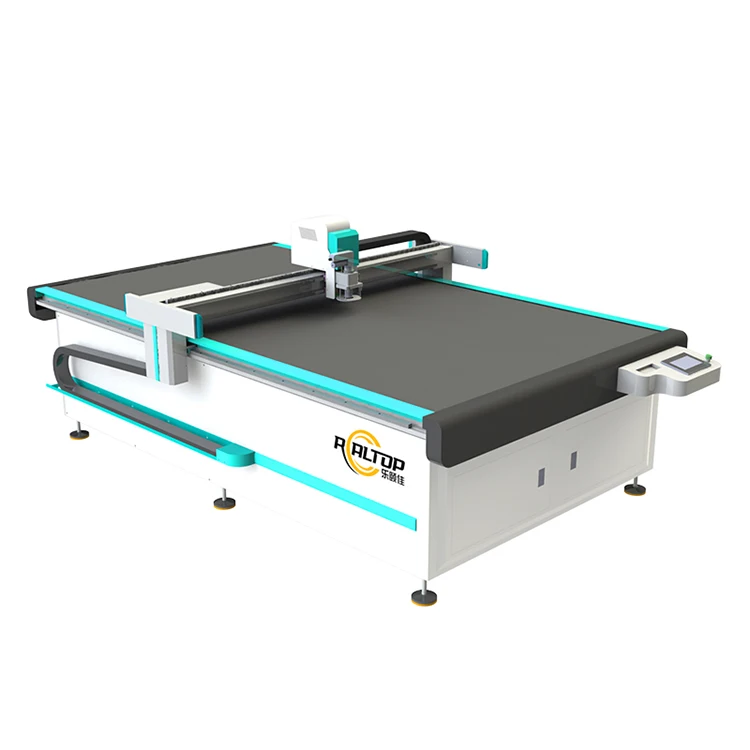
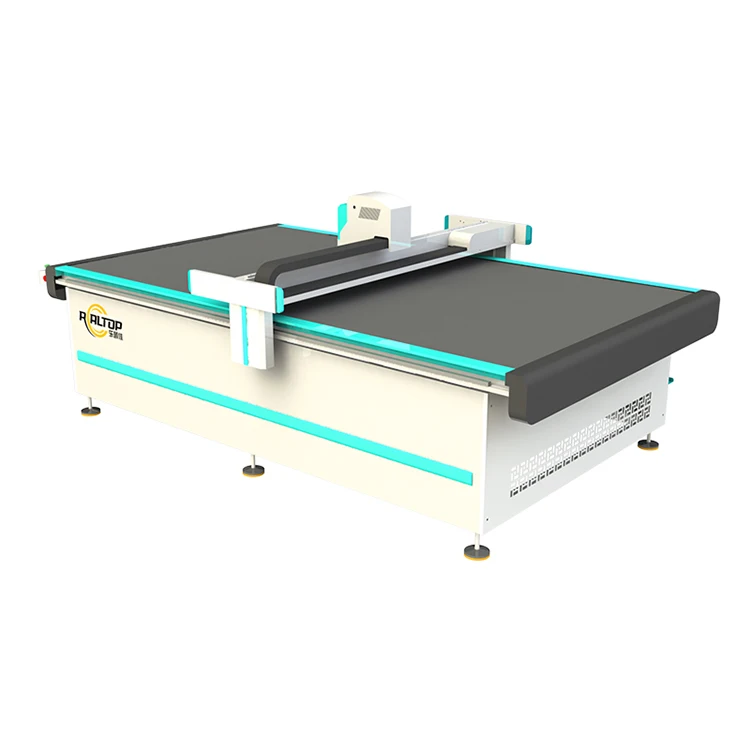
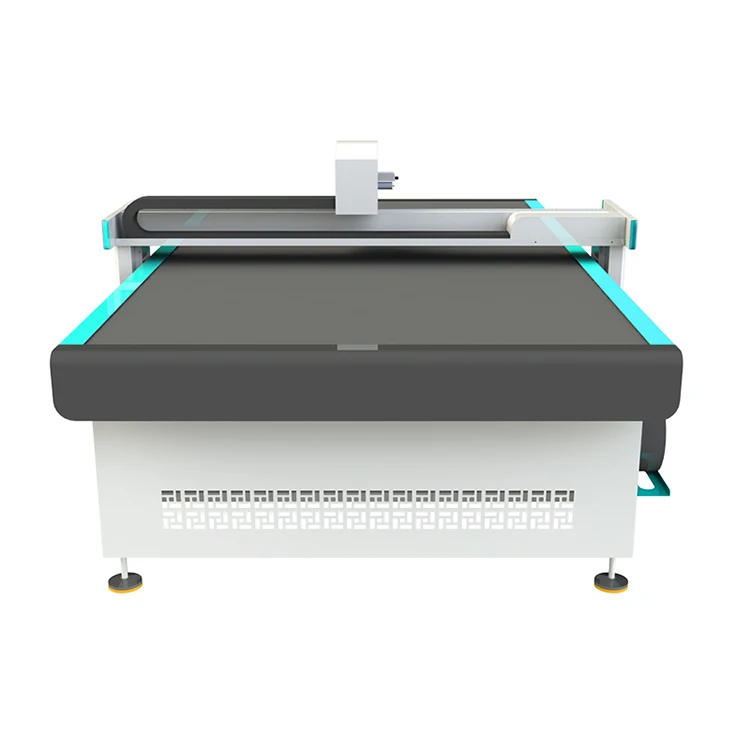
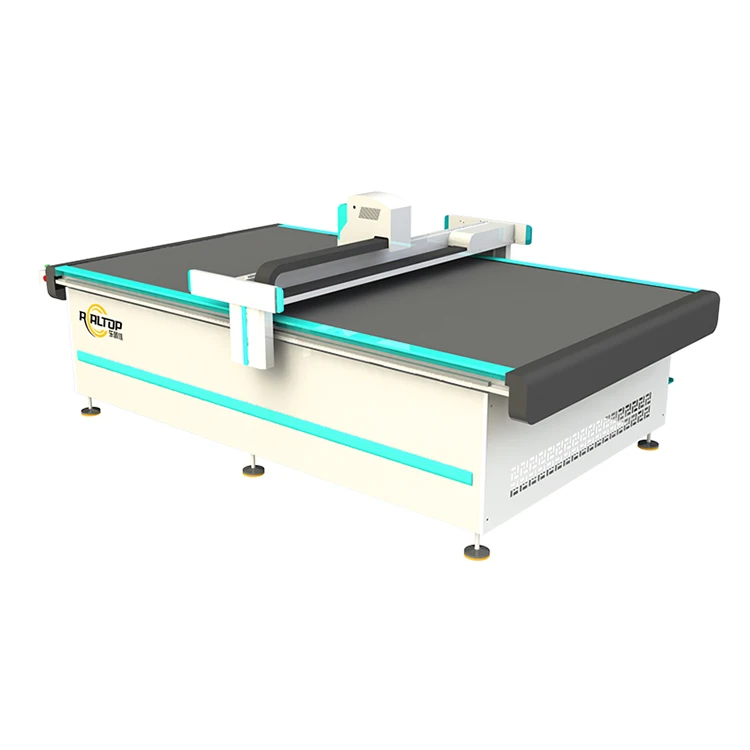
| Product Type | CNC Oscillating Knife Cutting Machine |
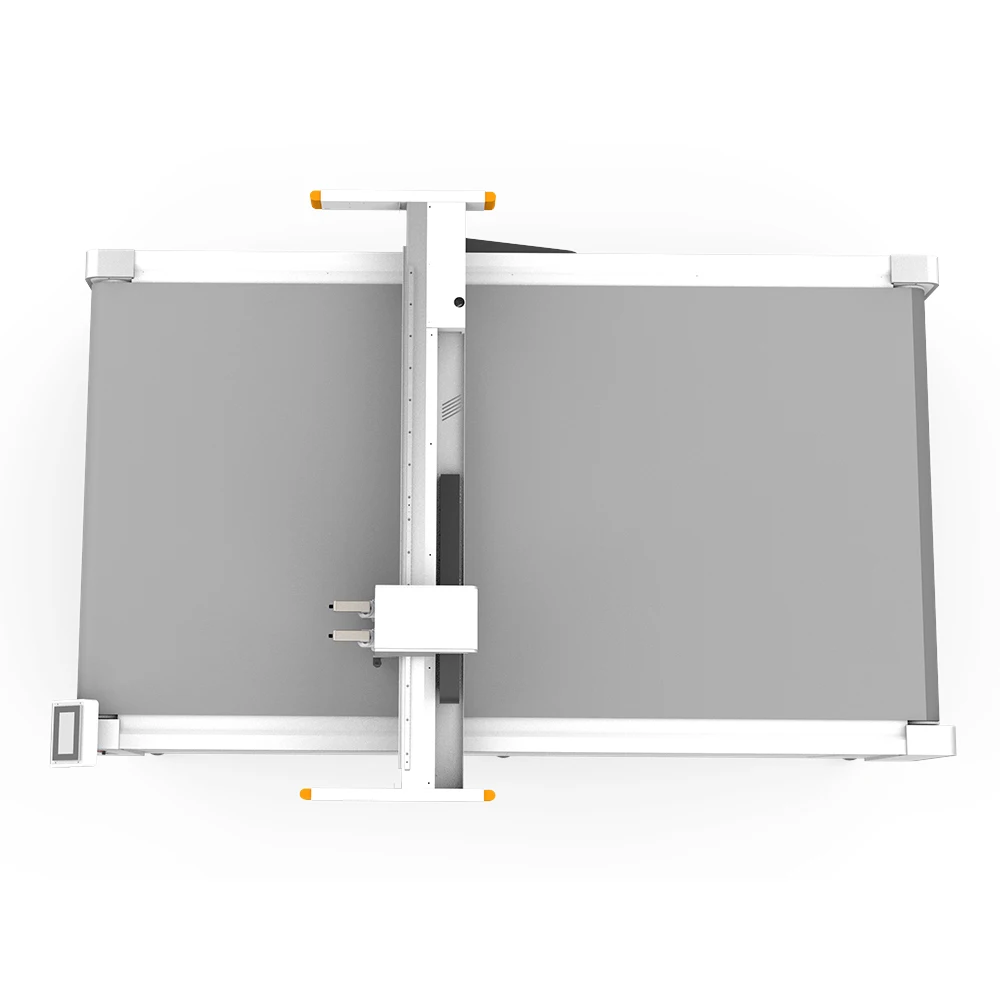
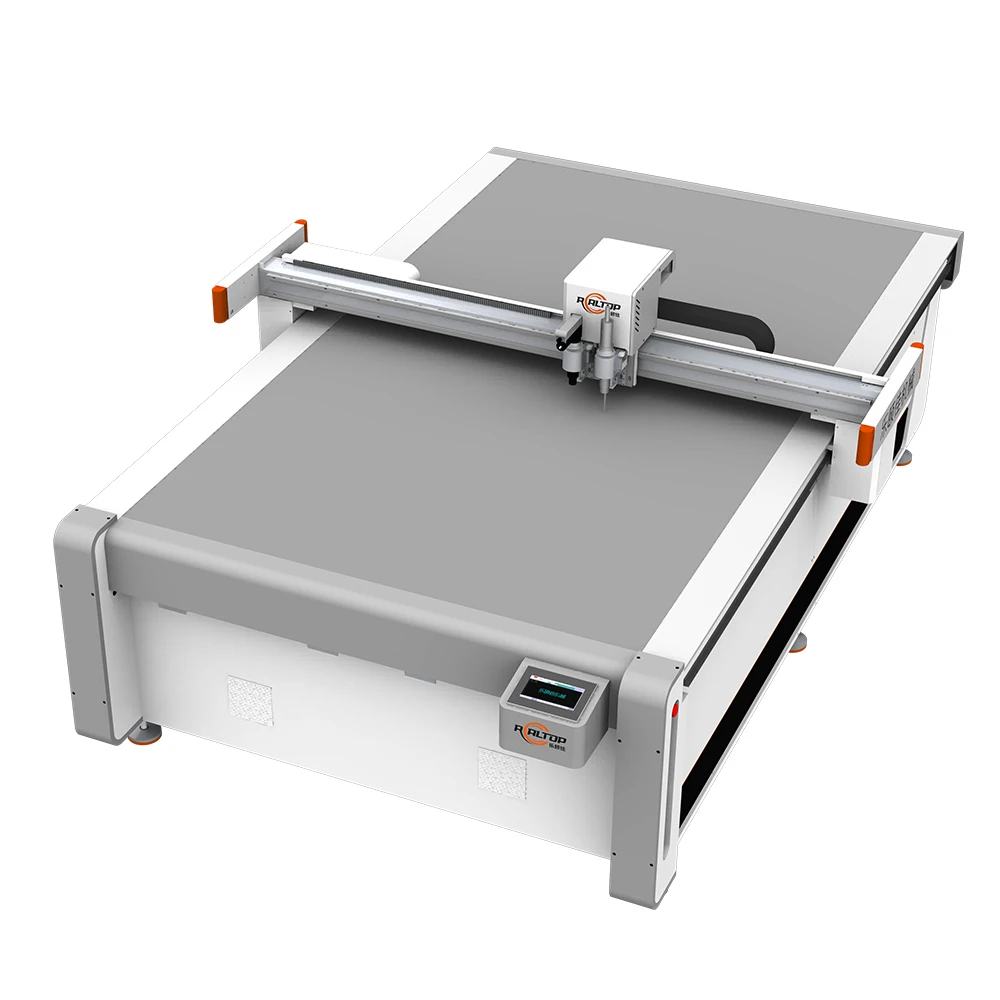
| Cutting Area | 1600 × 2500 mm |
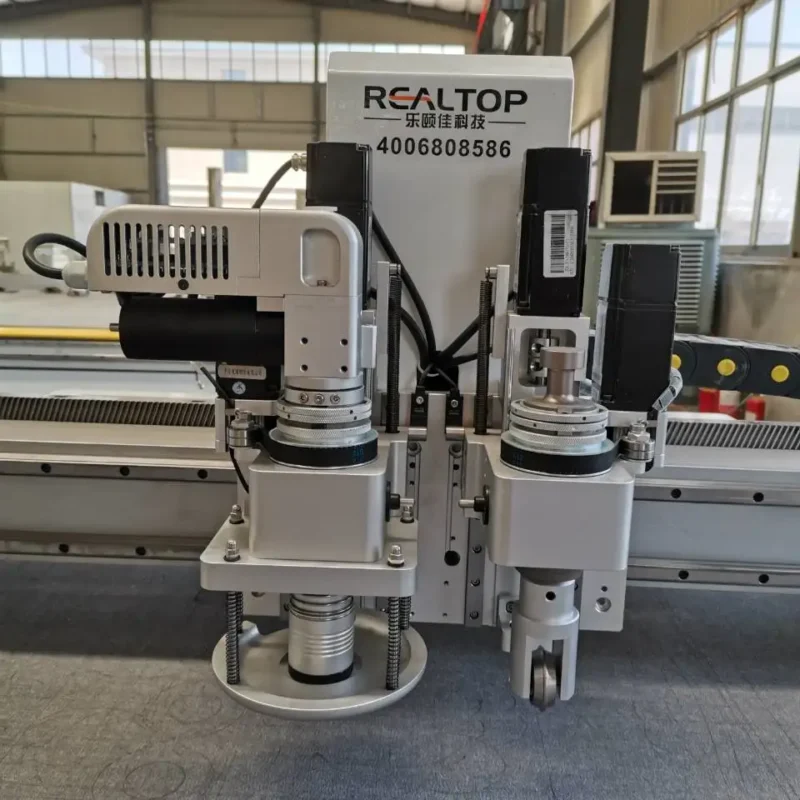
| Tools Available | Oscillating knife, Driven rotary knife, Creasing wheel, Kiss cutting tool, Pneumatic knife, Milling tool, V groove knife |
| Cutting Speed | 0–1500 mm/s |
| Cutting Thickness | ≤ 40 mm (basis not stated in source — confirm material type / density / flute profile) |
| Cutting Accuracy | ±0.1 mm |
| Vacuum Pump | 9 kW |
| Vacuum Table | Aluminum bellows vacuum table |
| Machine Frame | Heavy-duty frame with precision-ground surface |
| Servo Drive Options | Panasonic, Delta, Dorna |
| Control System | PLC control panel with dedicated packaging box structure design software |
| Profile Format | PLT, DXF, AI, PDF |
| Voltage | 110V, 220V, 380V (frequency not specified in source) |
| Language Options | English, Russian, Italian, Chinese (special languages customizable) |
| Safety Device | Infrared sensor device and emergency stop device |
| Machine Size | 3300 × 2100 × 1350 mm |
| Standards | CE (declaration referenced) |
Application Suitability
| Application | Material or Output |
|---|---|
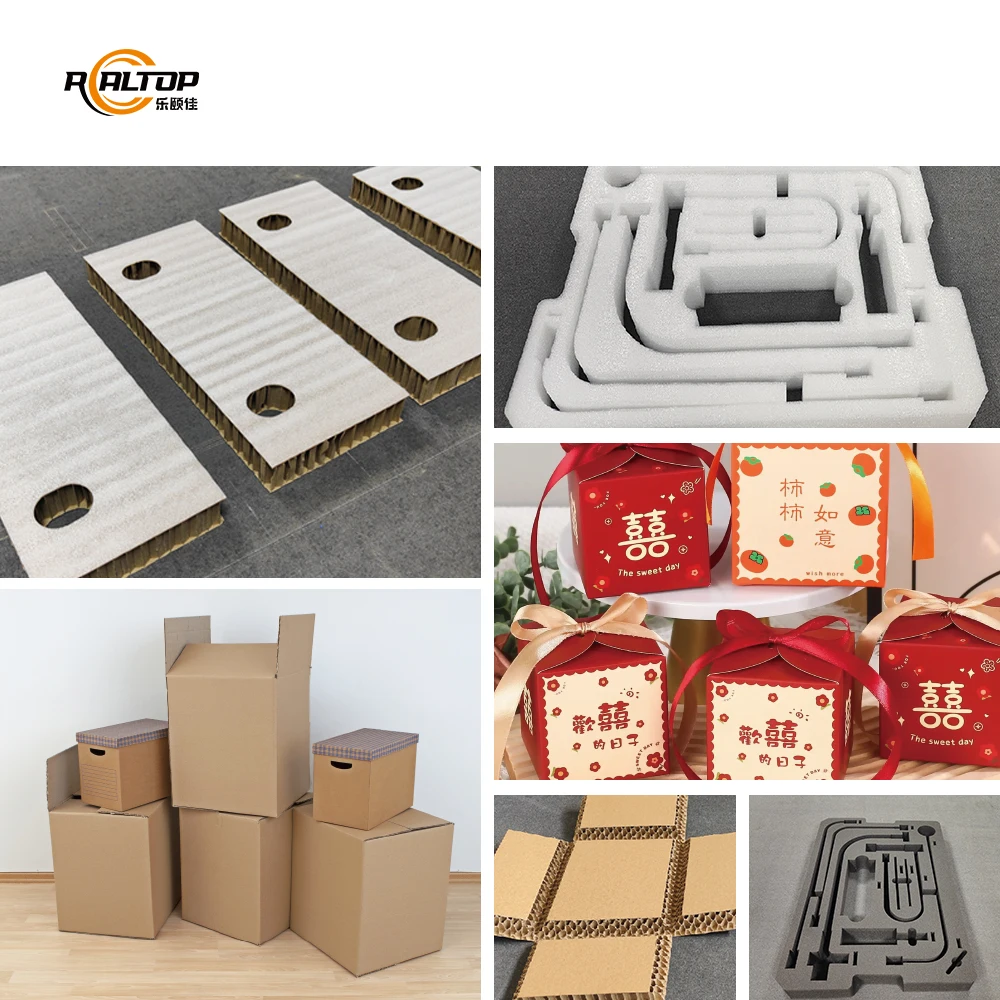
| Packaging sample making and carton prototyping | Corrugated cardboard (E-flute, B-flute, BC-flute), greyboard, cardstock |
| Specialty paper and art paper processing | Coated stock, textured paper, adhesive-backed sheets |
| Foam insert and cushion cutting | EVA foam, EPE foam, PU foam |
| Gasket and seal prototyping | Rubber mats, PTFE sheets, composite gasket material |
| Thin plastic and leather cutting | PVC, PET, synthetic leather, velvet and fleece fabric |
What "40 mm Cutting Depth" Actually Means for Your Flute Profile
The thickness number on a spec sheet is not a guarantee — it is a starting point that must be validated against your exact board grade and flute combination.
I once configured a carton sample cutter for a Middle East buyer who told me his material was standard corrugated. We set up an oscillating knife based on that assumption. When the machine arrived, he was running five-layer BC-flute board. The knife could not penetrate cleanly, and the edges collapsed under pressure. Production stopped until we shipped a different tool head. A CNC oscillating knife cutting machine for sale at this working area can handle a wide range of packaging substrates, but the cutting depth figure only holds meaning when the material density, moisture content, and flute architecture are all accounted for before the configuration is locked in. That is why sample cutting on the buyer’s own material is a mandatory step in our process, not an optional extra [NEED_CITE: material density and flute profile impact on cutting tool selection].
Matching the Cutting Method to the Packaging Substrate
Knife and laser are fundamentally different approaches, and each has a natural fit within the packaging workflow. Oscillating and driven rotary knives handle corrugated board, greyboard, and thick foam without burning or discoloring the edge. For carton sample makers who need clean crease lines alongside through-cuts, the creasing wheel and V groove knife sit on the same tool carriage, so a single pass completes the full sample geometry.
When One Platform Covers the Entire Sample Room
The 1625(std.) accepts seven tool types on a single gantry. A packaging producer can switch from cutting E-flute carton in the morning to routing EVA foam inserts in the afternoon without changing machines. The aluminum bellows vacuum table holds porous and non-porous materials alike, and the 9 kW pump maintains suction across the full 1600 × 2500 mm bed. This flexibility matters when sample rooms are asked to prototype across product lines that span cardboard, foam, and thin plastic sheets [NEED_CITE: vacuum table zoning and suction requirements for mixed-material sample rooms].
How the Core Parameters Translate to Daily Sample Output
The 0–1500 mm/s cutting speed range is governed by the servo system — buyers can select Panasonic, Delta, or Dorna drives based on local service availability and familiarity. At higher speeds, the PLC controller must process contour data fast enough to keep the knife path accurate within ±0.1 mm; this is where dedicated packaging box structure design software earns its place, generating optimized tool paths rather than relying on generic nesting. The supported file formats (PLT, DXF, AI, PDF) cover the workflows most carton designers already use, but format compatibility is confirmed before the order is placed, not after delivery. The heavy-duty frame with precision-ground surface keeps the gantry square across the full travel range, which directly affects whether crease lines land in the right position on a folded sample.
The Cost of Skipping the Material Trial
When a buyer specifies a machine based on working area alone and skips the material trial, the failures are rarely dramatic — they are gradual and expensive. Slightly ragged edges on corrugated samples mean the prototype does not represent production quality, so the sample gets rejected by the brand client. Insufficient vacuum zoning lets small die-cut pieces lift during high-speed passes, producing scrap instead of usable samples. A CNC oscillating knife cutting machine for sale with the wrong tool head will still run, but every sheet it produces carries a hidden rework cost that accumulates across thousands of samples per month [NEED_CITE: hidden rework costs from incorrect tool head selection in packaging sample making].
Why Buyers Source This Range Here
In-house design and production cover both knife and laser cutting technologies, so a packaging buyer can evaluate both methods against their substrate list rather than being pushed toward whichever technology a single-method vendor happens to sell. Tool head and table configuration is specified per material and production volume — the seven-tool carriage is not a default bundle but a selection built around what the buyer actually cuts. Software compatibility is confirmed before the order ships, covering file format, nesting workflow, and language. Voltage, plug type, and control panel language are verified against the target market’s electrical standards. Sample cutting on the buyer’s own corrugated, foam, or composite material is completed before the configuration is finalized, removing the guesswork that leads to the failures described above.
Documentation & Verification
- Machine specification sheet listing every tool head and servo brand selected for your configuration
- Electrical schematic with voltage and frequency confirmed against your facility supply
- Tool head and table configuration list matched to your corrugated flute profile and board grade
- Sample cutting report on your packaging material with edge quality photographs
- Software licence and file format compatibility note covering PLT, DXF, AI, PDF workflows
- CE declaration and factory test record before dispatch
Installation, Commissioning & Support
- Floor space allocation for the 3300 × 2100 × 1350 mm footprint plus operator access clearance
- Dedicated electrical circuit matching confirmed voltage (110V, 220V, or 380V) and frequency
- Vacuum pump placement and ducting for the 9 kW extraction system
- PLC control panel language set and packaging software parameter calibration on first power-up
- Tool head offset calibration and cutting depth adjustment on your board stock
- Spare wear parts kit covering knife blades, creasing wheels, and vacuum seals
What We Need to Configure the Right Setup
To match the 1625(std.) to your sample room, we need your primary material types with flute profile or board density, typical sheet size and daily sample volume, facility voltage and frequency, and the design software you currently use for box structures. If you are evaluating knife versus laser for a specific substrate, send a material sample and we will run a cutting trial on both methods before proposing a configuration.
Frequently Asked Questions
Q: How do I choose between oscillating knife and laser cutting for corrugated packaging samples?
A: Oscillating knife is the default for corrugated board because it cuts without burning or sealing the flute edges, which keeps the sample representative of production die-cutting. Laser is considered when the substrate is thin cardstock or when fine engraving is required on the sample surface. We run your material on both methods before recommending one.
Q: How are cutting thickness limits verified before I commit to a configuration?
A: The ≤ 40 mm figure depends on material density and flute structure. We require a physical sample of your actual board — including the specific flute profile and moisture condition — and run a cutting trial to confirm edge quality, penetration, and cycle time before finalizing the tool head selection.
Q: What tool head combinations are possible for mixed cardboard and foam work?
A: The platform accepts oscillating knife, driven rotary knife, creasing wheel, kiss cutting, pneumatic knife, milling, and V groove tools. A typical sample room cutting both corrugated and EVA foam might pair an oscillating knife for board with a pneumatic knife for foam, plus a creasing wheel for fold lines. The combination is chosen after reviewing your material list.
Q: How does vacuum table zoning affect small packaging part holding?
A: The aluminum bellows vacuum table paired with the 9 kW pump provides consistent suction across the 1600 × 2500 mm bed. For small die-cut pieces, zoning directs suction to the active cutting area so parts do not lift during high-speed passes. Zoning layout is configured based on your typical sample geometry.
Q: What software formats are supported and how is compatibility confirmed?
A: The controller accepts PLT, DXF, AI, and PDF files, with dedicated packaging box structure design software included. Before shipment, we verify that your existing design files open correctly, that nesting workflows produce the expected material yield, and that the control panel language matches your operator requirements.
Tool head and table configuration specified per material and production volume — the 1625(std.) platform offers seven interchangeable cutting and creasing tools matched to corrugated flute profile, board density, and sample throughput before the order is confirmed.
Technical Specifications
| Parameter | Value |
|---|---|
| Model | 1625(std.) |
| Product Type | CNC Oscillating Knife Cutting Machine |
| Cutting Area | 1600 × 2500 mm |
| Tools Available | Oscillating knife, Driven rotary knife, Creasing wheel, Kiss cutting tool, Pneumatic knife, Milling tool, V groove knife |
| Cutting Speed | 0–1500 mm/s |
| Cutting Thickness | ≤ 40 mm (basis not stated in source — confirm material type / density / flute profile) |
| Cutting Accuracy | ±0.1 mm |
| Vacuum Pump | 9 kW |
| Vacuum Table | Aluminum bellows vacuum table |
| Machine Frame | Heavy-duty frame with precision-ground surface |
| Servo Drive Options | Panasonic, Delta, Dorna |
| Control System | PLC control panel with dedicated packaging box structure design software |
| Profile Format | PLT, DXF, AI, PDF |
| Voltage | 110V, 220V, 380V (frequency not specified in source) |
| Language Options | English, Russian, Italian, Chinese (special languages customizable) |
| Safety Device | Infrared sensor device and emergency stop device |
| Machine Size | 3300 × 2100 × 1350 mm |
| Standards | CE (declaration referenced) |
Application Suitability
| Application | Material or Output |
|---|---|
| Packaging sample making and carton prototyping | Corrugated cardboard (E-flute, B-flute, BC-flute), greyboard, cardstock |
| Specialty paper and art paper processing | Coated stock, textured paper, adhesive-backed sheets |
| Foam insert and cushion cutting | EVA foam, EPE foam, PU foam |
| Gasket and seal prototyping | Rubber mats, PTFE sheets, composite gasket material |
| Thin plastic and leather cutting | PVC, PET, synthetic leather, velvet and fleece fabric |
What "40 mm Cutting Depth" Actually Means for Your Flute Profile
The thickness number on a spec sheet is not a guarantee — it is a starting point that must be validated against your exact board grade and flute combination.
I once configured a carton sample cutter for a Middle East buyer who told me his material was standard corrugated. We set up an oscillating knife based on that assumption. When the machine arrived, he was running five-layer BC-flute board. The knife could not penetrate cleanly, and the edges collapsed under pressure. Production stopped until we shipped a different tool head. A CNC oscillating knife cutting machine for sale at this working area can handle a wide range of packaging substrates, but the cutting depth figure only holds meaning when the material density, moisture content, and flute architecture are all accounted for before the configuration is locked in. That is why sample cutting on the buyer’s own material is a mandatory step in our process, not an optional extra [NEED_CITE: material density and flute profile impact on cutting tool selection].
Matching the Cutting Method to the Packaging Substrate
Knife and laser are fundamentally different approaches, and each has a natural fit within the packaging workflow. Oscillating and driven rotary knives handle corrugated board, greyboard, and thick foam without burning or discoloring the edge. For carton sample makers who need clean crease lines alongside through-cuts, the creasing wheel and V groove knife sit on the same tool carriage, so a single pass completes the full sample geometry.
When One Platform Covers the Entire Sample Room
The 1625(std.) accepts seven tool types on a single gantry. A packaging producer can switch from cutting E-flute carton in the morning to routing EVA foam inserts in the afternoon without changing machines. The aluminum bellows vacuum table holds porous and non-porous materials alike, and the 9 kW pump maintains suction across the full 1600 × 2500 mm bed. This flexibility matters when sample rooms are asked to prototype across product lines that span cardboard, foam, and thin plastic sheets [NEED_CITE: vacuum table zoning and suction requirements for mixed-material sample rooms].
How the Core Parameters Translate to Daily Sample Output
The 0–1500 mm/s cutting speed range is governed by the servo system — buyers can select Panasonic, Delta, or Dorna drives based on local service availability and familiarity. At higher speeds, the PLC controller must process contour data fast enough to keep the knife path accurate within ±0.1 mm; this is where dedicated packaging box structure design software earns its place, generating optimized tool paths rather than relying on generic nesting. The supported file formats (PLT, DXF, AI, PDF) cover the workflows most carton designers already use, but format compatibility is confirmed before the order is placed, not after delivery. The heavy-duty frame with precision-ground surface keeps the gantry square across the full travel range, which directly affects whether crease lines land in the right position on a folded sample.
The Cost of Skipping the Material Trial
When a buyer specifies a machine based on working area alone and skips the material trial, the failures are rarely dramatic — they are gradual and expensive. Slightly ragged edges on corrugated samples mean the prototype does not represent production quality, so the sample gets rejected by the brand client. Insufficient vacuum zoning lets small die-cut pieces lift during high-speed passes, producing scrap instead of usable samples. A CNC oscillating knife cutting machine for sale with the wrong tool head will still run, but every sheet it produces carries a hidden rework cost that accumulates across thousands of samples per month [NEED_CITE: hidden rework costs from incorrect tool head selection in packaging sample making].
Why Buyers Source This Range Here
In-house design and production cover both knife and laser cutting technologies, so a packaging buyer can evaluate both methods against their substrate list rather than being pushed toward whichever technology a single-method vendor happens to sell. Tool head and table configuration is specified per material and production volume — the seven-tool carriage is not a default bundle but a selection built around what the buyer actually cuts. Software compatibility is confirmed before the order ships, covering file format, nesting workflow, and language. Voltage, plug type, and control panel language are verified against the target market’s electrical standards. Sample cutting on the buyer’s own corrugated, foam, or composite material is completed before the configuration is finalized, removing the guesswork that leads to the failures described above.
Documentation & Verification
- Machine specification sheet listing every tool head and servo brand selected for your configuration
- Electrical schematic with voltage and frequency confirmed against your facility supply
- Tool head and table configuration list matched to your corrugated flute profile and board grade
- Sample cutting report on your packaging material with edge quality photographs
- Software licence and file format compatibility note covering PLT, DXF, AI, PDF workflows
- CE declaration and factory test record before dispatch
Installation, Commissioning & Support
- Floor space allocation for the 3300 × 2100 × 1350 mm footprint plus operator access clearance
- Dedicated electrical circuit matching confirmed voltage (110V, 220V, or 380V) and frequency
- Vacuum pump placement and ducting for the 9 kW extraction system
- PLC control panel language set and packaging software parameter calibration on first power-up
- Tool head offset calibration and cutting depth adjustment on your board stock
- Spare wear parts kit covering knife blades, creasing wheels, and vacuum seals
What We Need to Configure the Right Setup
To match the 1625(std.) to your sample room, we need your primary material types with flute profile or board density, typical sheet size and daily sample volume, facility voltage and frequency, and the design software you currently use for box structures. If you are evaluating knife versus laser for a specific substrate, send a material sample and we will run a cutting trial on both methods before proposing a configuration.
Frequently Asked Questions
Q: How do I choose between oscillating knife and laser cutting for corrugated packaging samples?
A: Oscillating knife is the default for corrugated board because it cuts without burning or sealing the flute edges, which keeps the sample representative of production die-cutting. Laser is considered when the substrate is thin cardstock or when fine engraving is required on the sample surface. We run your material on both methods before recommending one.
Q: How are cutting thickness limits verified before I commit to a configuration?
A: The ≤ 40 mm figure depends on material density and flute structure. We require a physical sample of your actual board — including the specific flute profile and moisture condition — and run a cutting trial to confirm edge quality, penetration, and cycle time before finalizing the tool head selection.
Q: What tool head combinations are possible for mixed cardboard and foam work?
A: The platform accepts oscillating knife, driven rotary knife, creasing wheel, kiss cutting, pneumatic knife, milling, and V groove tools. A typical sample room cutting both corrugated and EVA foam might pair an oscillating knife for board with a pneumatic knife for foam, plus a creasing wheel for fold lines. The combination is chosen after reviewing your material list.
Q: How does vacuum table zoning affect small packaging part holding?
A: The aluminum bellows vacuum table paired with the 9 kW pump provides consistent suction across the 1600 × 2500 mm bed. For small die-cut pieces, zoning directs suction to the active cutting area so parts do not lift during high-speed passes. Zoning layout is configured based on your typical sample geometry.
Q: What software formats are supported and how is compatibility confirmed?
A: The controller accepts PLT, DXF, AI, and PDF files, with dedicated packaging box structure design software included. Before shipment, we verify that your existing design files open correctly, that nesting workflows produce the expected material yield, and that the control panel language matches your operator requirements.
商品评价
There are no reviews yet.