



Fast Delivery
Quick, reliable shipping to any location.

Free & easy returns
Return this item by mail or in store within 90 days for a full refund.
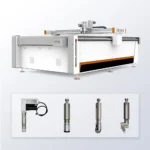
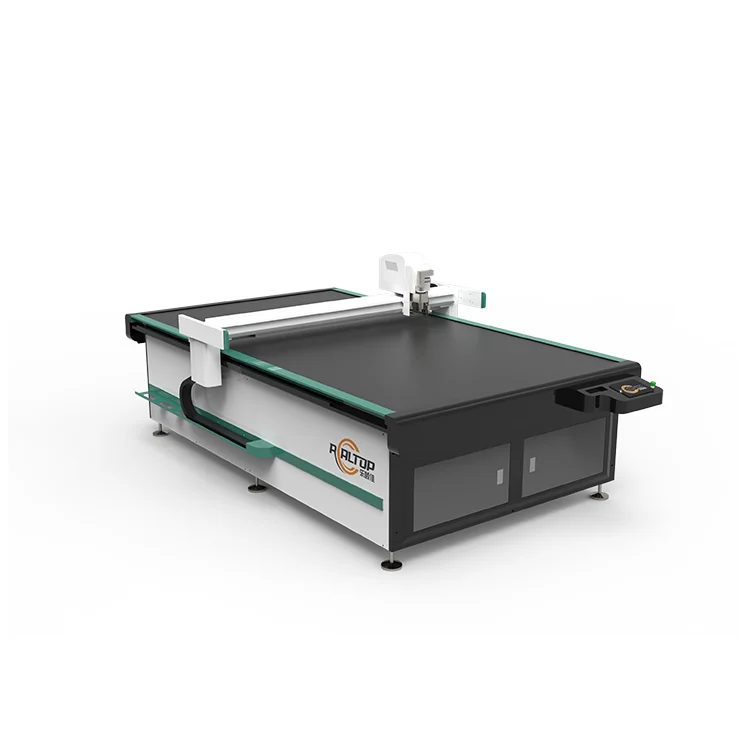
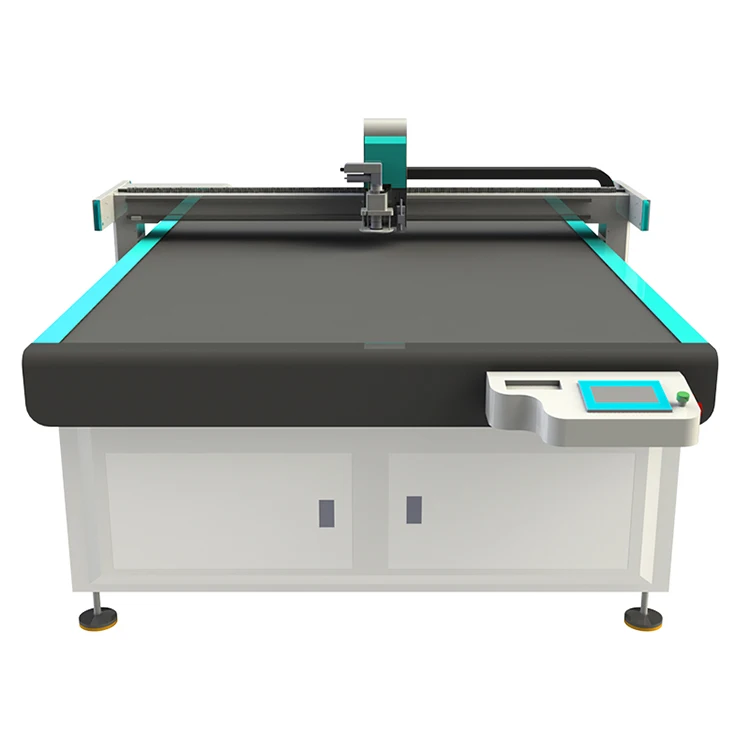
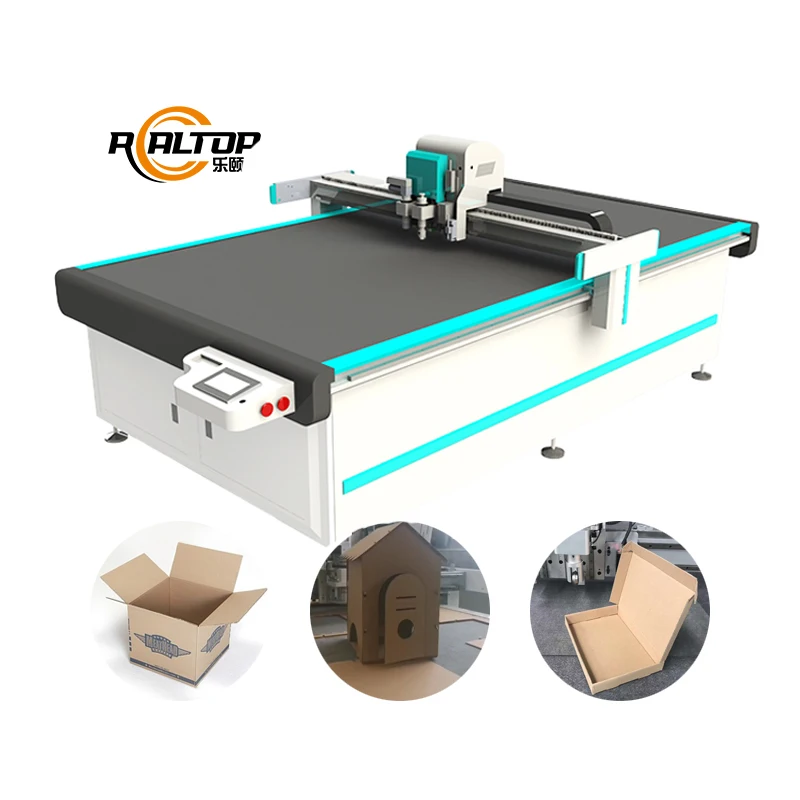
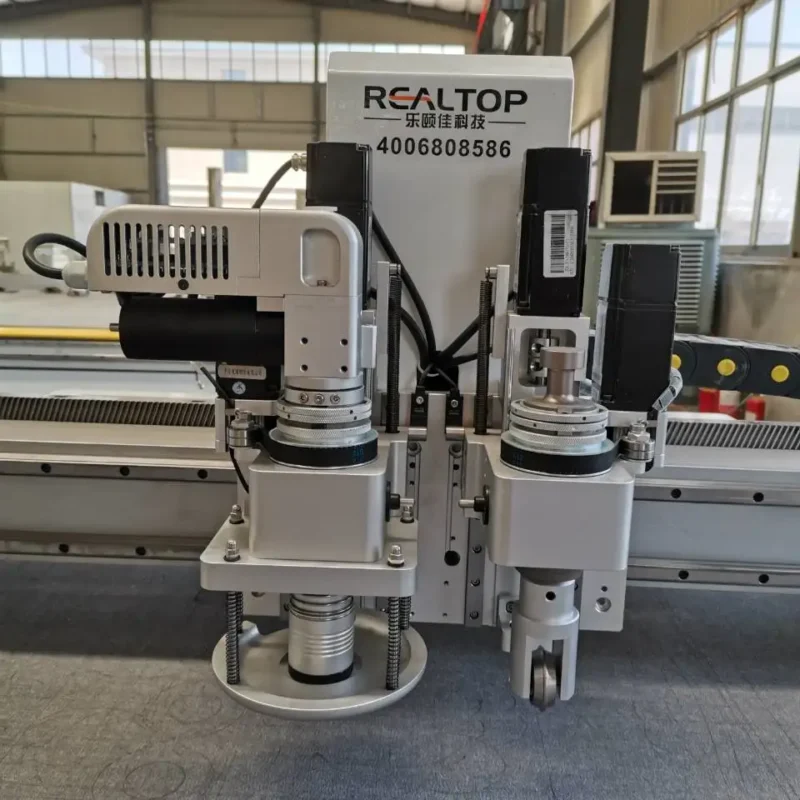
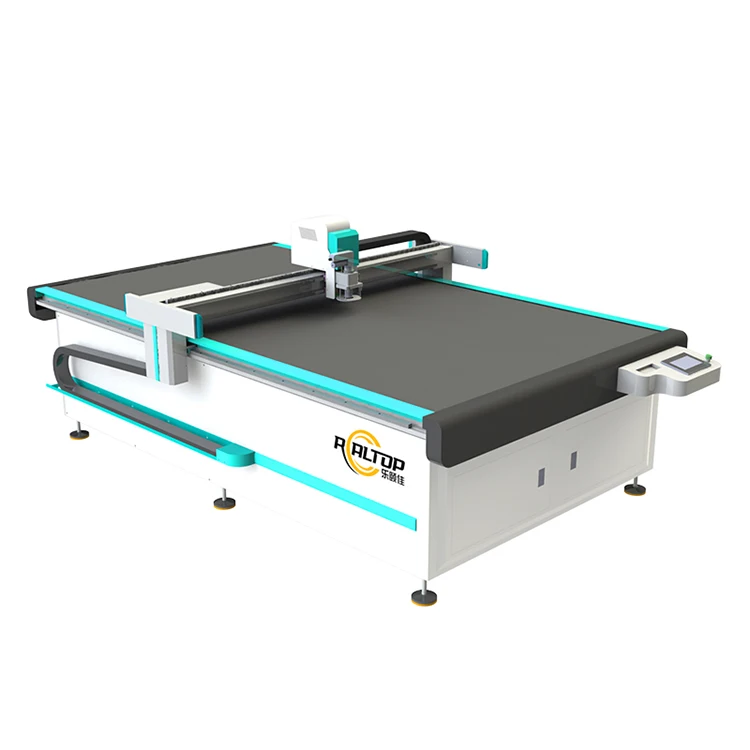
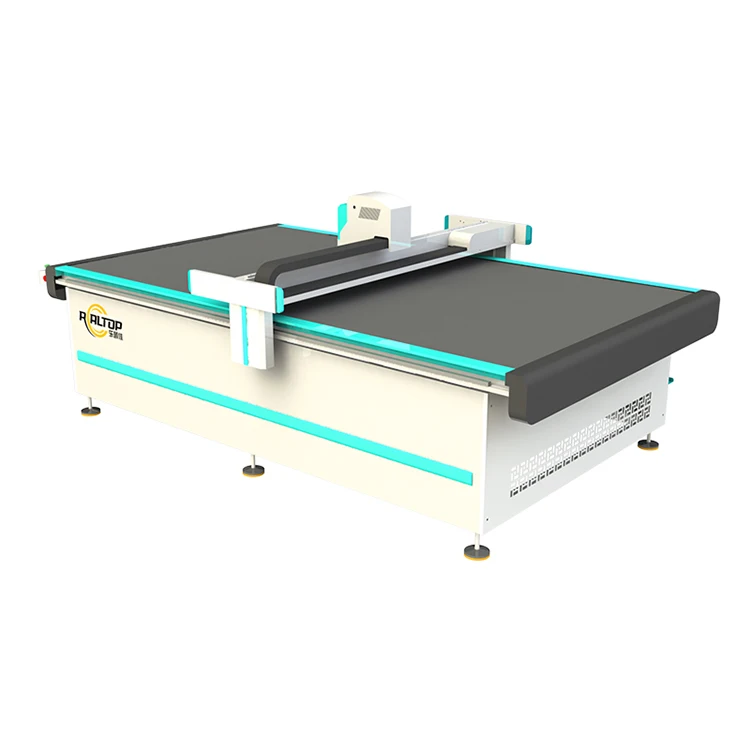
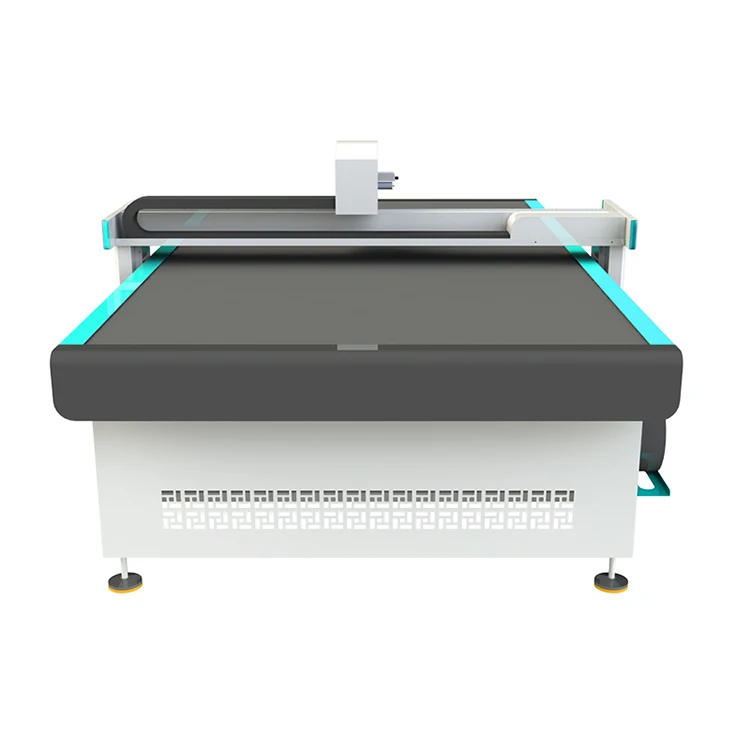
Tool head flexibility per material — this 1625(std.) platform mounts oscillating, rotary, creasing, kiss cutting, pneumatic, milling and V-groove tools on a single chassis so packaging converters switch between flute board, foam inserts and gasket prototypes without buying separate machines.
Technical Specifications
| Parameter | Value |
|---|---|
| Model | 1625(std.) |
| Product Type | CNC Oscillating Knife Cutting Machine |
| Working Area | 1600 × 2500 mm |
| Cutting Speed | 0–1500 mm/s |
| Cutting Thickness | ≤ 40 mm (basis not stated in source — confirm material type and density) |
| Cutting Accuracy | ±0.1 mm |
| Vacuum Pump | 9 kW |
| Vacuum Table | Aluminum bellows vacuum table |
| Available Tool Heads | Oscillating knife, Driven rotary knife, Creasing wheel, Kiss cutting tool, Pneumatic knife, Milling tool, V groove knife |
| Control System | PLC control panel with optional display languages |
| Servo Motors | Panasonic, Delta, Dorna options |
| Voltage Options | 110V / 220V / 380V |
| Profile Format Compatibility | PLT, DXF, AI, PDF |
| Safety Devices | Infrared sensor and emergency stop |
| Machine Dimensions | 3300 × 2100 × 1350 mm |
| Language Options | English, Russian, Italian, Chinese, custom available |
| Standards | CE |
Application Suitability
| Application | Material or Output |
|---|---|
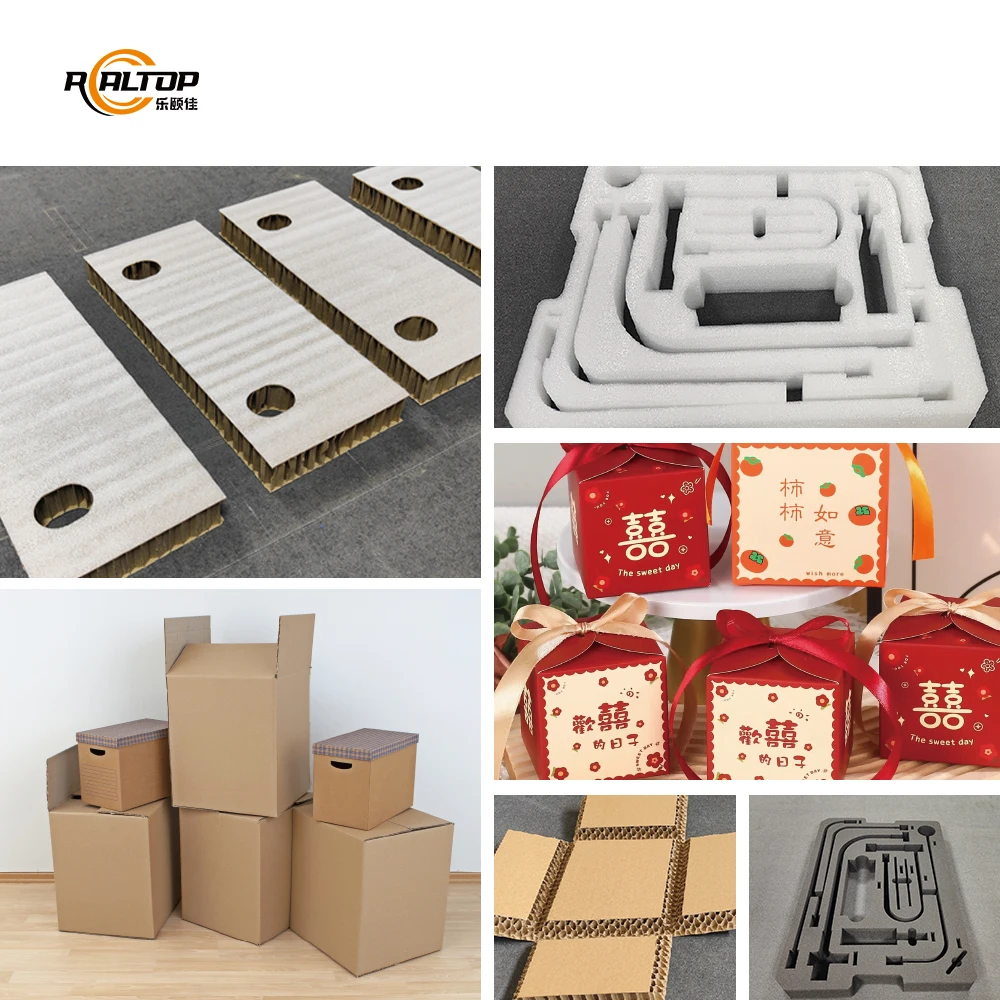
| Carton and corrugated sample making | E-flute, B-flute, BC-flute board with creasing and cutting in one pass |
| Packaging insert fabrication | EVA, EPE and PU foam die-cut to cavity profiles |
| Greyboard and cardstock prototyping | Short-run structural packaging without hard tooling |
| Signage and vinyl production | Self-adhesive vinyl and thin PVC kiss-cut on liner |
| Automotive interior and gasket work | Rubber mats, non-woven fabric and composite sheets |
| Leather and synthetic leather cutting | Hide nesting with driven rotary knife |
What "Cutting Thickness ≤ 40 mm" Leaves Out When Sourcing a CNC Oscillating Knife Cutting Machine
Forty millimetres on paper means nothing until you name the material and its density.
A CNC oscillating knife cutting machine that slices cleanly through 40 mm of low-density EVA foam may stall or leave ragged fibres on 15 mm compressed rubber gasket stock. The stroke length, oscillation frequency and blade geometry all shift with the substrate, so a figure quoted without material context only tells half the story. I learned this the hard way last year when a customer ordered a window-film cutter based on sample throughput, only to find his PET was thicker than the benchmark film — output dropped to roughly half, and his line cadence fell apart [NEED_CITE:]. Before any specification is locked, send actual production material to the factory for a witnessed cut test; the resulting sample report becomes the real baseline, not the brochure number.
Mapping the Catalogue by Cutting Method
The lyjcut.com range groups equipment by the process that fits the job, not by a one-size-fits-all platform. Buyers comparing an oscillating knife table for corrugated board against a CO2 laser for acrylic can walk through every model family on this site and see which technology matches their material stack. The 1625(std.) CNC oscillating knife cutting machine sits in the flatbed knife family, sized for mid-volume packaging and signage shops that need interchangeable heads rather than a dedicated laser cell.
Why Method Selection Precedes Model Selection
Choosing a cutting method before narrowing to a model prevents the common mistake of buying a machine that technically reaches the required area but struggles with the substrate. A converter running both corrugated sample boxes and adhesive vinyl graphics benefits from a single platform with swap-able heads, while a shop cutting only acrylic letters is better served by a CO2 laser. The full catalogue here lets buyers cross-reference material, thickness and daily volume before committing, avoiding a forced fit between process and product [NEED_CITE:].
Reading the Numbers That Actually Matter on the Shop Floor
The 1600 × 2500 mm bed handles a standard full-size corrugated sheet without repositioning, which keeps registration intact on multi-pass jobs. The ±0.1 mm accuracy specification matters most when creasing and cutting share the same toolpath; a drift wider than that leaves flap folds off-centre. The 9 kW vacuum pump pulls through an aluminum bellows table, giving enough static pressure to hold thin vinyl without edge lift yet gentle enough not to crush single-face flute. Servo options from Panasonic, Delta or Dorna let buyers standardise on a brand already supported by their local automation supplier, cutting future spare-parts lead time. PLC control with selectable languages — English, Russian, Italian, Chinese or custom — means the operator interface can match the shop floor, not just the purchase order [NEED_CITE:].
The Cost of Skipping the Voltage Conversation
Exporting a 380 V 50 Hz machine into a 220 V 60 Hz market without a transformer swap fries the servo drives before the first test cut finishes. Even when the main motor survives, the vacuum pump and PLC power supply run hotter, shortening bearing and capacitor life. Confirming voltage, plug type and control language before production — not at the packing stage — removes a failure mode that no amount of warranty service can undo quickly [NEED_CITE:].
Why Buyers Source This Range Here
In-house design covers both knife and laser technologies, so a packaging converter evaluating flute board and acrylic can compare methods on the same enquiry instead of being pushed toward whichever machine the factory prefers to ship. Tool head and table zoning are specified per material and volume, not left as a surprise at commissioning. Sample cutting on the buyer’s own stock happens before the order is finalised, producing a signed report that travels with the machine. Voltage, language and software compatibility are confirmed in writing, and every unit leaves with CE documentation, an electrical schematic and a spare-parts list matched to the chosen configuration.
Documentation & Verification
- Machine specification sheet listing every tool head and zoning option chosen for your material
- Sample cutting report produced on your actual board grade or film before order confirmation
- Electrical schematic and voltage confirmation matched to your facility supply
- Software licence key and file format compatibility note for PLT, DXF, AI and PDF workflows
- Factory test record documenting accuracy and edge quality on your substrate
- Packing photographs taken at the crate showing configuration as shipped
Installation, Commissioning & Support
- Foundation must support 3300 × 2100 mm footprint with level tolerance for the aluminum bellows table
- Dedicated circuit required for 9 kW vacuum pump plus PLC and servo loads at confirmed voltage
- Machine ships partially assembled; gantry and gantry cover fitted on site to fit container doors
- First-run calibration includes vacuum zoning mapping and ±0.1 mm accuracy verification on your stock
- Operator training covers tool head changeover, nesting import and emergency stop procedures
- Spare blade and creasing wheel kit included to cover initial production weeks
What to Send With Your Enquiry
Share the exact material type, thickness and sheet dimensions you run most often, along with your daily volume target and available floor space. Confirm local voltage and frequency, preferred operator language, and whether your current nesting software exports PLT, DXF, AI or PDF. If you need a sample cut before deciding, post a roll or sheet to the factory and the test report will arrive with the quotation.
Frequently Asked Questions
Q: How do I choose between an oscillating knife and a laser for packaging work?
A: Knife cutting handles corrugated board, foam inserts and fibre-based stock without burning the edges, which matters when the sample must look production-ready. Laser suits acrylic, thin film engraving and sealed-edge synthetics. The lyjcut.com catalogue lists both families so you can compare actual cut quality on your own material before committing.
Q: Can the vacuum table hold small carton samples without edge lift?
A: The aluminum bellows table on the 1625(std.) supports multiple zoning options. During commissioning the zones are mapped to your typical sheet layout so that small nesting parts stay flat under the knife. If your mix includes very small gasket pieces, mention it at enquiry stage so additional zoning can be quoted.
Q: What electrical information should I confirm before the machine is built?
A: Provide your facility voltage, phase and frequency, plus the plug or terminal standard required locally. The factory configures the servo drives, vacuum pump and PLC power supply to match and documents the setting on the electrical schematic shipped with the unit, preventing on-site rewiring delays.
Q: Will my existing nesting software files load without conversion?
A: The control system imports PLT, DXF, AI and PDF profiles directly. Before the order is finalised, send a representative file so the factory can verify layer recognition, tool-path assignment and kerf compensation, then note the result on the software compatibility sheet that accompanies the machine.
Q: How does the sample cutting process work before I place an order?
A: Post a roll or sheet of your actual production material to the factory. The engineering team runs it on the exact tool head and table configuration proposed for your line, then issues a sample cutting report showing edge quality, dimensional accuracy and achievable feed rate. You review and sign off before production starts.
Tool head flexibility per material — this 1625(std.) platform mounts oscillating, rotary, creasing, kiss cutting, pneumatic, milling and V-groove tools on a single chassis so packaging converters switch between flute board, foam inserts and gasket prototypes without buying separate machines.
Technical Specifications
| Parameter | Value |
|---|---|
| Model | 1625(std.) |
| Product Type | CNC Oscillating Knife Cutting Machine |
| Working Area | 1600 × 2500 mm |
| Cutting Speed | 0–1500 mm/s |
| Cutting Thickness | ≤ 40 mm (basis not stated in source — confirm material type and density) |
| Cutting Accuracy | ±0.1 mm |
| Vacuum Pump | 9 kW |
| Vacuum Table | Aluminum bellows vacuum table |
| Available Tool Heads | Oscillating knife, Driven rotary knife, Creasing wheel, Kiss cutting tool, Pneumatic knife, Milling tool, V groove knife |
| Control System | PLC control panel with optional display languages |
| Servo Motors | Panasonic, Delta, Dorna options |
| Voltage Options | 110V / 220V / 380V |
| Profile Format Compatibility | PLT, DXF, AI, PDF |
| Safety Devices | Infrared sensor and emergency stop |
| Machine Dimensions | 3300 × 2100 × 1350 mm |
| Language Options | English, Russian, Italian, Chinese, custom available |
| Standards | CE |
Application Suitability
| Application | Material or Output |
|---|---|
| Carton and corrugated sample making | E-flute, B-flute, BC-flute board with creasing and cutting in one pass |
| Packaging insert fabrication | EVA, EPE and PU foam die-cut to cavity profiles |
| Greyboard and cardstock prototyping | Short-run structural packaging without hard tooling |
| Signage and vinyl production | Self-adhesive vinyl and thin PVC kiss-cut on liner |
| Automotive interior and gasket work | Rubber mats, non-woven fabric and composite sheets |
| Leather and synthetic leather cutting | Hide nesting with driven rotary knife |
What "Cutting Thickness ≤ 40 mm" Leaves Out When Sourcing a CNC Oscillating Knife Cutting Machine
Forty millimetres on paper means nothing until you name the material and its density.
A CNC oscillating knife cutting machine that slices cleanly through 40 mm of low-density EVA foam may stall or leave ragged fibres on 15 mm compressed rubber gasket stock. The stroke length, oscillation frequency and blade geometry all shift with the substrate, so a figure quoted without material context only tells half the story. I learned this the hard way last year when a customer ordered a window-film cutter based on sample throughput, only to find his PET was thicker than the benchmark film — output dropped to roughly half, and his line cadence fell apart [NEED_CITE:]. Before any specification is locked, send actual production material to the factory for a witnessed cut test; the resulting sample report becomes the real baseline, not the brochure number.
Mapping the Catalogue by Cutting Method
The lyjcut.com range groups equipment by the process that fits the job, not by a one-size-fits-all platform. Buyers comparing an oscillating knife table for corrugated board against a CO2 laser for acrylic can walk through every model family on this site and see which technology matches their material stack. The 1625(std.) CNC oscillating knife cutting machine sits in the flatbed knife family, sized for mid-volume packaging and signage shops that need interchangeable heads rather than a dedicated laser cell.
Why Method Selection Precedes Model Selection
Choosing a cutting method before narrowing to a model prevents the common mistake of buying a machine that technically reaches the required area but struggles with the substrate. A converter running both corrugated sample boxes and adhesive vinyl graphics benefits from a single platform with swap-able heads, while a shop cutting only acrylic letters is better served by a CO2 laser. The full catalogue here lets buyers cross-reference material, thickness and daily volume before committing, avoiding a forced fit between process and product [NEED_CITE:].
Reading the Numbers That Actually Matter on the Shop Floor
The 1600 × 2500 mm bed handles a standard full-size corrugated sheet without repositioning, which keeps registration intact on multi-pass jobs. The ±0.1 mm accuracy specification matters most when creasing and cutting share the same toolpath; a drift wider than that leaves flap folds off-centre. The 9 kW vacuum pump pulls through an aluminum bellows table, giving enough static pressure to hold thin vinyl without edge lift yet gentle enough not to crush single-face flute. Servo options from Panasonic, Delta or Dorna let buyers standardise on a brand already supported by their local automation supplier, cutting future spare-parts lead time. PLC control with selectable languages — English, Russian, Italian, Chinese or custom — means the operator interface can match the shop floor, not just the purchase order [NEED_CITE:].
The Cost of Skipping the Voltage Conversation
Exporting a 380 V 50 Hz machine into a 220 V 60 Hz market without a transformer swap fries the servo drives before the first test cut finishes. Even when the main motor survives, the vacuum pump and PLC power supply run hotter, shortening bearing and capacitor life. Confirming voltage, plug type and control language before production — not at the packing stage — removes a failure mode that no amount of warranty service can undo quickly [NEED_CITE:].
Why Buyers Source This Range Here
In-house design covers both knife and laser technologies, so a packaging converter evaluating flute board and acrylic can compare methods on the same enquiry instead of being pushed toward whichever machine the factory prefers to ship. Tool head and table zoning are specified per material and volume, not left as a surprise at commissioning. Sample cutting on the buyer’s own stock happens before the order is finalised, producing a signed report that travels with the machine. Voltage, language and software compatibility are confirmed in writing, and every unit leaves with CE documentation, an electrical schematic and a spare-parts list matched to the chosen configuration.
Documentation & Verification
- Machine specification sheet listing every tool head and zoning option chosen for your material
- Sample cutting report produced on your actual board grade or film before order confirmation
- Electrical schematic and voltage confirmation matched to your facility supply
- Software licence key and file format compatibility note for PLT, DXF, AI and PDF workflows
- Factory test record documenting accuracy and edge quality on your substrate
- Packing photographs taken at the crate showing configuration as shipped
Installation, Commissioning & Support
- Foundation must support 3300 × 2100 mm footprint with level tolerance for the aluminum bellows table
- Dedicated circuit required for 9 kW vacuum pump plus PLC and servo loads at confirmed voltage
- Machine ships partially assembled; gantry and gantry cover fitted on site to fit container doors
- First-run calibration includes vacuum zoning mapping and ±0.1 mm accuracy verification on your stock
- Operator training covers tool head changeover, nesting import and emergency stop procedures
- Spare blade and creasing wheel kit included to cover initial production weeks
What to Send With Your Enquiry
Share the exact material type, thickness and sheet dimensions you run most often, along with your daily volume target and available floor space. Confirm local voltage and frequency, preferred operator language, and whether your current nesting software exports PLT, DXF, AI or PDF. If you need a sample cut before deciding, post a roll or sheet to the factory and the test report will arrive with the quotation.
Frequently Asked Questions
Q: How do I choose between an oscillating knife and a laser for packaging work?
A: Knife cutting handles corrugated board, foam inserts and fibre-based stock without burning the edges, which matters when the sample must look production-ready. Laser suits acrylic, thin film engraving and sealed-edge synthetics. The lyjcut.com catalogue lists both families so you can compare actual cut quality on your own material before committing.
Q: Can the vacuum table hold small carton samples without edge lift?
A: The aluminum bellows table on the 1625(std.) supports multiple zoning options. During commissioning the zones are mapped to your typical sheet layout so that small nesting parts stay flat under the knife. If your mix includes very small gasket pieces, mention it at enquiry stage so additional zoning can be quoted.
Q: What electrical information should I confirm before the machine is built?
A: Provide your facility voltage, phase and frequency, plus the plug or terminal standard required locally. The factory configures the servo drives, vacuum pump and PLC power supply to match and documents the setting on the electrical schematic shipped with the unit, preventing on-site rewiring delays.
Q: Will my existing nesting software files load without conversion?
A: The control system imports PLT, DXF, AI and PDF profiles directly. Before the order is finalised, send a representative file so the factory can verify layer recognition, tool-path assignment and kerf compensation, then note the result on the software compatibility sheet that accompanies the machine.
Q: How does the sample cutting process work before I place an order?
A: Post a roll or sheet of your actual production material to the factory. The engineering team runs it on the exact tool head and table configuration proposed for your line, then issues a sample cutting report showing edge quality, dimensional accuracy and achievable feed rate. You review and sign off before production starts.
商品评价
There are no reviews yet.