

Fast Delivery
Quick, reliable shipping to any location.

Free & easy returns
Return this item by mail or in store within 90 days for a full refund.
In-house design and production — covering both knife and laser cutting technologies, so a buyer can match the cutting method to the material rather than force one method.
Technical Specifications
| Parameter | Value |
|---|---|
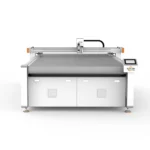
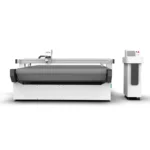
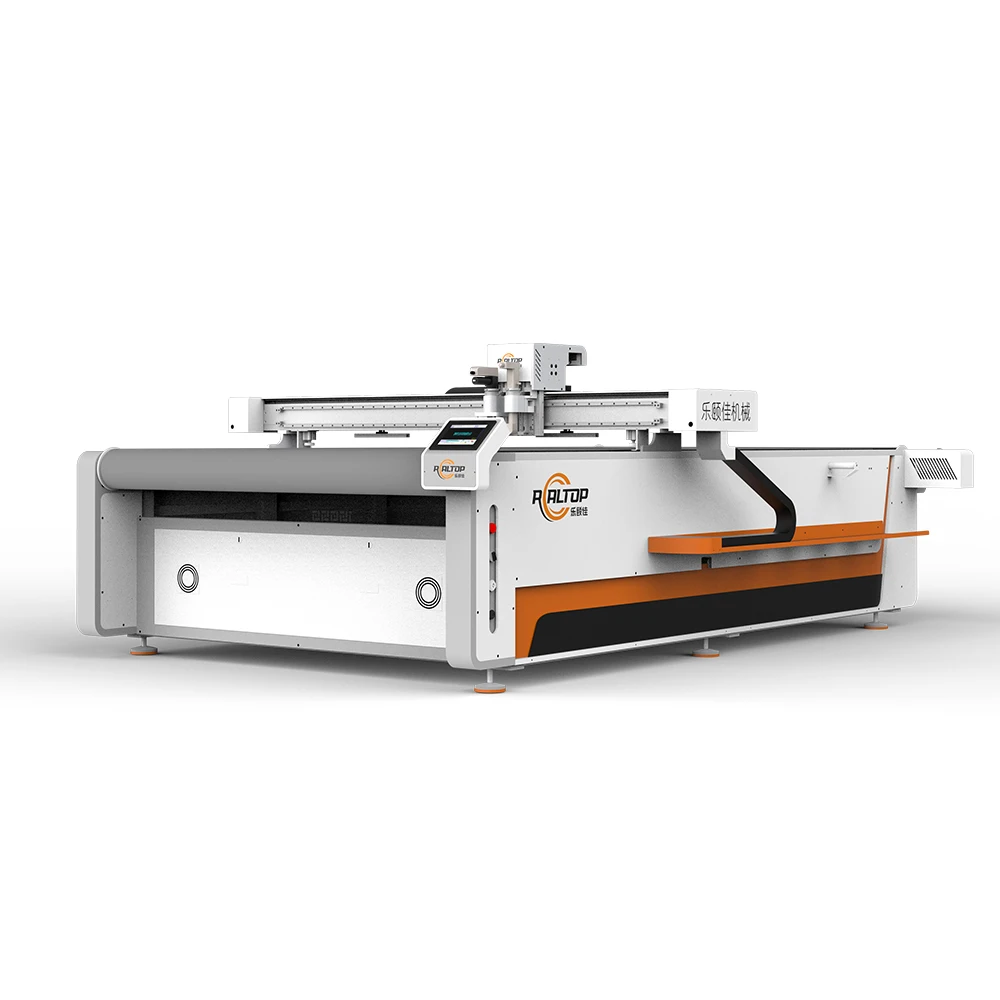
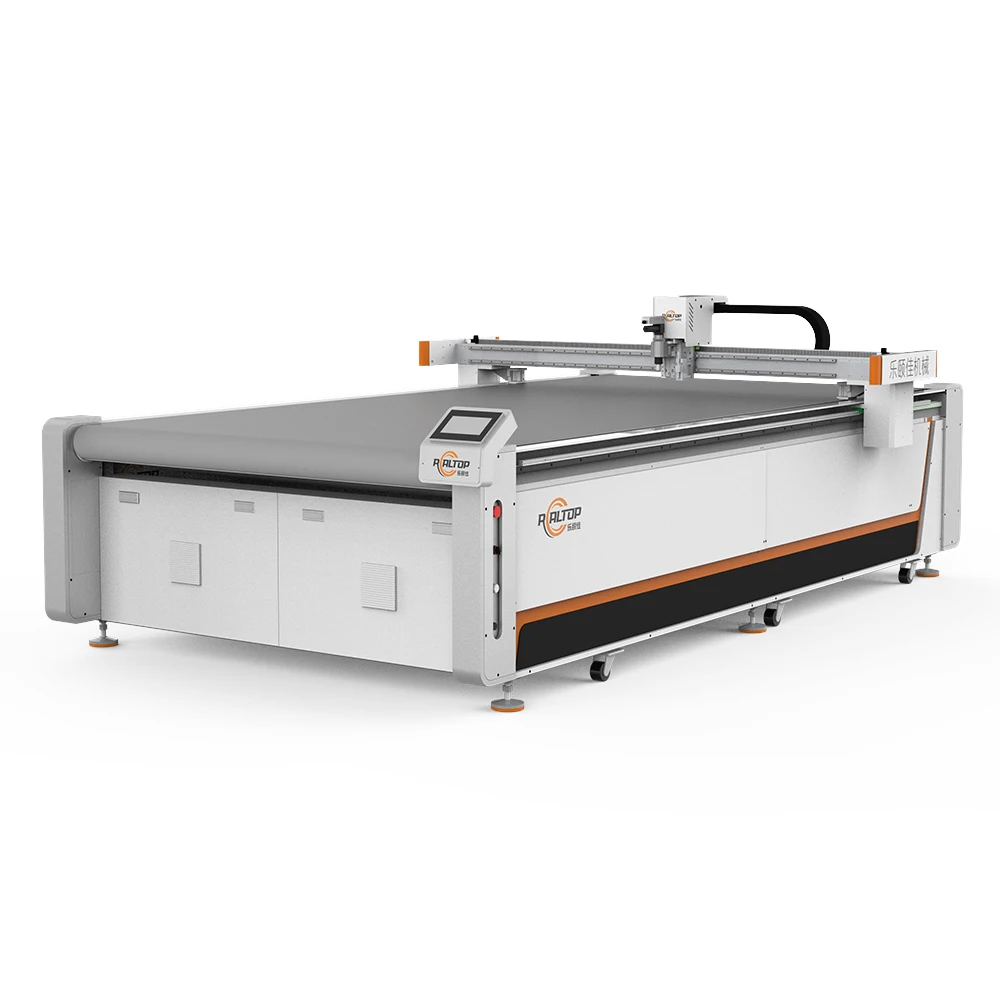
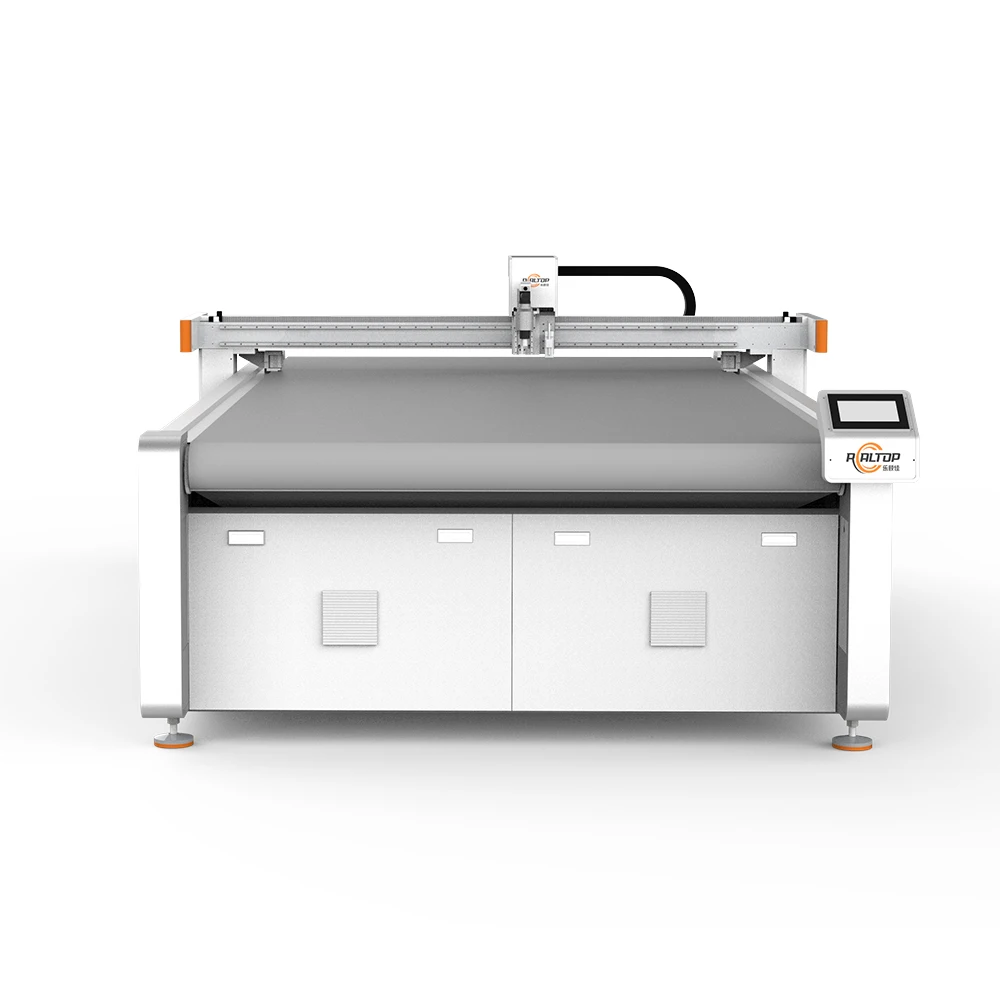
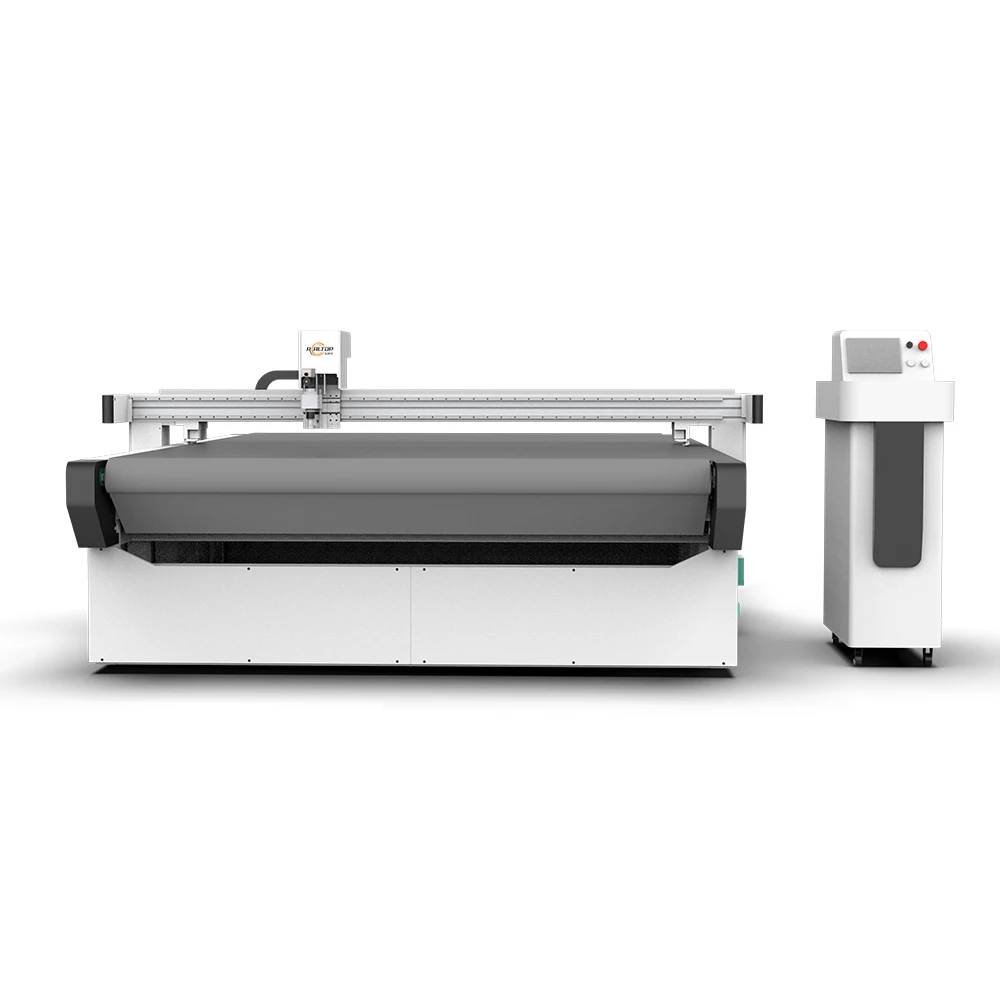
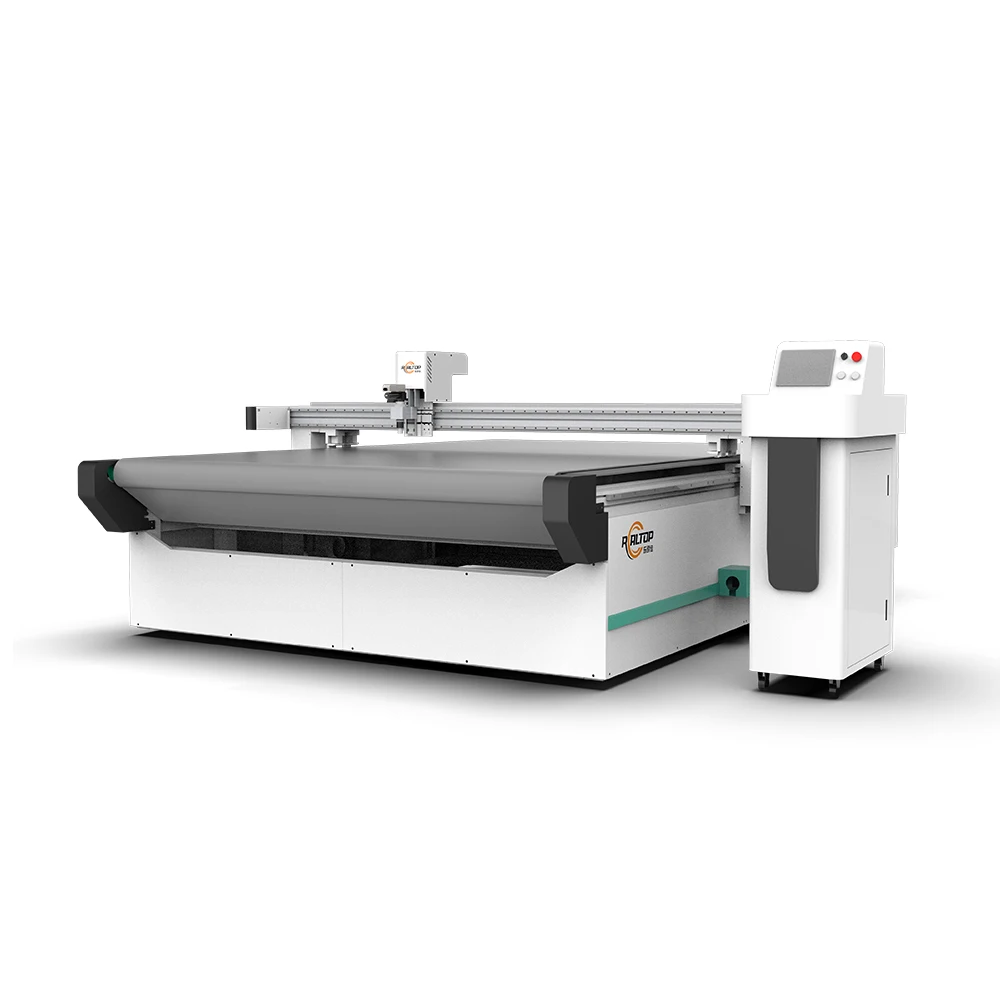
| Product Type | CNC Oscillating Knife Cutting Machine |
| Working Area | 1600×2500 mm |
| Tool Head Options | Oscillating knife, Driven rotary knife, Creasing wheel, Kiss cutting tool, Pneumatic knife, Milling tool, V groove knife |
| Cutting Speed | 0–2000 mm/s |
| Cutting Thickness | ≤ 30 mm (basis to be confirmed — depends on material type and layer count) |
| Cutting Accuracy | ±0.1 mm |
| Positioning Accuracy | ±0.1 mm |
| Vacuum Table Type | Aluminum bellows vacuum table |
| Vacuum Pump Power | 9 kW |
| Servo Motor Options | Panasonic, Delta, Dorna (rated or peak not specified) |
| Control System | PLC control panel |
| Software File Formats | PLT, DXF, AI, PDF |
| Nesting System | Intelligent nesting with automatic defect avoidance |
| Voltage Options | 110V, 220V, 380V (frequency to be confirmed) |
| Language Options | English, Russian, Italian, Chinese (special languages customizable) |
| Safety Devices | Infrared sensor device and emergency stop device |
| Machine Dimensions (L×W×H) | 3300×2100×1350 mm |
| Assembly State | Fully assembled |
| Standards | CE declaration where applicable |
Application Suitability
| Application | Material or Output |
|---|---|
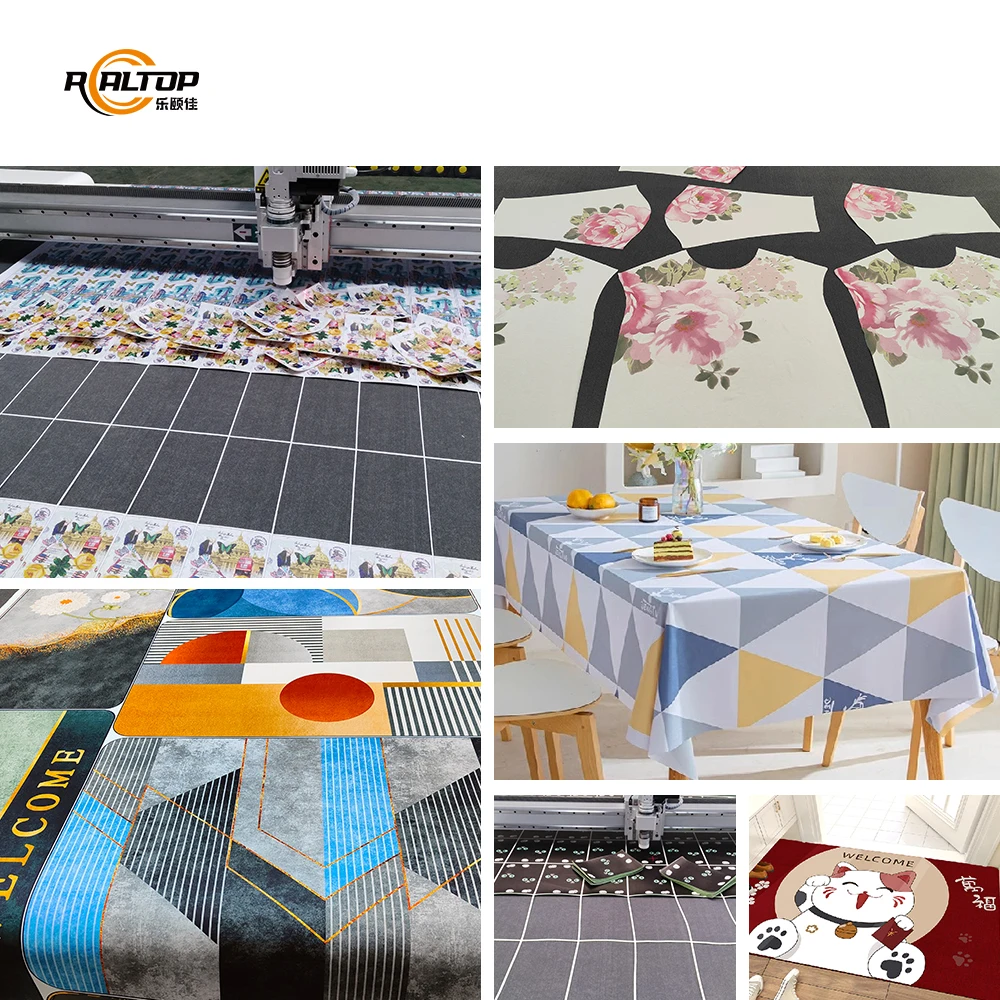
| Apparel manufacturing | Suits, knitwear, lace, complex woven and knitted fabrics |
| Automotive interiors | Seat fabrics, carpets, PVC mats |
| Home textiles | Sofa fabrics, curtains, rugs |
| Composite material processing | Carbon fiber prepreg, aramid, specialty technical textiles |
| Flexible material conversion | Cardboard, carton, mats, PVC, EVA, leather, acrylic, foam, PTFE, rubber |
Why Specifying Working Area Alone Is Not Enough for CNC Fabric Cutting Machine Buyers
A table size tells you nothing about how the machine handles your specific fabric stack.
Many buyers I have worked with in Shandong workshops initially request a quote based only on working area dimensions. They assume a 1600×2500 mm bed will cut their material without further questions. Then the machine arrives and the oscillating knife cannot penetrate a 30-layer stack of coated technical fabric, or the vacuum zoning fails to hold small pattern pieces flat during high-speed travel. These are the calls that lead to production delays while the configuration is reworked. A CNC fabric cutting machine manufacturer worth working with will ask about your material type, thickness, layer count, and daily volume before recommending any tool head or table setup [NEED_CITE: material thickness and tool head compatibility in flexible material cutting].
Matching Tool Heads to Material Behavior
The seven interchangeable tool heads on this CNC oscillating knife cutting machine for sale are not optional extras — they exist because no single blade geometry cuts every flexible material cleanly. An oscillating knife handles multi-layer woven fabrics without fraying the edges, while a driven rotary knife suits continuous single-ply cuts on knitwear where speed matters more than stack height. A V groove knife addresses corrugated cardboard and packaging samples where a crease line must be scored without severing the sheet. Selecting the wrong head produces ragged edges on synthetics or crushed foam cores, and rework consumes more time than the cutting itself.
Vacuum Zoning and Multi-Layer Stability
The aluminum bellows vacuum table provides full-surface adsorption across the 1600×2500 mm working area, which matters when cutting small garment pattern pieces from multi-layer fabric stacks. Without adequate zoning, thin material lifts at the edges as the knife exits a cut, shifting the layers beneath and ruining the stack. The 9 kW vacuum pump maintains holding force even when the table is only partially covered, a situation common in nesting layouts where fabric utilization is optimized for yield rather than full-bed coverage [NEED_CITE: vacuum hold-down requirements for multi-layer fabric cutting].
Reading the Numbers That Actually Matter
The ±0.1 mm cutting and positioning accuracy applies to the servo-driven motion system, meaning the blade returns to the same coordinate repeatedly within one-tenth of a millimeter — critical when cutting interlocking pattern pieces where a gap or overlap shows up in the sewn garment. Cutting speed ranges from 0 to 2000 mm/s, but the usable speed depends entirely on material density and layer count; a single ply of silk chiffon and a 30-layer stack of automotive carpet do not travel at the same rate. The intelligent nesting system with automatic defect avoidance reduces waste by routing around fabric flaws detected during layout, which improves material yield on expensive technical textiles. Multi-layer cutting capacity is listed at 30–50 mm thickness, though the actual achievable depth depends on fabric type and density, so sample cutting on your own material remains the only reliable verification.
The Hidden Cost of Skipping Material Trials
I have seen garment factories commit to a cloth CNC cutting machine based on a brochure specification, only to discover during installation that the pneumatic knife cannot cut through their rubberized coating at production speed. The line stops while the factory sources a different blade, or worse, operators slow the machine down and miss their daily output targets. These problems surface only when the machine meets the actual material under real conditions. A sample cutting report generated on your own fabric — including edge quality photos, achievable cutting speed, and layer count tested — eliminates this risk before the order is placed [NEED_CITE: sample cutting verification in flexible material machine procurement].
Why Buyers Source This Range Here
The in-house design team covers both knife and laser cutting technologies under one roof, so a buyer processing both woven fabric and acrylic signage can select the correct method for each material from a single manufacturer. Tool head and table configurations are specified per material and production volume, not quoted as a one-size-fits-all package. CCD camera positioning is available for printed contour work where registration marks must be tracked at production speed. Software compatibility — including PLT, DXF, AI, and PDF file formats — is confirmed before the order so your existing nesting workflow transfers without manual redraw. Voltage, control language, and plug type are locked in during specification review to avoid on-site surprises.
Documentation & Verification
- Machine specification sheet listing confirmed tool head and table configuration
- Electrical schematic with voltage and frequency matched to your facility
- Sample cutting report on your fabric showing edge quality and speed achieved
- Factory test record documenting motion accuracy before dispatch
- Operation and maintenance manual in your selected control language
- Software licence and file format compatibility note for nesting workflow
Installation, Commissioning & Support
- Fully assembled delivery — no on-site frame welding for the 3300×2100×1350 mm machine footprint
- 9 kW vacuum pump requires a dedicated circuit separate from the PLC control panel supply
- Servo motor calibration and axis alignment verified during first-day commissioning
- Tool head changeover training covering all seven configurations on your material
- Spare parts list provided with recommended consumable blade replacement intervals
- Multi-language control panel setup confirmed before operator training begins
Before You Request a Quote
Tell us the fabric type, layer count, and maximum sheet size you run daily. Specify your facility voltage and frequency, the control language your operators need, and whether your current nesting software exports in PLT, DXF, AI, or PDF format. If your material is coated, laminated, or reinforced, send a sample roll so we can run a cutting trial and provide a report before any commitment is made.
Frequently Asked Questions
Q: How do I decide between a knife cutting machine and a laser cutter for my fabric?
A: Knife cutting suits multi-layer stacks and materials where heat sealing the edge is undesirable, such as garment fabrics that will be sewn. Laser cutting seals synthetic edges and handles intricate single-ply contours. The choice depends on your material composition, layer count, and whether the cut edge will be visible in the finished product. We produce both types and can test your material on each.
Q: What information do I need to provide to get the correct tool head configuration?
A: Share your material type, thickness, layer count, and the edge quality your downstream process requires. An oscillating knife handles most woven multi-layer stacks, while a driven rotary knife suits high-speed single-ply work. We run a sample cutting test on your actual material and include the results — blade type, speed, and edge photos — in the quotation package.
Q: Can the machine handle my local voltage and control language requirements?
A: Voltage options include 110V, 220V, and 380V configurations, with frequency confirmed to match your local grid standard. The control panel supports English, Russian, Italian, and Chinese as standard, with special languages available on request. Both voltage and language are confirmed during the specification review stage before production begins.
Q: What machine families are available and how do they differ by application?
A: The catalogue spans CNC oscillating knife machines for fabric, leather, foam, and gasket work, alongside CO2 and fiber laser systems for non-metal and sheet metal processing. Each family offers multiple working area sizes and tool configurations. Knife machines suit flexible material stacks, while laser machines handle rigid sheets and edge-sealing applications.
Q: How does the sample cutting process work before I place an order?
A: Send a representative sample of your material — including any coating, lamination, or backing. We run it on the configured machine and document cutting speed, edge quality, achievable layer count, and any tool head adjustments needed. The sample cutting report is included with your quotation so you can evaluate performance before committing to a purchase.










商品评价
There are no reviews yet.