

Fast Delivery
Quick, reliable shipping to any location.

Free & easy returns
Return this item by mail or in store within 90 days for a full refund.
In-House Design Team — matching oscillating knife or laser process to the buyer’s actual material stack rather than forcing a single cutting method across incompatible substrates.
Technical Specifications
| Parameter | Value |
|---|---|
| Model | 1625 |
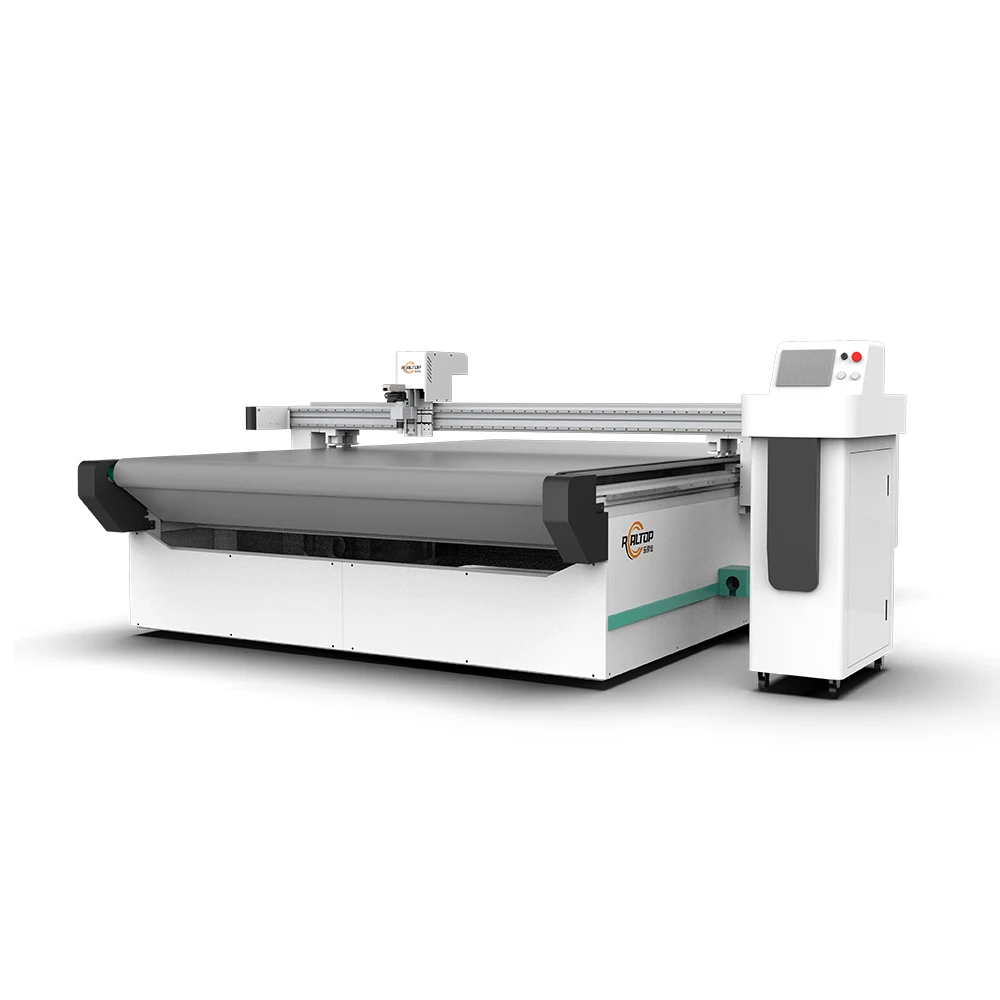
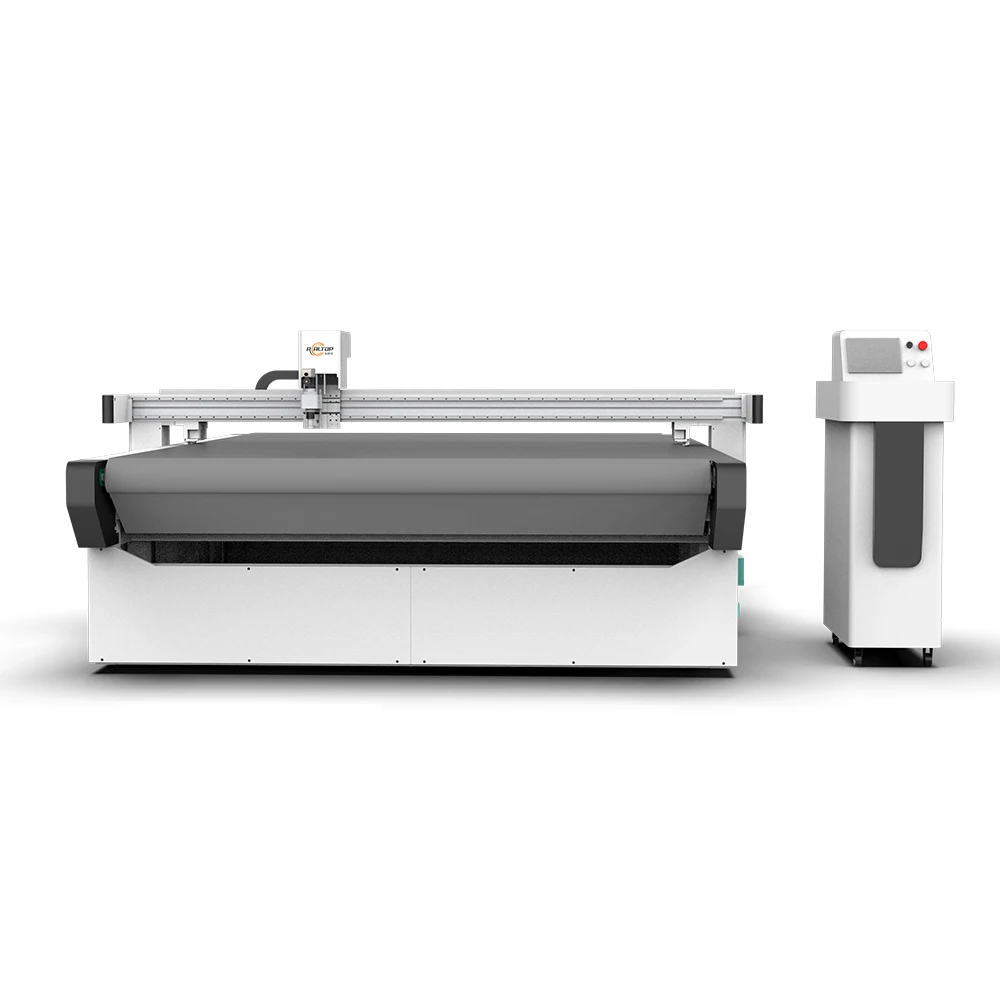
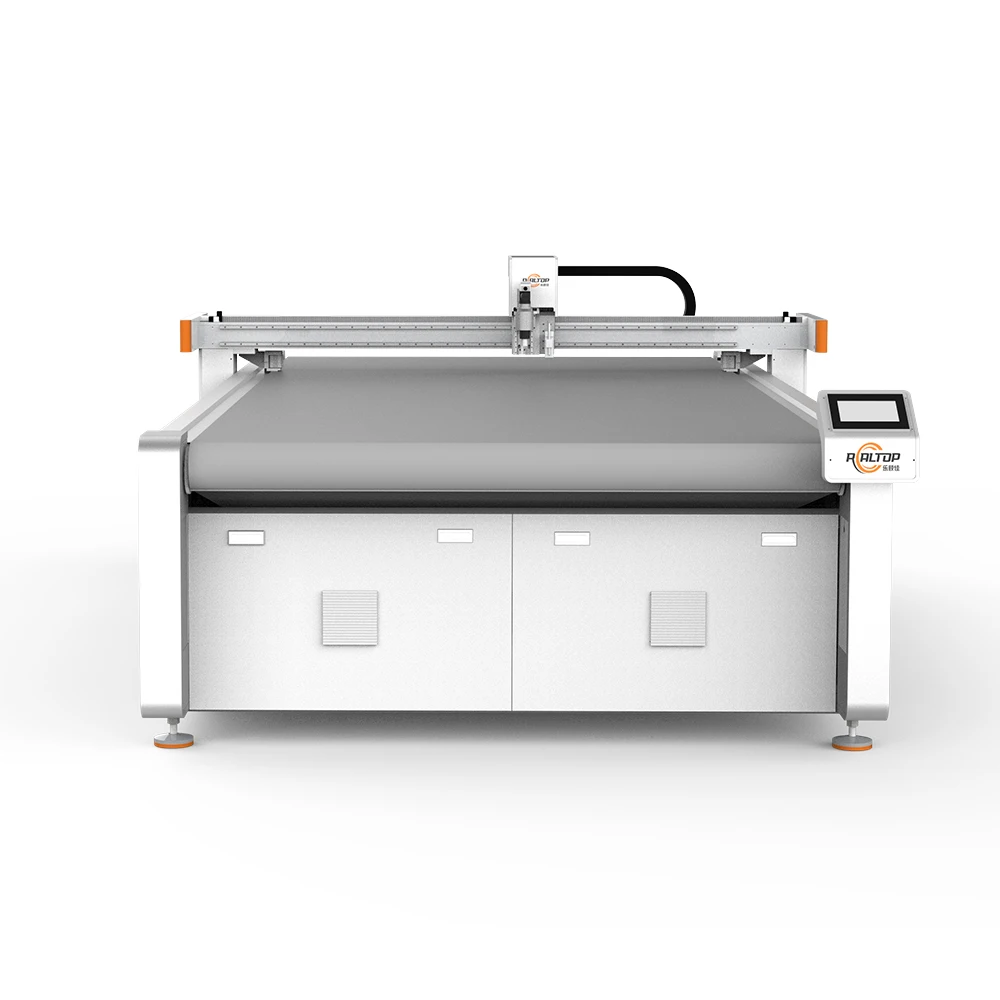
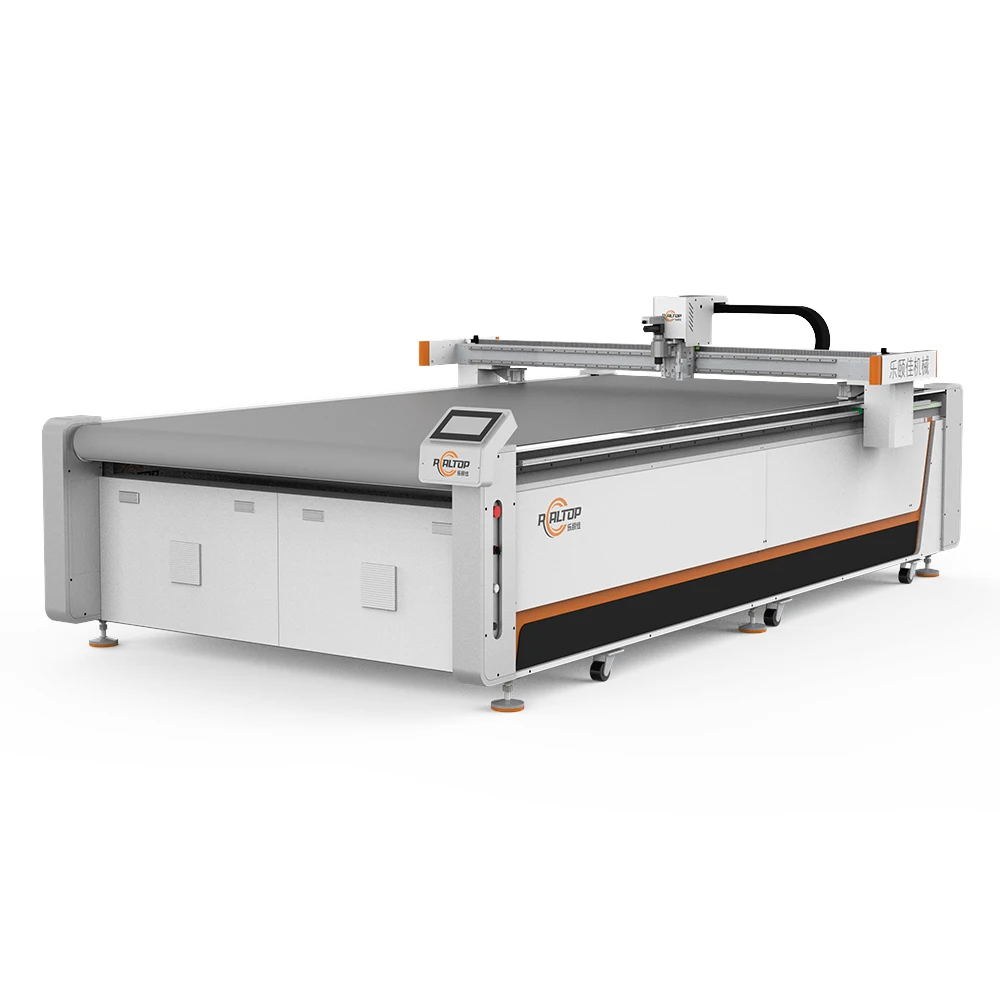
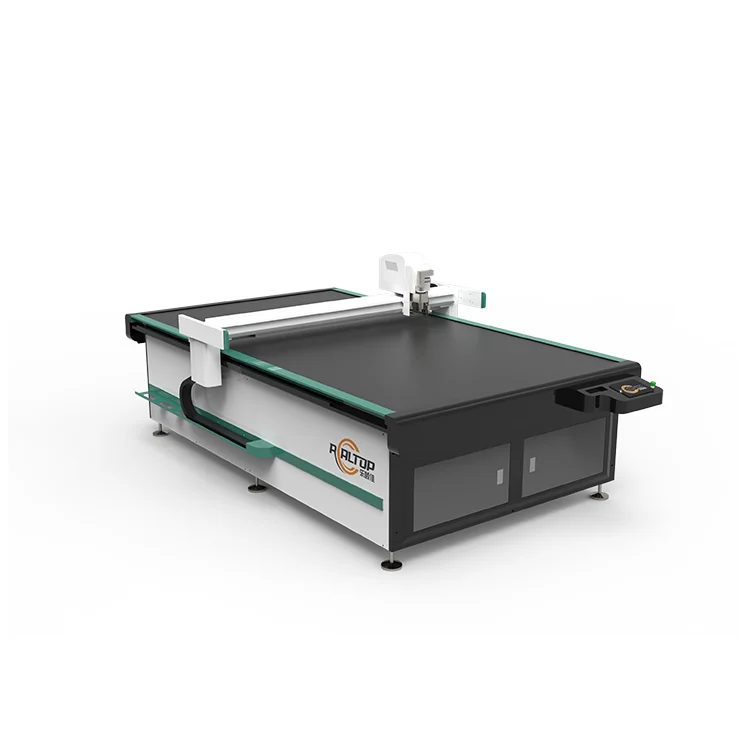
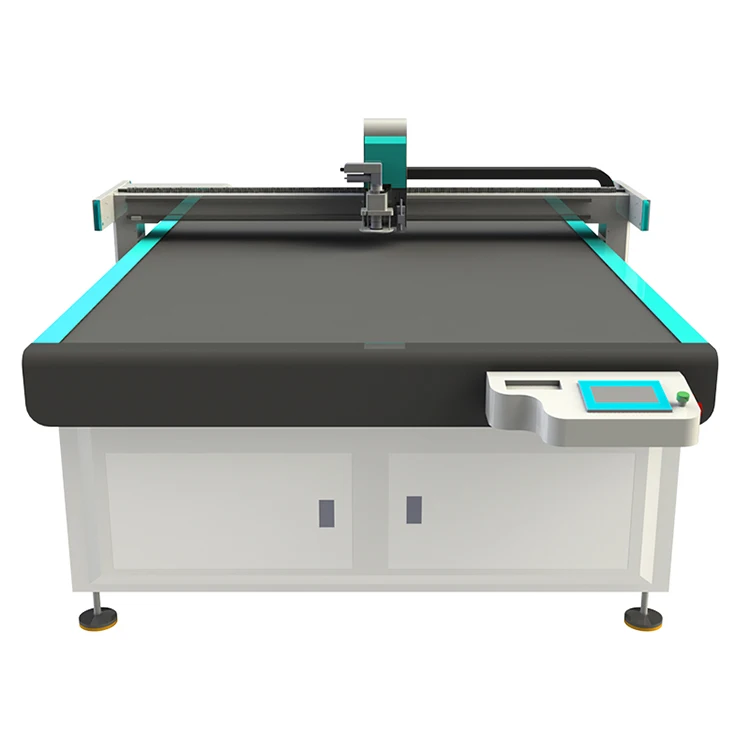
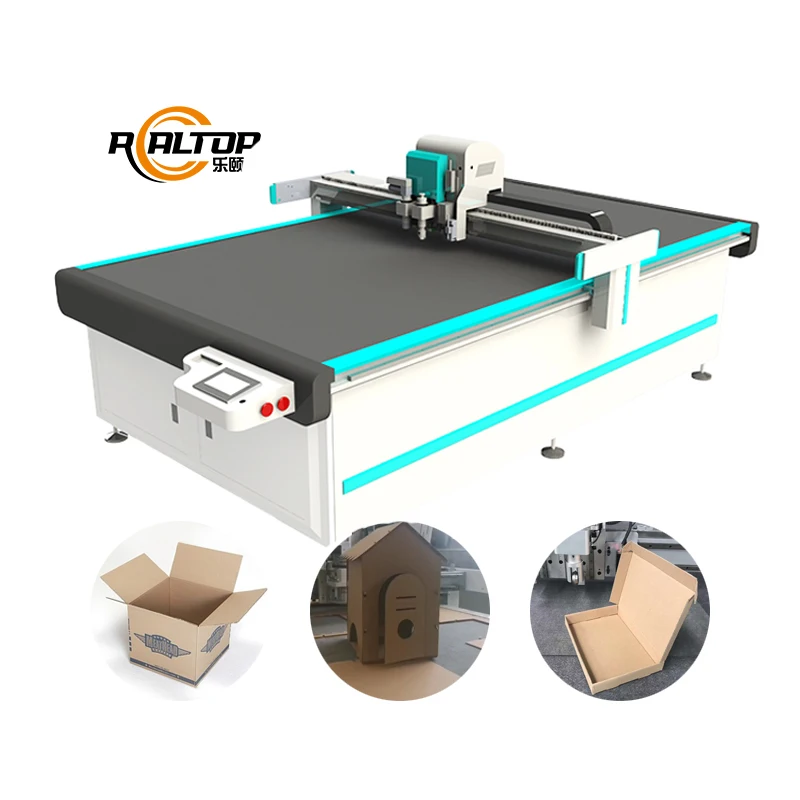
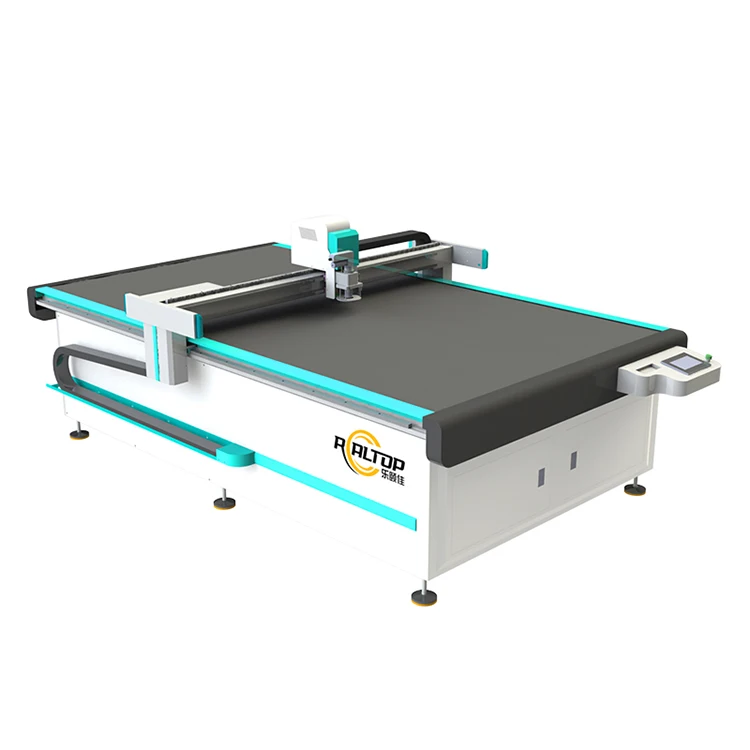
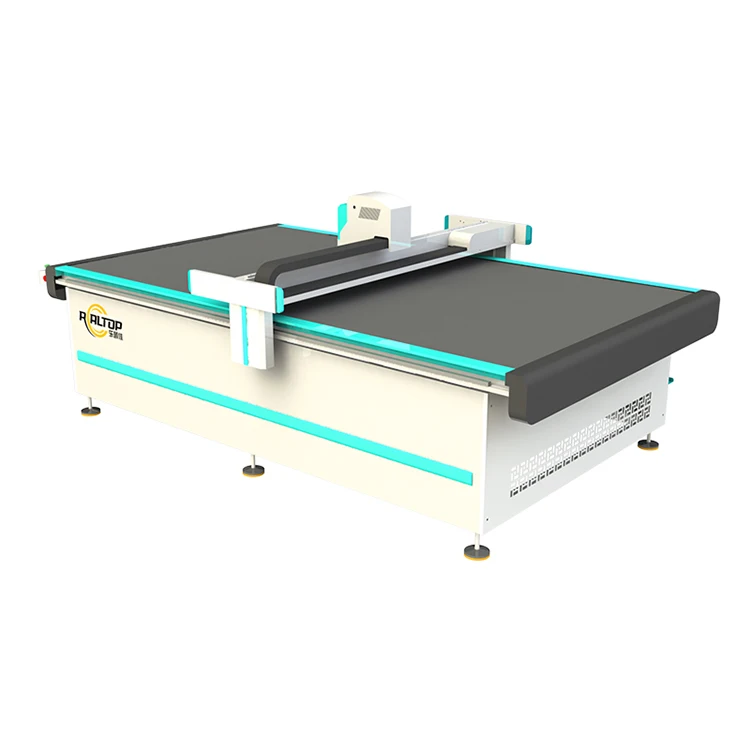
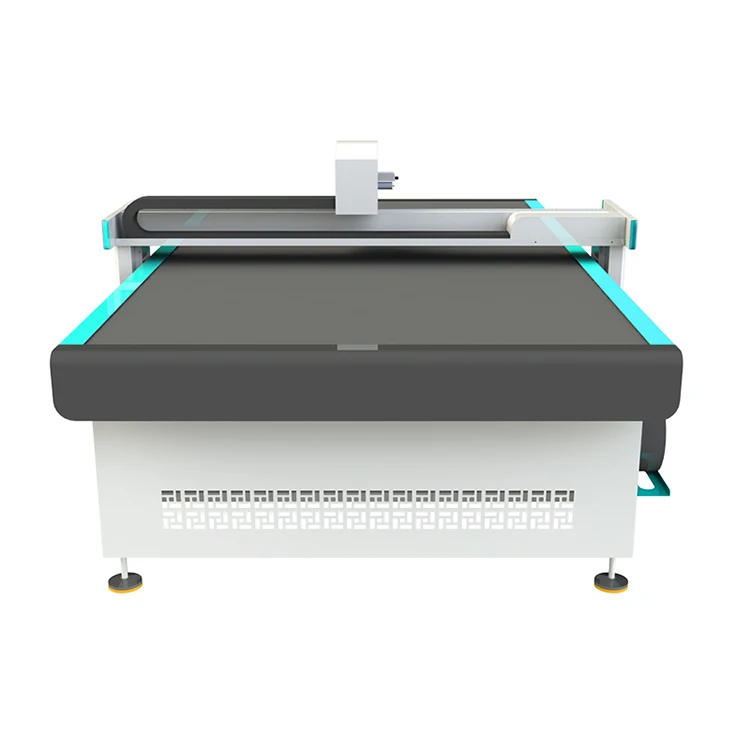
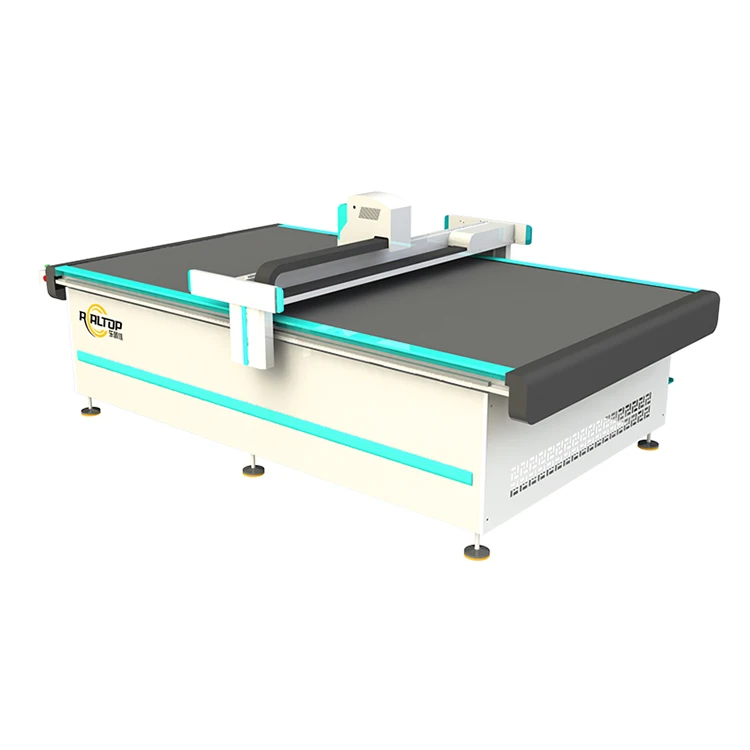
| Product Type | CNC Oscillating Knife Cutting Machine |
| Working Area | 1600×2500 mm |
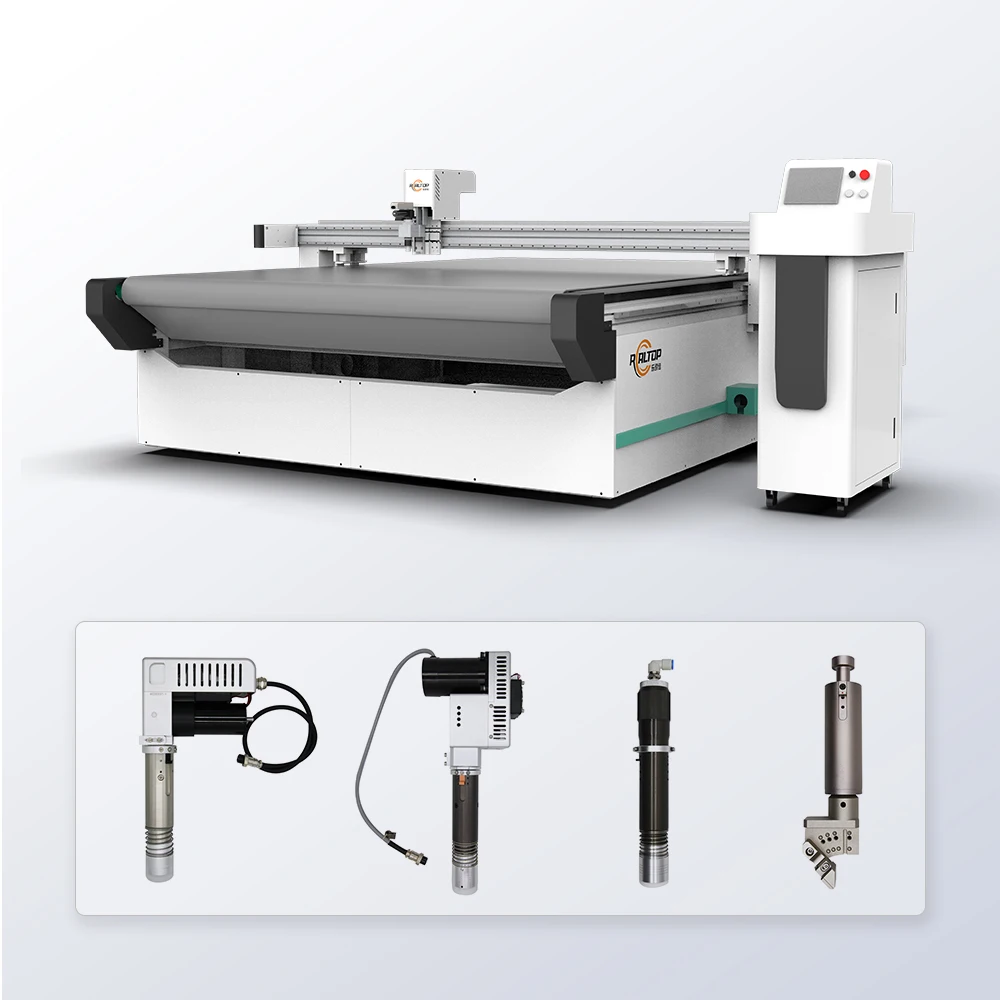
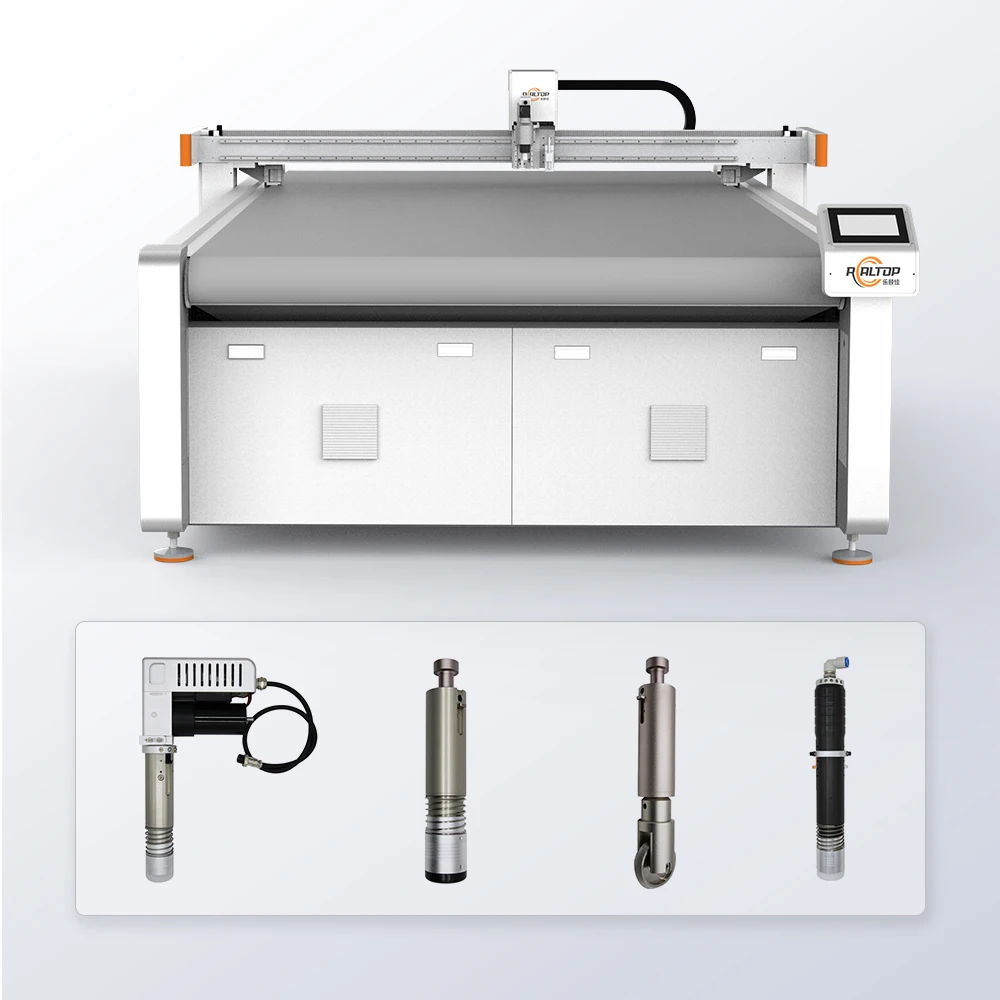
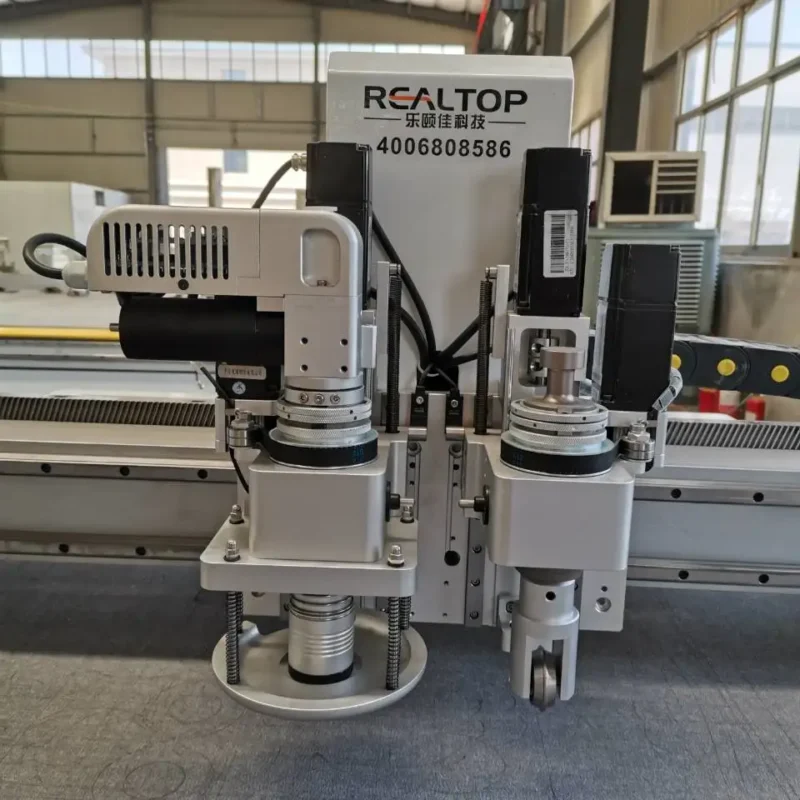
| Tool Head Options | Oscillating knife, Driven rotary knife, Creasing wheel, Kiss cutting tool, Pneumatic knife, Milling tool, V groove knife |
| Cutting Speed | 0–2000 mm/s |
| Cutting Thickness | ≤30 mm (basis not stated in source — confirm material type / layer count / density) |
| Positioning Accuracy | ±0.1 mm |
| Vacuum Pump | 9 kW |
| Vacuum Table | Aluminum bellows vacuum table with full-surface adsorption |
| Control System | PLC control panel |
| Servo Motor Options | Panasonic, Delta, Dorna |
| File Formats | PLT, DXF, AI, PDF |
| Software | Dedicated packaging box structure design software included |
| Voltage Options | 110V / 220V / 380V |
| Language Options | English, Russian, Italian, Chinese; special languages customizable |
| Safety Device | Infrared sensor device and emergency stop device |
| Machine Size | 3300×2100×1350 mm |
| Assembly State | Fully assembled with factory test before shipment |
| Certification | CE |
Application Suitability
| Application | Material or Output |
|---|---|
| Apparel manufacturing | Suits, knitwear, lace, pattern-matching layouts across multi-layer fabric stacks |
| Automotive interiors | Seat fabrics, carpets, PVC mats requiring contour cutting and edge consistency |
| Home textiles | Sofa fabrics, curtains, rugs with multi-layer cutting demands |
| Composite material processing | Carbon fiber prepreg, aramid, specialty materials without delamination or thermal deformation |
| Packaging sample making | Corrugated board and card stock requiring creasing wheel and kiss cutting tools |
Why the Tool Head Matters More Than the Work Area on a CNC Oscillating Knife Cutting Machine Manufacturer
The cutting edge geometry and stroke frequency determine whether your fabric yields clean plies or frayed, delaminated stacks.
I once specified a flatbed cutter for a Southeast Asian garment factory based purely on bed size and travel speed. The buyer’s bulk fabric turned out to have a significantly higher elastane ratio than the samples they initially mailed, and the driven rotary tool that worked fine on woven cotton simply dragged through the stretch layers, pulling fibers and distorting cut pieces. The entire first batch had to be reworked. [NEED_CITE: material composition variance in bulk textile shipments]
When evaluating any CNC oscillating knife cutting machine manufacturer, start with the material — not the footprint. A 1600×2500 mm bed means nothing if the tool head cannot hold the fabric flat or shear cleanly through the specific weave, coating, or lamination your production line runs.
Matching the Seven Available Tool Heads to Your Material Stack
The 1625 offers seven interchangeable tool heads, and choosing the wrong one is the most common source of edge-quality complaints on fabric cutting floors. Oscillating knife handles most woven and knitted textiles cleanly at high stroke rates, while driven rotary knife suits continuous contour paths on single-ply materials. For multi-layer stacks of suiting or denim, pneumatic knife provides the downward force needed to shear through dense plies without ragged separation at the bottom layers. A CNC oscillating knife cutting machine manufacturer should specify which head runs your exact material, not just list all options on a brochure.
How Vacuum Table Design Affects Multi-Layer Fabric Holding
Fabric cutting across multiple plies demands consistent hold-down across the entire bed. The aluminum bellows vacuum table on this system provides full-surface adsorption rather than segmented zoning. This matters when you are cutting small garment panels — collar pieces, pocket flaps, cuff components — because undersized parts lift at the edges the moment the knife exits the cut path if the vacuum zone is too large relative to the part. [NEED_CITE: vacuum hold-down requirements for small textile parts] With full-surface adsorption and a 9 kW pump, the 1625 maintains grip on pieces that would otherwise shift on zoned tables designed for larger signage or gasket blanks.
Reading the Specifications Beyond the Headline Numbers
Positioning accuracy of ±0.1 mm across the 1600×2500 mm travel ensures that nested pattern pieces — particularly in apparel where seam allowances run 5–10 mm — stay within tolerance even at the far corners of the bed. Cutting speed reaches 2000 mm/s on straight paths, but sustained speed on tight contours depends on servo response; the availability of Panasonic, Delta, or Dorna servo motors lets buyers match motion performance to their contour complexity and budget. The PLC control panel supports PLT, DXF, AI, and PDF file imports, which covers the file formats most pattern-making and nesting software outputs. Language customization across English, Russian, Italian, Chinese, and special requests means operators in different markets can run the interface without translation barriers on the shop floor.
The Hidden Cost of Underspecifying Your Configuration
Buyers who confirm only the working area and skip the tool head conversation often discover mid-production that their chosen knife cannot handle the material thickness they actually run. A driven rotary knife specified for light vinyl will stall and tear when the same operator loads a stack of automotive carpet. Vacuum pump capacity that seemed adequate for large panels proves insufficient for small nested parts once production volume ramps up. [NEED_CITE: common configuration mismatches in textile cutting equipment procurement] Electrical specification mismatches — 380V machines shipped to 220V workshops without transformers — cause servo faults on day one. These are not machine defects; they are specification gaps that a disciplined pre-order process prevents.
Why Source This Equipment Here
In-house design covers both knife and laser cutting technologies, so a buyer processing both fabric and acrylic can match each material to the correct method under one supplier relationship. Tool head and table configurations are specified per material and confirmed with a sample cutting report on the buyer’s own stock before the order is finalized. Voltage, plug type, and control language are locked in before production starts, not discovered at the loading dock. The dedicated packaging box structure design software ships with the machine, giving packaging sample makers immediate design capability without third-party licensing. Every unit leaves fully assembled after factory testing, reducing on-site commissioning time and alignment risk.
Documentation & Verification
- Machine specification sheet confirming tool head selection matched to your fabric type and ply count
- Electrical schematic and voltage confirmation aligned to your destination market frequency standard
- Sample cutting report on your actual production material with measured edge quality and dimensional accuracy
- Software licence and file format compatibility note confirming PLT, DXF, AI, and PDF import paths
- Factory test record documenting positioning accuracy and vacuum hold-down performance before dispatch
- CE declaration included with shipment documentation package
Installation, Commissioning & Support
- Allocate floor space of at least 3300×2100 mm plus operator clearance around the 1625 bed perimeter
- Provide a dedicated circuit matching confirmed voltage — 110V, 220V, or 380V — with the agreed frequency
- Machine ships fully assembled; position and level on a stable floor before powering the 9 kW vacuum pump
- Verify PLC language setting matches operator preference and load the first DXF or PLT file for test cutting
- Stock oscillating knife blades and vacuum table seals as initial consumable spares for uninterrupted production
- Schedule regular inspection of servo motor mounts and belt tension across the 1600×2500 mm travel range
What We Need to Configure Your Machine Correctly
Send your production material — the actual fabric, leather, or composite you will run in volume, not a data sheet. Include your daily cut volume, the maximum layer count you stack, and the typical part dimensions so we can confirm vacuum table performance on your smallest nested pieces. Specify your workshop voltage and frequency, preferred control language, and whether your existing nesting software outputs PLT, DXF, AI, or PDF files.
Frequently Asked Questions
Q: How do I decide between oscillating knife and laser cutting for my fabric?
A: Oscillating knife suits multi-layer woven and knitted textiles where thermal sealing is not required and ply count is the priority. Laser cutting seals synthetic edges to prevent fraying but is limited to single or few plies and generates extraction requirements. We recommend matching the method to your specific fabric composition and production volume rather than applying one technology across all materials.
Q: What should I consider when choosing the working area beyond sheet size?
A: Beyond raw sheet dimensions, factor in tool head clearance at travel limits, your nesting layout efficiency, and feed direction relative to your material roll width. A 1600×2500 mm bed accommodates standard textile rolls, but if your parts require multi-directional nesting with CCD contour tracking, confirm the camera coverage zone matches your printed mark placement.
Q: Why must voltage and control language be confirmed before shipment?
A: Electrical systems differ across export markets — a 380V machine cannot run on 220V supply without a transformer, and frequency mismatches affect servo motor performance. Control language affects daily operator efficiency and error rates. Confirming these parameters before production avoids costly on-site modifications and commissioning delays after delivery.
Q: How do I know which tool head my material actually needs?
A: Send us a sample of your production material — including the exact fabric weight, weave type, and layer count you run. We perform a sample cut across multiple tool head options and provide a report showing edge quality, cutting speed, and dimensional accuracy for each. This eliminates guesswork and prevents tool head mismatches after the machine is installed.
Q: What file formats does the control software accept?
A: The PLC control system imports PLT, DXF, AI, and PDF files directly. Confirm that your nesting or pattern design software exports in one of these formats before ordering. If your workflow uses a proprietary format, discuss conversion requirements during the specification stage to ensure software compatibility on delivery.
In-House Design Team — matching oscillating knife or laser process to the buyer’s actual material stack rather than forcing a single cutting method across incompatible substrates.
Technical Specifications
| Parameter | Value |
|---|---|
| Model | 1625 |
| Product Type | CNC Oscillating Knife Cutting Machine |
| Working Area | 1600×2500 mm |
| Tool Head Options | Oscillating knife, Driven rotary knife, Creasing wheel, Kiss cutting tool, Pneumatic knife, Milling tool, V groove knife |
| Cutting Speed | 0–2000 mm/s |
| Cutting Thickness | ≤30 mm (basis not stated in source — confirm material type / layer count / density) |
| Positioning Accuracy | ±0.1 mm |
| Vacuum Pump | 9 kW |
| Vacuum Table | Aluminum bellows vacuum table with full-surface adsorption |
| Control System | PLC control panel |
| Servo Motor Options | Panasonic, Delta, Dorna |
| File Formats | PLT, DXF, AI, PDF |
| Software | Dedicated packaging box structure design software included |
| Voltage Options | 110V / 220V / 380V |
| Language Options | English, Russian, Italian, Chinese; special languages customizable |
| Safety Device | Infrared sensor device and emergency stop device |
| Machine Size | 3300×2100×1350 mm |
| Assembly State | Fully assembled with factory test before shipment |
| Certification | CE |
Application Suitability
| Application | Material or Output |
|---|---|
| Apparel manufacturing | Suits, knitwear, lace, pattern-matching layouts across multi-layer fabric stacks |
| Automotive interiors | Seat fabrics, carpets, PVC mats requiring contour cutting and edge consistency |
| Home textiles | Sofa fabrics, curtains, rugs with multi-layer cutting demands |
| Composite material processing | Carbon fiber prepreg, aramid, specialty materials without delamination or thermal deformation |
| Packaging sample making | Corrugated board and card stock requiring creasing wheel and kiss cutting tools |
Why the Tool Head Matters More Than the Work Area on a CNC Oscillating Knife Cutting Machine Manufacturer
The cutting edge geometry and stroke frequency determine whether your fabric yields clean plies or frayed, delaminated stacks.
I once specified a flatbed cutter for a Southeast Asian garment factory based purely on bed size and travel speed. The buyer’s bulk fabric turned out to have a significantly higher elastane ratio than the samples they initially mailed, and the driven rotary tool that worked fine on woven cotton simply dragged through the stretch layers, pulling fibers and distorting cut pieces. The entire first batch had to be reworked. [NEED_CITE: material composition variance in bulk textile shipments]
When evaluating any CNC oscillating knife cutting machine manufacturer, start with the material — not the footprint. A 1600×2500 mm bed means nothing if the tool head cannot hold the fabric flat or shear cleanly through the specific weave, coating, or lamination your production line runs.
Matching the Seven Available Tool Heads to Your Material Stack
The 1625 offers seven interchangeable tool heads, and choosing the wrong one is the most common source of edge-quality complaints on fabric cutting floors. Oscillating knife handles most woven and knitted textiles cleanly at high stroke rates, while driven rotary knife suits continuous contour paths on single-ply materials. For multi-layer stacks of suiting or denim, pneumatic knife provides the downward force needed to shear through dense plies without ragged separation at the bottom layers. A CNC oscillating knife cutting machine manufacturer should specify which head runs your exact material, not just list all options on a brochure.
How Vacuum Table Design Affects Multi-Layer Fabric Holding
Fabric cutting across multiple plies demands consistent hold-down across the entire bed. The aluminum bellows vacuum table on this system provides full-surface adsorption rather than segmented zoning. This matters when you are cutting small garment panels — collar pieces, pocket flaps, cuff components — because undersized parts lift at the edges the moment the knife exits the cut path if the vacuum zone is too large relative to the part. [NEED_CITE: vacuum hold-down requirements for small textile parts] With full-surface adsorption and a 9 kW pump, the 1625 maintains grip on pieces that would otherwise shift on zoned tables designed for larger signage or gasket blanks.
Reading the Specifications Beyond the Headline Numbers
Positioning accuracy of ±0.1 mm across the 1600×2500 mm travel ensures that nested pattern pieces — particularly in apparel where seam allowances run 5–10 mm — stay within tolerance even at the far corners of the bed. Cutting speed reaches 2000 mm/s on straight paths, but sustained speed on tight contours depends on servo response; the availability of Panasonic, Delta, or Dorna servo motors lets buyers match motion performance to their contour complexity and budget. The PLC control panel supports PLT, DXF, AI, and PDF file imports, which covers the file formats most pattern-making and nesting software outputs. Language customization across English, Russian, Italian, Chinese, and special requests means operators in different markets can run the interface without translation barriers on the shop floor.
The Hidden Cost of Underspecifying Your Configuration
Buyers who confirm only the working area and skip the tool head conversation often discover mid-production that their chosen knife cannot handle the material thickness they actually run. A driven rotary knife specified for light vinyl will stall and tear when the same operator loads a stack of automotive carpet. Vacuum pump capacity that seemed adequate for large panels proves insufficient for small nested parts once production volume ramps up. [NEED_CITE: common configuration mismatches in textile cutting equipment procurement] Electrical specification mismatches — 380V machines shipped to 220V workshops without transformers — cause servo faults on day one. These are not machine defects; they are specification gaps that a disciplined pre-order process prevents.
Why Source This Equipment Here
In-house design covers both knife and laser cutting technologies, so a buyer processing both fabric and acrylic can match each material to the correct method under one supplier relationship. Tool head and table configurations are specified per material and confirmed with a sample cutting report on the buyer’s own stock before the order is finalized. Voltage, plug type, and control language are locked in before production starts, not discovered at the loading dock. The dedicated packaging box structure design software ships with the machine, giving packaging sample makers immediate design capability without third-party licensing. Every unit leaves fully assembled after factory testing, reducing on-site commissioning time and alignment risk.
Documentation & Verification
- Machine specification sheet confirming tool head selection matched to your fabric type and ply count
- Electrical schematic and voltage confirmation aligned to your destination market frequency standard
- Sample cutting report on your actual production material with measured edge quality and dimensional accuracy
- Software licence and file format compatibility note confirming PLT, DXF, AI, and PDF import paths
- Factory test record documenting positioning accuracy and vacuum hold-down performance before dispatch
- CE declaration included with shipment documentation package
Installation, Commissioning & Support
- Allocate floor space of at least 3300×2100 mm plus operator clearance around the 1625 bed perimeter
- Provide a dedicated circuit matching confirmed voltage — 110V, 220V, or 380V — with the agreed frequency
- Machine ships fully assembled; position and level on a stable floor before powering the 9 kW vacuum pump
- Verify PLC language setting matches operator preference and load the first DXF or PLT file for test cutting
- Stock oscillating knife blades and vacuum table seals as initial consumable spares for uninterrupted production
- Schedule regular inspection of servo motor mounts and belt tension across the 1600×2500 mm travel range
What We Need to Configure Your Machine Correctly
Send your production material — the actual fabric, leather, or composite you will run in volume, not a data sheet. Include your daily cut volume, the maximum layer count you stack, and the typical part dimensions so we can confirm vacuum table performance on your smallest nested pieces. Specify your workshop voltage and frequency, preferred control language, and whether your existing nesting software outputs PLT, DXF, AI, or PDF files.
Frequently Asked Questions
Q: How do I decide between oscillating knife and laser cutting for my fabric?
A: Oscillating knife suits multi-layer woven and knitted textiles where thermal sealing is not required and ply count is the priority. Laser cutting seals synthetic edges to prevent fraying but is limited to single or few plies and generates extraction requirements. We recommend matching the method to your specific fabric composition and production volume rather than applying one technology across all materials.
Q: What should I consider when choosing the working area beyond sheet size?
A: Beyond raw sheet dimensions, factor in tool head clearance at travel limits, your nesting layout efficiency, and feed direction relative to your material roll width. A 1600×2500 mm bed accommodates standard textile rolls, but if your parts require multi-directional nesting with CCD contour tracking, confirm the camera coverage zone matches your printed mark placement.
Q: Why must voltage and control language be confirmed before shipment?
A: Electrical systems differ across export markets — a 380V machine cannot run on 220V supply without a transformer, and frequency mismatches affect servo motor performance. Control language affects daily operator efficiency and error rates. Confirming these parameters before production avoids costly on-site modifications and commissioning delays after delivery.
Q: How do I know which tool head my material actually needs?
A: Send us a sample of your production material — including the exact fabric weight, weave type, and layer count you run. We perform a sample cut across multiple tool head options and provide a report showing edge quality, cutting speed, and dimensional accuracy for each. This eliminates guesswork and prevents tool head mismatches after the machine is installed.
Q: What file formats does the control software accept?
A: The PLC control system imports PLT, DXF, AI, and PDF files directly. Confirm that your nesting or pattern design software exports in one of these formats before ordering. If your workflow uses a proprietary format, discuss conversion requirements during the specification stage to ensure software compatibility on delivery.
商品评价
There are no reviews yet.