

Fast Delivery
Quick, reliable shipping to any location.

Free & easy returns
Return this item by mail or in store within 90 days for a full refund.
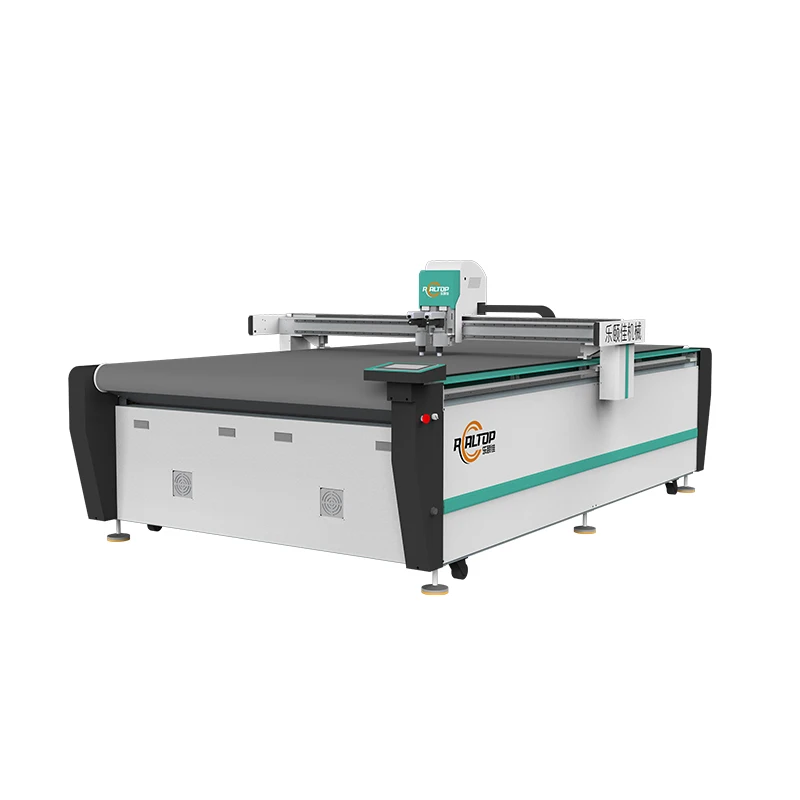
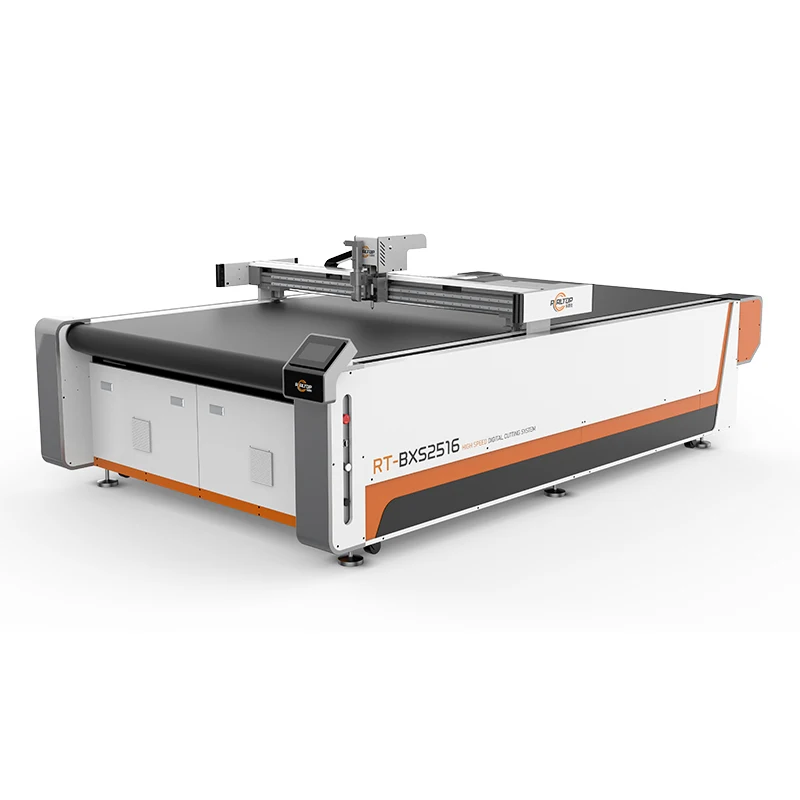
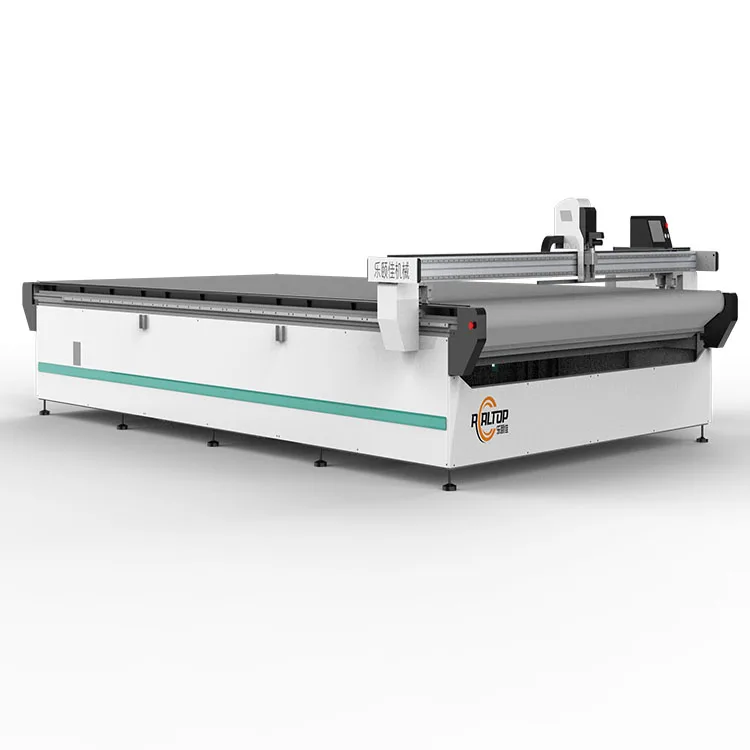
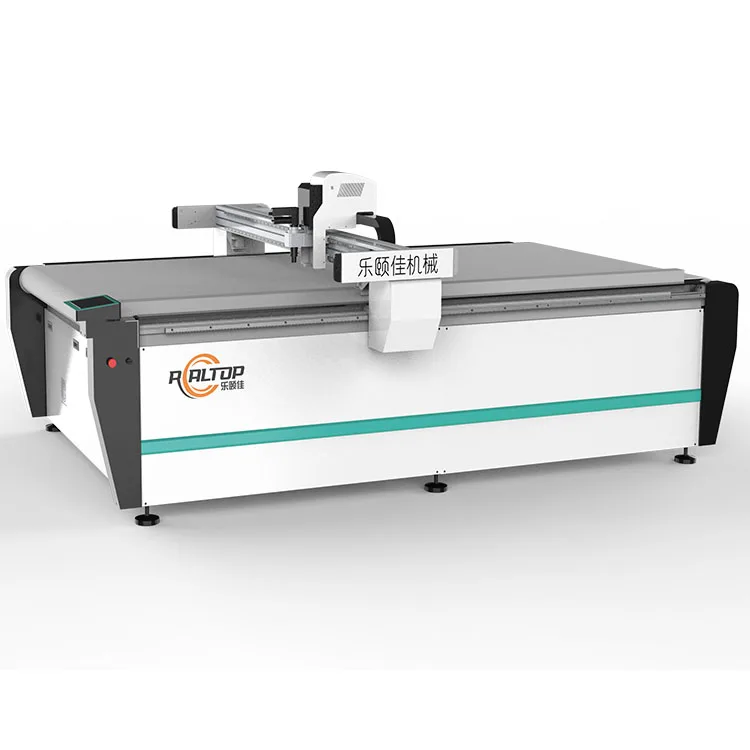
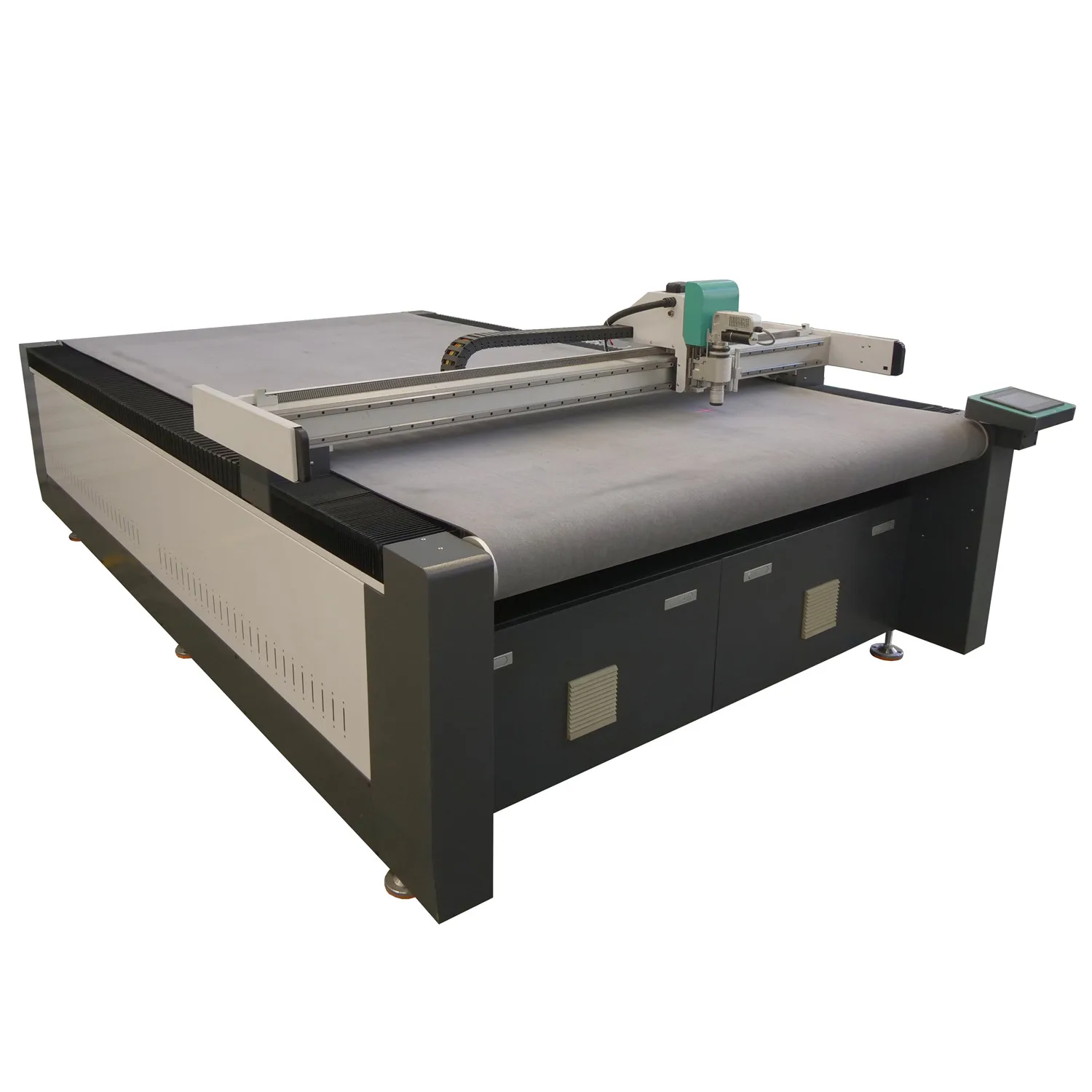
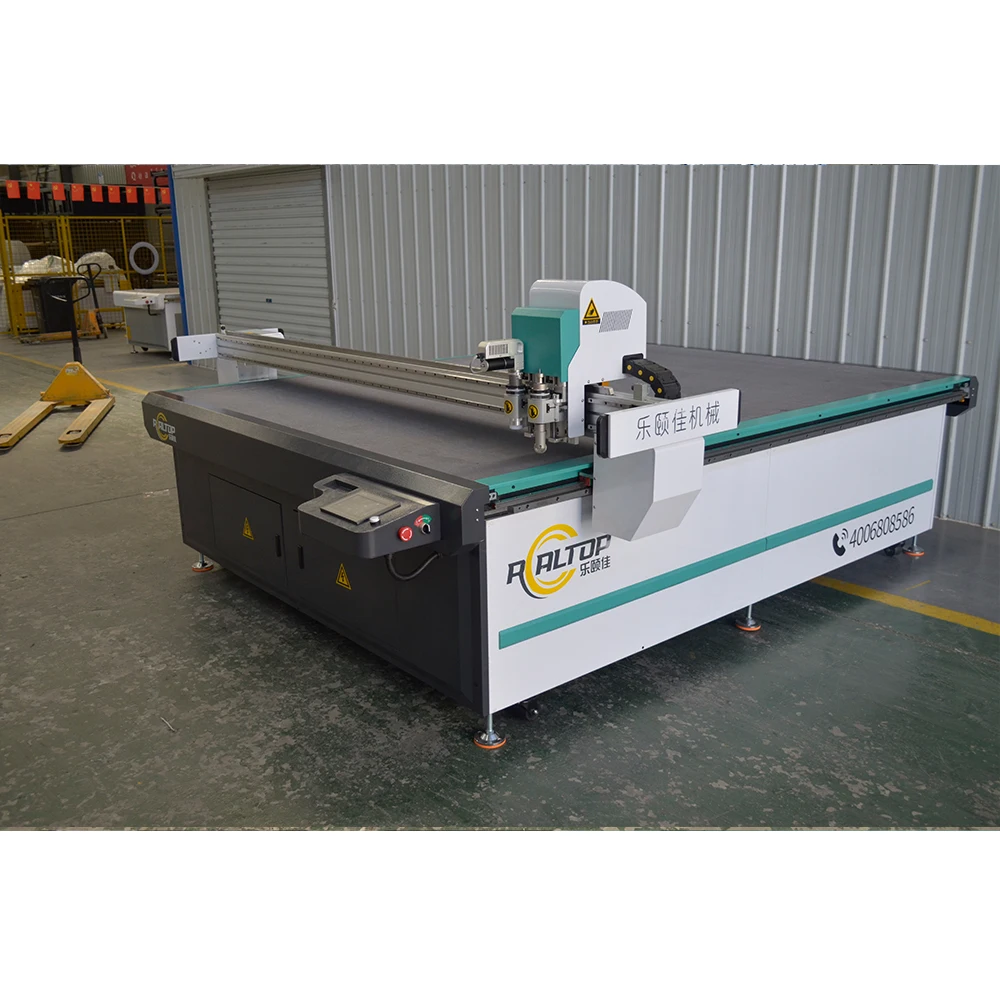
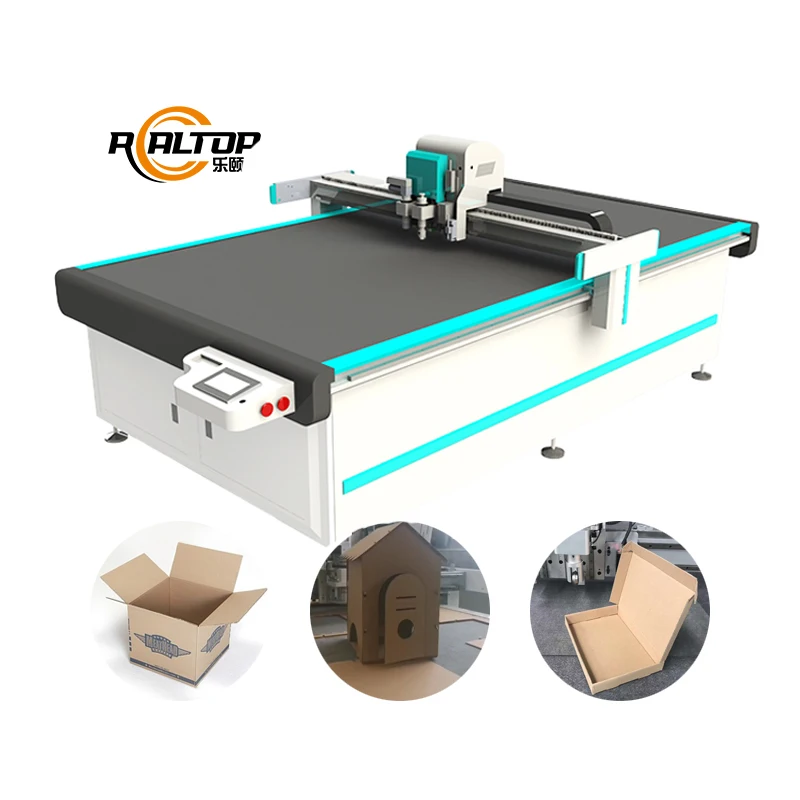
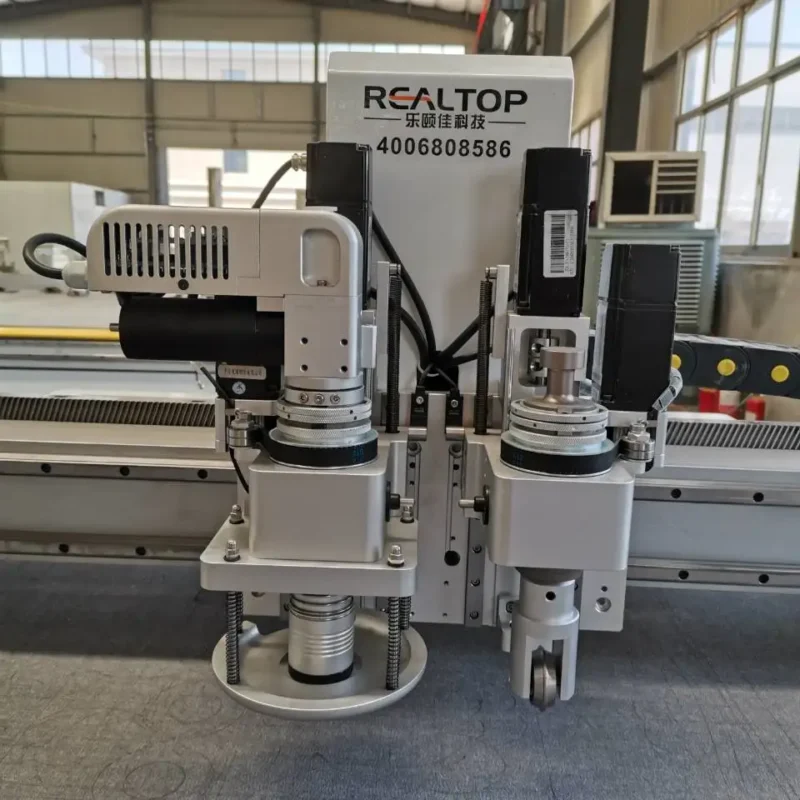
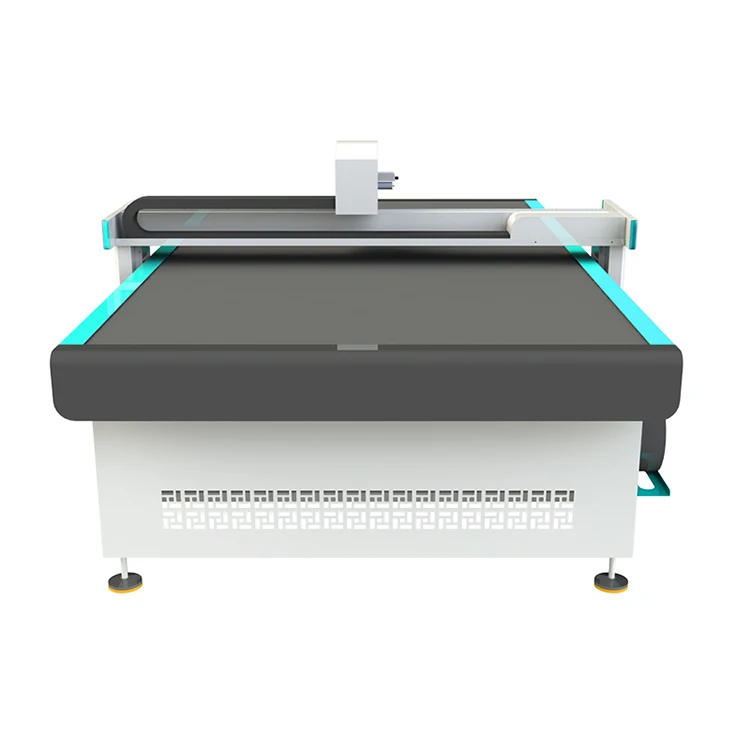
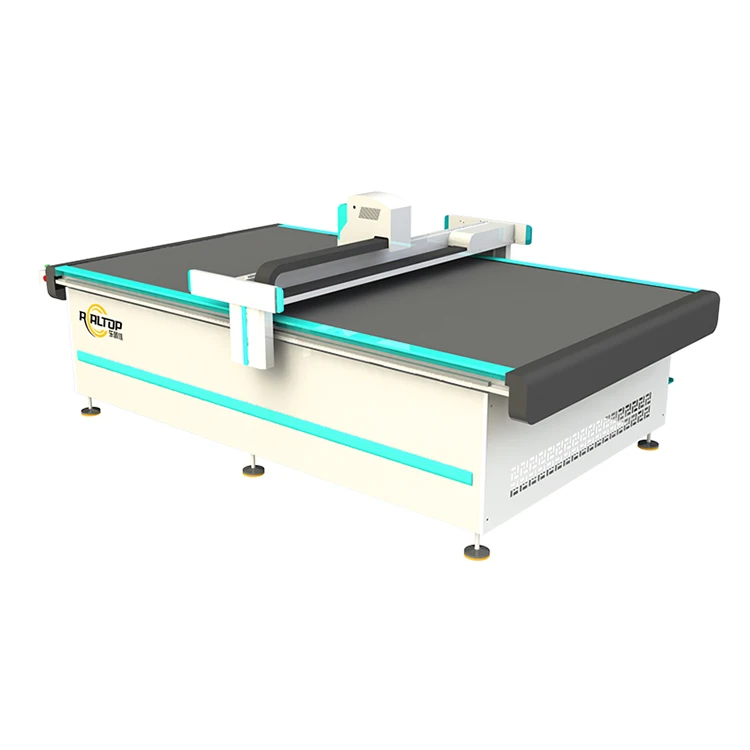
Full Tooling Range — The RT-D2516/RT-S2516 platform supports over ten interchangeable tool heads, from oscillating and pneumatic knives to creasing wheels and punch units, allowing fabric converters to match the cutting method to textile weight and layer count rather than adapt the material to a single blade type.
Technical Specifications
| Parameter | Value |
|---|---|
| Model | RT-D2516 / RT-S2516 |
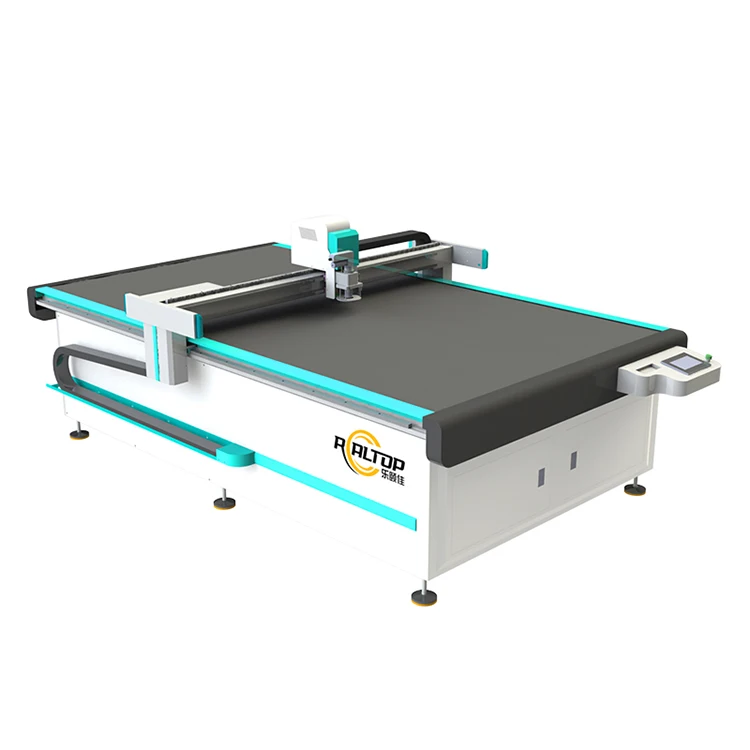
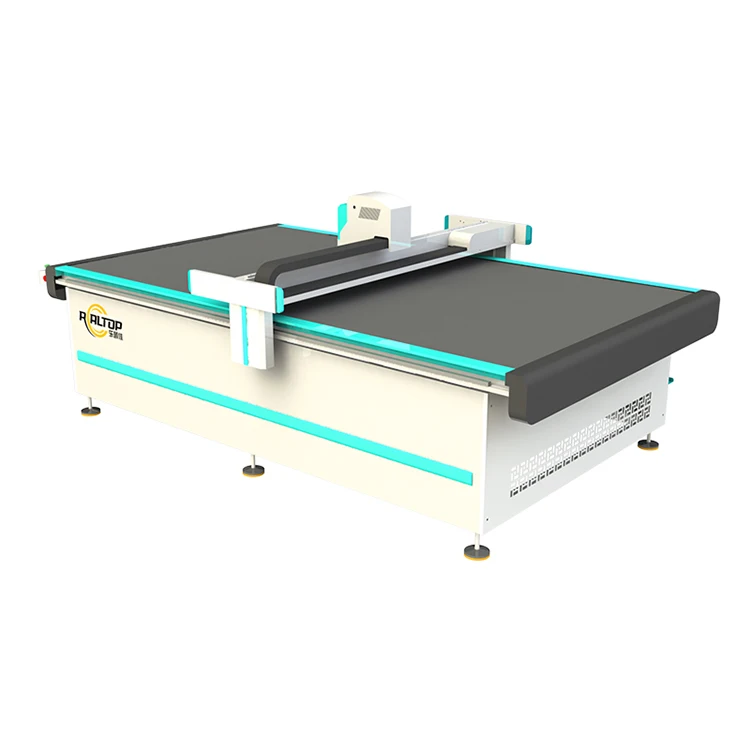
| Product Type | CNC Oscillating Knife Cutting Machine |
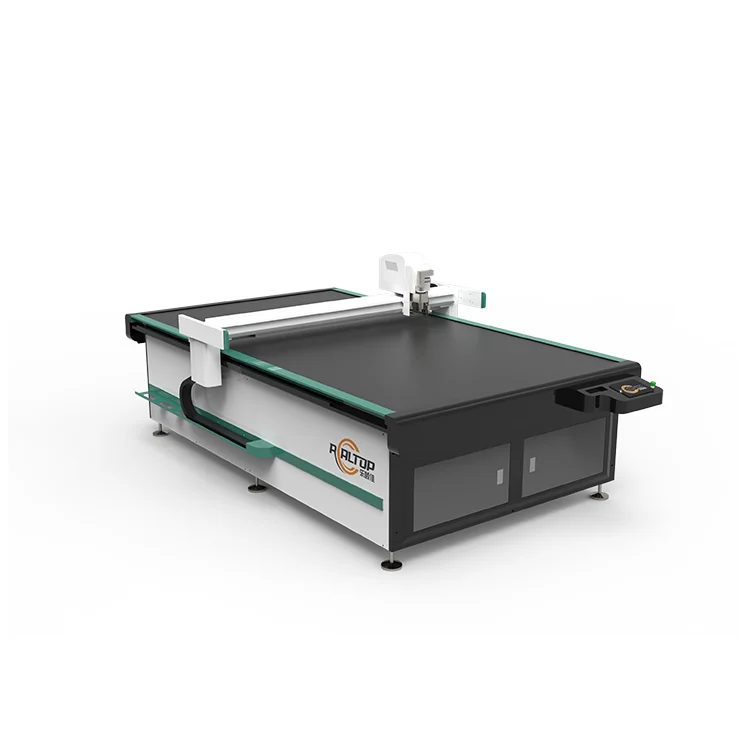
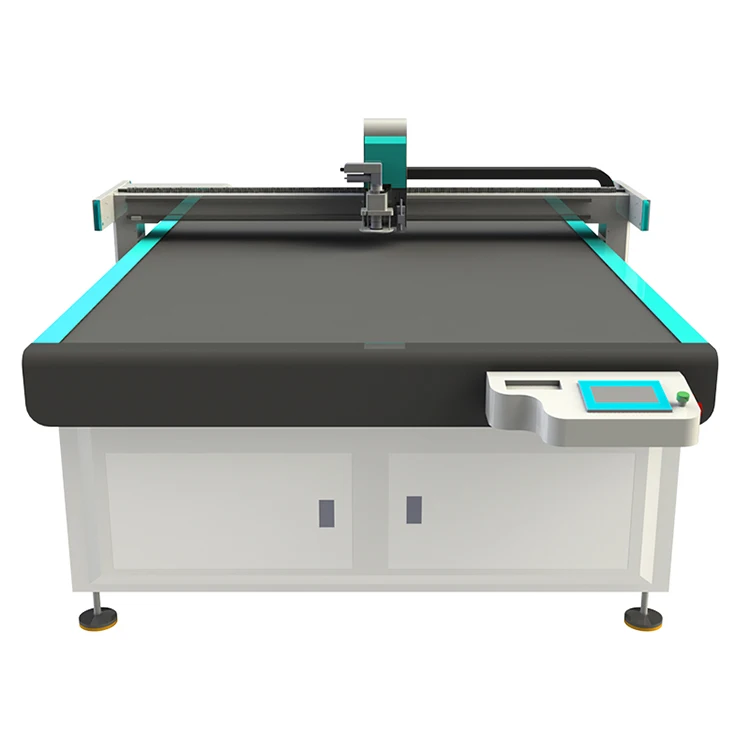
| Working Area | 1600 × 2500 mm |
| Overall Dimensions | 3450 × 2300 × 1250 mm |
| Rated Power | 9 kW |
| Working Table | Flat magnesium-aluminum alloy table with PVDF coating and hard oxidation |
| Tool Head Options | Oscillating knife, pneumatic knife, high-power vibrating knife, circular knife, V-cutting knife, drag knife, creasing wheel, dotted line knife, punch, brush |
| Visual Positioning | Small CCD camera mark point, panoramic camera recognition, projection positioning |
| Translational Velocity | 800 – 2000 mm/s |
| Cutting Speed | 200 – 800 mm/s (basis not stated in source — confirm block format, material and thickness) |
| Repeated Accuracy | ≤ 0.1 mm |
| Transmission System | Digital servo motor, linear guide, synchronous belt, ball screw |
| Servo Motor | Delta IP67-rated, automatic gain adjustment, vibration suppression |
| Vacuum Pump | 7.5 kW, integrated aviation aluminum shell, built-in silencer |
| Conveyor Belt | Germany-imported belt material |
| Linear Rail | Taiwan Hiwin |
| Instruction System | HP-GL compatible format |
| Voltage | 380 V ± 10 % |
| Safety Devices | Infrared induction blocking, anti-collision, emergency stop |
| Language Options | English, Russian, Italian, Chinese; special languages customizable |
| Assembly State | Fully assembled before dispatch |
Application Suitability
| Application | Material or Output |
|---|---|
| Automotive floor mats and interior trim | Multi-layer carpet, sponge-backed composite, PU and EVA foam |
| Garment and footwear cutting | Woven fabric, non-woven textile, shoe upper material, lining cloth |
| Soft home furnishings | Upholstery fabric, curtain textile, cushion foam, leather hide |
| Luggage and bag production | Nylon cloth, canvas, synthetic leather, PE and PP board |
| Gasket and sealing pad fabrication | Rubber sheet, PTFE, ETFE, compressed fiber, cork composite |
| Graphic advertising and printing | Vinyl sticker, film, corrugated board, PVC sheet |
Why the Cutting Speed Figure Needs a Material Tag
A speed rating without a fabric weight and layer count is meaningless on the shop floor.
When buyers compare CNC digital cutting machine manufacturer brochures, they often line up the headline speed number and assume the faster unit wins. In my years around Jinan cutting lines I have watched a multi-layer textile nest that should run in four minutes stretch to nine because the composite sponge was denser than the sample used during factory acceptance. The machine was not at fault — the specification simply lacked a material qualifier. Always ask the manufacturer to state the cutting speed against the exact fabric type, thickness and ply count you intend to run [NEED_CITE: fabric density and knife oscillation frequency relationship].
Matching the Oscillating Knife to Textile Weight
A 1600 × 2500 mm working area handles most garment and automotive interior lay-ups, but the cutting result depends more on the knife stroke and frequency than on table size. Light woven fabrics under two millimetres respond well to a standard oscillating knife at high frequency, while heavy carpet or ten-layer sponge stacks need a high-power vibrating knife with a longer stroke to push through without fraying the bottom ply. The RT-D2516/RT-S2516 offers interchangeable heads so the operator can swap tooling between jobs rather than dedicating a second machine to thick stock.
Vacuum Zoning and Small-Piece Stability
Flat magnesium-aluminum tables coated with PVDF and hard oxidation stay flat across temperature swings, but suction is only useful if the vacuum zones match the nest layout. Small gasket or shoe-upper pieces can lift off the belt when the pump pulls air from zones larger than the part footprint. A 7.5 kW vacuum pump with built-in silencer sponge provides ample flow, yet the real value comes from dividing the table into independently controlled sections so that air is drawn only beneath the material being cut. Buyers running a mix of large automotive mats and small trim pieces should request the zone map before finalizing the order [NEED_CITE: vacuum hold-down requirements for flexible sheet materials].
Reading the Spec Sheet Beyond the Headline Numbers
The Delta IP67 servo motors with automatic gain adjustment keep positional drift under 0.1 mm, which matters when a CCD camera is tracking printed marks on stretch fabric — any positional error compounds into contour misalignment down the nest. Hiwin linear rails and ball screws carry the gantry at up to 2000 mm/s traversing speed, yet the cutting pass itself is governed by the oscillation frequency of the selected knife. An HP-GL compatible instruction system accepts DXF, PLT and AI exports from most nesting software, removing the file-format friction that stalls many new installations. The CNC digital cutting machine manufacturer should confirm the exact software license and file path your team uses before the control language is locked in.
What Happens When the Wrong Head Meets the Wrong Fabric
Specifying a drag knife on multi-layer woven textile produces crushed edges on the bottom plies, and the resulting re-cut rate quietly erodes the daily output target. Pneumatic knives solve the crush problem but add compressed-air plumbing that must be factored into the workshop layout. If the CCD camera is promised but the mark-point size falls below the lens resolution at production speed, the contour path drifts and scrap accumulates before the operator notices. Each of these issues is avoidable when the sample cutting report covers your actual material at your intended lay-up height [NEED_CITE: edge quality standards in textile CNC cutting].
Why Sourcing the Full Range Matters
In-house design covering both knife and laser cutting technologies means a buyer can evaluate whether a CO2 laser seals the edge on synthetic textile better than an oscillating knife, without being steered toward whichever machine the salesperson has in stock. Tool head and table configuration are specified per material and production volume, not pulled from a default package. CCD camera positioning is verified on printed contour samples before the order ships, and software compatibility is confirmed against the buyer’s nesting workflow. Voltage, plug type and control language are locked in on the electrical schematic, eliminating the shipment-surprise that plagues cross-border equipment purchases. A CNC digital cutting machine manufacturer that tests your fabric before the contract is signed reduces the commissioning period noticeably once the crate arrives.
Documentation & Verification
- Machine specification sheet listing every tool head and vacuum zone option selected for your fabric type
- Electrical schematic confirming 380 V ± 10 % supply, plug standard and control language before build
- Sample cutting report run on buyer-supplied textile with measured edge quality and ply separation
- Software license and file format compatibility note covering DXF, PLT, AI and HP-GL exports
- Factory test record documenting repeated accuracy and servo gain settings at full traverse speed
- Packing photographs showing conveyor belt tension and knife head protection for ocean freight
Installation, Commissioning & Support
- The 3450 × 2300 × 1250 mm footprint requires a level concrete slab with anchor points matching the frame bolt pattern
- A dedicated 380 V three-phase circuit rated for the 9 kW total load prevents voltage dip during vacuum pump start-up
- Machine arrives fully assembled; only conveyor belt tensioning and vacuum hose connection are required on site
- First-run calibration includes servo gain tuning and CCD camera mark-point registration on your printed textile
- Operator training covers tool head changeover, vacuum zone selection and HP-GL file import sequence
- Spare oscillating and circular knife blades shipped with initial order to cover the first consumable replacement cycle
Preparing an Inquiry That Gets a Usable Quote
Send fabric type, ply count and the thickest composite you plan to cut, along with the daily volume target and the nesting software you already run. Specify the workshop voltage and frequency, the control language your operators read, and whether you need the CCD camera or projection positioning for printed contour work. If possible, courier a roll of your actual material so the sample cutting report reflects real edge quality rather than a generic swatch.
Frequently Asked Questions
Q: How do I decide between an oscillating knife and a circular knife for my fabric?
A: Oscillating knives handle multi-layer stacks and complex contours where the blade must start and stop inside the nest. Circular knives are faster on long straight cuts through single or double plies. The choice depends on your cut geometry and lay-up height, so a sample run on both heads with your material gives a clearer answer than a spec comparison alone.
Q: Can the CCD camera track small registration marks on stretchy textile?
A: The small CCD camera locates mark points while the panoramic camera recognizes the entire printed contour. Stretch fabric can distort mark spacing, so the camera calibration must match the actual material tension on the vacuum table. A test cut on your printed textile confirms whether the mark size and contrast meet the lens resolution at production speed.
Q: Which machine family fits a mixed output of small gaskets and large automotive mats?
A: The 1600 × 2500 mm working area covers both part sizes, but vacuum zone layout matters more than table size when small parts sit next to empty zones. Request the zone map and confirm that individual sections can be valved off so suction concentrates beneath each piece regardless of footprint.
Q: What electrical information do you need before building my machine?
A: We require the supply voltage, frequency, plug standard and the control panel language. A signed electrical schematic is returned before production starts so that the 380 V ± 10 % wiring, breaker rating and safety circuit match your workshop standards, avoiding rewiring costs after delivery.
Q: Is the software compatible with my existing nesting workflow?
A: The HP-GL compatible instruction system imports DXF, PLT and AI files from most nesting platforms. Before the order is finalized we run your sample file through the control software and return a compatibility note confirming that layer mapping, tool path assignment and output sequence behave as your operators expect.
Full Tooling Range — The RT-D2516/RT-S2516 platform supports over ten interchangeable tool heads, from oscillating and pneumatic knives to creasing wheels and punch units, allowing fabric converters to match the cutting method to textile weight and layer count rather than adapt the material to a single blade type.
Technical Specifications
| Parameter | Value |
|---|---|
| Model | RT-D2516 / RT-S2516 |
| Product Type | CNC Oscillating Knife Cutting Machine |
| Working Area | 1600 × 2500 mm |
| Overall Dimensions | 3450 × 2300 × 1250 mm |
| Rated Power | 9 kW |
| Working Table | Flat magnesium-aluminum alloy table with PVDF coating and hard oxidation |
| Tool Head Options | Oscillating knife, pneumatic knife, high-power vibrating knife, circular knife, V-cutting knife, drag knife, creasing wheel, dotted line knife, punch, brush |
| Visual Positioning | Small CCD camera mark point, panoramic camera recognition, projection positioning |
| Translational Velocity | 800 – 2000 mm/s |
| Cutting Speed | 200 – 800 mm/s (basis not stated in source — confirm block format, material and thickness) |
| Repeated Accuracy | ≤ 0.1 mm |
| Transmission System | Digital servo motor, linear guide, synchronous belt, ball screw |
| Servo Motor | Delta IP67-rated, automatic gain adjustment, vibration suppression |
| Vacuum Pump | 7.5 kW, integrated aviation aluminum shell, built-in silencer |
| Conveyor Belt | Germany-imported belt material |
| Linear Rail | Taiwan Hiwin |
| Instruction System | HP-GL compatible format |
| Voltage | 380 V ± 10 % |
| Safety Devices | Infrared induction blocking, anti-collision, emergency stop |
| Language Options | English, Russian, Italian, Chinese; special languages customizable |
| Assembly State | Fully assembled before dispatch |
Application Suitability
| Application | Material or Output |
|---|---|
| Automotive floor mats and interior trim | Multi-layer carpet, sponge-backed composite, PU and EVA foam |
| Garment and footwear cutting | Woven fabric, non-woven textile, shoe upper material, lining cloth |
| Soft home furnishings | Upholstery fabric, curtain textile, cushion foam, leather hide |
| Luggage and bag production | Nylon cloth, canvas, synthetic leather, PE and PP board |
| Gasket and sealing pad fabrication | Rubber sheet, PTFE, ETFE, compressed fiber, cork composite |
| Graphic advertising and printing | Vinyl sticker, film, corrugated board, PVC sheet |
Why the Cutting Speed Figure Needs a Material Tag
A speed rating without a fabric weight and layer count is meaningless on the shop floor.
When buyers compare CNC digital cutting machine manufacturer brochures, they often line up the headline speed number and assume the faster unit wins. In my years around Jinan cutting lines I have watched a multi-layer textile nest that should run in four minutes stretch to nine because the composite sponge was denser than the sample used during factory acceptance. The machine was not at fault — the specification simply lacked a material qualifier. Always ask the manufacturer to state the cutting speed against the exact fabric type, thickness and ply count you intend to run [NEED_CITE: fabric density and knife oscillation frequency relationship].
Matching the Oscillating Knife to Textile Weight
A 1600 × 2500 mm working area handles most garment and automotive interior lay-ups, but the cutting result depends more on the knife stroke and frequency than on table size. Light woven fabrics under two millimetres respond well to a standard oscillating knife at high frequency, while heavy carpet or ten-layer sponge stacks need a high-power vibrating knife with a longer stroke to push through without fraying the bottom ply. The RT-D2516/RT-S2516 offers interchangeable heads so the operator can swap tooling between jobs rather than dedicating a second machine to thick stock.
Vacuum Zoning and Small-Piece Stability
Flat magnesium-aluminum tables coated with PVDF and hard oxidation stay flat across temperature swings, but suction is only useful if the vacuum zones match the nest layout. Small gasket or shoe-upper pieces can lift off the belt when the pump pulls air from zones larger than the part footprint. A 7.5 kW vacuum pump with built-in silencer sponge provides ample flow, yet the real value comes from dividing the table into independently controlled sections so that air is drawn only beneath the material being cut. Buyers running a mix of large automotive mats and small trim pieces should request the zone map before finalizing the order [NEED_CITE: vacuum hold-down requirements for flexible sheet materials].
Reading the Spec Sheet Beyond the Headline Numbers
The Delta IP67 servo motors with automatic gain adjustment keep positional drift under 0.1 mm, which matters when a CCD camera is tracking printed marks on stretch fabric — any positional error compounds into contour misalignment down the nest. Hiwin linear rails and ball screws carry the gantry at up to 2000 mm/s traversing speed, yet the cutting pass itself is governed by the oscillation frequency of the selected knife. An HP-GL compatible instruction system accepts DXF, PLT and AI exports from most nesting software, removing the file-format friction that stalls many new installations. The CNC digital cutting machine manufacturer should confirm the exact software license and file path your team uses before the control language is locked in.
What Happens When the Wrong Head Meets the Wrong Fabric
Specifying a drag knife on multi-layer woven textile produces crushed edges on the bottom plies, and the resulting re-cut rate quietly erodes the daily output target. Pneumatic knives solve the crush problem but add compressed-air plumbing that must be factored into the workshop layout. If the CCD camera is promised but the mark-point size falls below the lens resolution at production speed, the contour path drifts and scrap accumulates before the operator notices. Each of these issues is avoidable when the sample cutting report covers your actual material at your intended lay-up height [NEED_CITE: edge quality standards in textile CNC cutting].
Why Sourcing the Full Range Matters
In-house design covering both knife and laser cutting technologies means a buyer can evaluate whether a CO2 laser seals the edge on synthetic textile better than an oscillating knife, without being steered toward whichever machine the salesperson has in stock. Tool head and table configuration are specified per material and production volume, not pulled from a default package. CCD camera positioning is verified on printed contour samples before the order ships, and software compatibility is confirmed against the buyer’s nesting workflow. Voltage, plug type and control language are locked in on the electrical schematic, eliminating the shipment-surprise that plagues cross-border equipment purchases. A CNC digital cutting machine manufacturer that tests your fabric before the contract is signed reduces the commissioning period noticeably once the crate arrives.
Documentation & Verification
- Machine specification sheet listing every tool head and vacuum zone option selected for your fabric type
- Electrical schematic confirming 380 V ± 10 % supply, plug standard and control language before build
- Sample cutting report run on buyer-supplied textile with measured edge quality and ply separation
- Software license and file format compatibility note covering DXF, PLT, AI and HP-GL exports
- Factory test record documenting repeated accuracy and servo gain settings at full traverse speed
- Packing photographs showing conveyor belt tension and knife head protection for ocean freight
Installation, Commissioning & Support
- The 3450 × 2300 × 1250 mm footprint requires a level concrete slab with anchor points matching the frame bolt pattern
- A dedicated 380 V three-phase circuit rated for the 9 kW total load prevents voltage dip during vacuum pump start-up
- Machine arrives fully assembled; only conveyor belt tensioning and vacuum hose connection are required on site
- First-run calibration includes servo gain tuning and CCD camera mark-point registration on your printed textile
- Operator training covers tool head changeover, vacuum zone selection and HP-GL file import sequence
- Spare oscillating and circular knife blades shipped with initial order to cover the first consumable replacement cycle
Preparing an Inquiry That Gets a Usable Quote
Send fabric type, ply count and the thickest composite you plan to cut, along with the daily volume target and the nesting software you already run. Specify the workshop voltage and frequency, the control language your operators read, and whether you need the CCD camera or projection positioning for printed contour work. If possible, courier a roll of your actual material so the sample cutting report reflects real edge quality rather than a generic swatch.
Frequently Asked Questions
Q: How do I decide between an oscillating knife and a circular knife for my fabric?
A: Oscillating knives handle multi-layer stacks and complex contours where the blade must start and stop inside the nest. Circular knives are faster on long straight cuts through single or double plies. The choice depends on your cut geometry and lay-up height, so a sample run on both heads with your material gives a clearer answer than a spec comparison alone.
Q: Can the CCD camera track small registration marks on stretchy textile?
A: The small CCD camera locates mark points while the panoramic camera recognizes the entire printed contour. Stretch fabric can distort mark spacing, so the camera calibration must match the actual material tension on the vacuum table. A test cut on your printed textile confirms whether the mark size and contrast meet the lens resolution at production speed.
Q: Which machine family fits a mixed output of small gaskets and large automotive mats?
A: The 1600 × 2500 mm working area covers both part sizes, but vacuum zone layout matters more than table size when small parts sit next to empty zones. Request the zone map and confirm that individual sections can be valved off so suction concentrates beneath each piece regardless of footprint.
Q: What electrical information do you need before building my machine?
A: We require the supply voltage, frequency, plug standard and the control panel language. A signed electrical schematic is returned before production starts so that the 380 V ± 10 % wiring, breaker rating and safety circuit match your workshop standards, avoiding rewiring costs after delivery.
Q: Is the software compatible with my existing nesting workflow?
A: The HP-GL compatible instruction system imports DXF, PLT and AI files from most nesting platforms. Before the order is finalized we run your sample file through the control software and return a compatibility note confirming that layer mapping, tool path assignment and output sequence behave as your operators expect.
商品评价
There are no reviews yet.