


Fast Delivery
Quick, reliable shipping to any location.

Free & easy returns
Return this item by mail or in store within 90 days for a full refund.
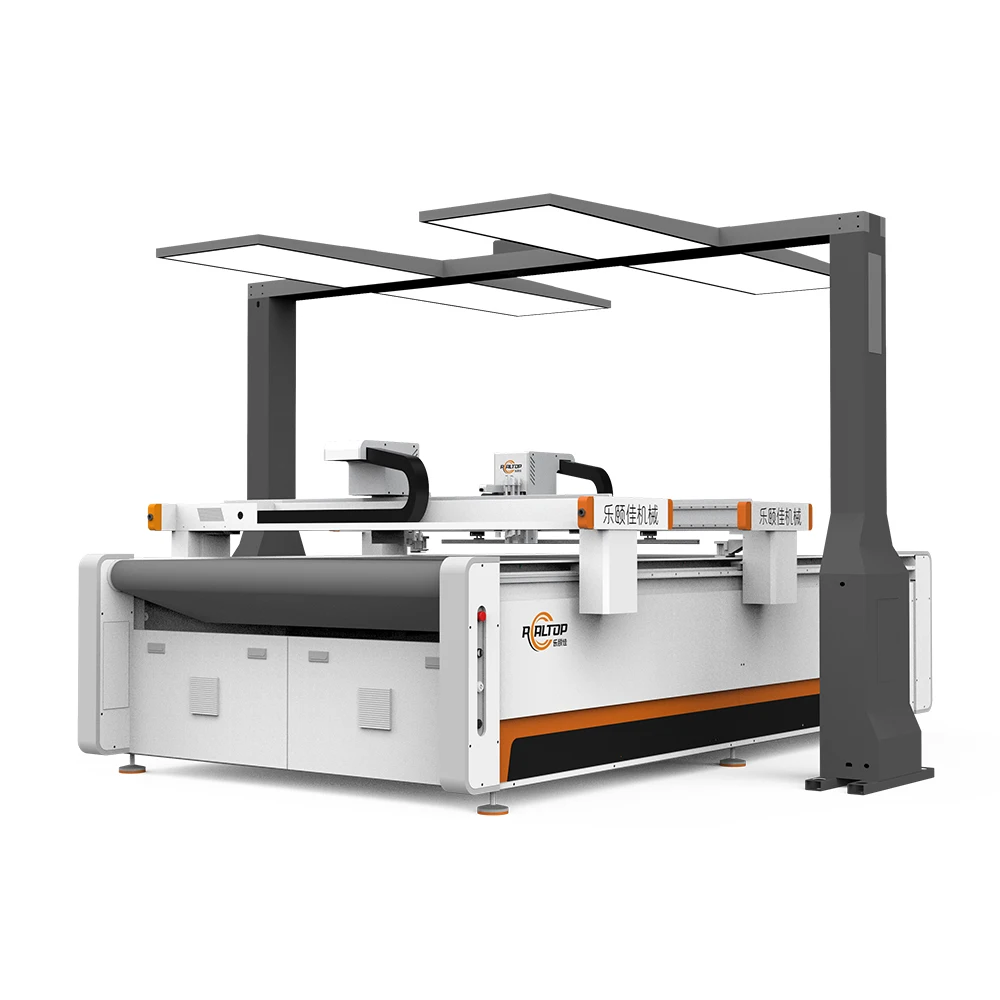
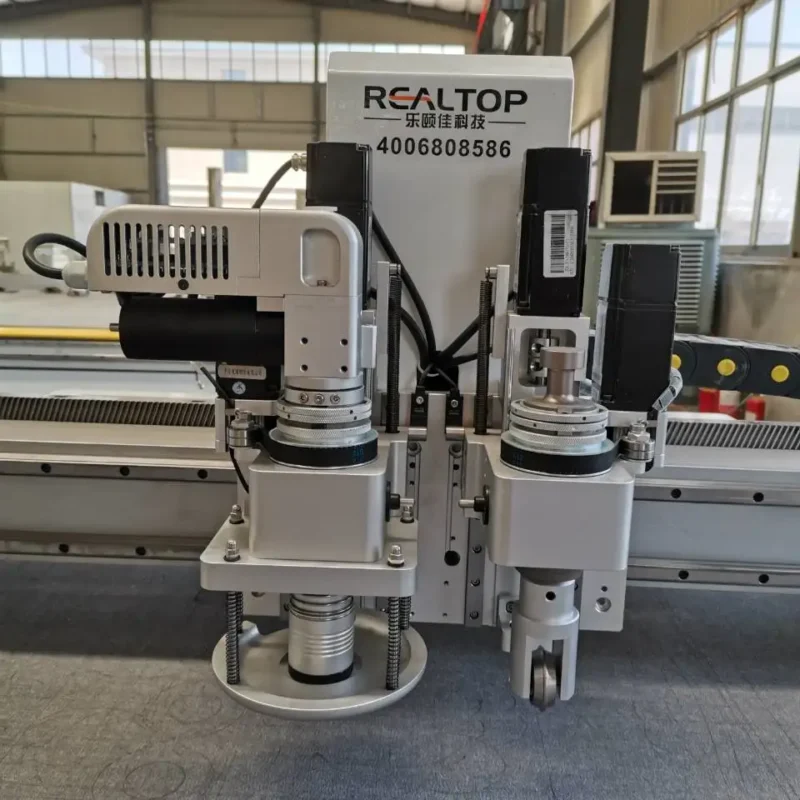
Tool Head Versatility — seven interchangeable cutting and creasing tools let one machine handle solid leather, composite-backed synthetics and printed textiles without forcing a single method across different materials.
Technical Specifications
| Parameter | Value |
|---|---|
| Model | 1625 |
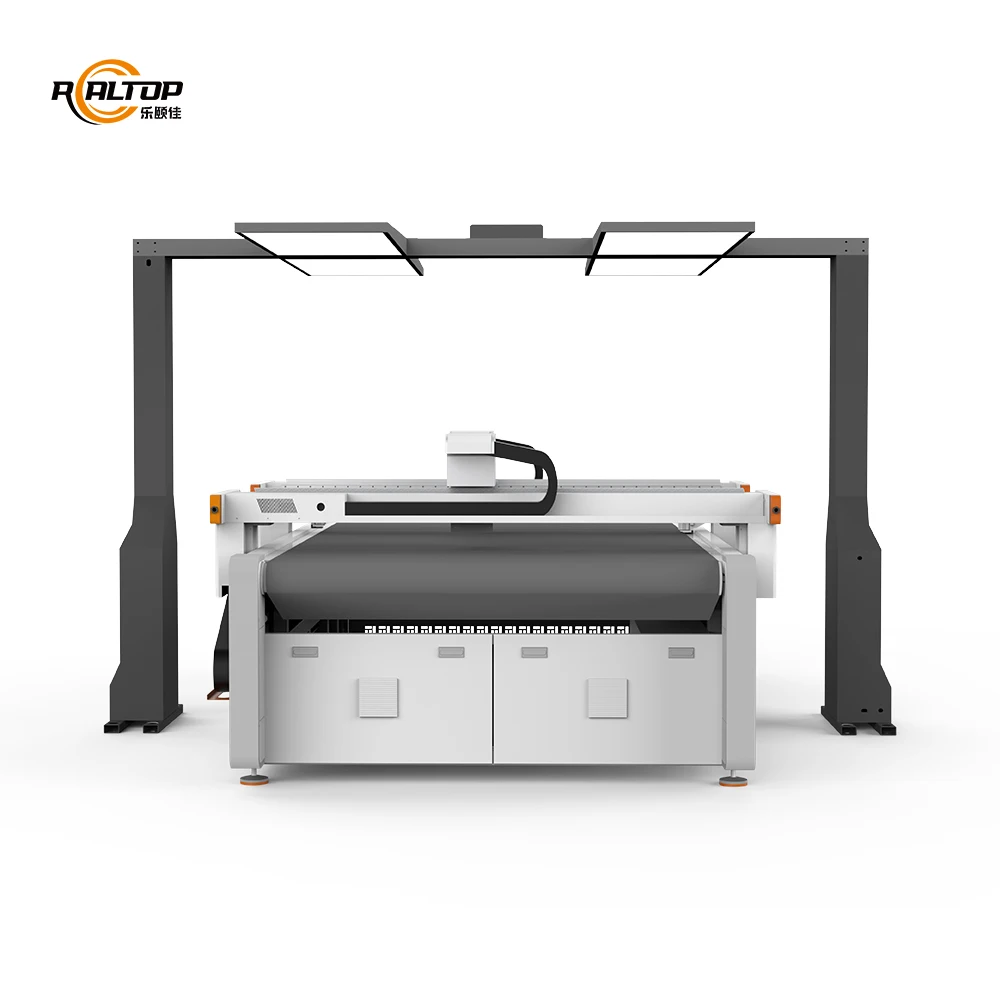
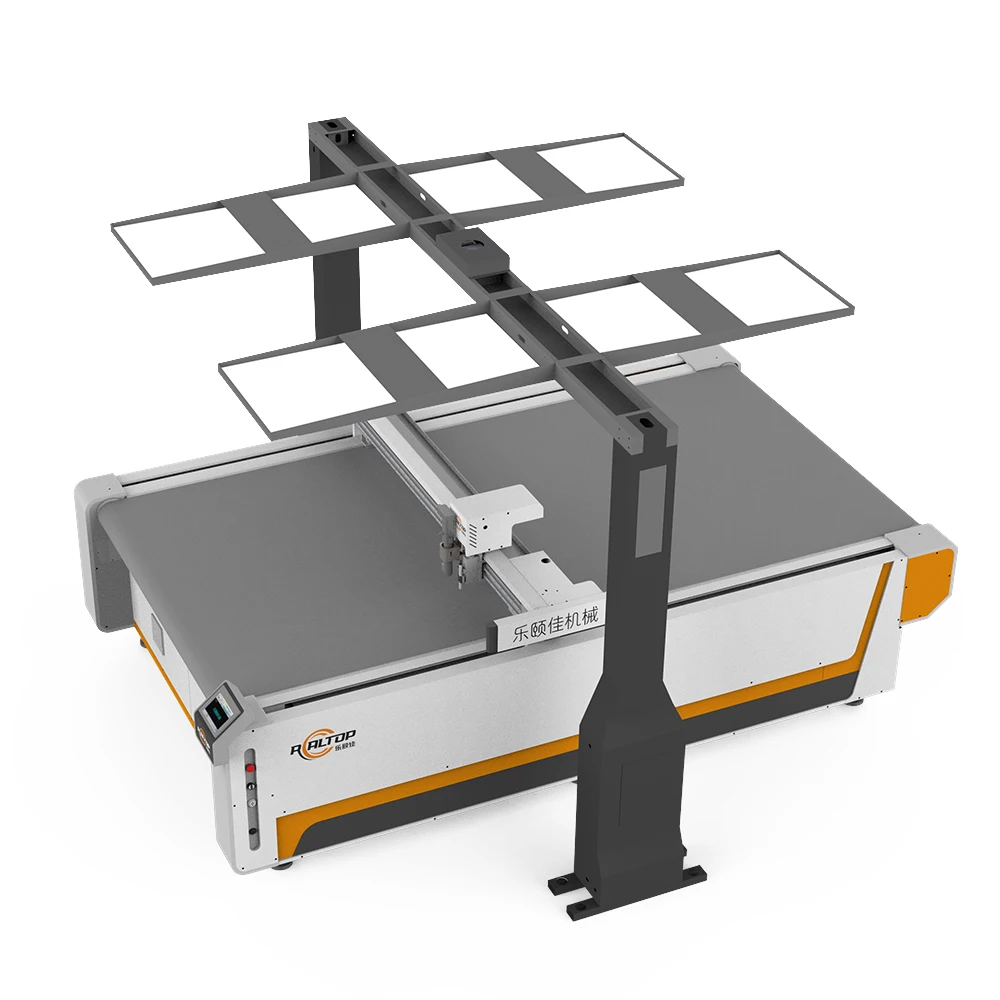
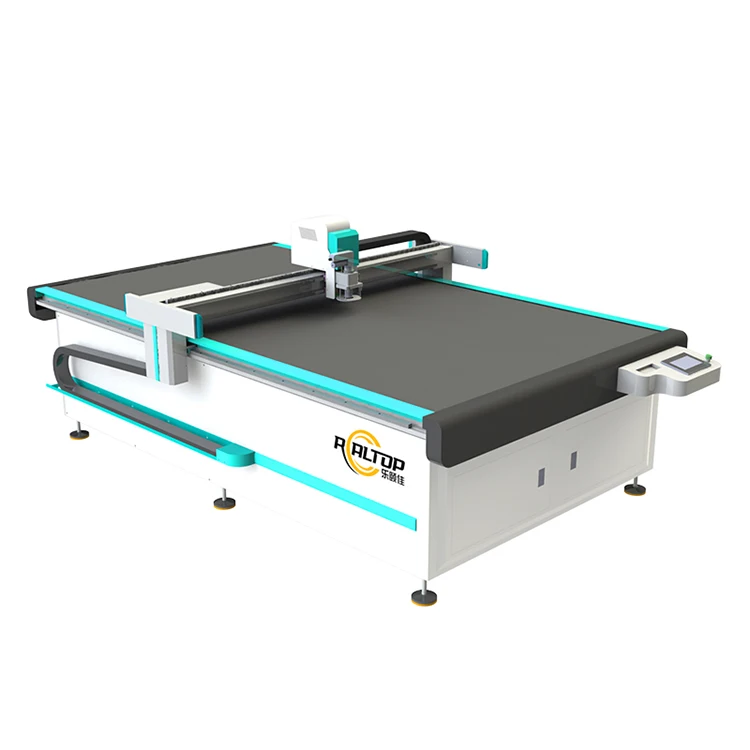
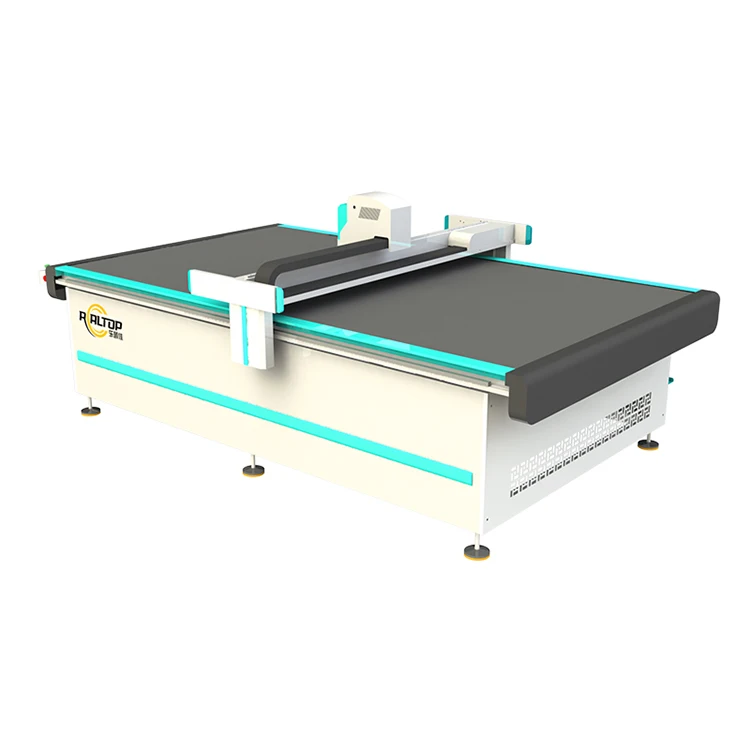
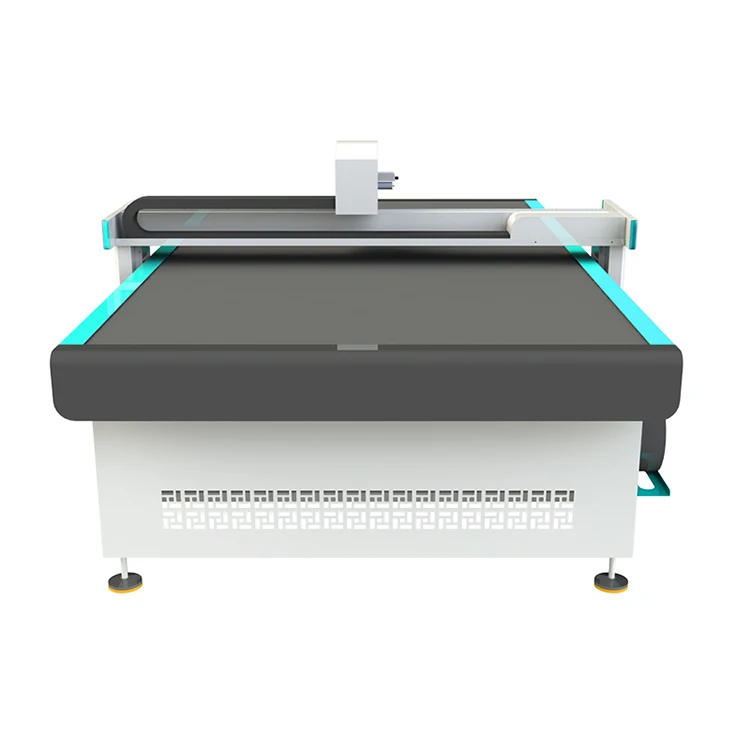
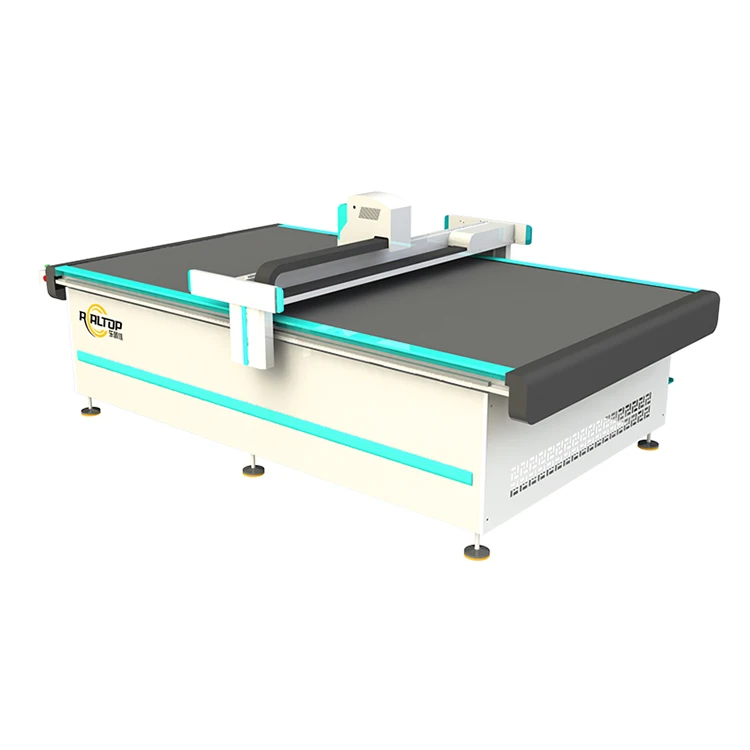
| Product Type | CNC Oscillating Knife Cutting Machine |
| Working Area | 1600×2500 mm |
| Tool Head Options | Oscillating knife, Driven rotary knife, Creasing wheel, Kiss cutting tool, Pneumatic knife, Milling tool, V groove knife |
| Cutting Speed | 0–2000 mm/s |
| Cutting Thickness | ≤ 30 mm (basis not stated in source — confirm material type and density) |
| Cutting Accuracy | ±0.1 mm |
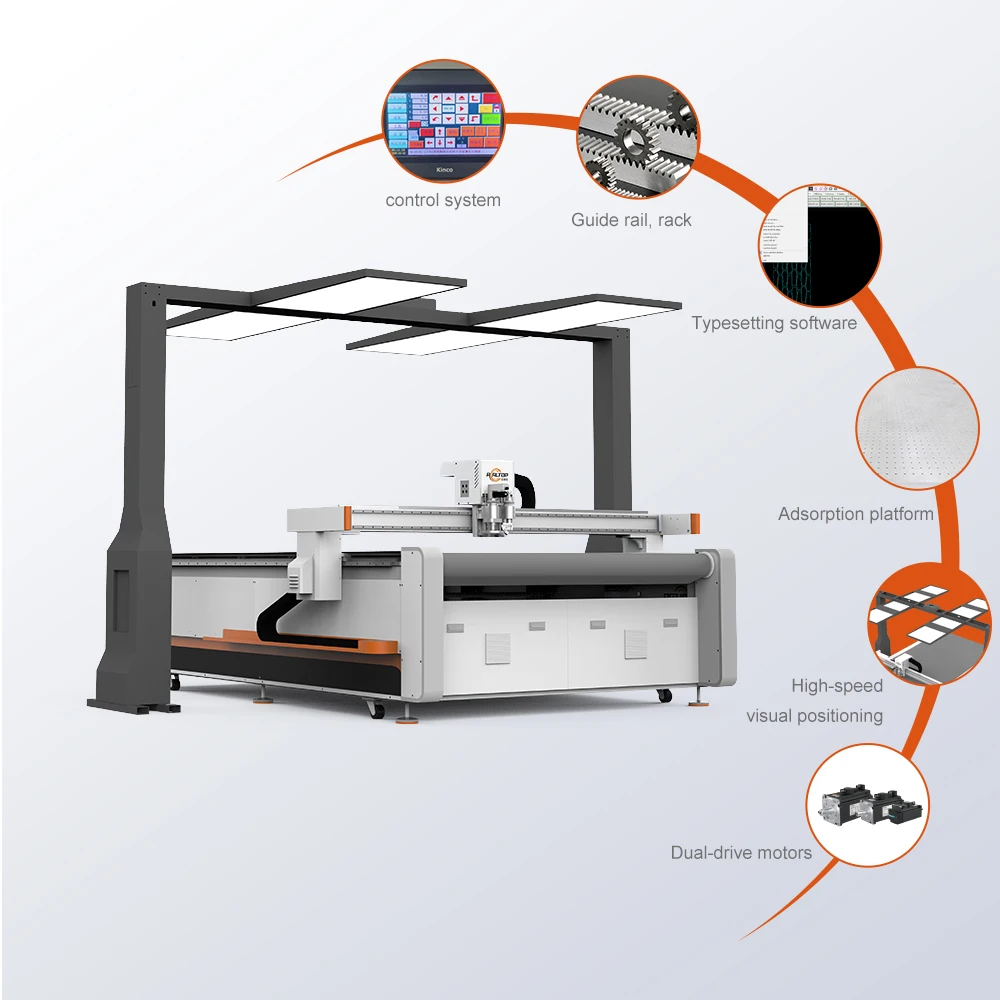
| Positioning System | CCD camera contour recognition |
| Vacuum Table | Aluminum bellows vacuum table |
| Vacuum Pump Power | 9 kW |
| Servo Motor Options | Panasonic, Delta, Dorna (rated or peak not specified in source) |
| Control System | PLC control panel with optional display languages |
| Software File Formats | PLT, DXF, AI, PDF |
| Voltage Options | 110V, 220V, 380V (frequency not specified in source) |
| Language Options | English, Russian, Italian, Chinese (special languages customizable) |
| Safety Devices | Infrared sensor device, emergency stop |
| Machine Size | 3300×2100×1350 mm |
| Certification | CE |
Application Suitability
| Application | Material or Output |
|---|---|
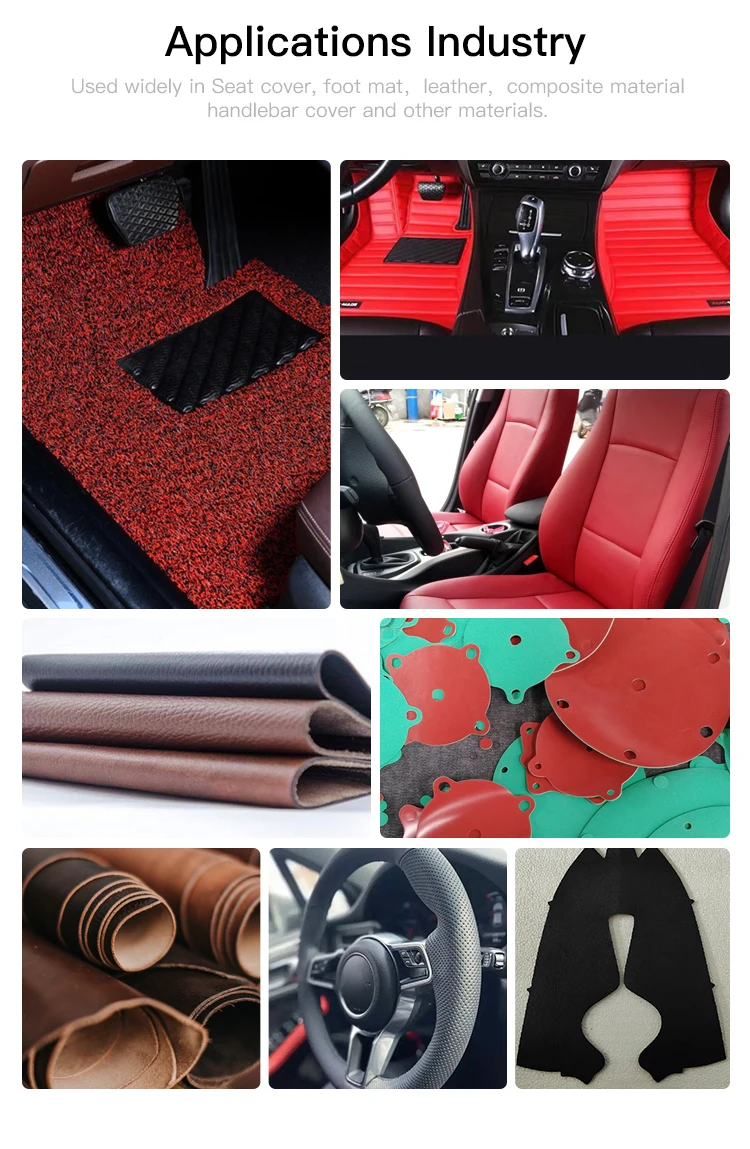
| Footwear production | Shoe uppers from genuine leather, PU leather and synthetic suede |
| Bag and leather goods manufacturing | Full-grain hides, split leather, bonded leather sheets |
| Automotive interior trimming | Car mats, seat covers and composite-backed leatherette panels |
| Garment pattern cutting | Apparel fabrics, sofa textiles, printed and patterned rolls |
| Advertising and signage | Foam boards, adhesive stickers, vehicle wraps, PVC and acrylic sheets |
| Packaging sample making | Gift boxes, corrugated cartons, folding carton stock |
| Home furnishing components | Soft furniture upholstery, lampshade materials, home composite panels |
| Industrial flexible materials | EPE foam, insulating materials, gasket and composite sheets |
Why the Wrong Tool Head Ruins the Edge Before You Notice
A leather cutting setup specified only by working area and cutting speed often fails at the edge. The tool head must match the exact material construction — not just the generic material name.
I saw this firsthand when an automotive interior client ordered a machine configured for genuine leather. Their actual material turned out to be a mesh-backed composite synthetic. The oscillating knife pulled the mesh layer apart, leaving ragged edges that made every piece unusable. Swapping to a driven rotary knife and adjusting the vacuum zoning fixed the problem, but only after an entire batch was scrapped. A CNC oscillating knife cutting machine manufacturer that does not ask for your material sample before quoting is guessing at your tool head. [NEED_CITE: material composition variation in automotive leatherette specifications]
Seven Tool Heads for Seven Different Cutting Problems
The 1625 platform carries an interchangeable tool head system that covers oscillating knife, driven rotary knife, creasing wheel, kiss cutting, pneumatic knife, milling and V-groove operations. For solid leather uppers, the oscillating knife delivers clean through-cuts at high speed. For mesh-backed composites, the driven rotary knife shears without delaminating. Creasing wheels score fold lines on packaging stock, and the kiss cutting tool slices the top layer of adhesive-backed vinyls without penetrating the release liner. This range means a single CNC oscillating knife cutting machine can serve a workshop that cuts both leather goods and printed signage materials on the same shift.
CCD Camera Positioning for Printed and Natural Contours
Natural leather hides have irregular shapes and grain defects that a standard nesting program cannot read. The integrated CCD camera scans printed fiducial marks on pre-printed textiles and also recognizes the contour of irregularly shaped hides, allowing the software to position cut paths around natural flaws. For producers cutting printed leatherette or contour-printed fabric for automotive seat covers, this recognition keeps pattern alignment tight across production runs [NEED_CITE: printed contour recognition accuracy requirements in leather goods manufacturing]. The camera feeds positional data to the PLC control system, which adjusts the cut path in real time without operator intervention.
Reading the Specs That Matter on the Shop Floor
The 1600×2500 mm working area accommodates standard leather hide dimensions and large textile rolls without repositioning. Cutting accuracy of ±0.1 mm matters when nesting shoe upper patterns where a half-millimeter gap between pieces wastes hide area that could yield additional components. The 9 kW vacuum pump drives the aluminum bellows table, which uses a flat, sealed surface to hold material firmly — critical when cutting small leather pieces that tend to lift under knife pressure. Servo motor selection across Panasonic, Delta and Dorna allows buyers to match their service network and spare parts availability in the target market. Voltage configurability at 110V, 220V or 380V should be confirmed against the buyer’s local supply before the machine enters production, since rewiring a PLC panel after arrival is disruptive and costly. Software accepts PLT, DXF, AI and PDF files, covering the formats most pattern-making and CAD systems export directly [NEED_CITE: vector file format compatibility in CNC cutting workflows].
What Happens When Configuration Is an Afterthought
Choosing the tool head after the machine is built usually means running a compromise. A workshop cutting thin adhesive stickers with an oscillating knife designed for 20 mm foam will tear the material instead of kiss-cutting it. Insufficient vacuum zoning on a large table lets small leather parts shift mid-cut, producing pieces that miss tolerance. A control panel locked to a single language slows down operator training when the machine arrives in a multilingual production environment. These are not defects — they are specification mismatches that surface only once the first production run is underway [NEED_CITE: consequences of vacuum table zoning mismatches in die-less cutting].
Why Buyers Source This Platform Here
In-house design covers both oscillating knife and laser cutting technologies, so the cutting method matches the material rather than forcing one approach. Tool head and table configuration is specified per material sample and production volume, not quoted from a fixed catalogue page. The CCD camera positioning system is tested against the buyer’s actual printed marks before the machine ships, not promised in a brochure. Voltage, control language and plug type are confirmed during the order stage, eliminating post-arrival electrical rework. Every machine is available for sample cutting on the buyer’s own material before commitment, producing a physical report that shows edge quality and achievable accuracy on that specific stock.
Documentation & Verification
- Machine specification sheet listing confirmed tool head and vacuum table configuration for your material
- Sample cutting report produced on your own leather or textile stock before order commitment
- Electrical schematic with voltage and frequency confirmed against your facility supply
- Software licence note with PLT, DXF, AI, PDF file format compatibility verified
- Factory test record documenting cutting accuracy and speed on your specified material
- Operation and maintenance manual in your selected control language
Installation, Commissioning & Support
- Floor space allocation based on the 3300×2100 mm machine footprint plus operator clearance zones
- Dedicated power circuit matching the confirmed 110V, 220V or 380V supply with the 9 kW vacuum pump load
- Machine arrives fully assembled on the bellows table frame; electrical cabinet connects on site
- First-run calibration of CCD camera recognition and vacuum zoning against your actual production material
- Operator training on PLC control panel in confirmed language covering tool head changeover procedures
- Spare parts list provided at shipment covering oscillating knife blades, rotary knife consumables and vacuum seals
Before You Request a Quote
Send us your actual material — not just the name, but a physical sample or a detailed spec sheet covering thickness, backing construction and any printed registration marks. Tell us your daily cutting volume and the largest sheet or hide size you run. Confirm your local voltage and frequency, your preferred control language and the file formats your current nesting software exports. If you need a sample cut before committing, ship a roll or hide and we will return cut pieces with a written report.
Frequently Asked Questions
Q: How do I choose between oscillating knife and driven rotary knife for my leather type?
A: Solid genuine leather and uniform PU synthetics typically cut well with the oscillating knife. Materials with woven or mesh backings, bonded layers or adhesive laminates usually need the driven rotary knife to prevent delamination. Send a sample and we test both tool heads, then report edge quality on your exact stock.
Q: What printed mark quality does the CCD camera reliably track at production speed?
A: The camera reads high-contrast fiducial marks printed at standard sizes. Faded marks, low-contrast ink on dark material or marks smaller than the minimum recognition area can cause tracking errors. We verify recognition on your printed material during the sample cutting stage before confirming the configuration.
Q: Will small leather parts stay flat on the vacuum table during cutting?
A: The aluminum bellows table provides strong hold-down, but small parts can still lift if vacuum zoning is not matched to the piece layout. We configure the vacuum zone arrangement based on your typical nesting pattern and verify hold-down performance during the factory test on your material.
Q: Can voltage, plug type and control language be set before the machine ships?
A: Yes. Voltage is configurable across 110V, 220V and 380V, and plug type is matched to your market. The PLC control panel language is set to your choice from English, Russian, Italian, Chinese or a custom language. All three are confirmed at order stage, not adjusted after arrival.
Q: How does the sample cutting process work before I place an order?
A: You ship a roll, hide or sheet of your production material to our facility. We configure the tool head and table settings, run your file, and return the cut pieces along with a written report covering edge quality, accuracy achieved and recommended configuration for your volume.
Tool Head Versatility — seven interchangeable cutting and creasing tools let one machine handle solid leather, composite-backed synthetics and printed textiles without forcing a single method across different materials.
Technical Specifications
| Parameter | Value |
|---|---|
| Model | 1625 |
| Product Type | CNC Oscillating Knife Cutting Machine |
| Working Area | 1600×2500 mm |
| Tool Head Options | Oscillating knife, Driven rotary knife, Creasing wheel, Kiss cutting tool, Pneumatic knife, Milling tool, V groove knife |
| Cutting Speed | 0–2000 mm/s |
| Cutting Thickness | ≤ 30 mm (basis not stated in source — confirm material type and density) |
| Cutting Accuracy | ±0.1 mm |
| Positioning System | CCD camera contour recognition |
| Vacuum Table | Aluminum bellows vacuum table |
| Vacuum Pump Power | 9 kW |
| Servo Motor Options | Panasonic, Delta, Dorna (rated or peak not specified in source) |
| Control System | PLC control panel with optional display languages |
| Software File Formats | PLT, DXF, AI, PDF |
| Voltage Options | 110V, 220V, 380V (frequency not specified in source) |
| Language Options | English, Russian, Italian, Chinese (special languages customizable) |
| Safety Devices | Infrared sensor device, emergency stop |
| Machine Size | 3300×2100×1350 mm |
| Certification | CE |
Application Suitability
| Application | Material or Output |
|---|---|
| Footwear production | Shoe uppers from genuine leather, PU leather and synthetic suede |
| Bag and leather goods manufacturing | Full-grain hides, split leather, bonded leather sheets |
| Automotive interior trimming | Car mats, seat covers and composite-backed leatherette panels |
| Garment pattern cutting | Apparel fabrics, sofa textiles, printed and patterned rolls |
| Advertising and signage | Foam boards, adhesive stickers, vehicle wraps, PVC and acrylic sheets |
| Packaging sample making | Gift boxes, corrugated cartons, folding carton stock |
| Home furnishing components | Soft furniture upholstery, lampshade materials, home composite panels |
| Industrial flexible materials | EPE foam, insulating materials, gasket and composite sheets |
Why the Wrong Tool Head Ruins the Edge Before You Notice
A leather cutting setup specified only by working area and cutting speed often fails at the edge. The tool head must match the exact material construction — not just the generic material name.
I saw this firsthand when an automotive interior client ordered a machine configured for genuine leather. Their actual material turned out to be a mesh-backed composite synthetic. The oscillating knife pulled the mesh layer apart, leaving ragged edges that made every piece unusable. Swapping to a driven rotary knife and adjusting the vacuum zoning fixed the problem, but only after an entire batch was scrapped. A CNC oscillating knife cutting machine manufacturer that does not ask for your material sample before quoting is guessing at your tool head. [NEED_CITE: material composition variation in automotive leatherette specifications]
Seven Tool Heads for Seven Different Cutting Problems
The 1625 platform carries an interchangeable tool head system that covers oscillating knife, driven rotary knife, creasing wheel, kiss cutting, pneumatic knife, milling and V-groove operations. For solid leather uppers, the oscillating knife delivers clean through-cuts at high speed. For mesh-backed composites, the driven rotary knife shears without delaminating. Creasing wheels score fold lines on packaging stock, and the kiss cutting tool slices the top layer of adhesive-backed vinyls without penetrating the release liner. This range means a single CNC oscillating knife cutting machine can serve a workshop that cuts both leather goods and printed signage materials on the same shift.
CCD Camera Positioning for Printed and Natural Contours
Natural leather hides have irregular shapes and grain defects that a standard nesting program cannot read. The integrated CCD camera scans printed fiducial marks on pre-printed textiles and also recognizes the contour of irregularly shaped hides, allowing the software to position cut paths around natural flaws. For producers cutting printed leatherette or contour-printed fabric for automotive seat covers, this recognition keeps pattern alignment tight across production runs [NEED_CITE: printed contour recognition accuracy requirements in leather goods manufacturing]. The camera feeds positional data to the PLC control system, which adjusts the cut path in real time without operator intervention.
Reading the Specs That Matter on the Shop Floor
The 1600×2500 mm working area accommodates standard leather hide dimensions and large textile rolls without repositioning. Cutting accuracy of ±0.1 mm matters when nesting shoe upper patterns where a half-millimeter gap between pieces wastes hide area that could yield additional components. The 9 kW vacuum pump drives the aluminum bellows table, which uses a flat, sealed surface to hold material firmly — critical when cutting small leather pieces that tend to lift under knife pressure. Servo motor selection across Panasonic, Delta and Dorna allows buyers to match their service network and spare parts availability in the target market. Voltage configurability at 110V, 220V or 380V should be confirmed against the buyer’s local supply before the machine enters production, since rewiring a PLC panel after arrival is disruptive and costly. Software accepts PLT, DXF, AI and PDF files, covering the formats most pattern-making and CAD systems export directly [NEED_CITE: vector file format compatibility in CNC cutting workflows].
What Happens When Configuration Is an Afterthought
Choosing the tool head after the machine is built usually means running a compromise. A workshop cutting thin adhesive stickers with an oscillating knife designed for 20 mm foam will tear the material instead of kiss-cutting it. Insufficient vacuum zoning on a large table lets small leather parts shift mid-cut, producing pieces that miss tolerance. A control panel locked to a single language slows down operator training when the machine arrives in a multilingual production environment. These are not defects — they are specification mismatches that surface only once the first production run is underway [NEED_CITE: consequences of vacuum table zoning mismatches in die-less cutting].
Why Buyers Source This Platform Here
In-house design covers both oscillating knife and laser cutting technologies, so the cutting method matches the material rather than forcing one approach. Tool head and table configuration is specified per material sample and production volume, not quoted from a fixed catalogue page. The CCD camera positioning system is tested against the buyer’s actual printed marks before the machine ships, not promised in a brochure. Voltage, control language and plug type are confirmed during the order stage, eliminating post-arrival electrical rework. Every machine is available for sample cutting on the buyer’s own material before commitment, producing a physical report that shows edge quality and achievable accuracy on that specific stock.
Documentation & Verification
- Machine specification sheet listing confirmed tool head and vacuum table configuration for your material
- Sample cutting report produced on your own leather or textile stock before order commitment
- Electrical schematic with voltage and frequency confirmed against your facility supply
- Software licence note with PLT, DXF, AI, PDF file format compatibility verified
- Factory test record documenting cutting accuracy and speed on your specified material
- Operation and maintenance manual in your selected control language
Installation, Commissioning & Support
- Floor space allocation based on the 3300×2100 mm machine footprint plus operator clearance zones
- Dedicated power circuit matching the confirmed 110V, 220V or 380V supply with the 9 kW vacuum pump load
- Machine arrives fully assembled on the bellows table frame; electrical cabinet connects on site
- First-run calibration of CCD camera recognition and vacuum zoning against your actual production material
- Operator training on PLC control panel in confirmed language covering tool head changeover procedures
- Spare parts list provided at shipment covering oscillating knife blades, rotary knife consumables and vacuum seals
Before You Request a Quote
Send us your actual material — not just the name, but a physical sample or a detailed spec sheet covering thickness, backing construction and any printed registration marks. Tell us your daily cutting volume and the largest sheet or hide size you run. Confirm your local voltage and frequency, your preferred control language and the file formats your current nesting software exports. If you need a sample cut before committing, ship a roll or hide and we will return cut pieces with a written report.
Frequently Asked Questions
Q: How do I choose between oscillating knife and driven rotary knife for my leather type?
A: Solid genuine leather and uniform PU synthetics typically cut well with the oscillating knife. Materials with woven or mesh backings, bonded layers or adhesive laminates usually need the driven rotary knife to prevent delamination. Send a sample and we test both tool heads, then report edge quality on your exact stock.
Q: What printed mark quality does the CCD camera reliably track at production speed?
A: The camera reads high-contrast fiducial marks printed at standard sizes. Faded marks, low-contrast ink on dark material or marks smaller than the minimum recognition area can cause tracking errors. We verify recognition on your printed material during the sample cutting stage before confirming the configuration.
Q: Will small leather parts stay flat on the vacuum table during cutting?
A: The aluminum bellows table provides strong hold-down, but small parts can still lift if vacuum zoning is not matched to the piece layout. We configure the vacuum zone arrangement based on your typical nesting pattern and verify hold-down performance during the factory test on your material.
Q: Can voltage, plug type and control language be set before the machine ships?
A: Yes. Voltage is configurable across 110V, 220V and 380V, and plug type is matched to your market. The PLC control panel language is set to your choice from English, Russian, Italian, Chinese or a custom language. All three are confirmed at order stage, not adjusted after arrival.
Q: How does the sample cutting process work before I place an order?
A: You ship a roll, hide or sheet of your production material to our facility. We configure the tool head and table settings, run your file, and return the cut pieces along with a written report covering edge quality, accuracy achieved and recommended configuration for your volume.
商品评价
There are no reviews yet.