

Fast Delivery
Quick, reliable shipping to any location.

Free & easy returns
Return this item by mail or in store within 90 days for a full refund.
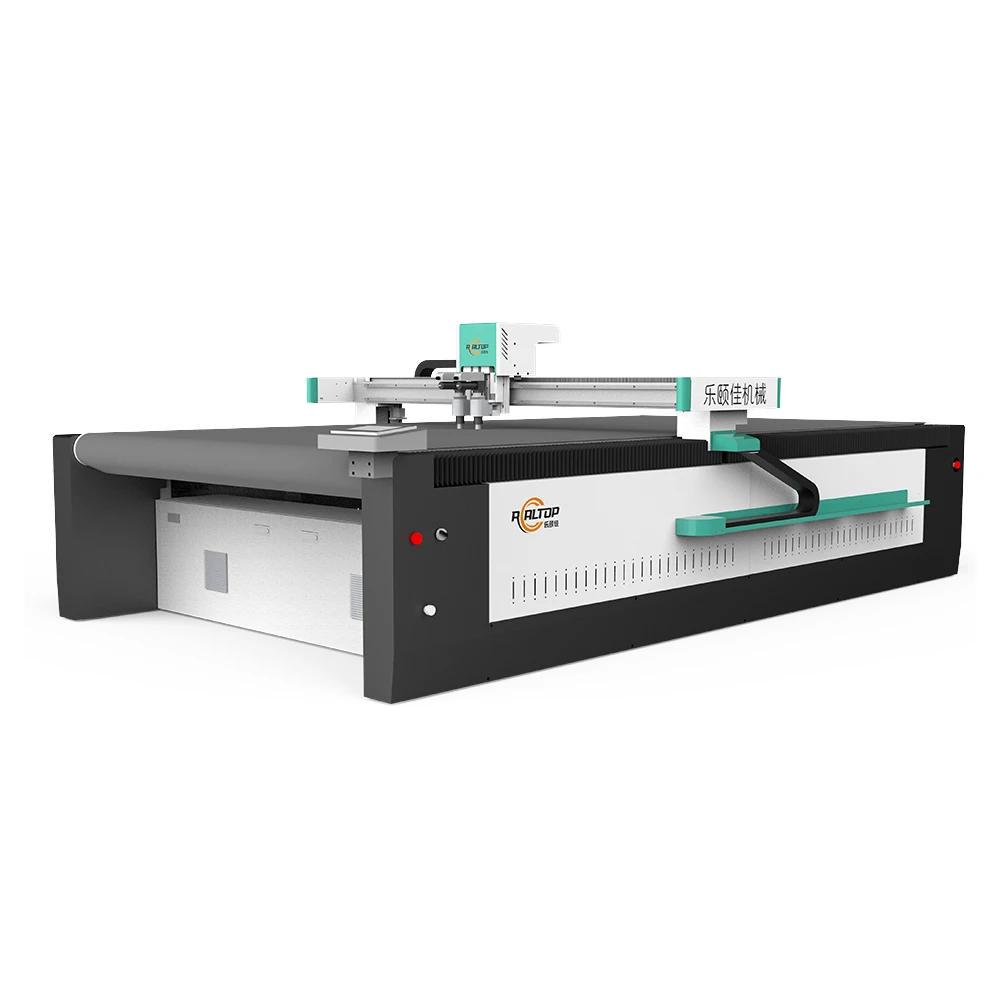
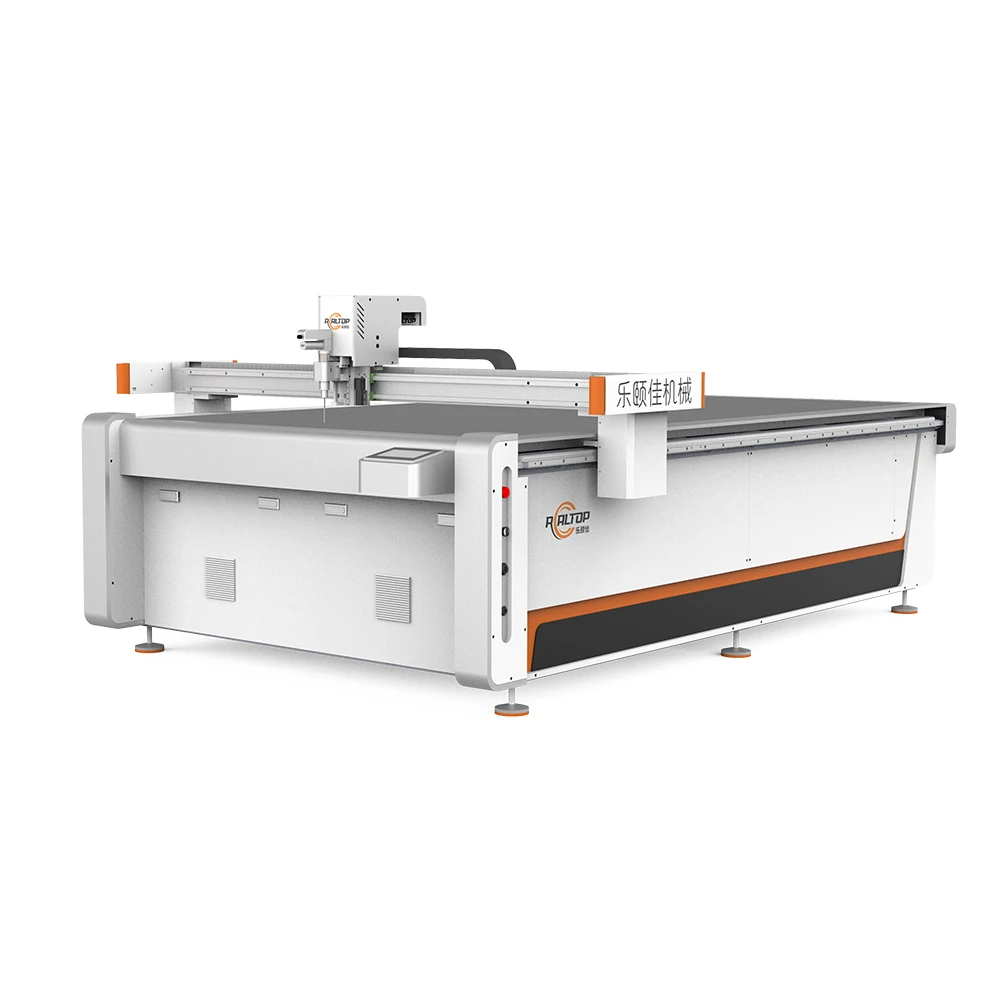
Configuration-Matched Cutting — tool head, table and software specified to your composite material, thickness and daily volume before any 1625 model is quoted.
Technical Specifications
| Parameter | Value |
|---|---|
| Model | 1625 |
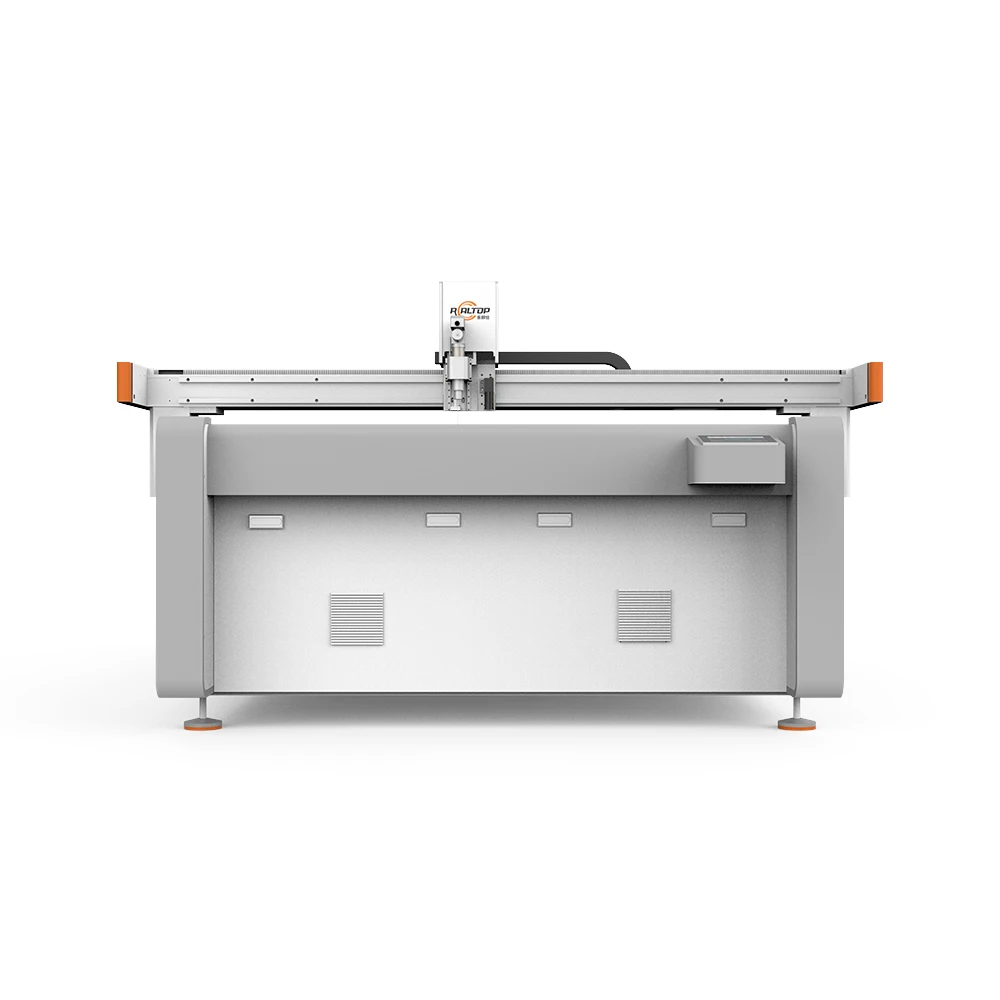
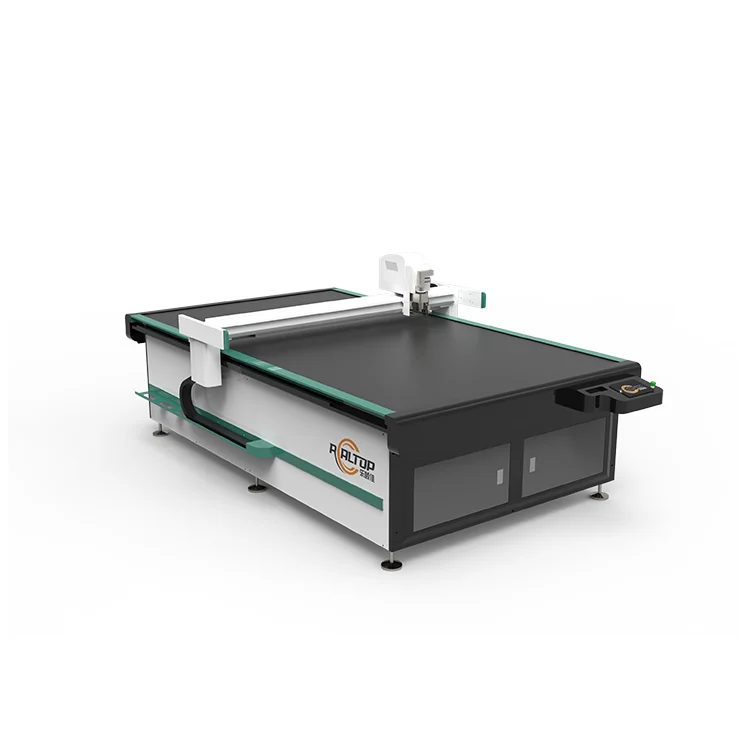
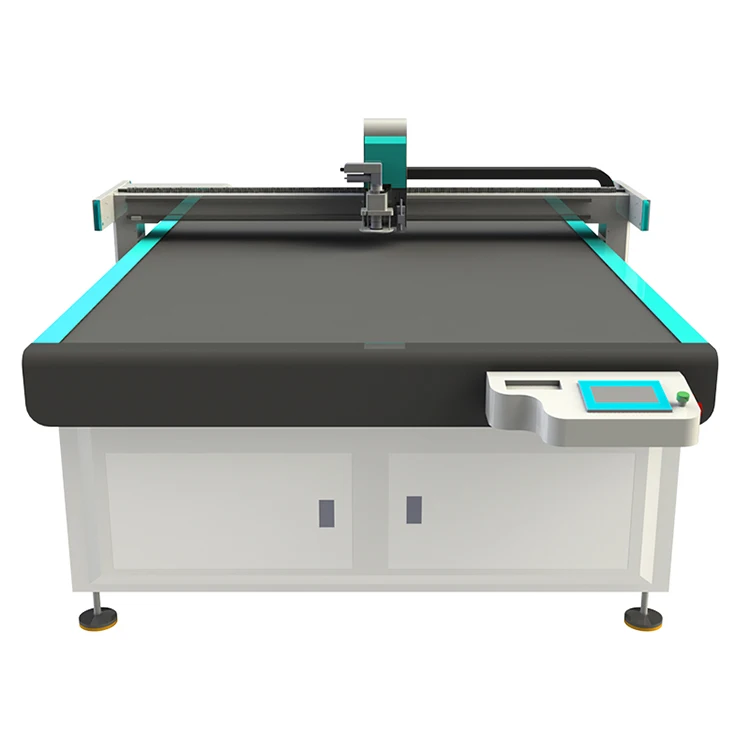
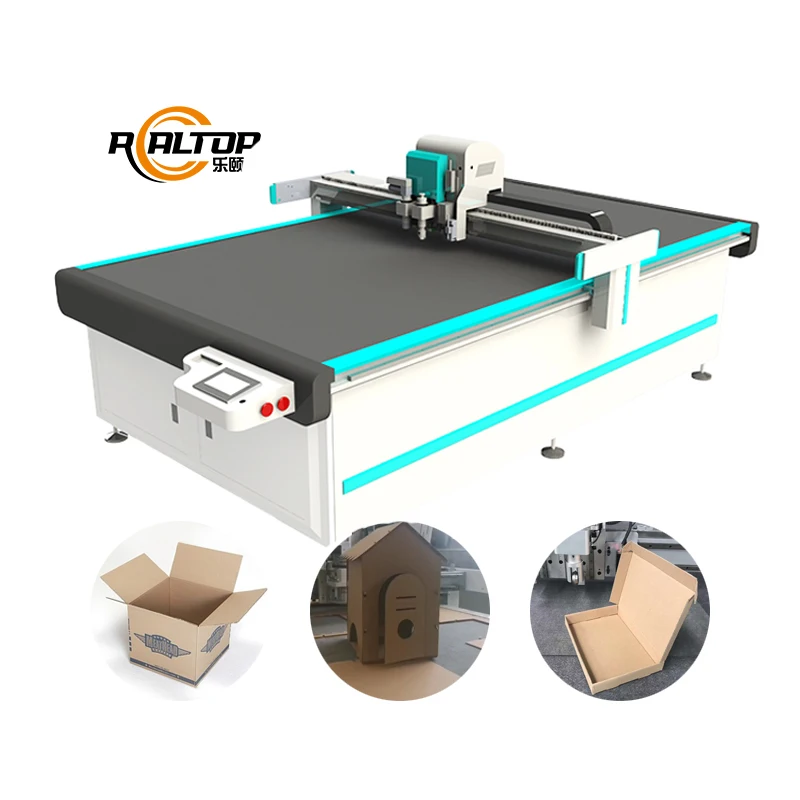
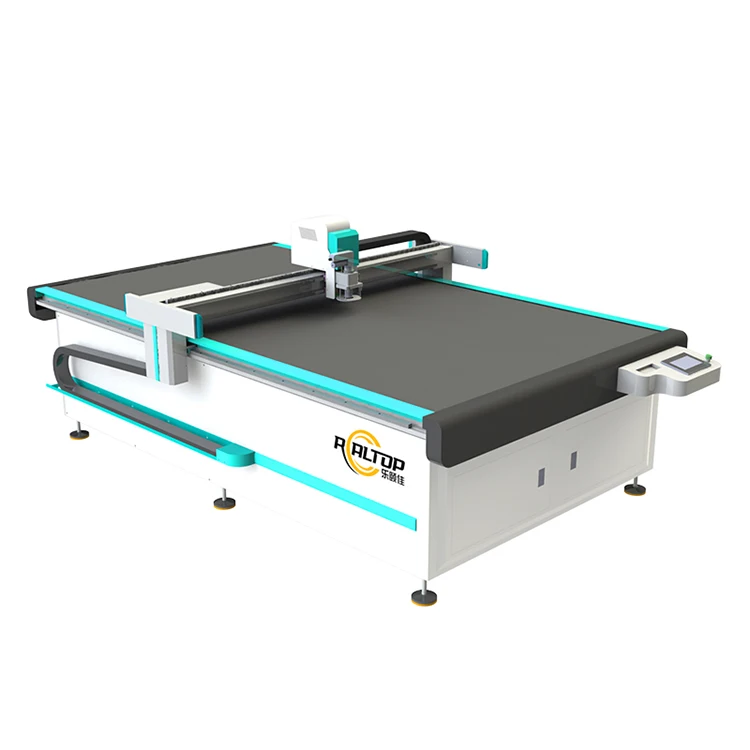
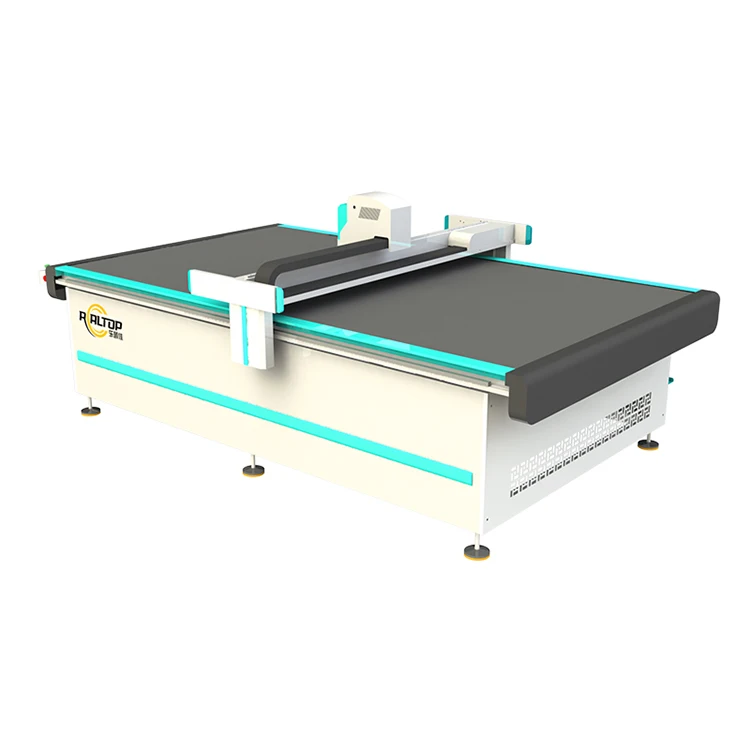
| Product Type | CNC Oscillating Knife Cutting Machine |
| Working Area | 1600 × 2500 mm |
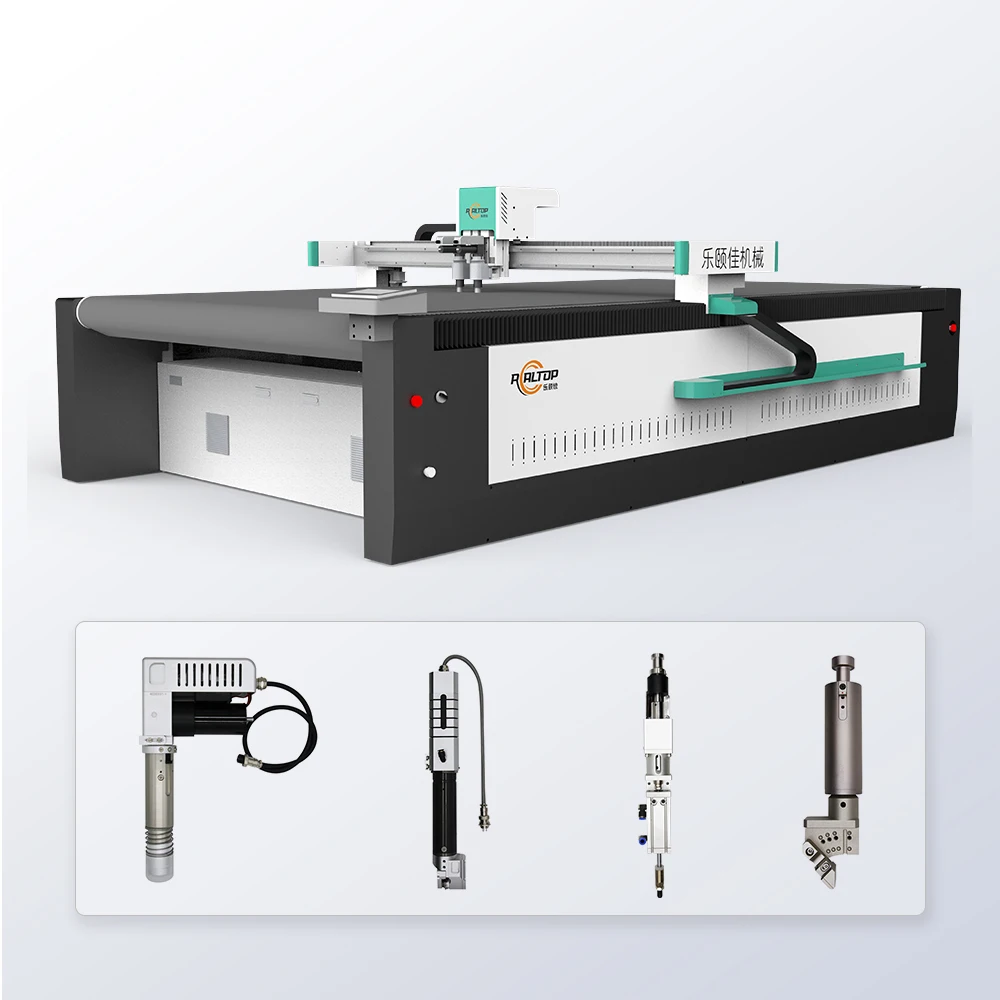
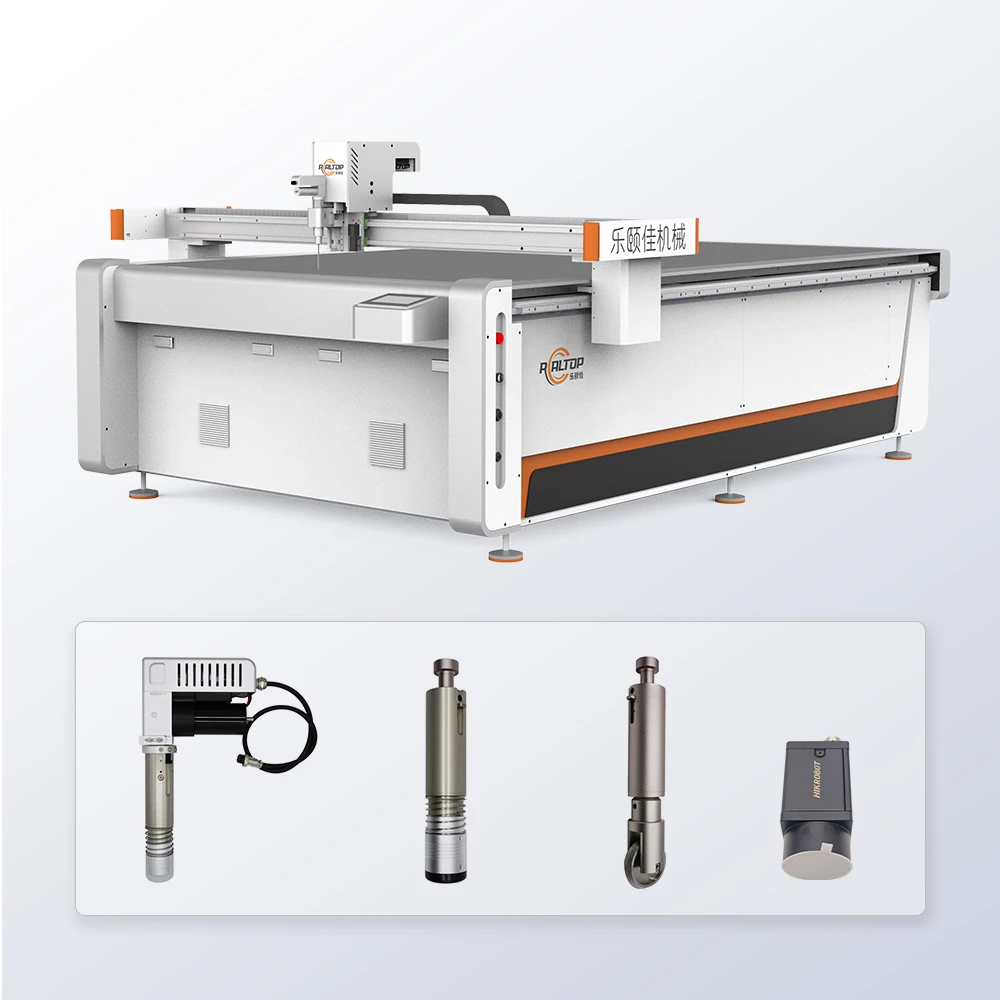
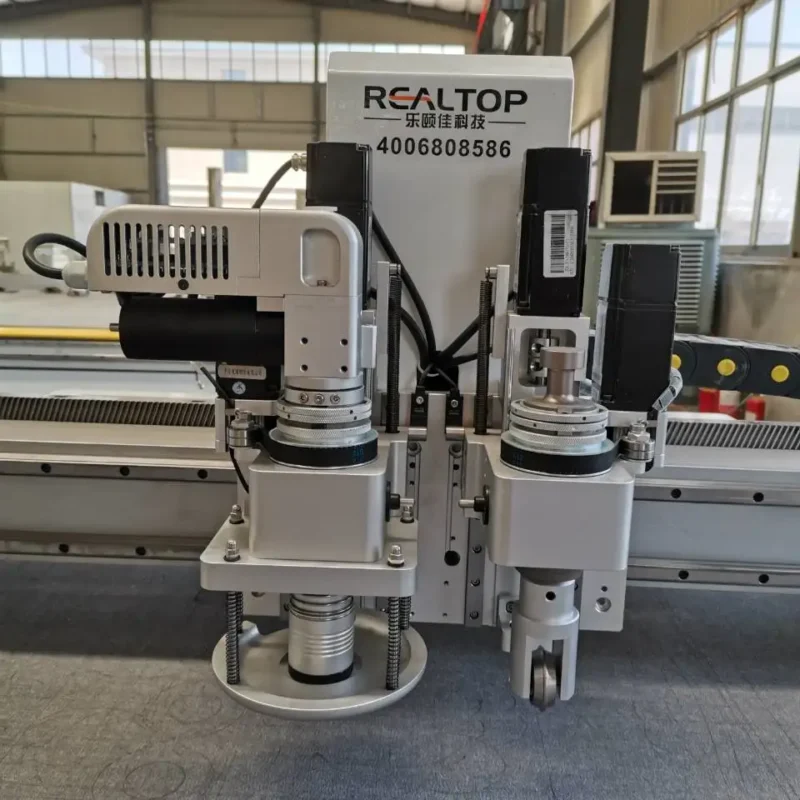
| Tool Head Options | Oscillating knife, Driven rotary knife, Creasing wheel, Kiss cutting tool, Pneumatic knife, Milling tool, V-groove knife |
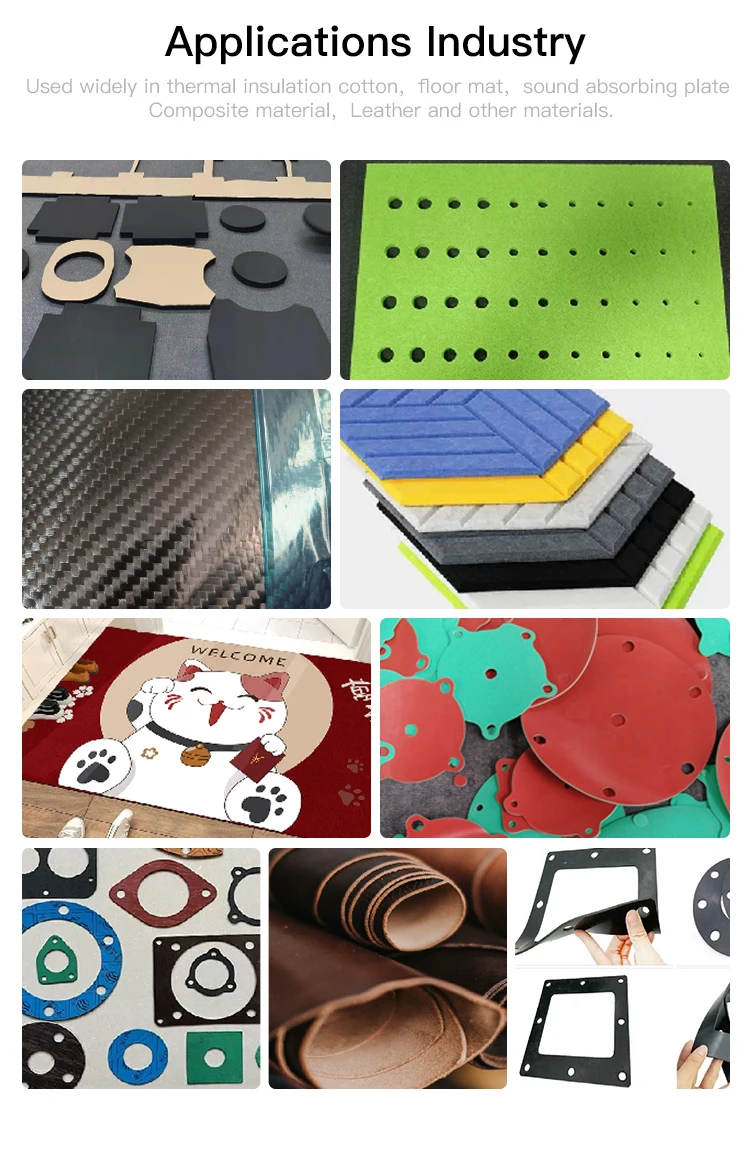
| Applicable Materials | Carbon fiber prepreg, Aramid honeycomb, Fiberglass cloth, Ceramic fiber blankets, Composite panels, Fabric, PVC, EVA, Foam, PTFE, Rubber |
| Cutting Speed | 0 – 2000 mm/s |
| Cutting Thickness | ≤ 30 mm |
| Positioning Accuracy | ±0.1 mm |
| Vacuum Pump Power | 9 kW |
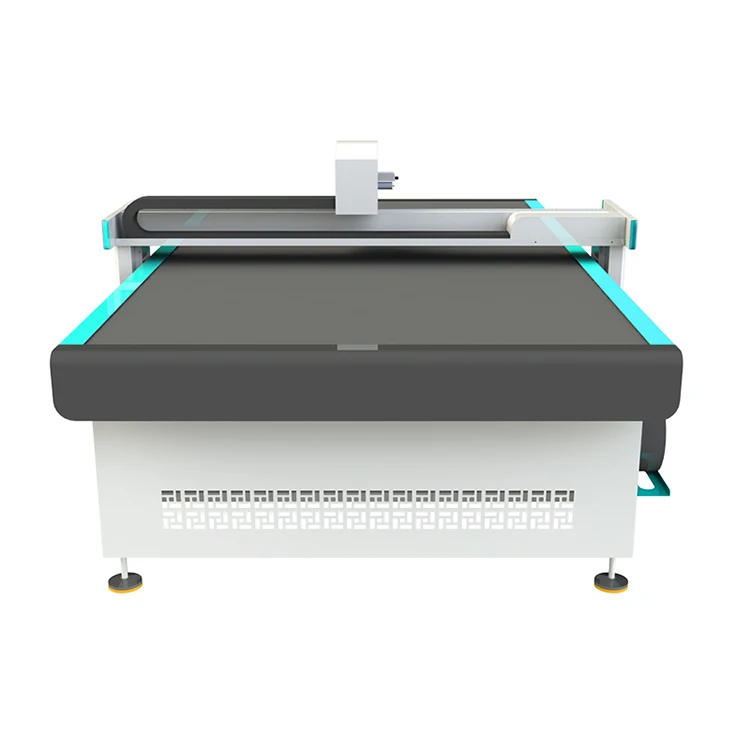
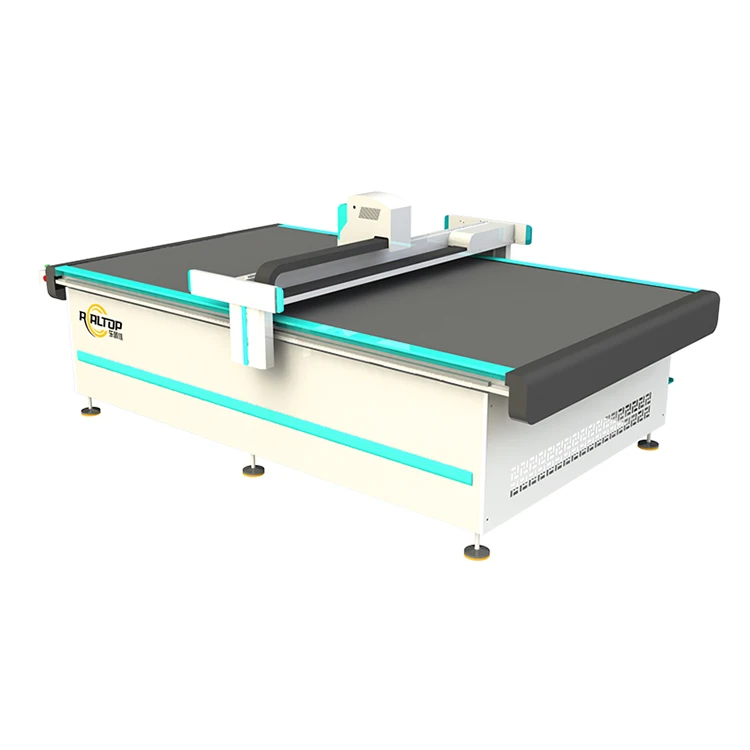
| Table Type | Aluminum bellows vacuum table |
| Control System | PLC control panel with intuitive interface |
| File Formats Supported | PLT, DXF, AI, PDF |
| Voltage Options | 110V, 220V, 380V |
| Language Options | English, Russian, Italian, Chinese (special languages customizable) |
| Safety Devices | Infrared sensor device and emergency stop device |
| Machine Dimensions (L×W×H) | 3300 × 2100 × 1350 mm |
Application Suitability
| Application | Material or Output |
|---|---|
| Aerospace composite layup | Carbon fiber prepreg, aramid honeycomb core, fiberglass cloth |
| Automotive interior and insulation | Sound-deadening foam, thermal insulation pads, gasket sheets |
| Wind turbine blade manufacturing | Infusion mesh, PET and PVC foam core material preforms |
| Sporting goods prototyping | Carbon fiber sheets, Kevlar fabric, high-performance foam |
| Industrial gasket and seal production | PTFE, rubber, ceramic fiber blankets, compressed non-asbestos |
Why "30 mm Cutting Depth" Means Nothing Without Your Material in the Machine
Cutting depth ratings are measured on reference stock, not on the abrasive, layered composite you actually run.
I learned this the hard way. A German buyer once ordered an oscillating knife cutter for what we assumed was standard EVA acoustic foam. The sample cuts on our bench material were clean. When the machine arrived at their facility and they loaded high-density polyester fiber wool, the blade could not hold an edge through the full depth and the cut face came out fibrous and torn. We had to re-tune every parameter remotely and ship a different blade geometry. That is why I now refuse to sign off on any CNC Oscillating Knife Cutting Machine for sale without first running the buyer’s actual material on our sample table. [NEED_CITE: material density variation in composite cutting]
The lesson applies across composites: a carbon fiber prepreg behaves nothing like aramid honeycomb, and ceramic fiber blanket dulls blades at a rate that standard foam never will. Thickness alone tells you nothing about blade wear, edge quality or the vacuum hold-down force you will need.
Matching the Blade to the Composite Layup
Selecting the right tool head on the 1625 is the single most consequential decision in the order. The oscillating knife handles flexible and semi-rigid sheets cleanly, while the driven rotary knife suits woven fabrics that would otherwise fray at the edge. For carbon fiber prepreg and fiberglass cloth, a high-frequency oscillating blade combined with sharp-angle geometry keeps delamination off the cut face. Milling and V-groove tools come into play when the job calls for chamfered edges on rigid composite panels. A CNC Oscillating Knife Cutting Machine for sale that ships with only one tool head will force compromises on shops running multiple composite families.
Vacuum Zoning and Full-Surface Hold-Down
Flexible composite media like infusion mesh and thin prepreg lift easily under the knife, producing dimensional drift that ruins nesting yield. The aluminum bellows vacuum table on the 1625 provides full-surface adsorption across the 1600 × 2500 mm bed, and the 9 kW vacuum pump maintains consistent negative pressure even when cutting porous fabrics. For small gasket parts, proper zone segmentation prevents the vacuum from bleeding through unused areas and losing grip on the workpiece. [NEED_CITE: vacuum table zoning standards in flatbed cutting]
Reading the Specs Against Real Production Needs
The ±0.1 mm positioning accuracy matters most when cutting aerospace gaskets and automotive seals where stacked tolerances compound across an assembly. Cutting speed ranges from 0 to 2000 mm/s, but usable speed on composites is dictated by material abrasiveness and thickness — prepreg at 30 mm will run slower than 2 mm fiberglass cloth. The PLC control panel accepts PLT, DXF, AI and PDF files, which covers the workflow of most composite fabricators importing geometry from CAD. Voltage is configurable across 110V, 220V and 380V, a detail that must match the buyer’s facility supply before the machine leaves the factory. Language options include English, Russian, Italian and Chinese, with custom languages available for specific operator groups.
The Cost of Skipping the Sample Cut
When a composite fabricator skips sample testing and specifies only by working area and thickness, three failures tend to surface within the first week of production. Blade wear accelerates on abrasive media like ceramic fiber, forcing unplanned downtime for blade changes. Vacuum hold-down proves inadequate for small, intricate gasket shapes, and parts shift mid-cut. Software file import errors appear when the nesting workflow uses a format the PLC does not natively support. Every one of these issues is preventable with a documented sample cutting report on the buyer’s own stock. [NEED_CITE: unplanned downtime causes in CNC cutting operations]
Why Source This Machine Through the Full Catalogue
The catalogue approach means you are not locked into one cutting method. If your composite responds better to laser than to knife, the same source covers both, and the recommendation is made on material behavior rather than on whichever machine the salesperson wants to move. Tool head and table configurations are specified per your material data sheet, not pulled from a default list. Voltage, plug type and control language are confirmed in writing before production starts. Software file compatibility is verified during the sample phase, not discovered on the shop floor. The machine ships with a complete specification sheet, electrical schematic and factory test record so your engineering team can validate every parameter independently.
Documentation & Verification
- Machine specification sheet listing every tool head and vacuum zone on your 1625
- Electrical schematic confirming voltage and phase before shipment
- Sample cutting report on your composite material with edge quality photographs
- Tool head and table configuration list tied to your material data sheet
- Software licence and file format compatibility note for PLT, DXF, AI, PDF workflows
- Factory test record capturing positioning accuracy and cutting speed on your stock
Installation, Commissioning & Support
- Floor space of at least 3300 × 2100 mm clear, with 1350 mm overhead clearance for the 1625 gantry
- Dedicated electrical circuit matching confirmed voltage option, 110V, 220V or 380V
- Fully assembled delivery with on-site leveling of the aluminum bellows vacuum table
- First-run parameter tuning on your composite stock, adjusting oscillation frequency and vacuum zones
- Operator training covering PLC interface, tool head changes and file import in your chosen language
- Spare parts list including oscillating blades, rotary knives and vacuum table seals
What We Need to Quote the Right Configuration
Send us the composite material you are cutting, including its density and layer structure, along with the maximum sheet thickness and the daily volume you need to sustain. Confirm your facility voltage and frequency, the language your operators prefer on the PLC interface, and whether you want a sample cut on your own material before committing to the order.
Frequently Asked Questions
Q: How do you decide between knife and laser cutting for my composite?
A: We run sample cuts on your actual material using both methods where applicable, then compare edge quality, delamination and cycle time. Some composites like aramid honeycomb cut cleanly with an oscillating knife, while certain synthetic layers respond better to CO2 laser sealing. The recommendation is based on test results, not on catalogue position.
Q: What working area and tool head do I need for my composite thickness and volume?
A: The 1625 offers a 1600 × 2500 mm bed suitable for most aerospace and automotive composite sheets up to 30 mm thick. Tool head selection depends on whether your material is flexible, rigid or layered. Daily volume determines whether a single-head or multi-head configuration is warranted, which we confirm after reviewing your production schedule.
Q: Can one setup handle both soft fabrics and rigid composite boards?
A: Yes, by changing the tool head and adjusting vacuum zone settings. The oscillating knife handles fabrics and foams, while the milling or V-groove tool processes rigid panels. Switching takes minutes on the 1625, and the PLC stores parameter sets for each material so operators do not re-enter values manually.
Q: What file formats does the software accept, and is nesting included?
A: The PLC accepts PLT, DXF, AI and PDF files, covering most CAD exports used in composite fabrication. Nesting functionality is confirmed during the sample phase so you can verify that your existing workflow transfers without manual re-drawing. Any format gaps are addressed before the machine ships.
Q: How are voltage, language and safety certifications confirmed for my market?
A: Voltage is confirmed in writing from 110V, 220V or 380V options, matching your facility supply. Control language is set to English, Russian, Italian, Chinese or a custom option before production. CE declaration status is documented per your destination market requirements and included in the shipping documentation package.
Configuration-Matched Cutting — tool head, table and software specified to your composite material, thickness and daily volume before any 1625 model is quoted.
Technical Specifications
| Parameter | Value |
|---|---|
| Model | 1625 |
| Product Type | CNC Oscillating Knife Cutting Machine |
| Working Area | 1600 × 2500 mm |
| Tool Head Options | Oscillating knife, Driven rotary knife, Creasing wheel, Kiss cutting tool, Pneumatic knife, Milling tool, V-groove knife |
| Applicable Materials | Carbon fiber prepreg, Aramid honeycomb, Fiberglass cloth, Ceramic fiber blankets, Composite panels, Fabric, PVC, EVA, Foam, PTFE, Rubber |
| Cutting Speed | 0 – 2000 mm/s |
| Cutting Thickness | ≤ 30 mm |
| Positioning Accuracy | ±0.1 mm |
| Vacuum Pump Power | 9 kW |
| Table Type | Aluminum bellows vacuum table |
| Control System | PLC control panel with intuitive interface |
| File Formats Supported | PLT, DXF, AI, PDF |
| Voltage Options | 110V, 220V, 380V |
| Language Options | English, Russian, Italian, Chinese (special languages customizable) |
| Safety Devices | Infrared sensor device and emergency stop device |
| Machine Dimensions (L×W×H) | 3300 × 2100 × 1350 mm |
Application Suitability
| Application | Material or Output |
|---|---|
| Aerospace composite layup | Carbon fiber prepreg, aramid honeycomb core, fiberglass cloth |
| Automotive interior and insulation | Sound-deadening foam, thermal insulation pads, gasket sheets |
| Wind turbine blade manufacturing | Infusion mesh, PET and PVC foam core material preforms |
| Sporting goods prototyping | Carbon fiber sheets, Kevlar fabric, high-performance foam |
| Industrial gasket and seal production | PTFE, rubber, ceramic fiber blankets, compressed non-asbestos |
Why "30 mm Cutting Depth" Means Nothing Without Your Material in the Machine
Cutting depth ratings are measured on reference stock, not on the abrasive, layered composite you actually run.
I learned this the hard way. A German buyer once ordered an oscillating knife cutter for what we assumed was standard EVA acoustic foam. The sample cuts on our bench material were clean. When the machine arrived at their facility and they loaded high-density polyester fiber wool, the blade could not hold an edge through the full depth and the cut face came out fibrous and torn. We had to re-tune every parameter remotely and ship a different blade geometry. That is why I now refuse to sign off on any CNC Oscillating Knife Cutting Machine for sale without first running the buyer’s actual material on our sample table. [NEED_CITE: material density variation in composite cutting]
The lesson applies across composites: a carbon fiber prepreg behaves nothing like aramid honeycomb, and ceramic fiber blanket dulls blades at a rate that standard foam never will. Thickness alone tells you nothing about blade wear, edge quality or the vacuum hold-down force you will need.
Matching the Blade to the Composite Layup
Selecting the right tool head on the 1625 is the single most consequential decision in the order. The oscillating knife handles flexible and semi-rigid sheets cleanly, while the driven rotary knife suits woven fabrics that would otherwise fray at the edge. For carbon fiber prepreg and fiberglass cloth, a high-frequency oscillating blade combined with sharp-angle geometry keeps delamination off the cut face. Milling and V-groove tools come into play when the job calls for chamfered edges on rigid composite panels. A CNC Oscillating Knife Cutting Machine for sale that ships with only one tool head will force compromises on shops running multiple composite families.
Vacuum Zoning and Full-Surface Hold-Down
Flexible composite media like infusion mesh and thin prepreg lift easily under the knife, producing dimensional drift that ruins nesting yield. The aluminum bellows vacuum table on the 1625 provides full-surface adsorption across the 1600 × 2500 mm bed, and the 9 kW vacuum pump maintains consistent negative pressure even when cutting porous fabrics. For small gasket parts, proper zone segmentation prevents the vacuum from bleeding through unused areas and losing grip on the workpiece. [NEED_CITE: vacuum table zoning standards in flatbed cutting]
Reading the Specs Against Real Production Needs
The ±0.1 mm positioning accuracy matters most when cutting aerospace gaskets and automotive seals where stacked tolerances compound across an assembly. Cutting speed ranges from 0 to 2000 mm/s, but usable speed on composites is dictated by material abrasiveness and thickness — prepreg at 30 mm will run slower than 2 mm fiberglass cloth. The PLC control panel accepts PLT, DXF, AI and PDF files, which covers the workflow of most composite fabricators importing geometry from CAD. Voltage is configurable across 110V, 220V and 380V, a detail that must match the buyer’s facility supply before the machine leaves the factory. Language options include English, Russian, Italian and Chinese, with custom languages available for specific operator groups.
The Cost of Skipping the Sample Cut
When a composite fabricator skips sample testing and specifies only by working area and thickness, three failures tend to surface within the first week of production. Blade wear accelerates on abrasive media like ceramic fiber, forcing unplanned downtime for blade changes. Vacuum hold-down proves inadequate for small, intricate gasket shapes, and parts shift mid-cut. Software file import errors appear when the nesting workflow uses a format the PLC does not natively support. Every one of these issues is preventable with a documented sample cutting report on the buyer’s own stock. [NEED_CITE: unplanned downtime causes in CNC cutting operations]
Why Source This Machine Through the Full Catalogue
The catalogue approach means you are not locked into one cutting method. If your composite responds better to laser than to knife, the same source covers both, and the recommendation is made on material behavior rather than on whichever machine the salesperson wants to move. Tool head and table configurations are specified per your material data sheet, not pulled from a default list. Voltage, plug type and control language are confirmed in writing before production starts. Software file compatibility is verified during the sample phase, not discovered on the shop floor. The machine ships with a complete specification sheet, electrical schematic and factory test record so your engineering team can validate every parameter independently.
Documentation & Verification
- Machine specification sheet listing every tool head and vacuum zone on your 1625
- Electrical schematic confirming voltage and phase before shipment
- Sample cutting report on your composite material with edge quality photographs
- Tool head and table configuration list tied to your material data sheet
- Software licence and file format compatibility note for PLT, DXF, AI, PDF workflows
- Factory test record capturing positioning accuracy and cutting speed on your stock
Installation, Commissioning & Support
- Floor space of at least 3300 × 2100 mm clear, with 1350 mm overhead clearance for the 1625 gantry
- Dedicated electrical circuit matching confirmed voltage option, 110V, 220V or 380V
- Fully assembled delivery with on-site leveling of the aluminum bellows vacuum table
- First-run parameter tuning on your composite stock, adjusting oscillation frequency and vacuum zones
- Operator training covering PLC interface, tool head changes and file import in your chosen language
- Spare parts list including oscillating blades, rotary knives and vacuum table seals
What We Need to Quote the Right Configuration
Send us the composite material you are cutting, including its density and layer structure, along with the maximum sheet thickness and the daily volume you need to sustain. Confirm your facility voltage and frequency, the language your operators prefer on the PLC interface, and whether you want a sample cut on your own material before committing to the order.
Frequently Asked Questions
Q: How do you decide between knife and laser cutting for my composite?
A: We run sample cuts on your actual material using both methods where applicable, then compare edge quality, delamination and cycle time. Some composites like aramid honeycomb cut cleanly with an oscillating knife, while certain synthetic layers respond better to CO2 laser sealing. The recommendation is based on test results, not on catalogue position.
Q: What working area and tool head do I need for my composite thickness and volume?
A: The 1625 offers a 1600 × 2500 mm bed suitable for most aerospace and automotive composite sheets up to 30 mm thick. Tool head selection depends on whether your material is flexible, rigid or layered. Daily volume determines whether a single-head or multi-head configuration is warranted, which we confirm after reviewing your production schedule.
Q: Can one setup handle both soft fabrics and rigid composite boards?
A: Yes, by changing the tool head and adjusting vacuum zone settings. The oscillating knife handles fabrics and foams, while the milling or V-groove tool processes rigid panels. Switching takes minutes on the 1625, and the PLC stores parameter sets for each material so operators do not re-enter values manually.
Q: What file formats does the software accept, and is nesting included?
A: The PLC accepts PLT, DXF, AI and PDF files, covering most CAD exports used in composite fabrication. Nesting functionality is confirmed during the sample phase so you can verify that your existing workflow transfers without manual re-drawing. Any format gaps are addressed before the machine ships.
Q: How are voltage, language and safety certifications confirmed for my market?
A: Voltage is confirmed in writing from 110V, 220V or 380V options, matching your facility supply. Control language is set to English, Russian, Italian, Chinese or a custom option before production. CE declaration status is documented per your destination market requirements and included in the shipping documentation package.
商品评价
There are no reviews yet.