

Fast Delivery
Quick, reliable shipping to any location.

Free & easy returns
Return this item by mail or in store within 90 days for a full refund.
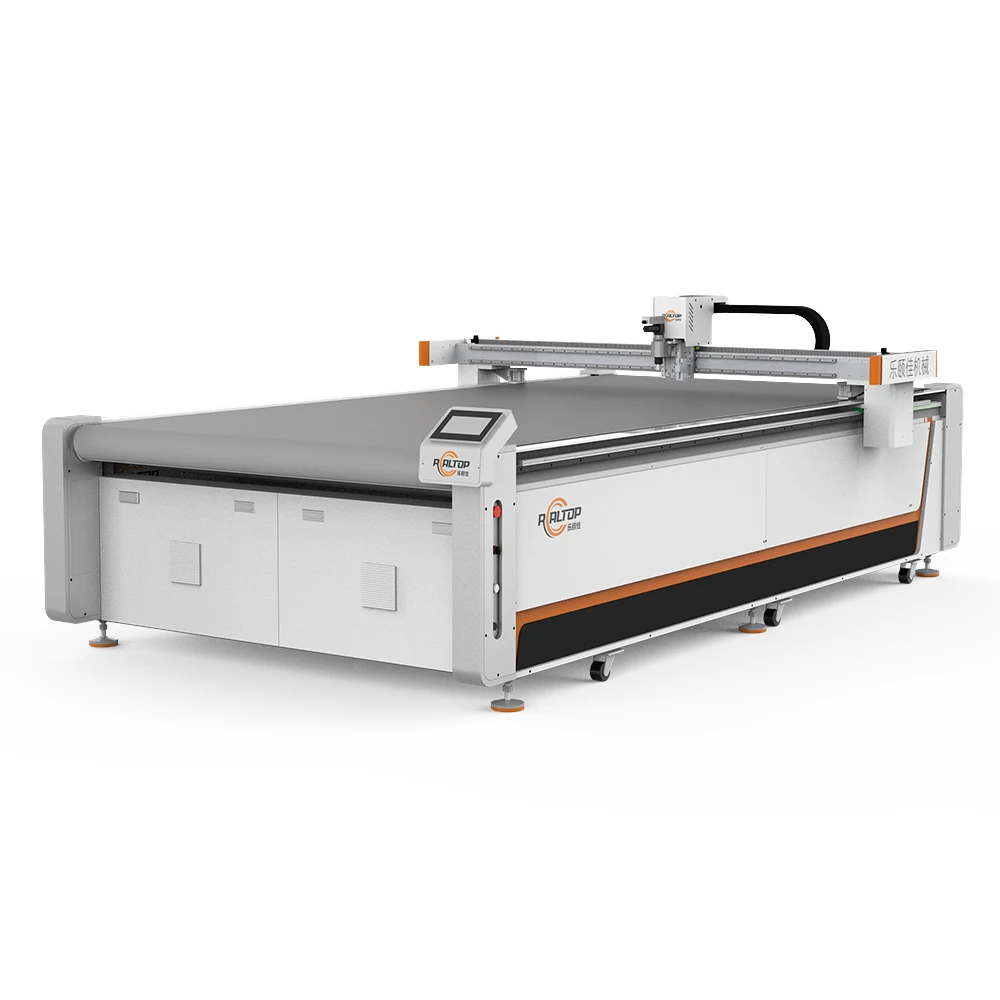
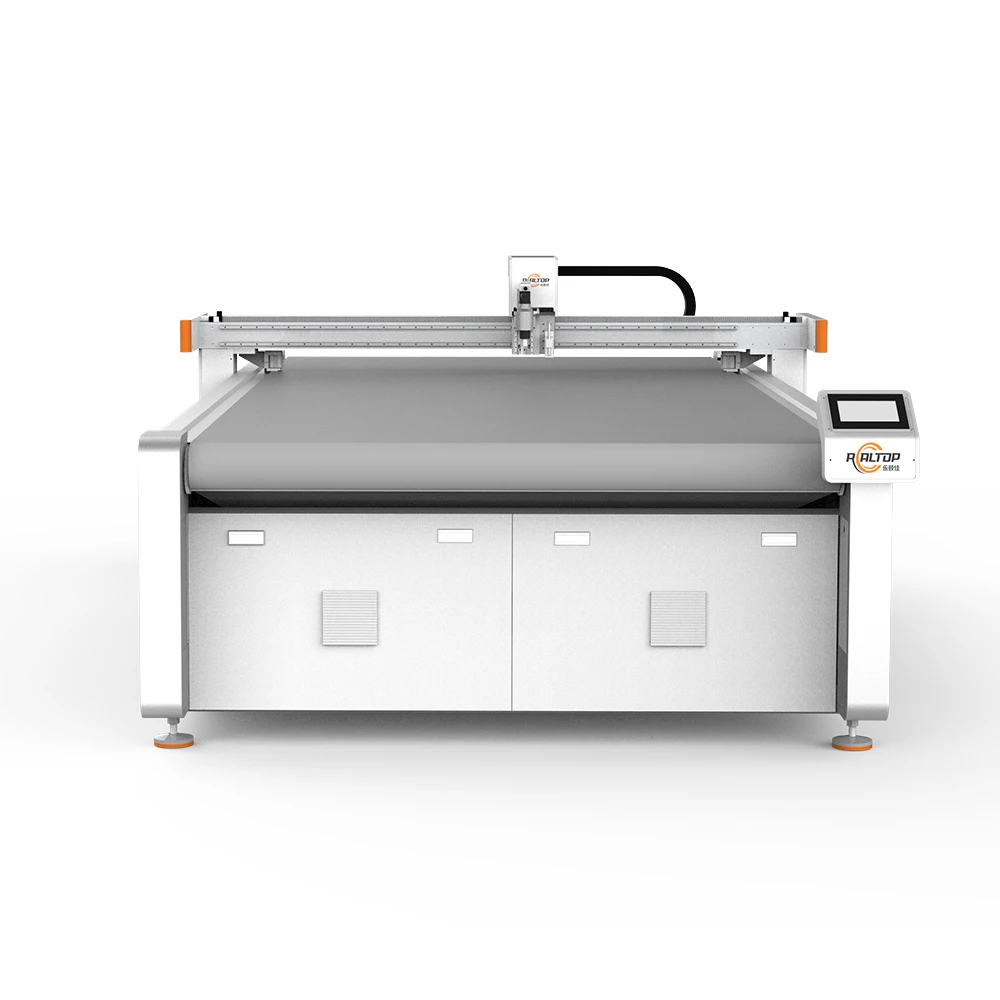
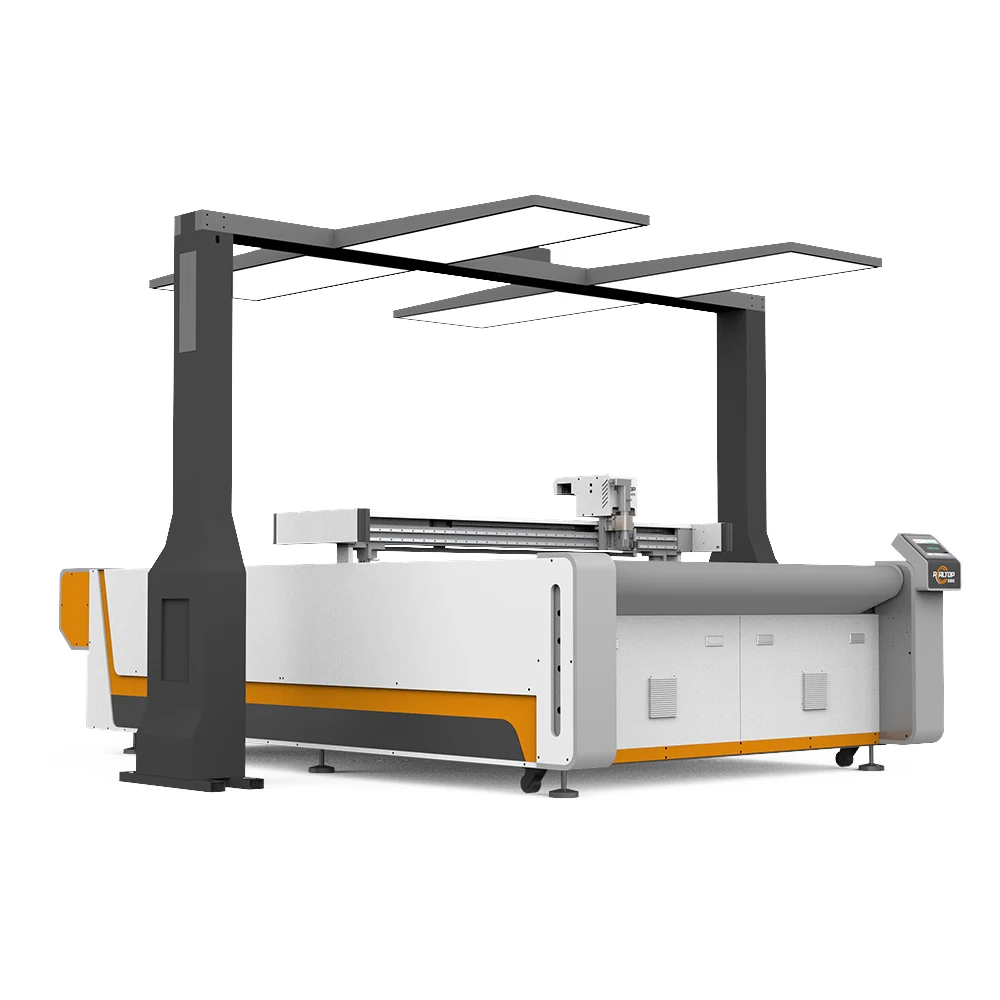
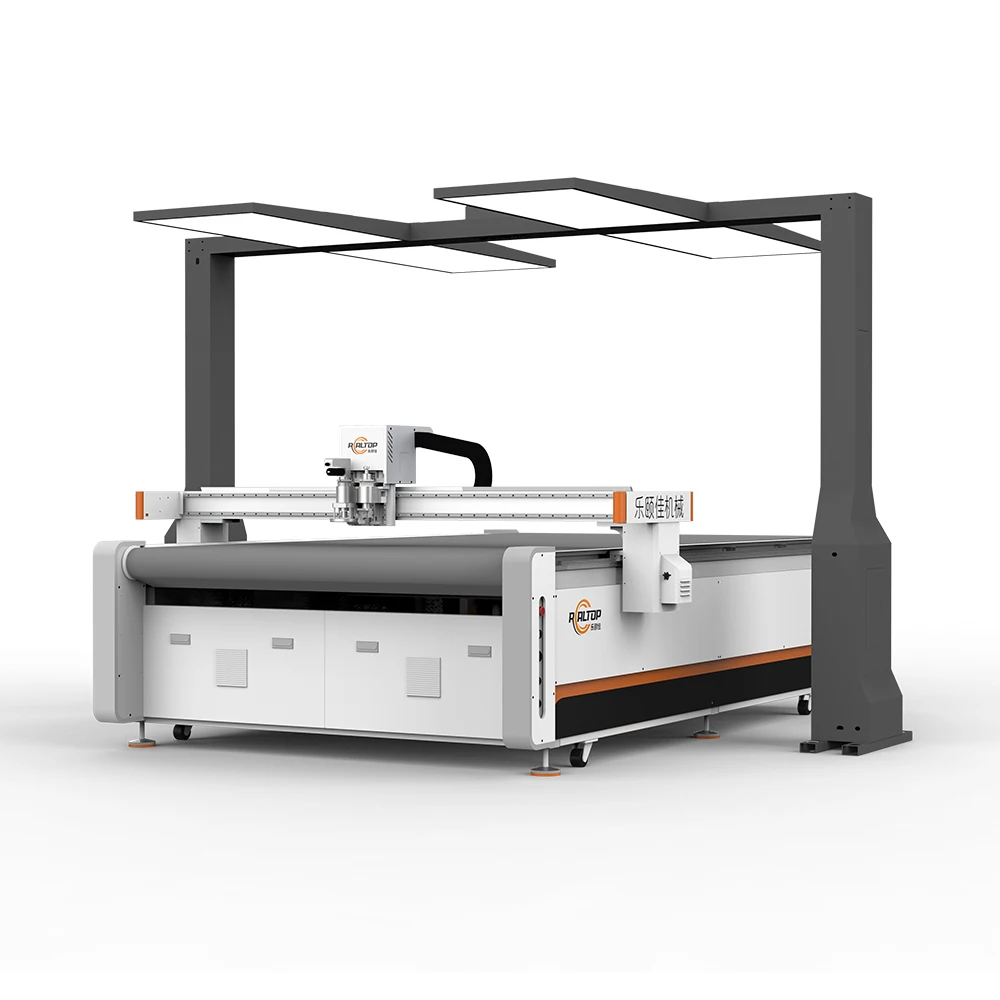
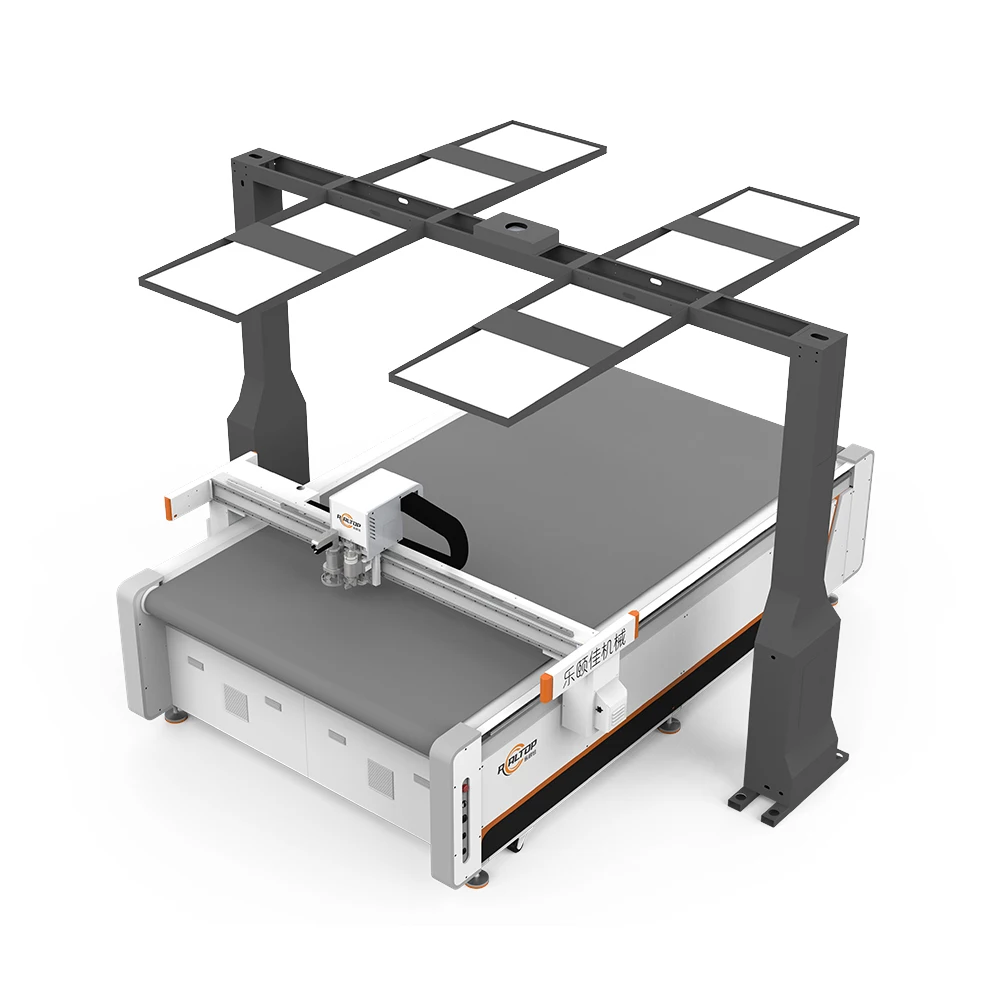
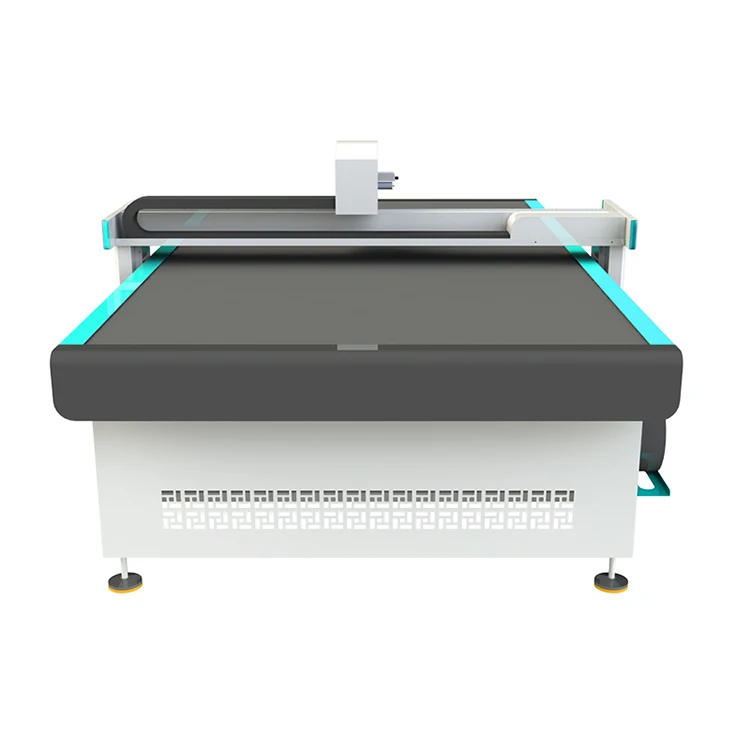
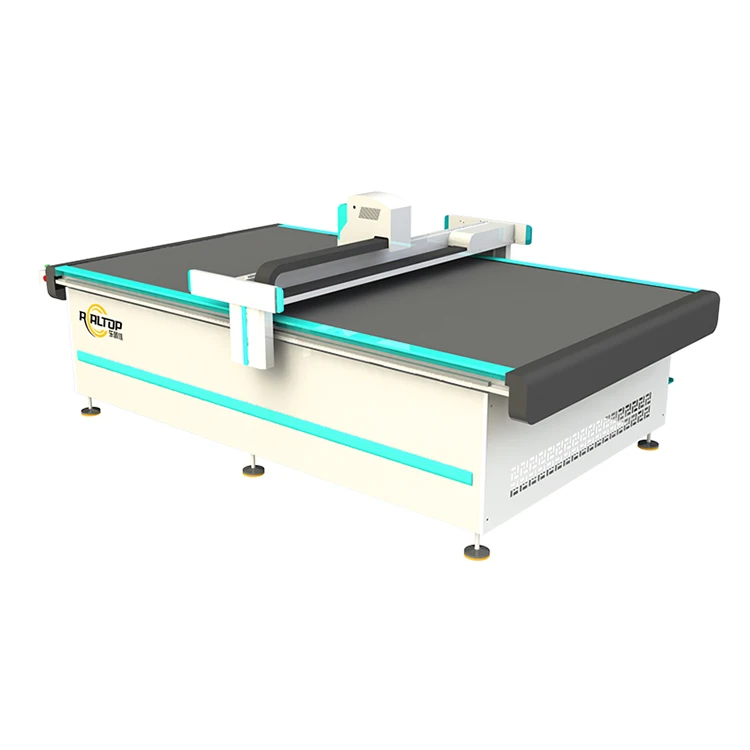
Material-Matched Configuration — Every 1625(Standard) unit ships with a tool head and vacuum zoning plan derived from sample cutting on your specific hide or synthetic stock, not just a generic working area quote.
Technical Specifications
| Parameter | Value |
|---|---|
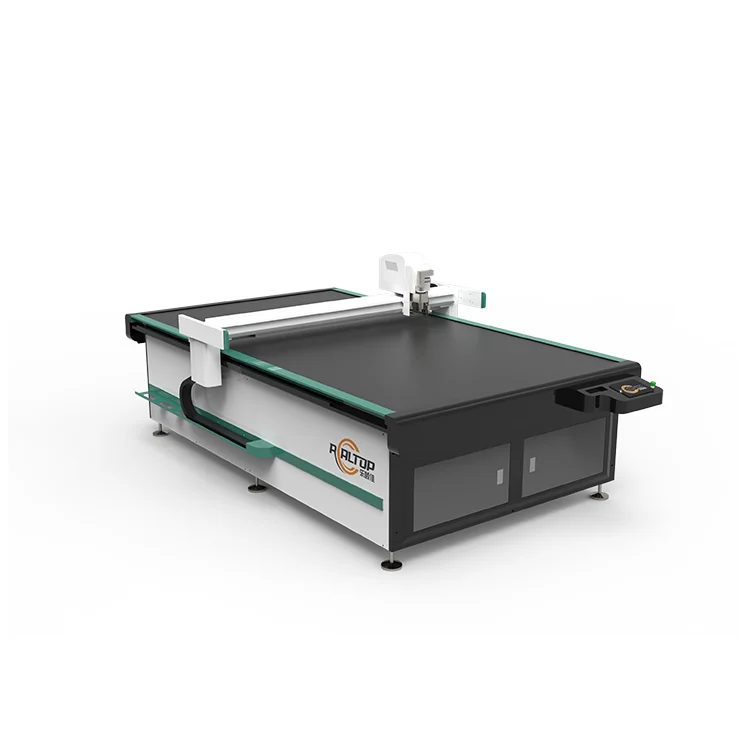
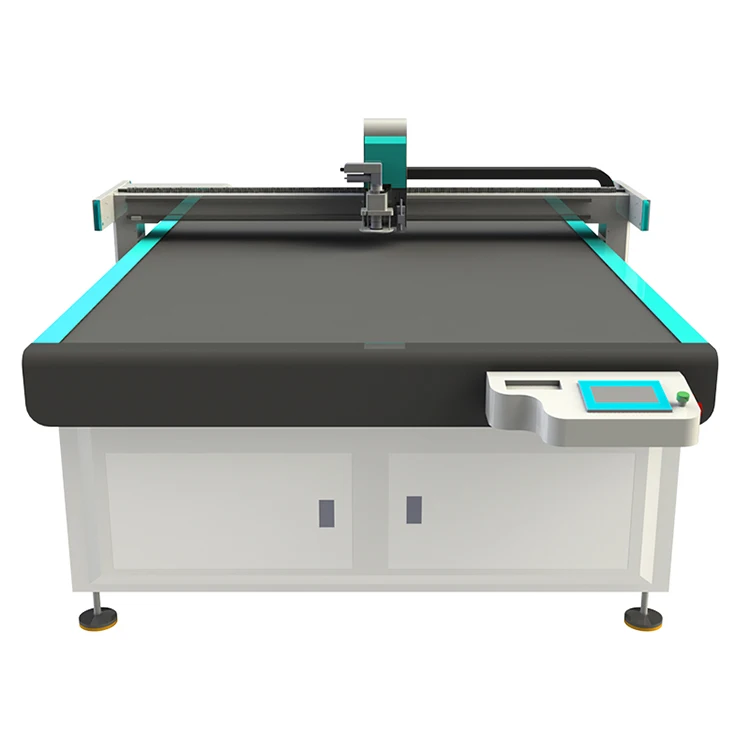
| Product Type | CNC Oscillating Knife Cutting Machine |
| Model | 1625(Standard) |
| Working Area | 1600 × 2500 mm |
| Cutting Thickness Capacity | ≤ 30 mm |
| Maximum Cutting Speed | 2000 mm/s |
| Positioning Accuracy | ±0.1 mm |
| Available Tool Heads | Oscillating knife, Driven rotary knife, Creasing wheel, Kiss cutting tool, Pneumatic knife, Milling tool, V-groove knife |
| Vacuum Table Type | Aluminum bellows vacuum table |
| Vacuum Pump Power | 9 kW |
| Servo Drive Options | Panasonic, Delta, Dorna |
| Voltage Options | 110V, 220V, 380V (configurable) |
| Control Interface | PLC control panel |
| Software Languages | English, Russian, Italian, Chinese (customizable) |
| Compatible File Formats | PLT, DXF, AI, PDF |
| Safety Devices | Infrared sensor, Emergency stop |
| Machine Dimensions | 3300 × 2100 × 1350 mm |
| Assembly State | Fully assembled |
| Compliance | CE declared |
Application Suitability
| Application | Material or Output |
|---|---|
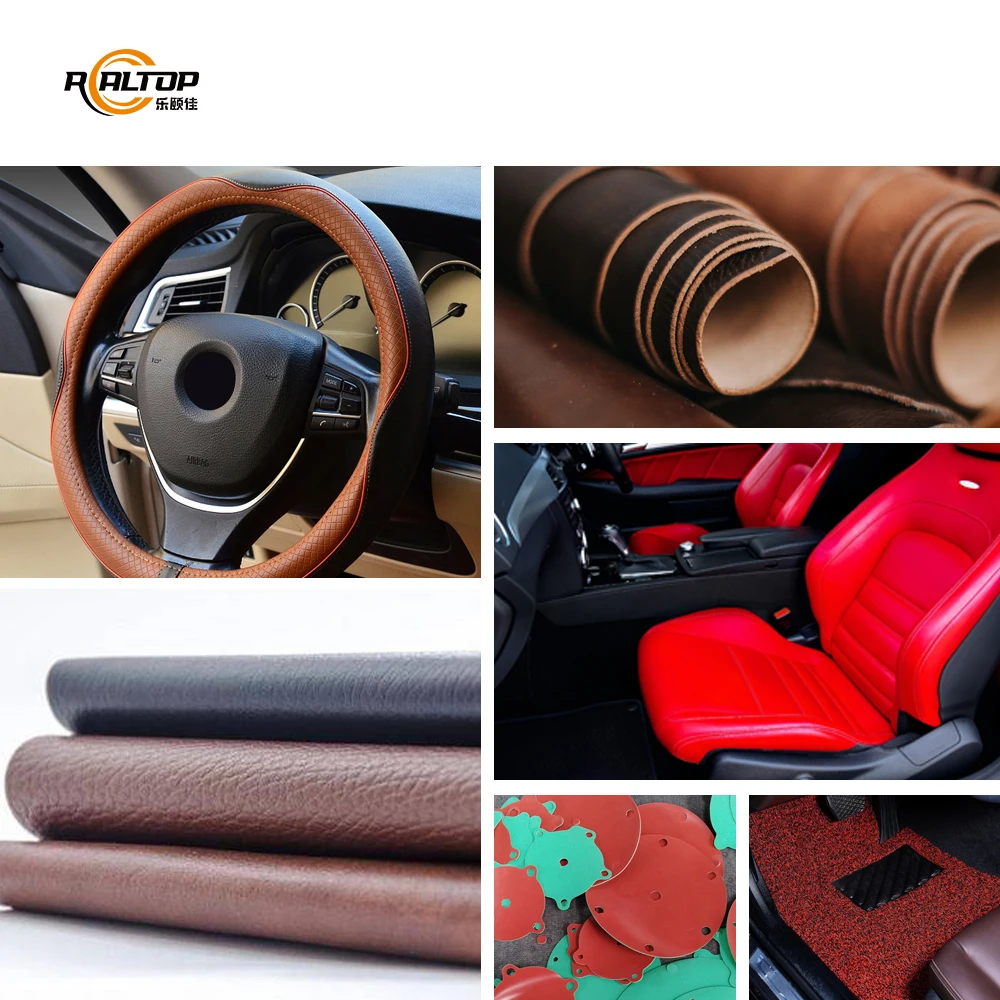
| Shoe upper and footwear component cutting | Natural leather, synthetic PU/PVC leather, microfiber |
| Automotive seat cover and interior trim production | Automotive-grade leather, composite fabrics, foam laminates |
| Bag, luggage and leather goods manufacturing | Full-grain and corrected-grain hides, split leather, textile linings |
| Sofa and soft furniture upholstery | Heavy-duty upholstery fabrics, bonded leather, foam padding |
| Gasket and seal fabrication | PTFE, rubber sheets, composite insulating materials |
| Packaging sample and carton prototyping | Corrugated board, grey board, specialty carton stock |
What "Working Area" Alone Fails to Tell a Leather Cutter
The cutting bed size is only the starting point — the actual output quality on leather depends on matching the oscillation frequency, vacuum zoning and blade geometry to the hide thickness and composite structure. I once configured a vibrating knife unit for a footwear supplier who mentioned genuine leather in the brief. The standard capacity was quoted correctly for single-layer hides. On the first production day, the real job turned out to be multi-layer synthetic leather bonded to foam. The tool head frequency and vacuum hold-down were not set up for that stack, so the edges came out frayed and throughput dropped sharply [NEED_CITE: material lamination effects on oscillating knife edge quality]. That is why the 1625(Standard) is never specified on working area alone. The CNC oscillating knife cutting machine manufacturer must confirm the exact material cross-section before locking in the tool head and table configuration.
Matching Tool Heads to Leather and Synthetic Stacks
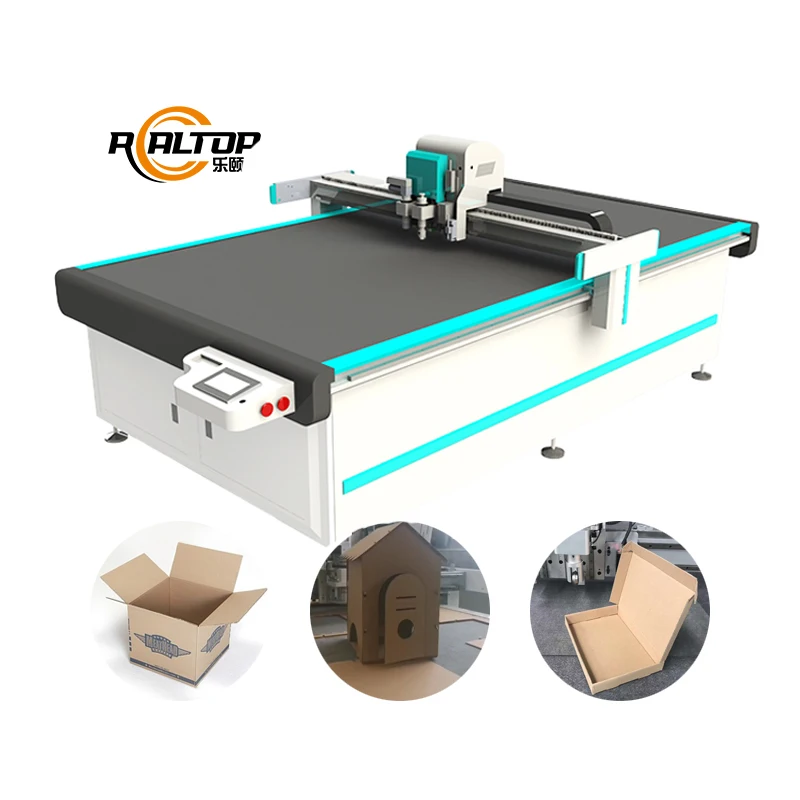
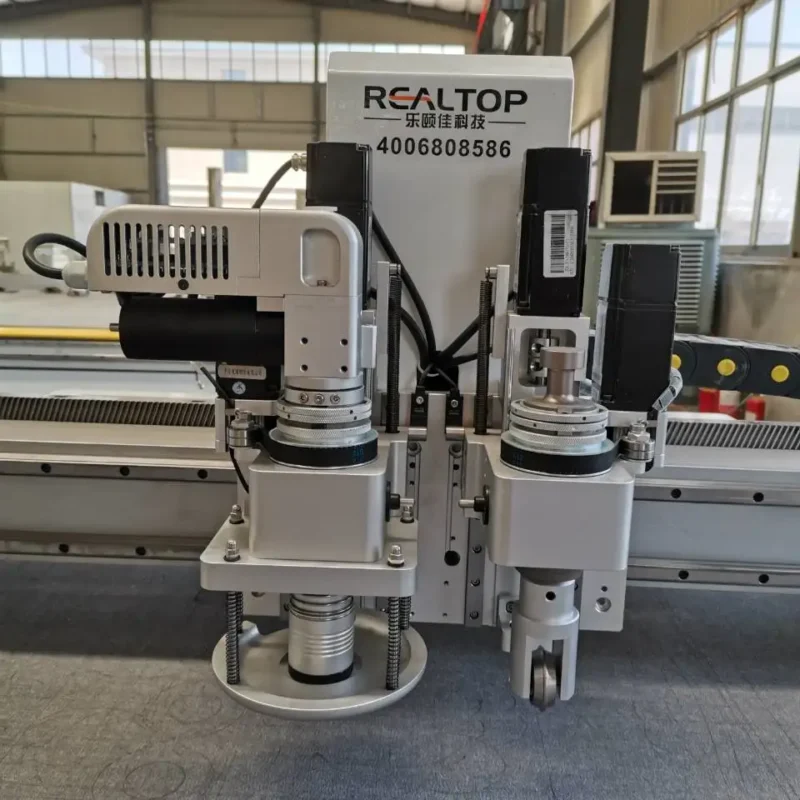
The interchangeable tool head system on this flatbed cutter covers seven distinct options. For natural leather where edge burnishing matters, an oscillating knife running at high frequency produces a clean shear. For softer synthetic composites and foam-laminated PU, a driven rotary knife handles the fibrous structure without crushing the core layer. A pneumatic knife option is available when the material is dense rubber or thick gasket stock. Each head is selected against the buyer’s actual sample, not assumed from a catalogue description.
Vacuum Zoning That Actually Holds Small Leather Pieces
A 9 kW vacuum pump paired with an aluminum bellows table provides the hold-down force, but the zoning layout determines whether small shoe upper components stay flat during high-speed traversal. If the vacuum zones are too broad, small pattern pieces lift at the edges and the ±0.1 mm accuracy is lost. The zone map on the 1625(Standard) is planned around the nesting layout that the buyer intends to run [NEED_CITE: vacuum table zoning strategies for small part retention]. This is the kind of detail that only surfaces when sample cutting is done before the order is finalized.
How Core Parameters Translate on the Cutting Bed
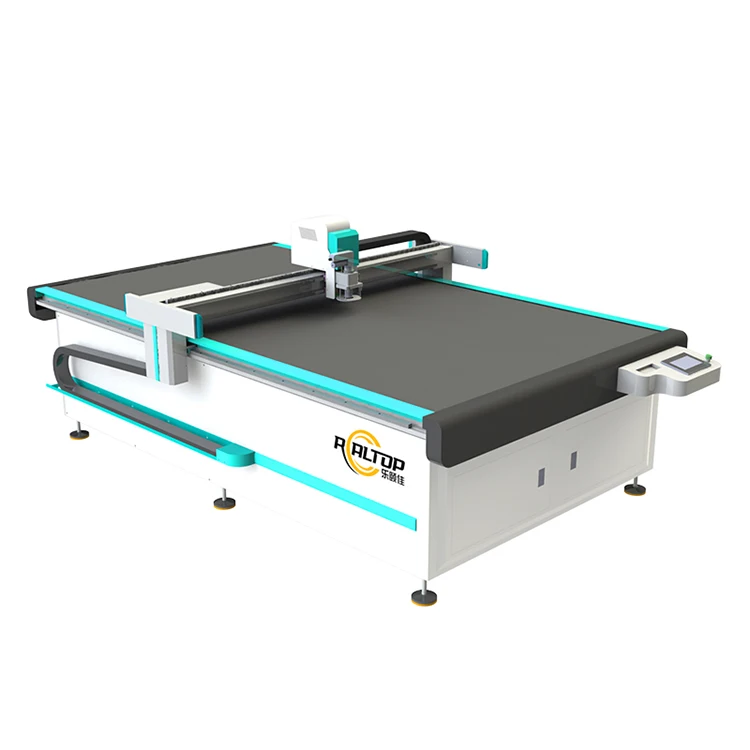
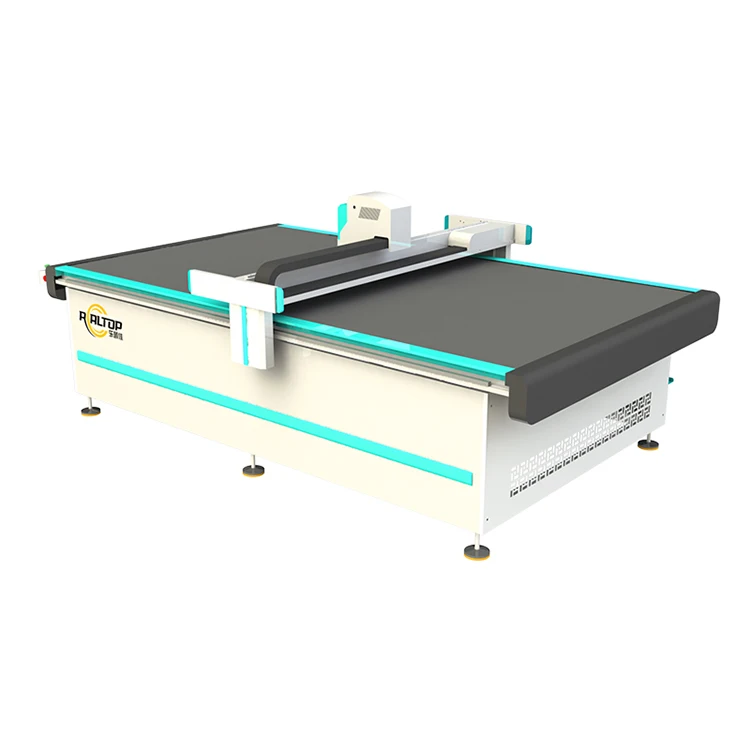
The 1600 × 2500 mm working area accommodates full hides and standard synthetic rolls without excessive repositioning. The 2000 mm/s maximum cutting speed is achievable on straight and gentle contour paths, while tight corners on intricate shoe upper patterns require the servo system to decelerate — the choice between Panasonic, Delta or Dorna drives affects how smoothly those transitions happen. The ±0.1 mm positioning accuracy matters most when cutting interlocking pattern pieces where nesting yield depends on tight kerf margins. File format compatibility with PLT, DXF, AI and PDF means the buyer’s existing nesting software can export directly without an intermediate conversion step that might distort contour geometry [NEED_CITE: vector file format fidelity in CNC cutting workflows].
The Hidden Cost of Skipping the Sample Cut
When the tool head is chosen from a spec sheet without a physical test on the buyer’s leather stock, the consequences compound. Ragged edges on synthetic leather require secondary trimming, which adds a manual step that the machine was supposed to eliminate. Crushed foam cores in laminated materials show up as visible depressions on the finished product. A vacuum table that was not zoned for the actual nesting pattern causes small pieces to drift, turning a precision-cut batch into scrap. These are not warranty claims — they are configuration mismatches that a pre-order sample cut would have caught.
Why Source This Cutter Through the Full Catalogue
REALTOP produces both knife and laser cutting systems in-house, so a buyer working with mixed materials can evaluate which technology suits each product line rather than forcing one method across everything. The design team sets the tool head and table configuration per material and production volume, not as a default package. Software compatibility with the buyer’s existing workflow is confirmed before the order enters production. Voltage options at 110V, 220V or 380V and control language choices are locked in on the electrical schematic — not discovered on delivery day. Sample cutting on the buyer’s own leather or composite stock is a standard step, producing a report that documents edge quality and achievable cutting depth before any commitment is made.
Documentation & Verification
- Machine specification sheet listing the exact tool head and vacuum zone configuration for your material
- Sample cutting report run on your leather stock documenting edge finish and depth results
- Electrical schematic confirming voltage, plug type and circuit requirements for your facility
- Software licence and file format compatibility note covering PLT, DXF, AI and PDF workflows
- Factory test record with operational run data before crating
- CE declaration documentation where applicable for your import market
Installation, Commissioning & Support
- Fully assembled 3300 × 2100 × 1350 mm frame requires level floor space with clearance for sheet loading on all sides
- Dedicated circuit matching confirmed 110V, 220V or 380V supply with correct breaker rating for the 9 kW vacuum pump plus servo loads
- PLC control panel commissioned on-site with language set to English, Russian, Italian or Chinese per operator preference
- First-run parameter tuning using your leather stock to calibrate knife oscillation frequency and vacuum zone pressure
- Operator training covering tool head changeover, nesting file import and daily blade inspection routines
- Spare parts list covering oscillating blades, vacuum seals and drive belts with recommended reorder intervals
What to Include in Your Technical Inquiry
Send the material type, thickness range and whether the stock is single-layer or laminated — this determines the tool head and vacuum zoning plan. Specify your target daily volume and typical nesting sheet utilization so the configuration matches production reality, not just the working area. Confirm the local voltage and frequency standard, and note any language requirement for the PLC interface.
Frequently Asked Questions
Q: Should I choose an oscillating knife or a laser for cutting leather?
A: An oscillating knife produces a clean mechanical shear without thermal effects, which matters on natural leather where burnt edges are unacceptable. Laser cutting can seal edges on synthetic materials but leaves a heat-affected zone on genuine hides. The 1625(Standard) is configured for knife cutting, and sample tests on your specific stock confirm the edge result before you commit.
Q: How do I know which tool head my leather application needs?
A: The tool head is selected after a sample cutting test on your actual material. Natural leather typically uses the oscillating knife, while laminated synthetics with foam cores may require a driven rotary knife to avoid crushing. The choice is documented in the configuration list before production begins.
Q: Can the software import my existing nesting files?
A: The system accepts PLT, DXF, AI and PDF formats. Before the order is placed, a file format compatibility note is issued confirming that your specific nesting software export works without conversion distortion, so there are no surprises at commissioning.
Q: How is the voltage confirmed for my workshop?
A: The machine supports 110V, 220V and 380V configurations. An electrical schematic is issued showing the exact wiring, breaker sizing and plug type for your facility’s supply. This document is approved by the buyer before the machine enters final assembly.
Q: What does the sample cutting report cover?
A: The report documents edge quality, cutting depth achieved and any material-specific observations from running your leather or composite stock on the configured tool head. It serves as the acceptance reference — if the sample meets your standard, that exact configuration is built for your order.
Material-Matched Configuration — Every 1625(Standard) unit ships with a tool head and vacuum zoning plan derived from sample cutting on your specific hide or synthetic stock, not just a generic working area quote.
Technical Specifications
| Parameter | Value |
|---|---|
| Product Type | CNC Oscillating Knife Cutting Machine |
| Model | 1625(Standard) |
| Working Area | 1600 × 2500 mm |
| Cutting Thickness Capacity | ≤ 30 mm |
| Maximum Cutting Speed | 2000 mm/s |
| Positioning Accuracy | ±0.1 mm |
| Available Tool Heads | Oscillating knife, Driven rotary knife, Creasing wheel, Kiss cutting tool, Pneumatic knife, Milling tool, V-groove knife |
| Vacuum Table Type | Aluminum bellows vacuum table |
| Vacuum Pump Power | 9 kW |
| Servo Drive Options | Panasonic, Delta, Dorna |
| Voltage Options | 110V, 220V, 380V (configurable) |
| Control Interface | PLC control panel |
| Software Languages | English, Russian, Italian, Chinese (customizable) |
| Compatible File Formats | PLT, DXF, AI, PDF |
| Safety Devices | Infrared sensor, Emergency stop |
| Machine Dimensions | 3300 × 2100 × 1350 mm |
| Assembly State | Fully assembled |
| Compliance | CE declared |
Application Suitability
| Application | Material or Output |
|---|---|
| Shoe upper and footwear component cutting | Natural leather, synthetic PU/PVC leather, microfiber |
| Automotive seat cover and interior trim production | Automotive-grade leather, composite fabrics, foam laminates |
| Bag, luggage and leather goods manufacturing | Full-grain and corrected-grain hides, split leather, textile linings |
| Sofa and soft furniture upholstery | Heavy-duty upholstery fabrics, bonded leather, foam padding |
| Gasket and seal fabrication | PTFE, rubber sheets, composite insulating materials |
| Packaging sample and carton prototyping | Corrugated board, grey board, specialty carton stock |
What "Working Area" Alone Fails to Tell a Leather Cutter
The cutting bed size is only the starting point — the actual output quality on leather depends on matching the oscillation frequency, vacuum zoning and blade geometry to the hide thickness and composite structure. I once configured a vibrating knife unit for a footwear supplier who mentioned genuine leather in the brief. The standard capacity was quoted correctly for single-layer hides. On the first production day, the real job turned out to be multi-layer synthetic leather bonded to foam. The tool head frequency and vacuum hold-down were not set up for that stack, so the edges came out frayed and throughput dropped sharply [NEED_CITE: material lamination effects on oscillating knife edge quality]. That is why the 1625(Standard) is never specified on working area alone. The CNC oscillating knife cutting machine manufacturer must confirm the exact material cross-section before locking in the tool head and table configuration.
Matching Tool Heads to Leather and Synthetic Stacks
The interchangeable tool head system on this flatbed cutter covers seven distinct options. For natural leather where edge burnishing matters, an oscillating knife running at high frequency produces a clean shear. For softer synthetic composites and foam-laminated PU, a driven rotary knife handles the fibrous structure without crushing the core layer. A pneumatic knife option is available when the material is dense rubber or thick gasket stock. Each head is selected against the buyer’s actual sample, not assumed from a catalogue description.
Vacuum Zoning That Actually Holds Small Leather Pieces
A 9 kW vacuum pump paired with an aluminum bellows table provides the hold-down force, but the zoning layout determines whether small shoe upper components stay flat during high-speed traversal. If the vacuum zones are too broad, small pattern pieces lift at the edges and the ±0.1 mm accuracy is lost. The zone map on the 1625(Standard) is planned around the nesting layout that the buyer intends to run [NEED_CITE: vacuum table zoning strategies for small part retention]. This is the kind of detail that only surfaces when sample cutting is done before the order is finalized.
How Core Parameters Translate on the Cutting Bed
The 1600 × 2500 mm working area accommodates full hides and standard synthetic rolls without excessive repositioning. The 2000 mm/s maximum cutting speed is achievable on straight and gentle contour paths, while tight corners on intricate shoe upper patterns require the servo system to decelerate — the choice between Panasonic, Delta or Dorna drives affects how smoothly those transitions happen. The ±0.1 mm positioning accuracy matters most when cutting interlocking pattern pieces where nesting yield depends on tight kerf margins. File format compatibility with PLT, DXF, AI and PDF means the buyer’s existing nesting software can export directly without an intermediate conversion step that might distort contour geometry [NEED_CITE: vector file format fidelity in CNC cutting workflows].
The Hidden Cost of Skipping the Sample Cut
When the tool head is chosen from a spec sheet without a physical test on the buyer’s leather stock, the consequences compound. Ragged edges on synthetic leather require secondary trimming, which adds a manual step that the machine was supposed to eliminate. Crushed foam cores in laminated materials show up as visible depressions on the finished product. A vacuum table that was not zoned for the actual nesting pattern causes small pieces to drift, turning a precision-cut batch into scrap. These are not warranty claims — they are configuration mismatches that a pre-order sample cut would have caught.
Why Source This Cutter Through the Full Catalogue
REALTOP produces both knife and laser cutting systems in-house, so a buyer working with mixed materials can evaluate which technology suits each product line rather than forcing one method across everything. The design team sets the tool head and table configuration per material and production volume, not as a default package. Software compatibility with the buyer’s existing workflow is confirmed before the order enters production. Voltage options at 110V, 220V or 380V and control language choices are locked in on the electrical schematic — not discovered on delivery day. Sample cutting on the buyer’s own leather or composite stock is a standard step, producing a report that documents edge quality and achievable cutting depth before any commitment is made.
Documentation & Verification
- Machine specification sheet listing the exact tool head and vacuum zone configuration for your material
- Sample cutting report run on your leather stock documenting edge finish and depth results
- Electrical schematic confirming voltage, plug type and circuit requirements for your facility
- Software licence and file format compatibility note covering PLT, DXF, AI and PDF workflows
- Factory test record with operational run data before crating
- CE declaration documentation where applicable for your import market
Installation, Commissioning & Support
- Fully assembled 3300 × 2100 × 1350 mm frame requires level floor space with clearance for sheet loading on all sides
- Dedicated circuit matching confirmed 110V, 220V or 380V supply with correct breaker rating for the 9 kW vacuum pump plus servo loads
- PLC control panel commissioned on-site with language set to English, Russian, Italian or Chinese per operator preference
- First-run parameter tuning using your leather stock to calibrate knife oscillation frequency and vacuum zone pressure
- Operator training covering tool head changeover, nesting file import and daily blade inspection routines
- Spare parts list covering oscillating blades, vacuum seals and drive belts with recommended reorder intervals
What to Include in Your Technical Inquiry
Send the material type, thickness range and whether the stock is single-layer or laminated — this determines the tool head and vacuum zoning plan. Specify your target daily volume and typical nesting sheet utilization so the configuration matches production reality, not just the working area. Confirm the local voltage and frequency standard, and note any language requirement for the PLC interface.
Frequently Asked Questions
Q: Should I choose an oscillating knife or a laser for cutting leather?
A: An oscillating knife produces a clean mechanical shear without thermal effects, which matters on natural leather where burnt edges are unacceptable. Laser cutting can seal edges on synthetic materials but leaves a heat-affected zone on genuine hides. The 1625(Standard) is configured for knife cutting, and sample tests on your specific stock confirm the edge result before you commit.
Q: How do I know which tool head my leather application needs?
A: The tool head is selected after a sample cutting test on your actual material. Natural leather typically uses the oscillating knife, while laminated synthetics with foam cores may require a driven rotary knife to avoid crushing. The choice is documented in the configuration list before production begins.
Q: Can the software import my existing nesting files?
A: The system accepts PLT, DXF, AI and PDF formats. Before the order is placed, a file format compatibility note is issued confirming that your specific nesting software export works without conversion distortion, so there are no surprises at commissioning.
Q: How is the voltage confirmed for my workshop?
A: The machine supports 110V, 220V and 380V configurations. An electrical schematic is issued showing the exact wiring, breaker sizing and plug type for your facility’s supply. This document is approved by the buyer before the machine enters final assembly.
Q: What does the sample cutting report cover?
A: The report documents edge quality, cutting depth achieved and any material-specific observations from running your leather or composite stock on the configured tool head. It serves as the acceptance reference — if the sample meets your standard, that exact configuration is built for your order.
商品评价
There are no reviews yet.