


Fast Delivery
Quick, reliable shipping to any location.

Free & easy returns
Return this item by mail or in store within 90 days for a full refund.
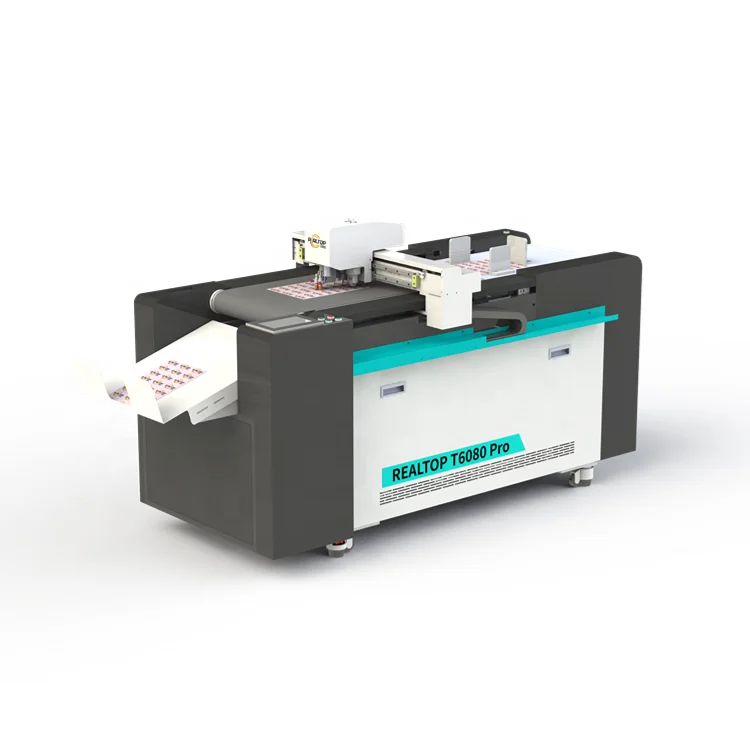
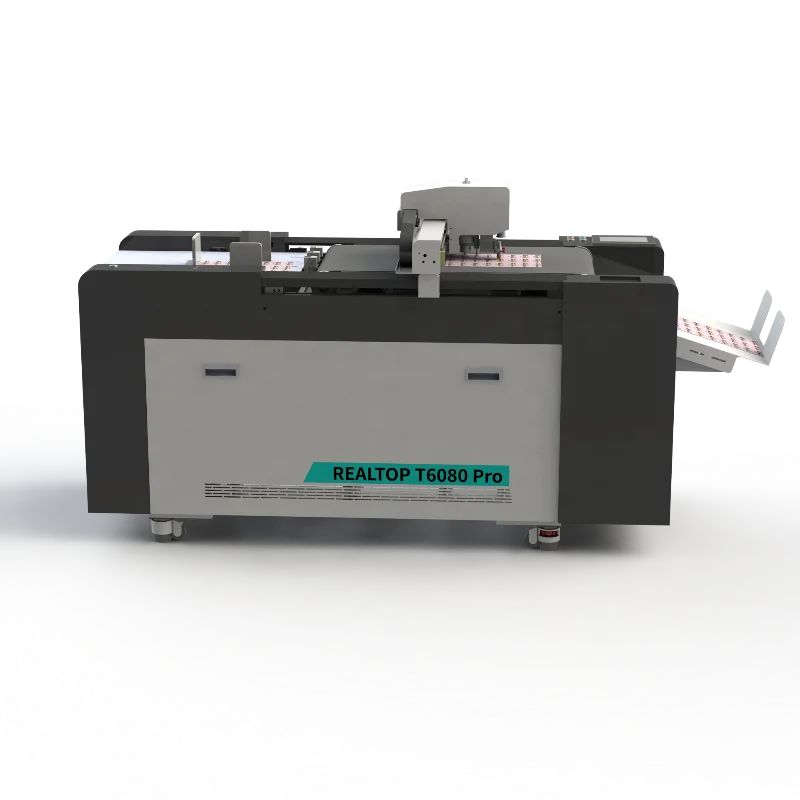
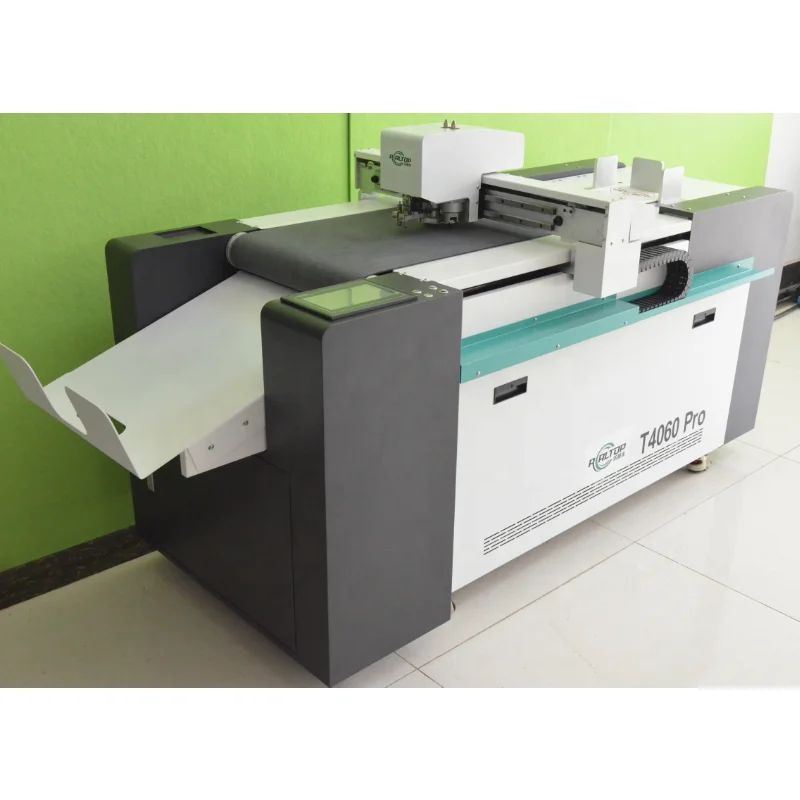
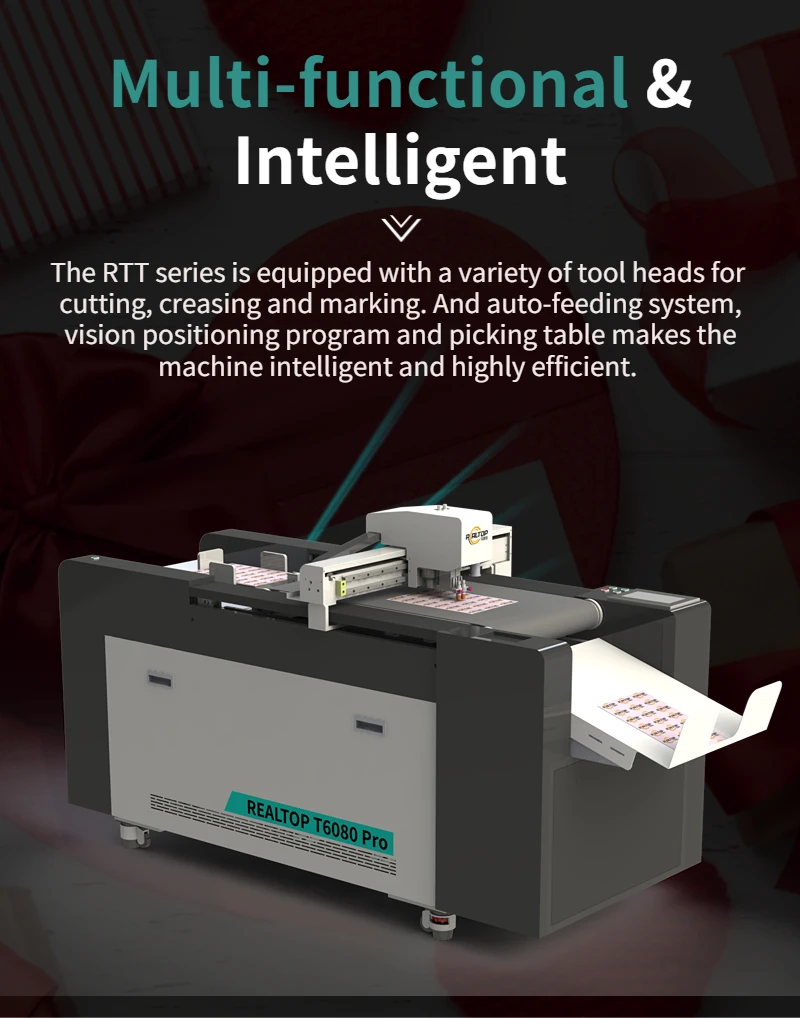
Precision tool mapping — the RTT6080 series assigns each oscillating knife, creasing wheel and CCD option to a declared material rather than selling a single head for every job.
Technical Specifications
| Parameter | Value |
|---|---|
| Model | RTT6080 / RTT6080 Pro |
| Product Type | CNC Oscillating Knife Cutting Machine |
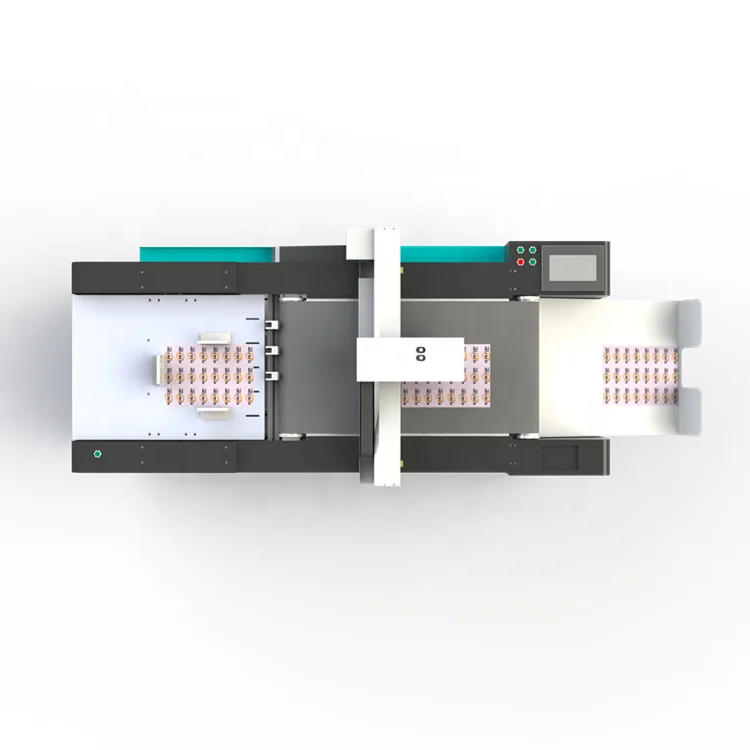
| Max Working Area | 600 mm × 800 mm |
| Tool Group | Cutting tool, kiss cutting tool, creasing tool, CCD camera; high-speed oscillating knife (Pro model) |
| Max Cutting Speed | 1500 mm/s (according to the material) |
| Cutting Thickness | ≤2 mm (RTT6080) / ≤5 mm (RTT6080 Pro) |
| Positioning Accuracy | 0.05 mm |
| File Format | DXF, PLT, PDF, AI |
| Transfer Method | Ethernet port |
| Rated Power | 3.2 kW |
| Voltage & Frequency | 220V / 380V, 50Hz |
| Standards | CE (declared where applicable) |
Application Suitability
| Application | Material or Output |
|---|---|
| Packaging and carton sample making | Board, semi-board, light corrugated stock |
| Signage and board cutting | Vinyl, thin rigid board, printed media |
| Embossing and creasing | Semi-board, light card stock |
| Small-format digital die-cutting | Printed contour work on flexible and semi-rigid sheets |
Why Material Thickness Decides the Machine, Not the Bed Size
A working area figure tells you nothing about what the knife can actually push through.
I once specified a CNC oscillating knife cutting machine for a client based purely on the sheet dimensions they sent. The bed was large enough, the vacuum zones looked fine, but the material was a dense foam far thicker than the standard head could handle. Halfway through the first run, the blade deflected, the edges crushed, and an entire batch was scrapped. With the RTT6080 and RTT6080 Pro, the 2 mm versus 5 mm thickness split exists for exactly this reason — so buyers match the model to the stock before the machine is built [NEED_CITE: material thickness versus oscillating knife stroke limitations].
Mapping Tool Heads to Board and Vinyl Stock
The RTT6080 series offers a cutting tool, kiss cutting tool, creasing tool, and CCD camera as standard group options, with the RTT6080 Pro adding a high-speed oscillating knife. For carton sample makers working with semi-board, the creasing wheel scores fold lines without tearing fibres, while the kiss cutting tool handles vinyl overlays on signage panels without cutting through the backing. Choosing the wrong head for semi-rigid board produces ragged edges and delaminated layers — a result that shows up only after the first full sheet is ruined. A CNC oscillating knife cutting machine manufacturer worth quoting against will confirm which tool runs on which stock before an order is placed.
CCD Contour Recognition for Printed Work
When a printed sheet enters the cutting zone, the CCD camera reads registration marks and adjusts the cut path in real time. This matters for packaging prototypes where the printed artwork defines the fold and cut lines, and any drift between print and cut produces a visibly misaligned sample. The camera tracks marks across the 600 mm × 800 mm bed, compensating for sheet stretch or slight placement offsets [NEED_CITE: CCD registration accuracy on digital print substrates]. Without this step, operators manually align each sheet by eye — a process that slows throughput and introduces inconsistency between the first and twentieth sample.
Reading the Specs That Actually Affect Output
Positioning accuracy of 0.05 mm means the knife tip returns to the same coordinate within half a tenth — critical when a crease line must land precisely on a printed score mark. The Ethernet port transfer method avoids the driver conflicts common with USB-only machines running on workshop PCs. Dual voltage support at 220V / 380V, 50Hz lets installers wire the machine to whichever supply the workshop already has, rather than adding a step-down transformer that introduces another failure point. The 3.2 kW rated power covers the oscillating knife drive, vacuum pump, and motion system simultaneously, so the machine does not trip a shared circuit during continuous cutting [NEED_CITE: electrical load planning for small-format CNC equipment].
The Cost of Skipping Configuration Verification
Selecting a vacuum table without checking zone count against the smallest part in your nesting layout leads to lifting during cutting — the vacuum pulls the sheet flat in the centre, but a narrow strip at the edge loses hold and vibrates under the blade. The result is a chattered edge that fails a client sample review. Similarly, specifying a cutting tool for material that actually requires the high-speed oscillating knife on the Pro model forces the standard head to drag rather than slice, producing compressed foam or frayed fabric edges. These are not warranty issues; they are configuration mismatches that could have been caught with a sample cut on the buyer’s own stock [NEED_CITE: vacuum zoning versus small-part cutting defects].
Why Source This Compact Format from the Build Floor
In-house design covers both knife and laser technologies, so a buyer evaluating the RTT6080 is not locked into one cutting method if the material changes later. Tool head and table configuration is specified per declared application, meaning the creasing wheel ships installed rather than sitting in a crate waiting to be fitted. CCD camera positioning is verified against the buyer’s printed file before dispatch, not assumed to work from a generic test pattern. Software compatibility — file format and nesting workflow — is confirmed during the order stage, so the machine accepts DXF, PLT, PDF, or AI output from the buyer’s existing design software without middleware. Voltage and control language are set before the machine enters packing, avoiding on-site rewiring or an interface the operator cannot read.
Documentation & Verification
- Machine specification sheet listing RTT6080 and RTT6080 Pro tool groups and thickness limits
- Electrical schematic confirming 220V or 380V wiring and breaker rating before dispatch
- Sample cutting report on buyer-supplied board or vinyl with measured edge quality
- Software licence note with DXF, PLT, PDF, AI file format compatibility confirmed
- Factory test record covering CCD mark recognition on buyer’s printed sheet
- Spare parts list covering knife blades, creasing wheel inserts, and vacuum seals
Installation, Commissioning & Support
- Dedicated 3.2 kW circuit with correct breaker rating for 220V or 380V supply confirmed before delivery
- Flat floor section required for the 600 mm × 800 mm bed footprint with clearance for sheet loading
- Ethernet connection to workshop network for DXF, PLT, PDF, AI file transfer on first boot
- CCD camera calibration against buyer’s printed registration marks during commissioning visit
- Oscillating knife stroke and creasing wheel pressure set to buyer’s declared board thickness
- Spare knife blades and creasing inserts provided for initial production runs
What to Include in Your Enquiry
Send the material type, thickness, and maximum sheet size you plan to run, along with the file format your design team exports. If your workshop operates on a specific voltage or requires the control interface in a particular language, state that in the first message so the configuration is locked before production. Mention whether you need sample cutting on your own stock before committing to a purchase order.
Frequently Asked Questions
Q: How do I verify the cutting thickness limit applies to my specific material?
A: The RTT6080 handles up to 2 mm and the Pro up to 5 mm, but actual capability depends on material density and composition. Request a sample cutting test on your own stock — the resulting report documents edge quality, blade deflection, and whether the standard or oscillating tool produced the cleaner result.
Q: Which tool head should I choose for board versus vinyl?
A: The cutting tool suits rigid board, the kiss cutting tool handles vinyl without penetrating the backing, and the creasing wheel scores fold lines on card stock. The Pro model adds a high-speed oscillating knife for denser semi-rigid materials. Confirming your primary material before order ensures the correct head ships installed.
Q: How are voltage and control language confirmed before shipment?
A: The machine supports 220V or 380V at 50Hz. During the order stage, specify your workshop supply and preferred control language so the electrical schematic and interface are set before packing, avoiding on-site transformer additions or operator confusion.
Q: Will my existing design files work without conversion software?
A: The RTT6080 accepts DXF, PLT, PDF, and AI via Ethernet transfer. State your design software and export format during enquiry so compatibility is verified before the machine ships, rather than discovered during first-day commissioning.
Q: Can I test my printed material on the machine before ordering?
A: Sample cutting on your own printed stock is available before commitment. The CCD camera tracks your registration marks, and the resulting report shows cut-to-print alignment, edge condition, and recommended tool head for your production run.










商品评价
There are no reviews yet.