

Fast Delivery
Quick, reliable shipping to any location.

Free & easy returns
Return this item by mail or in store within 90 days for a full refund.
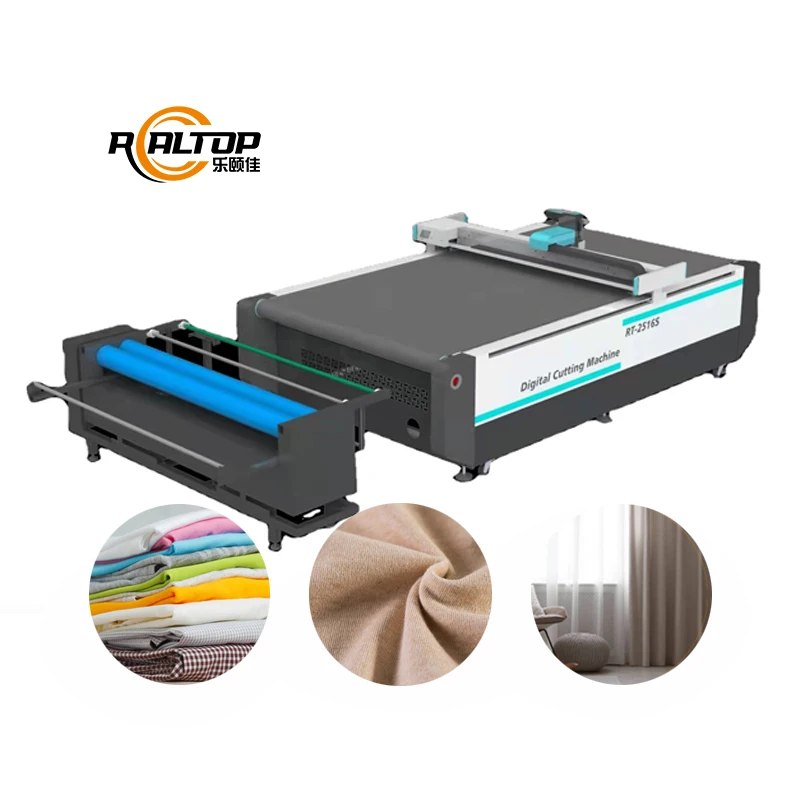
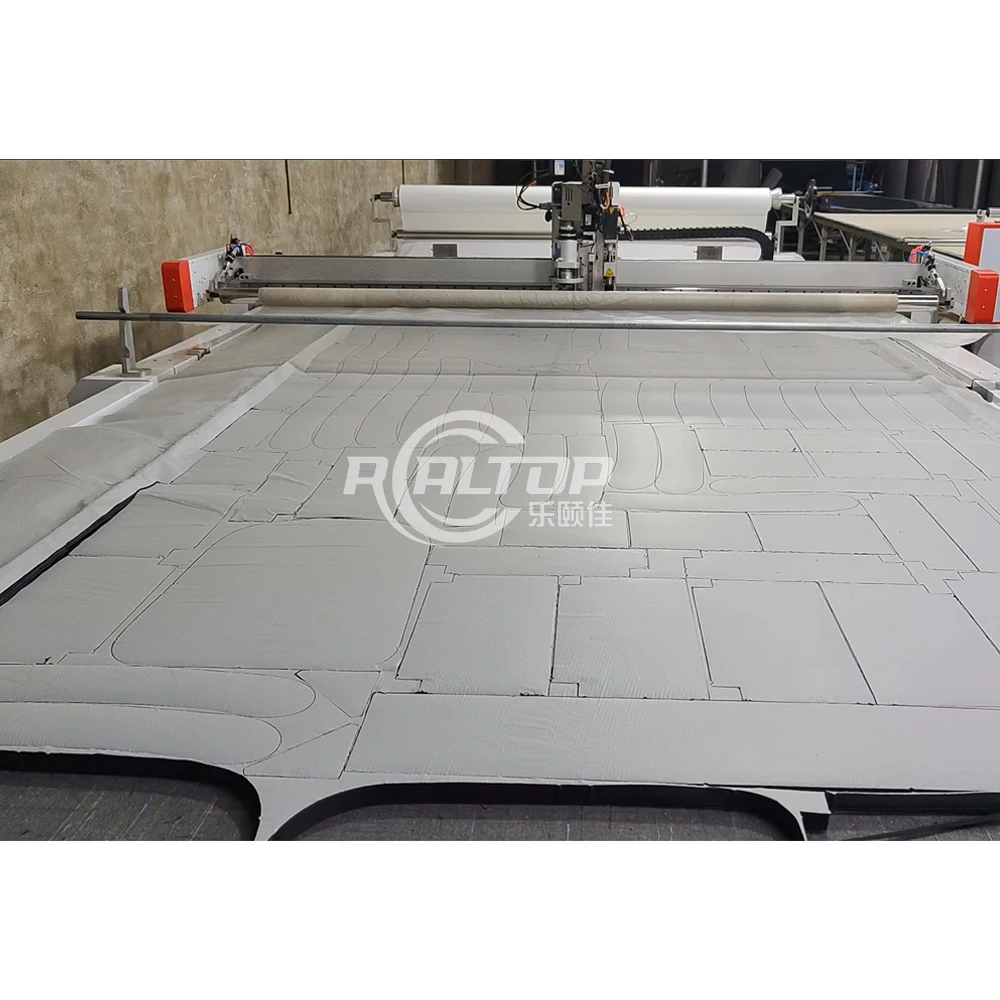
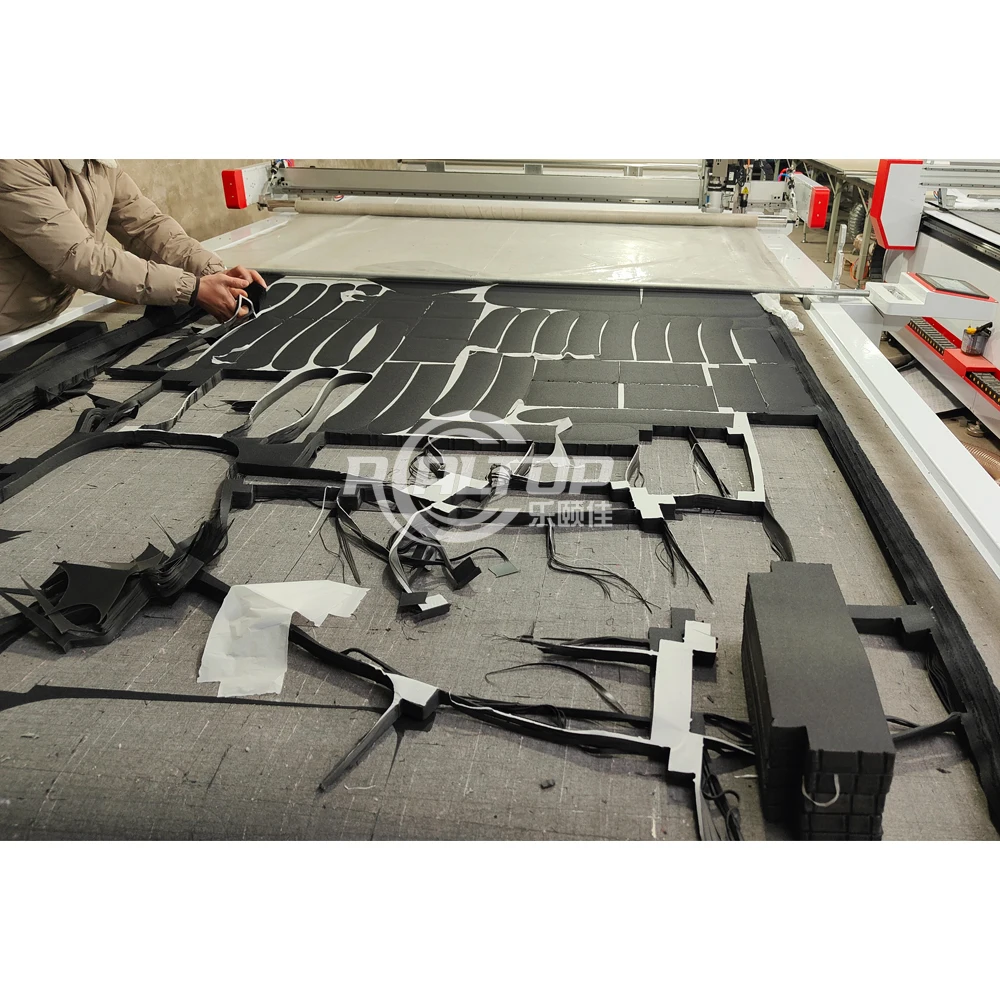
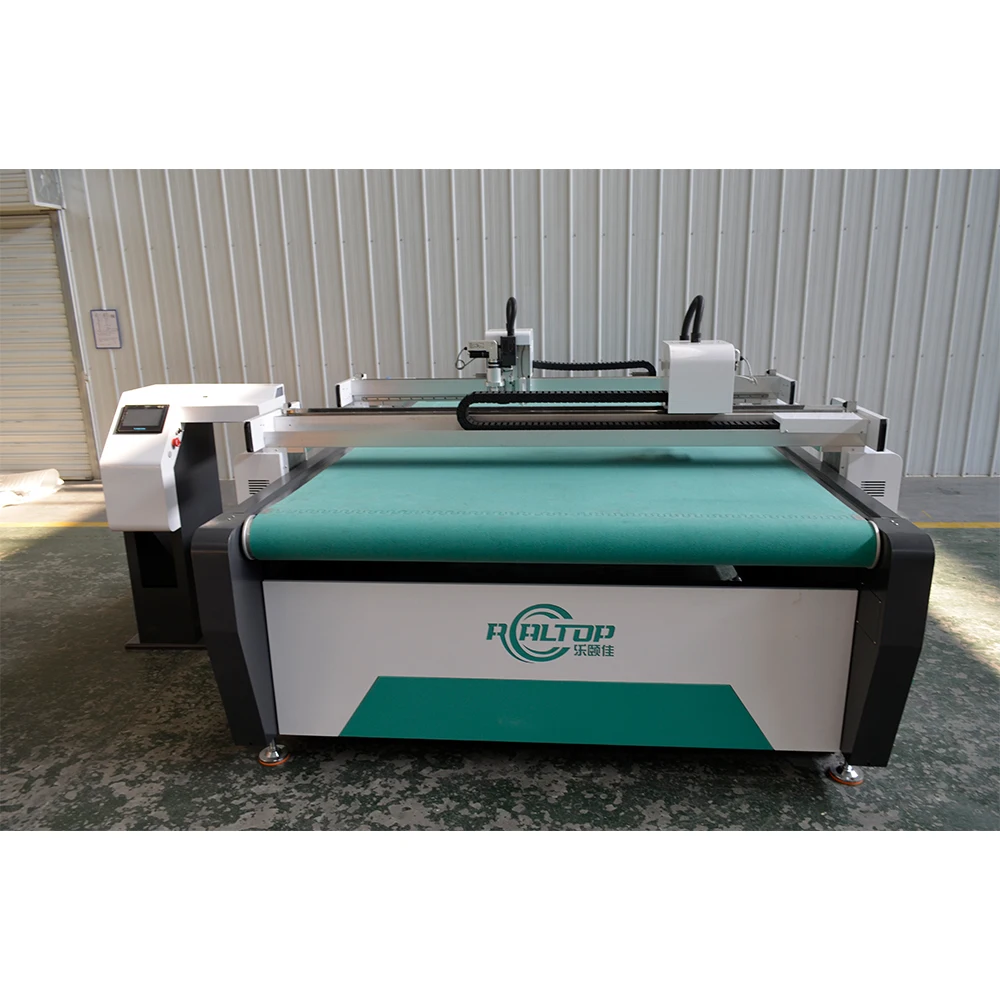
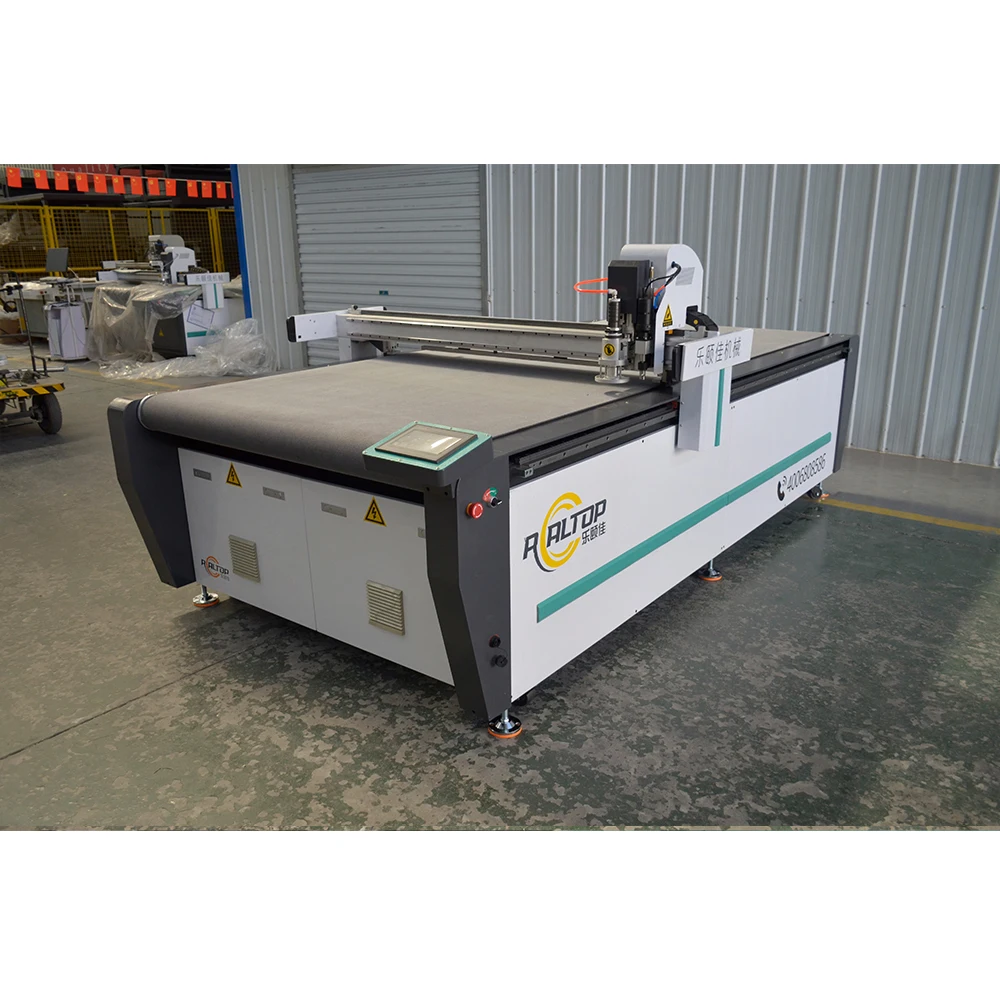
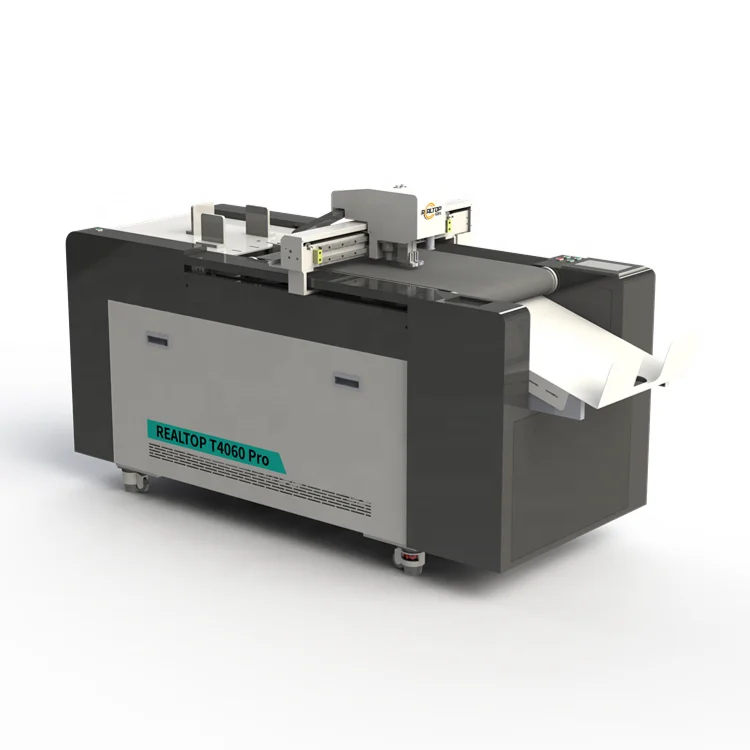
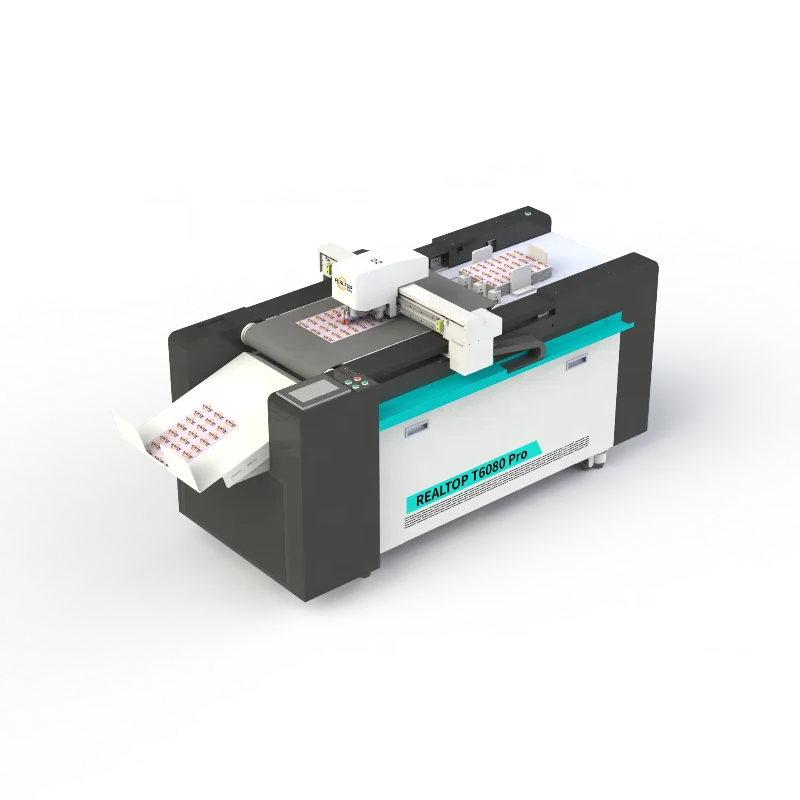
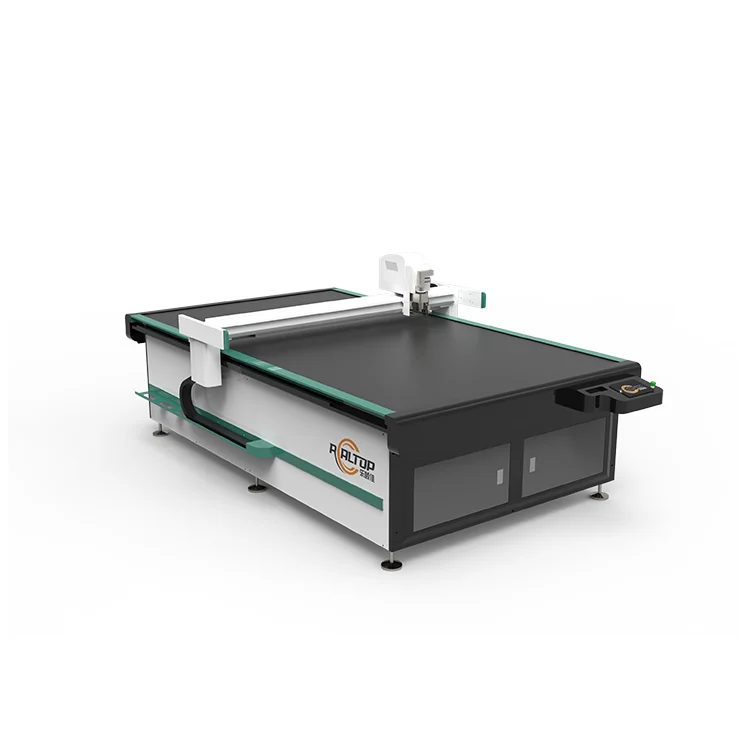
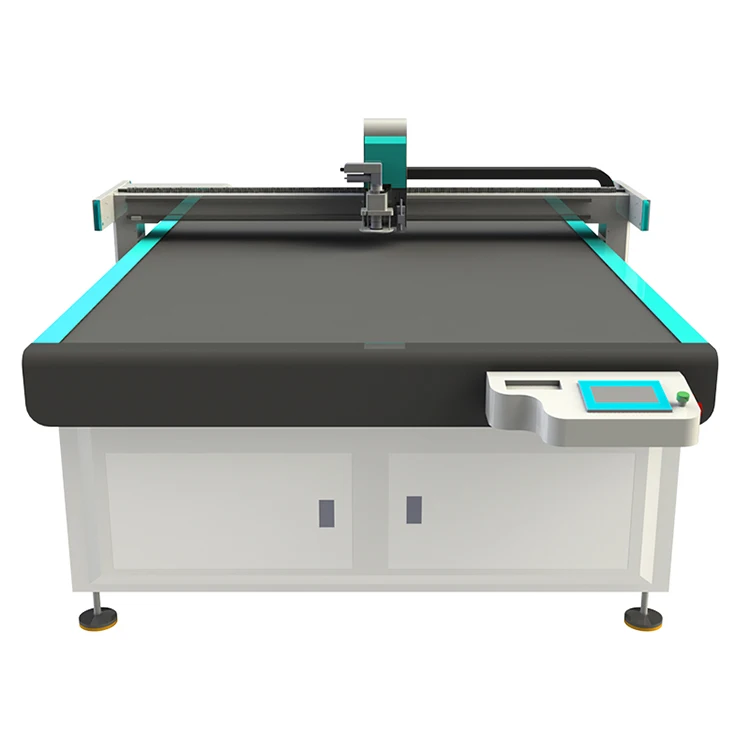
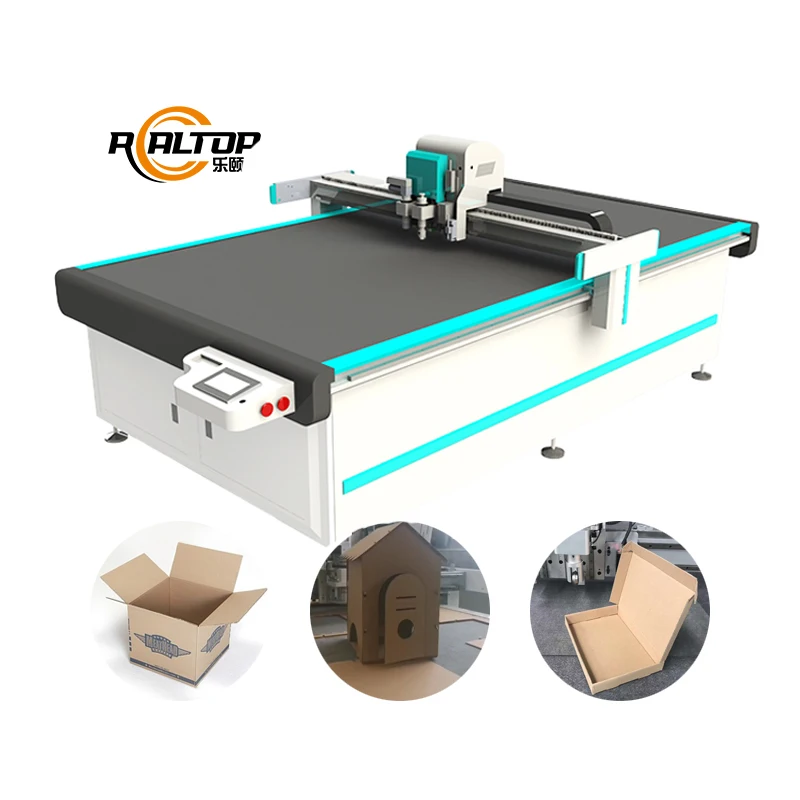
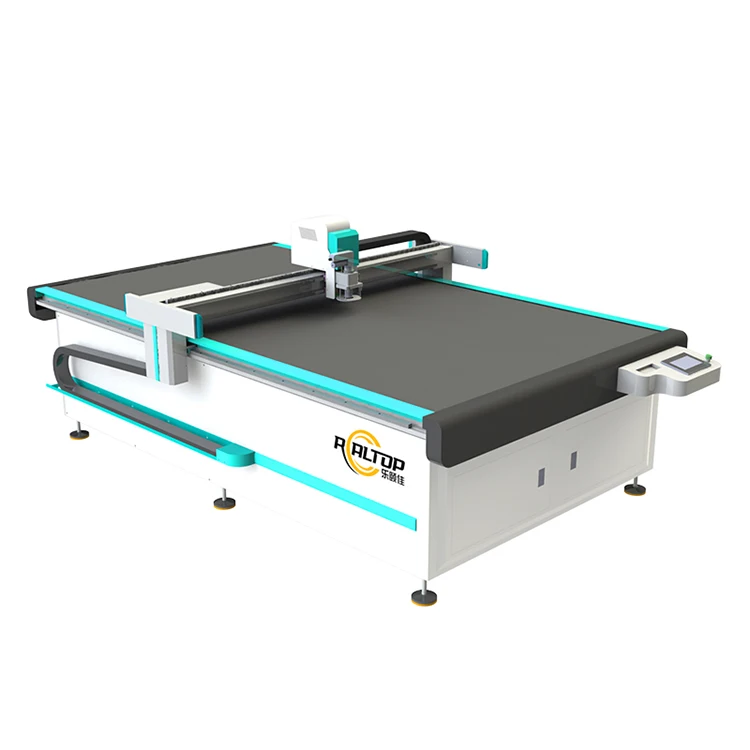
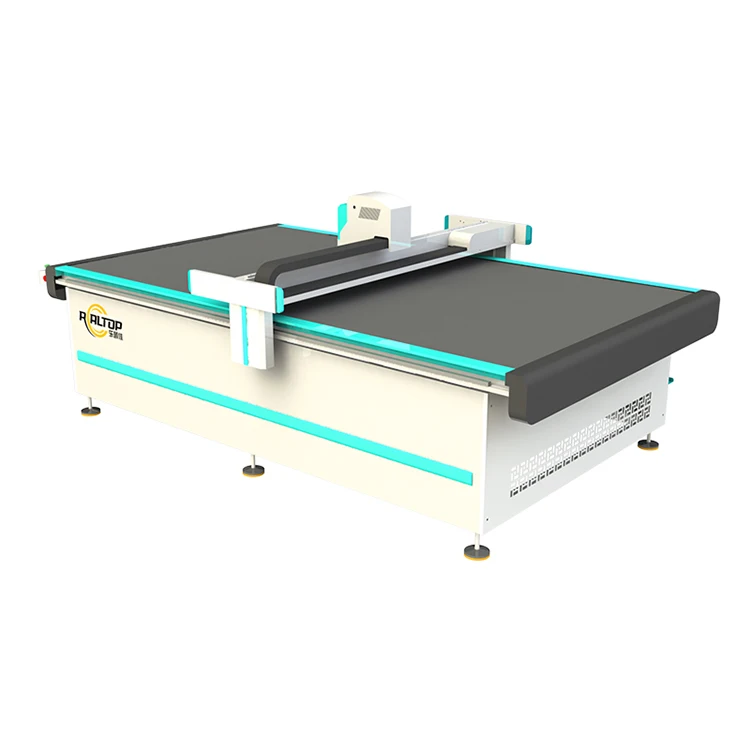
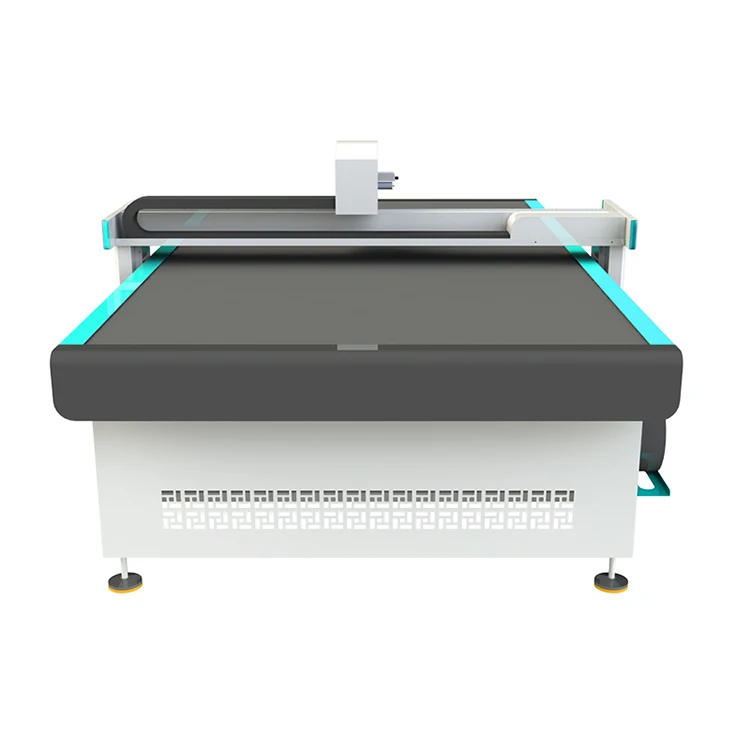
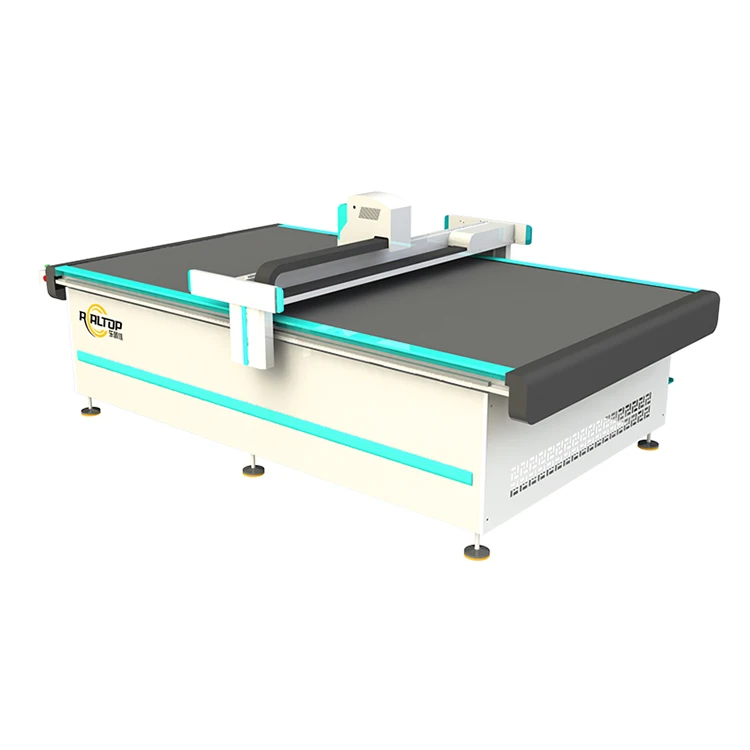
Complete Range View — RT-D2516/RT-S2516 mapped against both knife and laser families, letting buyers compare cutting methods before committing to one approach.
Technical Specifications
| Parameter | Value |
|---|---|
| Model | RT-D2516/RT-S2516 |
| Product Type | CNC Fabric Cutting Machine |
| Working Area | 1600×2500 mm |
| Overall Dimensions | 3450×2300×1250 mm |
| Rated Power | 9 kW |
| Vacuum Pump | 7.5 kW |
| Working Table | Flat table with auto feeding system |
| Conveyor Belt | Germany imported belt |
| Multifunctional Head | Swiss imported knife; vibration full cut, half cut, cursor location |
| Cutting Thickness | ≤50 mm (varies with material) |
| Translational Velocity | 800–1200 mm/s |
| Repeatability | ≤0.1 mm |
| Servo Motor | Panasonic |
| Drive Components | Pinion and rack transmission |
| Guide Rail | Taiwan Hiwin rail |
| Transmission System | Digital servo, linear guide, synchronous belt, ball screw |
| Table Surface | Aviation aluminum countertop with internal wind structure |
| Table Cloth | High-density felt |
| Machine Bed | Overall welding with imported milling machine processing |
| Control Box | Fixed on fuselage, high-flexibility cables (wear, moisture, cold, heat resistant) |
| Tool Holder | Modular: compatible with round knife, marking pen, auto feeder |
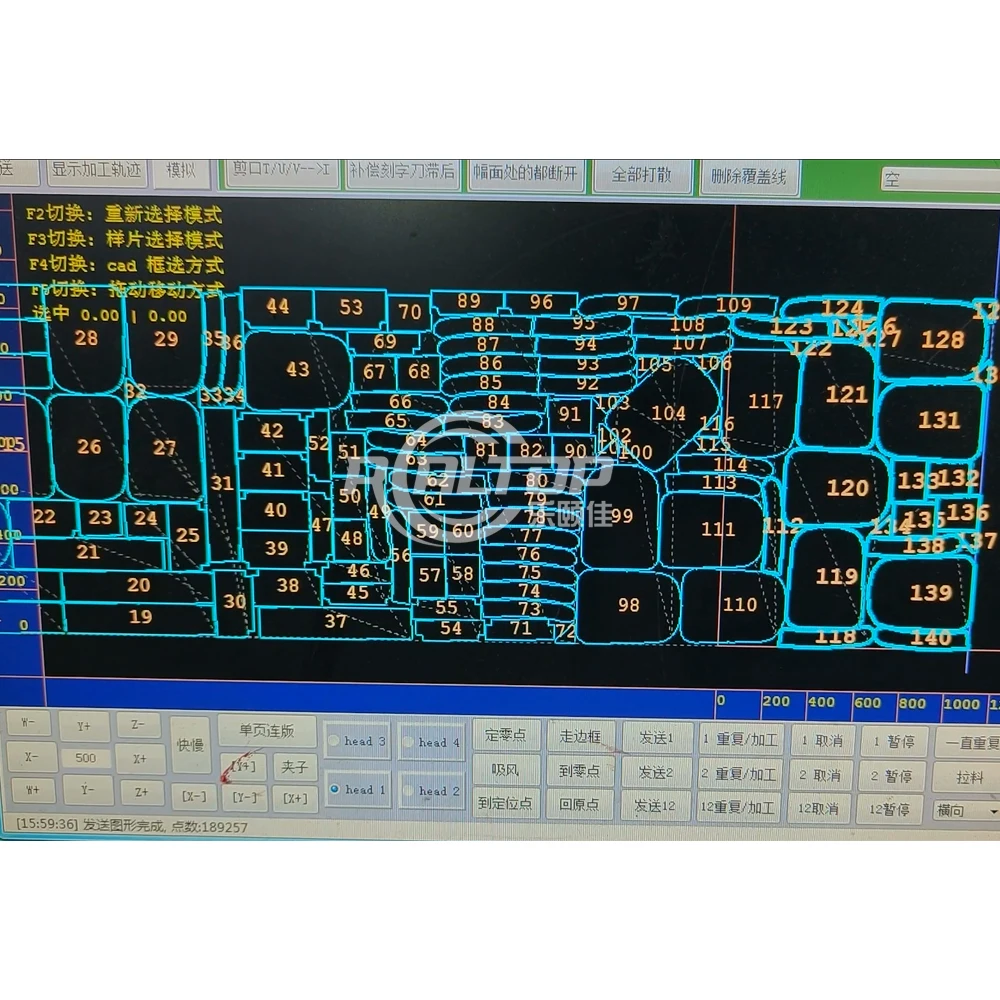
| Instruction System | HP-GL compatible format |
| Safety Device | Infrared sensors |
| Voltage | 380V±10% |
| Software Language | English, Russian, Italian, Chinese (custom options available) |
| Certification | CE |
Application Suitability
| Application | Material or Output |
|---|---|
| Zebra roller blind production | Coated polyester and woven blind fabrics on continuous feed |
| Garment and textile cutting | Single and multi-layer woven, knit and non-woven fabrics |
| Leather goods manufacturing | Natural and synthetic leather for shoes, bags and upholstery |
| Automotive interior trimming | Composite leather and sponge-backed materials |
| PVC and soft glass processing | Flexible PVC sheets and transparent soft glass |
| Gasket and seal fabrication | Silicone and rubber sheet for industrial gaskets |
What a Working Area Figure Alone Cannot Tell You About a CNC Fabric Cutting Machine Manufacturer
Specifying by table size without confirming tool head and material behaviour leads to failed test runs and delayed shipments.
I have walked into workshops where the machine footprint matched the floor plan perfectly,*n the table. When a buyer assumes that a 1600×2500 mm bed guarantees clean edges on thick sponge composite leather or layered roller blind fabric, the mismatch only surfaces during commissioning. The cutting thickness capability depends on the tool head configuration and the vacuum hold-down, not just the gantry clearance. Asking the right questions about material density and layer count before the order is placed prevents a situation where the machine sits idle while tooling is swapped. [NEED_CITE: common specification mismatches in industrial textile cutting equipment procurement]
Matching the Cutting Method to the Material Before the Order
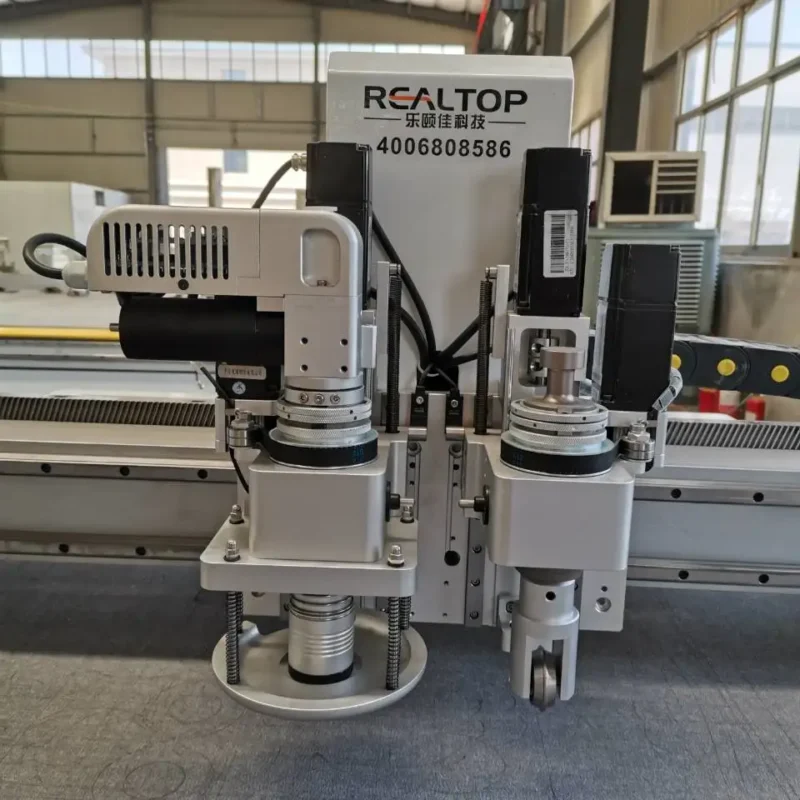
Every fabric behaves differently under a blade. A Swiss imported oscillating knife handles woven blind textiles and multi-layer garment fabrics without fraying the edge, while a round knife suits single-ply materials where speed matters more than edge sealing. This CNC fabric cutting machine manufacturer offers the RT-D2516/RT-S2516 with a modular tool holder, so the same platform accepts a vibration blade, a drag knife, a marking pen or a round knife depending on the job. The choice is not cosmetic; it determines whether the edge is sealed, whether the coating on a zebra blind cracks during the cut, and whether the nesting software can place parts close enough to minimize waste.
Why Vacuum Zoning and Table Surface Matter for Thin and Small Parts
A full-sheet vacuum might hold a large panel firmly, but small gasket pieces or narrow blind strips can lift at the edges once the blade exits the cut. The aviation aluminum countertop on this machine uses an internal wind structure paired with high-density felt to distribute suction evenly. For roller blind producers cutting multiple narrow widths across the 1600×2500 mm bed, this even distribution keeps each strip flat until the last pass is complete. [NEED_CITE: vacuum hold-down principles for flatbed digital cutting tables] When a buyer evaluates a CNC fabric cutting machine manufacturer, asking for a zone diagram and a suction test on the actual material reveals more than a generic vacuum pump rating.
Reading the Specs That Directly Shape Daily Output
The 9 kW rated power covers the spindle, the conveyor drive and the control electronics together, while the separate 7.5 kW vacuum pump runs on its own circuit; confirming that the buyer’s workshop has capacity for both loads avoids tripped breakers on the first day. Panasonic servo motors paired with pinion-and-rack transmission deliver the 800–1200 mm/s translational velocity range, and the ≤0.1 mm repeatability keeps nesting tolerances tight across long production runs. Taiwan Hiwin linear guides maintain that precision over time, reducing the frequency of rail adjustments. The HP-GL compatible instruction system accepts files from standard nesting software, so a buyer’s existing workflow carries over without a format conversion step. High-flexibility cables rated for wear, moisture and temperature swings protect signal integrity when the machine runs in humid or unheated workshops.
The Hidden Cost of Choosing the Wrong Tool Head for Coated Textiles
When a zebra blind fabric carries a thick PVC or acrylic coating, a standard drag knife drags the coating rather than slicing through it, leaving a ragged edge that shows up on the finished blind. Switching to an oscillating vibration blade after delivery means re-ordering tool holders, recalibrating the Z-axis and re-running the nesting tests. In some cases the conveyor belt grips the coated surface unevenly, causing the feed to slip and the pattern to shift mid-sheet. [NEED_CITE: edge quality issues when cutting coated and laminated fabrics] These problems compound when the production schedule is tight, turning a tooling oversight into missed shipment deadlines.
Why Buyers Source the Full Range Here
In-house design covers both knife and laser cutting technologies, so a buyer comparing methods for textile or composite work can evaluate both on the same platform family rather than consulting separate suppliers. Tool head and table configurations are specified per material and production volume, documented before the order is confirmed. CCD camera positioning is available for printed contour work where registration marks guide the cut path. Software compatibility with the buyer’s existing nesting or CAD format is verified during the pre-order stage. Voltage, language and specification customization ensure the control box and documentation match the destination market. Sample cutting on the buyer’s own material runs before commitment, providing a physical reference for edge quality and dimensional accuracy.
Documentation & Verification
- Machine specification sheet listing RT-D2516/RT-S2516 working area, tool head and table configuration
- Electrical schematic and 380V±10% voltage confirmation matching facility supply
- Sample cutting report on buyer’s own roller blind or garment fabric
- Tool head and modular holder configuration list with compatible knife types
- Software licence and HP-GL file format compatibility note
- CE declaration and factory test record before dispatch
Installation, Commissioning & Support
- 3450×2300×1250 mm overall dimensions require clear floor space plus operator access on three sides
- 380V±10% supply with dedicated circuit for the 9 kW machine and separate 7.5 kW vacuum pump
- Modular tool holder setup and Z-axis calibration performed at buyer’s site during commissioning
- Panasonic servo tuning and pinion-and-rack alignment verified on the 1600×2500 mm working area
- Operator training covering HP-GL file import, nesting workflow and tool change procedures
- Spare parts list including high-density felt, Swiss knife blades and conveyor belt segments
Preparing Your Inquiry
Send a sample of the actual fabric or composite material you intend to cut, including any coating or backing layers, so a cutting test confirms the right tool head. Specify your workshop voltage and frequency, the control language your operators need, and the daily sheet volume you plan to run across the 1600×2500 mm bed. If your existing nesting software exports HP-GL or another format, share a sample file so compatibility is checked before the quotation stage.
Frequently Asked Questions
Q: How do I decide between knife cutting and laser cutting for my fabric?
A: Knife cutting suits materials where a sealed edge is not required and where fumes from laser processing would be a concern, such as coated roller blind fabrics and multi-layer garment textiles. Laser cutting seals synthetic edges but may discolor natural fibers. Share a material sample and we map both methods against your edge quality and throughput requirements.
Q: Which tool head should I use for thick sponge composite leather?
A: An oscillating vibration knife handles sponge composites up to 50 mm thick without crushing the foam core. A drag knife compresses the material and leaves uneven edges. We run a sample cut on your specific leather to confirm blade type and cutting depth before the tool head is finalized.
Q: What working area do I need for my roller blind sheet dimensions?
A: The RT-D2516/RT-S2516 offers a 1600×2500 mm bed with auto feeding, fitting standard blind fabric roll widths. Measure your largest sheet and add nesting clearance; if your rolls exceed 1600 mm, a wider format model may be needed.
Q: Can the machine track printed marks on my fabric at full speed?
A: CCD camera contour recognition reads printed registration marks and adjusts the cut path accordingly. We confirm mark size, contrast and spacing against the camera specification so tracking holds at production speed without manual repositioning.
Q: What voltage and language options are available?
A: The standard configuration runs on 380V±10%, with software language options including English, Russian, Italian and Chinese. Custom language packs and voltage adjustments for other markets are confirmed during the specification review stage.
Complete Range View — RT-D2516/RT-S2516 mapped against both knife and laser families, letting buyers compare cutting methods before committing to one approach.
Technical Specifications
| Parameter | Value |
|---|---|
| Model | RT-D2516/RT-S2516 |
| Product Type | CNC Fabric Cutting Machine |
| Working Area | 1600×2500 mm |
| Overall Dimensions | 3450×2300×1250 mm |
| Rated Power | 9 kW |
| Vacuum Pump | 7.5 kW |
| Working Table | Flat table with auto feeding system |
| Conveyor Belt | Germany imported belt |
| Multifunctional Head | Swiss imported knife; vibration full cut, half cut, cursor location |
| Cutting Thickness | ≤50 mm (varies with material) |
| Translational Velocity | 800–1200 mm/s |
| Repeatability | ≤0.1 mm |
| Servo Motor | Panasonic |
| Drive Components | Pinion and rack transmission |
| Guide Rail | Taiwan Hiwin rail |
| Transmission System | Digital servo, linear guide, synchronous belt, ball screw |
| Table Surface | Aviation aluminum countertop with internal wind structure |
| Table Cloth | High-density felt |
| Machine Bed | Overall welding with imported milling machine processing |
| Control Box | Fixed on fuselage, high-flexibility cables (wear, moisture, cold, heat resistant) |
| Tool Holder | Modular: compatible with round knife, marking pen, auto feeder |
| Instruction System | HP-GL compatible format |
| Safety Device | Infrared sensors |
| Voltage | 380V±10% |
| Software Language | English, Russian, Italian, Chinese (custom options available) |
| Certification | CE |
Application Suitability
| Application | Material or Output |
|---|---|
| Zebra roller blind production | Coated polyester and woven blind fabrics on continuous feed |
| Garment and textile cutting | Single and multi-layer woven, knit and non-woven fabrics |
| Leather goods manufacturing | Natural and synthetic leather for shoes, bags and upholstery |
| Automotive interior trimming | Composite leather and sponge-backed materials |
| PVC and soft glass processing | Flexible PVC sheets and transparent soft glass |
| Gasket and seal fabrication | Silicone and rubber sheet for industrial gaskets |
What a Working Area Figure Alone Cannot Tell You About a CNC Fabric Cutting Machine Manufacturer
Specifying by table size without confirming tool head and material behaviour leads to failed test runs and delayed shipments.
I have walked into workshops where the machine footprint matched the floor plan perfectly,*n the table. When a buyer assumes that a 1600×2500 mm bed guarantees clean edges on thick sponge composite leather or layered roller blind fabric, the mismatch only surfaces during commissioning. The cutting thickness capability depends on the tool head configuration and the vacuum hold-down, not just the gantry clearance. Asking the right questions about material density and layer count before the order is placed prevents a situation where the machine sits idle while tooling is swapped. [NEED_CITE: common specification mismatches in industrial textile cutting equipment procurement]
Matching the Cutting Method to the Material Before the Order
Every fabric behaves differently under a blade. A Swiss imported oscillating knife handles woven blind textiles and multi-layer garment fabrics without fraying the edge, while a round knife suits single-ply materials where speed matters more than edge sealing. This CNC fabric cutting machine manufacturer offers the RT-D2516/RT-S2516 with a modular tool holder, so the same platform accepts a vibration blade, a drag knife, a marking pen or a round knife depending on the job. The choice is not cosmetic; it determines whether the edge is sealed, whether the coating on a zebra blind cracks during the cut, and whether the nesting software can place parts close enough to minimize waste.
Why Vacuum Zoning and Table Surface Matter for Thin and Small Parts
A full-sheet vacuum might hold a large panel firmly, but small gasket pieces or narrow blind strips can lift at the edges once the blade exits the cut. The aviation aluminum countertop on this machine uses an internal wind structure paired with high-density felt to distribute suction evenly. For roller blind producers cutting multiple narrow widths across the 1600×2500 mm bed, this even distribution keeps each strip flat until the last pass is complete. [NEED_CITE: vacuum hold-down principles for flatbed digital cutting tables] When a buyer evaluates a CNC fabric cutting machine manufacturer, asking for a zone diagram and a suction test on the actual material reveals more than a generic vacuum pump rating.
Reading the Specs That Directly Shape Daily Output
The 9 kW rated power covers the spindle, the conveyor drive and the control electronics together, while the separate 7.5 kW vacuum pump runs on its own circuit; confirming that the buyer’s workshop has capacity for both loads avoids tripped breakers on the first day. Panasonic servo motors paired with pinion-and-rack transmission deliver the 800–1200 mm/s translational velocity range, and the ≤0.1 mm repeatability keeps nesting tolerances tight across long production runs. Taiwan Hiwin linear guides maintain that precision over time, reducing the frequency of rail adjustments. The HP-GL compatible instruction system accepts files from standard nesting software, so a buyer’s existing workflow carries over without a format conversion step. High-flexibility cables rated for wear, moisture and temperature swings protect signal integrity when the machine runs in humid or unheated workshops.
The Hidden Cost of Choosing the Wrong Tool Head for Coated Textiles
When a zebra blind fabric carries a thick PVC or acrylic coating, a standard drag knife drags the coating rather than slicing through it, leaving a ragged edge that shows up on the finished blind. Switching to an oscillating vibration blade after delivery means re-ordering tool holders, recalibrating the Z-axis and re-running the nesting tests. In some cases the conveyor belt grips the coated surface unevenly, causing the feed to slip and the pattern to shift mid-sheet. [NEED_CITE: edge quality issues when cutting coated and laminated fabrics] These problems compound when the production schedule is tight, turning a tooling oversight into missed shipment deadlines.
Why Buyers Source the Full Range Here
In-house design covers both knife and laser cutting technologies, so a buyer comparing methods for textile or composite work can evaluate both on the same platform family rather than consulting separate suppliers. Tool head and table configurations are specified per material and production volume, documented before the order is confirmed. CCD camera positioning is available for printed contour work where registration marks guide the cut path. Software compatibility with the buyer’s existing nesting or CAD format is verified during the pre-order stage. Voltage, language and specification customization ensure the control box and documentation match the destination market. Sample cutting on the buyer’s own material runs before commitment, providing a physical reference for edge quality and dimensional accuracy.
Documentation & Verification
- Machine specification sheet listing RT-D2516/RT-S2516 working area, tool head and table configuration
- Electrical schematic and 380V±10% voltage confirmation matching facility supply
- Sample cutting report on buyer’s own roller blind or garment fabric
- Tool head and modular holder configuration list with compatible knife types
- Software licence and HP-GL file format compatibility note
- CE declaration and factory test record before dispatch
Installation, Commissioning & Support
- 3450×2300×1250 mm overall dimensions require clear floor space plus operator access on three sides
- 380V±10% supply with dedicated circuit for the 9 kW machine and separate 7.5 kW vacuum pump
- Modular tool holder setup and Z-axis calibration performed at buyer’s site during commissioning
- Panasonic servo tuning and pinion-and-rack alignment verified on the 1600×2500 mm working area
- Operator training covering HP-GL file import, nesting workflow and tool change procedures
- Spare parts list including high-density felt, Swiss knife blades and conveyor belt segments
Preparing Your Inquiry
Send a sample of the actual fabric or composite material you intend to cut, including any coating or backing layers, so a cutting test confirms the right tool head. Specify your workshop voltage and frequency, the control language your operators need, and the daily sheet volume you plan to run across the 1600×2500 mm bed. If your existing nesting software exports HP-GL or another format, share a sample file so compatibility is checked before the quotation stage.
Frequently Asked Questions
Q: How do I decide between knife cutting and laser cutting for my fabric?
A: Knife cutting suits materials where a sealed edge is not required and where fumes from laser processing would be a concern, such as coated roller blind fabrics and multi-layer garment textiles. Laser cutting seals synthetic edges but may discolor natural fibers. Share a material sample and we map both methods against your edge quality and throughput requirements.
Q: Which tool head should I use for thick sponge composite leather?
A: An oscillating vibration knife handles sponge composites up to 50 mm thick without crushing the foam core. A drag knife compresses the material and leaves uneven edges. We run a sample cut on your specific leather to confirm blade type and cutting depth before the tool head is finalized.
Q: What working area do I need for my roller blind sheet dimensions?
A: The RT-D2516/RT-S2516 offers a 1600×2500 mm bed with auto feeding, fitting standard blind fabric roll widths. Measure your largest sheet and add nesting clearance; if your rolls exceed 1600 mm, a wider format model may be needed.
Q: Can the machine track printed marks on my fabric at full speed?
A: CCD camera contour recognition reads printed registration marks and adjusts the cut path accordingly. We confirm mark size, contrast and spacing against the camera specification so tracking holds at production speed without manual repositioning.
Q: What voltage and language options are available?
A: The standard configuration runs on 380V±10%, with software language options including English, Russian, Italian and Chinese. Custom language packs and voltage adjustments for other markets are confirmed during the specification review stage.
商品评价
There are no reviews yet.