

Fast Delivery
Quick, reliable shipping to any location.

Free & easy returns
Return this item by mail or in store within 90 days for a full refund.
Complete Method Matching — we map oscillating knife, creasing wheel and milling options to your specific board grade and flute profile before quoting, not after.
Technical Specifications
| Parameter | Value |
|---|---|
| Model | 1625 |
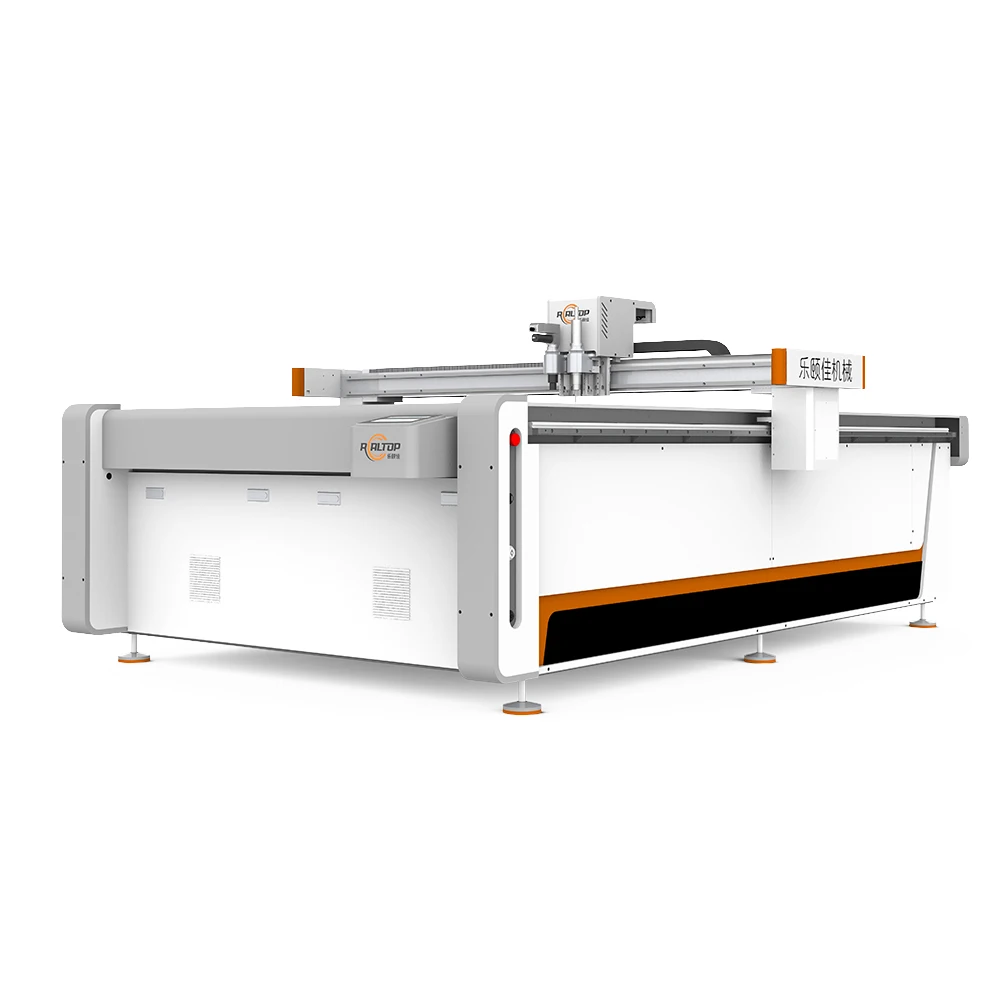
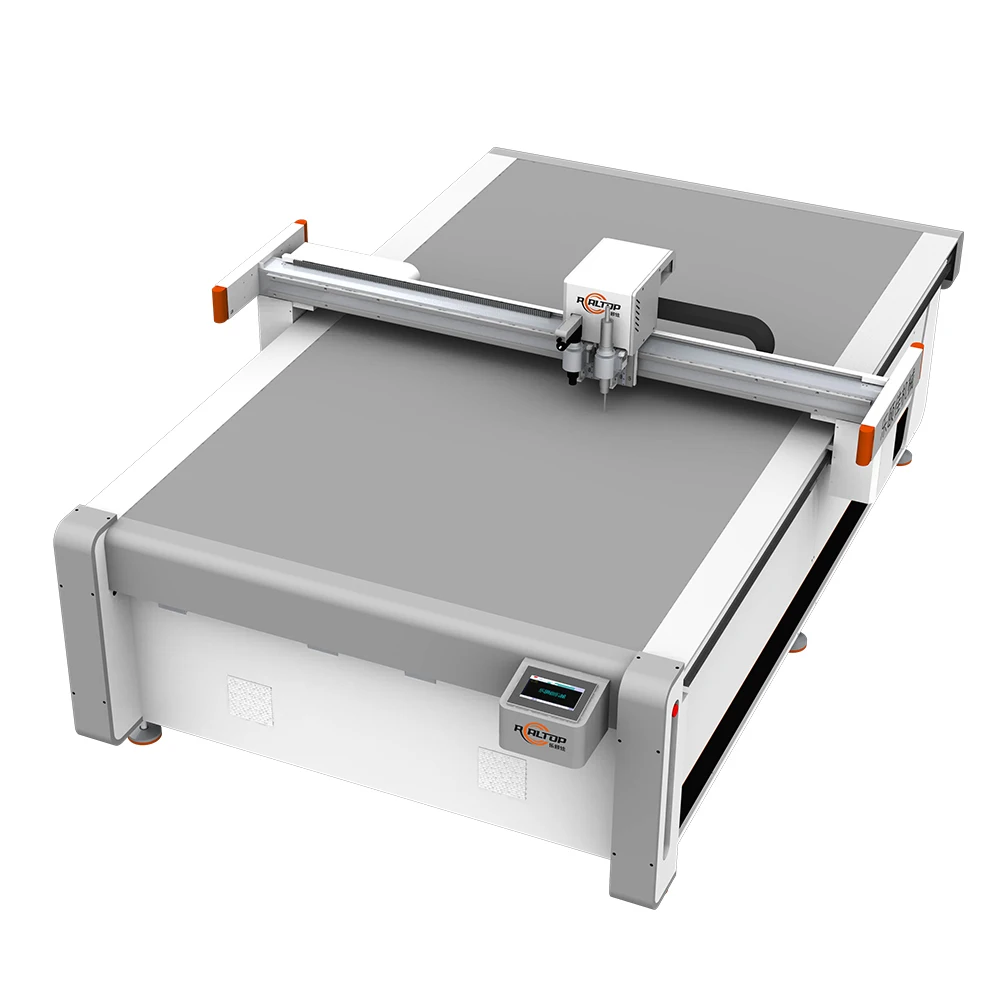
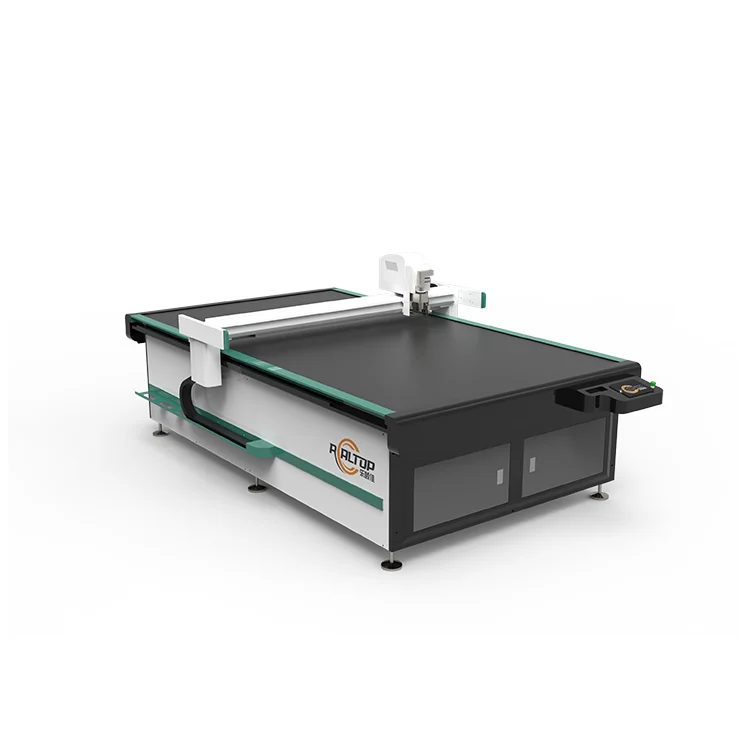
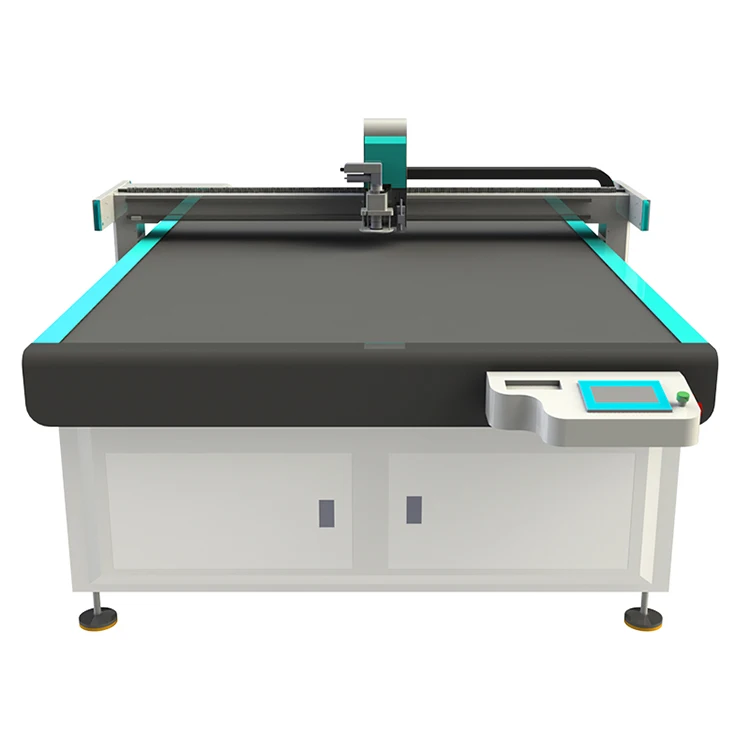
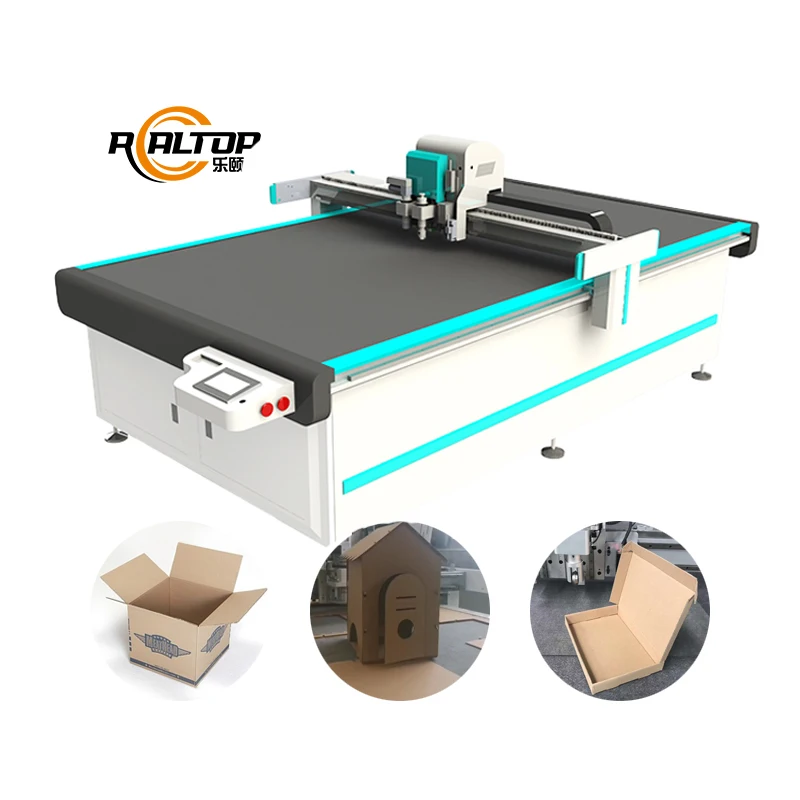
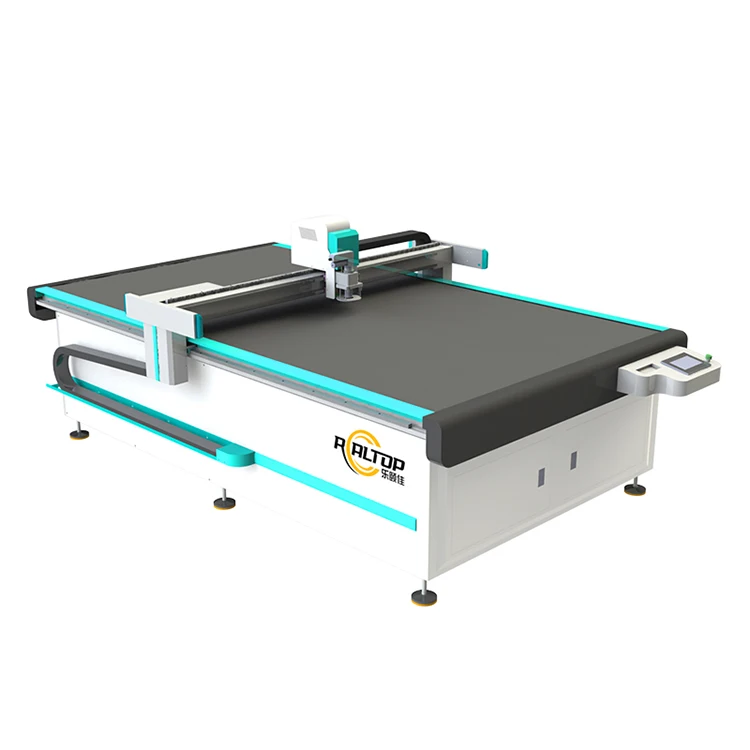
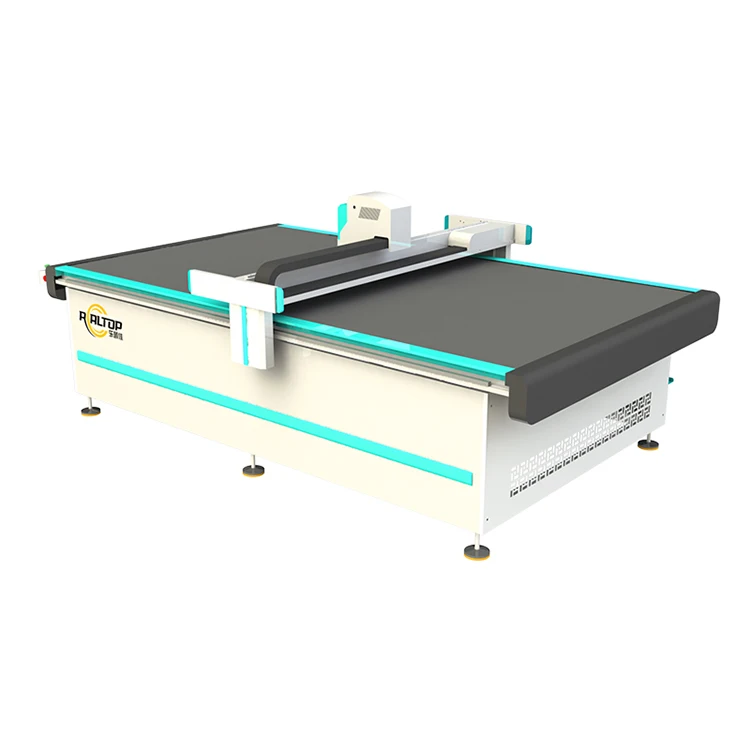
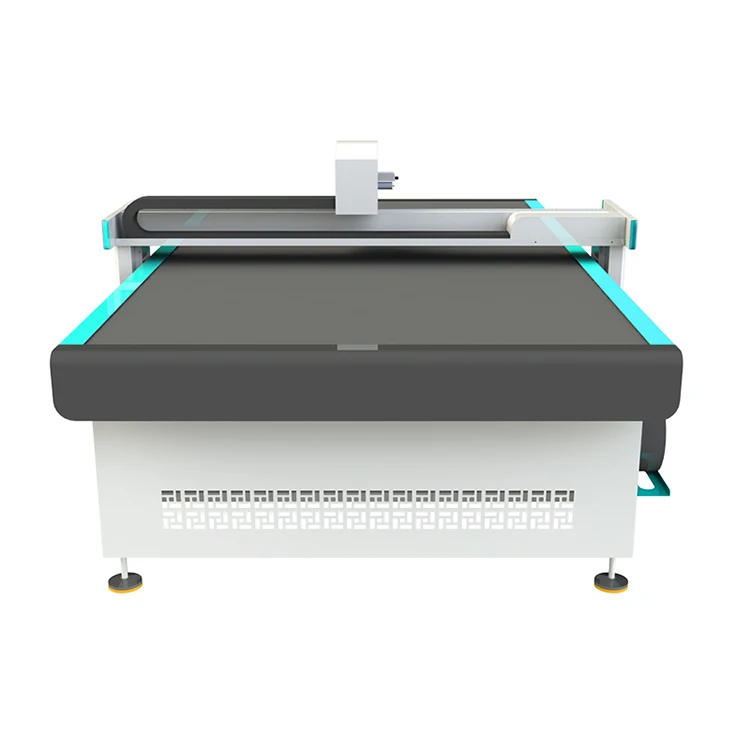
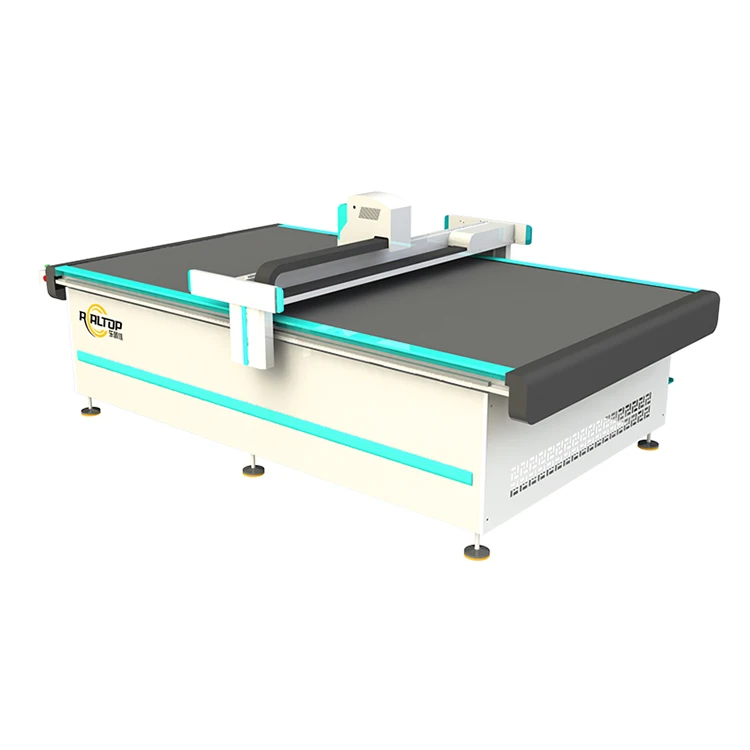
| Product Type | CNC Oscillating Knife Cutting Machine |
| Working Area | 1600×2500 mm |
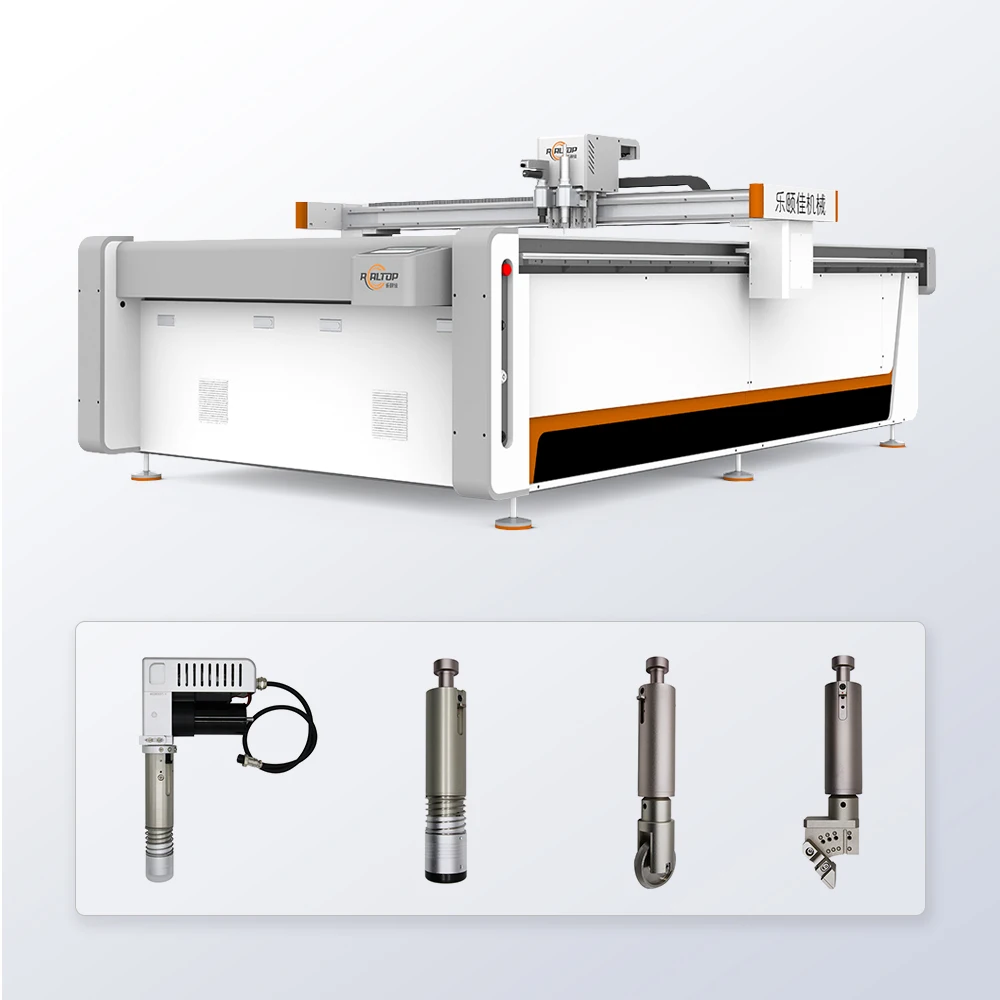
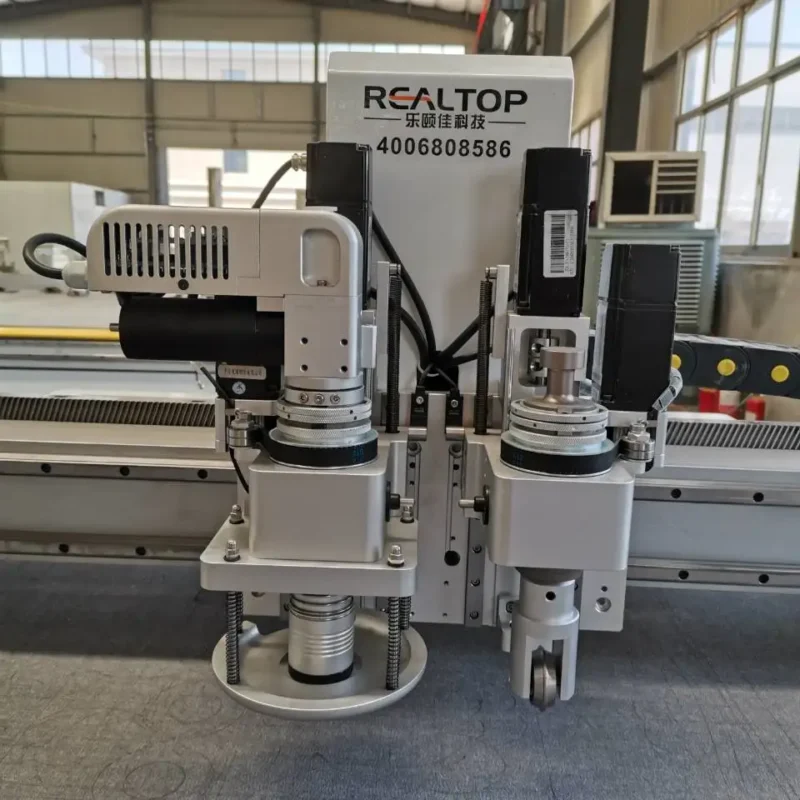
| Tool Head Options | Oscillating knife, Driven rotary knife, Creasing wheel, Kiss cutting tool, Pneumatic knife, Milling tool, V-groove knife |
| Cutting Thickness | Up to 40 mm |
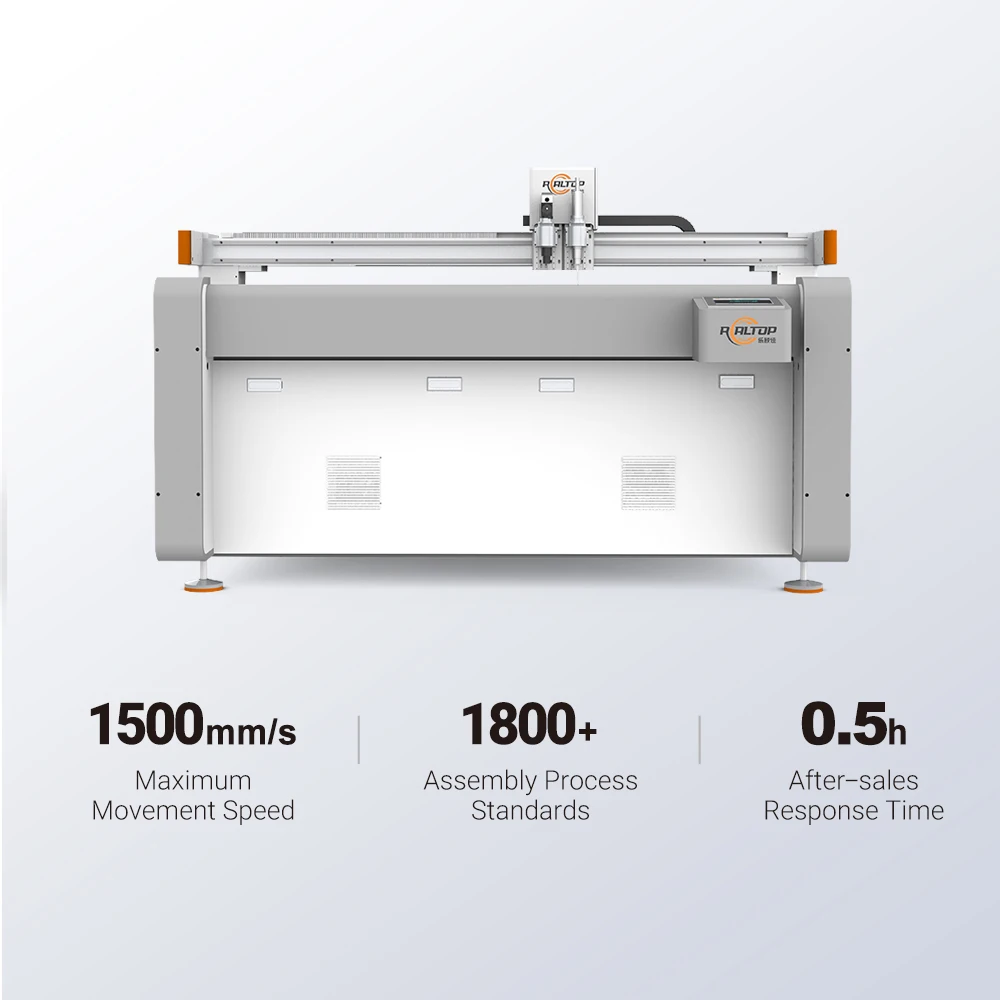
| Cutting Speed | 0–1500 mm/s |
| Positioning Accuracy | ±0.1 mm |
| Vacuum Pump | 9 kW |
| Vacuum Table | Aluminum bellows vacuum table |
| Servo Motor Options | Panasonic, Delta, Dorna |
| Control System | PLC control panel with dedicated packaging box structure design software |
| Compatible File Formats | PLT, DXF, AI, PDF |
| Voltage Options | 110V, 220V, 380V |
| Language Options | English, Russian, Italian, Chinese, special languages customizable |
| Safety Devices | Infrared sensor device, emergency stop |
| Machine Dimensions | 3300×2100×1350 mm |
| Compliance | CE |
Application Suitability
| Application | Material or Output |
|---|---|
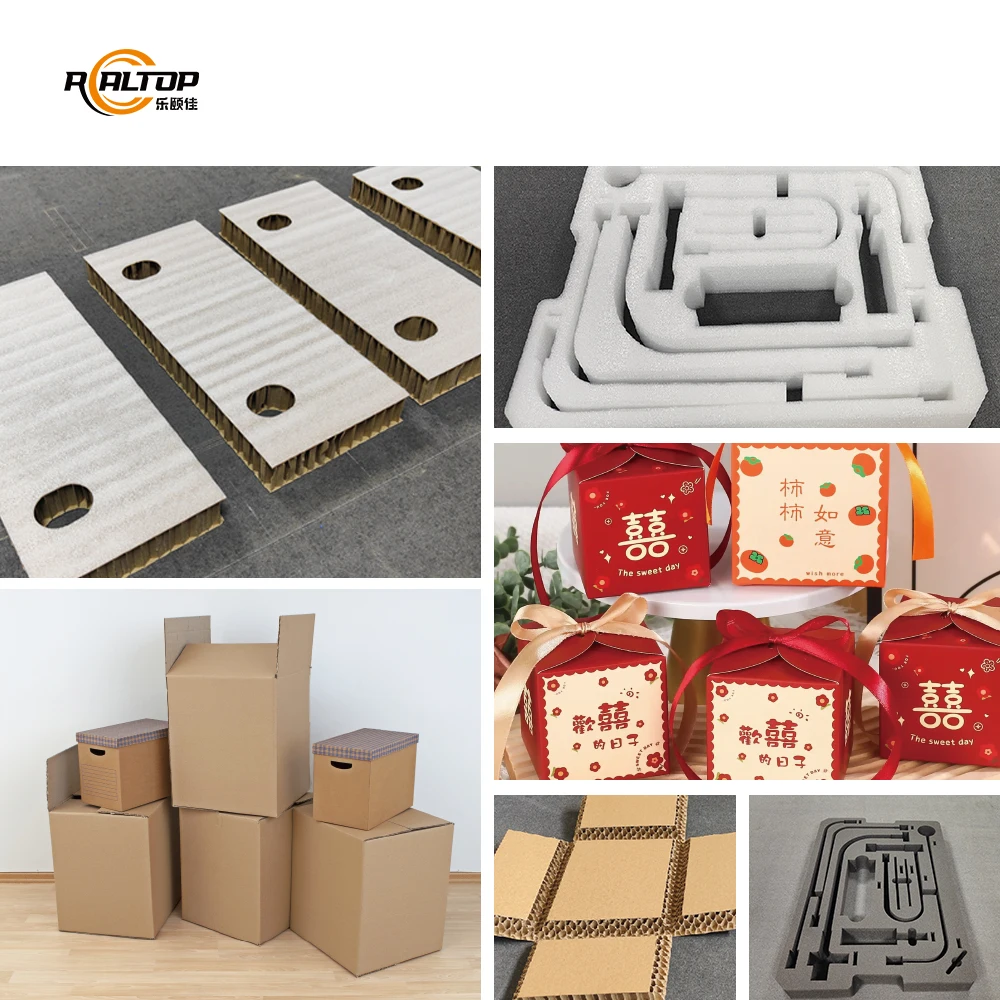
| Packaging sample making | E-flute, B-flute and BC-flute corrugated cardboard, greyboard |
| Carton box prototyping | Cardstock, art paper, kraft liner board |
| Protective insert cutting | EVA, EPE and PU foam sheets |
| Gasket and pad production | Rubber mats, PTFE sheets, non-woven fabric |
| Leather and textile cutting | Genuine leather, synthetic leather, velvet, fleece |
| Signage and display board | PVC foam board, thin PET and PVC plastic sheets |
| Composite material blanking | Adhesive-backed laminates, multi-layer composite panels |
What a Working Area Number Actually Tells You About Cutting Depth
A CNC oscillating knife cutting machine for sale is often specified by table size alone, but working area tells you nothing about whether the machine will hold tolerance on the material you actually run.
I worked with a carton sample shop last year that sourced a flatbed cutter based purely on its 1600×2500 footprint. Their primary stock was double-wall BC-flute corrugated board, and the knife simply deflected through the flutes, leaving ragged edges on every fold line. The machine was the right size but the wrong tool configuration for that board density [NEED_CITE: cutting force requirements for double-wall corrugated substrates]. That shop lost nearly a full production day per week to re-cuts until the oscillating frequency and tool pressure were matched to the flute geometry. Specifying by material thickness and board grade first eliminates that mismatch before the machine is built.
Matching Tool Heads to Board Grades and Packaging Workflows
The 1625 platform carries an oscillating knife, driven rotary knife, creasing wheel, kiss cutting tool, pneumatic knife, milling tool and V-groove knife as selectable heads. For standard single-wall corrugated sample making, an oscillating knife handles the through-cuts while the creasing wheel scores fold lines in a single setup pass. Thicker BC-flute and greyboard stock demand higher oscillation frequency to slice cleanly through the flute medium without crushing it. Milling and V-groove options extend the same CNC oscillating knife cutting machine for sale into rigid signage board and foam-core display work where fold-back constructions replace taped joints.
Vacuum Zoning and Hold-Down on Low-Mass Substrates
A 9 kW pump paired with an aluminum bellows vacuum table provides the suction needed to keep lightweight corrugated sheets and thin foam flat during high-speed passes. The aluminum bellows construction distributes vacuum more evenly than a simple plenum, which matters when you cut small packaging inserts or nested gasket parts that tend to lift at the trailing edge. Consistent hold-down is what keeps the ±0.1 mm positioning accuracy meaningful across the full 1600×2500 mm bed [NEED_CITE: vacuum table performance on low-mass packaging substrates]. Without adequate zoning, operators end up taping material borders to the table, which slows loading and introduces registration drift.
Reading the Specs That Matter for Packaging Output
Cutting thickness capacity up to 40 mm covers everything from single-wall E-flute board to stacked EVA foam inserts, but real capability depends on the tool head chosen and the blade profile installed. The 0–1500 mm/s speed range gives the PLC controller room to slow down on tight corners and radii, which is where most cardboard sample prototypes fail — the knife overruns the corner and tears the liner. A dedicated packaging box structure design software reads PLT, DXF, AI and PDF files directly, so a sample maker can pull in an ArtiosCAD or Illustrator dieline without converting formats in a separate nesting step. Servo drive options from Panasonic, Delta or Dorna allow the machine to be specified with a motion system that matches the buyer’s existing maintenance ecosystem and spare parts supply chain.
The Hidden Cost of Skipping Material Trials
When a cutting machine ships without a sample cut on the buyer’s actual board stock, the first week of production becomes an expensive commissioning exercise. Wrong blade angle on coated art paper leaves burrs that catch during folding. Insufficient vacuum on nested small parts causes the sheet to creep, shifting every cut by a millimeter or more. Language and voltage mismatches surface only when the electrician opens the cabinet on installation day [NEED_CITE: voltage and frequency mismatch consequences on industrial CNC equipment]. These are all preventable with a sample cutting report generated on your own material before the purchase order is signed.
Why Procurement Teams Source This Platform Here
The design team configures tool head and vacuum table combinations per material specification rather than offering a single default build. Every machine is factory tested with the buyer’s own sheet stock, producing a sample cutting report that documents edge quality, hold-down behavior and dimensional accuracy on that specific board grade. Software file format compatibility is confirmed before the order so there are no surprises with existing dieline libraries. Voltage, plug type and control panel language are locked in during the quotation stage, matching the destination workshop’s electrical standard and operator preference [NEED_CITE: industrial machinery export documentation requirements]. The entire configuration — from servo brand to safety device layout — is documented in a specification sheet the buyer signs off before production begins.
Documentation & Verification
- Machine specification sheet listing the exact tool head and vacuum table configuration assigned to your material type
- Electrical schematic confirming voltage, frequency and plug standard for the destination country
- Sample cutting report produced on your corrugated board or foam stock before the order is finalized
- Software licence and file format compatibility note covering PLT, DXF, AI and PDF workflows
- Factory test record documenting positioning accuracy and edge quality on the 1600×2500 mm bed
- Packing photographs showing crate bracing and component placement before the container is sealed
Installation, Commissioning & Support
- Floor space planning based on the 3300×2100×1350 mm machine footprint with clearance for material loading
- Dedicated electrical circuit sized to the confirmed voltage option and the 9 kW vacuum pump draw
- Assembly and leveling of the aluminum bellows vacuum table verified before first power-on
- PLC control panel language set and packaging structure software calibrated during initial commissioning
- Operator training covering tool head changeover between the oscillating knife, creasing wheel and milling tools
- Spare parts list identifying blades, creasing wheels and vacuum seals for ongoing maintenance
What to Share When Requesting a Configuration Quote
Send the specific board grades, flute profiles and foam densities you plan to cut, along with typical sheet dimensions and daily sample volume. Confirm your workshop voltage, frequency and the language your operators prefer on the control panel. If you have an existing dieline library, note the primary file format so we can verify software compatibility before quoting. Mail a stack of your actual production material so we can run sample cuts and return a cutting report with the proposal.
Frequently Asked Questions
Q: Which tool head works best for corrugated cardboard packaging samples?
A: An oscillating knife handles through-cuts on single and double-wall corrugated board cleanly, while a creasing wheel scores fold lines without fracturing the outer liner. The 1625 supports both heads on the same machine, so a complete carton sample — cuts and creases — is produced in one setup. Board grade and flute profile determine the exact blade angle and oscillation frequency selected.
Q: How does vacuum table zoning affect small packaging insert cuts?
A: Small nested parts like EVA foam dividers tend to lift at the trailing edge if vacuum is uneven. The aluminum bellows table on this platform distributes suction across the full 1600×2500 mm surface, and zoning options let you isolate suction to the area under the active cut. This keeps lightweight stock flat without requiring the operator to tape material borders to the table.
Q: Can this machine handle both packaging board and foam materials?
A: Yes. The 40 mm cutting thickness capacity covers corrugated cardboard, greyboard, EVA, EPE and PU foam on the same platform. Switching between materials requires changing the tool head and adjusting vacuum pressure, both of which are part of the standard configuration process. The sample cutting report documents performance on each material you plan to run.
Q: What file formats does the packaging design software accept?
A: The dedicated packaging box structure design software reads PLT, DXF, AI and PDF files directly. This allows dielines created in common vector and illustration programs to import without an intermediate conversion step. File format compatibility is confirmed during the quotation stage to match your existing design workflow.
Complete Method Matching — we map oscillating knife, creasing wheel and milling options to your specific board grade and flute profile before quoting, not after.
Technical Specifications
| Parameter | Value |
|---|---|
| Model | 1625 |
| Product Type | CNC Oscillating Knife Cutting Machine |
| Working Area | 1600×2500 mm |
| Tool Head Options | Oscillating knife, Driven rotary knife, Creasing wheel, Kiss cutting tool, Pneumatic knife, Milling tool, V-groove knife |
| Cutting Thickness | Up to 40 mm |
| Cutting Speed | 0–1500 mm/s |
| Positioning Accuracy | ±0.1 mm |
| Vacuum Pump | 9 kW |
| Vacuum Table | Aluminum bellows vacuum table |
| Servo Motor Options | Panasonic, Delta, Dorna |
| Control System | PLC control panel with dedicated packaging box structure design software |
| Compatible File Formats | PLT, DXF, AI, PDF |
| Voltage Options | 110V, 220V, 380V |
| Language Options | English, Russian, Italian, Chinese, special languages customizable |
| Safety Devices | Infrared sensor device, emergency stop |
| Machine Dimensions | 3300×2100×1350 mm |
| Compliance | CE |
Application Suitability
| Application | Material or Output |
|---|---|
| Packaging sample making | E-flute, B-flute and BC-flute corrugated cardboard, greyboard |
| Carton box prototyping | Cardstock, art paper, kraft liner board |
| Protective insert cutting | EVA, EPE and PU foam sheets |
| Gasket and pad production | Rubber mats, PTFE sheets, non-woven fabric |
| Leather and textile cutting | Genuine leather, synthetic leather, velvet, fleece |
| Signage and display board | PVC foam board, thin PET and PVC plastic sheets |
| Composite material blanking | Adhesive-backed laminates, multi-layer composite panels |
What a Working Area Number Actually Tells You About Cutting Depth
A CNC oscillating knife cutting machine for sale is often specified by table size alone, but working area tells you nothing about whether the machine will hold tolerance on the material you actually run.
I worked with a carton sample shop last year that sourced a flatbed cutter based purely on its 1600×2500 footprint. Their primary stock was double-wall BC-flute corrugated board, and the knife simply deflected through the flutes, leaving ragged edges on every fold line. The machine was the right size but the wrong tool configuration for that board density [NEED_CITE: cutting force requirements for double-wall corrugated substrates]. That shop lost nearly a full production day per week to re-cuts until the oscillating frequency and tool pressure were matched to the flute geometry. Specifying by material thickness and board grade first eliminates that mismatch before the machine is built.
Matching Tool Heads to Board Grades and Packaging Workflows
The 1625 platform carries an oscillating knife, driven rotary knife, creasing wheel, kiss cutting tool, pneumatic knife, milling tool and V-groove knife as selectable heads. For standard single-wall corrugated sample making, an oscillating knife handles the through-cuts while the creasing wheel scores fold lines in a single setup pass. Thicker BC-flute and greyboard stock demand higher oscillation frequency to slice cleanly through the flute medium without crushing it. Milling and V-groove options extend the same CNC oscillating knife cutting machine for sale into rigid signage board and foam-core display work where fold-back constructions replace taped joints.
Vacuum Zoning and Hold-Down on Low-Mass Substrates
A 9 kW pump paired with an aluminum bellows vacuum table provides the suction needed to keep lightweight corrugated sheets and thin foam flat during high-speed passes. The aluminum bellows construction distributes vacuum more evenly than a simple plenum, which matters when you cut small packaging inserts or nested gasket parts that tend to lift at the trailing edge. Consistent hold-down is what keeps the ±0.1 mm positioning accuracy meaningful across the full 1600×2500 mm bed [NEED_CITE: vacuum table performance on low-mass packaging substrates]. Without adequate zoning, operators end up taping material borders to the table, which slows loading and introduces registration drift.
Reading the Specs That Matter for Packaging Output
Cutting thickness capacity up to 40 mm covers everything from single-wall E-flute board to stacked EVA foam inserts, but real capability depends on the tool head chosen and the blade profile installed. The 0–1500 mm/s speed range gives the PLC controller room to slow down on tight corners and radii, which is where most cardboard sample prototypes fail — the knife overruns the corner and tears the liner. A dedicated packaging box structure design software reads PLT, DXF, AI and PDF files directly, so a sample maker can pull in an ArtiosCAD or Illustrator dieline without converting formats in a separate nesting step. Servo drive options from Panasonic, Delta or Dorna allow the machine to be specified with a motion system that matches the buyer’s existing maintenance ecosystem and spare parts supply chain.
The Hidden Cost of Skipping Material Trials
When a cutting machine ships without a sample cut on the buyer’s actual board stock, the first week of production becomes an expensive commissioning exercise. Wrong blade angle on coated art paper leaves burrs that catch during folding. Insufficient vacuum on nested small parts causes the sheet to creep, shifting every cut by a millimeter or more. Language and voltage mismatches surface only when the electrician opens the cabinet on installation day [NEED_CITE: voltage and frequency mismatch consequences on industrial CNC equipment]. These are all preventable with a sample cutting report generated on your own material before the purchase order is signed.
Why Procurement Teams Source This Platform Here
The design team configures tool head and vacuum table combinations per material specification rather than offering a single default build. Every machine is factory tested with the buyer’s own sheet stock, producing a sample cutting report that documents edge quality, hold-down behavior and dimensional accuracy on that specific board grade. Software file format compatibility is confirmed before the order so there are no surprises with existing dieline libraries. Voltage, plug type and control panel language are locked in during the quotation stage, matching the destination workshop’s electrical standard and operator preference [NEED_CITE: industrial machinery export documentation requirements]. The entire configuration — from servo brand to safety device layout — is documented in a specification sheet the buyer signs off before production begins.
Documentation & Verification
- Machine specification sheet listing the exact tool head and vacuum table configuration assigned to your material type
- Electrical schematic confirming voltage, frequency and plug standard for the destination country
- Sample cutting report produced on your corrugated board or foam stock before the order is finalized
- Software licence and file format compatibility note covering PLT, DXF, AI and PDF workflows
- Factory test record documenting positioning accuracy and edge quality on the 1600×2500 mm bed
- Packing photographs showing crate bracing and component placement before the container is sealed
Installation, Commissioning & Support
- Floor space planning based on the 3300×2100×1350 mm machine footprint with clearance for material loading
- Dedicated electrical circuit sized to the confirmed voltage option and the 9 kW vacuum pump draw
- Assembly and leveling of the aluminum bellows vacuum table verified before first power-on
- PLC control panel language set and packaging structure software calibrated during initial commissioning
- Operator training covering tool head changeover between the oscillating knife, creasing wheel and milling tools
- Spare parts list identifying blades, creasing wheels and vacuum seals for ongoing maintenance
What to Share When Requesting a Configuration Quote
Send the specific board grades, flute profiles and foam densities you plan to cut, along with typical sheet dimensions and daily sample volume. Confirm your workshop voltage, frequency and the language your operators prefer on the control panel. If you have an existing dieline library, note the primary file format so we can verify software compatibility before quoting. Mail a stack of your actual production material so we can run sample cuts and return a cutting report with the proposal.
Frequently Asked Questions
Q: Which tool head works best for corrugated cardboard packaging samples?
A: An oscillating knife handles through-cuts on single and double-wall corrugated board cleanly, while a creasing wheel scores fold lines without fracturing the outer liner. The 1625 supports both heads on the same machine, so a complete carton sample — cuts and creases — is produced in one setup. Board grade and flute profile determine the exact blade angle and oscillation frequency selected.
Q: How does vacuum table zoning affect small packaging insert cuts?
A: Small nested parts like EVA foam dividers tend to lift at the trailing edge if vacuum is uneven. The aluminum bellows table on this platform distributes suction across the full 1600×2500 mm surface, and zoning options let you isolate suction to the area under the active cut. This keeps lightweight stock flat without requiring the operator to tape material borders to the table.
Q: Can this machine handle both packaging board and foam materials?
A: Yes. The 40 mm cutting thickness capacity covers corrugated cardboard, greyboard, EVA, EPE and PU foam on the same platform. Switching between materials requires changing the tool head and adjusting vacuum pressure, both of which are part of the standard configuration process. The sample cutting report documents performance on each material you plan to run.
Q: What file formats does the packaging design software accept?
A: The dedicated packaging box structure design software reads PLT, DXF, AI and PDF files directly. This allows dielines created in common vector and illustration programs to import without an intermediate conversion step. File format compatibility is confirmed during the quotation stage to match your existing design workflow.
商品评价
There are no reviews yet.