

Fast Delivery
Quick, reliable shipping to any location.

Free & easy returns
Return this item by mail or in store within 90 days for a full refund.
Material-Driven Tooling — Every RT-D2516/RT-S2516 leaves our Jinan floor only after the oscillating knife, drag knife or creasing wheel has been matched to the buyer’s actual sheet stock, not a catalogue guess.
Technical Specifications
| Parameter | Value |
|---|---|
| Model | RT-D2516/RT-S2516 |
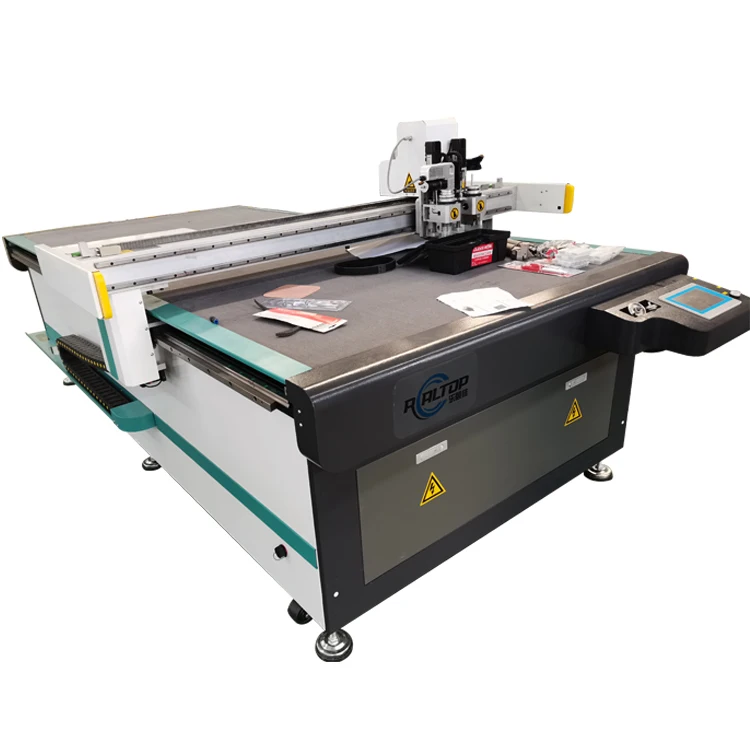
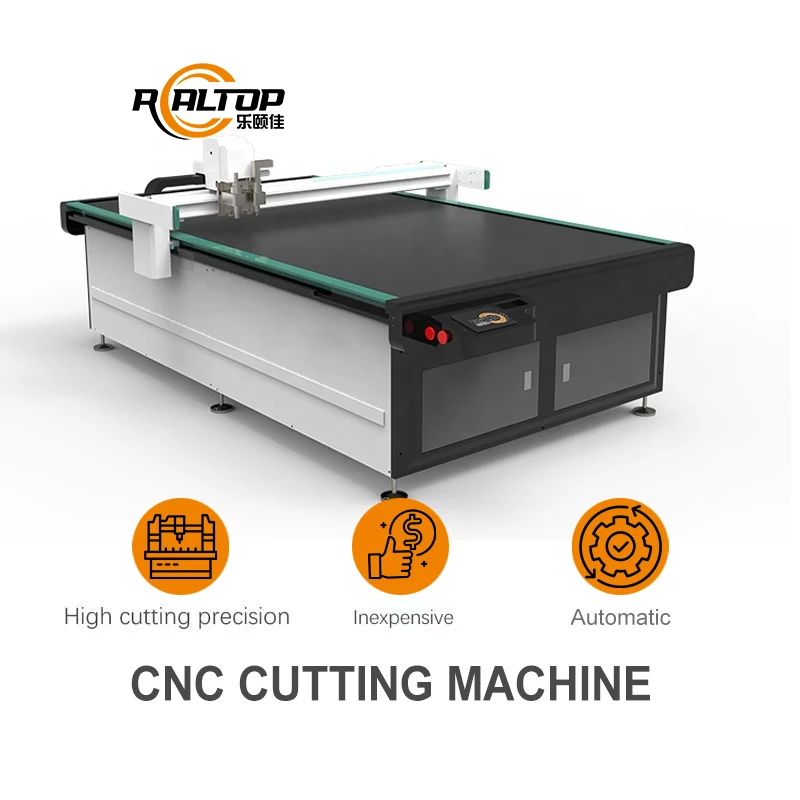
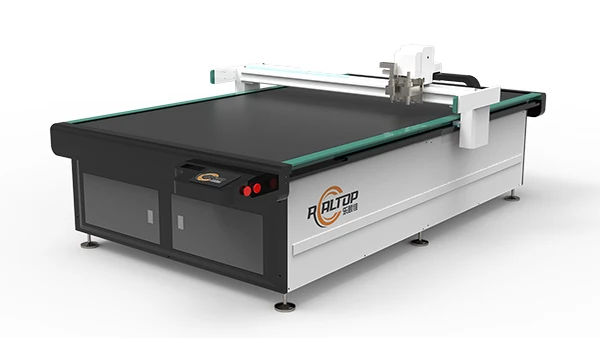
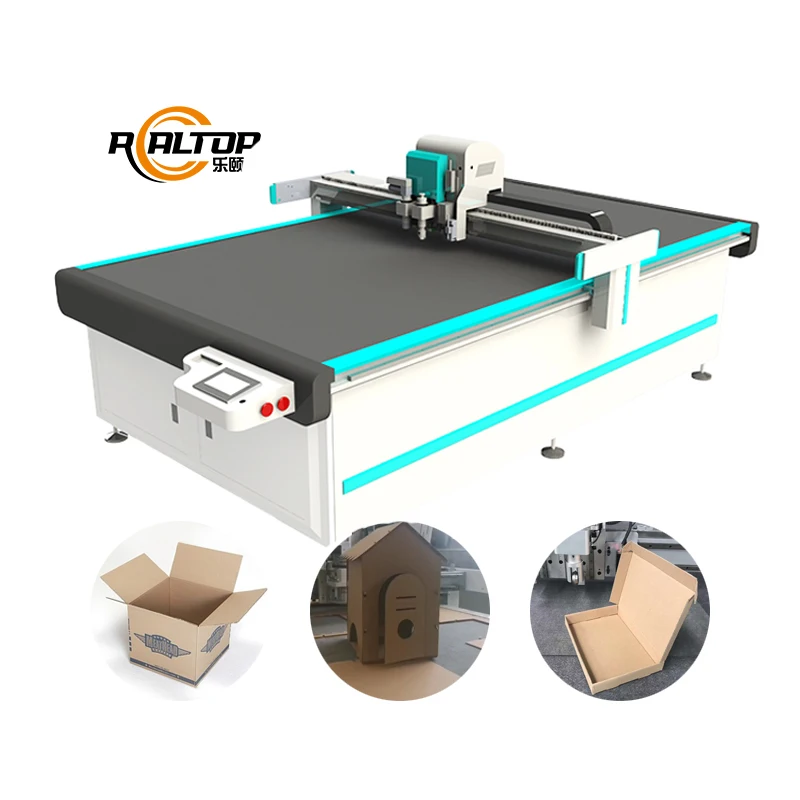
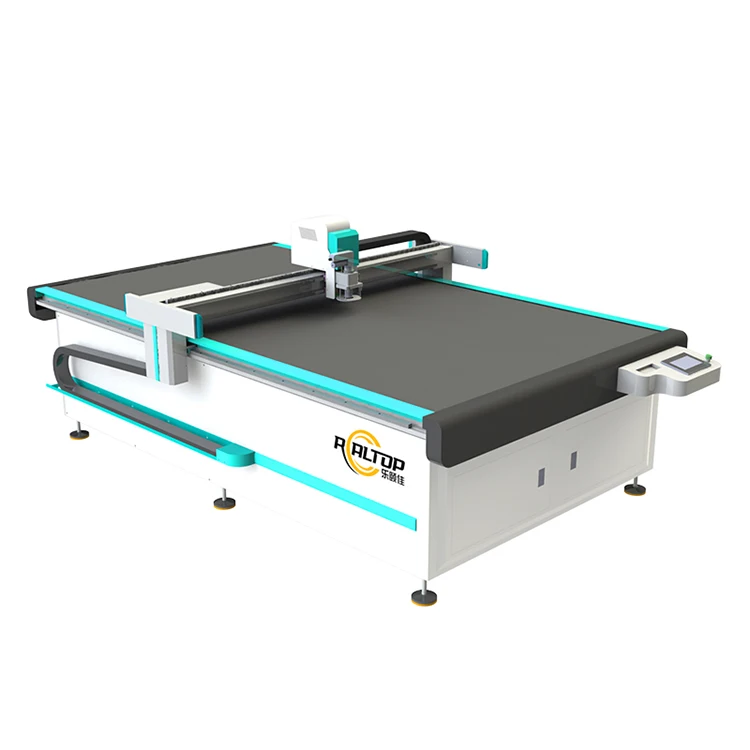
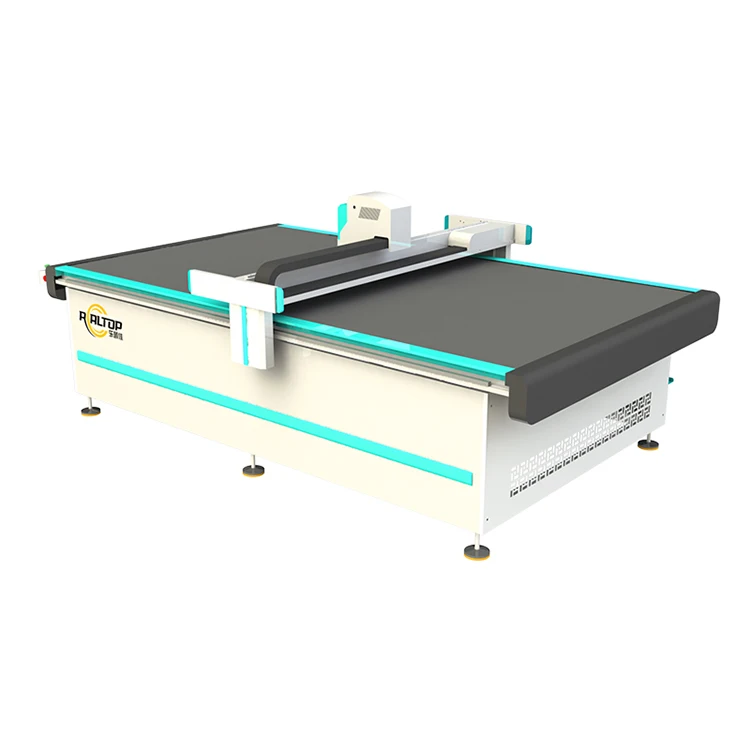
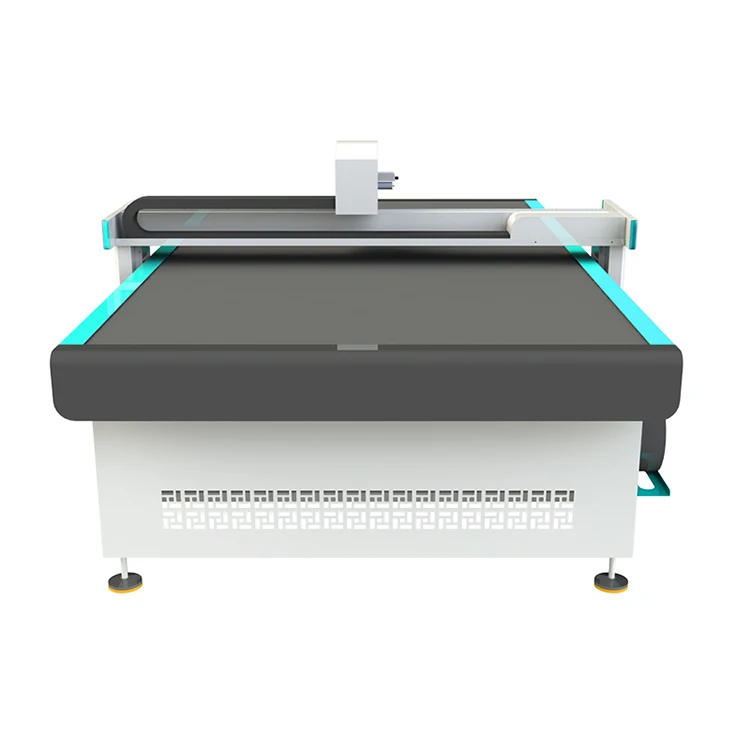
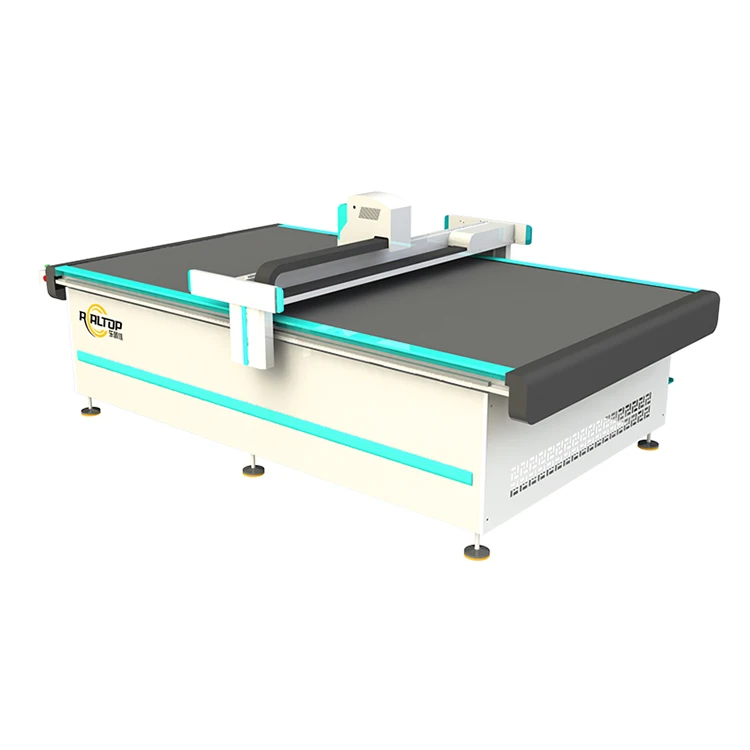
| Product Type | CNC Oscillating Knife Cutting Machine |
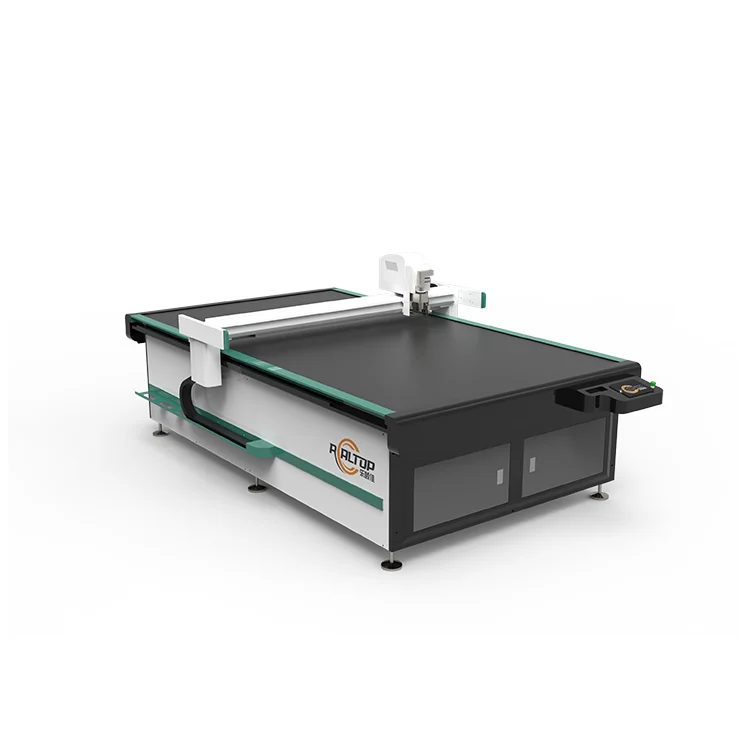
| Working Area | 1600 × 2500 mm |
| Machine Dimensions (L × W × H) | 3450 × 2300 × 1250 mm |
| Vacuum Pump | 7.5 kW |
| Fan Power | 6.6 kW |
| Voltage | 380V ±10% (frequency and phase to be confirmed per export market) |
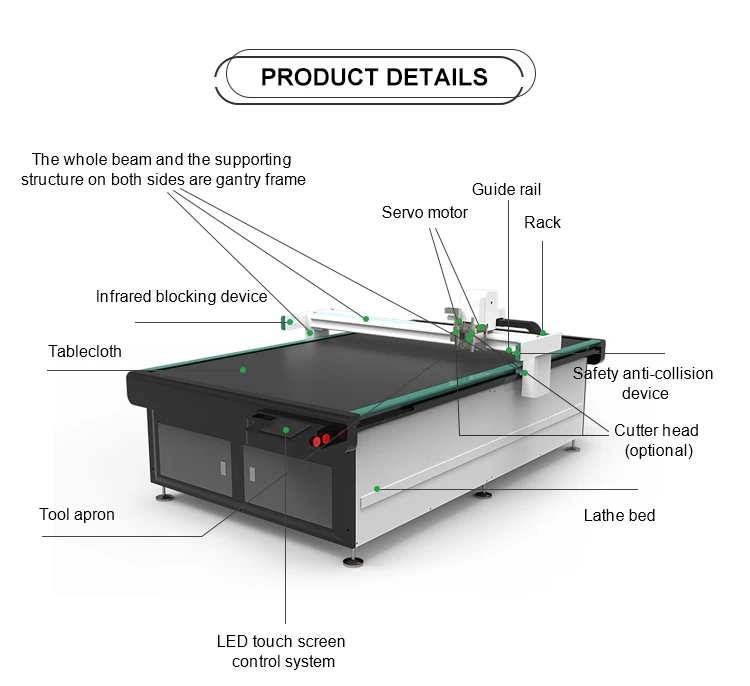
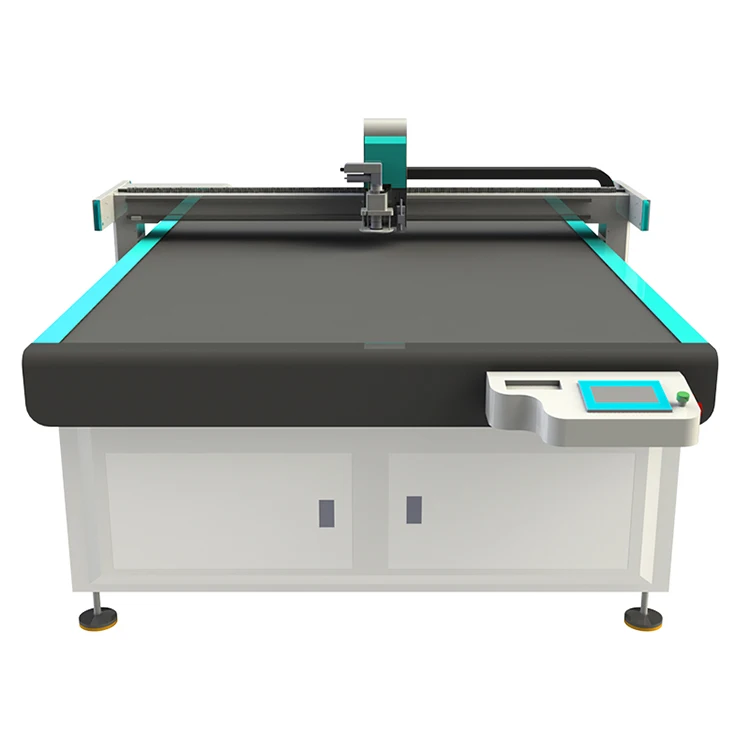
| Table Type | Aluminum alloy honeycomb flat vacuum table with auto-follow adsorption |
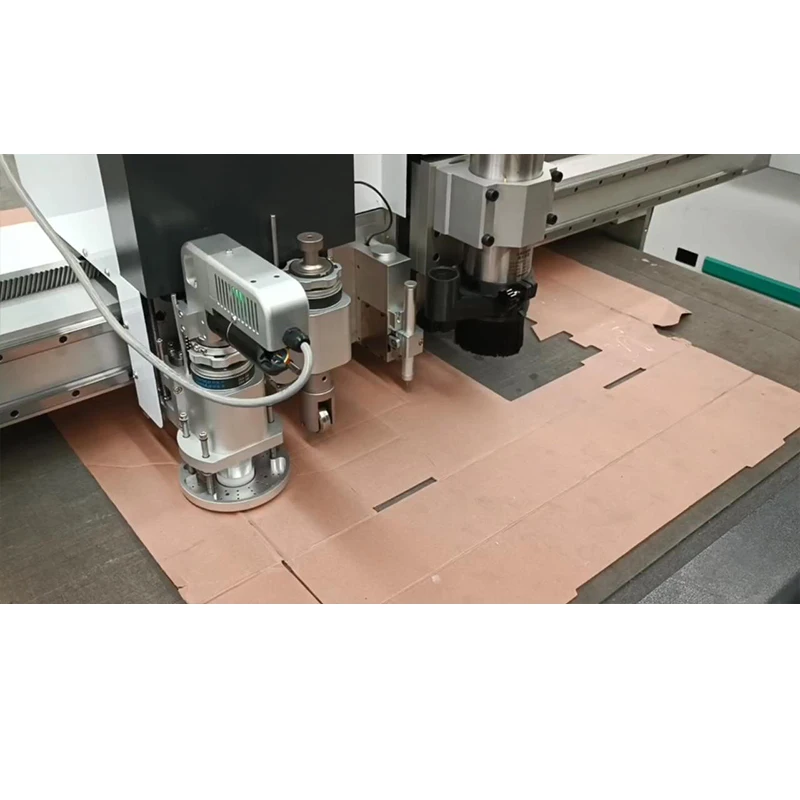
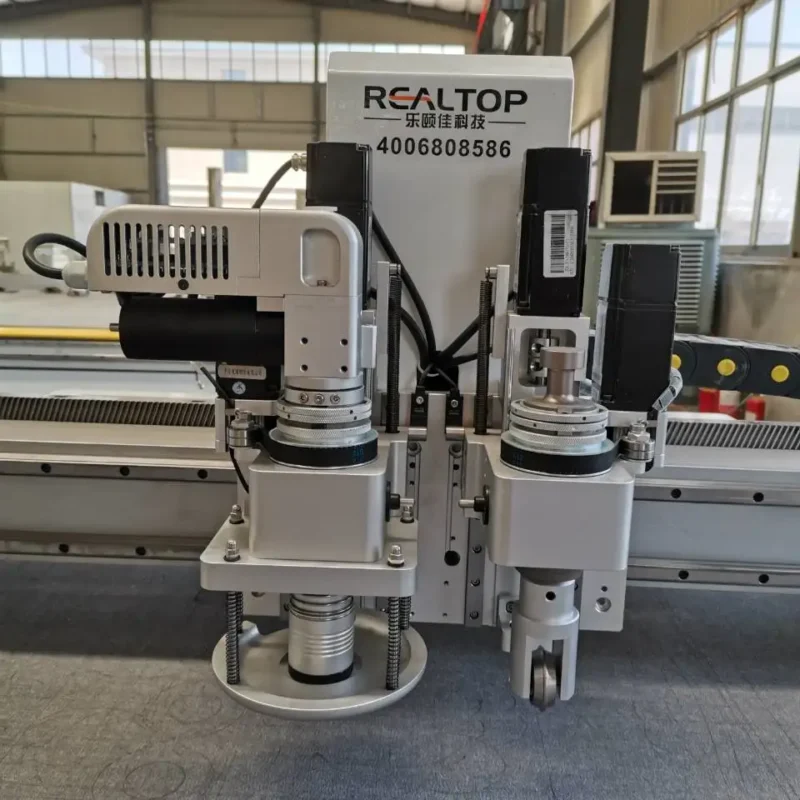
| Tool Head | Swiss imported oscillating knife (vibration full cut, half cut, cursor location) |
| Transmission System | Taiwan Delta digital servo, Taiwan Hiwin linear guide, synchronous belt, ball screw, rack transmission |
| Translational Velocity | 800–1200 mm/s |
| Cutting Speed | 200–800 mm/s (basis to be confirmed with buyer’s material) |
| Repeatability | ≤0.1 mm |
| Safety Device | Infrared sensors, emergency stop |
| Control / Instruction System | HP-GL compatible format |
| Software | Professional carton nesting software (multiple file format import, language customizable) |
| Conveyor Belt | Germany imported |
| Auto Feeding | Yes |
| Language Options | English, Russian, Italian, Chinese; other languages customizable |
| Warranty | 1 year (free parts; buyer covers shipping; on-site engineer available at buyer’s travel cost) |
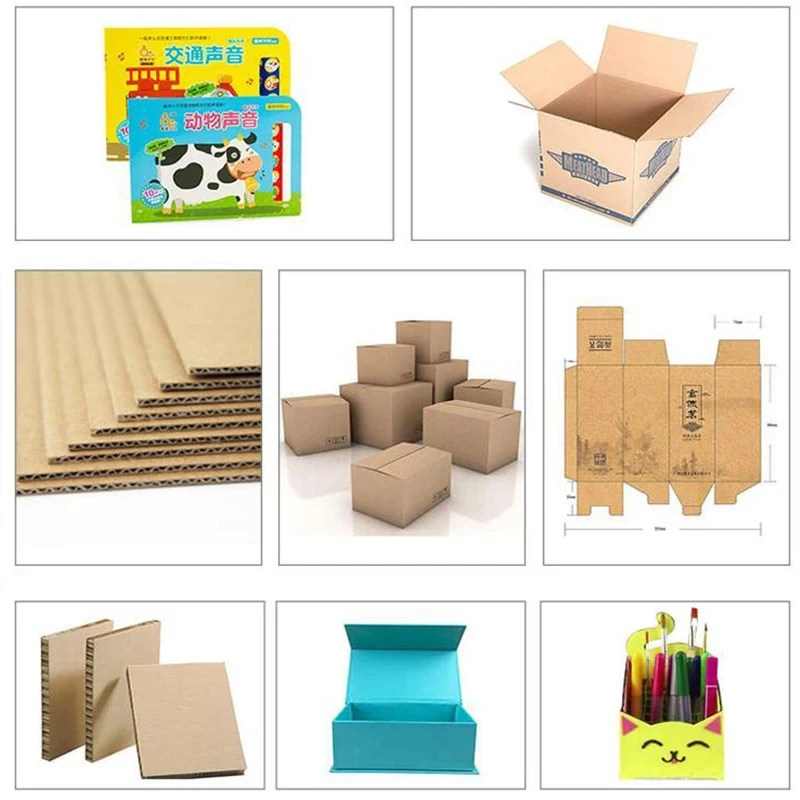
Application Suitability
| Application | Material or Output |
|---|---|
| Corrugated carton and packaging sample making | Corrugated cardboard, greyboard |
| Sticker, label and billboard contour cutting | Self-adhesive vinyl, sticker stock |
| Business card, tag and card production | Thin PVC, card stock, paperboard |
| Express paper box and gift box packaging | Corrugated board, soft composite sheets |
| Flexible material cutting | Leather, clothing fabrics, sponge composite leather, rubber, soft glass, silicon |
Why the "Working Area First" Habit Wrecks Edge Quality
Buyers routinely filter a digital flatbed cutter for sale by table size, sign the order, then discover the chosen tool head chews through 3mm corrugated but leaves a crushed, hairy edge on 12mm EVA foam. The working area tells you nothing about how the machine treats your specific stock.
Matching the tool head to the material stack-up is the first conversation, not the last.
I have watched packaging sample shops take delivery of a 1600×2500 bed only to learn, on day one, that the oscillating knife they were sold cannot hold tolerance through a dense double-wall flute. The vacuum zoning was never asked about either, so small die-line parts lift mid-cut and the nesting software has to be re-taught [NEED_CITE: tool head selection by material density]. A CNC oscillating knife cutting machine manufacturer worth quoting from should ask for a sample of your material before talking numbers.
Knife, Laser or Both — The Catalogue View
This page sits inside the complete Realtop flatbed cutting catalogue, where oscillating knife, drag knife, creasing wheel, CO2 laser and fiber laser machines share one engineering roof. A buyer comparing carton sample making against acrylic lettering can see, in one sitting, which method actually fits the material rather than forcing a single technology across every job. The RT-D2516/RT-S2516 occupies the knife side of that spectrum, aimed at non-metal sheet stock where edge sealing is irrelevant and tool pressure matters more than wattage.
Full Cut, Half Cut and Cursor in One Head
The Swiss imported oscillating knife fitted to the RT-D2516/RT-S2516 cycles between vibration full cutting, vibration half cutting and cursor location without a tool change. For a sticker shop this means kissing the liner on one pass and popping the matrix on the next, using the same spindle [NEED_CITE: kiss-cut tolerance on self-adhesive vinyl]. For a carton sample maker it means scoring a fold line and cutting the outline in a single nest, which keeps registration tight across a 1600×2500 mm sheet.
Reading the Spec Sheet Without Getting Lost
The 7.5 kW vacuum pump paired with an aluminum alloy honeycomb table is the first number to interrogate. Honeycomb gives you a flat, porous surface; the auto-follow zoning then opens suction only under the active cutting zone, which is what keeps a 50×50 mm gasket blank from lifting while the knife exits. Repeatability of ≤0.1 mm comes from the Taiwan Delta servo and Taiwan Hiwin linear guide working through rack transmission — the belt and ball screw handle the Z-axis and finer travel. Translational velocity of 800–1200 mm/s is the travel speed between cuts; actual cutting speed of 200–800 mm/s is where your material thickness and density will decide the real number. HP-GL compatibility means the control speaks to most nesting software already in use, and the bundled carton nesting package imports common vector formats while staying customizable in language.
What a Mis-Zoned Vacuum Table Costs You Later
If the table zones are too coarse, every small part in the nest needs a mechanical bridge or a manual tab, which then has to be trimmed by hand. Operators end up taping sheets down, cycle time drifts upward and the published cutting speed becomes a memory. In a high-mix sticker shop that adds up to missed courier deadlines [NEED_CITE: vacuum zoning impact on small part retention]. The honeycomb surface on the RT-D2516/RT-S2516 is meant to be asked about zone count before the order is signed.
Why Source This Machine From the Jinan Floor
In-house design and production cover both knife and laser on one site, so a buyer comparing corrugated carton against acrylic signage can test both methods on the same visit. Tool head and table configuration are specified per material, not picked from a default list. CCD-compatible workflow is confirmed against your printed mark pitch before the machine is built. Voltage, language and software are locked down on the electrical schematic, not at the packing bench. Sample cutting on the buyer’s own stock runs before commitment, so cycle time and edge quality are documented facts rather than brochure promises.
Documentation & Verification
- Machine specification sheet listing exact tool head and table configuration for your material
- Sample cutting report on your corrugated or flexible stock with measured edge quality
- Electrical schematic confirming voltage, frequency and phase for your facility
- Software licence and file format compatibility note matched to your nesting workflow
- Factory test record on your sheet thickness range before dispatch
- Operation and maintenance manual with language of your choice
Installation, Commissioning & Support
- Floor space for 3450×2300 mm footprint plus clearance for the 1600×2500 mm infeed
- Dedicated 380V ±10% circuit sized for combined 7.5 kW vacuum and 6.6 kW fan load
- Fully assembled dispatch; verify doorway and crane limits at destination
- First-run parameter setting on your actual sheet stock during commissioning
- Operator training on HP-GL import and carton nesting software in chosen language
- Spare parts list with consumable knife blades and belt tension intervals
What to Send Before the Quote
Tell us the material type, thickness range, sheet size and daily volume, plus the local voltage and frequency at your plant. If your existing design system exports DXF, AI or PLT, send a sample file so we can confirm import and nesting behaviour. We will then run a sample cut on your own stock and return a report with edge quality, cycle time and recommended tool head.
Frequently Asked Questions
Q: How do I choose between oscillating knife, drag knife and creasing wheel for my stock?
A: Oscillating knife suits thicker, fibrous or foamed materials where a straight drag would crush the edge. Drag knife handles thin vinyl and sticker stock cleanly. Creasing wheel scores fold lines on corrugated and card without cutting through. On the RT-D2516/RT-S2516 the head can be swapped or combined depending on the nest, so we specify after seeing your sample.
Q: What is the real usable area versus the 1600×2500 mm table?
A: The stated working area is the travel envelope of the tool head, but the outer few centimetres are lost to clamp and tool change zones. Vacuum zoning then defines what size part can sit at the edge without lifting. We map usable area against your smallest part during the sample cut.
Q: On what material is the 200–800 mm/s cutting speed based?
A: That range is published without a fixed material premise, so it should be treated as a travel envelope rather than a guaranteed output. Actual speed depends on sheet density, thickness and edge-quality target, which is why we run your own stock before quoting cycle time.
Q: Can the system track printed marks at production speed?
A: The control supports CCD-compatible workflow with HP-GL instruction, but mark pitch, ink density and line speed all influence tracking reliability. We test against your printed sheet to confirm before the machine is configured.
Q: Which file formats and nesting workflows does the software accept?
A: The bundled carton nesting software imports common vector formats and is language customizable. If your current system outputs a proprietary format, send a sample file so we can verify import, layer mapping and kerf compensation before the order is finalized.
Material-Driven Tooling — Every RT-D2516/RT-S2516 leaves our Jinan floor only after the oscillating knife, drag knife or creasing wheel has been matched to the buyer’s actual sheet stock, not a catalogue guess.
Technical Specifications
| Parameter | Value |
|---|---|
| Model | RT-D2516/RT-S2516 |
| Product Type | CNC Oscillating Knife Cutting Machine |
| Working Area | 1600 × 2500 mm |
| Machine Dimensions (L × W × H) | 3450 × 2300 × 1250 mm |
| Vacuum Pump | 7.5 kW |
| Fan Power | 6.6 kW |
| Voltage | 380V ±10% (frequency and phase to be confirmed per export market) |
| Table Type | Aluminum alloy honeycomb flat vacuum table with auto-follow adsorption |
| Tool Head | Swiss imported oscillating knife (vibration full cut, half cut, cursor location) |
| Transmission System | Taiwan Delta digital servo, Taiwan Hiwin linear guide, synchronous belt, ball screw, rack transmission |
| Translational Velocity | 800–1200 mm/s |
| Cutting Speed | 200–800 mm/s (basis to be confirmed with buyer’s material) |
| Repeatability | ≤0.1 mm |
| Safety Device | Infrared sensors, emergency stop |
| Control / Instruction System | HP-GL compatible format |
| Software | Professional carton nesting software (multiple file format import, language customizable) |
| Conveyor Belt | Germany imported |
| Auto Feeding | Yes |
| Language Options | English, Russian, Italian, Chinese; other languages customizable |
| Warranty | 1 year (free parts; buyer covers shipping; on-site engineer available at buyer’s travel cost) |
Application Suitability
| Application | Material or Output |
|---|---|
| Corrugated carton and packaging sample making | Corrugated cardboard, greyboard |
| Sticker, label and billboard contour cutting | Self-adhesive vinyl, sticker stock |
| Business card, tag and card production | Thin PVC, card stock, paperboard |
| Express paper box and gift box packaging | Corrugated board, soft composite sheets |
| Flexible material cutting | Leather, clothing fabrics, sponge composite leather, rubber, soft glass, silicon |
Why the "Working Area First" Habit Wrecks Edge Quality
Buyers routinely filter a digital flatbed cutter for sale by table size, sign the order, then discover the chosen tool head chews through 3mm corrugated but leaves a crushed, hairy edge on 12mm EVA foam. The working area tells you nothing about how the machine treats your specific stock.
Matching the tool head to the material stack-up is the first conversation, not the last.
I have watched packaging sample shops take delivery of a 1600×2500 bed only to learn, on day one, that the oscillating knife they were sold cannot hold tolerance through a dense double-wall flute. The vacuum zoning was never asked about either, so small die-line parts lift mid-cut and the nesting software has to be re-taught [NEED_CITE: tool head selection by material density]. A CNC oscillating knife cutting machine manufacturer worth quoting from should ask for a sample of your material before talking numbers.
Knife, Laser or Both — The Catalogue View
This page sits inside the complete Realtop flatbed cutting catalogue, where oscillating knife, drag knife, creasing wheel, CO2 laser and fiber laser machines share one engineering roof. A buyer comparing carton sample making against acrylic lettering can see, in one sitting, which method actually fits the material rather than forcing a single technology across every job. The RT-D2516/RT-S2516 occupies the knife side of that spectrum, aimed at non-metal sheet stock where edge sealing is irrelevant and tool pressure matters more than wattage.
Full Cut, Half Cut and Cursor in One Head
The Swiss imported oscillating knife fitted to the RT-D2516/RT-S2516 cycles between vibration full cutting, vibration half cutting and cursor location without a tool change. For a sticker shop this means kissing the liner on one pass and popping the matrix on the next, using the same spindle [NEED_CITE: kiss-cut tolerance on self-adhesive vinyl]. For a carton sample maker it means scoring a fold line and cutting the outline in a single nest, which keeps registration tight across a 1600×2500 mm sheet.
Reading the Spec Sheet Without Getting Lost
The 7.5 kW vacuum pump paired with an aluminum alloy honeycomb table is the first number to interrogate. Honeycomb gives you a flat, porous surface; the auto-follow zoning then opens suction only under the active cutting zone, which is what keeps a 50×50 mm gasket blank from lifting while the knife exits. Repeatability of ≤0.1 mm comes from the Taiwan Delta servo and Taiwan Hiwin linear guide working through rack transmission — the belt and ball screw handle the Z-axis and finer travel. Translational velocity of 800–1200 mm/s is the travel speed between cuts; actual cutting speed of 200–800 mm/s is where your material thickness and density will decide the real number. HP-GL compatibility means the control speaks to most nesting software already in use, and the bundled carton nesting package imports common vector formats while staying customizable in language.
What a Mis-Zoned Vacuum Table Costs You Later
If the table zones are too coarse, every small part in the nest needs a mechanical bridge or a manual tab, which then has to be trimmed by hand. Operators end up taping sheets down, cycle time drifts upward and the published cutting speed becomes a memory. In a high-mix sticker shop that adds up to missed courier deadlines [NEED_CITE: vacuum zoning impact on small part retention]. The honeycomb surface on the RT-D2516/RT-S2516 is meant to be asked about zone count before the order is signed.
Why Source This Machine From the Jinan Floor
In-house design and production cover both knife and laser on one site, so a buyer comparing corrugated carton against acrylic signage can test both methods on the same visit. Tool head and table configuration are specified per material, not picked from a default list. CCD-compatible workflow is confirmed against your printed mark pitch before the machine is built. Voltage, language and software are locked down on the electrical schematic, not at the packing bench. Sample cutting on the buyer’s own stock runs before commitment, so cycle time and edge quality are documented facts rather than brochure promises.
Documentation & Verification
- Machine specification sheet listing exact tool head and table configuration for your material
- Sample cutting report on your corrugated or flexible stock with measured edge quality
- Electrical schematic confirming voltage, frequency and phase for your facility
- Software licence and file format compatibility note matched to your nesting workflow
- Factory test record on your sheet thickness range before dispatch
- Operation and maintenance manual with language of your choice
Installation, Commissioning & Support
- Floor space for 3450×2300 mm footprint plus clearance for the 1600×2500 mm infeed
- Dedicated 380V ±10% circuit sized for combined 7.5 kW vacuum and 6.6 kW fan load
- Fully assembled dispatch; verify doorway and crane limits at destination
- First-run parameter setting on your actual sheet stock during commissioning
- Operator training on HP-GL import and carton nesting software in chosen language
- Spare parts list with consumable knife blades and belt tension intervals
What to Send Before the Quote
Tell us the material type, thickness range, sheet size and daily volume, plus the local voltage and frequency at your plant. If your existing design system exports DXF, AI or PLT, send a sample file so we can confirm import and nesting behaviour. We will then run a sample cut on your own stock and return a report with edge quality, cycle time and recommended tool head.
Frequently Asked Questions
Q: How do I choose between oscillating knife, drag knife and creasing wheel for my stock?
A: Oscillating knife suits thicker, fibrous or foamed materials where a straight drag would crush the edge. Drag knife handles thin vinyl and sticker stock cleanly. Creasing wheel scores fold lines on corrugated and card without cutting through. On the RT-D2516/RT-S2516 the head can be swapped or combined depending on the nest, so we specify after seeing your sample.
Q: What is the real usable area versus the 1600×2500 mm table?
A: The stated working area is the travel envelope of the tool head, but the outer few centimetres are lost to clamp and tool change zones. Vacuum zoning then defines what size part can sit at the edge without lifting. We map usable area against your smallest part during the sample cut.
Q: On what material is the 200–800 mm/s cutting speed based?
A: That range is published without a fixed material premise, so it should be treated as a travel envelope rather than a guaranteed output. Actual speed depends on sheet density, thickness and edge-quality target, which is why we run your own stock before quoting cycle time.
Q: Can the system track printed marks at production speed?
A: The control supports CCD-compatible workflow with HP-GL instruction, but mark pitch, ink density and line speed all influence tracking reliability. We test against your printed sheet to confirm before the machine is configured.
Q: Which file formats and nesting workflows does the software accept?
A: The bundled carton nesting software imports common vector formats and is language customizable. If your current system outputs a proprietary format, send a sample file so we can verify import, layer mapping and kerf compensation before the order is finalized.
商品评价
There are no reviews yet.