

Fast Delivery
Quick, reliable shipping to any location.

Free & easy returns
Return this item by mail or in store within 90 days for a full refund.
Tooling matched to material — every oscillating knife and creasing wheel configuration is validated against the buyer’s actual flute profile before the order is locked in.
Technical Specifications
| Parameter | Value |
|---|---|
| Model | 1625 |
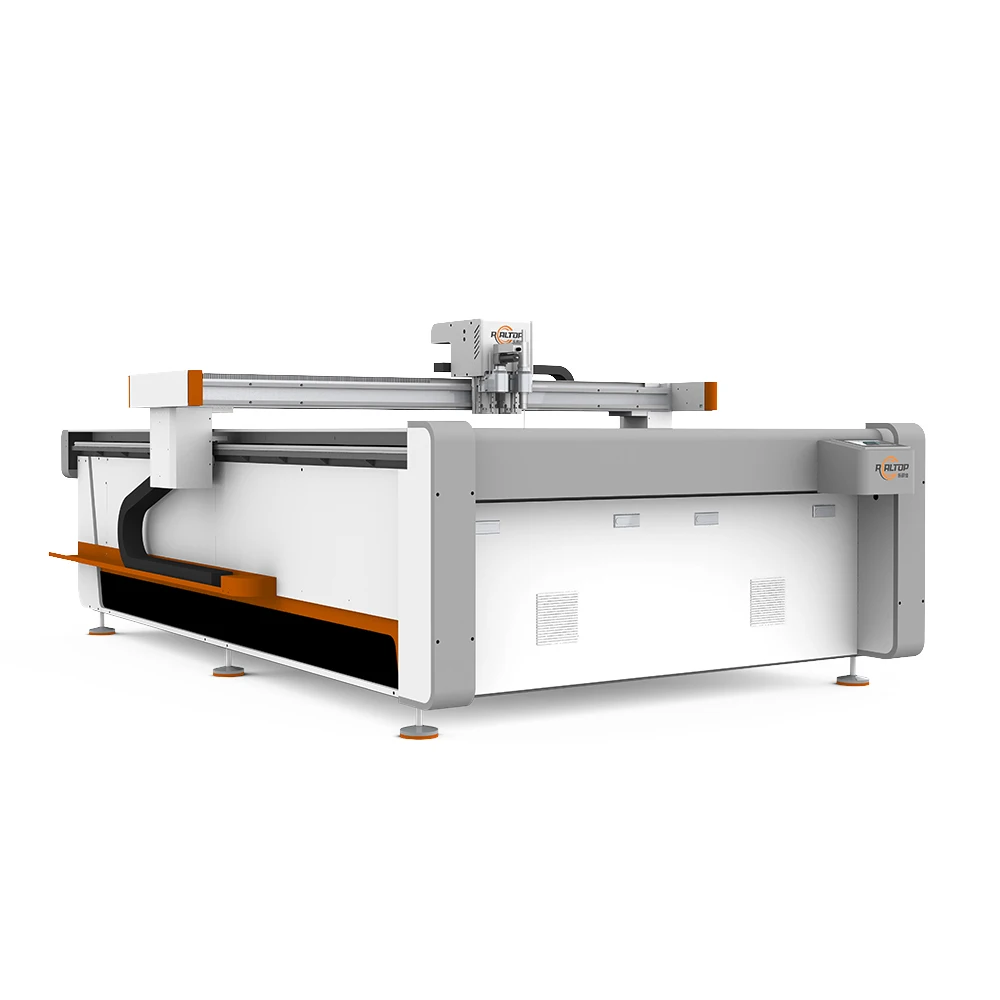
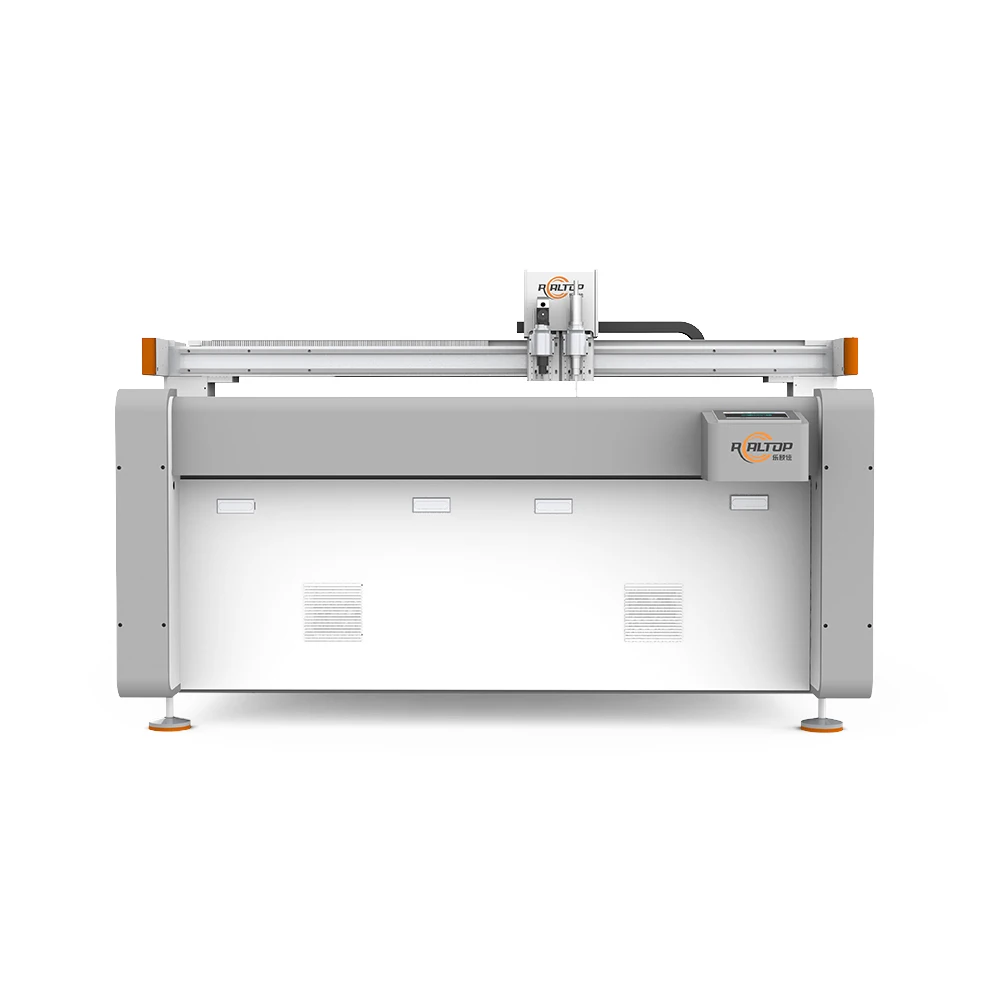
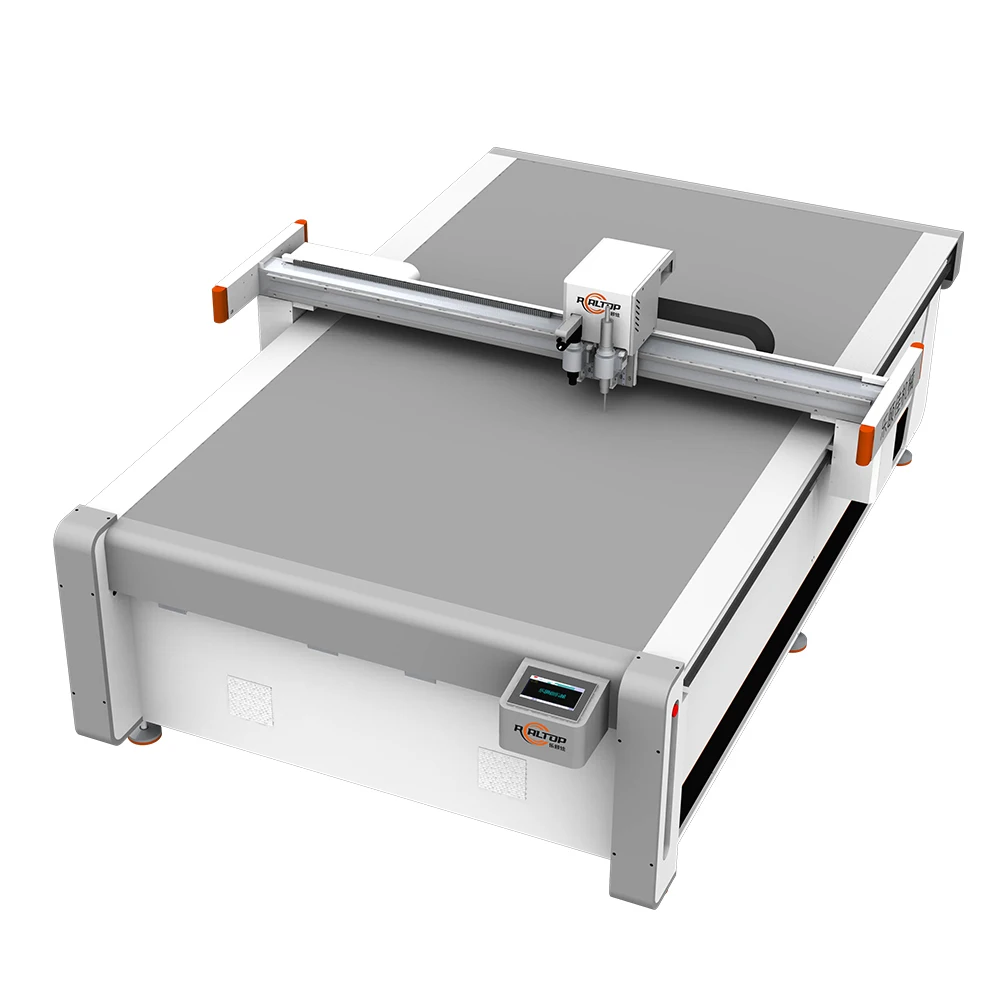
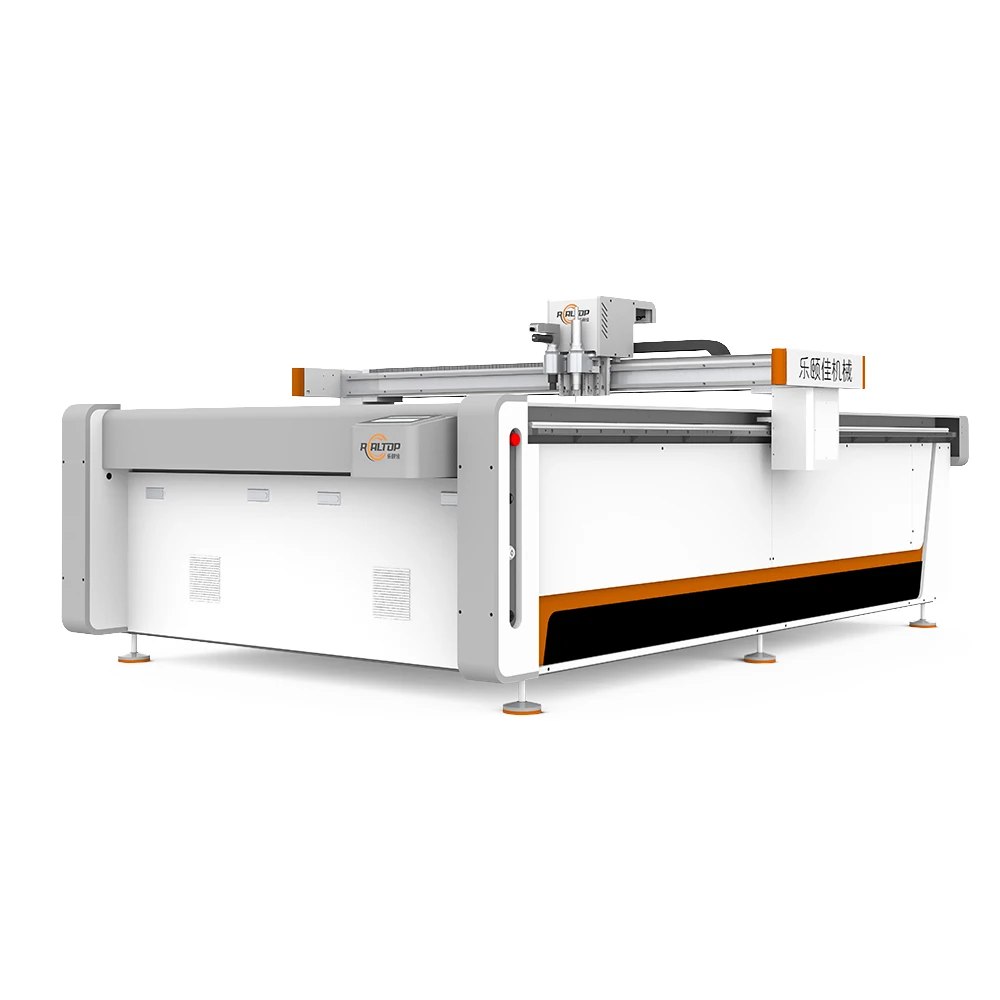
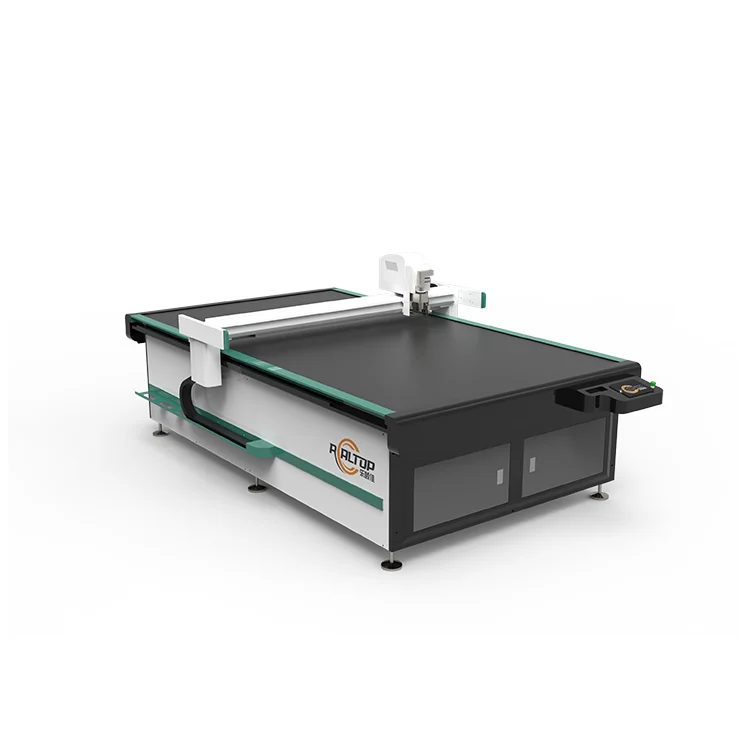
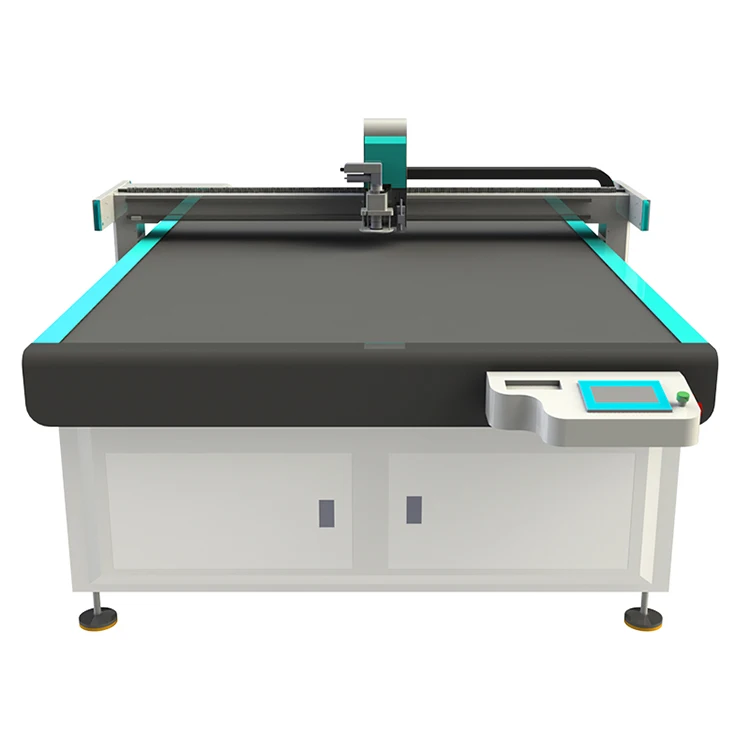
| Product Type | CNC Oscillating Knife Cutting Machine |
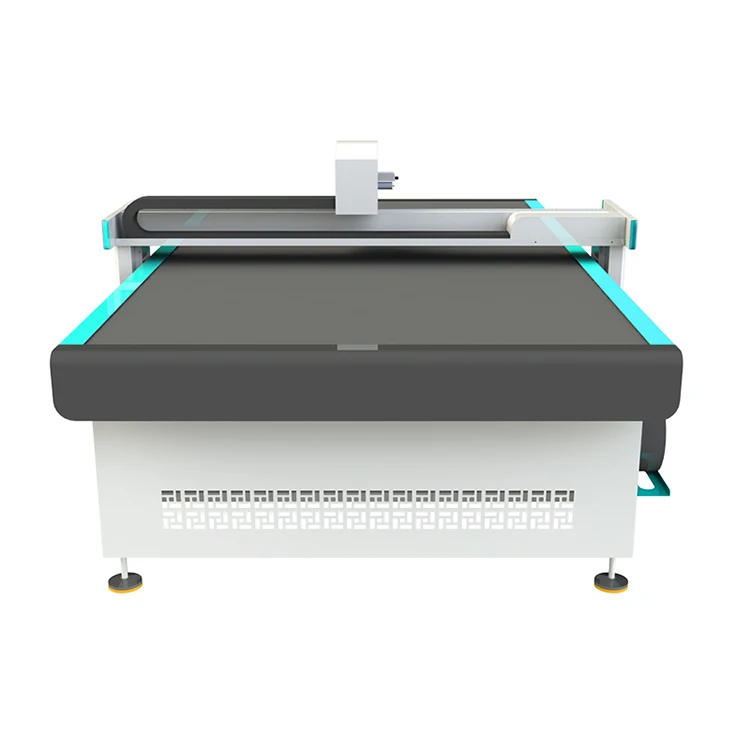
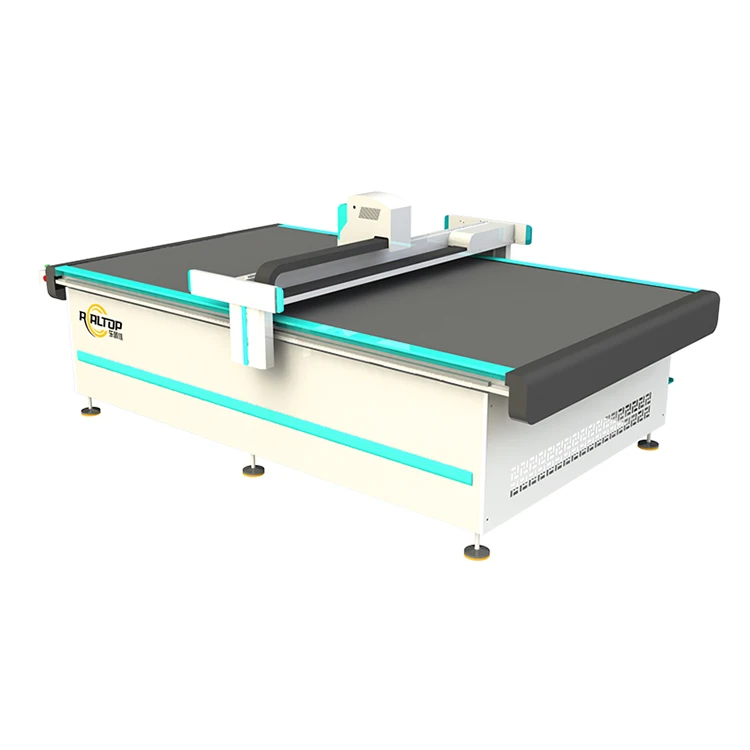
| Working Area | 1600×2500 mm |
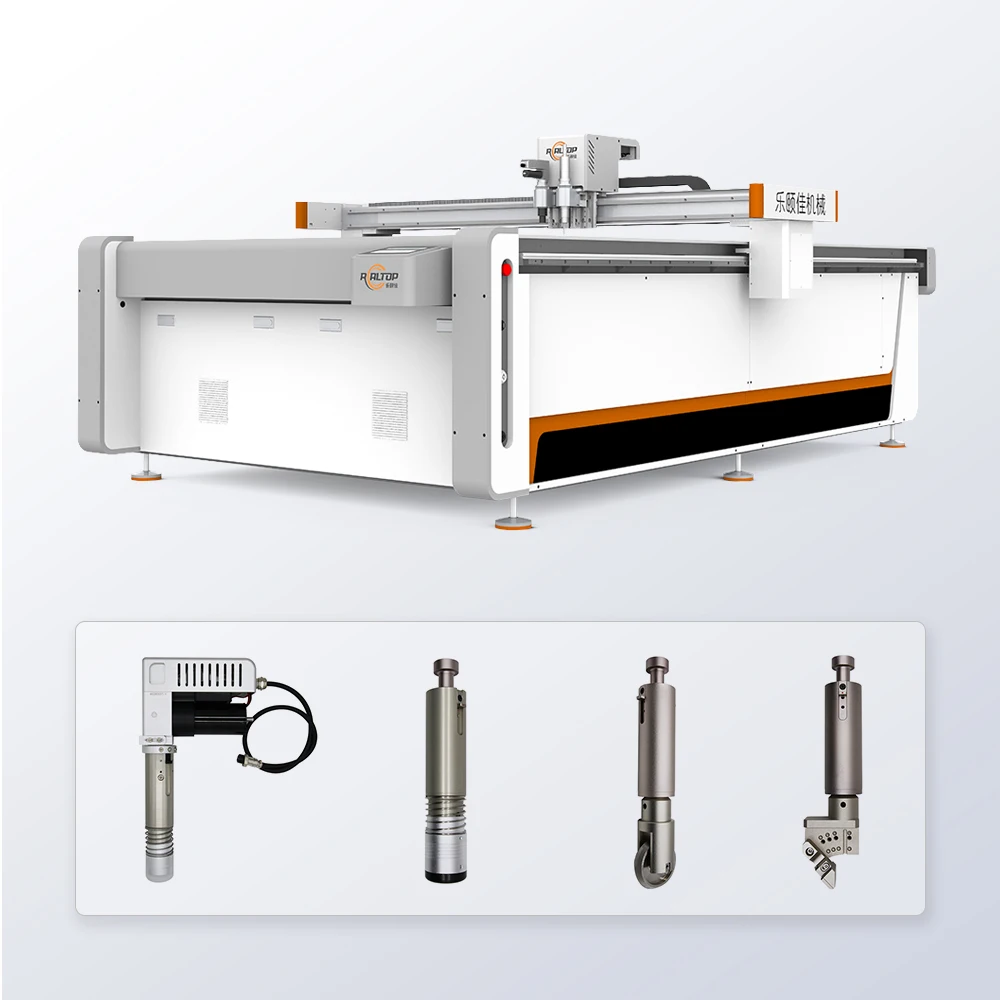
| Tool Head Options | Oscillating knife, Driven rotary knife, Creasing wheel, Kiss cutting tool, Pneumatic knife, Milling tool, V-groove knife |
| Cutting Speed | 0–1500 mm/s |
| Cutting Thickness | ≤ 40 mm (basis not stated in source) |
| Cutting Accuracy | ±0.1 mm |
| Vacuum Pump | 9 kW |
| Vacuum Table | Aluminum bellows vacuum table |
| Control System | PLC control panel |
| Servo Drive Options | Panasonic, Delta, Dorna |
| Voltage | 110V / 220V / 380V |
| File Formats | PLT, DXF, AI, PDF |
| Software | Dedicated packaging box structure design software |
| Language Options | English, Russian, Italian, Chinese (special languages customizable) |
| Safety Device | Infrared sensor and emergency stop |
| Machine Size | 3300×2100×1350 mm |
| Certification | CE |
Application Suitability
| Application | Material or Output |
|---|---|
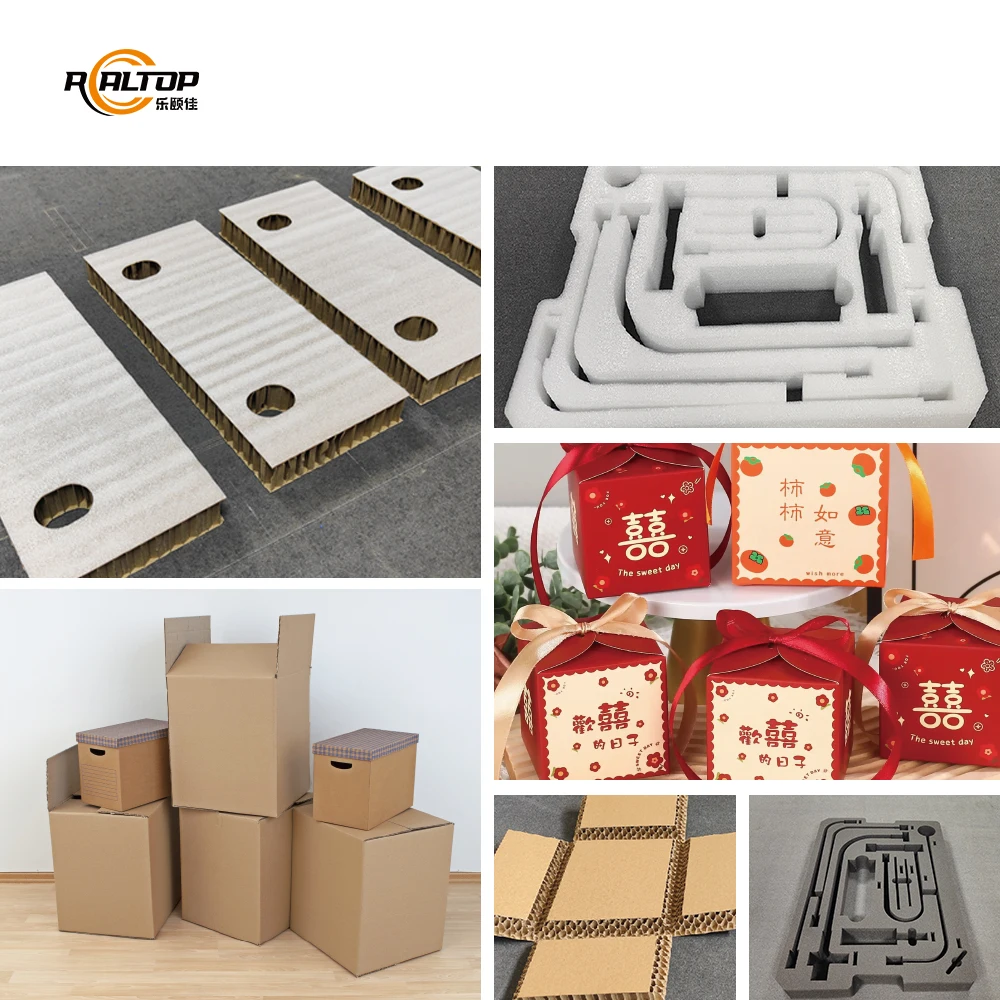
| Corrugated carton sample making and short-run blanks | E-flute, B-flute, BC-flute corrugated cardboard |
| Protective packaging insert fabrication | EVA foam, EPE foam, PU foam |
| Greyboard and specialty paper converting | Greyboard, cardstock, art paper |
| Gasket and seal cutting for industrial packaging | Rubber mats, composite sheets |
| Thin plastic and film cutting | PVC, PET sheets |
| Textile and leather packaging components | Velvet, fleece, non-woven fabric, leather, synthetic leather |
| Adhesive-backed material processing | Composite materials and laminates |
Why the Tool Head Question Beats the Working Area Question
A machine specified on table size alone will fail the moment your flute profile pushes past the tool head’s real cutting depth.
I learned this the hard way. A client running E-flute carton samples on a 1625 platform had perfect edges during trials, then switched to five-layer double-wall corrugated for production runs. The oscillating knife pressure could not penetrate the full stack cleanly. Edges frayed, crease lines wandered, and an entire batch of cartons went to scrap. That is the gap between a spec sheet and a production floor. When evaluating a CNC Oscillating Knife Cutting Machine manufacturer, the first conversation should be about your specific material thickness and flute type, not the dimensions of the table [NEED_CITE: corrugated flute profiles and thickness ranges by packaging standard].
Mapping Each Tool Head to a Real Packaging Job
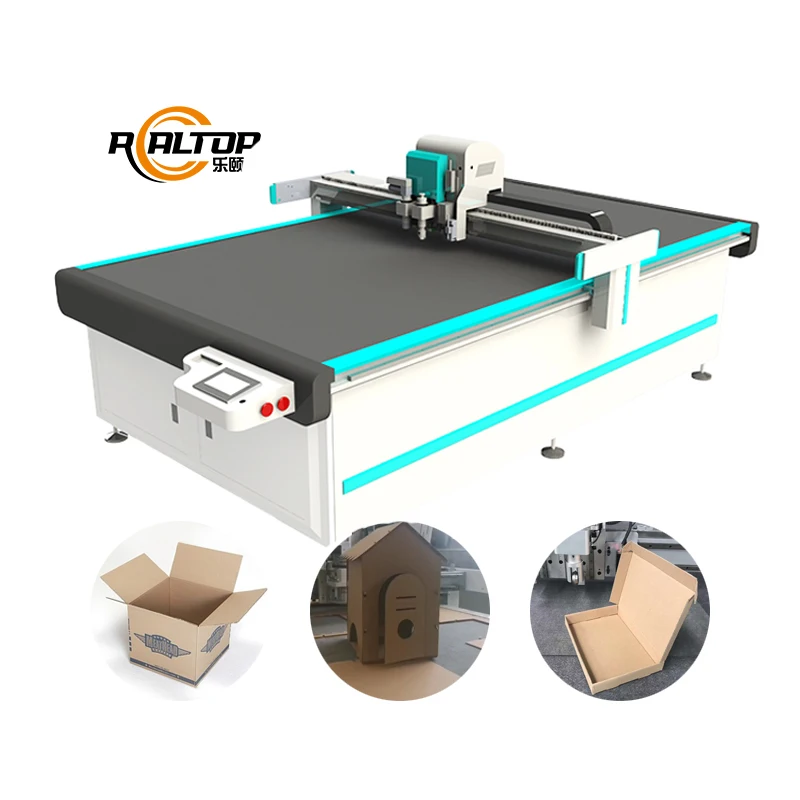
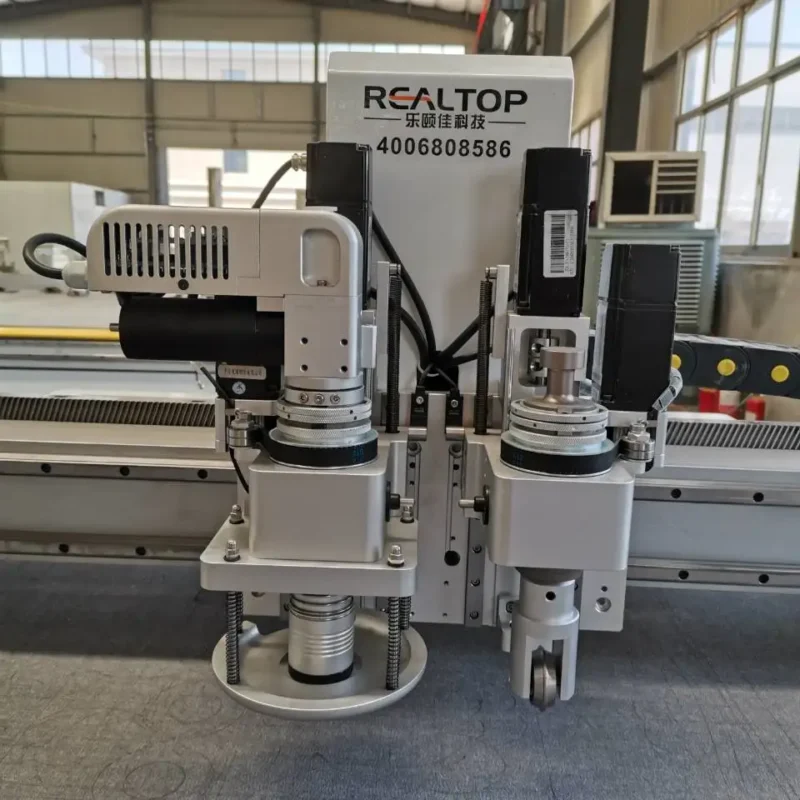
The 1625 platform carries interchangeable heads that each solve a different packaging problem. The oscillating knife handles standard corrugated cuts through single and double-wall board. The creasing wheel scores fold lines without cracking the liner. The V-groove knife produces chamfered edges for foam inserts that need to seat tightly inside a carton. The kiss cutting tool scores adhesive-backed labels and gaskets without cutting through the backing paper. Switching between these heads on one machine means a packaging sample maker can prototype a carton, its foam insert, and its closure label in a single session.
How the Vacuum Table Holds What Other Tables Lose
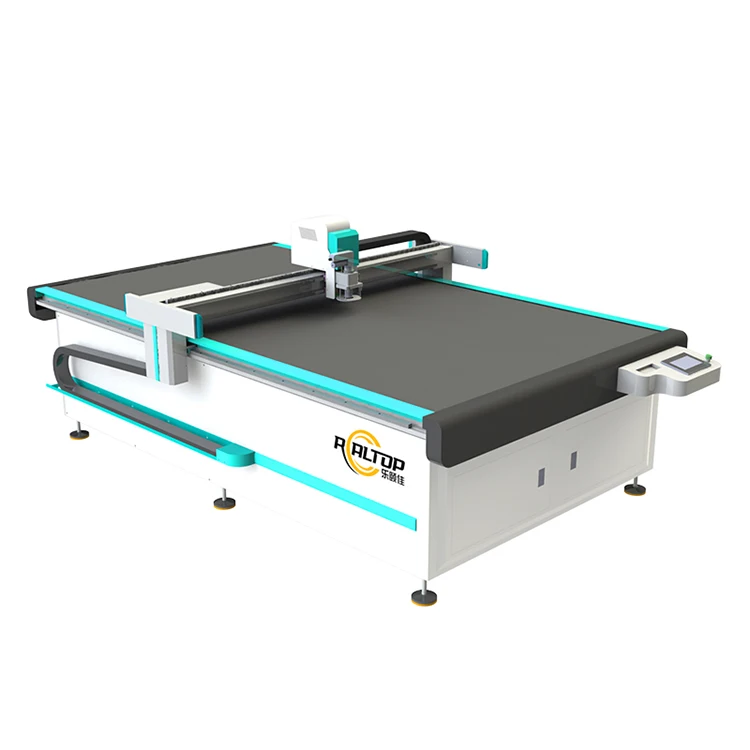
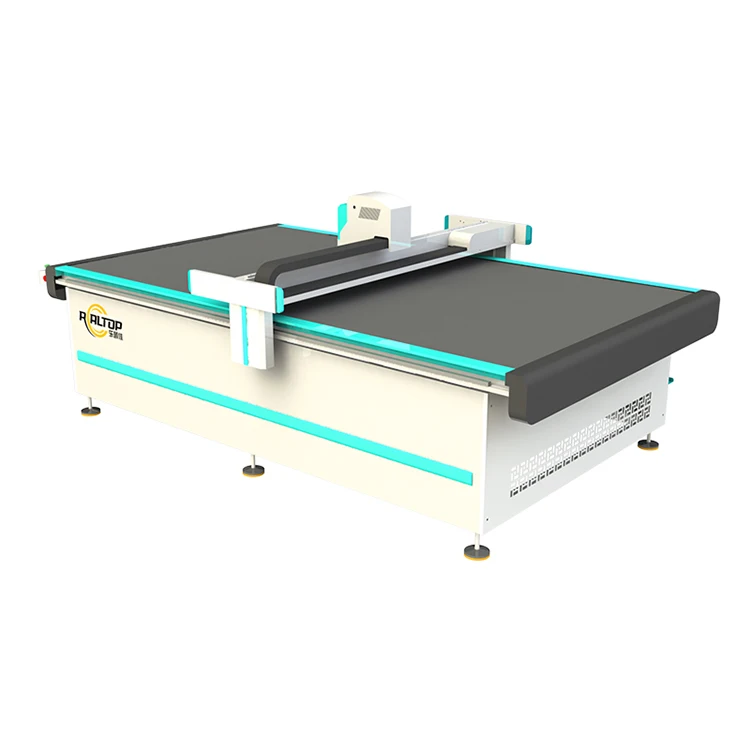
The aluminum bellows vacuum table paired with a 9 kW pump addresses a frustration common in packaging workshops: small parts lifting off the bed mid-cut. When you are nesting dozens of small carton blanks or foam inserts across the 1600×2500 mm area, the vacuum must hold each piece flat even after surrounding material has been removed. The bellows design distributes suction across the surface rather than concentrating it at fixed ports [NEED_CITE: vacuum table zoning requirements for flatbed digital cutters]. This matters when cutting lightweight cardstock or thin foam where even slight lift produces dimensional drift beyond the ±0.1 mm accuracy rating.
Reading the Specs That Actually Shape Your Output
Cutting speed of 0–1500 mm/s is a range, not a constant. On three-layer E-flute, the oscillating knife can run near the upper limit while maintaining edge quality. On denser BC-flute or 40 mm foam, the speed drops to let the knife penetrate fully without deflection. The PLC control panel manages this through the dedicated packaging box structure design software, which imports PLT, DXF, AI, and PDF files directly. That file format range matters when your design team works in Illustrator but your die-line library lives in DXF. The servo drive options — Panasonic, Delta, or Dorna — affect motion smoothness during direction changes on complex carton geometries, where small radius corners separate a clean fold line from a torn one.
The Cost of Skipping the Material Test
When a buyer skips sample cutting on their actual material, the consequences show up weeks later on the production floor. A tool head that performed well on the supplier’s demo board may struggle with a different adhesive coating or recycled fiber content. Crease lines that looked acceptable at sample stage can split during automated folding if the wheel pressure was set for a different board grade. Small parts that held flat under the demo vacuum setup may shift when the nesting pattern changes for real production volumes [NEED_CITE: material variability in corrugated board production runs]. These are not defects in the machine. They are gaps between the test conditions and the actual job.
What Distinguishes This Equipment Source
The design team covers both knife and laser cutting methods in-house, so a packaging producer can match the cutting technology to the material instead of forcing every job through one process. Tool head and table configurations are specified per material and production volume, not sold as a single standard package. CCD camera positioning is available for printed contour work on packaging prototypes that require registration to pre-printed graphics. Software compatibility is confirmed before the order ships, not discovered during installation. Voltage, plug type, and control language are customized to the target market, and sample cutting on the buyer’s own material is standard before commitment.
Documentation & Verification
- Machine specification sheet listing every tool head and table option selected for your material
- Electrical schematic confirming voltage, frequency, and plug type for your facility
- Tool head and table configuration list matched to your corrugated flute and foam density
- Sample cutting report documenting edge quality and dimensional accuracy on your actual material
- Software licence and file format compatibility note for PLT, DXF, AI, and PDF workflows
- Packing photographs showing machine condition and accessory completeness before dispatch
Installation, Commissioning & Support
- Foundation must support the 3300×2100×1350 mm footprint and dynamic load during high-speed cutting
- Dedicated electrical circuit required matching confirmed voltage at 110V, 220V, or 380V
- 9 kW vacuum pump needs independent power supply and adequate ventilation clearance
- PLC control panel configured to selected language before first power-on at your facility
- Tool head calibration performed on your corrugated board and foam samples during commissioning
- Spare parts list provided covering oscillating knife blades, creasing wheels, and vacuum seals
What to Prepare Before Requesting a Quote
Share the specific corrugated flute types you run — E-flute, B-flute, BC-flute — along with actual board thickness and whether the material is virgin or recycled fiber. Note your typical sheet size and daily cutting volume so the table zoning and tool head package can be sized accordingly. Confirm your facility voltage, frequency, and the control language your operators need.
Frequently Asked Questions
Q: How is cutting thickness verified per material and flute type before order?
A: Sample cutting is performed on your actual material before the order is finalized. The test uses your specific flute profile, board thickness, and foam density, and a cutting report documents edge quality, dimensional accuracy, and the tool head pressure settings that produced acceptable results. This report ships with the machine so your operators have a validated baseline.
Q: Which tool head is specified for my corrugated board or foam material?
A: The tool head selection depends on your material stack. Oscillating knife handles standard corrugated cuts. Creasing wheel scores fold lines on carton blanks. V-groove knife chamfers foam inserts. Kiss cutting tool processes adhesive-backed gaskets. The configuration list in your documentation confirms which heads are included and which materials each one targets.
Q: Does the PLC control and software support my existing file format?
A: The dedicated packaging box structure design software imports PLT, DXF, AI, and PDF files. Before the order is confirmed, your file format and nesting workflow are tested against the software to ensure compatibility. If your design team uses a format outside this list, custom compatibility is discussed during the specification phase.
Q: What voltage, plug, and control language options ship with the machine?
A: Voltage is configurable at 110V, 220V, or 380V, with plug type matched to your local standard. Control language options include English, Russian, Italian, and Chinese, with special languages available on request. These selections are confirmed in writing before production begins and verified on the electrical schematic.
Q: Can I compare knife versus laser cutting for my packaging material on this platform?
A: Yes. The manufacturer covers both knife and laser cutting technologies in-house. For packaging materials like corrugated board and foam inserts, oscillating knife is typically the right match. For applications involving acrylic templates or engraved signage components, laser may be more appropriate. The recommendation is based on your material, not on pushing one technology over another.
Tooling matched to material — every oscillating knife and creasing wheel configuration is validated against the buyer’s actual flute profile before the order is locked in.
Technical Specifications
| Parameter | Value |
|---|---|
| Model | 1625 |
| Product Type | CNC Oscillating Knife Cutting Machine |
| Working Area | 1600×2500 mm |
| Tool Head Options | Oscillating knife, Driven rotary knife, Creasing wheel, Kiss cutting tool, Pneumatic knife, Milling tool, V-groove knife |
| Cutting Speed | 0–1500 mm/s |
| Cutting Thickness | ≤ 40 mm (basis not stated in source) |
| Cutting Accuracy | ±0.1 mm |
| Vacuum Pump | 9 kW |
| Vacuum Table | Aluminum bellows vacuum table |
| Control System | PLC control panel |
| Servo Drive Options | Panasonic, Delta, Dorna |
| Voltage | 110V / 220V / 380V |
| File Formats | PLT, DXF, AI, PDF |
| Software | Dedicated packaging box structure design software |
| Language Options | English, Russian, Italian, Chinese (special languages customizable) |
| Safety Device | Infrared sensor and emergency stop |
| Machine Size | 3300×2100×1350 mm |
| Certification | CE |
Application Suitability
| Application | Material or Output |
|---|---|
| Corrugated carton sample making and short-run blanks | E-flute, B-flute, BC-flute corrugated cardboard |
| Protective packaging insert fabrication | EVA foam, EPE foam, PU foam |
| Greyboard and specialty paper converting | Greyboard, cardstock, art paper |
| Gasket and seal cutting for industrial packaging | Rubber mats, composite sheets |
| Thin plastic and film cutting | PVC, PET sheets |
| Textile and leather packaging components | Velvet, fleece, non-woven fabric, leather, synthetic leather |
| Adhesive-backed material processing | Composite materials and laminates |
Why the Tool Head Question Beats the Working Area Question
A machine specified on table size alone will fail the moment your flute profile pushes past the tool head’s real cutting depth.
I learned this the hard way. A client running E-flute carton samples on a 1625 platform had perfect edges during trials, then switched to five-layer double-wall corrugated for production runs. The oscillating knife pressure could not penetrate the full stack cleanly. Edges frayed, crease lines wandered, and an entire batch of cartons went to scrap. That is the gap between a spec sheet and a production floor. When evaluating a CNC Oscillating Knife Cutting Machine manufacturer, the first conversation should be about your specific material thickness and flute type, not the dimensions of the table [NEED_CITE: corrugated flute profiles and thickness ranges by packaging standard].
Mapping Each Tool Head to a Real Packaging Job
The 1625 platform carries interchangeable heads that each solve a different packaging problem. The oscillating knife handles standard corrugated cuts through single and double-wall board. The creasing wheel scores fold lines without cracking the liner. The V-groove knife produces chamfered edges for foam inserts that need to seat tightly inside a carton. The kiss cutting tool scores adhesive-backed labels and gaskets without cutting through the backing paper. Switching between these heads on one machine means a packaging sample maker can prototype a carton, its foam insert, and its closure label in a single session.
How the Vacuum Table Holds What Other Tables Lose
The aluminum bellows vacuum table paired with a 9 kW pump addresses a frustration common in packaging workshops: small parts lifting off the bed mid-cut. When you are nesting dozens of small carton blanks or foam inserts across the 1600×2500 mm area, the vacuum must hold each piece flat even after surrounding material has been removed. The bellows design distributes suction across the surface rather than concentrating it at fixed ports [NEED_CITE: vacuum table zoning requirements for flatbed digital cutters]. This matters when cutting lightweight cardstock or thin foam where even slight lift produces dimensional drift beyond the ±0.1 mm accuracy rating.
Reading the Specs That Actually Shape Your Output
Cutting speed of 0–1500 mm/s is a range, not a constant. On three-layer E-flute, the oscillating knife can run near the upper limit while maintaining edge quality. On denser BC-flute or 40 mm foam, the speed drops to let the knife penetrate fully without deflection. The PLC control panel manages this through the dedicated packaging box structure design software, which imports PLT, DXF, AI, and PDF files directly. That file format range matters when your design team works in Illustrator but your die-line library lives in DXF. The servo drive options — Panasonic, Delta, or Dorna — affect motion smoothness during direction changes on complex carton geometries, where small radius corners separate a clean fold line from a torn one.
The Cost of Skipping the Material Test
When a buyer skips sample cutting on their actual material, the consequences show up weeks later on the production floor. A tool head that performed well on the supplier’s demo board may struggle with a different adhesive coating or recycled fiber content. Crease lines that looked acceptable at sample stage can split during automated folding if the wheel pressure was set for a different board grade. Small parts that held flat under the demo vacuum setup may shift when the nesting pattern changes for real production volumes [NEED_CITE: material variability in corrugated board production runs]. These are not defects in the machine. They are gaps between the test conditions and the actual job.
What Distinguishes This Equipment Source
The design team covers both knife and laser cutting methods in-house, so a packaging producer can match the cutting technology to the material instead of forcing every job through one process. Tool head and table configurations are specified per material and production volume, not sold as a single standard package. CCD camera positioning is available for printed contour work on packaging prototypes that require registration to pre-printed graphics. Software compatibility is confirmed before the order ships, not discovered during installation. Voltage, plug type, and control language are customized to the target market, and sample cutting on the buyer’s own material is standard before commitment.
Documentation & Verification
- Machine specification sheet listing every tool head and table option selected for your material
- Electrical schematic confirming voltage, frequency, and plug type for your facility
- Tool head and table configuration list matched to your corrugated flute and foam density
- Sample cutting report documenting edge quality and dimensional accuracy on your actual material
- Software licence and file format compatibility note for PLT, DXF, AI, and PDF workflows
- Packing photographs showing machine condition and accessory completeness before dispatch
Installation, Commissioning & Support
- Foundation must support the 3300×2100×1350 mm footprint and dynamic load during high-speed cutting
- Dedicated electrical circuit required matching confirmed voltage at 110V, 220V, or 380V
- 9 kW vacuum pump needs independent power supply and adequate ventilation clearance
- PLC control panel configured to selected language before first power-on at your facility
- Tool head calibration performed on your corrugated board and foam samples during commissioning
- Spare parts list provided covering oscillating knife blades, creasing wheels, and vacuum seals
What to Prepare Before Requesting a Quote
Share the specific corrugated flute types you run — E-flute, B-flute, BC-flute — along with actual board thickness and whether the material is virgin or recycled fiber. Note your typical sheet size and daily cutting volume so the table zoning and tool head package can be sized accordingly. Confirm your facility voltage, frequency, and the control language your operators need.
Frequently Asked Questions
Q: How is cutting thickness verified per material and flute type before order?
A: Sample cutting is performed on your actual material before the order is finalized. The test uses your specific flute profile, board thickness, and foam density, and a cutting report documents edge quality, dimensional accuracy, and the tool head pressure settings that produced acceptable results. This report ships with the machine so your operators have a validated baseline.
Q: Which tool head is specified for my corrugated board or foam material?
A: The tool head selection depends on your material stack. Oscillating knife handles standard corrugated cuts. Creasing wheel scores fold lines on carton blanks. V-groove knife chamfers foam inserts. Kiss cutting tool processes adhesive-backed gaskets. The configuration list in your documentation confirms which heads are included and which materials each one targets.
Q: Does the PLC control and software support my existing file format?
A: The dedicated packaging box structure design software imports PLT, DXF, AI, and PDF files. Before the order is confirmed, your file format and nesting workflow are tested against the software to ensure compatibility. If your design team uses a format outside this list, custom compatibility is discussed during the specification phase.
Q: What voltage, plug, and control language options ship with the machine?
A: Voltage is configurable at 110V, 220V, or 380V, with plug type matched to your local standard. Control language options include English, Russian, Italian, and Chinese, with special languages available on request. These selections are confirmed in writing before production begins and verified on the electrical schematic.
Q: Can I compare knife versus laser cutting for my packaging material on this platform?
A: Yes. The manufacturer covers both knife and laser cutting technologies in-house. For packaging materials like corrugated board and foam inserts, oscillating knife is typically the right match. For applications involving acrylic templates or engraved signage components, laser may be more appropriate. The recommendation is based on your material, not on pushing one technology over another.
商品评价
There are no reviews yet.