

Fast Delivery
Quick, reliable shipping to any location.

Free & easy returns
Return this item by mail or in store within 90 days for a full refund.
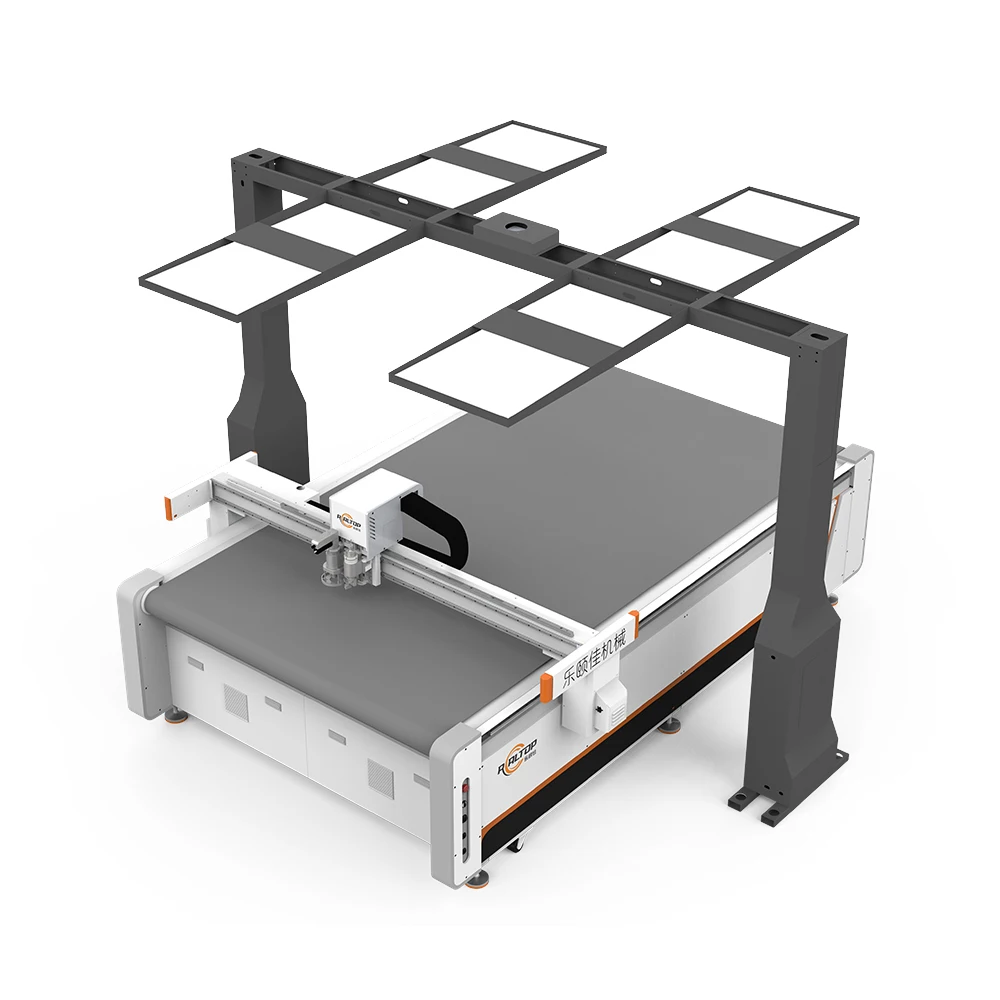
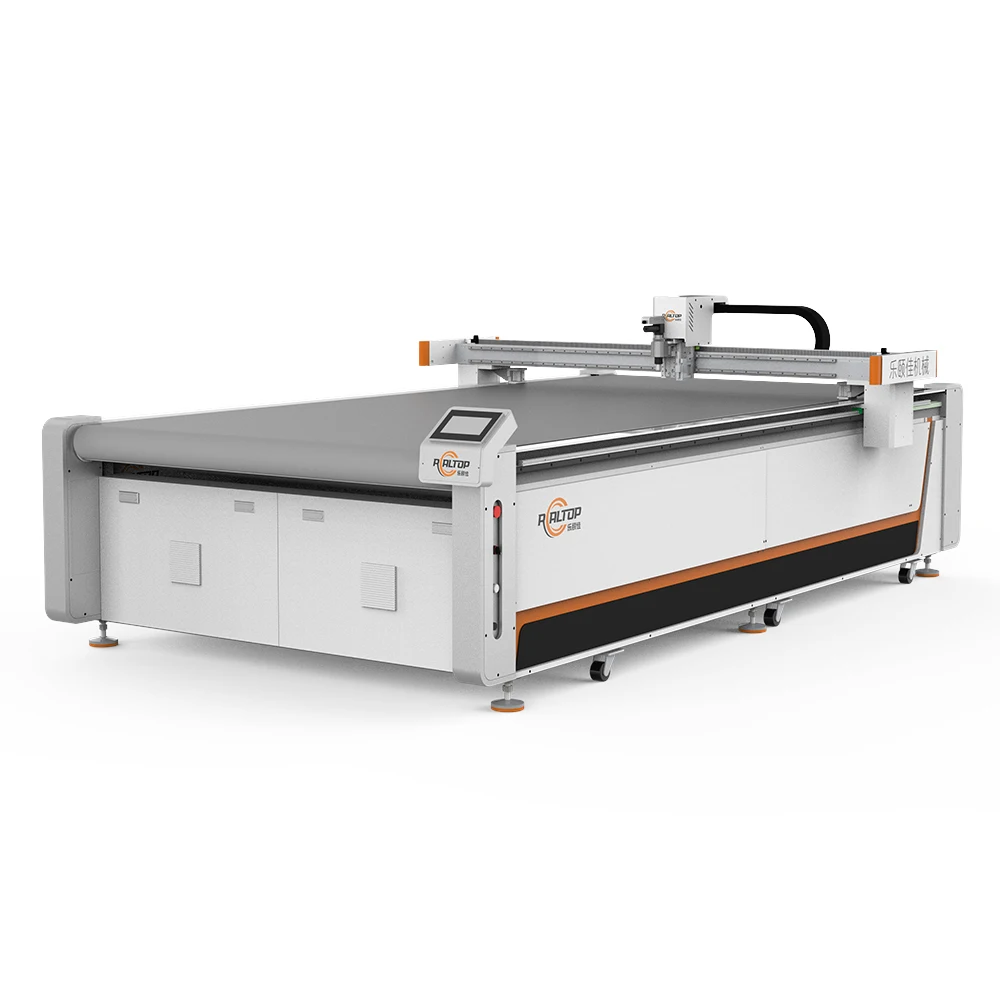
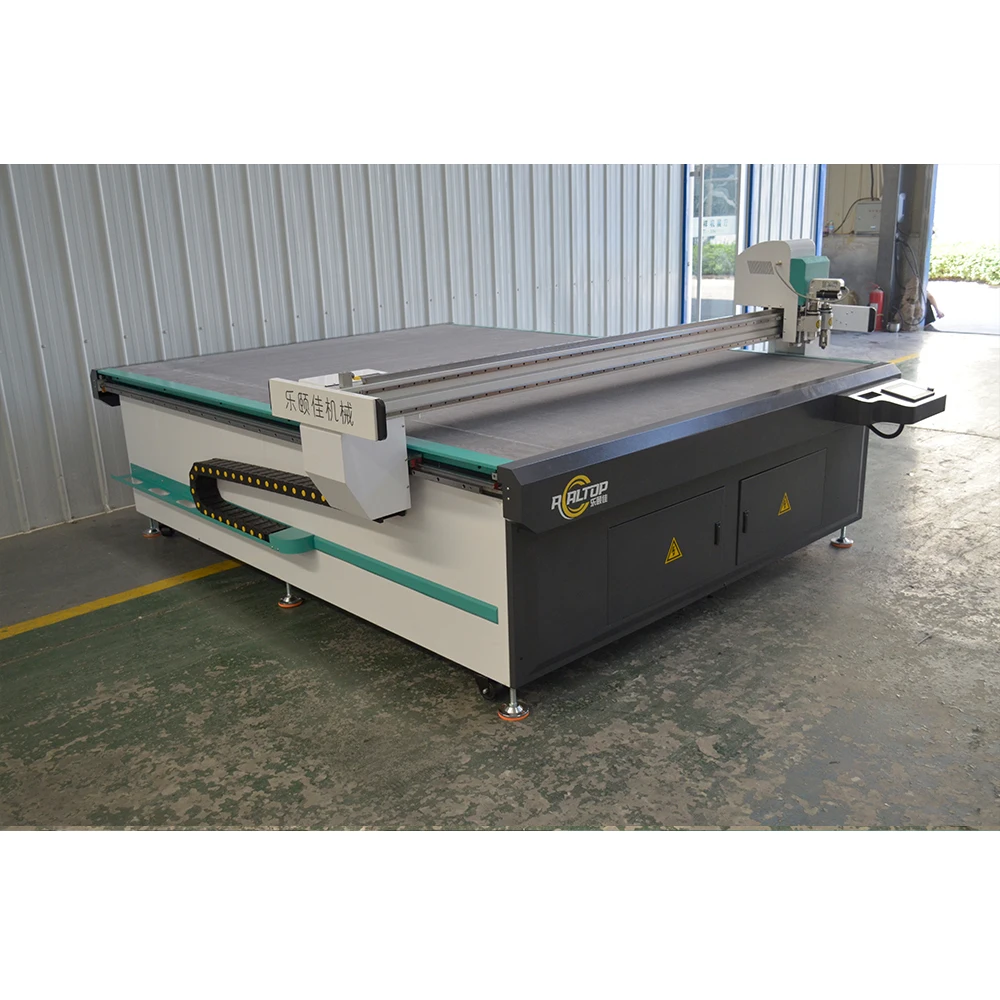
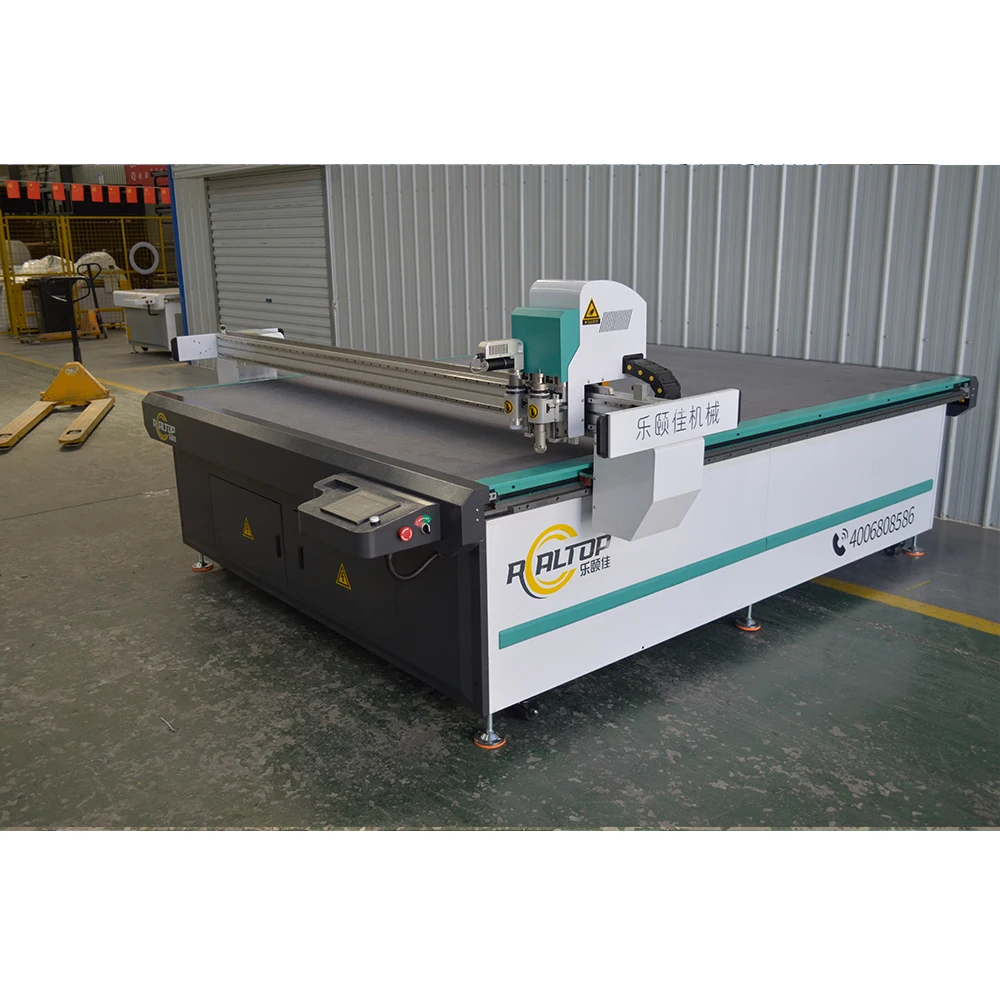
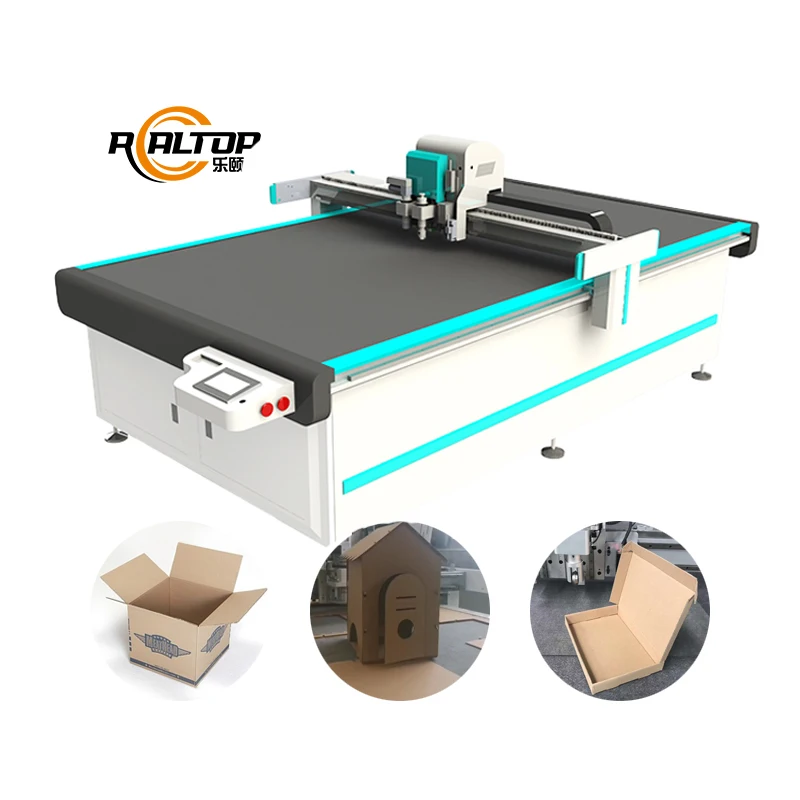
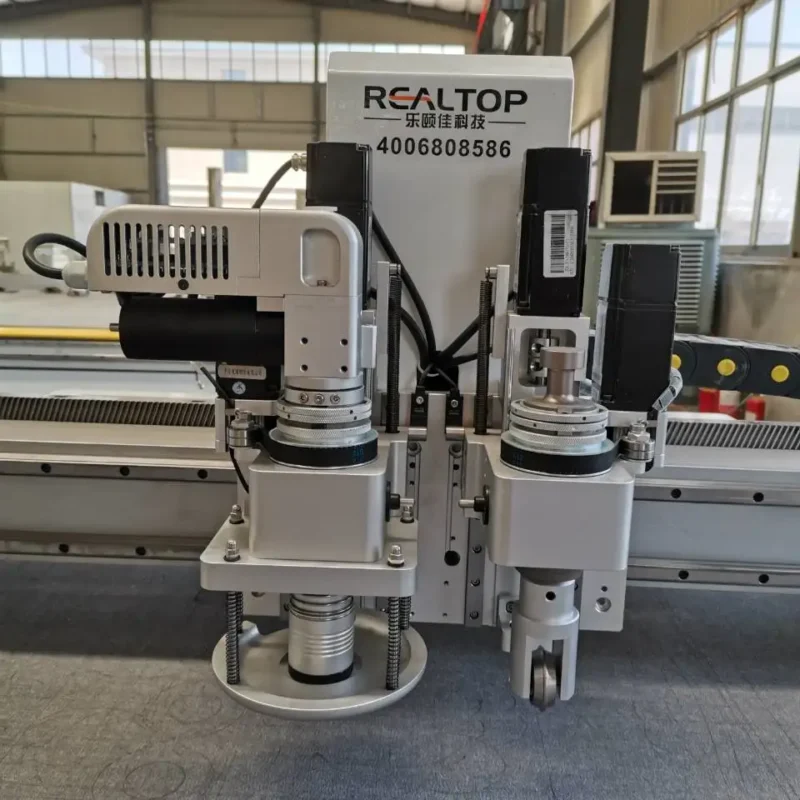
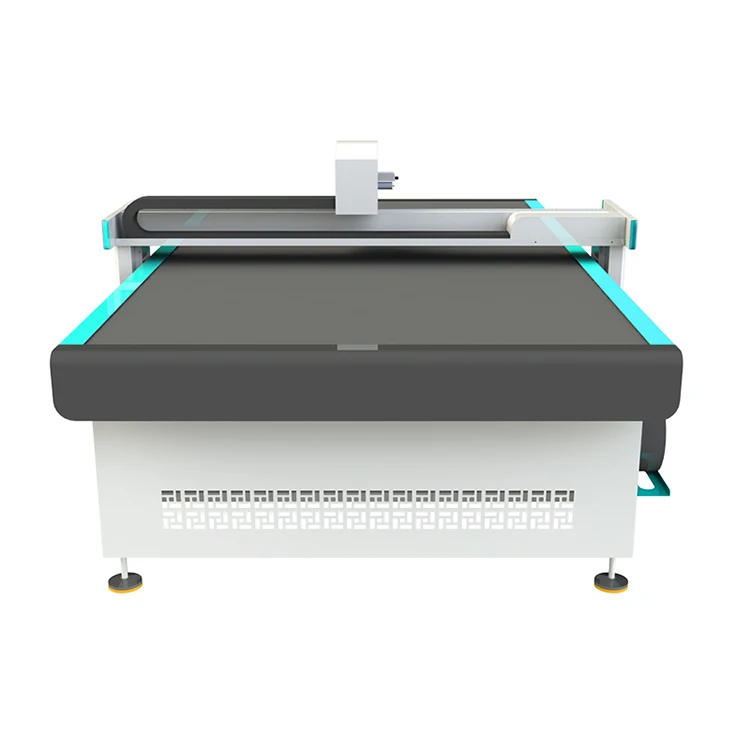
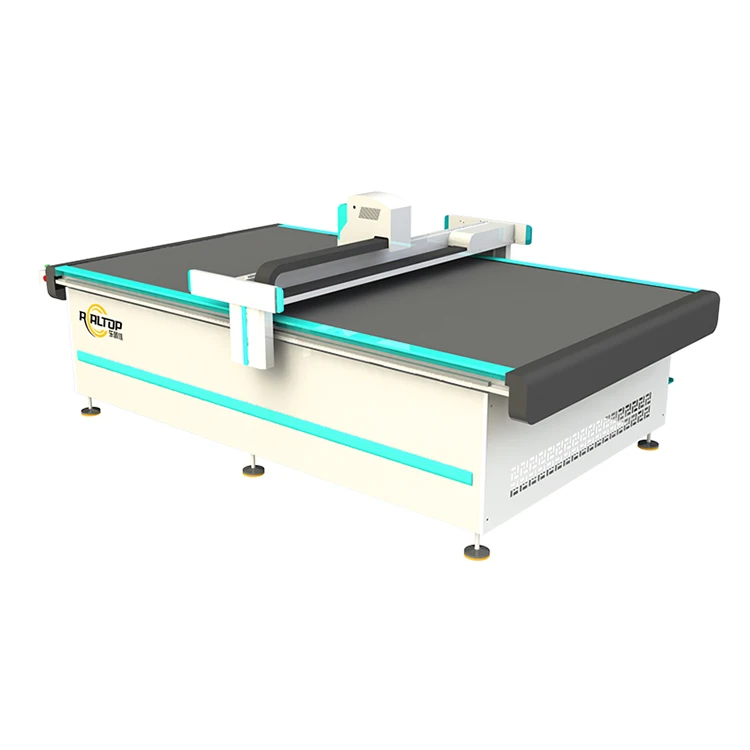
Tool Head Match to Material — The 1625 CNC oscillating knife cutting machine supports oscillating, driven rotary, pneumatic, kiss cutting, creasing wheel, milling, and V-groove tools on one platform, allowing leather and fabric buyers to select the exact head for their stock density rather than forcing a single blade across every job.
Technical Specifications
| Parameter | Value |
|---|---|
| Model | 1625 |
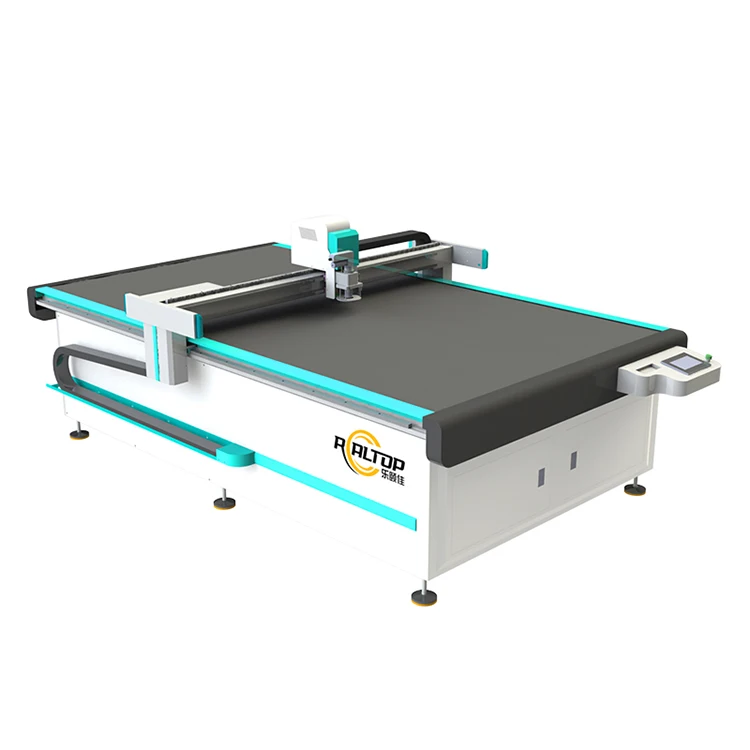
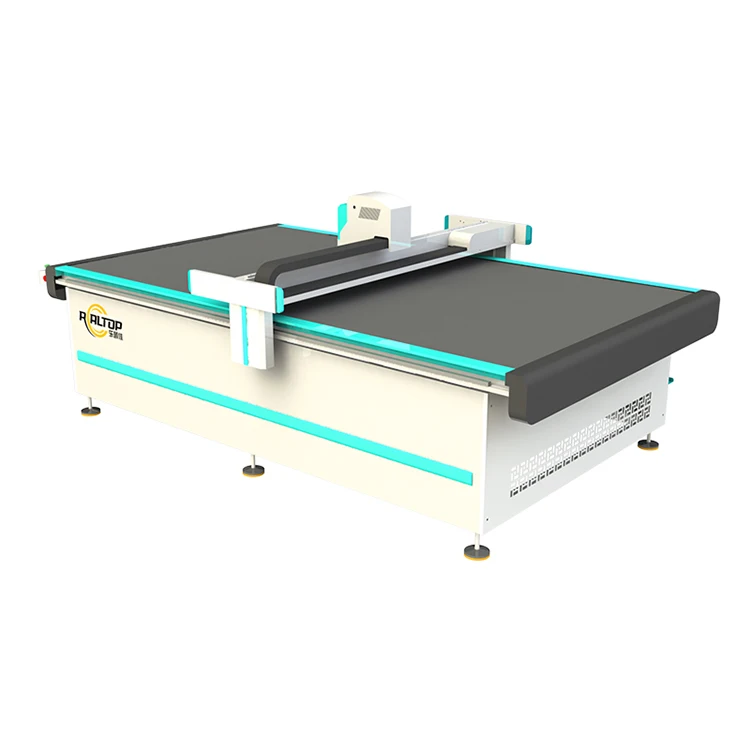
| Product Type | CNC Oscillating Knife Cutting Machine |
| Working Area | 1600×2500 mm |
| Tool Head Options | Oscillating knife, Driven rotary knife, Creasing wheel, Kiss cutting tool, Pneumatic knife, Milling tool, V-groove knife |
| CCD Camera | Available as tool option |
| Cutting Speed | 0–1500 mm/s |
| Cutting Thickness | ≤ 40 mm (basis not stated in source — confirm material type and block format) |
| Cutting Accuracy | ±0.1 mm |
| Vacuum Pump | 9 kW |
| Vacuum Table | Aluminum bellows vacuum table |
| Control System | PLC control panel |
| Servo Drive Options | Panasonic, Delta, Dorna (source value — verify against current catalog) |
| Voltage Options | 110V, 220V, 380V |
| Software Compatibility | PLT, DXF, AI, PDF |
| Safety Devices | Infrared sensor, Emergency stop |
| Language Options | English, Russian, Italian, Chinese (special languages customizable) |
| Machine Dimensions | 3300×2100×1350 mm |
Application Suitability
| Application | Material or Output |
|---|---|
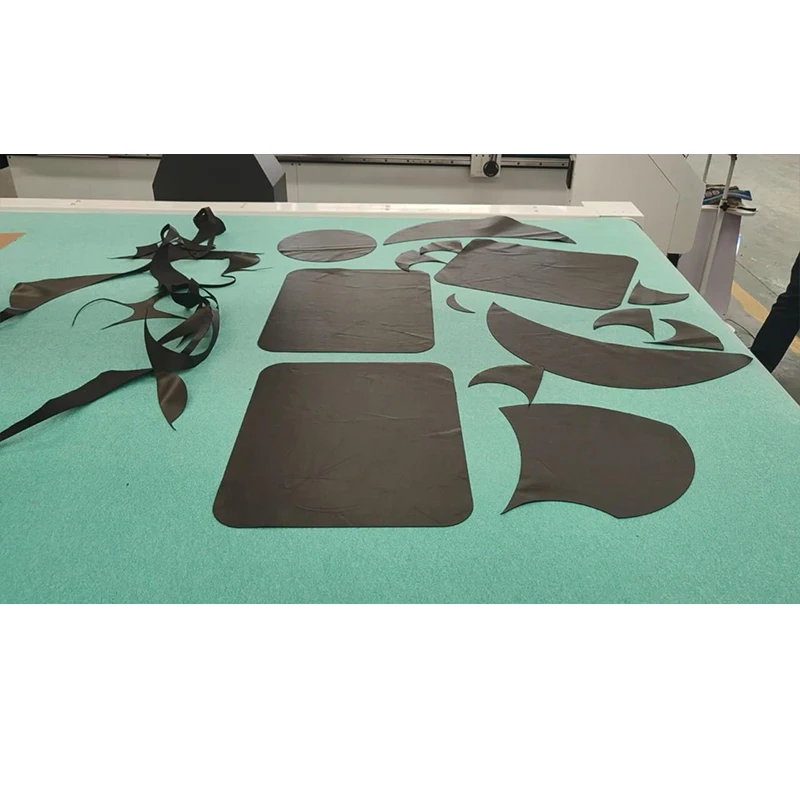
| Footwear upper cutting | Genuine leather, synthetic leather, PU, microfiber leather |
| Bag and leather goods production | Split leather, bonded leather, textile-reinforced hides |
| Garment pattern cutting | Velvet, fleece, non-woven fabric, woven textile |
| Packaging sample making | Corrugated cardboard (E-flute, B-flute, BC-flute), greyboard, cardstock |
| Automotive interior trimming | PU foam, EVA foam, composite gasket material |
| Signage and display fabrication | PVC foam board, Coroplast, acrylic, vinyl, PET sheet |
| Industrial gasket fabrication | PTFE, rubber mats, adhesive-backed composite sheets |
What the Thickness Rating Actually Means for Your Material
A cutting depth listed at 40 mm tells you little until you confirm the material density, layering method, and blade stroke behind that number. The 1625 CNC oscillating knife cutting machine carries a thickness rating that shifts in practice depending on whether you run dense vegetable-tanned leather in single ply or compress softer foam into multi-layer blocks.
Leather varies enormously in fiber density — full-grain hides resist the blade differently than bonded or regenerated leather sheets. A buyer who assumes uniform cutting performance across all leather types risks ragged edges on denser stock or crushed layers on softer composites. Specifying the machine without a material-specific sample run leaves these variables untested. [NEED_CITE: material density and blade resistance in leather cutting applications]
I have watched workshops discover after delivery that their regular production stock required multiple slow passes instead of the single clean cut they expected. That gap between catalog depth and real output is why running your actual material through the machine before signing matters more than any printed spec.
Matching Knife Type to Leather Grade and Ply Count
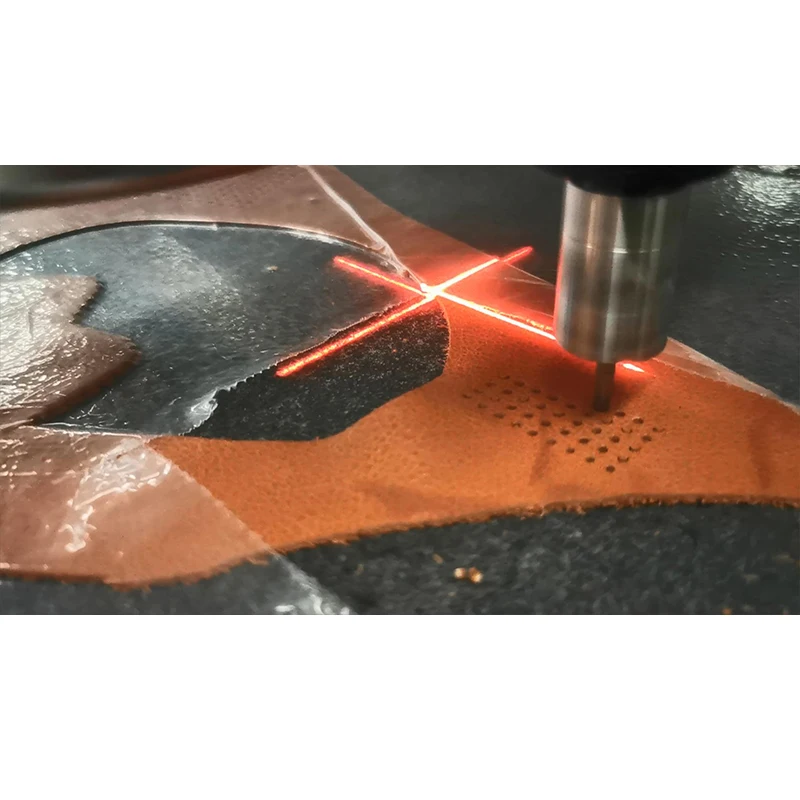
Oscillating knife heads work well on single-ply genuine leather and most synthetics, where the high-frequency vibration slices through dense fiber without dragging the hide. Driven rotary knives handle thicker, tougher materials like rubber gasket stock or multi-layer foam where continuous rotation provides more aggressive cutting force. For leather producers running a mix of thin lining and thick sole stock, having both heads available on the 1625 means switching tools instead of switching machines.
Creasing wheels and V-groove knives serve a different function entirely — they score or channel material for folding rather than cutting through it. Packaging sample makers who also process leather goods find this combination useful when the same flatbed handles both carton prototypes and hide cutting on different days. The platform accepts these tools without mechanical modification.
Vacuum Hold-Down and Small Part Behavior
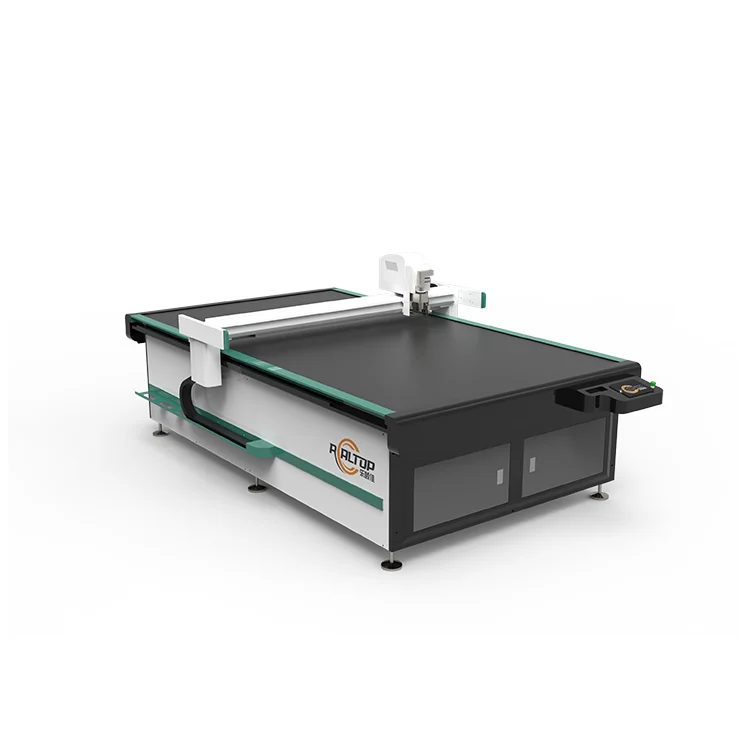
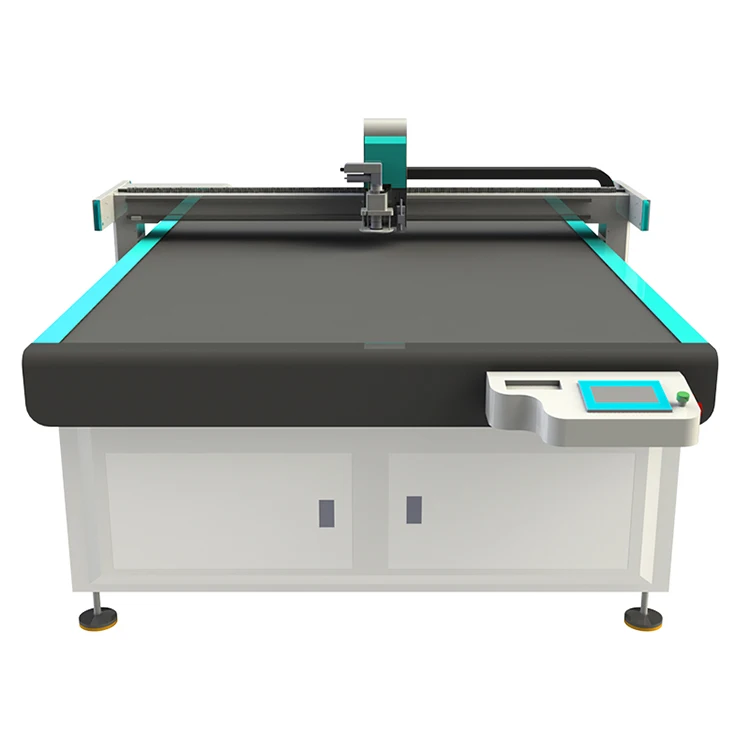
The aluminum bellows vacuum table on this CNC oscillating knife cutting machine provides flat sealing across the 1600×2500 mm bed, which matters when cutting small leather components like shoe upper pieces or bag hardware tabs. Insufficient vacuum zoning lets lightweight or small-area parts lift during the cut, producing dimensional drift or incomplete cuts at the edge of the pattern.
Zoning configuration is not detailed in the standard specification, so buyers cutting high volumes of small parts should confirm the vacuum zone layout and pump capacity relative to their nesting pattern. A 9 kW pump delivers substantial suction, but the effective hold-down on a tiny pattern piece depends on how the zones are segmented beneath the table surface. [NEED_CITE: vacuum table zoning impact on small part cutting accuracy]
How Software and File Formats Shape Daily Workflow
The 1625 accepts PLT, DXF, AI, and PDF files directly, which covers most pattern-making outputs from CAD systems used in footwear and leather goods design. File format compatibility sounds basic until your design team works exclusively in a format the machine software cannot import, forcing a manual redraw of every pattern before cutting begins.
The PLC control panel supports multiple language options including English, Russian, Italian, and Chinese, with special languages configurable at order. For workshops where operators are not fluent in the default interface language, this affects setup speed and error rates during tool changes or parameter adjustments. Confirming the control language before shipment avoids a situation where the production team cannot navigate basic menu functions on day one.
The Cost of Choosing the Wrong Head for Your Stock
Selecting a tool head based on a general material category rather than the specific grade and thickness in daily production leads to predictable problems. Oscillating knives produce clean edges on standard garment leather but may struggle with heavily reinforced synthetic composites, leaving frayed margins that require secondary trimming. Pneumatic knives handle thick foam stacks well but can crush delicate suede surfaces if the downforce is not calibrated to the material.
I have seen buyers commit to a single head configuration, then spend months trying to make it work across materials it was never intended for. The result is inconsistent edge quality, higher blade consumption, and operators running the machine slower than its mechanical capacity to compensate. Confirming the right head on your actual production stock eliminates this mismatch before the machine ships. [NEED_CITE: tool head selection and material-specific cutting quality]
Why Buyers Surveying the Full Range Land on This Platform
REALTOP manufactures both knife and laser cutting systems, so a buyer comparing methods for leather processing can evaluate oscillating knife versus CO2 laser on the same supplier relationship rather than sourcing from two separate factories. The knife method produces no burn marks or odor on genuine leather, which matters for visible surfaces on finished footwear and bags.
The 1625 platform carries CE certification, and every configuration ships with a sample cutting report on the buyer’s own material, a machine specification sheet confirming voltage and tool head list, and an electrical schematic matched to the destination facility. Servo drive selection among Panasonic, Delta, and Dorna gives buyers flexibility when local service availability favors one brand over another.
Documentation & Verification
- Machine specification sheet listing all configured tool heads and confirmed working area
- Sample cutting report produced on your leather grade before order confirmation
- Electrical schematic and voltage confirmation matching your facility supply
- Software license with file format compatibility note for PLT, DXF, AI, PDF
- Factory test record documenting cutting accuracy across the configured bed area
- Operation and maintenance manual in your selected control language
Installation, Commissioning & Support
- Dedicated power circuit required for the 9 kW vacuum pump plus servo and control loads
- Floor space allocation of approximately 3300×2100 mm plus operator access clearance on all sides
- Voltage confirmation at 110V, 220V, or 380V before shipment to avoid transformer retrofit on arrival
- First-run parameter calibration on your leather stock with technician guidance during commissioning
- Operator training covering tool head changes, CCD camera setup, and nesting workflow in your language
- Spare parts list covering blades, vacuum seals, and wear items specific to your configured heads
What We Need from You to Quote Accurately
Send your material type, typical thickness range, and maximum sheet dimensions so we can recommend the correct tool head and confirm whether the 1600×2500 mm bed covers your nesting patterns. Include your facility voltage and frequency, preferred control language, and any existing CAD file formats your design team outputs. If you want to see cutting results on your specific leather stock before committing, we arrange sample cutting and report back with edge quality photos and dimensional measurements.
Frequently Asked Questions
Q: How do I choose between oscillating knife and laser cutting for leather?
A: Oscillating knife produces no burn marks, no odor, and no discoloration on genuine leather, making it preferred for visible surfaces on footwear uppers and bag panels. CO2 laser seals synthetic edges and handles intricate perforations well but can leave char marks on natural hides. If your production includes both genuine and synthetic leather, having access to both methods from one manufacturer lets you assign each material to the appropriate process.
Q: What tool heads are available on the 1625, and which suits my leather stock?
A: The platform supports oscillating knife, driven rotary knife, pneumatic knife, kiss cutting, creasing wheel, milling, and V-groove tools. For standard genuine leather in single ply, the oscillating knife is the default choice. Thicker or reinforced composites may require the driven rotary or pneumatic head. Testing your exact material determines which head delivers clean edges at production speed.
Q: Can I test-cut my own leather before committing to the order?
A: Yes. We cut your supplied material on the configured machine and provide a sample report documenting edge quality, dimensional accuracy, and cutting behavior at different speeds. This step reveals how your specific leather grade responds to the selected tool head before you invest in a full production system.
Q: What voltage and language options are available for my facility?
A: The 1625 is configurable for 110V, 220V, or 380V supply, and the PLC control panel supports English, Russian, Italian, and Chinese as standard with special languages available on request. We confirm both voltage and language before production begins to ensure the machine matches your workshop infrastructure and operator capabilities on arrival.
Q: How does the full REALTOP catalogue break down by material and production volume?
A: The catalogue spans CNC oscillating knife machines for flexible materials like leather, fabric, and foam, alongside CO2 and fiber laser systems for rigid non-metals and sheet metal. Knife platforms handle high-volume nesting on flat beds, while laser systems suit engraving and contour cutting. Each technology page details which materials and throughput ranges it covers so you can narrow the selection before requesting a quote.
Tool Head Match to Material — The 1625 CNC oscillating knife cutting machine supports oscillating, driven rotary, pneumatic, kiss cutting, creasing wheel, milling, and V-groove tools on one platform, allowing leather and fabric buyers to select the exact head for their stock density rather than forcing a single blade across every job.
Technical Specifications
| Parameter | Value |
|---|---|
| Model | 1625 |
| Product Type | CNC Oscillating Knife Cutting Machine |
| Working Area | 1600×2500 mm |
| Tool Head Options | Oscillating knife, Driven rotary knife, Creasing wheel, Kiss cutting tool, Pneumatic knife, Milling tool, V-groove knife |
| CCD Camera | Available as tool option |
| Cutting Speed | 0–1500 mm/s |
| Cutting Thickness | ≤ 40 mm (basis not stated in source — confirm material type and block format) |
| Cutting Accuracy | ±0.1 mm |
| Vacuum Pump | 9 kW |
| Vacuum Table | Aluminum bellows vacuum table |
| Control System | PLC control panel |
| Servo Drive Options | Panasonic, Delta, Dorna (source value — verify against current catalog) |
| Voltage Options | 110V, 220V, 380V |
| Software Compatibility | PLT, DXF, AI, PDF |
| Safety Devices | Infrared sensor, Emergency stop |
| Language Options | English, Russian, Italian, Chinese (special languages customizable) |
| Machine Dimensions | 3300×2100×1350 mm |
Application Suitability
| Application | Material or Output |
|---|---|
| Footwear upper cutting | Genuine leather, synthetic leather, PU, microfiber leather |
| Bag and leather goods production | Split leather, bonded leather, textile-reinforced hides |
| Garment pattern cutting | Velvet, fleece, non-woven fabric, woven textile |
| Packaging sample making | Corrugated cardboard (E-flute, B-flute, BC-flute), greyboard, cardstock |
| Automotive interior trimming | PU foam, EVA foam, composite gasket material |
| Signage and display fabrication | PVC foam board, Coroplast, acrylic, vinyl, PET sheet |
| Industrial gasket fabrication | PTFE, rubber mats, adhesive-backed composite sheets |
What the Thickness Rating Actually Means for Your Material
A cutting depth listed at 40 mm tells you little until you confirm the material density, layering method, and blade stroke behind that number. The 1625 CNC oscillating knife cutting machine carries a thickness rating that shifts in practice depending on whether you run dense vegetable-tanned leather in single ply or compress softer foam into multi-layer blocks.
Leather varies enormously in fiber density — full-grain hides resist the blade differently than bonded or regenerated leather sheets. A buyer who assumes uniform cutting performance across all leather types risks ragged edges on denser stock or crushed layers on softer composites. Specifying the machine without a material-specific sample run leaves these variables untested. [NEED_CITE: material density and blade resistance in leather cutting applications]
I have watched workshops discover after delivery that their regular production stock required multiple slow passes instead of the single clean cut they expected. That gap between catalog depth and real output is why running your actual material through the machine before signing matters more than any printed spec.
Matching Knife Type to Leather Grade and Ply Count
Oscillating knife heads work well on single-ply genuine leather and most synthetics, where the high-frequency vibration slices through dense fiber without dragging the hide. Driven rotary knives handle thicker, tougher materials like rubber gasket stock or multi-layer foam where continuous rotation provides more aggressive cutting force. For leather producers running a mix of thin lining and thick sole stock, having both heads available on the 1625 means switching tools instead of switching machines.
Creasing wheels and V-groove knives serve a different function entirely — they score or channel material for folding rather than cutting through it. Packaging sample makers who also process leather goods find this combination useful when the same flatbed handles both carton prototypes and hide cutting on different days. The platform accepts these tools without mechanical modification.
Vacuum Hold-Down and Small Part Behavior
The aluminum bellows vacuum table on this CNC oscillating knife cutting machine provides flat sealing across the 1600×2500 mm bed, which matters when cutting small leather components like shoe upper pieces or bag hardware tabs. Insufficient vacuum zoning lets lightweight or small-area parts lift during the cut, producing dimensional drift or incomplete cuts at the edge of the pattern.
Zoning configuration is not detailed in the standard specification, so buyers cutting high volumes of small parts should confirm the vacuum zone layout and pump capacity relative to their nesting pattern. A 9 kW pump delivers substantial suction, but the effective hold-down on a tiny pattern piece depends on how the zones are segmented beneath the table surface. [NEED_CITE: vacuum table zoning impact on small part cutting accuracy]
How Software and File Formats Shape Daily Workflow
The 1625 accepts PLT, DXF, AI, and PDF files directly, which covers most pattern-making outputs from CAD systems used in footwear and leather goods design. File format compatibility sounds basic until your design team works exclusively in a format the machine software cannot import, forcing a manual redraw of every pattern before cutting begins.
The PLC control panel supports multiple language options including English, Russian, Italian, and Chinese, with special languages configurable at order. For workshops where operators are not fluent in the default interface language, this affects setup speed and error rates during tool changes or parameter adjustments. Confirming the control language before shipment avoids a situation where the production team cannot navigate basic menu functions on day one.
The Cost of Choosing the Wrong Head for Your Stock
Selecting a tool head based on a general material category rather than the specific grade and thickness in daily production leads to predictable problems. Oscillating knives produce clean edges on standard garment leather but may struggle with heavily reinforced synthetic composites, leaving frayed margins that require secondary trimming. Pneumatic knives handle thick foam stacks well but can crush delicate suede surfaces if the downforce is not calibrated to the material.
I have seen buyers commit to a single head configuration, then spend months trying to make it work across materials it was never intended for. The result is inconsistent edge quality, higher blade consumption, and operators running the machine slower than its mechanical capacity to compensate. Confirming the right head on your actual production stock eliminates this mismatch before the machine ships. [NEED_CITE: tool head selection and material-specific cutting quality]
Why Buyers Surveying the Full Range Land on This Platform
REALTOP manufactures both knife and laser cutting systems, so a buyer comparing methods for leather processing can evaluate oscillating knife versus CO2 laser on the same supplier relationship rather than sourcing from two separate factories. The knife method produces no burn marks or odor on genuine leather, which matters for visible surfaces on finished footwear and bags.
The 1625 platform carries CE certification, and every configuration ships with a sample cutting report on the buyer’s own material, a machine specification sheet confirming voltage and tool head list, and an electrical schematic matched to the destination facility. Servo drive selection among Panasonic, Delta, and Dorna gives buyers flexibility when local service availability favors one brand over another.
Documentation & Verification
- Machine specification sheet listing all configured tool heads and confirmed working area
- Sample cutting report produced on your leather grade before order confirmation
- Electrical schematic and voltage confirmation matching your facility supply
- Software license with file format compatibility note for PLT, DXF, AI, PDF
- Factory test record documenting cutting accuracy across the configured bed area
- Operation and maintenance manual in your selected control language
Installation, Commissioning & Support
- Dedicated power circuit required for the 9 kW vacuum pump plus servo and control loads
- Floor space allocation of approximately 3300×2100 mm plus operator access clearance on all sides
- Voltage confirmation at 110V, 220V, or 380V before shipment to avoid transformer retrofit on arrival
- First-run parameter calibration on your leather stock with technician guidance during commissioning
- Operator training covering tool head changes, CCD camera setup, and nesting workflow in your language
- Spare parts list covering blades, vacuum seals, and wear items specific to your configured heads
What We Need from You to Quote Accurately
Send your material type, typical thickness range, and maximum sheet dimensions so we can recommend the correct tool head and confirm whether the 1600×2500 mm bed covers your nesting patterns. Include your facility voltage and frequency, preferred control language, and any existing CAD file formats your design team outputs. If you want to see cutting results on your specific leather stock before committing, we arrange sample cutting and report back with edge quality photos and dimensional measurements.
Frequently Asked Questions
Q: How do I choose between oscillating knife and laser cutting for leather?
A: Oscillating knife produces no burn marks, no odor, and no discoloration on genuine leather, making it preferred for visible surfaces on footwear uppers and bag panels. CO2 laser seals synthetic edges and handles intricate perforations well but can leave char marks on natural hides. If your production includes both genuine and synthetic leather, having access to both methods from one manufacturer lets you assign each material to the appropriate process.
Q: What tool heads are available on the 1625, and which suits my leather stock?
A: The platform supports oscillating knife, driven rotary knife, pneumatic knife, kiss cutting, creasing wheel, milling, and V-groove tools. For standard genuine leather in single ply, the oscillating knife is the default choice. Thicker or reinforced composites may require the driven rotary or pneumatic head. Testing your exact material determines which head delivers clean edges at production speed.
Q: Can I test-cut my own leather before committing to the order?
A: Yes. We cut your supplied material on the configured machine and provide a sample report documenting edge quality, dimensional accuracy, and cutting behavior at different speeds. This step reveals how your specific leather grade responds to the selected tool head before you invest in a full production system.
Q: What voltage and language options are available for my facility?
A: The 1625 is configurable for 110V, 220V, or 380V supply, and the PLC control panel supports English, Russian, Italian, and Chinese as standard with special languages available on request. We confirm both voltage and language before production begins to ensure the machine matches your workshop infrastructure and operator capabilities on arrival.
Q: How does the full REALTOP catalogue break down by material and production volume?
A: The catalogue spans CNC oscillating knife machines for flexible materials like leather, fabric, and foam, alongside CO2 and fiber laser systems for rigid non-metals and sheet metal. Knife platforms handle high-volume nesting on flat beds, while laser systems suit engraving and contour cutting. Each technology page details which materials and throughput ranges it covers so you can narrow the selection before requesting a quote.
商品评价
There are no reviews yet.